Antagonistic activity of bacteria isolated from micropropagation of camu-camu
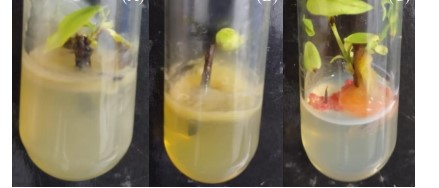
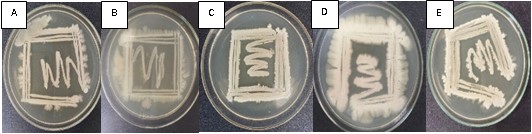
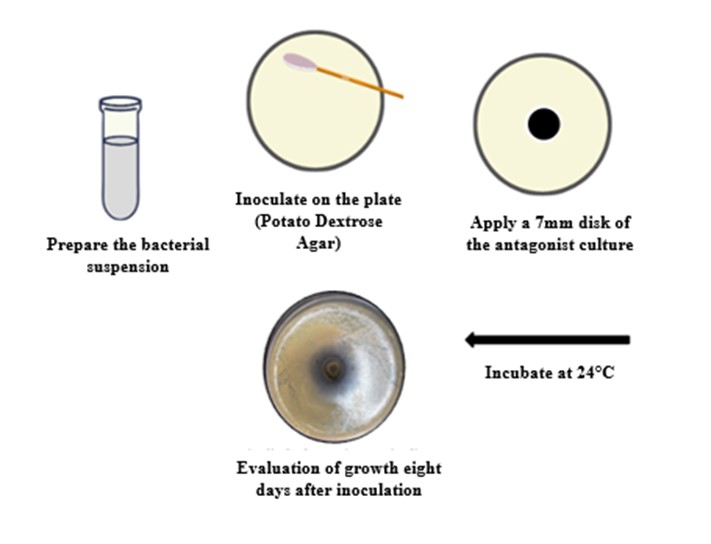
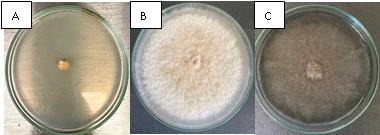
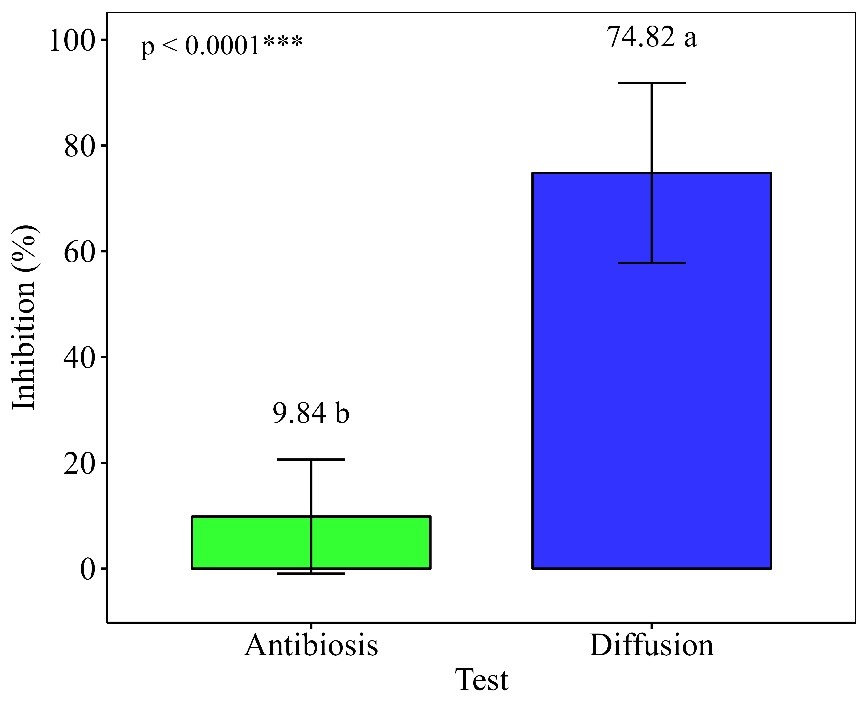
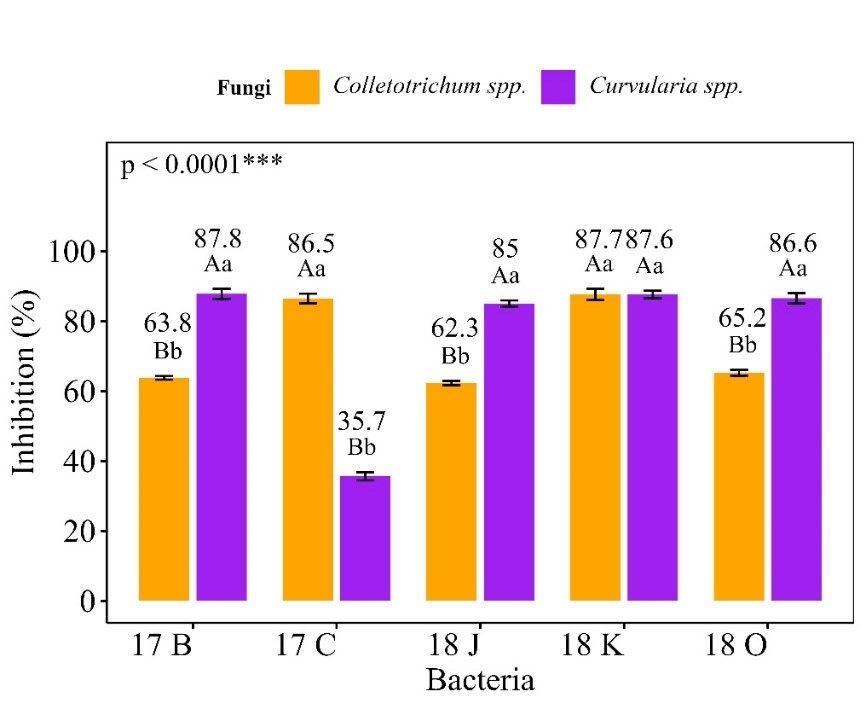
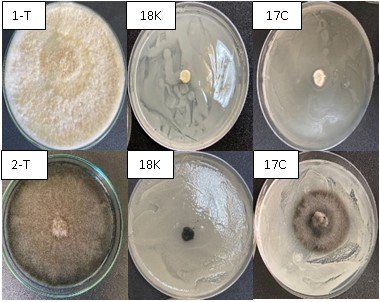
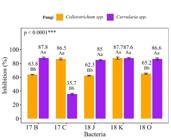
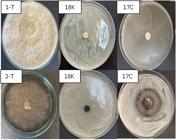
The micropropagation of camu-camu (Myrciaria dubia) faces significant challenges due to fungal contamination under in vitro conditions. This study investigated the potential of endophytic bacteria isolated from camu-camu as an alternative to chemical treatments for controlling contaminant fungi. The antagonistic activities of Bacillus subtilis, Enterobacter sp., Brevundimonassp., Bacillus sp., and Methylobacterium sp. against the fungi Colletotrichum spp.and Curvularia spp. were evaluated using diffusion and antibiosismethods. In the diffusion method, the pathogen was cultured over the antagonist culture,while in the antibiosis method, fungal growth inhibition was assessed through the production of thermostable metabolites. The experimental design was completely randomized (CRD), with five bacteria, two fungi, five replications, and analysis performed using R software. Results demonstrated that the diffusion method is effective in inhibiting the mycelial growth of Colletotrichum spp. and Curvularia spp., isolated from camu-camu micropropagation. Bacillus sp. exhibited the highest inhibition rates for both fungi, while Brevundimonassp. and Methylobacterium sp. were more effective against Curvularia spp., and Enterobactersp. against Colletotrichum spp. It is concluded that endophytic bacteria are a promising alternative for controlling contaminant fungi in camu-camumicropropagation, highlighting the potential of the diffusion method as an antagonistic action mechanism.
Index terms
microbial control; microorganisms; Myrciaria dubia; tissue culture
 Thumbnail
 Thumbnail
 Thumbnail
 Thumbnail
 Thumbnail
 Thumbnail
 Thumbnail
 Thumbnail