
 Perceptions of Chemistry Teachers in Initial Training Regarding the Integration of Technology, Pedagogy, and Science in Their Practices During the Pandemic
ABSTRACT
This study elucidates the perceptions of a group of chemistry teaching undergraduates about the mobilization of knowledge related to the seven bases of the Technological Pedagogical Content Knowledge (TPACK) framework during intervention activities in the pandemic. The descriptive research, with a mixed approach and Survey procedure, was based on observation and 29 Likert scale assertions in a self-report questionnaire, where the nominal variables were reorganized into a scale. Statistical analysis via Statistical Package for the Social Sciences software demonstrated data reliability and normality disparity; thus, parametric (two-way ANOVA) and non-parametric (Kruskal-Wallis) tests were performed, considering a significance level of 5% (p < 0.05). In the end, it was observed that among the 29 assertions, 5 exhibited a significant effect of some group (Gender, Age Group, School Where They Work, Class They Attend, Time of Participation) based on the Kruskal-Wallis test, demonstrating rejection of the null hypothesis (p ≤ 0.05 ≠ H0). Furthermore, the findings indicate a strong need for more holistic initial teacher training, where the use of technology becomes an integral part of Content Knowledge.
Keywords:
Teacher Training; TPACK; Mixed Analysis
RESUMO
Esse estudo elucida as percepções de um grupo de Licenciandos em Química sobre a mobilização de conhecimentos referentes às sete bases no framework Conhecimento Tecnológico Pedagógico do Conteúdo (CTPC) durante atividades de intervenção na pandemia. A pesquisa descritiva, de abordagem mista e procedimento Survey, constituiu-se à luz da observação e de 29 assertivas na escala Likert, em um questionário de autorrelato, onde as variáveis nominais foram reorganizadas em escala. A análise estatística via software Statistical Package for the Social Sciences, demonstrou confiabilidade nos dados e disparidade de normalidade; logo, realizou-se testes paramétrico (Anova de duas vias) e não paramétrico (Kruskal-Wallis), considerando nível de significância de 5% (p < 0,05). Ao término, percebeu-se que dentre as 29 assertivas, 5 delas exibiram efeito significativo de algum grupo (Gênero, Faixa Etária, Colégio em que Atua, Turma que Atende, Tempo de Participação) a partir do teste kruskal-Wallis, demonstrando haver rejeição da hipótese nula (p ≤ 0,05 ≠ H0). Ademais, as constatações indicam que ainda há fortemente a necessidade de uma formação docente inicial holística, onde a utilização da tecnologia torne-se apropriação em comunhão ao Conhecimento do Conteúdo.
Palavras-chave:
Formação Docente; CTPC; Análise Mista
Main Ideas
In response to the demands of modern times, characterized by the use of Digital Information and Communication Technologies (DICT) and an overwhelming influx of information, educational institutions, especially teacher training programs, need to (re)think their teaching and learning methods, modifying or adapting them at the intersection of different fields of knowledge. However, it is important to emphasize that merely incorporating DICT into teacher training programs is not enough to ensure the conscious pedagogical use of technological resources, nor does it support the development of digital awareness.
In this regard, the shift towards pedagogical and scientific appropriation of DICT must occur primarily with teachers in initial training. The lack of knowledge and mastery of DICT-related skills presents a significant challenge, highlighting the inadequacies and limitations of the current training process. Integrating DICT into teacher education, in the sense of both pedagogical and scientific appropriation, is a daunting task for teachers, as it requires the activation and integration of a wide array of knowledge, necessitating considerable adjustment, including by teacher educators (Morales-Soza, 2020).
Considering the complexity of integrating DICT effectively in formative contexts, Mishra and Koehler, in 2006, developed the TPACK (Technological Pedagogical Content Knowledge) model, fundamentally based on Shulman’s (1987) work on Pedagogical Content Knowledge (PCK), to which Technological Knowledge (TK) was added. The TPACK model has been explored and conceptualized by various researchers in teacher education (Ortega, 2020; Cleophas; Bedin, 2022), and is “comprised of a body of knowledge that teachers must put into practice to effectively integrate DICT into their various subjects or courses” (Morales-Soza, 2020, p. 136).
Essentially, TPACK “is a conceptual model capable of identifying the types of knowledge a teacher must master to effectively integrate DICT into their teaching and, in particular, to develop it” (Cleophas; Bedin, 2022, p. 400). By proposing the TPACK model, Mishra and Koehler (2006) provided a theoretical and epistemological framework that closely supports the integration of DICT into teacher training curricula, offering an essential mechanism for understanding teachers’ perceptions of teaching with technology (Ortega, 2020).
In this context, TPACK guides teachers toward a deeper understanding of the integration of technological, pedagogical, and scientific knowledge, enabling the effective implementation of key curricular elements (Siqueira; Bedin, 2023). This movement was especially evident during the COVID-19 pandemic, which, according to Bedin and Cleophas (2023), brought significant changes to society, particularly in how education is conducted. The authors highlight that these changes occurred regardless of teachers’ technological skills, revealing weaknesses in the use of DICT as pedagogical tools to support scientific teaching and learning practices. Therefore, it is worth asking: what perceptions do teachers in initial training reveal about the mobilization of TPACK knowledge during the pandemic?
Thus, this article aims to elucidate the perceptions of a group of chemistry teachers in initial training about the mobilization of knowledge related to the seven knowledge bases intersected within the conceptual framework of Technological Pedagogical Content Knowledge (TPACK) during intervention activities in the pandemic. It should be noted that this research did not intend to assess whether chemistry teachers in initial training understood the conceptual structure of TPACK. Instead, the goal was to gather evidence of the possible domains of knowledge “acquired” in the intrinsic fusion of technology, pedagogy, and science in pedagogical practices during the pandemic.
The objective is justified by the aim to encourage teachers in initial training to reflect on the planning, adaptation, implementation, and evaluation of activities developed during the pandemic and their influence on their own training. This reflection provides an opportunity to consider the various knowledge bases they needed to master to promote a learning environment based on the use of DICT, as proposed by TPACK. After all, it is crucial that teachers in initial training have the opportunity to experience formative moments that effectively integrate DICT with scientific and pedagogical knowledge, as it is the responsibility of the institution where they are trained to provide such opportunities.
Theoretical Framework
The role of the teacher in appropriating Digital Information and Communication Technologies (DICT) for effective use must go beyond that of a facilitator, transforming the teacher into an agent who enhances a guided formative process. In this context, the student, embedded in a teaching and learning system shaped by interaction and creativity, assumes an active role, becoming responsible for their learning, which is grounded in autonomy and interest. The role of an empowering teacher is essential in this scenario, as the efficient integration of DICT enables interactive, dynamic, and reciprocal learning environments. The teacher must work alongside the student, sharing knowledge and learning collaboratively, which requires both technological skills and competencies.
In this regard, the Technological Pedagogical Content Knowledge (TPACK) framework emerges as a crucial structure. It offers a theoretical foundation that simultaneously and interdependently integrates knowledge of content, pedagogy, and technology (Koehler; Mishra, 2009). This framework helps teachers develop a deep understanding of how to actively and dynamically use DICT in their pedagogical practices, promoting more technologically relevant teaching. Furthermore, Cenich, Araujo, and Santos (2019) propose that TPACK can also be understood as a mechanism for analyzing the relationships between different domains of knowledge: Technological Knowledge (TK), Pedagogical Knowledge (PK), and Content Knowledge (CK). The aim is to characterize how teachers use DICT in their methodological approaches.
Specifically, Cabero, Marín, and Castaño (2015) describe these types of knowledge as follows: CK refers to the specific content of the subject; PK relates to the methods and processes of teaching and learning, from classroom management to instructional strategies; and TK concerns the use of DICT, both in general and specific terms. The integration of these three knowledge bases forms Pedagogical Content Knowledge (PCK), Technological Content Knowledge (TCK), and Technological Pedagogical Knowledge (TPK).
Regarding these types of knowledge, Siqueira and Bedin (2023) define them as follows: PCK involves teaching scientific content pedagogically, focusing on the learner; TCK refers to the use of technology for personal scientific enhancement and updates; and TPK represents the intersection between didactic strategies and digital technological tools, [...] this knowledge is essential for developing the skills and competencies needed to teach specific content, considering the teaching and learning processes.
The intersection of these three knowledge bases forms TPACK. According to Rolando, Luz, and Salvador (2015, p. 176), TPACK is a type of knowledge “different from that of a technology expert or a specialist in a specific area of human knowledge, and it also differs from general pedagogical knowledge shared by teachers of different subjects.” In other words, the structure and composition of the seven knowledge bases within TPACK, aligned with teachers’ domains of expertise, significantly impact their teaching actions and behaviors, directly influencing student learning outcomes (Zhang, 2021).
Finally, by enhancing their practice through TPACK, teachers become capable of overcoming various obstacles and challenges, particularly those related to the appropriation and integration of DICT in their daily work. TPACK provides teachers with a rich way to reflect and think strategically about their practice through the inclusion of technology, without offering rigid prescriptions on how to integrate it into the classroom. Ultimately, TPACK requires an understanding of how to represent concepts using technologies; pedagogical techniques that constructively employ these technologies to teach content; and knowledge of what makes concepts difficult or easy to learn (Rolando; Luz; Salvador, 2015).
Research Methodology
Study Participants
The study involved 28 undergraduate students from the Chemistry Education Program at the Federal University of Paraná (UFPR), a public institution located in Paraná, Brazil. These students, referred to as Pre-service Teachers (PST), represent a population composed of 35.72% (n = 10) female, 53.58% (n = 15) male, and 10.70% (n = 3) non-binary participants. The age distribution of the participants is as follows: 42.86% (n = 12) are 20 years old or younger, 42.86% (n = 12) are between 21 and 25 years old, and 14.28% (n = 4) are 26 years old or older.
The PSTs participated in the Institutional Program for Teaching Initiation Scholarships (PIBID), which is part of the National Teacher Training Policy of the Ministry of Education, established by Decree No. 7,219 (Brasil, 2010). The PIBID call for proposals, launched by CAPES (Coordination for the Improvement of Higher Education Personnel) in partnership with Higher Education Institutions (HEIs), lasts 18 months and is aimed at undergraduate students who have completed no more than 60% of their program’s total credit hours. The participants in this research were involved in the PIBID/Chemistry Subproject during the period from 10/2020 to 04/2022.
Regarding program participation, considering the 18-month duration, 21.42% (n = 6) of the PSTs remained in the program for 6 months or less, 25% (n = 7) participated for a period of 7 to 12 months, and 53.58% (n = 15) stayed for 13 months or more. The PSTs were assigned to three distinct public high schools in Curitiba, PR, associated with the PIBID/Chemistry Subproject: 32.14% (n = 9) worked at DB High School, 35.72% (n = 10) at PM High School, and 32.14% (n = 9) at SC High School. The PIBID/Chemistry Subproject focused on both high school and technical education, with 17.86% (n = 5) assisting 1st-year classes, 14.28% (n = 4) supporting 2nd-year classes, 53.58% (n = 15) contributing to 3rd-year classes, and 14.28% (n = 4) working with technical education classes.
Data Collection Instrument
The PSTs were invited to answer a questionnaire divided into two complementary sections. The first section addressed the participants’ profiles, including data on gender, age, duration of participation in the program, the school where they worked, and the grade levels they taught. The second section focused on their actions in the PIBID program during the pandemic and consisted of 29 statements based on the 7 knowledge domains of TPACK (Technological Pedagogical Content Knowledge). These statements were expanded and adapted from the TPACK questionnaire proposed by Mishra and Koehler in 2006, validated by Koh, Chai, and Tsai (2010), and adapted into Portuguese by Rolando (2017). The questionnaire was self-reported and composed of statements to which the PSTs responded by indicating their level of agreement using a Likert scale, as shown in Chart 1.
When analyzing the data presented in Table 1, it is evident that for each of the knowledge bases that intersect to form the TPACK framework, there are three to six assertions that prompted the pre-service teachers (PSTs) to reflect on their actions during their participation in the PIBID program, as well as the impact of this period on the mobilization of knowledge about content, pedagogical processes, and technologies. This design is important because “the way the attribute is expressed may reflect the respondent’s attitude toward each proposition” (Nogueira et al., 2017, p. 4). For data collection, the questionnaire, made available online through a link sent via WhatsApp, was hosted on Google Forms, chosen for its practicality and efficiency in allowing asynchronous storage of responses and enabling the download of data in Excel spreadsheets.
Data Treatment and Analysis
The data were analyzed using the software SPSS (Statistical Package for the Social Sciences), version 20, due to its user-friendly interface. For this, the Cronbach’s Alpha and Data Normality values were identified, as well as the descriptive analysis of the data. Based on the analytical data related to normality, considering p < 0.05 as significant, the type of test to be performed was determined; the p-value is “the probability of observing a test statistic greater than or equal to the one found” (Ferreira; Patino, 2015, p. 485), leading to the rejection or acceptance of the null hypothesis.
Thus, the Likert scale assertions, originally nominal variables, with definitions of: (SD) strongly disagree; (D) disagree; (PD) partially disagree; (PA) partially agree; (A) agree; and (SA) strongly agree, were reorganized into a scale with scores from 1 to 6, corresponding to the levels of agreement: (SD) 1; (D) 2; (PD) 3; (PA) 4; (A) 5; and (SA) 6. For assertions where the distribution did not reject the null hypothesis (p > 0.05), interpretation was performed using the two-way ANOVA parametric test, checking whether the dataset had equal means; for assertions where the distribution rejected the null hypothesis (p < 0.05), interpretation was performed using the non-parametric Kruskal-Wallis test, estimating whether the dataset had equal rank distributions or not.
In any case, for both tests, using independent groups: Gender, Age Group, School of Operation, Classes Attended, and Duration of Participation, a p-value of < 0.05 was used as significant, leading to the rejection of the null hypothesis. Similarly, “when significance has a value lower than 0.05, it is assumed with 95% confidence that the alternative hypothesis is statistically significant, indicating an effect of the category on the assertion” (Bedin, 2021, p. 1644). Furthermore, based on the analytical elements, a qualitative discussion of the data was conducted through an interpretative-inductive analysis (Fonseca, 2002), considering observations of the PSTs’ actions in the activities developed.
Research Approach, Objective, and Procedure
This descriptive survey-based research presents a mixed-methods approach, extending from the measurement of qualitative elements based on findings in the quantitative approach. Therefore, it is a basic analytical research study using statistical data analysis. In other words, the research is descriptive, as it describes results based on the characteristics of a specific group, without intervening in them (Triviños, 2011), where the data are based on percentages, averages, indicators, and normality curves, correlating variables such as gender, age group, background, and education level, among others.
Moreover, as the data emerged from a determining sample population in the UFPR PIBID/Chemistry subproject, the procedure is survey-based, as it constituted quantitative data from a “representative sample of a specific population, which are described and analytically explained” (Cendón; Ribeiro; Chaves, 2014, p. 24). Thus, the results are generalized to the sample universe of this population. Lastly, it is worth noting that since the qualitative approach was conducted based on the interpretation of analytical data from quantification, which allows the calculation of indices and statistical description of the data, the approach is mixed, as it enables the inference of conclusions from both quantitative and qualitative elements separately (Creswell; Clark, 2015).
Results
Normality Test: Identifying the Type of Statistical Test
To appropriately select the statistical test to be used in the analysis, data distribution was evaluated using the Kolmogorov-Smirnov (K-S) normality test at a 95% confidence level (significance level (α) of 5%) (Table 1). This test provides the p-value, understood as “the measure of the degree of agreement between the data and the null hypothesis (H0), with H0 corresponding to the Normal distribution” (Lopes; Branco; Soares, 2013, p. 60). The results in Table 1 indicate that the null hypothesis was rejected for almost all the assertions, as the p-value was less than 0.05 (p ≤ 0.05 ≠ H0). However, for assertion PCK2, parametric statistical tests should be used, given the normality in data distribution (p > 0.05, p = 0.063).
Cronbach’s Alpha: Identifying the Reliability of the Data Instrument
In mixed-methods research, validating the data collection instrument is essential to ensure its reliability. For this, Cronbach’s Alpha coefficient was used via SPSS, one of the most widely used scale reliability indices (Streiner, 2003). The literature indicates that the minimum acceptable value for Cronbach’s Alpha is 0.700, assuming that the data collection instrument is reliable. The questionnaire used in this research presented a Cronbach’s Alpha value of 0.833, indicating reliable data (internal consistency), considered “almost perfect” (Landis; Koch, 1977, p. 165).
Descriptive Statistics
The questionnaire applied to the PSTs contained two sections, as described in the methodology. The first section investigated the participants’ profiles, while the second section analyzed, through 29 self-reported assertions, the participants’ perceptions of the seven TPACK knowledge bases. There were 3 assertions for Content Knowledge (CK), 5 for Pedagogical Knowledge (PK), 3 for Pedagogical Content Knowledge (PCK), 6 for Technology Knowledge (TK), 5 for Technological Pedagogical Knowledge (TPK), 3 for Technological Content Knowledge (TCK), and 4 for Technological Pedagogical Content Knowledge (TPACK). Using SPSS software, a descriptive analysis of the assertions was performed, deriving the minimum and maximum values, mean, and standard deviation, as shown in Table 2.
Parametric and Non-Parametric Tests: Statistical Data Analysis
Since the normality test (K-S) accepted the null hypothesis for assertion PCK 2 (Table 1), a univariate analysis was conducted using the two-way ANOVA parametric test. Assertion PCK 2 was considered the dependent variable, while Gender, Age Range, School of Work, Number of Classes, and Participation Time were considered independent variables, as shown in Table 3.
However, for the other assertions, where the normality test indicated the rejection of the null hypothesis, the data were analyzed using a non-parametric test. In this case, since the number of participants is less than 30, and the sample distribution is neither normal nor homogeneous, the Kruskal-Wallis test for independent samples was used. This test compares independent measurements of more than two groups, verifying: i) null hypothesis (p > 0.05), all groups show the same distribution function for the assertions; or ii) alternative hypothesis (p < 0.05), at least two groups analyzed have different distribution functions. Table 4 presents the data analyzed using the Kruskal-Wallis non-parametric test for the groups Gender, Age Range, School of Work, Number of Classes, and Participation Time.
Discussion
According to the data in Table 2, the PFI (pre-service teachers) believe that, during the activities in the PIBID program during the pandemic, they were able to carry out the various actions that comprise the seven knowledge bases of the TPACK, as the assertions showed average levels of agreement. However, there is a noticeable predominance of agreement in some specific statements over others, as in the pandemic context, “teaching practice was rethought and shaped, requiring creativity, effort, and, above all, time from teachers to develop and adapt new teaching methods” (Bellardo et al., 2021, p. 2). In other words, although the statements had maximum scores of 6, only those related to the Pedagogical Content Knowledge (PCK) base had minimum scores of 1, which was not the case for the Technological Pedagogical Content Knowledge (TPACK) base, where the minimum score was 2.
In this regard, it is inferred that the PFI found more difficulty in the intersection of the Content Knowledge (CK) and Pedagogical Knowledge (PK) bases than in the relationship between the Pedagogical Knowledge and Technological Knowledge (TK) bases. Thus, it can be concluded that the PFI, during their activities in the PIBID program in Basic Education amidst the pandemic, found it easier to relate the pedagogical base with the technological base than with the scientific base. This may result from the practical context, as most PFI were beginners in their undergraduate programs, indicating a low level of scientific knowledge. Furthermore, they had to rely on the technological base for planning.
In support of this, Bueno Cañon (2016) reinforces that teachers need to make a direct decision when using technology to develop a specific scientific content, based exclusively on TPACK, prioritizing content, pedagogy, and technology, respectively. Cabero (2014) supports this sequential approach, arguing that it is necessary to prioritize the selection of objectives related to scientific content, then select appropriate teaching methodologies and activities, and finally choose the suitable technologies to promote these activities.
During the PFI activities in the PIBID program amid the pandemic, it was necessary to rethink the theoretical and epistemological studies related to the project, with a greater emphasis on technologies. Additionally, planning, organizing, and adapting activities for Emergency Remote Teaching (ERT) was required, which significantly affected the PFI’s practices and the structure of the schools they served. However, this was “fundamental for the incorporation of creativity, innovation, and cultural and scientific awareness in the organization of pedagogical actions, enabling not only the mobilization of competencies and the development of skills and attitudes regarding the effective use of technology” (Bellardo et al., 2021, p. 17), but also the awakening of technological awareness and possibly a digital culture among the PFI.
Moreover, the PFI showed lower agreement with the idea that, during the PIBID activities, they created web pages (TK5 - M = 3.39). On the other hand, they agreed more strongly with the statements that they used technology to research chemistry and/or chemistry teaching (TCK2 - M = 4.86) and to represent chemistry content using technologies suitable for students (e.g., multimedia resources, simulators, etc.) (C3 - M = 4.86). These data support the previously mentioned findings, showing that the PFI used technology both for learning about chemistry and for the pedagogical aspect of representing the content. This need arose from the importance of “reviewing and reinventing pedagogical action, mobilizing different technological tools and teaching practices to maintain the quality of lessons, students’ attention, and attendance” (Bellardo et al., 2021, p. 17).
Regarding descriptive analysis, it is important to note that some assertions present the same average but different standard deviations. For example, assertions CK2 and TPACK4, which belong to different knowledge bases, have the same average (M = 4.00), but different standard deviations, 1.155 and 1.333, respectively. This indicates greater uniformity in the data distribution for assertion CK2 compared to assertion TPACK4, suggesting a higher concentration of responses with the same level of agreement for CK2. Therefore, although the assertions have the same average, CK2 shows a tighter grouping of data around the mean.
Regarding statistical analysis, particularly for assertion PCK2, where normality and homogeneity of variances were evidenced, the parametric two-way ANOVA test showed no statistical evidence of differences between group means on the statement that, during the PIBID activities during the pandemic, the PFI selected teaching approaches to guide students’ thinking and learning in chemistry without using technology. In other words, with p > 0.05 (Table 3), the two-way ANOVA test indicated no effect of the groups Gender, Age Range, School of Activity, Classes Taught, and Time of Participation on the assertion, respectively [F(2) = 1.097; p > 0.05]; [F(2) = 0.469; p > 0.05]; [F(2) = 0.961; p > 0.05]; [F(1) = 1.059; p > 0.05]; [F(2) = 0.846; p > 0.05].
On the other hand, for assertions where the data did not show normality and homogeneity of variances, the non-parametric Kruskal-Wallis test was used, which, besides being based on a Chi-square (X2) statistic, is classified as non-parametric, free from the distributions estimated by the means or sample variances. When a significant difference in data treatment between groups is detected, a more in-depth analysis through different tests is indicated. In this case, statistically significant differences were found for some assertions in the groups Gender, Age Range, School of Activity, and Time of Participation (Table 4), with the Kruskal-Wallis one-way ANOVA test for multiple pairwise comparisons (MCFP) being customized.
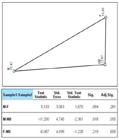
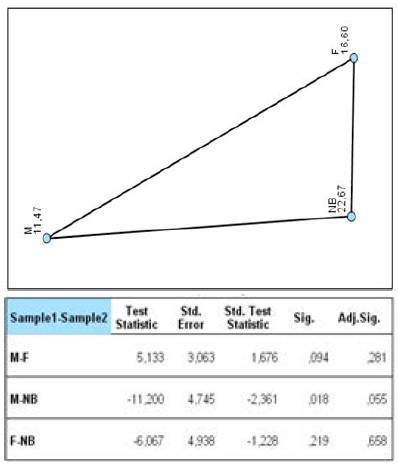
For the Gender group, statistically significant evidence was found for assertion TPK3 [X2(2) = 6.791; p < 0.05]. However, when applying the MCFP test to identify which category (Female, Male, Non-Binary) in the group influences the assertion, no statistically significant effect of any Gender category on the assertion was found. This suggests that the p-value, close to the threshold for rejecting the null hypothesis, was recalculated in the MCFP, showing no abnormality in data distribution for this assertion in this group, as shown in Graph 2.
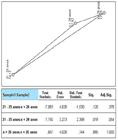
For the Age Group, statistical evidence of an effect was also found in the Kruskal-Wallis test, specifically for assertion CPC1 [X2 (2) = 6.157; p < 0.05]. However, as shown in Graph 3, when applying the MCFP test to identify which category (20 years or younger, between 21 and 25 years, 26 years or older) within the group influences the assertion, it was found that no significant effect of any Age Group category on the assertion was present. The p-value was recalculated in the MCFP test, with no abnormality in the data distribution for this assertion in this group, as shown in Graph 3.
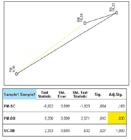
When analyzing Table 4, in the column related to the Kruskal-Wallis test for the School of Activity group, statistically significant evidence was found for assertion TPK1, indicating an effect of the School of Activity group on the statement that, during the PIBID activities, the PFI used technology to introduce Basic Education students to real-world situations [X2 (2) = 7.253; p < 0.05]. Upon performing the MCFP test, a statistical effect was observed between the PM School and DB School categories, as shown in Graph 4.
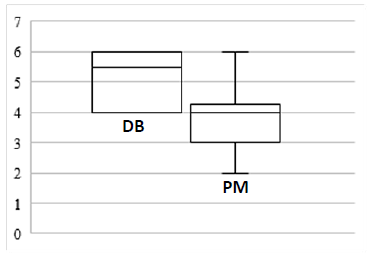
It is believed that the effect of using technology to introduce students to real-world situations arises when considering the classes in which the participants were involved. At the DB School, there was a higher percentage of involvement in 2nd and 3rd-year classes, while at the PM School, involvement was stronger in 1st-year and Technical classes. The chemistry content taught in the 2nd and 3rd years, according to the State of Paraná High School Curriculum Framework (Paraná, 2021), directly relates to students’ daily lives, covering concepts of physical chemistry in the 2nd year and organic chemistry in the 3rd year, requiring greater use of technology by participants at the DB School, as shown in Graph 5.
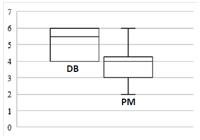
In summary, Graph 5, created from a non-parametric boxplot test, shows that, in addition to having minimum values of 4, where the first quartile is located, and maximum values of 6, next to the third quartile, for PFI working at DB School, the median (M = 5.6) is well above the median for PM School (M = 4). In other words, the median for PM School, which represents the central tendency (50%) of the responses for the assertion, is located in the first quartile for DB School (25%). Additionally, the PFI at PM School show both agreement and disagreement, with a minimum score of 2 and a maximum of 6.
This effect is supported by Hernández and colleagues (2014), who state that the benefits obtained from the effective use of digital technologies and communication (TDIC) depend mainly on how the lesson is planned and executed, the ability of those involved to take advantage of opportunities, and the attitude of both teachers and students toward teaching and learning. Therefore, it is understood that the actions of the PFI during the pandemic, in addition to impacting the education of Basic Education students, influenced the development of a technological identity integrated with pedagogical and scientific aspects, by adapting, innovating, and transforming scientific activities using technologies to achieve pedagogical objectives.
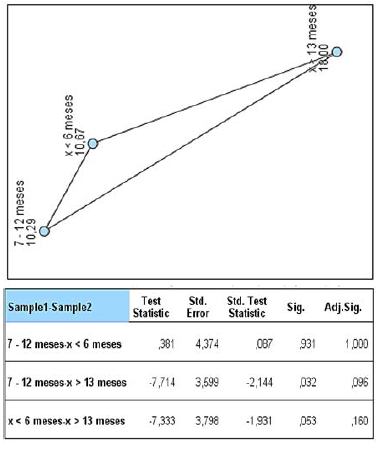
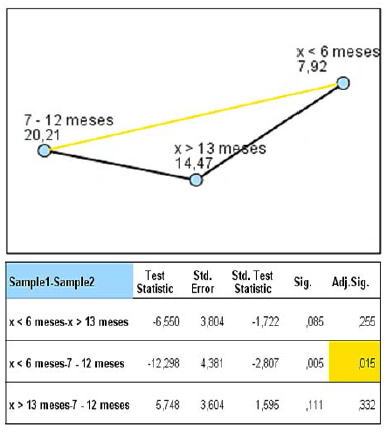
Further analyzing the data, Table 4’s column related to the non-parametric Kruskal-Wallis test for the Time of Participation group shows statistically significant evidence for assertions PK5 [X2 (2) = 6.410; p < 0.05] and TPK2 [X2 (2) = 7.881; p < 0.05]. Thus, the MCFP test was performed to identify which category (6 months or less, 7 to 12 months, 13 months or more) influences the assertions. According to Graphs 6 and 7, the MCFP test confirms a statistical effect between the categories 6 months or less and 7 to 12 months for assertion TPK2, which does not occur for assertion PK, where the recalculated p-value in the comparison confirms no statistically significant evidence.
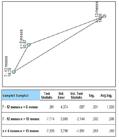

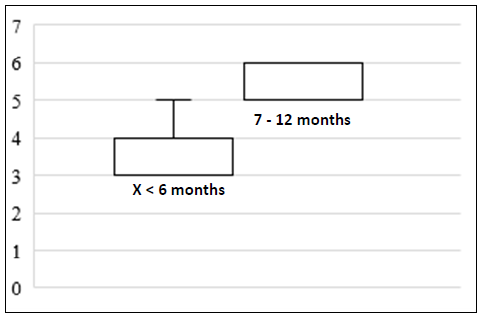
In Graph 7, where there is an effect of the Time of Participation group on the idea that, during their involvement in PIBID during the pandemic, pre-service teachers helped students use technology to find more information on their own, Graph 8 was created. This graph highlights a variation between the responses of pre-service teachers who participated in the program for 6 months or less and those who participated for 7 to 12 months. This difference can be attributed to the fact that teachers with more time in PIBID interacted more with Basic Education students, strongly agreeing with the idea of helping them use technology to find information independently.

Analyzing the data in Graph 8, it is clear that the pre-service teachers (PFI) who participated in the program for 7 to 12 months show minimum scores of 5 and maximum scores of 6, revealing that 100% of participants agree with the assertion at the highest levels of agreement. However, when examining the responses of PFIs who participated in PIBID for less than 6 months, the minimum score is 3, located at the first quartile, and the maximum score is 4, at the third quartile. This indicates that the concentration of agreement with the idea of helping Basic Education students use technology to search for information on their own stabilizes at scores of 3 and 4 for at least 75% of participants.
Additionally, it is important to remember that the PIBID program lasted 18 months, beginning in October 2020 and ending in April 2023. Thus, PFIs who participated in PIBID for 6 months or less likely had little or no interaction with Basic Education students, as schools went on vacation starting in December 2022, and in the final four months of PIBID, there was no interaction between PFIs and students.
Finally, it is reasonable to state that it is not enough to enrich an environment with internet access and technological resources if these tools are not adopted by teachers or if they do not understand the benefits they provide when used pedagogically to teach chemistry. Therefore, the integration of digital technologies (DICT) into teacher education needs to be thoroughly reconsidered, especially in relation to teacher education curricula, as “it still faces great challenges; empirical experience has shown that its implementation is mostly through routine practices, where the technical aspect is prioritized over the pedagogical” (Hernández et al., 2014, p. 3). Furthermore, teacher education must offer technological training opportunities that help incorporate science through technological resources, encouraging teachers to learn chemistry and integrate it with TDIC to teach effectively.
Conclusion
Considering that this research aimed to understand the perceptions of pre-service chemistry teachers (PFI) regarding the mobilization of the different types of knowledge that make up the seven bases of the TPACK theoretical model during their participation in the PIBID program in Basic Education during the pandemic, it is emphasized that any results reflect the lived moment. The pandemic context required PFIs to seek, and perhaps appropriate, new technological tools that would enable the pedagogization of chemical content.
To make findings based on different groups, a self-report questionnaire with 29 statements was applied, branching into the seven knowledge bases that underpin the TPACK. Statistical analysis revealed that, among the 29 statements, five showed a significant effect in some group, according to the non-parametric Kruskal-Wallis test, rejecting the null hypothesis (p ≤ 0.05 ≠ H0). However, the Kruskal-Wallis 1-way ANOVA test for multiple pairwise comparisons (MCFP), when seeking to identify the group category that exerted influence, demonstrated statistically significant evidence only for the School of Action group in the TPK1 statement, especially between the DB and PM Schools, and for the Participation Time group in the TPK2 statement, between PFIs who participated in the program for six months or less and those who participated for a longer period, from seven to twelve months.
Additionally, the descriptive analysis (Table 2) showed that the knowledge base requiring a strong pedagogical relationship with scientific knowledge (PCK) deserves greater attention, making it necessary to encourage and foster the training of these teachers at the intersection of pedagogical knowledge and content knowledge. Supporting this result, the knowledge base grounded in the intersection of technological and pedagogical knowledge (TPK) stood out for the confidence in the actions evidenced in the statements among the PFIs, suggesting that they developed skills and competencies not only in TPK but also in TK and PK. This effect derives from the practice of PFIs during the Covid-19 pandemic when they had pedagogical contact with Basic Education students via technology, developing skills and attitudes centered in these areas.
In light of the above, it is believed that this research significantly contributed to chemistry teacher education by highlighting the importance of the intersection between pedagogical, technological, and scientific knowledge. Furthermore, in addition to showing that PFIs developed skills and competencies in these areas, the research indicates that, despite the agreement and prevalence in the use of technologies during the PFIs’ actions in the program during the pandemic (TK, M = 4.31; TCK, M = 4.57; TPK, M = 4.70), there is still a strong need for holistic training, where the use of technology becomes an integrated appropriation with Content Knowledge (CK, M = 4.19). In other words, it is necessary for these PFIs to significantly know, both interdisciplinarily and intradisciplinarily, the scientific knowledge objects related to their field of expertise, to improve the pedagogical and technological ways of working with them.
Finally, the research presents some limitations, including the influence of the pandemic context, which may have compromised the generalization of the results, and the short duration of participation in the program for some participants, which limited the time available for interaction with students and the practical application of new methodologies. For future research, it is hoped to explore teacher perceptions in light of the TPACK model in non-emergency contexts, allowing for a more accurate and representative evaluation of teaching methods and pedagogical practices. Additionally, it is important to investigate more deeply the relationship between pedagogical and scientific bases in chemistry teaching, to better understand how these bases interrelate for the improvement of educational practices and teacher training.
References
-
BEDIN, Everton. Por que Ensinar Química? Currículo sem Fronteiras, v. 21, n. 3, p. 1639-1654, 2021. http://dx.doi.org/10.35786/1645-1384.v21.n3.33
» http://dx.doi.org/10.35786/1645-1384.v21.n3.33 -
BEDIN, Everton; CLEOPHAS, Maria das Graças. Estudo investigativo do domínio dos professores sobre a tríade do conteúdo científico, pedagógico e tecnológico: uma análise das aulas de Química durante a pandemia. Ciência & Educação, v. 28, p. e22038, 2022. https://doi.org/10.1590/1516-731320220038
» https://doi.org/10.1590/1516-731320220038 -
BELLARDO, Pedro Henrique Dangui; NISHITA, Bianca Akemi Verri; FERRAZ, Vinícius Gurski; BEDIN, Everton. Ações PIBIDianas no Ensino Remoto Emergencial: uma Reflexão Docente sobre a aplicação da Metodologia Dicumba. Compartilha UFPR - Ensinar e Aprender no Contexto da Pandemia, 2021. https://compartilhaufpr.ufpr.br/artigos-cientificos/
» https://compartilhaufpr.ufpr.br/artigos-cientificos - BRASIL. Decreto n. 7.219, de 24 de junho de 2010. Dispõe sobre o Programa Institucional de Bolsa de Iniciação à Docência - PIBID e dá outras providências. Diário Oficial da União, Poder Executivo, Brasília, DF, 26 jun. Seção 1, p. 4, 2010.
-
BUENO CAÑON, Elvira. Revisión documental del modelo TPACK Años 2013-2015. Tesis de Maestría, Universidad La Gran Colombia, Bogotá, 2016. http://hdl.handle.net/11396/4014
» http://hdl.handle.net/11396/4014 - CABERO, Julio. La formación del profesorado en TIC: Modelo TPACK. Sevilla: Secretariado de Recursos Audiovisuales y Nuevas Tecnologías, 2014.
-
CABERO, Julio Almenara; MARÍN-DÍAZ, Verónica; CASTAÑO GARRIDO, Carlos. Validación de la aplicación del modelo TPACK para la formación del profesorado en TIC. @tic revista d’innovació educativa, v.14, p. 13-22, 2015. http://dx.doi.org/10.7203/attic.14.4001
» http://dx.doi.org/10.7203/attic.14.4001 -
CENDÓN, Beatriz Valadares; RIBEIRO, Nádia Ameno; CHAVES, Consuelo Joncew. Pesquisas de survey: análise das reações dos respondentes. Informação & Sociedade: Estudos, v. 24, n. 3, p. 29-48, 2014. https://periodicos.ufpb.br/ojs/index.php/ies/article/view/19963
» https://periodicos.ufpb.br/ojs/index.php/ies/article/view/19963 -
CENICH, Gabriela; ARAUJO, Sonia; SANTOS, Graciela. Conocimiento tecnológico pedagógico del contenido en la enseñanza de matemática en el ciclo superior de la escuela secundaria. Perfiles educativos, v. 42, n. 167, p. 53-67, 2019. https://doi.org/10.22201/iisue.24486167e.2019.167.59276
» https://doi.org/10.22201/iisue.24486167e.2019.167.59276 -
CLEOPHAS, Maria das Graças; BEDIN, Everton. Panorama sobre o Conhecimento Tecnológico Pedagógico do Conteúdo (CTPC) à luz das percepções dos estudantes. RENOTE, v. 20, n. 1, p. 399-408, 2022. https://doi.org/10.22456/1679-1916.126687
» https://doi.org/10.22456/1679-1916.126687 - CRESWELL, John Ward; CLARK, Vicki. Pesquisa de Métodos Mistos: Série Métodos de Pesquisa. Porto Alegre: Penso, 2015.
-
FERREIRA, Juliana Carvalho; PATINO, Cecilia Maria. O que realmente significa o valor-p?. Jornal Brasileiro de Pneumologia, v. 41, p. 485-485, 2015. https://doi.org/10.1590/S1806-37132015000000215
» https://doi.org/10.1590/S1806-37132015000000215 - FONSECA, João José Saraiva. Apostila de metodologia da pesquisa científica. Fortaleza: UEC, 2002.
- HERNÁNDEZ, Lady; ACEVEDO, Jorge; MARTÍNEZ, Carlos; CRUZ, Beatriz. El uso de las TIC en el aula: Un análisis en términos de efectividad y eficácia. Anais Congreso Iberoamericano de Ciencia, Tecnología, Innovación y Educación, Buenos Aires, Argentina, v. 8, p. 1-21, 2014.
-
KOH, Joyce Hwee Ling; CHAI, Ching Sing; TSAI, Chin-Chung. Examining the technological pedagogical content knowledge of Singapore pre-service teachers with a large-scale survey. Journal of Computer Assisted Learning, v. 26, n. 6, p. 563-573, 2010. https://doi.org/10.1111/j.1365-2729.2010.00372.x
» https://doi.org/10.1111/j.1365-2729.2010.00372.x - KOEHLER, Matthew; MISHRA, Punya. What is technological pedagogical content knowledge (TPACK)? Contemporary Issues in Technology and Teacher Education, v. 9, n 1, p. 60-70, 2009.
-
LANDIS, Richard; KOCH, Gary. The measurement of observer agreement for categorical data. Biometrics, v. 33, n. 1, p. 159-174, 1977. https://doi.org/10.2307/2529310
» https://doi.org/10.2307/2529310 -
LOPES, Manuela de Mesquita; BRANCO, Verônica Teixeira Franco Castelo; SOARES, Jorge Barbosa. Utilização dos testes estatísticos de Kolmogorov-Smirnov e Shapiro-Wilk para verificação da normalidade para materiais de pavimentação. Transportes, v. 21, n. 1, p. 59-66, 2013. http://www.repositorio.ufc.br/handle/riufc/58706
» http://www.repositorio.ufc.br/handle/riufc/58706 -
MISHRA, Punya; KOEHLER, Matthew J. Technological pedagogical content knowledge: A framework for teacher knowledge. Teachers College Record, v. 108, n. 6, p. 1017-1054, 2006. https://doi.org/10.1111/j.1467-9620.2006.00684.x
» https://doi.org/10.1111/j.1467-9620.2006.00684.x -
MORALES-SOZA, Madia Giselle. TPACK para integrar efectivamente las TIC en educación: Un modelo teórico para la formación docente. Revista Electrónica de Conocimientos, Saberes y Prácticas, v. 3, n. 1, p. 133-148, 2020. https://camjol.info/index.php/recsp/article/view/9796
» https://camjol.info/index.php/recsp/article/view/9796 - NOGUEIRA, Keysy; CUBERO, Josely; GOES, Luciana Fernandes; FERNANDEZ, Carmen. Construção de um questionário para identificação de concepções sobre radicais livres e antioxidantes. Anais... XI ENPEC, Universidade Federal de Santa Catarina, Florianópolis, 2017.
-
ORTEGA, Jorge Mario. El conocimiento tecnológico pedagógico de contenido (TPCK): un análisis a partir de la relación e integración entre el componente tecnológico y conocimiento pedagógico de contenido. Tecné, Episteme y Didaxis: ted, n. 47, 2020. https://revistas.upn.edu.co/index.php/TED/article/view/11339
» https://revistas.upn.edu.co/index.php/TED/article/view/11339 - PARANÁ. Referencial curricular para o ensino médio do Paraná. Secretaria de Estado da Educação e do Esporte. Curitiba: SEED/PR, 2021.
-
ROLANDO, Luiz Gustavo Ribeiro. Um exame da percepção de professores de Biologia acerca de suas bases de Conhecimento Tecnológico Pedagógico do Conteúdo. Tese (Doutorado em Ensino em Biociências e Saúde) - Fundação Oswaldo Cruz, Instituto Oswaldo Cruz, Rio de Janeiro, 2017. https://www.arca.fiocruz.br/handle/icict/23820
» https://www.arca.fiocruz.br/handle/icict/23820 -
ROLANDO, Luiz Gustavo Ribeiro; LUZ, Maurício Roberto Motta Pinto; SALVADOR, Daniel Fábio. O conhecimento tecnológico pedagógico do conteúdo no contexto lusófono: uma revisão sistemática da literatura. Revista Brasileira de Informática na Educação, v. 23, n. 03, p. 174, 2015. http://dx.doi.org/10.5753/rbie.2015.23.03.174
» http://dx.doi.org/10.5753/rbie.2015.23.03.174 -
STREINER, David. Being inconsistent about consistency: When coefficient alpha does and doesn’t matter. Journal of personality assessment, v. 80, n. 3, p. 217-222, 2003. https://doi.org/10.1207/S15327752JPA8003_01
» https://doi.org/10.1207/S15327752JPA8003_01 -
SHULMAN, Lee. Knowledge and teaching: Foundations of the new reform. Harvard Educational Review, v. 57, n. 1, p. 1-23, 1987. https://doi.org/10.17763/haer.57.1.j463w79r56455411
» https://doi.org/10.17763/haer.57.1.j463w79r56455411 -
SIQUEIRA, Lucas Eduardo de; BEDIN, Everton. Da teoria ao planejamento: oficina formativa e a dimensão do perfil teórico Conhecimento Tecnológico Pedagógico do Conteúdo. REAMEC-Rede Amazônica de Educação em Ciências e Matemática, v. 11, n. 1, p. e23094-e23094, 2023. https://doi.org/10.26571/reamec.v11i1.16304
» https://doi.org/10.26571/reamec.v11i1.16304 - TRIVIÑOS, Augusto Nibaldo Silva. Introdução à pesquisa em ciências sociais: a pesquisa qualitativa em educação. São Paulo: Atlas, 2011.
-
ZHANG, Jin-E. Integrative Analytics for Technological Pedagogical Content Knowledge. Complexity, v. 2021, 2021. https://doi.org/10.1155/2021/5774789
» https://doi.org/10.1155/2021/5774789
-
RESEARCH DATA AVAILABILITY
All data was generated/analyzed in this article.
-
HOW TO CITE THIS ARTICLE
BEDIN, Everton; MORAIS, Carla Susana Lopes. Perceptions of Chemistry Teachers in Initial Training Regarding the Integration of Technology, Pedagogy, and Science in Their Practices During the Pandemic. Educar em Revista, Curitiba, v. 40, e87730, 2024. https://doi.org/10.1590/1984-0411.87730
All data was generated/analyzed in this article.

 Source: Research data via SPSS software, 2022
 Source: Research data via SPSS software, 2022
 Source: Research data via SPSS software, 2022
 Source: Research data via SPSS software, 2022
 Source: Research data via SPSS software, 2022
 Source: Research data via SPSS software, 2022
 Source: Research data via SPSS software, 2022