
 Discursive interactions in small-group work: a case study in a Brazilian primary school
Abstract
Much research has shown that small-group work plays an important role in learning, promoting cognitive growth and conceptual understanding. However, these positive outcomes are mainly achieved when group talk is productive. Addressing a gap in the literature, this paper explores discursive interactions within small-group work in a Brazilian primary school. The data were collected from three Year 5 classes in a countryside school of Minas Gerais. The study quantitatively analyses 42 episodes of group-work talk, characterizing the context of the talk (content, instruction, and off-topic) and the discursive functions of the utterances (invitation, dialogic invitation, contribution, dialogic contribution, follow-up, and dialogic evaluation). The coding scheme was specifically designed based on key aspects of dialogic talk as defined in the literature. The study reveals that groups spend half of their time discussing the task content, while the remainder is devoted to task instructions and off-topic conversations. When students focus on the content, most utterances are contributions (24% of which are dialogic) and fewer than one fifth are invitations (8% dialogic). The paper also examines variations in code frequencies across different tasks and groups. Only a few differences were found to be statistically significant. The study concludes that Brazilian students do not typically interact through dialogic talk. This finding is discussed in relation to three conditions: shared understanding, minimal shared knowledge, and the management of disagreements.
Keywords:
Group work - Discursive interaction - Classroom dialogue - Quantitative analysis.
Resumo
Diversas pesquisas têm demonstrado que o trabalho em pequenos grupos desempenha um papel importante na aprendizagem, promovendo o desenvolvimento cognitivo e a compreensão conceitual. No entanto, esses resultados positivos são alcançados principalmente quando a conversa em grupo é produtiva. Com o objetivo de preencher uma lacuna na literatura acadêmica sobre o contexto brasileiro, este artigo explora as interações discursivas que emergem durante o trabalho em pequenos grupos de alunos. Os dados foram coletados em três turmas do 5º ano de uma escola de Minas Gerais. O estudo analisa quantitativamente 42 episódios de diálogo em grupo, caracterizando o contexto do diálogo (conteúdo, instrução e fora do tema) e as funções discursivas das falas (convite, convite dialógico, contribuição, contribuição dialógica, acompanhamento e avaliação dialógica). O esquema de codificação foi desenvolvido especificamente com base em aspectos-chave da interação dialógica, conforme definidos na literatura. O estudo revela que os grupos dedicam aproximadamente metade do tempo à discussão do conteúdo da tarefa, e o restante às instruções e às interações digressivas. Quando os alunos se concentram no conteúdo, a maioria das falas corresponde a contribuições (24% dialógicas) e menos de um quinto corresponde a convites (8% dialógicos). O artigo também examina as variações na frequência dos códigos em diferentes tarefas e grupos. Apenas algumas diferenças foram consideradas estatisticamente significativas. O estudo conclui que os estudantes brasileiros geralmente não interagem por meio de interações dialógicas. Essa conclusão é discutida segundo três dimensões: entendimento compartilhado, conhecimento mínimo e gestão de divergências.
Palavras-chave:
Trabalho em grupo - Interação discursiva - Diálogo de sala de aula - Análise quantitativa.
Introduction: small-group work and learning
Small group-work is a prevalent teaching strategy in many classrooms (Alexander, 2001). Its rise in popularity after the 1960s reflects the influence of progressive education and Piaget’s child-centred pedagogy (Mercer, 1995). This line of research has developed into ‘cooperative learning’, which examines ideal group arrangements, and ‘collaborative learning’, which focuses on group dynamics and discourse (Schwarz; Baker, 2016). Researchers in both areas explore how these factors relate to student learning outcomes. The sociocultural perspective has highlighted the importance of discursive interactions in research, adding a new dimension to the role of peer discussion in learning: constructive processes alongside conflict (Light; Littleton, 1998). Numerous studies have examined productive discursive interactions - dialogic talk - that not only lead to learning gains but also involve the iterative co-construction of shared understanding (Michaels; O’Connor, 2015; Schwarz; Baker, 2016; Vrikki et al., 2018).
The value and distinctive feature of small-group work is that students may engage in a mode of participation different from that found in whole-class teaching. During group work, students have the opportunity to develop an independent sense of what has been taught and to put forward their ideas ( Wegerif; Dawes, 2004). For example, sustained, higher-level contributions were more evident when students interacted in groups rather than in whole-class discussion (Galton; Hargreaves; Pell, 2009). In this setting, students can negotiate roles within the group” and experience others in many different forms, such as by giving and receiving assistance or information, facing contradictions among members’ ideas, or problem solving (Howe, 2010b; Webb; Farivar, 1999).
Much research has shown that small-group work can play an important role in learning (Galton; Hargreaves; Pell, 2009; Howe, 2014; Howe et al., 2007; Mercer, 2000; O’Donnell; King, 1999). Results indicated that cognitive growth (reasoning) and conceptual understanding within a curriculum area depend upon the quality of group talk (Dawes, 2004; Howe, 2009, 2010a; Kutnick; Colwell, 2010; Larrain et al., 2019; Wegerif; Mercer; Dawes, 1999). For instance, Howe et al. (2007) demonstrated that proposing (suggesting an idea or course of action) and explaining (giving a reason for a proposition) are the most critical discursive categories for predicting knowledge gains.
The most important finding is that the productive exchange of views matters more than achieving joint understanding (Howe; Tolmie, 2003); that is, when disagreement occurs, children need to justify their differences or attempt to reach consensus (Howe; McWilliam, 2001). Thus, group talk around contrasting ideas rather than co-constructed solutions is the best predictor of conceptual growth (Howe, 2014; Mercer, 2007). This positive effect may appear immediately or sometime after the group activity (Howe; McWilliam; Cross, 2005).
Asterhan and Schwarz (2016) revisited own work and that of other researchers and arrived at similar conclusions. For example, they showed that dyads who proposed many challenges, rebuttals, concessions, and opposition achieved higher conceptual gains (Asterhan; Schwarz, 2009). The underlying process is that the procedure of accommodating views and testing hypotheses offered the oppositions needed for conceptual growth.
Departing a little from potential confrontation in small-group work, Noreen Webb and other researchers have analysed cooperative behaviour, that is, when students give or receive help from others. They argued that, when students give explanations, they can clarify their views through justifications and develop understanding to address gaps or inconsistencies; conversely, when they receive explanations, students can correct mistakes, connect new information to their prior knowledge, and develop new understandings (Webb, 1982; Webb et al., 2014; Webb; Farivar, 1999). In summary, building on each other’s ideas at a high level in a cooperative manner such as adding details to one contributions positively correlates with achievement (Webb et al., 2014).
The studies reviewed above reveal the underlying mechanisms that render a discursive interaction academically productive. In addition to cognitive academic gains, group work may also influence attitudes toward learning, socialisation, and self-regulation (Galton; Hargreaves; Pell, 2009; Grau; Whitebread, 2012; Kutnick et al., 2005).
Most of the studies discussed above are grounded in a sociocultural perspective, which has become increasingly influential over the last few decades, particularly in work on classroom dialogue and dialogic approaches to teaching and learning (Littleton; Howe, 2010; Mercer; Howe, 2012). Dialogue is considered central to learning because the process of meaning making closely tied to the development of shared understandings is understood as fundamentally dialogic (Maine, 2015; Matusov, 2009). Wells (1999) captures the mechanism behind this process succinctly: “by contributing to the joint meaning making with and for others, one also makes meaning for oneself and, in the process, extends one’s own understanding” (p. 108). This study is strongly informed by these tenets.
Brazilian context and research questions
The first point to highlight in the Brazilian context is the lack of research on small- group work in which discursive interactions are systematically analysed. Three keywords (group work, cooperative learning, and collaborative learning) were searched in the two most important and reliable databases in Brazilian academia: Portal de Periódicos the CAPES and SciELO. This search generated 623 publications, the vast majority of which were studies focused on undergraduate courses (mainly health sciences) or collaboration in online platforms where interaction occurs in a written and asynchronous format. After these works were filtered to include classroom-based empirical inquiries in primary education and to focus on students’ discursive interactions, only 81 publications remained. Upon closer examination, all these works were heavily framed as qualitative research; they analysed just a few small excerpts of talk. When a coding scheme was presented, the analysis was again conducted on only a small extract of talk no statistical tests or comparisons among groups, tasks, or conditions were developed. Furthermore, none of the studies considered more than three groups or followed the same groups across several tasks.
To address this gap, this paper aims to describe the key features of group talk in a primary school, by addressing the following research question: “How can small group talk in a Brazilian primary school be characterized?” This question is examined through a coding scheme and quantitative data analysis, given the number of recorded episodes.
Method
The data presented come from a small-scale exploratory case study on the adoption of a dialogic approach to teaching and learning in a Brazilian primary school (Lago, 2021). This paper focuses specifically on describing the key features of group talk that emerged across various tasks.
The fieldwork took place in a primary school in the countryside of Minas Gerais, Brazil, where three fifth-grade teachers volunteered to participate. Sixty students (10-11 years old; 30 females) were enrolled in the three classes; 55 students and their parents provided written permission for participation. Students without consent were not recorded. Two groups were selected as focal in every lesson, and an audio recorder with a lapel microphone was attached to each student. The composition of groups remained constant across the tasks, and all three teachers conducted the same tasks with their class. Sampling was guided by practical considerations: the number of individual audio recorders available, the time required to transcribe and analyse the data, and the fact that six groups offer a reasonable level of representation for a small school.
Classroom materials
A set of group tasks, drawn from handbooks on promoting classroom talk in primary education, was presented to and discussed with the teachers (Baines; Blatchford; Kutnick, 2009; Dawes, 2012; Luxford; Smart, 2009). These tasks were considered to involve high-level cognitive demands, as they presented interpretive claims and allowed for multiple solutions or the development of explanations (Sohmer et al., 2009). The tasks were also interactive; they promoted substantial talk on the same topic by encouraging students to build on their partners ‘contributions through arguing, defending, confronting, and challenging (Chi, 2009). Taken together, these features reflect a sociocultural orientation, as the tasks rely on collaborative meaning making, interaction, and the joint construction of understanding through talk. Ultimately, seven tasks were implemented within a 50-minute lesson.
Task 1 - Hot air balloon
This activity was designed by the researcher to encourage students to express and explore their ideas freely, in a manner similar to a brainstorming. A key aim was to prompt students to bring their ideas to the group discussion and share them openly. Students received a worksheet with an illustration showing two children flying over a forest in a hot-air balloon who, upon reaching a clearing, notice a small ball moving toward a larger one. Their task was to propose as many explanations as possible for the ball’s movement and to write each idea in a complete sentence.
Task 2 - Moral dilemmas
The task consisted of a group discussion about moral dilemmas in three situations with two possible solutions each (adapted from Luxford; Smart, 2009). One pair of students in each group was asked to defend one of the solutions, and the other pair argue for the other. After the debate, the group as a whole should choose one of the options and justify it. The situations and outcomes were: (1) You find 10 BRL bill (Brazilian currency) as you walk. What should you do? (Hand it in but where? / Keep it you do not know the owner);
(2) A friend lends you a toy, and you lose it. Should you buy a new one? (Yes / No); (3) Is it better to be a child or an adult? (Child / Adult).
Task 3 - Light and shadow
The task consisted of a set of talking points adapted from Dawes (2012). In this task format, the group received a worksheet with ten statements (talking points) that were not necessarily correct. Students had to discuss among themselves to decide if each statement should be marked as true, false, or doubtful. For instance, they analysed statements such as “Light can be made from electricity”, “Shadows are always the same shape as the object next to them”, or “You can get coloured shadows”. The aim was to discuss possible answers based on evidence or concrete examples. Despite covering scientific content, the aim was not to develop such knowledge but discuss possible answers based on evidence or concrete examples. In the debriefing session, the teacher conducted a whole-class discussion while explaining the scientific explanations.
Task 4 - Evaporation I
In this task, the group had to construct an explanation regarding the topic of evaporation (SPRinG, n.d.). First, the teacher made a handprint by wetting the palm of their hand and pressing it onto the blackboard. Students observed the handprint disappearing. In the initial whole-class discussion, students mentioned other situations where water evaporation could be observed, such as wet clothes hung out to dry, puddles, or the water during rice cooking. Then, in groups, the students discussed a set of questions (e.g., “What do you think happened to the water?” or “What do you think made the water disappear?”) and agree on the best answer to each question. This task, along with the following one, aimed to develop students’ scientific explanations of the evaporation phenomenon.
Task 5 - Evaporation II
In the subsequent lesson, the task began with the teacher pouring liquid perfume onto a dish, and students were asked to raise their hands when they smelled the perfume. The lesson aimed to compare water evaporation with perfume dispersion. In groups, students discussed and constructed an enhanced explanation by addressing some questions (e.g. “What do you think happened to the liquid perfume?”, “What was similar about the handprint’s disappearance and the perfume’s spreading?”, or “What happened to the water that disappeared from the wet towel hung out to dry?”). Students were required to agree on the best answer to each question and write it down on the worksheet.
Task 6 - Negotiating desires
In this task, the group had to reach a consensual decision regarding two questions involving personal desires or wishes; (1) “Your group was given the opportunity to meet a famous person; who would it be and why?”; and (2) “If you could travel anywhere in the world, where would you go and why?” (adapted from Luxford; Smart, 2009). In these situations, the meeting or trip would only take place if all students agreed on the decision. They were forbidden to use voting for achieving consensus.
Task 7 - Unexplored island
Each group was presented with a situation in which they would join a group of explorers sailing to a recently discovered island (adapted from Luxford; Smart, 2009). The group was told to pack just three of twelve pre-selected items (a compass, matches, money, a tent, a sleeping bag, a computer, among others). They had to decide which three items to take on the expedition and write down one complete sentence with at least one reason for their choice.
All three teachers conducted the seven tasks described above, and two groups were recorded in each class. These recordings comprised a set of 42 episodes of group talk, which were the primary source of data.
Measures
The group discussions were audio recorded, transcribed verbatim, and analysed through a coding scheme based on those proposed in the literature. This scheme has been previously published (Lago, 2021; Lago; Winterbottom, 2025), and only a brief description is presented here due to space limitations. Ultimately, this analytic instrument is grounded in a sociocultural perspective because it focuses on how knowledge is jointly constructed through interaction, examining the discursive moves through which participants respond to one another, build on others’ ideas, and engage in collaborative meaning making.
The codes in the scheme were mutually exclusive; that is, each utterance was assigned only one code. As of talking the groups were relatively short, they usually consisted a single utterance. The codes dealt with interactional functions in conversational exchanges, i.e., “in terms of its positioning of the previous and the next speaker and in terms of the structure of the conversation overall” (Michaels; O’Connor, 2015, p. 336).
The resulting scheme contained ten categories divided into three contexts: content, instruction, and off-topic (Table 1). These categories distinguished the tenor of each utterance. That is, the codes could be arranged to determine whether an utterance was related to the content (topic) under discussion, related to task procedures or classroom management, or off-topic, focusing on neither the content nor the task.
Utterances related to task content (topic) were classified regarding their discursive functions, based on the IRF framework (Sinclair; Coulthard, 1975) and the dialogic features that describe productive talk (Howe et al., 2019). Thus, six codes were created, two for each move in the triadic discourse structure: invitation (INV), dialogic invitation (D_INV), contribution (CON), dialogic contribution (D_CON), follow-up (FOL), and dialogic evaluation (D_EVA). This distinction was made only for utterances related to content.
The term ‘dialogic’ refers to utterances through which participants make significant contributions by advancing ideas while taking into account others’ perspectives in the collective construction of knowledge (Kershner et al., 2020; Mercer, 2003). These codes aim to capture the moves that the literature has defined as academically productive/ dialogic talk by opening space to share, elaborate on one’s own or others’ ideas, reason, and think together (Van der Veen et al., 2021).
Invitations signalled so-called closed, factual, test, or ‘get-a-response’ questions, that is, questions that allow one possible, very often predetermined answer. This code also captured other kinds of invitations such as requests for opinions, ideas, or beliefs when further elaboration or justification is not explicitly required (‘other invitations’ in Howe et al., 2019). The code ‘dialogic invitation’ comprised invitations that require building on, elaborating, explaining, justifying, evaluating, clarifying, formulate hypothesis and/ or speculation (new scenarios), or coordinating (‘invite elaboration’, ‘invite reasoning’, or ‘invite coordination’ in Howe et al., 2019). As noted by Vrikki et al. (2018), not all invitations were framed as questions; in fact, a statement (sometimes with a different intonation) may invite a response.
Contributions expressed an idea, opinion, belief, or statement without justification. They captured pre-specified answers or brief information without development and were typically expressed in few words (“proposition” in Christie et al., 2009; “brief student contribution” in Hardman, 2019). During small group talk, repetitions were coded as contributions when students sought to reinforce their point of view. Dialogic contributions, like dialogic invitations, captured discursive moves that deepened reasoning or stimulated collective thinking (“build on ideas” in Hennessy et al., 2016). Thus, they could expand a simple proposition when a student added to their own or someone else’s previous contribution (“elaboration” in Christie et al., 2009).
‘Follow-up’ coded simple reactions (interjections), agreements (‘yes’) or disagreements (‘no’) that merely indicated reception, acceptance, or rejection of previous contributions. These utterances were generally used as a conversational filter to maintain the flow of talk by signalling that a contribution had been heard, without offering a substantive addition to the content of the discussion. Dialogic evaluation assessed the status of a previous contribution by deeming it incorrect and providing justification with grounds (reasons, evidence, or elaboration).
Task procedures or management were labelled ‘instruction’ (INS) and built upon two definitions: ‘procedural questions’, which related to the organisation of the activity or behaviour, and ‘instruction’, from which the term was borrowed, referring to situations in which a student tells another to carry out some action (Christie et al., 2009). This kind of talk has also been named organisational and it is necessary for completing the tasks (Fuentes, 2013; Moate, 2011). Off-topic talk (OFF) marked utterances whose tenor went beyond task’s content or procedures. Both codes were applied equally applied to questions, responses, or feedback.
Finally, two additional codes were not related to any of the three contexts outlined above. The first denoted interaction not covered by any of the other codes (other, OTH), mainly incomplete sentences that produced no clear or final meaning. The final category was used to code inaudible or indecipherable utterances (INA).
For inter-reliability purposes, three masters students joined the research in pilot and refine the coding scheme, establish coding rules, and achieve consistency. After the iterative process3, two raters coded 28% of the episodes (12 out of 42) and an acceptable/ excellent level of agreement of inter-rater reliability was accomplished as Cohen’s Kappa 4 scores averaged K = .79 (Kappa values for each code are presented in Table 1). Then, the researcher coded the rest of the material.
This scheme made it possible to describe classroom talk by comparing the relative code occurrences within each context (content, instruction, off topic) and discursive function (invitation, contribution, follow-up and their dialogic components).
Results
In total, 42 episodes of group talk were recorded, transcribed, and coded according to the scheme presented above (two groups, in three classes, participating in 7 tasks each). On average, each episode consisted of 160.93 utterances (SD5 = 58) and lasted for 11.86 minutes (SD = 4.05). As not all tasks had the same duration, comparisons of the total occurrences of codes across the tasks were inappropriate. For this reason, the analysis consisted of the relative frequency of each code in relation to the total number of utterances. Recording and transcription were successful: only 2% of the utterances were inaudible or indecipherable, and 5% were classified as ‘other’.
Although teachers interacted with students during the group work, the qualitative analysis of these interactions is the focus of a separate paper currently in preparation. For the present study, only student-to-student talk was considered.
Small group talk: a description
In addressing the research question, the results are first presented considering the total dataset and then divided by task and group. The figures presented in the column charts below are the codes’ relative frequency in relation to the total. Note, however, that relative frequencies differ when addressing and the discursive functions separately (content, instruction, off topic), and discursive functions separately. When discussing group talk, normalisation was based on the total number of utterances in content, instruction, and off-topic categories. When describing discursive functions (invitation, contribution, nand follow-up/evaluation), the codes used and the total number of utterances referred only to the content category. In both cases, the sum of codes’ relative frequencies of the codes equals1.
The main results were divided into two aspects: the context of talk and discursive functions. Firstly, group talk as a whole was considered, and the relative frequencies of the codes measured the proportion of content-related (codes 1 to 6), instruction-related (code 7), and off-topic utterances (code 8) divided by the sum of all of them. Graph 1 shows that groups spent almost half (56%) of the utterances talking about the content of the task, around one-quarter negotiating the task-instruction (25%), and a considerable proportion off topic (19%).

The second analysis concerned the distribution of distribution of the discursive functions of utterances related to content only (Graph 2). Invitations represented only 16% of total utterances and were equally divided between dialogic (8%) and non-dialogic (8%). A closer view on group talks episodes revealed that students usually did not pose questions for which they already knew the answer (as teachers do), nor did they test or recapitulate others’ knowledge. Furthermore, they explored the problem collectively or challenged each other’s views by posing counterarguments in the form of statements that made room for a response (D_INV).

Discursive functions of utterances regarding content, presented with their dialogic and non- dialogic components
Responses accounted for the remaining 84% of utterances (64% contributions and 20% for follow-ups and dialogic evaluations). Broadly speaking, non-dialogic components prevailed, with 40% of contributions (expressed mainly in propositions or repetitions) and 19% of follow-ups (not considered relevant contributions to knowledge construction or task solution). Dialogic contributions, which deepen one’s understanding or take into account the understandings of others, represented almost one-quarter of the total utterances (24%). Finally, dialogic evaluation was rare (1%), as much confrontation occurred through invitations.
The high incidence of contributions and follow-ups might signal cumulative and/or dispositional types of talk in Mercer’s definition, in which students take each other’s ideas noncritically or do not engage with their own or others’ contributions, respectively (Mercer, 1995, 2000). In the entire dataset, a considerable portion of the group talk sounded cumulative, which is “little in the way of challenge or the constructive conflict of ideas in the process of constructing knowledge” (Mercer; Littleton, 2007, p. 54), or dispositional, which is “rarely associated with processes of joint reasoning and knowledge construction” (p. 54).
Description by task
The data could be further explored examining variations in the codes’ frequencies across tasks. However, it was difficult t to find statistical significance in this type of analysis with only six measures (groups) per task. Indeed, the dataset was not consistent enough to support an ANOVA since the tests of homogeneity of variances6 were rejected (Levene’s test was below the significance level for all codes when comparing tasks or groups, p < 0.05).
However, the data set was consistent for non-parametric tests to compare three or more populations. In other words, variances across populations were homogenous when centred by their medians (Fligner-Killeen’s test was above the significance level for all codes except D_EVA when comparing tasks or groups, p > 0.05). This result allowed non- parametric tests to analyse comparisons among groups: the Kruskal-Wallis test7 and the post-hoc Nemenyi test8.
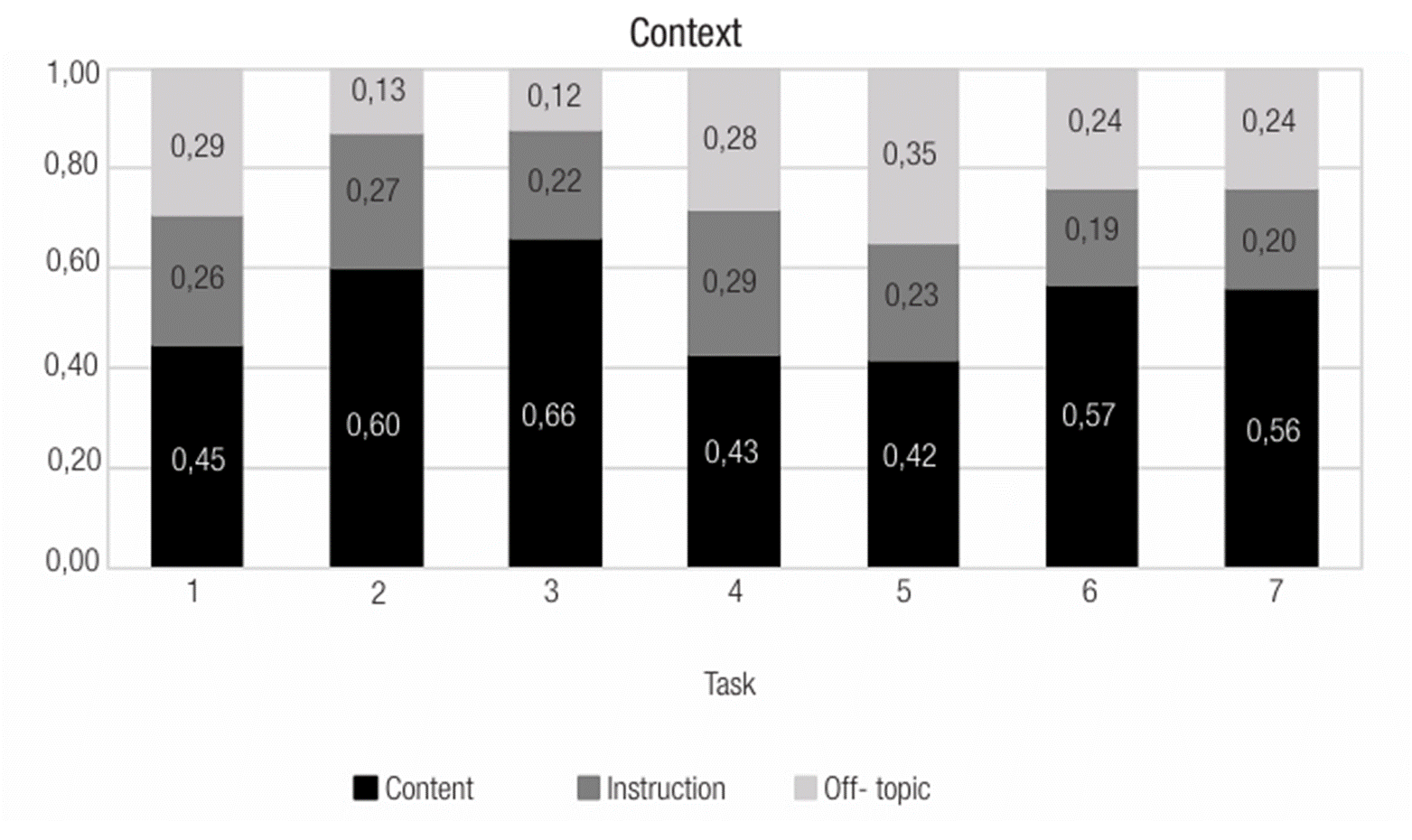
Graphs 3 and 4 show the distribution of codes for contexts of group talk as a whole and discursive functions across tasks. Only a small number of significant differences between tasks were found. For instance, the analysis for context showed a significant difference in content (H (6) = 17.575, p = .007) between Tasks 3-4 (p = .037) and Tasks 3-5 (p = .022), as well as in off-topic (H(6) = 14.007, p = .029) between Tasks 3-5 (p = .046). No difference was found in instructions. Broadly speaking, students talked more about the content and less off topic in Tasks 2 and 3, while the reverse was observed in Tasks 4 and 5 (Graph 3).

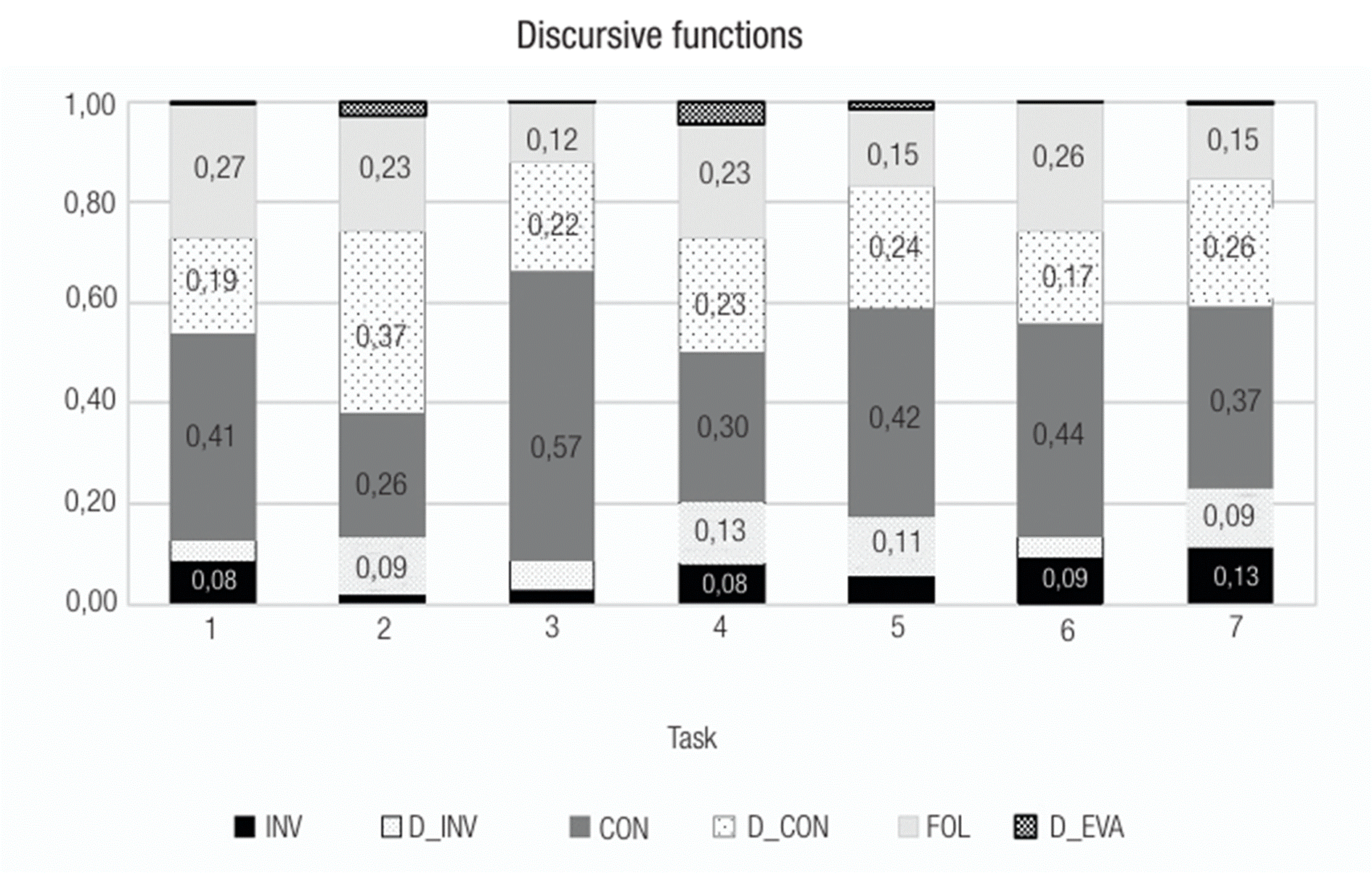
Focusing on discursive functions in content talk (Graph 4), only a significant difference in contribution was found (H(6) = 18.81, p = .004) between Tasks 2-3 (p = .004) and Tasks 3-4 (p = .023); dialogic contribution (H(6) = 20.66, p = .002) between Tasks 1-2 (p = .004) and Tasks 2-6 (p = .002); and in follow-up (H(6) = 17.171, p = .008) between Tasks 1-3 (p = .048). Roughly compared against other tasks, students offered more contributions and fewer follow-ups in Task 3, while Task 2 had the highest incidence of dialogic contributions. No significant differences were found for any type of invitation.
Description by group
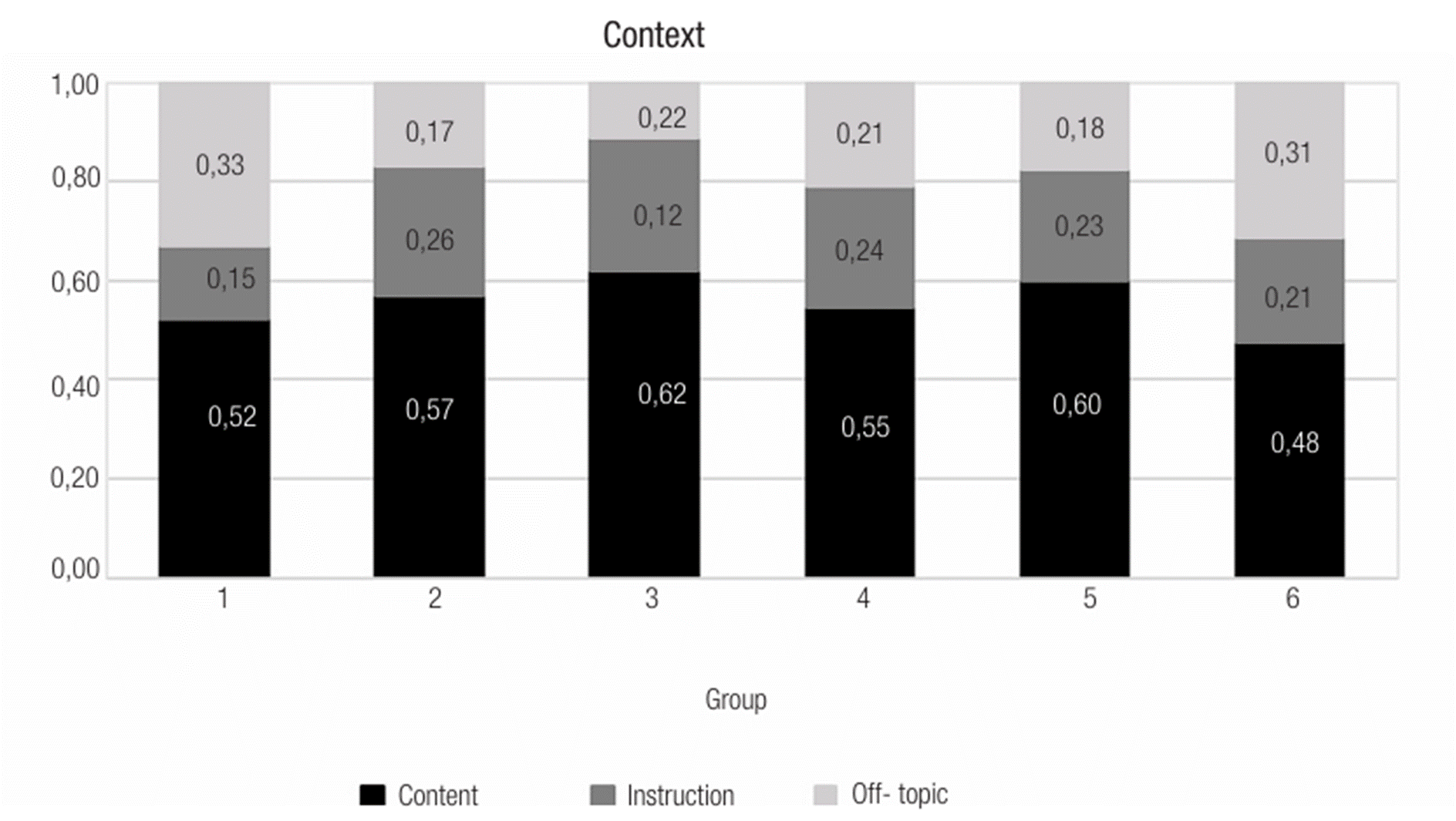
No statistically significant differences were found in the analysis of talk across student groups. Graphs 5 and 6 present the distribution of codes for context and discursive functions across student groups. This indicates that groups tended to behave similarly on average, although they fcould present considerable variation in the distribution within a single task.


Discussion
Characterising small-group talk in a Brazilian classroom
Students spent just over half of the group work time discussing the content proposed by the task, around one-quarter negotiating the organisation of the task, and just under one-fifth addressing other topics, such as TV shows, music, family trips, every day and out-of-school activities, or sports, among many others. A British project similarly found that group talk may include comparable conversations about non-school topics and showed that off-task talk was as frequent as on-task (Howe, 2010a, p. 58). Regarding instructional talk, in general students generally addressed one another more in terms of authoritative monitoring and control of individual actions rather than egalitarian and complementary regulation of the task (Grau; Whitebread, 2012). Webb et al. (2006) also showed that students in small groups exchanged low-level information and discussed task procedures more frequently than they produced elaborated utterances. Therefore, these figures about the time spent in these contexts of talk are in line with the literature.
When students talked about content, only 16% of the total utterances were framed as invitations, 19% were filters for keeping the flow of the talk, and just a over 60% were contributions, from which 24% were deemed dialogic. Overall, dialogic talk accounted for roughly 33% of content talk, or for only 17% of group talk as a whole. Indeed, a review of small-group discussions in science teaching demonstrated that students often struggle to exchange arguments while showing low engagement with tasks (Bennett et al., 2010).
Tasks
The search for differences across tasks provided some insights, despite the sample size not being sufficiently large to capture fine-grained details. The distribution of codes varied widely across the tasks, with no clear pattern emerging. Part of the discussion that follows draws on the statistically significant results, but in some cases I also build reasonable inferences from the data even when the differences are not statistically significant.
Examining the nature and structure of the tasks may provide further insight. The aim here is to understand which features of the tasks facilitated or hindered students’ engagement in dialogue.
Task 1 showed little content talk (45%) and dialogic talk (24%). The fact that this was the first task may have influenced this behaviour, and the novelty of being recorded and participating in an activity focused on talk may have excited students. The task involved considerable negotiation related to writing (undermining content talk) and a highly abstract, speculative situation. Although the situation lent itself to many ideas and possibilities, students struggled to understand this ‘freedom’ to think and thus failed to generate many or diverse ideas.
In Task 2, students positioned themselves in relation to moral dilemmas in everyday situations. This was the task with the highest incidence of dialogic contributions and the second in which students discussed the content most extensively. The fact that the scenarios were closer to their daily experiences, and less speculative than the one presented in Task 1, may have helped students engage more concretely with the situation, without the difficulty of having to propose examples or justify abstract positions. That is, students might have more contextual background to engage dialogically with the situations a addressed.
In Task 3, students discussed scientific statements about light and shadow and were required take a position on each claim. Although the task involved specific scientific content, they had torches and objects available to test the statements, and they could also think of everyday examples. This was the task with the highest amount of content- related interaction and contributions, showing strong engagement. This may be due to the novelty of manipulating the objects and to the structure of the talking-points format itself, in which students respond to a statement rather than having to imagine and explain a situation. In addition, as in Task 2, this task did not require students to write their answers. The writing requirement usually generates substantial negotiation about who will write and how the writing will be done, which can shift attention away from the content.
A closer examination of Tasks 4 and 5 revealed that both were the least effective activities in terms of content talk and had the most off-topic conversations. Students found the topic of evaporation very difficult to understand and struggled to build an explanation; that is, to grasp the meaning of scientific words like ‘factor’, cause’, ‘justification’, and so on. This difficulty may explain why they turned to off-topic conversation. In addition, both tasks required a good amount of writing, and much of the instruction talk was about negotiating roles, such as who would read and would write (Task 4 showed the highest level of instruction talk).
Tasks 6 and 7 displayed similar frequencies across the three contexts of talk but a a markedly different distribution of discursive function, with Task 6 being the weakest activity in terms of dialogic components. The questions posed in the task involved a considerable degree of personal feelings and emotions, and students were unable to sustain dialogic talk about them. For instance, there was much dispute around the celebrity that students would meet only if they reached consensus; members had fixed positions. None of the groups reached a consensual decision about the name. A similar effect appeared in the hypothetical trip to anywhere in the world in general, no factual or reasoned arguments were provided, again only personal desires. Task 7, on the other hand, although focused on personal choices the selection of items to take on a trip required students to base these choices on rational considerations related to survival. Instead of entering emotional disputes, students used reasons to justify the items they would take to the island. As a result, it became easier for them to discuss the task and reach consensus.
The analysis of the tasks helps outline some recommendations for designing activities that support students’ engagement in dialogue. First, tasks that relate to students’ everyday experiences tend to generate more sustained and reasoned discussion, as students have more contextual references on which to draw. Second, the possibility of testing ideas with concrete objects seems to make a difference. When students can manipulate materials or check claims directly, the talk becomes more focused and exploratory. Third, it is important to reduce the demand for writing during group work, since the negotiation around who will write and how the writing will be done often shifts attention away from the content.
Finally, tasks that rely too much on abstract imagination or personal preferences tend to produce either superficial talk or emotional disputes.
Means for dialogic group talk: what is more in the data?
Productive group talk has been framed as dialogic (exploratory) talk, characterised by the principles of “accountability, clarity, constructive criticism and receptiveness to well-argued proposals” (Mercer, 1996, p. 370). In this kind of verbal exchange, students engage critically and constructively with each other’s ideas, and the discussion can be described as follows:
Relevant information is offered for joint consideration. Proposals may be challenged and counter- challenged, but if so reasons are given and alternatives are offered. Agreement is sought as a basis for joint progress. Knowledge is made publicly accountable and reasoning is visible in the talk (Mercer, 2000, p. 98).
The limited engagement in dialogic talk observed in this study suggests that such interaction does not emerge spontaneously, but depends on social, cultural, and pedagogical conditions that we still do not fully understand. This section therefore aims to discuss these conditions, based on the literature, in order to clarify what may enable or constrain the emergence of dialogic practices in the classroom.
Barnes (1976) recognised that the quality of group talk did not depend solely on students’ abilities. Other factors such as the nature of the task, the student’s familiarity with the topic, their self-confidence, and expectations could influence the quality of group discussion. For instance, tightly structured tasks can restrain talk and cause a search for one correct answer; conversely, loosely structured tasks may generate confusion, anxiety, and misunderstandings (Corden, 2000). Garcia-Mila et al. (2013) suggested that not all argumentation tasks promote reasoning equally, showing that students in groups that were asked to reach consensus obtained higher scores than students in groups instructed to persuade other members.
Another issue is how students approach the task, that is, student perceptions of the task and the teacher’s expectations also matter (Corden, 2000). In this vein, teacher’s introduction of the task is an important moment in which students’ perceptions and understandings are shaped, subsequently influencing how they approach the task.
Andriessen and Schwarz (2009) discussed the conditions for productive argumentation, here defined as dialogic talk, under three categories. Each category is explored below in relation to the data presented.
Firstly, they considered the role of students shared understanding of the tasks, which decrease misunderstandings and increases motivations. Muhonen et al. (2017, p. 26) also argued that, in a successful group, students need to “share views relevant to the discussion and have a joint conception of its goal”. The data included in this study included many cases of students expressing misunderstandings; sometimes about their roles (Tasks 1 and 2, ‘who should do what’), other times about goals (Tasks 1, 3, and 6, ‘what should be done’) and procedures (Tasks 2 and 7, ‘how should it be done’), or about the content (Tasks 4 and 5, ‘what needs to be known’). The low level of shared understanding about the goals and procedures might have created opportunities for diverse forms of talk.
Secondly, students need a minimal threshold of knowledge to participate in dialogic talk (Andriessen; Schwarz, 2009). Indeed, research has shown that high-level tasks can undermine talk particularly if students feel uncomfortable conveying a mental model to tackle the proposed situation (O’Connor; Michaels, 1996; Sohmer et al., 2009). Subject content that is not ‘talkable’ does not give much opportunity for further elaborated discussion (Webb; Farivar, 1999). Considering the talk that emerged in the tasks, students often mentioned the difficulty of the evaporation tasks (4 and 5); they complained about the scientific content and about the procedure of building an explanation. The discussions employed scientific jargon as an explanatory model (“Water evaporates”), and sometimes they appeared tautological (“The heat evaporates water, so water is evaporated by the heat”). There was also a lack of knowledge about the meaning of some terms (such as ‘justification’ or ‘reason’).
Thirdly, disagreements relevant to conceptual growth may nonetheless compromise productive talk (Andriessen; Schwarz, 2009). When confrontations are not solved through reasoned discussion, they can turn into interpersonal conflicts and cause talk inhibition (Alexopoulou; Driver, 1996). Indeed, as a participant-observer, it was noticed a number of heated and emotional discussions that involved personal offences and shouting (this occurred in Tasks 1 and 7, which invited students to position themselves in relation to the situations presented).
Broadening these considerations, which were based on the data, a general interpretation for the relatively low levels of dialogic talk is that Brazilian primary students were not willing to be ‘open to the other’, which is essential for shared thinking (Wegerif, 2020). In other words, they did not see “themselves and each other as legitimate contributors to the problem at hand (O’Connor; Michaels, 1996, p. 65). The Brazilian national culture and school practices do not appear to favour dialogic talk (Lago, 2024).
A methodological limitation of this study is its small and highly specific sample, drawn from a single primary school and six focal groups across three classes. While the dataset was adequate for the quantitative analyses conducted, the narrow scope of the study means that the findings should not be directly generalised to other Brazilian schools.
Conclusion and implications
This study addresses a research gap in quantitative investigations that describe and analyse student interaction during small-group work in classroom settings in Brazil. Furthermore, observing groups in natural classroom conditions may contribute to international scholarship, particularly regarding the variation found in the distribution of codes across seven different tasks.
The findings point to several pedagogical implications for the use of small-group work in Brazilian primary classrooms. First, the results show that students spent considerable time engaged in organisational talk and off-task conversations, indicating that collaborative work does not develop spontaneously and that teachers need to explicitly teach the skills and routines required for productive group interaction. Clear task introductions and modelling of expectations are essential to help students understand the task goals, procedures, and their own roles within the group, thereby reducing misunderstandings that undermine dialogic engagement. When groups focused on content, only 33% of their utterances were dialogic (8% dialogic invitations, 24% dialogic contributions, and 1% dialogic evaluations), a level that remains insufficient to characterise genuinely dialogic talk. This suggests the need for intentional support to help students build on each other’s ideas, justify their claims, and engage in reasoned disagreement. Finally, the emotional disputes observed in some activities highlight the importance of supporting students in managing interpersonal conflict in order to sustain joint thinking and dialogic talk.
Research has highlighted the educational significance of small-group work, particularly when it fosters dialogic interactions. However, in Brazil, the effective implementation of this strategy has been hindered by the assumption that students already possess collaborative skills. Drawing upon Blatchford et al. (2003) framework for a ‘social pedagogy’ of group work, which encompasses classroom context, student interactions, teacher roles, and task design, this study offers critical data and insights to the Brazilian educational landscape. These findings may serve as a step toward building a social pedagogy of group work aligned to Brazilian education 9
References
- ALEXANDER, Robin. Culture and pedagogy: international comparisons in primary education. Oxford: Blackwell, 2001.
- ALEXOPOULOU, Evinella; DRIVER, Rosalind. Small-group discussion in physics: peer interaction modes in pairs and fours. Journal of Research in Science Teaching, v. 33, n. 10, p. 1099-1114, 1996.
- ANDRIESSEN, Jerry E. B.; SCHWARZ, Baruch B.. Argumentative design. In: MULLER MIRZA, Nathalie; PERRET-CLERMONT, Anne-Nelly (org.). Argumentation and education. Boston: Springer, 2009. p. 145-174.
- ASTERHAN, Christa S. C.; SCHWARZ, Baruch. Argumentation and explanation in conceptual change: indications from protocol analyses of peer-to-peer dialog. Cognitive Science, v. 33, n. 3, p. 374-400, 2009.
- ASTERHAN, Christa S. C.; SCHWARZ, Baruch. Argumentation for learning: well-trodden paths and unexplored territories. Educational Psychologist, v. 51, n. 2, p. 164-187, 2016.
- BAINES, Ed; BLATCHFORD, Peter; KUTNICK, Peter. Promoting effective group work in the primary classroom: a handbook for teachers and practitioners. London: Routledge, 2009.
- BARNES, Douglas. From communication to curriculum. Harmondsworth: Penguin Books, 1976.
- BENNETT, Judith et al.. Talking science: the research evidence on the use of small group discussions in science teaching. International Journal of Science Education, v. 32, n. 1, p. 69-95, 2010.
- BLATCHFORD, Peter et al.. Toward a social pedagogy of classroom group work. International Journal of Educational Research, v. 39, n. 1-2, p. 153-172, 2003.
- CHI, Michelene. Active-constructive-interactive: A conceptual framework for differentiating learning activities. Topics in Cognitive Science, v. 1, n. 1, p. 73-105, 2009.
- CHRISTIE, Donald et al.. Supporting group work in Scottish primary classrooms: improving the quality of collaborative dialogue. Cambridge Journal of Education, Cambridge, v. 39, n. 1, p. 141-156, 2009.
- CORDEN, Roy. Literacy & learning through talk: strategies for the primary classroom. Buckingham: Open University Press, 2000.
- DAWES, Lyn. Research report: Talk and learning in classroom science. International Journal of Science Education, v. 26, n. 6, p. 677-695, 2004.
- DAWES, Lyn. Talking points: discussion activities in the primary classroom. London: Routledge, 2012.
- FUENTES, Miquel Àngel. What do students talk about? The relevance of content-focused and non-content-focused talk types within peer-interaction tasks. Revista de Lenguas para Fines Específicos, Las Palmas de Gran Canaria, v. 19, p. 29, 2013.
- GALTON, Maurice; HARGREAVES, Linda; PELL, Tony. Group work and whole-class teaching with 11- to 14-year-olds compared. Cambridge Journal of Education, Cambridge, v. 39, n. 1, p. 119, 2009.
- GARCIA-MILA, Merce et al.. The effect of argumentative task goal on the quality of argumentative discourse. Science Education, v. 97, n. 4, p. 497-523, 2013.
- GRAU, Valeska; WHITEBREAD, David. Self and social regulation of learning during collaborative activities in the classroom: the interplay of individual and group cognition. Learning and Instruction, v. 22, n. 6, p. 401-412, 2012.
- HARDMAN, Jan. Developing and supporting implementation of a dialogic pedagogy in primary schools in England. Teaching and Teacher Education, v. 86, e102908, 2019.
- HENNESSY, Sara et al.. Developing a coding scheme for analysing classroom dialogue across educational contexts. Learning, Culture and Social Interaction, v. 9, p. 16-44, 2016.
- HOWE, Christine. Collaborative group work in middle childhood. Human Development, v. 52, n. 4, p. 215-239, 2009.
- HOWE, Christine. Optimizing small group discourse in classrooms: effective practices and theoretical constraints. International Journal of Educational Research, v. 63, p. 107-115, 2014.
- HOWE, Christine. Peer dialogue and cognitive development. A two-way relationship?. In: LITTLETON, Karen; HOWE, Christine (org.). Educational dialogues: understanding and promoting productive interaction. London: Routledge, 2010a. p. 32-47.
- HOWE, Christine. Peer groups and children's development. Chichester: Wiley-Blackwell, 2010b.
- HOWE, Christine; MCWILLIAM, Donna. Peer Argument in educational settings variations due to socioeconomic status, gender, and activity context. Journal of Language and Social Psychology, v. 20, n. 1-2, p. 61-80, 2001.
- HOWE, Christine; MCWILLIAM, Donna; CROSS, Gillian. Chance favours only the prepared mind: Incubation and the delayed effects of peer collaboration. British Journal of Psychology, v. 96, p. 67-93, 2005.
-
HOWE, Christine; MERCER, Neil. Children's social development, peer interaction and classroom learning. Primary Review Research Survey 2/1b, Cambridge, 2007. Disponível em: Disponível em: https://cprtrust.org.uk/wp-content/uploads/2014/06/research-survey-2-1b.pdf Acesso em: 11 mar. 2026.
» https://cprtrust.org.uk/wp-content/uploads/2014/06/research-survey-2-1b.pdf - HOWE, Christine; TOLMIE, Andy. Group work in primary school science: discussion, consensus and guidance from experts. International Journal of Educational Research, v. 39, n. 1-2, p. 51-72, 2003.
- HOWE, Christine et al.. Group work in elementary science: towards organisational principles for supporting pupil learning. Learning and Instruction, v. 17, n. 5, p. 549-563, 2007.
- HOWE, Christine et al.. Teacher-student dialogue during classroom teaching: does it really impact on student outcomes?. Journal of the Learning Sciences, v. 28, n. 4-5, p. 462-512, 2019.
- KERSHNER, Ruth et al.. Teachers as 'natural experimenters': using T-SEDA to develop classroom dialogue. In: HARGREAVES, Eleanore; ROLLS, Luke (org.). Reimagining professional development in schools. London: Routledge, 2020. p. 102-122.
- KUTNICK, Peter; COLWELL, Jennifer. Dialogue enhancement in classrooms: towards a relational approach for group working. In: LITTLETON, Karen; HOWE, Christine (org.). Educational dialogues: understanding and promoting productive interaction. London: Routledge, 2010. p. 192-215.
- KUTNICK, Peter et al.. The effects of pupil grouping: literature review. Nottingham: DfES, 2005.
- LAGO, Leonardo. Diálogo de sala de aula: teoria e prática do ensino dialógico. São Paulo: LF, 2024.
-
LAGO, Leonardo. Discursive interactions in a Brazilian primary school: an exploratory case study. 2021. Tese (Doutorado em Educação) - Faculty of Education, University of Cambridge, Cambridge, 2021. Disponível em: Disponível em: https://www.repository.cam.ac.uk/handle/1810/334555 Acesso em: 11 mar. 2026.
» https://www.repository.cam.ac.uk/handle/1810/334555 - LAGO, Leonardo; WINTERBOTTOM, Mark. Promoting discursive interactions in science lessons: conceptual learning and classroom talk culture. International Journal of Science and Mathematics Education, v. 23, p. 3389-3415, 2025.
- LARRAIN, Antonia et al.. Counter-arguing during curriculum-supported peer interaction facilitates middle-school students' science content knowledge. Cognition and Instruction, v. 37, n. 4, p. 453-482, 2019.
- LIGHT, Paul; LITTLETON, Karen. Cognitive approaches to group work. In: FAULKNER, Dorothy; LITTLETON, Karen; WOODHEAD, Martin (org.). Learning relationships in the classroom. London: Routledge, 1998. p. 171-188.
- LUXFORD, Heather; SMART, Lizzie. Learning through talk: developing learning dialogues in the primary classroom. Abingdon: Routledge, 2009.
- MERCER, Neil. The educational value of 'dialogic talk' in whole-class dialogue. New perspectives on spoken English in the classroom: discussion paper. London: Qualifications and Curriculum Authority, 2003.
- MERCER, Neil. The guided construction of knowledge: talk amongst teachers and learners. Clevedon: Multilingual Matters, 1995.
- MERCER, Neil. The quality of talk in children's collaborative activity in the classroom. Learning and Instruction, v. 6, n. 4, p. 359-377, 1996.
- MERCER, Neil. Words and minds: how we use language to think together. London: Routledge, 2000.
- MERCER, Neil; LITTLETON, Karen. Dialogue and the development of children's thinking: a sociocultural approach. London: Routledge, 2007.
- MICHAELS, Sarah; O'CONNOR, Catherine. Conceptualizing talk moves as tools: professional development approaches for academically productive discussion. In: RESNICK, Lauren; ASTERHAN, Christa S. C.; CLARKE, Sherice N. (org.). Socializing intelligence through talk and dialogue. Washington, D.C.: American Educational Research Association, 2015. p. 333-347.
- MOATE, Josephine. Reconceptualising the role of talk in CLIL. Journal of Applied Language Studies, v. 5, n. 2, p. 17-35, 2011.
- MUHONEN, Heli et al.. Knowledge-building patterns in educational dialogue. International Journal of Educational Research, v. 81, p. 25-37, 2017.
- O'CONNOR, Catherine; MICHAELS, Sarah. Shifting participant frameworks: orchestrating thinking practices in group discussion. In: HICKS, Deborah (org.). Discourse, learning, and schooling. Cambridge: Cambridge University Press, 1996. p. 63-103.
- O'DONNELL, Angela M.; KING, Alison (org.). Cognitive perspectives on peer learning. Mahwah: Erlbaum, 1999.
- SCHWARZ, Baruch; BAKER, Michael. Dialogue, argumentation and education: history, theory and practice. Cambridge: Cambridge University Press, 2016.
- SINCLAIR, John; COULTHARD, Richard Malcolm. Towards an analysis of discourse: the English used by teachers and pupils. London: Oxford University Press, 1975.
- SOHMER, Richard et al.. Guided construction of knowledge in the classroom: the troika of talk, tasks and tools. In: SCHWARZ, Baruch; DREYFUS, Tommy; HERSHKOWITZ, Rina (org.). Transformation of knowledge through classroom interaction. London: Routledge, 2009. p. 105-129.
-
SPRING. SPRinG Project: improving the effectiveness of pupil group-work in classrooms. Social Pedagogic Research into Group-Work, [s. l.], [s. d.]. Disponível em: Disponível em: http://www.spring-project.org.uk/ Acesso em: 11 mar. 2026.
» http://www.spring-project.org.uk/ - VAN DER VEEN, Chiel et al.. Design, implementation, and evaluation of dialogic classroom talk in early childhood education. Learning, Culture and Social Interaction, v. 29, p. 100515, 2021.
- VRIKKI, Maria et al.. Dialogic practices in primary school classrooms. Language and Education, v. 33, n. 1, p. 85-100, 2018.
- WEBB, Noreen. Student Interaction and Learning in Small Groups. Review of Educational Research, v. 52, n. 3, p. 421-445, 1982.
- WEBB, Noreen; FARIVAR, Sydney. Developing productive group interaction in middle school mathematics. In: O'DONNELL, Angela; KING, Alison (org.). Cognitive Perspectives on Peer Learning. Mahwah: Erlbaum, 1999. p. 117-150.
- WEBB, Noreen; NEMER, Kariane Mari; ING, Marsha. Small-group reflections: parallels between teacher discourse and student behavior in peer-directed groups. The Journal of the Learning Sciences, v. 15, n. 1, p. 63-119, 2006.
- WEBB, Noreen et al. Engaging with others' mathematical ideas: Interrelationships among student participation, teachers' instructional practices, and learning. International Journal of Educational Research, v. 63, p. 79-93, 2014.
- WEGERIF, Rupert. Orientations and ground rules: a framework for researching educational dialogue. In: KERSHNER, Ruth et al. (org.). Research methods for educational dialogue. London: Bloomsbury, 2020. p. 27-46.
- WEGERIF, Rupert; DAWES, Lyn. Thinking and learning with ICT: raising achievement in primary classrooms. London: Routledge, 2004.
- WEGERIF, Rupert; MERCER, Neil; DAWES, Lyn. From social interaction to individual reasoning: an empirical investigation of a possible socio-cultural model of cognitive development. Learning and Instruction, v. 9, n. 6, p. 493-516, 1999.
-
1
The author take full responsibility for the translation of the text, including title of books/articles and the quotations originally published in Portuguese.
-
Data availability:
The entire dataset supporting the results of this study is available on SciELO Data and can be accessed at [link to SciELO Data]: https://doi.org/10.48331/SCIELODATA.7JQGVW
-
3
In the first round, all raters coded the same group-talk episode and discussed the scheme for alignment. In the second round, they coded another episode to calculate inter-rater reliability. Because the scores were only moderate, the scheme was simplified by removing some codes and clarifying the rules. A third episode was coded by all raters resulting in satisfactory consistency. The scheme presented here reflects the version produced after these three rounds of coding and resolving disagreements.
-
4
Cohen’s Kappa is a measure of inter-rater reliability that assesses agreement between two raters beyond chance.
-
5
SD denotes the standard deviation.
-
6
Tests of homogeneity evaluate whether different groups have similar variances. While Levene’s test is only moderately robust to non-normality, Fligner-Killeen test is a fully non-parametric and more robust alternative. A non-significant result (p > .05) indicates that the null hypothesis of equal variances cannot be rejected, suggesting that the groups can be considered comparable in terms of variance.
-
7
The Kruskal-Wallis test is a non-parametric method that compares three or more independent groups by evaluating differences in their median ranks. A p-value below .05 indicates that the observed differences are statistically significant, providing sufficient evidence to reject the null hypothesis.
-
8
The Nemenyi post-hoc test is used following a significant Kruskal-Wallis result to determine which group pairs differ, based on multiple comparisons of ranked data.
-
9
Acknowledgment: The research was made possible solely by the support of a scholarship from the Coordenação de Aperfeiçoamento de Pessoal de Nível Superior (CAPES), to which the author deeply grateful.
-
Editor:
Profa. Dra. Patrícia Amparo
The entire dataset supporting the results of this study is available on SciELO Data and can be accessed at [link to SciELO Data]: https://doi.org/10.48331/SCIELODATA.7JQGVW

 Source: The author based on research data.
 Source: The author based on research data
 Source: The author based on research data
 Source: The author based on research data
 Source: The author based on research data
 Source: The author based on research data