
 MATHEMATICS IN NUTRITIONISTS’ UNDERGRADUATE: PERCEPTIONS ABOUT THE CURRICULUM
ABSTRACT:
The domain of quantitative skills is vital for the daily practice of nutritionists, therefore, a familiarization with mathematics must be developed within its formative context. The objective of this study is to investigate the perceptions of nutritionists in practice and in undergraduation regarding the teaching of mathematics in the nutrition course, in terms of the disciplinary structure, the articulation between theory and practice and the training of professors. For this, 4 interviews were conducted with nutritionists at different stages of their careers, examined through Bardin's content analysis. The results revealed the strong presence of mathematics in most subjects, highlighting its relevance not made explicit by the curriculum text. The teaching of mathematics in the course is predominantly theoretical, abstract and little connected with nutritional practice. The lack of articulation between knowledge impairs students' perspective on the usefulness of mathematics and influences their motivation for learning. The insufficient pedagogical preparation of professors impacts the teaching of mathematics, leading to the adoption of approaches based on the transmission of contents, repetition and memorization. The area of undergraduation of professors who teach Mathematics is one of the factors that lead professors not to address the applicability of the subjects taught with the future profession. Mathematics professors need to consider the specificities and needs of the students' training area, understanding the language and contexts of nutrition, in order to teach mathematical topics relevant to this field.
Keywords:
mathematics; higher education; nutrition; curriculum
RESUMO:
O domínio de habilidades quantitativas é vital para a prática diária dos nutricionistas, portanto, a familiarização com a matemática deve ser desenvolvida dentro de seu contexto formativo. O objetivo deste estudo é investigar as percepções de nutricionistas em atuação e em formação sobre o ensino da matemática no curso de nutrição, em termos da estrutura disciplinar, da articulação entre teoria e prática e da formação dos docentes. Para isso, foram realizadas 4 entrevistas com nutricionistas em diferentes estágios de suas carreiras, examinadas por meio da análise de conteúdo, de Bardin. Os resultados revelaram a forte presença da matemática em grande parte das disciplinas, destacando sua relevância não explicitada pelo texto curricular. O ensino da matemática no curso é predominantemente teórico, abstrato e pouco conectado com a prática nutricional. A falta de articulação entre os saberes prejudica a perspectiva dos estudantes sobre a utilidade da matemática e influencia sua motivação para o aprendizado. A insuficiência no preparo pedagógico dos docentes impacta o ensino da matemática, levando à adoção de abordagens baseadas na transmissão de conteúdos, na repetição e na memorização. A área de formação dos docentes que ministram a matemática é um dos fatores que levam os professores a não abordar a aplicabilidade dos assuntos ensinados com a futura profissão. É necessário que os docentes matemáticos considerem as especificidades e as necessidades da área de formação dos discentes, compreendendo a linguagem e os contextos da nutrição, para ensinar temas matemáticos relevantes a esse campo.
Palavras-chave:
matemática; ensino superior; nutrição; currículo
RESUMEN:
El dominio de las habilidades cuantitativas es vital para la práctica diaria de los nutricionistas, por eso, la familiarización con las matemáticas debe desarrollarse dentro del contexto formativo. El objetivo de este estudio es investigar las percepciones de los nutricionistas en práctica y en formación sobre la enseñanza de las matemáticas en el curso de nutrición, respecto a la estructura disciplinar, la articulación entre teoría y práctica y la formación de los profesores. Se realizaron 4 entrevistas a nutricionistas en diferentes etapas de su carrera, examinadas con el análisis de contenido de Bardin. Los resultados revelaron la fuerte presencia de las matemáticas en la mayoría de las materias, destacando su relevancia no explicitada por el texto curricular. La enseñanza de las matemáticas en el curso es predominantemente teórica, abstracta y poco conectada con la práctica nutricional. La falta de articulación entre saberes perjudica la perspectiva de los estudiantes sobre la utilidad de las matemáticas e influye en su motivación por aprender. La insuficiente preparación pedagógica de los profesores impacta la enseñanza de las matemáticas, llevando a la adopción de enfoques basados en la transmisión de contenidos, la repetición y la memorización. El área de formación de los profesores que imparten Matemática es uno de los factores que les llevan a no abordar la aplicabilidad de las materias impartidas con la futura profesión. Los profesores de matemáticas necesitan considerar las especificidades y necesidades de los estudiantes, comprendiendo el lenguaje y los contextos de la nutrición, para enseñar temas matemáticos relevantes.
Palabras clave:
matemáticas; educación superior; nutrición; currículo
INTRODUCTION
This study is part of a doctoral thesis that examines the role of mathematics in the education of nutritionists. The motivation behind this research is to understand the meanings that practicing and prospective nutritionists attribute to the mathematical knowledge included in their training. Therefore, the objective of this article is to explore the perceptions of these nutritionists regarding the teaching of mathematics in their nutrition courses, specifically examining the disciplinary structure, the connection between theory and practice, and the qualifications of the teaching staff.
Steen (2004) argues that mathematics education at the university level should provide students with quantitative literacy. This term gains prominence in adult mathematics education, along with other similar terms such as mathematical literacy, mathematical proficiency, matheracy (D’Ambrósio, 2005), numeracy (Madison; Steen, 2003) and mathemacy (Skovsmose, 1992), which, despite some subtle distinctions in their definitions, refer to the ability to understand and use mathematical concepts in the real world. Notwithstanding some conceptual overlaps, the quantitative literacy discussed here is more comprehensive than the other terms, being defined as the ability to recognize the role of mathematics in the world, make informed decisions, and apply this knowledge constructively and reflectively in everyday life (Organization for Economic Co-Operation and Development [OECD], 2006).
As students transition from school to university and into adulthood, the necessity for quantitative literacy becomes increasingly important. Steen (2004, p. 25) notes that “issues they face in finance, politics, and health increase in subtlety and sophistication”, yet these issues often rely on basic mathematical techniques. In this context, quantitative literacy is crucial for individuals' quality of life and for the collective well-being of society. It empowers people to make informed personal and social decisions that require an understanding of numerical data in areas such as risk assessment, interpreting projections, and managing budgets. This applies to important issues like health insurance, retirement plans, financial planning, and taxes, among others (Steen, 2004).
In the field of nutrition, chronic diseases such as obesity, hypertension, heart failure, and diabetes can often be prevented with a balanced diet and informed food choices. However, the high number of individuals in society suffering from these conditions suggests that many people have not yet developed the necessary skills to make healthy dietary decisions. Low levels of numeracy are particularly problematic, as they are associated with a reduced ability to accurately estimate food portion sizes and comprehend food labels and nutritional information. These skills are essential for following the dietary recommendations provided by nutritionists (Huizinga et al., 2009; Rothman et al., 2006).
There are several instances where a basic understanding of quantitative measures is essential for individuals to manage their health in their daily lives effectively. These include interpreting laboratory test results such as cholesterol, triglyceride, protein, and urea levels. Additionally, making informed decisions about treatments requires evaluating their effectiveness and potential side effects. Lastly, understanding health-related graphs is also crucial (Golbeck et al., 2005).
These examples also integrate the concept of health numeracy, a term whose importance has been gradually recognized in research and is defined as the ability to process, communicate, and act on numerical health information necessary for effective decision-making by the general public. The concept involves four functional categories of varying complexity: basic, which encompasses sufficient skills for identifying quantitative data; computational, related to the ability to manipulate numbers; analytical, which involves the ability to make sense of numerical information; and statistical, focused on the ability to compare data on different scales and critically analyze health information. According to the authors, this last category includes advanced statistical competencies and skills that are fundamental for health professionals and researchers (Golbeck et al., 2005).
Recognizing the need for skills and competencies in mathematical language for higher education in health sciences, its presence in curricula has been the subject of investigation in studies analyzing various courses (Priebe; Alvarenga, 2022a), such as Biological Sciences (Mattiazzo-Cardia, 2003; Bialek; Botstein, 2004), Medicine (Weyne, 2012), and Nursing (Xavier, 2016). In the field of biological sciences, advances in research in functional genomics, molecular evolution, neurosciences, among others, demand an increasing number of biologists with a deep understanding of quantitative issues and capable of establishing connections between biological phenomena and mathematics. This gives rise to a new intellectual context in which strong interaction between disciplines is necessary, so that scientists' familiarity with mathematical language is essential for their full participation in future research. However, the curricula of higher education courses in biology and life sciences do not keep pace with these developments (Bialek; Botstein, 2004; Batshchelet, 2012).
It is important to emphasize that quantitative literacy differs fundamentally from basic mathematics in terms of contextualization and critical thinking. Although some mathematical skills are necessary for quantitative literacy, the purely mathematical subjects taught in the curriculum are often ineffective in improving this literacy, due to the different focuses between them. While “mathematics is about general principles that can be applied in a range of contexts; quantitative literacy is about seeing every context through a quantitative lens” (Hughes-Hallett, 2001, p. 94).
In this sense, quantitative literacy in higher education should be recognized within the formative context of the course, so students can identify the applications of mathematics to their field. This suggests that the curriculum, in its entirety, should be committed to integrating quantitative literacy skills with other disciplines, so students routinely visualize explicit connections to their field and develop the necessary mental habits to interpret real-world situations in their future profession in quantitative terms (Steen, 2004).
As with quantitative literacy or numeracy in health, the ability to effectively use mathematical thinking in various contexts is an essential skill for undergraduate students. However, the best way to foster the development of this skill is a challenge for educators, administrators, and researchers. This includes factors such as the diversification of the student body (often with insufficient educational backgrounds), curriculum rigidity, teacher training, disciplinary fragmentation, and students' limited conceptions about the need for mathematical learning (Belward et al., 2011).
In this work, we discuss the factors related to how mathematics is present, perceived, and taught throughout the nutrition course, highlighting the gaps and possibilities for improvement that contribute to the recognition of its important place in professional training. Interviews were conducted with nutritionists at different stages of their careers, including professionals who have already graduated and a nutrition student. The responses were analyzed qualitatively, using Bardin's (2016) content analysis method, to identify emerging themes and patterns related to quantitative literacy in the course.
Based on the results obtained, we identified aspects related to the disciplines of mathematics, the articulation between theory and practice through contextualization, and teacher training, which can be improved in the nutrition curriculum to promote better quantitative literacy among nutritionists. This information can be valuable for educators and administrators, as it will allow for the development of more effective teaching and learning strategies, as well as the implementation of curricular changes that meet the needs of future professionals, strengthening the knowledge base of nutritionists and improving their mathematical training.
RESEARCH METHODOLOGY
The approach adopted for the development of this research is qualitative and exploratory, as it allows for the investigation of reality in a complete and in-depth manner, understanding the study context in its complexity. In this sense, four semi-structured interviews were conducted to investigate the perceptions of practicing and prospective nutritionists regarding the characteristics of mathematics teaching in the undergraduate nutrition course at the Federal University of Goiás (UFG).
The interviews were conducted in September and December 2021 and in January 2023, with a nutrition student from UFG, a professor in the area of food and basic nutrition at the same institution, a nutritionist working in the coordination of the nutrition service of the UFG university restaurants, and a nutritionist representing the Federal Council of Nutritionists (CFN-Conselho Federal de Nutricionistas) in the 2018-2021 management. The selection process of the participants considered the diversity of profiles of the professionals and their years of experience. The student was selected by lottery from among those enrolled in the curricular internships carried out in the last year of the course.
The interviews were recorded, had an average duration of 1 hour and 17 minutes each, and were transcribed by the researcher. They were based on four different scripts, composed of open-ended questions and structured around three themes: mathematics in the professional practice of the nutritionist; mathematical knowledge in the nutrition program; and the articulation between mathematical knowledge and the skills, competencies, and specific content of the course. The project was approved by the Ethics and Research Committee of UFG, under substantiated opinion number 4.219.549, and the interviewees signed the Informed Consent Form for participation in the research.
Bardin's (2016) categorical content analysis was adopted as the theoretical and methodological approach for interpreting the collected data. This technique is suitable for examining different data sources, such as documents, interviews, and reports, and figuring out hidden meanings through the meticulous analysis of words (Seramim; Walter, 2017). By identifying patterns, categories, and emerging themes, implicit and subtle aspects present in the participants' discourses were revealed, providing a deeper understanding of the curriculum and its practices, perspectives, and challenges related to content, disciplines, and teaching methods in the formative context.
The analysis process involved three stages: pre-analysis; exploration of the materials; and treatment of results, inferences, and interpretation (Bardin, 2016; Seramim; Walter, 2017). Ten registration units (RU) were used, composed of different descriptors, grouped by themes (see chart 1).

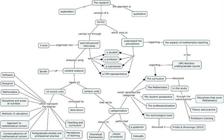
The context units (CU) corresponded to the sentences containing the RU and aided in understanding their meaning. Categorization was performed a posteriori, based on the meanings emerging from the corpus under analysis. The processes of identifying the units of analysis and the preliminary categorization were performed manually. Then, the data were organized in an Excel spreadsheet, allowing for the refinement of the categorization. The steps of data collection and analysis of the study are summarized in the following conceptual map (cf. Figure 1).
RESULTS
Based on the systematic analysis of the interviews, the results showed 5 categories, subdivided into 14 subcategories of factors to be discussed in this and other articles, for the improvement of quantitative literacy among nutrition undergraduates (cf. Chart 2).
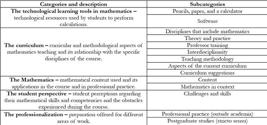
The first category, referring to technological learning tools in mathematics, is discussed in Priebe and Alvarenga (2023). The second, related to the curriculum, is the most comprehensive, including 7 subcategories of different curricular and methodological aspects of mathematics teaching and its relationship with the specific disciplines of the course. In this work, we will analyze 3 of them: disciplines that include mathematics, theory and practice, and professor training. The remaining categories may be addressed in subsequent research.
The curriculum
The category “The Curriculum” includes subcategories related to the characteristics of the nutrition curriculum and its implementation. Understanding the higher education curriculum is somewhat more difficult than understanding the school curriculum, given the research discrepancy at each level of education. There is a lack of research focused on the higher education curriculum that can help understand the complexity of the different contexts faced by university students and faculty. With the limited number of explicit definitions of the higher education curriculum, several tacit conceptualizations coexist in the educational landscape and manifest different concerns (Barnett; Coate, 2005). For these authors (2005, p. 25), the “'curriculum' is, or should be, one of the major terms in the language of higher education” since through it, ideas and conceptions about university education are put into practice, and the values, beliefs, and principles about learning, understanding, knowledge, disciplines, individuality, and society are perceived.
In general, the curriculum can be written or unwritten, formal or informal. It may include everything that happens within the educational institution, consisting of the teaching and learning plan, the body of information that needs to be transmitted, or the skills and attitudes that should be developed by the students. The key questions raised by the idea of curriculum, according to Barnett and Coate (2005, p. 26), are: “what kinds of human development are being promoted through a curriculum, what are the elements in the curriculum that are assisting that development and what are their relative weightings? The authors emphasize that the answers to these questions can be found in all curricula, but often in a hidden way, in their underlying assumptions.
This indicates that curricula have a much larger dimension than their text, and their structure can only be fully analyzed if we recognize their underlying aspects, such as the social context in which they are embedded, understanding the curriculum as it is implemented in classroom practice. Not everything is what it appears to be on the surface, and for this reason, it is necessary to ask questions that investigate the content that makes up the curricula and how they are delivered (Barnett; Coate, 2005). From this perspective, curriculum analysis is described, metaphorically, by Lemos and Fonseca (2009), as the attempt to unravel a ball of yarn, a process that requires care, cunning, and patience due to the political, historical, economic, social, and cultural factors that intertwine it, making it impossible to understand it all at once, but only through a process of gradual understanding.
There are implicit practices, rules, and limits in the educational processes carried out in institutions, the exposure of which can reveal complex power relations, ideological conceptions, social norms, and cultural values that permeate education. These hidden elements can significantly influence students' learning experiences and shape their worldviews (Apple, 2008; Barnett; Coate, 2005).
There is also a significant gap between how curricula are implemented and what is theoretically expected in their implementation (Rahayu et al., 2019). The discrepancy between curriculum theory and practice can be attributed, in part, to the presence of the hidden curriculum, which encompasses elements not explicitly stated in official documents, such as how content is presented, classroom interactions, teaching strategies, and assessment expectations. For this reason, Lemos and Fonseca (2009, p. 58) emphasize that, for a curricular analysis, “it is necessary to deepen the study of the real conditions that mediate the curriculum, researching its implicit and explicit conditioning factors, a seemingly simple task, but certainly a tricky one.”
Given the diverse formative needs in mathematics and the breadth of what is covered by the curriculum, it is important to understand it from both its explicit and implicit dimensions. The explicit factors related to the presence of mathematics in the curriculum text were investigated in our previous work (Priebe and Alvarenga, 2022b), with a careful analysis of the National Curriculum Guidelines for the nutrition course and the Pedagogical Project of the Nutrition Course at UFG. However, for a holistic and critical analysis of the training, including characteristics not revealed by the formal curriculum, it is fundamental to understand and problematize the aspects of the hidden curriculum from the perspectives of those involved, such as teachers, students, and graduates, as we have done in this study.
Disciplines that include mathematics
The subcategory “disciplines that include mathematics” maps the disciplines in the nutrition course at UFG (Federal University of Goiás) that utilize mathematical knowledge in their development, according to the interviewees. In 2005, Barnett and Coate (2005, p. 32) recognized that, “for many educators, the academic disciplines are at the core of all academic activity” and have been the subject of study and debate throughout the modern history of education. In this sense, some research, such as that of Weyne (2012), Pereira, Santos Júnior and Oliveira (2021), and Mattiazzo-Cardia (2003), maps the professional disciplines that use mathematics in the curricula of higher education courses in medicine, agricultural sciences, and biological sciences, respectively, to identify the main training demands for quantitative knowledge and analyze the dialogue between the content and the needs of future professionals, supporting possible curricular changes.
Because it corresponds to the ability to identify quantitative relationships in a range of contexts, quantitative literacy should be everyone's responsibility and taught throughout the entire curriculum (Hughes-Hallett, 2001). Therefore, it is important to recognize that, in the nutrition course, its presence is not only in specifically mathematical disciplines, but is also permeated throughout the curriculum, in various contexts and applications, being necessary for the understanding of many concepts specific to the profession, as can be identified in this research.
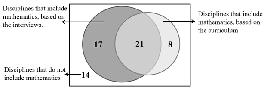
The investigation into the presence of quantitative literacy in the curriculum aims to emphasize its importance in education by examining its applicability in nutrition. Analysis of the interviews revealed that mathematics was mentioned in 38 out of 60 courses in the program, accounting for 63%. Among these, 13 courses are part of the common core, while 25 belong to the specific (or professional) core. The following excerpts provide examples of this use:
Student: Now, General Theoretical Chemistry had, it had calculus.
Researcher: Does Food Science have mathematics?
Student: We do calculations too. (Student, 2021).
Representative: Nutritional Assessment is a discipline that has a lot of calculations [...] it's a discipline that requires it. (Representative, 2023).
Nutritionist: In chemistry and biochemistry, mathematics is very present.
(Nutritionist, 2023).
This result complements our previous research, conducted in a document analysis, which identified 29 disciplines with mathematics evidenced in their curricular programs (Priebe; Alvarenga, 2022b), not all of which were mentioned by the interviewees. By performing the intersection between the studies (cf. Figure 2 and Chart 3), we found that 21 of the reported disciplines also contain mathematics in their curricular texts, implicitly or explicitly, while 17 of the disciplines identified by the nutritionists do not present any indication of mathematics in their syllabi and curricular programs.

The presence of mathematics in concepts such as nutritional labeling, in the Food Quality Control discipline, or the calculation of pre-gestational weight, in the Maternal, Infant and Adolescent Nutrition I and II disciplines, would not be identified solely by analyzing the guidelines and the curriculum. This reveals an inconsistency between the formal curriculum and classroom practice, which is reported by Rahayu et al. (2019) as a common dilemma in higher education.
The lack of explicit reference to mathematics in the programs of most disciplines that use it hinders the recognition of its relevance in the formative context and raises the need for curricular reforms that emphasize the integration of mathematics with nutrition in a clear and contextualized manner. We start from the understanding that this omission is explainable by the fact that there are few people for whom the inclusion of mathematics is an attractive proposition (Barnett; Coate, 2005). This may be a reflection of several existing obstacles, such as the fragmentation of knowledge, the perception of the relevance of mathematics by teachers and curriculum developers, student resistance, the existence of traditionalist and conservative tendencies, the low flexibility of the curriculum, the insufficient training of teachers who teach mathematics, and ideological resistance to curricular changes (Weyne, 2012).
The fragmentation of knowledge is an important aspect identified and discussed in the subcategory “theory and practice.” It can lead to an isolated approach to mathematics and other disciplines in the curriculum, contributing to its perception as a separate discipline, not directly related to nutrition, decreasing its visibility and perceived relevance in the curricular context by teachers, coordinators, and students. Furthermore, fragmentation is one of the causes of low curricular flexibility, characterized by excessive rigidity in the establishment of content and limitations in the workload of each discipline, which do not allow for the inclusion or deepening of mathematical skills.
Student resistance, often stemming from previous difficulties in learning mathematics, can lead to a demand for curricula that downplay mathematical content. This tendency can significantly impact educators' decisions when designing the curriculum. Additionally, many nutrition professors may lack a strong background in mathematics and may not know how to effectively incorporate it into their teaching. As a result, inadequate teacher preparation can result in a less enthusiastic approach to mathematics or its exclusion from the curriculum, as highlighted in the subcategory on “professor training.” Despite these challenges, mathematics is still present in the practical application of many disciplines within the analyzed nutrition curriculum.
Curriculum changes require coordinated efforts from institutions, involvement from various stakeholders, and the ability to overcome ideological resistance. Implementing mathematics courses or enhancing the mathematical content in other disciplines can encounter political, cultural, and bureaucratic obstacles that impede their effective integration into the nutrition curriculum. As a result, students may graduate unprepared for research and advanced studies, face limitations in data analysis, and be influenced by stereotypes surrounding mathematics. This can lead to a resistance to learning and ultimately affect their future career choices.
These issues show the need for systematic analysis and solutions to the problem. In addition to aligning the formal curriculum with classroom practice, it is important to seek strategies to promote greater appreciation and integration of mathematics in the nutrition course.
Theory and practice
This subcategory discusses the connection between mathematical concepts taught in the classroom and their application in the field of nutrition, through contextualization. Thus, we can understand the challenges and possible solutions for promoting effective integration between these two aspects. The dichotomy between theory and practice in the training of nutritionists is observed in several curriculum studies that have verified the fragmentation of disciplinary knowledge, the restriction of practice only to internships, the overvaluation of theory, and the lack of reflection on theory during practice, which hinders good professional performance and makes it difficult to understand the contexts of practice (Nakazato, 2017; Vieira; Utikava; Cervato-Mancuso, 2013; Valverde; Pimentel; Soares, 2019; Franco; Boog, 2007).
Throughout history, nutrition curricula in Brazil have been characterized as excessively technical, biologically focused, and poorly integrated with social issues, unlike the profile demanded by the market, which requires competencies that go beyond technical excellence, including socioeconomic and cultural dimensions for addressing the health problems of the population. Therefore, the articulation between theory and practice also involves the need to integrate teaching and professional training during the educational process, focusing on the development of general competencies in a generalist and multidisciplinary education (Nakazato, 2017).
Fragmented and compartmentalized teaching fails to account for the relationships among different areas of knowledge, thereby creating an obstacle to a deep and critical understanding of the world. Contextualization is one way to deconstruct the dichotomy between knowledge and practice experienced in the course, as it involves understanding and analyzing a given phenomenon, event, or concept within the broad context in which it occurs, considering the influences and interactions among the variables that affect the object of study. In teaching, it is possible to establish connections between formal knowledge and students' daily lives, allowing them to understand how concepts, theories, and practices apply across different contexts and situations in professional reality (Morin, 2002).
In contrast, while reality encompasses complex problems composed of multiple dimensions, such as social, psychological, economic, and political aspects, the university structure formed by disciplines causes a disjunction of global realities, separating these dimensions and fragmenting the systematization and multidimensionality of phenomena, so that “disciplinary scientific and technical culture parcels out, disunites, and compartmentalizes knowledge, making its contextualization increasingly difficult” (Morin, 2002, p. 41), as observed in the excerpts below:
Teacher: If you were to look at food as a whole, we compartmentalize it. So, in the legislation, there's the microbiology part, the physical-chemical part, and the sensory part, and then we look at each part separately.
Researcher: Do you think there needs to be greater coordination between the disciplines?
Teacher: There always needs to be, right? It always remains very compartmentalized. (Teacher, 2021).
In the nutrition course at UFG, the importance of integration is emphasized in the guidelines and encouraged by the curriculum, which outlines various methodological strategies to achieve this (Priebe; Alvarenga, 2022b; Brazil, 2013). However, an analysis of the interviews revealed a failure to fulfill this aspect. The disconnect between theory and practice in mathematics education emerged as one of the main gaps identified by the interviewees, who stressed the necessity of applying the concepts taught in the course.
Researcher: Were you positively or negatively surprised regarding the use of mathematics that you expected to encounter?
Student: I think I was frustrated, because the math I had didn't make sense to me, I didn't see its applicability, and I think the classes could have been better utilized and taught.
Student: Because we don't have the practical application alongside the theory, I find the course very theoretical, so you can't really reconcile theory with practice.
Student: I have the feeling that I struggled a lot throughout the course, and even more so during the internship, because I'm seeing the applications now, you know. So, I think teaching theory, teaching those calculations, and being able to show us how we can apply them in practice. I think that's what's missing. (Student, 2021)
Nutritionist: I think there should be more effective practical classes, that could create an interrelationship, you know, that could, for example, show, in practice, how it happens. (Nutritionist, 2023)
The ongoing interaction between content and context is a key characteristic of quantitative literacy. This concept involves the application of mathematical skills in real-world situations to understand and interpret information (Frith, 2011). Steen (2004, p. 17) emphasizes that “quantitative literacy is not simply a matter of knowing how to do the mathematics, but also requires the ability to wed mathematics to context.” This means that quantitative literacy goes beyond merely understanding concepts and calculation skills. It entails the ability to interpret and analyze quantitative information, make connections across different areas of knowledge, and make informed decisions based on numerical data.
From this perspective, Masola, Vieira, and Allevato (2016) observed that higher education students in courses that include mathematical subjects such as Integral and Differential Calculus, such as administration, biology, accounting, physics, mathematics, and chemistry, appear apathetic because they cannot correlate classroom learning with their professional lives. This disinterest is linked to the lack of perspective on how to use mathematical content in their future careers. Steen (2004, p. 24) emphasizes that, “for students, contexts create meaning” and this can be clearly seen in the statements below:
Student: Wow, but I didn't understand the purpose of understanding this, you know? I think that discouraged me.
Student: When we learn in the way we learn, we don't see the point, we feel discouraged, because it's not applied to Nutrition. So, I feel it could be better, because if I had something that was applied to Nutrition, today I could see the meaning in what I studied back then, I could tell you what I studied, what I calculated [...]. So, I see it as if it was just to fulfill the required hours, to fulfill what the course curriculum demands.
Student: I think that when we have an application, we retain it better in our minds, right?
Student: When we see that it doesn't make sense, then we get discouraged, we start thinking that we could be studying other things.
(Student, 2021).
A teaching approach that fails to adequately connect mathematical knowledge with that related to future professions directly affects students' perception of the usefulness of mathematics and their interpretation of its meaning, which can have profound effects on their learning, since a lack of clear ideas about the role of mathematics has a significant impact on motivation to learn. Those who conceive of mathematics as fragmented from their professional training tend to adopt a superficial approach to their studies, while those who identify cohesion with their future field of work are more likely to apply themselves deeply to the study of mathematics (Wood et al., 2012). This is particularly evident for students in non-mathematics courses, as context and perceived relevance influence their motivation, as observed by Macbean (2004, p. 561):
The more students believe the mathematics as integrated and integral to their degree course the more motivated they are likely to be, and the more meaning oriented their approaches to studying it will become. Consequently the more a department promotes mathematics as important for the students’ degree course and adapts the teaching of it appropriately, the more meaning oriented the students approach to studying it will be, and the more likely it is for them to develop cohesive conceptions of mathematics.
In higher education, mathematics has different objectives, depending on the course in which it is taught. More broadly, we can classify it into three types: as a scientific discipline, with its specific epistemology in bachelor's or licentiate degrees in mathematics; as a basic general education, aimed at providing a brief introduction to the area in various higher education courses; and as a tool for understanding and using the specific concepts of their field of study, in non-mathematical courses such as natural sciences, health sciences, engineering, economics, business, and other arts and sciences where predominantly statistical methods are used (medicine, psychology, pedagogy, among others). The third type characterizes mathematics as a service discipline, or applied course, whose objective is to allow students to acquire the mathematical skills required in their course for professional practice (Alpers, 2020). The lack of contextualization of mathematics with the specific problems of nutrition has also been widely reported in service disciplines such as Economics, Biostatistics, and Epidemiology, as shown in the excerpts below:
Student: Economics, zero application [...], she didn't provide examples, she just stayed in the theory, and I didn't understand. We talked a lot about the market, then we did calculations about the law of the market, but nothing related to nutrition either... I had a lot of difficulty. For me, the Economics class was torture.
Student: What's the point of me learning this in Economics? Like, what would I apply in my profession, you know?
Student: Because I didn't find Biostatistics applied to nutrition; I felt it was an entire subject learning theoretical content, but with little application.
Student: Epidemiology was also very loose [...]. I understood it at the time, but it was also poorly applied. (Student, 2021).
The student reports difficulty visualizing the applicability of the Economics discipline; however, it is included in the curriculum to provide future nutritionists with the fundamental knowledge to understand the dynamics of food production, distribution, and consumption systems, the relationship between cost, access, and quality of food, among other aspects that will allow them to analyze the impacts of public policies and socioeconomic inequalities on the population's diet.
Knowledge of statistics, represented by the Biostatistics discipline, best characterizes quantitative literacy in an undergraduate course (Steen, 2004; Hughes-Hallett, 2001). In addition to being a required course, it permeates much of the curriculum, being necessary in the development of disciplines such as Epidemiology, mentioned in the excerpt above, Sensory Analysis of Foods, Experimental Research in Nutrition, Dietary Surveys, Nutrition and Dietetics I, Nutrition and Dietetics II, and General Pathology (Priebe; Alvarenga, 2022b). Despite its widespread use, students are unable to visualize its applicability due to the way it is taught. Regarding this, Steen (2004) observes that:
Even the typical statistics course, although better [than the service mathematics courses commonly used merely to fulfill a basic curriculum requirement], leaves most students with at best a mechanical repertoire of hypothesis tests that are of little value to average citizens. What students most need these courses rarely provide, namely, extensive practice in developing the numeracy skills of data analysis and evidence-based criticism in the context of various disciplines. As a consequence, there is very little evidence to suggest that students leave college much more numerate than when they enter (Steen, 2004, pp. 31-32)
Quantitative skills are essential for understanding economics. According to Morin (2002), economics is the most mathematically advanced social science, yet it often neglects the political, social, psychological, and historical contexts that are crucial to its activities. This disconnect contributes to the discipline's limited applicability to the knowledge acquired in related courses, as noted by students. Consequently, this gap affects the quality of civic education and leads to graduates who struggle to interpret the causes and consequences of economic events that impact their professional lives.
In 1987, Clements observed that it is not feasible to teach the same level of mathematical skills in a service course as is provided in an undergraduate mathematics degree program. However, within the existing constraints, students must learn both mathematical skills and their creative applications in their respective fields of study. Traditional university teaching, including service courses, tends to prioritize the development of mathematical competencies and techniques. This trend is further reinforced by evaluation systems. In particular, the time limitations on mathematics instruction in service courses often lead instructors to focus primarily on content and program completion, which can be detrimental to exploring the practical applications of mathematics.
Despite the prevalence of a disconnect between quantitative knowledge, the interviewees also reported successful examples of incorporating mathematics into laboratory activities during experiments in the Food Science discipline:
Student: We learned what we needed to use, then we went to a laboratory, and I remember we would do experiments and see how much fiber was in something, so we learned calculations to use in that way. (Student, 2021).
Researcher: Do the students calculate this correction factor, or is it given ready-made?
Teacher: They calculate it in the solutions preparation class. (Teacher, 2021).
In this case, students apply quantitative concepts to perform specific calculations within the discipline, establishing a fruitful connection between mathematics and practical subjects. However, it remains challenging to achieve a more robust integration between mathematics and specific nutrition knowledge, aiming for a comprehensive and contextualized education for the students.
Therefore, it is fundamental to explore pedagogical strategies that enable the integration of mathematics with practical disciplines, such as the use of contextualized problem-solving situations, experimental activities that require the use of mathematics, and collaboration among the different teachers involved in the educational process. Weyne (2012, p. 115) emphasizes that “the existence of disciplinary knowledge in the curriculum does not necessarily mean that the curriculum will be disciplinary. It will depend on the pedagogical approach. For this, working with projects, generating themes, studying the environment, experimentation, and problem-solving are significant alternatives.”
In this sense, to encourage the involvement of nutrition students with mathematics, Clark et al. (2020) state that it is fundamental to guarantee contextualized and relevant material for the field, with authentic examples that encourage students to conceive of mathematics as a tool capable of helping them solve significant problems in nutrition.
Green and Emerson (2010) criticize the use of superficially contextualized mathematical problems and suggest the use of modeling as a proposed solution to the disconnect between the content taught in service courses. Through this teaching methodology, students can develop a deep mathematical understanding, gaining proficiency with modeling techniques useful for dealing with real-world data, learning to analyze and interpret the results of these techniques in different contexts, and communicating their findings appropriately.
The authors also pointed to the contribution of technology, which can relieve much of the burden of mathematical procedures and allow students to focus their attention on other aspects of modeling. As we also observed in Priebe and Alvarenga (2023), this does not mean avoiding the teaching of calculations and algebraic manipulations, but rather teaching effective thinking through available technology, reflecting on the techniques in a different way than traditionally, and envisioning the application of mathematical connections to more than one modeled situation from the real world (Green; Emerson, 2010).
The scope of including mathematical thinking in different contexts can also be achieved by providing incentives for academic disciplines to engage, in a cross-curricular manner, with quantitative skills through encouraging professional support, so that teachers value the role of quantitative literacy in their courses (Steen, 2004). This highlights the great importance of teachers and their collaborative work in identifying opportunities for applying mathematical knowledge in different teaching and learning contexts, to better provide quantitative education in higher education, as discussed in the following subcategory.
Professor training
Professors play a central role in the teaching and learning process and can be considered key elements for educational change. The relationship between them and the curriculum has evolved throughout history, moving from users or implementers to interpreters or creators, reflecting on, negotiating issues, and sharing among peers, from their perspective, based on their training, experiences, and beliefs (Llinares et al., 2014).
The pursuit of improving higher education raises questions about the quality of university teaching and sparks discussion about professor training, considering that “the model of the university professor as a spokesperson for dogmatized knowledge, capable of transferring, through the gift of oratory in lectures, their professional knowledge, no longer meets the needs of contemporary society” (Soares; Cunha, 2010, p. 13). Furthermore, society is permeated with challenges that demand from teachers an educational practice that enables students to rationally and critically utilize formative knowledge in solving the complex phenomena of reality.
Thus, the training of professors is discussed, highlighting didactic and pedagogical knowledge, in addition to the need for a contextualized and articulated approach between quantitative knowledge and the problems in the field of nutrition. In this sense, the lack of pedagogical training among university professors is generally considered one of the main causes of low quality in teaching and one of the factors contributing to students' learning difficulties (Mantovani; Canan, 2015; Oliveira, 2018). The statement of the CFN representative interviewed aligns with this perspective, also highlighting its reflections in health-related courses:
Representative: Healthcare professionals are not prepared for education, and yet they become professors, right? They are nutritionists who become professors. They've never had a single class in didactics in their lives, because the master's and doctoral programs don't prepare you for that.
Representative: There's a lack of understanding about education and understanding that, when I am a teacher, it means I will be building together with other professionals in my field. (Representative, 2023).
Despite the considerable increase in the number of doctors and masters in the classroom, who are experts in their fields and possess vast technical knowledge, many of them are not prepared to teach, since the mastery of specific scientific knowledge is prioritized over pedagogical issues or the ability to share knowledge efficiently and accessibly with students (Mantovani; Canan, 2015; Oliveira, 2018). This occurs because, currently, the requirements for entering the teaching profession have contributed to the increase in the number of professors with higher degrees. However, the problem remains, as the responsibility for the disciplines is delegated to newly graduated doctors who have not undergone a didactic-pedagogical reflection on the necessity of the subjects they teach in the training of future professionals (Cabral; Baldino, 2004).
The inefficiency and inadequacy of the pedagogical preparation of university professors have also been identified in medical courses in Brazil, which, according to Weyne (2012), are caused by the excessive emphasis on technical competence during the selection of teaching candidates. This results in “a profound lack of knowledge of teaching techniques and methodologies, group work, and the production of appropriate teaching materials” (Weyne, 2012, p. 103). Consequently, classes are not considered a priority by these professors and are conducted through methodological improvisation, trial and error, throughout years of their careers (Behrens, 2011).
In nutrition courses, a lack of emphasis on pedagogy in teacher training and preparation results in teaching practices that primarily focus on the transmission of content (Vieira; Utikava; Cervato-Mancuso, 2013). This issue significantly affects the teaching of mathematics. Effectively conveying complex concepts in a clear and accessible manner is crucial for student learning. When educators lack knowledge of effective teaching strategies, it can lead to an overly theoretical and abstract approach or a focus on repetitive practices. This often manifests as students substituting data into prescribed formulas without engaging in any meaningful reflection on the underlying principles (Priebe; Alvarenga, 2023).
Despite the omission in Brazilian legislation regarding the requirement of didactic and pedagogical training for university professors, some measures can be taken to reduce or remedy the consequences of this formative gap, such as the inclusion of didactic disciplines in stricto sensu postgraduate programs, the reformulation of career and selection systems for professors to value teaching skills and competencies, and the provision of initial and continuing pedagogical training programs for professors already in service (Mantovani; Canan, 2015; Muniz, 2021). These measures are fundamental to contributing to a change in the approach to teaching mathematics adopted by professors, reducing technicality and the encouragement of decontextualized memorization.
However, such proposals require a continuous effort from institutions, professors, and public policies governing higher education, to provide teachers with training capable of stimulating reflection on their professional practice and knowledge about education, and enabling them to adapt teaching to the new student profiles, incorporate different technologies into their classes, overcome the paradigm of reproducibility and memorization of knowledge, propose changes and improvements in the curriculum, and understand the relevance of teaching in relation to their role as researchers, as highlighted by the CFN representative:
Representative: It's about understanding that, when I'm a professor in a health-related course, I have to, at a minimum, understand education. And if I understand, if I grasp some basic elements of education, then there's no way mathematics can be left out. (Representative, 2023).
The representative's statement aligns with Behrens (2011, p. 444), who argues that professors need to develop the awareness that “upon entering the classroom, their essential role is that of a professor” and that teaching should not be seen as a secondary function of their profession, despite the greater recognition and social prestige resulting from the role of researcher, commonly exercised in public universities. In private institutions, the priority becomes, in some cases, clinical practice, performed concurrently with teaching. For the recognition of the primacy of teaching over other careers, professor training programs must offer clear conceptions about students' learning objectives, discuss the real needs of pedagogical practice, and provide a critical view of education that allows teachers to identify the knowledge relevant to comprehensive and complete training, such as mathematics.
Therefore, the guided and shared didactic and pedagogical training of professors who teach in the nutrition course can drive changes in the educational practice of these professionals, promoting the use of innovative approaches and improving not only the teaching of specific concepts, but also the better integration and use of mathematical knowledge in their disciplines, enabling professionals to have a solid foundation both in their specific disciplines and in didactics and education. Furthermore, there is an emerging need for faculty in general to understand the importance of integrating quantitative literacy into their disciplines. Steen (2004) points out that, often due to a lack of confidence in students' quantitative abilities, professors demathematicize3 courses, reducing students' opportunities to reinforce these skills through application. In this sense, Hughes-Hallett (2001, p. 97) asserts that:
Quantitative literacy is achieved when students readily use quantitative tools to analyze a wide variety of phenomena. This requires constant practice. It also requires seeing such behavior as commonplace. This will not happen unless teachers model it.
The idea of making quantitative literacy commonplace emphasizes the consensus that it should be taught across the entire curriculum, not just in mathematics or statistics courses. However, this implies that all teachers need to be prepared to teach quantitative strategies appropriate to their discipline (Steen, 2004). To this end, teachers also need to be quantitatively literate themselves; otherwise, students will remain unconvinced of the need for this literacy (Hughes-Hallett, 2001). However, faculty whose interests and training are focused internally on their own areas of expertise will need incentives to integrate quantitative literacy across their disciplines (Steen, 2004).
The educational background of the teachers who teach mathematics subjects is also an important aspect to consider. Cunha et al. (2018) found that the training of mathematics and statistics professors in an area different from the course in which the subject is taught is pointed out by health students as one of the main factors that lead professors not to address the application of the topics taught to their future profession.
What is observed is that, in courses in the biological and health sciences, mathematics and statistics subjects are taught by professors from the exact sciences. This leads us to reflect on the extent to which (and if at all) this professor knows the profile of the student he is training (Cunha et al., 2018, p. 54).
This finding corroborates the statements of the interviewees, who value the interrelationship between fields of knowledge and recognize the need for contextualized mathematics teaching that takes into account the specificities and needs of the students' field of study and contributes to a better understanding and application of mathematical concepts relevant to nutrition, as we observed in the subcategory “theory and practice”. Thus, the interviewees' perception suggests that there is a need for professors who possess not only solid knowledge in mathematics but also understand the language and contexts of nutrition, to teach mathematical topics relevant to this field.
Student: I think it would also be great to have a professor from the field of nutrition explaining Biostatistics and Economics to us, in our language, you know? (Student, 2021).
Representative: I would prefer it to be a mathematician. But then, my practical experience shows that when you get someone from the field, using mathematics as an example, nobody understands anything.
Representative: We have an elective mathematics course [...]. Nobody chooses it, because the person who teaches the basic mathematics course is a mathematician. And then nobody understands the mathematics that we are teaching.
Representative: It's a mathematics professor for the nutrition course, which is different. A mathematics professor for the architecture course and for the engineering course. It's the same science of mathematics. But it can't be the same for every field of study. So, I believe it should be taught by a mathematician if we undergo this transformation in our perspective on education. It would be very good if a mathematician who truly understands mathematics knew how to apply it to nutrition. (Representative, 2023).
In contrast, the problem of teaching mathematics in non-mathematics courses is neither new nor unique to a particular location. Cabral and Baldino (2004) argue that this situation in Brazil originated from the 1969 university reform, which abolished chair structures and introduced basic departments and institutes, modeled after the North American system. As a result, the curricular structure of professional courses became divided between a basic (or common) core and a professional (or specific) core. However, the high retention rate of students in the basic cycle subjects, which did not take into account the students' original course of study, considerably delayed the development of professional identity, weakened the integration of the university into the community, and diminished the critical power of the student movement against the prevailing regime. Kline (1977, p. 4) considers that, “although the policies of universities are the root of our educational shortcomings, and professors are subject to these policies, professors cannot be completely exonerated. They have power, a measure of independence […] and moral obligations to the students”.
Green and Emerson (2010) observe that many teachers compartmentalize knowledge to separate it from everything outside the subject being taught and gain greater control. Those who teach service courses in mathematics, and who generally have a background specifically in mathematics or statistics, are just as responsible for this as anyone else, and should show students and convince them that it is possible to connect compartmentalized knowledge to the real world. In this sense, Bingolbali and Ozmantar (2009) found that, although professors of service courses teach the same course with similar topics in different departments, they use different approaches according to various factors, such as the needs and expectations of the students, the characteristics of the departments and curricula, and the number of teaching hours.
The authors argue that, at the university level, despite the existence of curriculum guidelines for the teaching process, it is up to the professors, with their experience, to determine the content and how to teach it, often reflecting their values to the detriment of the students' needs. For this reason, the questions of how and what to teach should not be a decision left solely to the instructors, but they should receive some guidance for the students' mathematical needs (Bingolbali; Ozmantar, 2009). Furthermore, reducing the problems related to teaching and learning in service courses requires a high level of collaboration between mathematicians and those who need mathematics, since teaching other disciplines requires a deep and up-to-date mathematical knowledge of how its content and methods can be usefully applied to other sciences (Bony, 1987).
The greater the distance between mathematics and the scientific field of the course in question, the greater the need for the mathematician to listen to the concerns of their colleagues, as teamwork provides a good guarantee and is often the only opportunity for mathematicians to contribute to the teaching of the course (Howson et al., 1987). This highlights the importance of mathematicians working in partnership with the faculty of the course they teach, to bring the subject's curriculum closer to the students' professional reality, and to understand the purpose of the teaching and the expectations for the use of mathematics.
Therefore, the adoption by professors of a didactic approach that connects decontextualized scientific knowledge to the students' reality is fundamental to reducing learning difficulties (Laudares, 2004). In this sense, mobilizing efforts for cooperation between departments and institutes and their faculty is desirable and recommended to guarantee contextualized, understandable, and relevant teaching for the students' future professional reality, broaden teachers' understanding of the learning obstacles experienced by students, and contribute to the examination of their own teaching practices.
CONSIDERATIONS
The importance of mathematics in higher education courses is increasingly recognized as a fundamental aspect of our culture and scientific development. In fields such as biology, medicine, and the social sciences, quantitative literacy is deemed essential (Steen, 2004; Kline, 1977). For health professionals, particularly nutritionists, the ability to interpret and utilize numerical information, such as statistics and probabilities, conduct calculations, and make decisions based on quantitative data is crucial for their daily practice. Therefore, it is vital to foster familiarity with mathematics within their educational settings.
To understand quantitative literacy in the training of nutritionists, this study examined aspects of the curriculum as revealed through the perspectives of nutritionists involved in the educational process, based on the assumption that a holistic and critical understanding of the curriculum in higher education goes beyond what is formally written, encompassing its underlying properties, hidden elements, and explicit and implicit dimensions. Through content analysis, we discussed three subcategories emerging from the category "The curriculum": disciplines that include mathematics, theory and practice, and professor training.
Based on the accounts of the interviewees, this research mapped the presence of mathematics in 63% (29) of the disciplines in the nutrition course at UFG. However, 17 of these disciplines do not present any quantitative reference in their syllabi and curriculum programs, evidencing an inconsistency between the curriculum text and classroom practice, especially in relation to the relevance and applicability of mathematical knowledge to the field of nutrition.
In this sense, Alpers (2020) emphasizes that if the reason for mathematics education in the training of non-mathematicians is to meet the needs of the students, this should be reflected in the curriculum. Therefore, it is necessary to rethink the curriculum structure, clearly and consistently stating the objectives and expectations of incorporating mathematics, which can affirm its importance and guarantee the development of adequate quantitative literacy.
The contextualization between mathematical knowledge and the concepts of their field of study is a key element for quantitative education in higher education. It allows students to identify mathematics as a useful and relevant tool in their areas of expertise, promoting a deep understanding of mathematical concepts, the development of essential skills, and demonstrating how concepts, theories, and practices apply in different contexts and situations of professional reality.
We found a significant gap between theory and practice in the analyzed curriculum, leading to a fragmentation of disciplinary knowledge. This lack of integration not only hinders professional performance and understanding of practical contexts but also makes it challenging for students to see the connection between quantitative knowledge and the specific problems they will face in their future professions. As a result, this serves as an obstacle to student engagement with mathematics. Steen (2004, p. 36) notes that “large numbers of students, including many of society’s future leaders, end their study of mathematics with a loathing that approaches phobia”. This aversion is partly due to the lack of meaning and applicability of mathematics within their fields of study, which negatively impacts their perception of its usefulness and significance for their education, ultimately decreasing their motivation to learn. To encourage students to excel in mathematics, they must understand its relevance to their courses and future careers (Alpers, 2020).
The fragmentation of knowledge is caused, among other factors, by the disciplinary structure of university curricula, which does not consider the complex and multifaceted reality of phenomena in the field of nutrition. In this regard, Morin (2002, p. 36) highlights the existence of an "increasingly broad, profound, and serious inadequacy between, on the one hand, disjointed, divided, and compartmentalized knowledge and, on the other hand, realities or problems that are increasingly multidisciplinary, transversal, multidimensional, transnational, global, and planetary."
As part of this structure, there are service or applied disciplines, taught by institutes to serve different specific training programs. In the case of the course analyzed, the disciplines of Economics, Biostatistics, and Epidemiology were identified in the interviews as the most affected by the lack of contextualization of mathematics with the specific problems of nutrition.
To promote the integration of mathematics with nutritional practice, it is possible to explore different pedagogical strategies, such as the use of problem-solving situations, experimental activities, contextualized teaching materials, mathematical modeling, and technology. In addition, collaboration between academic disciplines and encouragement of professional support are fundamental, since teachers play an important role in identifying opportunities for applying mathematical knowledge in different teaching and learning contexts.
Professor training is a crucial aspect to consider. However, many university professors, particularly in health-related fields, often lack proper preparation in didactic and pedagogical knowledge. While they may possess extensive technical expertise in their areas, they are not always equipped to teach effectively. This issue is particularly pronounced in nutrition courses, where professors are usually health professionals who transition into teaching without receiving specific training in pedagogy and education. As a result, the absence of knowledge about effective teaching strategies can lead to overly theoretical and abstract approaches, which ultimately hinders student learning. To address this issue, several measures can be implemented, including the introduction of didactic courses in postgraduate programs, the reformulation of faculty recruitment and career progression systems, and the provision of both initial and ongoing pedagogical training programs for current educators.
Overly specialized training was also identified as a problem in the case of professors who teach service courses related to mathematics, being one of the causes of the disconnect between different areas of knowledge. According to Morin (2002, pp. 41-42), “specialization ‘abstracts,’ in other words, it extracts an object from its context and its whole.” Despite the importance of professors having solid knowledge in mathematics, the perception of the interviewees reveals the need for them to also understand the language and contexts of nutrition to teach relevant mathematical topics. To this end, it is essential that mathematicians work in collaboration with nutrition faculty to understand the demands and concerns of the field in which they teach and to align their course programs with the reality of the students, reducing learning problems and making teaching more relevant and understandable.
In summary, mathematics education for nutritionists at UFG requires enhancements in curriculum clarity, the integration of theory with practice, and professor training. It is important to note that the aspects discussed are only a portion of the insights gained from the categorization of the interviews. Other topics, such as teaching methodologies, interdisciplinarity, and various aspects of the current curriculum, should be addressed in future research.
References
- ALPERS, Burkhard. Mathematics as a Service Subject at the Tertiary Level A State-of-the-Art Report for the Mathematics Interest Group. Brussels: SEFI, 2020.
- APPLE, Michael. Ideologia e currículo Trad. Vinicius Figueira. Porto Alegre: Artmed, 2008.
- BARDIN, Laurence. Análise de conteúdo Lisboa: Edições 70, 2016.
- BARNETT, Ronald; COATE, Kelly. Engaging the Curriculum in Higher Education Maidenhead: Open University Press, 2005.
- BATSCHELET, Edward. Introduction to Mathematics for Life Scientists New York: Springer Science & Business Media, 2012.
-
BEHRENS, Marilda Aparecida. Docência universitária: formação ou improvisação? Educação, Santa Maria, v. 36, n. 3, p. 441-453, 2011. <https://doi.org/10..5902/198464442976>
» https://doi.org/10..5902/198464442976 -
BELWARD, Shaun et al. Applying Mathematical Thinking: the Role of Mathematicians and Scientists in Equipping the New Generation Scientist. In: Volcanic Delta 2011: the Eighth Southern Hemisphere Conference on Teaching and Learning Undergraduate Mathematics and Statistics Anais. Rotorua: New Zealand, 2011, p. 12-21. Disponível em: < https://deltamathconference.org/proceedings/files/2011-Delta-Proceedings.pdf>. Acesso em: 10 ago. 2023.
» https://deltamathconference.org/proceedings/files/2011-Delta-Proceedings.pdf -
BIALEK, William; BOTSTEIN, David. Introductory Science and Mathematics Education for 21st-Century Biologists. Science, v. 303, n. 5.659, p. 788-790, 2004. < https://www.science.org/doi/10..1126/science.1095480>
» https://doi.org/10..1126/science.1095480 -
BINGOLBALI, Erhan; OZMANTAR, Mehmet. Factors Shaping Mathematics Lecturers’ Service Teaching in Different Departments. International Journal of Mathematical Education in Science and Technology, v. 40, n. 5, p. 597-617, 2009. <https://doi.org/10..1080/00207390902912837>
» https://doi.org/10..1080/00207390902912837 - BONY, Jean-Michel. What Mathematics Should Be Taught to Students in Physical Sciences, Engineering? In: HOWSON, Geoffrey et al. (Ed.). Mathematics as a Service Subject ICMI Study Series. Cambridge: Cambridge University Press, 1987. p. 1-25.
- BRASIL. Conselho de Ensino, Pesquisa, Extensão e Cultura da Universidade Federal de Goiás. Resolução CEPEC nº 1.228/2013 Goiânia: Universidade Federal de Goiás, 2013.
- CABRAL, Tânia; BALDINO, Roberto. O ensino de matemática em um curso de engenharia de sistemas digitais. In: CURY, Helena (Org.). Disciplinas matemáticas em cursos superiores: reflexões, relatos e propostas. EDIPUCRS, 2004. p. 139-186.
-
CLARK, Karin et al Nutrition Students and Mathematics: Competent but not Confidente. Focus on Health Professional Education: A Multi-Disciplinary Journal, v. 21, n. 1, p. 77-90, 2020. < https://doi.org/10..11157/fohpe.v21i1.356>
» https://doi.org/10..11157/fohpe.v21i1.356 - CLEMENTS, Dick. Teaching Mathematics to Engineering Students Utilizing Innovative Teaching Methods. In: HOWSON, Geoffrey et al. (Ed.). Mathematics as a Service Subject ICMI Study Series. Cambridge: Cambridge University Press , 1987. p. 26-51.
-
CUNHA, Janielle et al. Ensino de matemática em cursos em ciências biológicas e da área da saúde: percepções de estudantes de doutorado. Science and Knowledge in Focus, v. 1, n. 2, p. 49-59, 2018. < https://doi.org/10..18468/sc.knowl.focus.2018v1n2.p49-59>
» https://doi.org/10..18468/sc.knowl.focus.2018v1n2.p49-59 - D'AMBRÓSIO, Ubiratan. Sociedade, cultura, matemática e seu ensino. Educação e pesquisa, v. 31, n. 1, p. 99-120, 2005.
- DOCENTE. Entrevista concedida à pesquisadora. Goiânia, 21 set. 2021.
- ESTUDANTE. Entrevista concedida à pesquisadora. Goiânia, 5 out. 2021.
-
FRANCO, Ana Carolina; BOOG, Maria Cristina Faber. Relação teoria-prática no ensino de educação nutricional. Revista de Nutrição, v. 20, n. 6, p. 643-655, 2007. <https://doi.org/10..1590/S1415-52732007000600007>
» https://doi.org/10..1590/S1415-52732007000600007 -
FRITH, Vera. Mathematical Literacy for Higher Education. Learning and Teaching Mathematics, v. 10, n. 1, p. 3-7, 2011. Disponível em: <https://hdl.handle.net/10520/EJC20680>. Acesso em: 05 jul. 2023.
» https://hdl.handle.net/10520/EJC20680 -
GOLBECK, Amanda et al. A Definition and Operational Framework for Health Numeracy. American Journal of Preventive Medicine, v. 29, n. 4, p. 375-376, 2005. < https://doi.org/10..1016/j.amepre.2005.06.012>
» https://doi.org/10..1016/j.amepre.2005.06.012 -
GREEN, Kris; EMERSON, Allen. Mathematical Reasoning in Service Courses: Why Students Need Mathematical Modeling Problems? The Mathematics Enthusiast, v. 7, n. 1, p. 113-140, 2010. < https://doi.org/10..54870/1551-3440.1178>
» https://doi.org/10..54870/1551-3440.1178 - HOWSON, Geoffrey et al. (Ed.). Mathematics as a Service Subject Cambridge: Cambridge University Press , 1987.
- HUGHES-HALLETT, Deborah. Achieving Numeracy: The Challenge of Implementation. In: STEEN, Lynn Arthur (Ed.). Mathematics and Democracy: The Case for Quantitative Literacy. Princeton: National Council on Education and the Disciplines, 2001. p. 17-32.
-
HUIZINGA, Mary et al. Literacy, Numeracy, and Portion-Size Estimation Skills. American Journal of Preventive Medicine, v. 36, n. 4, p. 324-328, 2009. <https://doi.org/10..1016/j.amepre.2008.11.012>
» https://doi.org/10..1016/j.amepre.2008.11.012 - KLINE, Morris. Why the Professor Can’t Teach Mathematics and the Dilemma of University Education New York: St Martin’s Press, 1977.
- LAUDARES, João. A matemática e a estatística nos cursos de graduação da área tecnológica e gerencial: um estudo de caso dos cursos da PUC-Minas. In: CURY, Helena (Org.). Disciplinas matemáticas em cursos superiores: reflexões, relatos e propostas. Porto Alegre: EDIPUCRS, 2004. p. 1-15.
-
LEMOS, Cristiane; FONSECA, Selva. Saberes e práticas curriculares: um estudo de um curso superior na área da saúde. Interface (Botucatu), v. 13, n. 28, p. 57-69, 2009. <https://doi.org/10..1590/S1414-32832009000100006>
» https://doi.org/10..1590/S1414-32832009000100006 - LLINARES, Salvador; KRAINER, Konrad; BROWN, Laurinda. Mathematics Teachers and Curricula. In: LERMAN, Stephen (Ed.). Encyclopedia of Mathematics Education (p. 314-317). Dordrecht: Springer, 2014. p. 438-441.
-
MacBEAN, Judith. Students' Conceptions of, and Approaches to, Studying Mathematics as a Service Subject at Undergraduate Level. International Journal of Mathematical Education in Science and Technology, v. 35, n. 4, p. 553-564, 2004. < https://doi.org/10..1080/00207390410001714885>
» https://doi.org/10..1080/00207390410001714885 - MADISON, Bernard; STEEN, Lynn Arthur (Ed.). Quantitative Literacy: Why Numeracy Matters for Schools and Colleges? Washington: The National Council on Education and the Disciplines, 2003.
-
MANTOVANI, Isabel; CANAN, Silvia. Política de formação para professores do ensino superior e qualidade de ensino: um estudo sobre o programa pedagogia universitária como possibilidade de qualificação docente na perspectiva pedagógico-didática. Revista Interacções, v. 11, n. 22, p. 136-148, 2015. <https://doi.org/10..22348/riesup.v1i2.7427>
» https://doi.org/10..22348/riesup.v1i2.7427 -
MASOLA, Wilson; VIEIRA, Gilberto; ALLEVATO, Norma. Ingressantes na educação superior e suas dificuldades em matemática: uma análise das pesquisas publicadas nos anais dos X e XI ENEM. In: Anais do 12 Encontro Nacional de Educação Matemática (p. 1-13), SBEM, 2016. Disponível em: < Disponível em: http://www.sbembrasil.org.br/enem2016/anais/pdf/4840_2593_ID.pdf >. Acesso em: 17 set. 2020.
» http://www.sbembrasil.org.br/enem2016/anais/pdf/4840_2593_ID.pdf - MATTIAZZO-CARDIA, Elizabeth. O ensino de matemática nos cursos de ciências biológicas: uma proposta de conteúdos adequados. Dissertação (Mestrado em Ensino de Ciências). Universidade Estadual Paulista, Faculdade de Ciências, 2003.
- MORIN, Edgar. Os sete saberes necessários à educação do futuro 6. ed. Cortez, 2002.
-
MUNIZ, Sãhmara. O professor-engenheiro e a metamorfose: a necessidade da formação didático-pedagógica. In: Anais do Congresso Brasileiro de Educação em Engenharia (p. 1-8). Rio de Janeiro: COBENGE, 2021. Disponível em: <https://doi.org/10..37702/2175-957X.COBENGE.2021.3643>. Acesso em: 19 jun. 2023.
» https://doi.org/10..37702/2175-957X.COBENGE.2021.3643 - NAKAZATO, Viviane. Formação em nutrição: análise do currículo após a implantação das diretrizes nacionais curriculares. Dissertação (Mestrado Profissional em Ensino em Ciências da Saúde). Universidade Federal de São Paulo, Faculdade de Medicina, 2017.
- NUTRICIONISTA. Entrevista concedida à pesquisadora. Goiânia, 10 jan. 2023.
-
OLIVEIRA, Antonio. Aprender matemática no ensino superior: desafios e superação. Revista Científica Multidisciplinar Núcleo do Conhecimento, v. 3, n. 5, p. 94-103, 2018. Disponível em: < Disponível em: https://www.nucleodoconhecimento.com.br/matematica/ensino-superior >. Acesso em: 10 ago. 2023.
» https://www.nucleodoconhecimento.com.br/matematica/ensino-superior -
ORGANIZATION FOR ECONOMIC CO-OPERATION AND DEVELOPMENT [OECD]. PISA 2006 Assessment and Analytical Framework Paris: OECD Publishing, 2006. <https://doi.org/10..1787/b25efab8-en>
» https://doi.org/10..1787/b25efab8-en -
PEREIRA, Luciana; SANTOS JÚNIOR, Guataçara dos; OLIVEIRA, Lucas. A matemática na área Ciências Agrárias: contextos e conteúdos. Revista Espacios, v. 42, n. 17, e2739-2021, 2021. <https://doi.org/10..48082/espacios-a21v42n17p06>
» https://doi.org/10..48082/espacios-a21v42n17p06 -
PRIEBE, Débora; ALVARENGA, Karly. A matemática nos cursos superiores em saúde: mapear e conhecer. Revista Sustinere, v. 10, n. 1, p. 94-116, 2022a. <https://doi.org/10..12957/sustinere.2022.59792>
» https://doi.org/10..12957/sustinere.2022.59792 -
PRIEBE, Débora; ALVARENGA, Karly. A matemática no currículo de nutrição. Educação Matemática Pesquisa, v. 24, n. 3, p. 279-322, 2022b. <https://doi.org/10..23925/1983-3156.2022v24i3p279-322>
» https://doi.org/10..23925/1983-3156.2022v24i3p279-322 -
PRIEBE, Débora; ALVARENGA, Karly. As ferramentas tecnológicas de aprendizagem em matemática e o curso de nutrição: as percepções de profissionais e estudantes. Revista Internacional de Educação Superior Campinas, SP, v. 11, n. 00, p. e025024, 2023. <https://doi.org/10..20396/riesup.v11i00.8673460>
» https://doi.org/10..20396/riesup.v11i00.8673460 -
RAHAYU, Retno et al. Life Skills Curriculum Development at University. International Journal of Civil Engineering and Technology (IJCIET), v. 10, n. 2, p. 558-573, 2019. Disponível em: < Disponível em: https://iaeme.com/MasterAdmin/Journal_uploads/IJCIET/VOLUME_10_ISSUE_2/IJCIET_10_02_056.pdf >. Acesso em: 12 jul. 2023.
» https://iaeme.com/MasterAdmin/Journal_uploads/IJCIET/VOLUME_10_ISSUE_2/IJCIET_10_02_056.pdf - REPRESENTANTE. Entrevista concedida à pesquisadora. Goiânia, 3 jan. 2023.
-
ROTHMAN, Russell et al. Patient Understanding of Food Labels: the Role of Literacy and Numeracy. American Journal of Preventive Medicine, v. 31, n. 5, p. 391-398, 2006. <https://doi.org/10..1016/j.amepre.2006.07.025>
» https://doi.org/10..1016/j.amepre.2006.07.025 -
SÁPIRAS, Fernanda; BAYER, Arno. Matematização e desmatematização: uma reflexão da tecnologia digital em sala de aula. In: Anais da 1. Conferência Nacional de Educação Matemática (p. 1-9). Taquara: FACCAT, 2017. Disponível em: < Disponível em: https://www2.faccat.br/portal/sites/default/files/MATEMATIZA%C3%87%C3%83O%20E%20DESMATEMATIZA%C3%87%C3%83O.pdf >. Acesso em: 04 set. 2025.
» https://www2.faccat.br/portal/sites/default/files/MATEMATIZA%C3%87%C3%83O%20E%20DESMATEMATIZA%C3%87%C3%83O.pdf -
SERAMIM, Ronaldo; WALTER, Silvana. O que Bardin diz que os autores não mostram? Estudo das produções científicas brasileiras do período de 1997 a 2015. Revista Brasileira de Educação em Ciência e Tecnologia, v. 2, n. 18, p. 271-299, 2017. <https://doi.org/10..13058/raep.2017.v18n2.478>
» https://doi.org/10..13058/raep.2017.v18n2.478 - SKOVSMOSE, Ole. Competência democrática e conhecimento reflexivo em matemática. For the Learning of Mathematics, v. 2, n. 12, p. 1-24, 1992.
-
SOARES, Sandra; CUNHA, Maria. Formação do professor: a docência universitária em busca de legitimidade. Revista Brasileira de Educação, v. 15, n. 47, p. 102-115, 2010. <https://doi.org/10..7476/9788523211981>
» https://doi.org/10..7476/9788523211981 - STEEN, Lynn. Achieving Quantitative Literacy: an Urgent Challenge for Higher Education. Washington: The Mathematical Association of America, 2004.
-
VALVERDE, Ludmylla; PIMENTEL, Adriana; SOARES, Micheli. Formação em nutrição no Brasil: análise de alcances e limites a partir de uma revisão da literatura. Revista Baiana de Saúde Pública, v. 4, n. 43, p. 247-259, 2019. <https://doi.org/10..22278/2318-2660.2019.v43.n1.a3054>
» https://doi.org/10..22278/2318-2660.2019.v43.n1.a3054 -
VIEIRA, Viviane; UTIKAVA, Natália; CERVATO-MANCUSO, Ana Maria. Atuação profissional no âmbito da segurança alimentar e nutricional na perspectiva de coordenadores de cursos de graduação em Nutrição. Interface (Botucatu), v. 17, n. 44, p. 157-170, 2013. <https://doi.org/10..1590/S1414-32832013000100013>
» https://doi.org/10..1590/S1414-32832013000100013 -
WEYNE, Gastão. Obstáculos epistemológicos para a inclusão de disciplinas matemáticas nos currículos de Medicina Tese (Doutorado em Educação Matemática). Pontifícia Universidade Católica de São Paulo, 2012. Disponível em: <Disponível em: https://repositorio.pucsp.br/jspui/handle/handle/10932 >. Acesso em: 04 mar. 2021.
» https://repositorio.pucsp.br/jspui/handle/handle/10932 -
WOOD, Leigh et al. University Students' Views of the Role of Mathematics in Their Future. International Journal of Science and Mathematics Education, v. 10, p. 99-119, 2012. <http://dx.doi.org/10.1007/s10763-011-9279-y>
» https://doi.org/10.1007/s10763-011-9279-y -
XAVIER, Cícera. A educação matemática e a formação do enfermeiro assistencial em atividade docente: dilemas, desafios e reflexos em sua prática profissional. Tese (Doutorado em Educação Matemática). Universidade Anhanguera de São Paulo, 2016. Disponível em: <Disponível em: https://sucupira.capes.gov.br/sucupira/public/consultas/coleta/trabalhoConclusao/viewTrabalhoConclusao.jsf?popup=true&id_trabalho=3817403 >. Acesso em: 16 jul. 2019.
» https://sucupira.capes.gov.br/sucupira/public/consultas/coleta/trabalhoConclusao/viewTrabalhoConclusao.jsf?popup=true&id_trabalho=3817403
-
1
Article published with funding from theConselho Nacional de Desenvolvimento Científico e Tecnológico- CNPq/Brazil for editing, layout and XML conversion services.
-
3
Demathematization is defined by Sápiras and Bayer (2017) as the devaluation and trivialization of mathematics in education, through the reduction of the mathematical skills taught.
-
DATA AVAILABILITY DECLARATION
The data will be available upon request from the reviewers.
The data will be available upon request from the reviewers.
History
-
Received
27 Dec 2023 -
Preprint posted on
23 Dec 2023
10.1590/SciELOPreprints.7479 -
Accepted
05 Sept 2025

 Source: Research data.
 Source: Research data;
  Source: Research data.
 Source: Research data;
 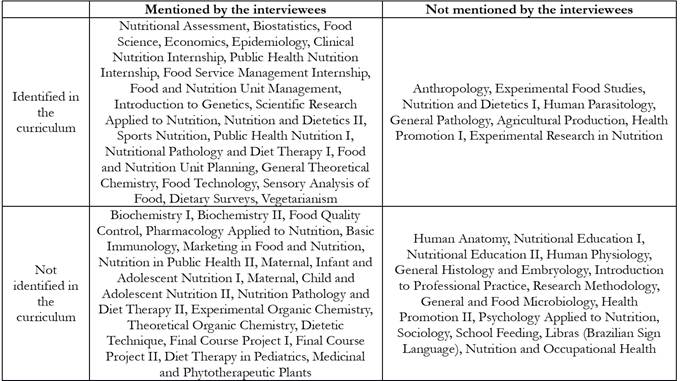 Source: Research data;