
 Model of care in freestanding birth centers in Brazil: a scoping review
Abstract
Freestanding birth centers (FBCs) in Brazil are regulated to provide care for women with a straightforward pregnancy. The systematization of the literature on FBCs can broaden our knowledge of these facilities. We conducted a scoping review to answer the following research question: “What are the characteristics of the model of care in freestanding birth centers in Brazil?”. Relevant studies covering any period and in any language were included. Searches were performed of platforms, databases, repositories, and institutional websites. The searches followed the stages set out in the JBI Manual for Evidence Synthesis and the review protocol was registered with the OSF. A total of 85 documents were selected, involving ten FBCs. The maternal and neonatal outcomes described by the studies were categorized as follows: respect for women’s autonomy and needs; humanized evidenced-based care; feeling safe with and confident in care providers; use of integrative and complementary health practices; positive maternal experience and neonatal outcomes; and welcoming and comfortable environment. The findings reinforce that care delivery in FBCs is grounded in the biopsychosocial model of health care and that the physical environment and organization of these facilities and approach to childbirth are structured around the needs of pregnant people and their babies.
Key words:
Review; Birth centers; Biopsychosocial model
Resumo
Os centros de parto normal peri-hospitalares (CPNp) são regulamentados no Brasil para atenção às mulheres e bebês de risco habitual. Sistematizar a produção científica pode ampliar o conhecimento sobre esses estabelecimentos. Realizou-se uma revisão de escopo a partir da questão: “quais são as características do modelo de atenção dos CPNp brasileiros?” Foram incluídos estudos sem delimitação temporal e em qualquer idioma. As buscas foram feitas em portais, bases de dados, repositórios e sites institucionais. As etapas da revisão foram guiadas pelo JBI Manual for Evidence Synthesis, e seu protocolo registrado na plataforma OSF. Foram selecionados 85 documentos, que abordam dez CPNp. Os estudos descrevem desfechos maternos e neonatais categorizados, entre outros, em: respeito à autonomia e às necessidades maternas; cuidado humanizado e baseado em evidências; confiança e segurança nos profissionais; uso de práticas integrativas e complementares em saúde; experiência materna e desfecho neonatal positivos; cuidado em ambiente acolhedor e confortável. Os resultados reforçam que os CPNp produzem um cuidado pautado no modelo biopsicossocial de saúde, cujas necessidades dos usuários são a base das estruturas física, organizacional, filosófica e assistencial dessas instituições.
Palavras-chave:
Revisão; Centros de assistência à gravidez e ao parto; Modelo biopsicossocial
Resumen
Los Centros de Parto Normal Perihospitalarios (CPNp) están regulados en Brasil para atender a mujeres y bebés en riesgo normal. Sistematizar la producción científica puede ampliar el conocimiento sobre estos establecimientos. Se realizó una revisión de alcance a partir de la pregunta: “¿Cuáles son las características del modelo de atención del CPNp brasileño?”. Se incluyeron estudios sin delimitación temporal y en cualquier idioma. Las búsquedas se realizaron en portales, bases de datos, repositorios y sitios web institucionales. Los pasos de revisión fueron guiados por el Manual de Síntesis de Evidencia del JBI y su protocolo registrado en la plataforma OSF. Fueron seleccionados 85 documentos, que abordan diez CPNp. Los estudios describen resultados maternos y neonatales categorizados, entre otros, en respeto por la autonomía y las necesidades maternas; atención humanizada y basada en evidencia; confianza y seguridad en los profesionales; uso de Prácticas Integrativas y Complementarias de Salud; experiencia materna positiva y resultado neonatal; atención en un ambiente acogedor y confortable. Los resultados refuerzan que los CPNp producen atención basada en el modelo biopsicosocial de salud, cuyas necesidades de los usuarios son la base de las estructuras físicas, organizativas, filosóficas y de atención de estas instituciones.
Palabras clave:
Revisión; Centros de atención al embarazo y al parto; Modelo biopsicosocial
Introduction
Brazil’s birth centers (BC) were regulated in 1999, being defined as “health care facilities that provide humanized and optimal care exclusively for births without dystocia”1. In 2015, the guidelines covering the implementation and accreditation of BCs were redefined in line with the “labor and birth” component of the Rede Cegonha (the Stork Network), classifying these facilities as alongside BCs (ABCs) and freestanding birth centers (FBCs). ABCs are located within maternity units or hospitals, while FBCs are located out in the community less than 20 minutes from a referral hospital so that the mother and/or baby can be safely transferred to a higher level of care if the need arises2.
The creation and expansion of BCs in Brazil was driven by the mobilization of the women’s and humanization of childbirth movements in response to the hospital-centric, interventionist and medicalized approach to maternal and infant health care consolidated throughout the twentieth century by the biomedical model of health care. Calling for a paradigm shift, the humanization of childbirth movement was structured around the biopsychosocial model of care, bolstered by studies questioning routine interventions that failed to safeguard the health of women and babies before, during and after birth3,4.
An important review document addressing care practices was the World Health Organization’s “Care in Normal Birth: a practical guide”5. The evidenced-based recommendations set out in the report addressed the appropriate use of technologies, including the provision of appropriate settings for physiologic births, such as BCs. According to the guide, these settings should provide a home-like atmosphere, offer women with a straightforward pregnancy care without unnecessary interventions and ensure increased satisfaction with care.
Since the publication of the report, several studies have demonstrated and ratified the benefits of BCs for both maternal and perinatal health. A systematic review by Hodnett et al.6 comparing alternative and conventional birth settings including almost 12,000 women found that allocation to an alternative setting increased the likelihood of spontaneous vaginal birth, continued breastfeeding and satisfaction with care, and decreased the likelihood of episiotomy, epidural analgesia, and oxytocin augmentation of labor.
Similar results were found by studies involving FBCs8-13. The findings show that interventions underpinned by the World Health Organization (WHO) recommendations on intrapartum care for a positive childbirth experience7 directly result in improved health outcomes, including reduced maternal and infant morbidity and mortality.
Despite compelling evidence of the benefits of FBC, the maintenance and expansion of these birth settings face significant challenges in Brazil. Threats of closure, restriction of professional activities by professional bodies, lack of publicity and low levels of referral of pregnant women to these centers by public prenatal care services are some examples of the difficulties encountered by these facilities. In the meantime, the country’s maternal and infant health indicators continue to fall short of expectations, with the cesarian section rate for example standing at 88% in private services and 43% in public services14. In addition, the findings of the national Nascer no Brasil (Birth in Brazil) Survey14 - the largest study to date in the country on labor and childbirth - show that babies are being brought into the world in settings characterized by interventionist birth practices and over-medicalization of childbirth, with urgent changes to the care model, including birth settings, being needed.
The systematization of the literature on FBC in Brazil therefore constitutes an important step towards broadening our knowledge of these facilities and their strengths and weaknesses. The aim of the present study was therefore to conduct a review of current literature on the model of care in FBCs in Brazil.
Method
We conducted an evidence synthesis study in the form of a scoping review, defined by the Joanna Briggs Institute (known as the JBI) as a review that systematically identifies and maps studies available in the literature addressing a given field, theme topic, concept, or issue of interest, allowing the researcher to identify gaps where further research is needed15,16.
Study protocol and registration
The protocol for this review was registered with the Open Science Framework (OSF-DOI 10.17605/OSF.IO/G7DY217). Both the protocol and review were developed in accordance with the guidelines set out in the JBI Manual for Evidence Synthesis and structured according to the Preferred Reporting Items for Systematic Reviews and Meta-Analyses extension for Scoping Reviews (PRISMA-ScR)15,16,18.
Research question and eligibility criteria
The research question and eligibility criteria were defined according to the PCC mnemonic suggested by the JBI16,19: Population (FBC patients), Concept (model of care) and Context (FBCs in Brazil). With regard to model of care, we adopted the following definition proposed by Paim20: technologies structured according to the health needs of a population. This definition encompasses both the administrative and organizational dimensions of health services and relational dimensions (health worker-worker and worker-patient interactions) mediated by material and non-material technologies used in work processes and care delivery.
The research question was as follows: “What are the characteristics of the model of care in freestanding birth centers in Brazil?”. The following eligibility criteria were established for study selection: articles, guidelines, doctoral theses, master’s dissertations, end of course projects and complete abstracts published in the proceedings of scientific events or journals addressing the PCC; randomized controlled, quasi-experimental or observational studies, case studies, literature reviews, and other relevant studies covering any period and in any language. The following exclusion criteria were adopted: studies where the full-text was unavailable, that did not make a distinction between type of BC (alongside or freestanding) and where the contact made with the author(s) to make queries/request the document was unsuccessful.
Search strategy
The search followed the three stages recommended by the JBI16. In the first stage, we performed a search of the Virtual Health Library (VHL) and National Library of Medicine (PubMed) to identify keywords and index terms. We then identified ideal sources with the help of an experienced research librarian: a) The VHL and PubMed platforms; b) the Cumulative Index to Nursing and Allied Health Literature (CINAHL-EBSCO), EMBASE (Elsevier), PsycInfo (APA) and Web of Science Core Collection (Clarivate Analytics) databases; c) the repositories CAPES Theses and Dissertations, Cybertesis, DART-E and OATD; and d) WHO, PAHO, UNESCO and Ministry of Health websites.
In the second stage, we performed a new search using the DeCS/MeSH index terms identified in the previous stage in English and Portuguese (Brazil; pregnancy and birth care centers; health care models; childbirth; delivery rooms; humanized childbirth; access to health services; evaluation of healthcare outcomes). In addition, we included other keywords identified in the previous stage, such as birth center(s), freestanding birth center, out-of-hospital birth center, humanized birth center, health outcomes. Combinations of index terms and keywords were used in search strategies tailored to each particular database, including: [“Centros de Assistência à Gravidez e ao Parto” and (“Parto normal” or “parto” or “trabalho de parto” or “parto obstétrico”) and “Brasil”]; [“Birthing Centers” and (“Delivery, Obstetric” or “Labor, Obstetric” or “Parturition”) and “Brazil”]; [“Modelos de assistência à saúde” and (“parto humanizado” or “parto” or “parto obstétrico” or “trabalho de parto”) and “Brasil”]; [“Healthcare models” and (“humanizing delivery” or “partutirion” or “Delivery, Obstetric” or “Labor, Obstetric”) and “Brazil”]; [(“Casas de Parto” or “Centro de Parto Normal Extra-hospitalar” or “Centro de Parto Normal Peri-hospitalar”) and “Brasil”]; [(“Birthing Centres” or “Freestanding Midwifery Unit” or “Midwifery Unit”) and “Brazil”]. We used EndNote Web for reference management. The search was completed on 12/08/2022.
The documents included in the review were screened using Rayyan, which enables the blinding of the researchers responsible for screening and data extraction.
Finally, in the third stage, the reference list of identified reports and articles was searched for additional sources.
A draft selection form was developed and piloted according to the review inclusion and inclusion criteria. Pilot testing involved the selection of a random sample of 25 titles/abstracts by two reviewers. Any disagreements were solved by a third reviewer. The process resulted in 100% agreement between the two reviewers, resulting in the validation of the form for screening.
Data extraction, management and synthesis
We developed a data extraction instrument based on the JBI template16 containing the key information of the sources, such as author, reference, and results or findings relevant to the review question, including the FBC studied, maternal and neonatal outcomes, FBC human resources and materials, form of access, institutional protocols and services provided. The draft instrument was piloted independently by the reviewers and considered adequate for data extraction after making some modifications.
Finally, the data were grouped according to each study variable and summarized and described using frequencies.
Results
A total of 85 studies were included in the scoping review (Figure 1 and Chart 1), comprising 41 articles, 31 master’s dissertations, 11 doctoral theses and two end of course reports. The studies involved 33,594 participants, including women, babies and companions.
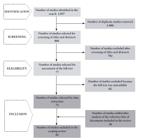
The studies involved 10 FBCs: Realengo/RJ (n = 35), Sapopemba/SP (n = 15), Casa Angela/SP (n = 10), Sofia Feldman/MG (n = 9), São Sebastião/DF (n = 6), Juiz de Fora/MG (n = 4), Casa de Maria/SP (n = 4), Mansão do Caminho/BA (n = 4), Castanhal/PA (n = 2) and Nove Luas-Niterói/RJ (n = 1). Other studies did not name the center (n = 3) or addressed FBCs in general (n = 3).
The main themes were categorized as follows: evaluation of outcomes/indicators/care; women’s experiences/opinions of care received; birth center set up/implementation/trajectory/maintenance; maternal and/or neonatal transfer; nurse/midwife experiences/care; model/philosophy of care adopted by the facility; use of non-invasive technologies/integrative and complementary health practices; birth center ambience/architecture; father’s/companion’s experience; educational groups/practices; use of birth plans; care and model costs (Chart 1).
Characterization of the physical and organizational structure of the FBCs
Forty studies mentioned briefly or in detail the physical structure of the FBCs. The most commonly mentioned space was the birth room (Figure 2).
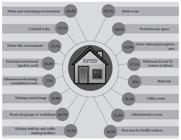
Elements of the physical structure of freestanding birth centers and respective frequency of the description of these elements by studies*.
With regard to human resources, 60 documents described which type of professionals worked in the facilities. The most frequently mentioned professionals were midwives/nurse midwives (n = 60), followed by auxiliary nurses/nursing technicians (n = 37), social workers (n = 21), cleaning/general services staff (n = 20) and ambulance drivers (n = 20).
Sixty-seven studies described funding, with the public health system, o Sistema Único de Saúde (SUS) or Unified Health System, being the most cited source (being the funding provider for nine centers). Only one FBC, the now defunct Nove Luas-RJ, was private.
Thirty-five studies described the form of access to birth centers, with 12 stating that women were referred exclusively from SUS services and nine mentioning that births were unscheduled, with patients seeking care on their own initiative. The remaining 14 studies mentioned that access to care was either via referral or unscheduled care.
Characterization of care
With regard to the target population of the FBCs, 72 studies mentioned that the centers were restricted to straightforward pregnancies.
The main maternal outcomes were categorized as follows: a) respect for women’s autonomy and needs/shared decision-making/informed choice (n = 24); b) evidenced-based care (n = 22); c) presence of interventions and/or complications (n = 20); d) patient-professional bonding and feeling safe with and confident in care providers (n = 15); e) use of integrative and complementary health practices (n = 14); f) positive maternal experience (n = 12); g) welcoming and comfortable environment (n = 10); h) power relations (n = 3); i) individualized/continuity of care (n = 2).
Chart 2 shows the prevalence of childbirth interventions, care characteristics and neonatal outcomes in FBC. With regard to maternal interventions, the prevalence of the use of amniotomy varied greatly across FBCs, from 4.7% to 71.3% of cases. The prevalence of the use of oxytocin ranged from 21% to 45% in 11 studies, and two studies reported that the use of the drug was limited (6.3% and 1.9%). The prevalence of episiotomy was less than 15% in eight studies.
The findings also reveal a low rate of third- or fourth-degree perineal tears and low occurrence of the lithotomy position. Both practices were observed in nine studies. Presence of a companion during labor was observed in almost all cases in 10 studies, while good maternal and infant/childbirth care practices, such as skin-to-skin contact and breastfeeding during the first hour after birth, were mentioned by five studies.
Forty-five studies made reference to neonatal outcomes, which were categorized as follows: a) frequency of interventions and/or complications (n = 29); b) positive outcome/healthy babies (n = 15); c) humanized and/or evidence-based care (n = 9); d) promotion of mother-infant bonding (n = 8); and e) promotion of breastfeeding (n = 5).
The most practiced neonatal intervention was airway and gastric aspiration. The prevalence of Apgar score < 7 at 1 and 5 minutes ranged from 0.4% to 6.9% and 0% to 2.7%, respectively. Cases of neonatal death varied between 0% and 1.7% across the studies. There were no cases of maternal deaths.
Fifty-two studies cited one or more birth center performance indicators, including number of admissions, births and transfers, and satisfaction level. These indicators were categorized as follows: a) birth indicators (n = 33); b) maternal and/or neonatal transfer rate (n = 25); c) maternal and/or neonatal morbidity/complication indicators (n = 25); d) intervention indicators (n = 17); e) newborn health indicators (n = 16); f) indicators of the WHO good practice recommendations7 (n = 11); g) mortality (n = 11); h) number of prenatal and postnatal appointments (n = 10); i) labor admission rate (n = 7); and j) quality of care/patient satisfaction indicators (n = 6).
Thirty-three studies mentioned birth rate. The mean number of births per month was 30 (SD = 24.9) in nine of the 10 FBCs studied, with totals varying between 85 in the Sofia Feldman birth center (MG) and 10 in the Nove Luas birth center (Niterói-RJ).
Twenty studies involving six of the 10 FBCs assessed rates of maternal and neonatal transfers to referral hospitals, with rates ranging from 2.8% to 31.5% and 1.1% to 8.1%, respectively.
Fifty-nine studies mentioned the referral hospital for maternal and/or neonatal transfers in the ten birth centers investigated. Of the studies that investigated transfers to referral hospitals separately as a maternal health outcome, Oliveira et al.21, Santos22, Silva23, Silva et al.24, Silva et al.25 and Bonadio et al.26 described the following risk factors: nulliparity, maternal age ≥ 35, not having a partner, cervical dilatation on admission ≤ 3 cm, being in the first stage of labor and birthweight ≥ 4000g. Intrapartum transfers were more frequent than postpartum maternal transfers. Some causes of transfer were also found, including prolonged rupture of membranes, presence of meconium, non-reassuring fetal heart rate and desire for epidural analgesia.
The following categories of care practices were identified in the birth centers: a) WHO good practices in intrapartum care7 (n = 66); b) use of integrative and complementary health practices (n = 51); c) prenatal appointments (n = 51); d) educational groups (n = 33); and e) postpartum appointments (n = 29).
Of the 51 studies that describe the use of integrative and complementary health practices in birth centers, only one referred to the use of practices on newborns27. The other studies overwhelmingly mentioned the use of these practices on women in labor, highlighting hydrotherapy (the use of a shower or a bath and foot baths, n = 42); massage and use of essential oils (n = 32); and postural therapies, such as the use of a birthing ball, pelvic swing, birthing/squat stool, and the squatting position (n = 31).
All the ten studies that compared the models of care adopted by different services showed that results were more favorable in FBCs than in conventional hospitals.
Twenty-nine qualitative studies described the experiences of women in FBCs. The most cited words, excluding the index terms “birth” and “woman(women)”, are shown in Figure 3.

Word cloud showing the most frequent words in the studies describing women’s experiences in freestanding birth centers.
Discussion
This review encompassed ten FBC, two of which no longer exist. The rest are under contract with the SUS and each had more than 100 births in 201928. According to the National Registry of Health Facilities29, 25 health facilities are registered as FBCs in Brazil; however, it is believed that not all these facilities are functioning as a FBC. According to a survey conducted by the authors, 13 are FBCs, seven are ABCs, and one is an outpatient setting. Our attempts to contact the remaining services to confirm the classification of the facility were unsuccessful.
With regard to the topics addressed by the reports included in this review, there was a predominance of studies quantifying maternal and perinatal outcomes and studies investigating women’s experiences in these birth settings.
FBCs are counter-hegemonic facilities that question many of the practices adopted in conventional hospitals and maternity units, investing in evidenced-based care centered on the needs and well-being of women and their babies. These facilities are often the object of criticism and opposition because they are resistant to the hegemonic biomedical model of care for women with a straightforward pregnancy. The studies conducted by Diniz30, Moura31 and Hauck32 portray the constant struggle to create and maintain FBCs. In this sense, the thematic pattern of the studies included in this review may present itself as a response to the frequent questions raised about the effectiveness and efficacy of this model of care in the Brazilian context.
With regard to the physical structure of FBC, the most commonly mentioned spaces by the studies included were birth rooms. With the changes in the regulation of obstetric care services33, incorporating these settings into the Rede Cegonha34, the provision of birth rooms, together with other spaces such areas for walking around (terrace/solarium) and bathtubs, favors the creation of a welcoming environment that potentially promotes the good intrapartum and neonatal care practices recommended by the WHO7. Unlike FBCs (where birth rooms are mandatory), most spaces in conventional hospitals and maternity units are unfavorable to women and their companions, often failing to maintain privacy and restricting mobility33. In a study assessing 600 labor and childbirth care facilities in Brazil, Pasche et al.35 found that only 11.7% had birth rooms and hospitals and maternity units with shared labor rooms remained common, with 38.4% of beds being separated only by curtains or screens and 30% without any form of separation.
FBCs provide care for women with a straightforward pregnancy and teams should therefore be composed minimally of a midwife/nurse midwife, auxiliary nurse and general services assistant2. The dispensability of a physician in this care model is frequently criticized in different segments of society due to the country’s medical-centered culture. However, this concept goes against the prevailing legislation, which recognizes that midwives and nurse midwives are qualified to provide labor and childbirth care36. In addition, studies using gold standard evidence demonstrated positive results when women and babies receive care from these professionals. A systematic review by Sandall et al.37 comparing models of care led by midwives and nurse midwives and other models involving more than 17,000 women found that the former increased the chances of spontaneous vaginal birth and maternal satisfaction and decreased the chances of instrumental vaginal birth, preterm birth (< 37 weeks of gestation), and fetal loss/neonatal death.
Regarding the activities developed by FBCs, our findings show that, besides prenatal and postnatal appointments, educational groups were also common in these facilities. Educational actions are present in various health policies in Brazil, such as the Prenatal and Childbirth Care Humanization Policy (PHPN)38, Rede Cegonha39 and National Policy for Popular Health Education (PNEPS-SUS)40. In addition to health promotion and disease prevention, health education is an important mechanism for promoting patient empowerment. It is therefore consistent and appropriate that FBCs develop educational activities, given their commitment to promoting maternal autonomy and involvement in decision making.
The limited number of studies describing form of access to FBC may be seen as a significant gap in the literature. Understanding the care pathway taken by pregnant women, women in labor and postpartum women is essential to enable the evaluation and maintenance of the referral and counter-referral system within the SUS and provide transparency in the care arrangements presented by the private health sector. The Health Care Network (RAS)41 within the SUS was established in 2010 with the aim of guaranteeing comprehensive care through the organization of services in different levels of care. With primary care as its cornerstone, the RAS plays an essential role in ensuring continuity of care for pregnant and postpartum women. Through the network, pregnant women can start prenatal care in a timely manner, do exams, receive specialized care from a range of different services and are guaranteed a place for birth. However, studies such as the one conducted by Brondani et al.42 have highlighted lack of coordination and communication across health services, which can explain the underutilization of some, if not all, FBCs across the country.
The most common FBC care practices identified by the studies in this review (respect for women’s autonomy/shared decision-making/informed choice, evidenced-based care, patient-professional bonding and feeling safe with and confident in care providers) are consistent with the WHO recommendations for a positive childbirth experience7. According to the report, optimal evidence-based care includes respectful maternity care that enables informed choice and continuous support during labor and childbirth, maintaining women’s dignity, privacy and confidentiality.
While women’s rights were not guaranteed in 100% of the cases in the studies that addressed this indicator, high rates of companionship during stays in the birth center (mean of 94.5%) were observed, especially when compared to the findings of national studies. The “Birth in Brazil” survey showed that only 18.8% had a companion continuously during their stay in hospitals and maternity units43.
Also, regarding the WHO recommendations7, the adoption of good intrapartum practices play a crucial role in promoting a positive experience for women. Encouraging the use of integrative and complementary health practices during labor, for example, was a recurring theme in the studies included in this review. Common practices included hydrotherapy (the use of a shower or a bath and foot baths), massage and the use of essential oils, and postural therapy (the use of an exercise ball, pelvic swing, birthing/squat stool, and the squatting position), which are beneficial according to Berta et al.44, Cluett et al.45 and Smith et al.46. However, only one study mentioned the use of integrative and complementary health practices on infants. The articles that addressed good neonatal care practices, such as such as skin-to-skin contact and breastfeeding during the first hour after birth, noted that rates were higher than those found by national studies investigating births of healthy babies in hospitals and maternity units47.
With regard to maternal interventions, episiotomy continues to be used indiscriminately around the world despite solid evidence that this procedure is not beneficial to women and babies7,48. In a study assessing a zero-episiotomy protocol, Amorim et al.49 found very positive perineal outcomes, with most women having an intact perineum or first-degree perineal tear without suturing. The present review found that the rates of selective use of episiotomy (< 15% in most studies) and positive perineal outcomes (< 0.5% for third- or fourth-degree perineal tear) in FBCs are close to those expected under a minimal intervention model of care guided by the best available evidence. In contrast, using data from the Birth in Brazil Survey, Leal et al.50 reported that, in hospitals, episiotomy was performed in 56% of women with no complications during birth.
Conversely, in general, the prevalence of the use of oxytocin and amniotomy in the FBCs covered by this review was close to the rates found in hospitals50, with the highest rates being identified in birth centers within their referral hospitals (Sofia Feldman-MG and the defunct Casa de Maria). The lowest rates (6.5% for amniotomy and 6.3% for oxytocin) were observed in Casa Angela/SP, which is located close to its referral hospital and has a history of financial autonomy and sustainability (period 2009-2015).
FBCs are expected to show lower rates of neonatal deaths than hospitals (as shown by the present review) due to rigorous obstetric risk assessment guided by admission criteria. The likelihood of neonatal death is higher in hospitals because they provide care for women with complicated pregnancies, malformations, preterm births, and most maternal and perinatal complications. However, Lansky et al.51 demonstrated that neonatal mortality is also directly related to aspects of care, including the use of good childbirth practices (use of a partograph, upright birthing position, etc.), which was almost an exception rather than rule according to the findings of the Birth in Brazil Survey. The risk of neonatal death in hospitals was five times higher in women who did not receive good childbirth practices.
With regard to the large variation found in maternal and neonatal transfer rates across FBCs, the highest rates were observed in the Realengo/RJ birth center, which has suffered years of political persecution and come under intense pressure to shut down, being closed temporarily on two occasions (in 2009 and 2017)52. One might wonder, therefore, to what extent these threats affect the decisions of professionals regarding maternal and neonatal transfer criteria. The transfer rates reported in the studies included in this review are invariably similar to those found in countries like Australia, Ireland and England53-55.
Many of the results of the quantitative studies included in this review concur with the results of the qualitative studies. The most frequently occurring words (Figure 3) in the qualitative studies were <environment>, <respect>, <bond>, <autonomy>, <satisfaction> and <choice>, suggesting that FBCs in Brazil not only comply with the guidelines and regulations governing the functioning of these facilities2, but are a core component of the biopsychosocial model of care, in which women and their babies are protagonists of their birth stories and have a positive, safe and optimal birth experience7.
Conclusions
Seeking to answer the question “What are the characteristics of the model of care in freestanding birth centers in Brazil?”, the results of this review reinforce that care delivery in these settings is grounded in the biopsychosocial model of health care. Birth centers acknowledge and consider the multidimensional needs of women and other people with a uterus, their babies and families, and therefore provide physical, organizational and philosophical structures that have a positive impact on the quality of childbirth and neonatal care in the country.
The literature on FBCs in Brazil also demonstrates that these health facilities play an important role in promoting positive childbirth experiences. However, barriers to the implementation of this model of care remain, exemplified by the underutilization of services due to the socio and political context or difficulties in expanding FBCs across the country.
Finally, this scoping review identified some gaps in the literature on FBCs in Brazil, including the following areas: comparison of care provided to women with a straightforward pregnancy in birth centers and conventional hospitals and maternity units; access; birth center care pathways; care for vulnerable women and other people with a uterus; prenatal and postpartum care provided by FBCs; and infant care in birth centers, including data on good practices and integrative and complementary health practices.
Acknowledgements
To Fernanda Berchelli Girão and Juliana Akie Takahashi.
References
- 1 Brasil. Ministério da Saúde (MS). Portaria GM/MS nº 985, de 5 de agosto de 1999. Cria o Centro de Parto Normal-CPN, no âmbito do Sistema Único de Saúde/SUS. Diário Oficial da União 1999; 6 ago.
- 2 Brasil. Ministério da Saúde (MS). Portaria nº 11, de 7 de janeiro de 2015. Redefine as diretrizes para implantação e habilitação de Centro de Parto Normal (CPN) no âmbito do Sistema Único de Saúde/SUS. Diário Oficial da. União 2015; 8 jan.
- 3 Diniz CSG. Humanização da assistência ao parto no Brasil: os muitos sentidos de um movimento. Cien Saude Colet 2005; 10(3):627-637
- 4 Diniz SG, Salgado HDO, Andrezzo, HFA, Carvalho PGC, Carvalho PCA, Aguiar CA, Niy DY. Abuse and disrespect in childbirth care as a public health issue in Brazil: origins, definitions, impacts on maternal health, and proposals for its prevention. J Human Growth Dev 2015; 25(3):377-376.
- 5 Organização Mundial da Saúde (OMS). Maternidade segura: assistência ao parto normal. Um guia prático. Genebra: OMS; 1996.
-
6 Hodnett ED, Downe S, Walsh D. Alternative versus conventional institutional settings for birth [Internet]. 2012. [cited 2023 5 abr]. Available from: https://www.cochranelibrary.com/cdsr/doi/10.1002/ 14651858.CD000012.pub4/full
» https://www.cochranelibrary.com/cdsr/doi/10.1002/ 14651858.CD000012.pub4/full - 7 World Health Organization (WHO). WHO recommendations: intrapartum care for a positive childbirth experience. Geneva: WHO; 2018.
- 8 Campos SEV, Lana FCF. Resultados da assistência ao parto no Centro de Parto Normal Dr. David Capistrano da Costa Filho em Belo Horizonte, Minas Gerais, Brasil. Cad Saude Publica 2007; 23(6):1349-1359.
- 9 Rocha FR, Melo MC, Medeiros GA, Pereira EP, Boeckmann LMM, Dutra LMA. Análise da assistência ao binômio mãe-bebê em centro de parto normal. Cogitare Enferm 2017; 22(2):e49228.
- 10 Phillippi JC, Danhausen K, Alliman J, Phillippi RD. Neonatal Outcomes in the Birth Center Setting: A Systematic Review. J Midwifery Women's Health 2018; 63(1):68-89.
- 11 Scarf VL, Rossiter C, Vedam S, Dahlen HG, Ellwood D, Forster D, Foureur MJ, McLachlan H, Oats J, Sibbritt D, Thornton C, Homer CSE. Maternal and perinatal outcomes by planned place of birth among women with low-risk pregnancies in high-income countries: A systematic review and meta-analysis. Midwifery 2018; 62:240-255.
- 12 Lopes GA, Leister N, Riesco MLG. Perineal care and outcomes in a Birth Center. Texto Contexto Enferm 2019; 28:e20190168.
- 13 Medina ET, Mouta RJO, Silva SCSB, Gama SGN. Resultados maternos e neonatais dos partos acompanhados por enfermeiras obstétricas nos centros de parto normal no Brasil: uma revisão de escopo. Res Soc Dev 2020; 9(9):e854997933.
-
14 Leal MC, Torres JA, Domingues RMSM, Theme filha MM, Bittencourt S, Dias MAB, Pereira MN, Viellas EF, Diniz CSG, d'Orsi E, Silva AAM, Pereira APE, Bastos MH, Moreira MEL, Lansky S, Gama SGN. Nascer no Brasil: sumário executivo de pesquisa [Internet]. 2014. [acessado 2023 jun 11]. Disponível em: https://nascernobrasil.ensp.fiocruz.br/wp-content/uploads/2023/03/REGHID_sumario_executivo_9mar23.pdf
» https://nascernobrasil.ensp.fiocruz.br/wp-content/uploads/2023/03/REGHID_sumario_executivo_9mar23.pdf - 15 Tricco AC, Lillie E, Zarin W, O'Brien K, Colquhoun H, Kastner M, Levac D, Ng C, Sharpe JP, Wilson K, Kenny M, Warren R, Wilson C, Stelfox HT, Straus SE. A scoping review on the conduct and reporting of scoping reviews. BMC Med Res Methodol 2016; 16:15.
- 16 Peters MDJ, Godfrey C, McInerney P, Munn Z, Tricco AC, Khalil H. Chapter 11: Scoping Reviews. In: Aromataris E, Munn Z, editors. JBI Manual for Evidence Synthesis. Adelaide: JBI; 2020.
-
17 Aguiar CA, Lopes GA, Bussadori JC, Riesco ML, Leister N. Modelo de atenção dos centros de parto normal peri-hospitalares: uma revisão de escopo [Internet]. 2022. [cited 2023 abr 5]. Disponível em: https://doi.org/10.17605/OSF.IO/G7DY2
» https://doi.org/10.17605/OSF.IO/G7DY2 - 18 Aromataris E, Munn Z, editores. JBI Manual for Evidence Synthesis. North Adelaide: JBI; 2020.
- 19 Peters, MDJ, Godfrey CM, Khalil H, McInerney P, Parker D, Soares CB. Guidance for Conducting Systematic Scoping Reviews. Int J Evidence-Based Healthcare 2015; 13(3):141-146.
- 20 Paim JS. Modelos de atenção à saúde no Brasil. In: Giovanella L, Escorel S, Lobato LVC, Noronha JC, Carvalho AI, organizadores. Políticas e sistema de saúde no Brasil. Rio de Janeiro: Fiocruz; 2008. p. 547-573.
- 21 Oliveira TCM, Pereira ALF, Penna LHG, Rafael RMR, Pereira AV. Adequacy of prenatal assistance in birth houses and causes associated with hospital transfers. Rev Gaucha Enferm 2019; 40:e20180419.
- 22 Santos NCPS, Vogt SE, Duarte ED, Pimenta AM, Madeira LM, Abreu MNS. Factors associated with low Apgar in newborns in birth center. Rev Bras Enferm 2019; 72(Supl. 3):297-304.
- 23 Silva FMB. Transferências maternas de uma casa de parto para o hospital: estudo caso-controle [tese]. São Paulo: Universidade de São Paulo; 2011.
- 24 Silva FMB, Oliveira SMJV, Bick D, Osava RHO, Nobre MRC, Schneck CA. Factors associated with maternal intrapartum transfers from a freestanding birth centre in São Paulo, Brazil: a case control study. Midwifery 2012; 28(5):646-652.
- 25 Silva FMB, Oliveira MJV, Osava RH, Auil F, Bick D, Latorre MR. A risk model to predict probability of maternal intrapartum transfers from a free-standing birth centre: PROTRIP tool. J. Clinical Nursing 2013; 24(7-8):1144-1146
- 26 Bonadio IC, Schneck CA, Pires LG, Osava RH, Silva FMB, Transferring mothers from a free-standing birth center to a reference hospital. Rev Esc Enferm USP 2011; 45(6):1301-1307.
- 27 Caixeiro-Brandão SMO. Vivência do acolhimento da mulher encaminhada da Casa de Parto David Capistrano Filho à unidade de referência [dissertação]. Rio de Janeiro: Universidade do Estado do Rio de Janeiro; 2008.
-
28 Brasil. Ministério da Saúde (MS). Painel de Monitoramento de Nascidos Vivos [Internet]. [acessado 2023 jun 11]. Disponível em: http://plataforma.saude.gov.br/natalidade/nascidos-vivos/.
» http://plataforma.saude.gov.br/natalidade/nascidos-vivos -
29 Brasil. Ministério da Saúde (MS). Cadastro Nacional de Estabelecimentos de Saúde. Consulta de estabelecimento [Internet]. [acessado 2023 ago 3]. Disponível em: https://cnes.datasus.gov.br/pages/estabelecimentos/consulta.jsp
» https://cnes.datasus.gov.br/pages/estabelecimentos/consulta.jsp - 30 Diniz CSG. Women's movement defends birth centres in Brazil. Reproductive Health Matters 2009; 17(34):188-189.
- 31 Moura CFS. Casa de Parto David Capistrano Filho: a participação das enfermeiras nas lutas do campo obstétrico [dissertação]. Rio de Janeiro: Universidade do Estado do Rio de Janeiro; 2009.
- 32 Hauck FT. Implantação da assistência humanizada ao parto em Juiz de Fora (1998-2001) [dissertação]. Rio de Janeiro: Universidade do Estado do Rio de Janeiro; 2013.
- 33 Agência Nacional de Vigilância Sanitária (Anvisa). Resolução RDC nº 36, de 3 de junho de 2008. Dispõe sobre Regulamento Técnico para Funcionamento dos Serviços de Atenção Obstétrica e Neonatal. Diário Oficial da União 2008; 4 jun.
- 34 Brasil. Ministério da Saúde (MS). Orientações para elaboração de projetos arquitetônicos Rede Cegonha: ambientes de atenção ao parto e nascimento. Brasília: MS; 2018.
- 35 Pasche DF, Pessatti MP, Silva LBRAA, Matão MEL, Soares DB, Caramachi APC. Transição do modelo de ambiência em hospitais que realizam partos na Rede Cegonha. Cien Saude Colet 2021; 26(3):887-896.
- 36 Conselho Federal de Enfermagem. Resolução nº 516, de 23 de junho de 2016. Normatiza a atuação e a responsabilidade do Enfermeiro, Enfermeiro Obstetra e Obstetriz na assistência às gestantes, parturientes, puérperas e recém-nascidos nos Serviços de Obstetrícia, Centros de Parto Normal e/ou Casas de Parto e demais locais onde ocorra essa assistência. Diário Oficial da União 2016; 7 out.
-
37 Sandall J, Soltani H, Gates S, Shennan A, Devane D. Midwife-led continuity models versus other models of care for childbearing women [Internet]. 2016. [cited 2023 abr 5]. Available from: https://www.cochranelibrary.com/cdsr/doi/10.1002/14651858.CD004667.pub5/full
» https://www.cochranelibrary.com/cdsr/doi/10.1002/14651858.CD004667.pub5/full - 38 Brasil. Ministério da Saúde (MS). Programa de Humanização no Pré-natal e Nascimento. Brasília: MS; 2002.
- 39 Brasil. Ministério da Saúde (MS). Portaria nº 1.459, de 24 de junho de 2011. Institui, no âmbito do Sistema Único de Saúde-SUS, a Rede Cegonha. Diário Oficial da União 2011; 27 jul.
- 40 Brasil. Ministério da Saúde (MS). Portaria nº 2.761, de 19 de novembro de 2013. Institui a Política Nacional de Educação Popular em Saúde no âmbito do Sistema Único de Saúde (PNEPS-SUS). Diário Oficial da União 2013; 20 nov.
- 41 Brasil. Ministério da Saúde (MS). Portaria nº 4.279, de 30 de dezembro de 2010. Estabelece diretrizes para a organização da Rede de Atenção à Saúde no âmbito do Sistema Único de Saúde (SUS). Diário Oficial da União 2010; 31 dez.
- 42 Brondani JE, Leal FZ, Potter C, Silva RM, Noal HC, Perrando MS. Desafios da referência e contrarreferência na atenção em saúde na perspectiva dos trabalhadores. Cogitare Enferm 2016; 21(1):1-8.
- 43 Diniz CSG, d'Orsi E, Domingues RMSM, Torres JA, Dias MAB, Schneck CA, Lansky S, Teixeira NZF, Rance S, Sandall J. Implementação da presença de acompanhantes durante a internação para o parto: dados da pesquisa nacional Nascer no Brasil. Cad Saude Publica 2014; 30(Supl. 1):S140-S153.
- 44 Berta M, Lindgren H, Christensson K, Mekonnen S, Adefris M. Effect of maternal birth positions on duration of second stage of labour: systematic review and meta-analysis. BMC Preg Childbirth 2019; 19(1):466.
-
45 Cluett ER, Burns E, Cuthbert A. Immersion in water during labour and birth [Internet]. 2018. [cited 2023 abr 5]. Available from: https://www.cochranelibrary.com/cdsr/doi/10.1002/14651858.CD000111.pub4/full
» https://www.cochranelibrary.com/cdsr/doi/10.1002/14651858.CD000111.pub4/full -
46 Smith CA, Levett KM, Collins CT, Dahlen HG, Ee CC, Suganuma M. Massage, reflexology and other manual methods for pain management in labour [Internet]. 2018. [cited 2023 jun 7]. Available from: https://www.cochranelibrary.com/cdsr/doi/10.1002/14651858.CD009290.pub3/full
» https://www.cochranelibrary.com/cdsr/doi/10.1002/14651858.CD009290.pub3/full - 47 Moreira MEL, Gama SGN, Pereira APE, Silva AAM, Lansky S, Pinheiro RS, Gonçalves AC, Leal MC. Práticas de atenção hospitalar ao recém-nascido saudável no Brasil. Cad Saude Publica 2014; 30(Supl. 1):S128-S139.
-
48 Jiang H, Jiang H, Qian X, Carroli G, Garner P. Selective versus routine use of episiotomy for vaginal birth [Internet]. 2017. [cited 2023 maio 12]. Available from: https://www.cochranelibrary.com/cdsr/doi/10.1002/14651858.CD000081.pub3/full
» https://www.cochranelibrary.com/cdsr/doi/10.1002/14651858.CD000081.pub3/full - 49 Amorim MM, Franca-Neto AH, Leal NV, Melo FO, Maia SB, Alves JN. Is it possible to never perform episiotomy during vaginal delivery? Obst Gynecol 2014; 123:38S.
- 50 Leal MC, Pereira APE, Domingues RMSM, Theme Filha, MM, Dias MAB, Nakamura-Pereira M, Bastos MH, Gama SGN. Intervenções obstétricas durante o trabalho de parto e parto em mulheres brasileiras de risco habitual. Cad Saude Publica 2014; 30(Supl. 1):S17-S32.
- 51 Lansky S, Friche AAL, Silva AAM, Campos D, Bittencourt SDA, Carvalho ML, Frias PG, Cavalcante RS, Cunha AJLA. Pesquisa Nascer no Brasil: perfil da mortalidade neonatal e avaliação da assistência à gestante e ao recém-nascido. Cad Saude Publica 2014; 30(Supl. 1):S192-S207.
- 52 Medeiros A. A Casa de Parto David Capistrano Filho pelas lentes de uma fotógrafa. Hist Cienc Saude Manguinhos 2018; 25(4):1171-1183.
- 53 Monk AR, Grigg CP, Foureur M, Tracy M, Tracy S. Freestanding midwifery units: Maternal and neonatal outcomes following transfer. Midwifery 2017; 46:24-28.
- 54 Denker A, Smith V, McCann C, Begley C. Midwife-led maternity care in Ireland - a retrospective cohort study. BMC Preg Childbirth 2017; 17(1):101.
- 55 Walsh D, Spiby H, Grigg CP, Dodwell M, McCourt C, Culley L, Bishop S, Wilkinson J, Coleby D, Pacanowski L, Thornton J, Byers S. Mapping midwifery and obstetric units in England. Midwifery 2018; 56:9-16.

 Source: Authors.
 *Only studies that detailed physical structure were included.Source: Authors.
 Words (most to least cited): Environment; health care; professionals; respect; bond; choice; antenatal care; relationship; health; support; humanized; satisfaction; autonomy; assistance; team; presence; interventions; care; liberty; physiology; plan; childbirth; possibility; companion; practices; experience; welcoming; relief.Source: Authors.