 SPINAL OSTEOCHONDROMAS IN PEDIATRIC PATIENTS: CASE SERIES AND LITERATURE REVIEW
Objective: To evaluate a pediatric series of spinal osteochondromas (OCs), with a literature review and emphasis on management.
Methods: Multicentric retrospective review of growing patients with spinal OCs. In statistical analysis non-parametric Wilcoxon Rank tests and multivariable Pearson correlation were used.
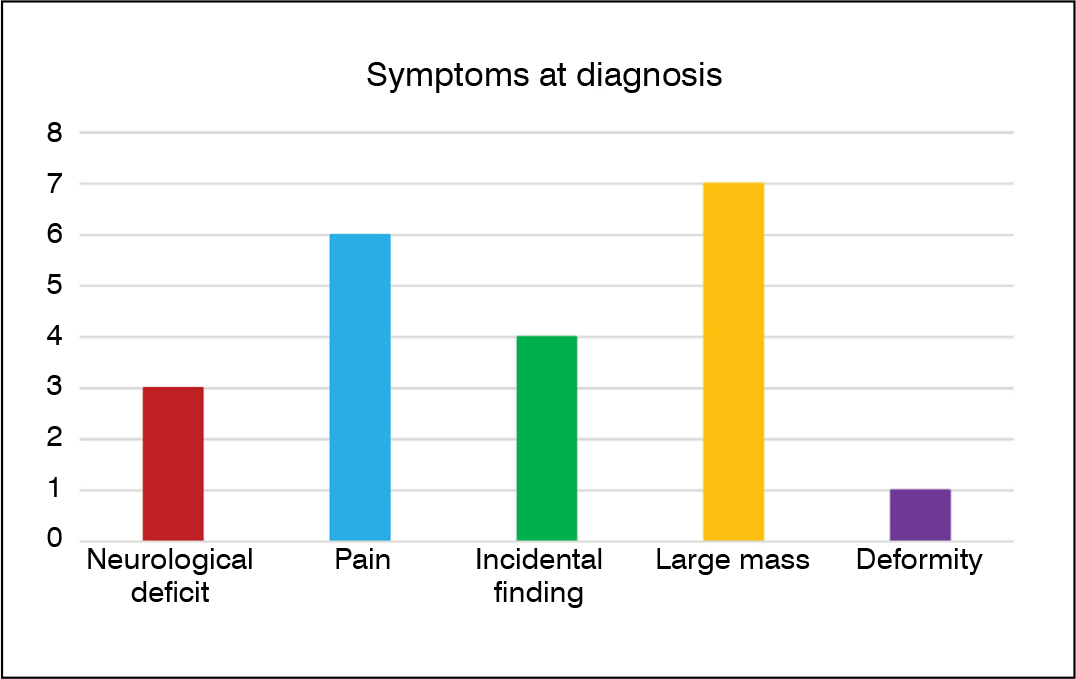
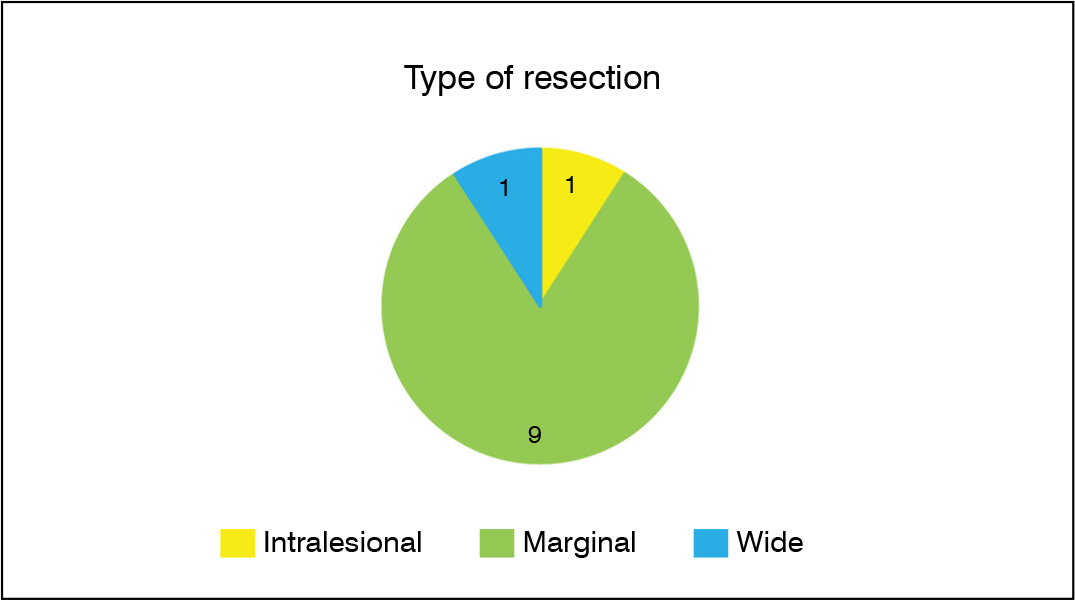
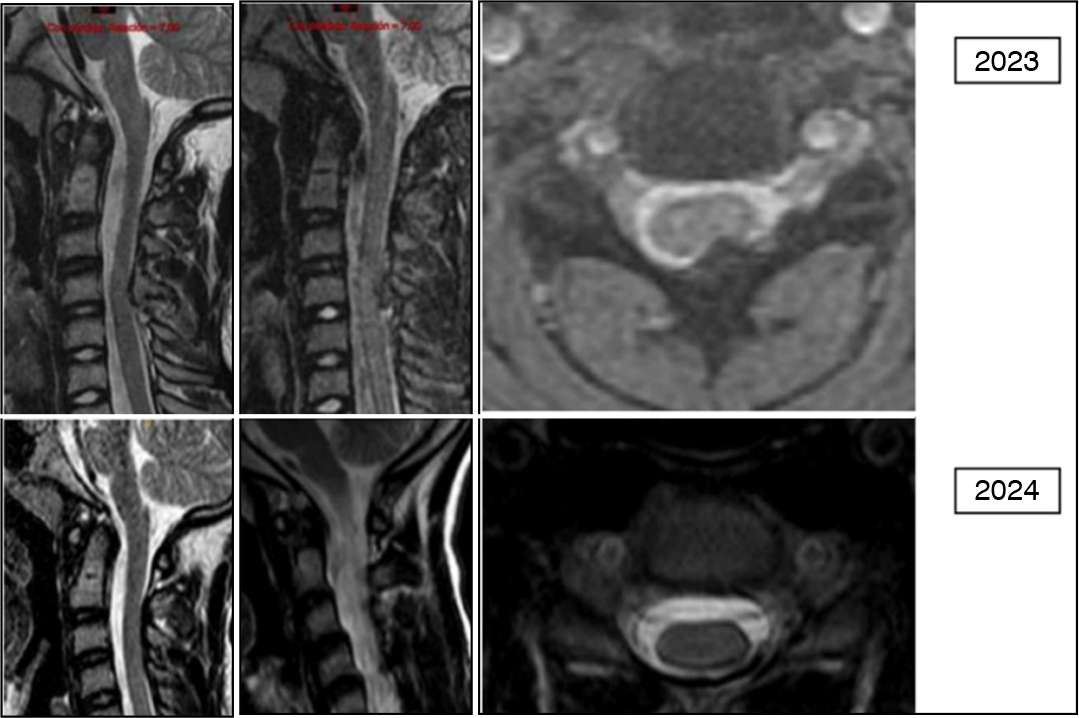
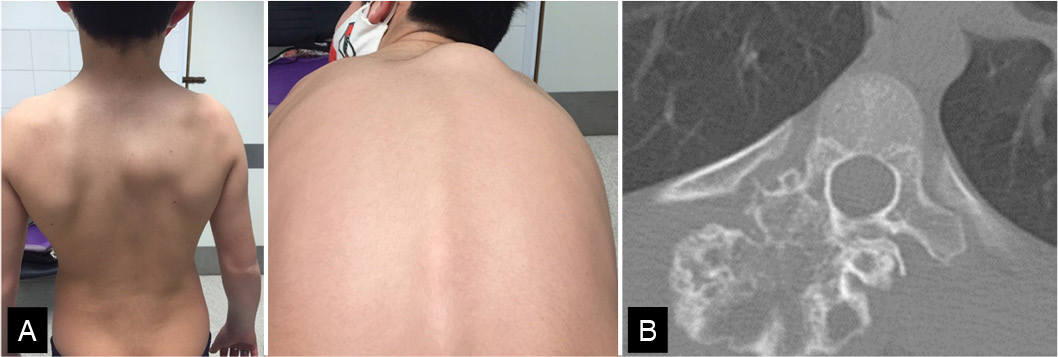
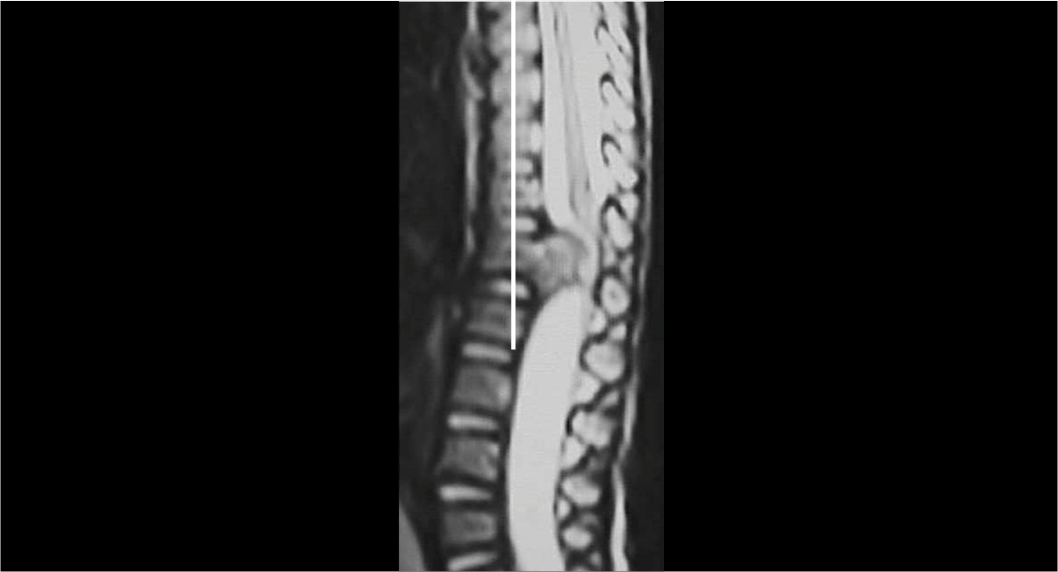
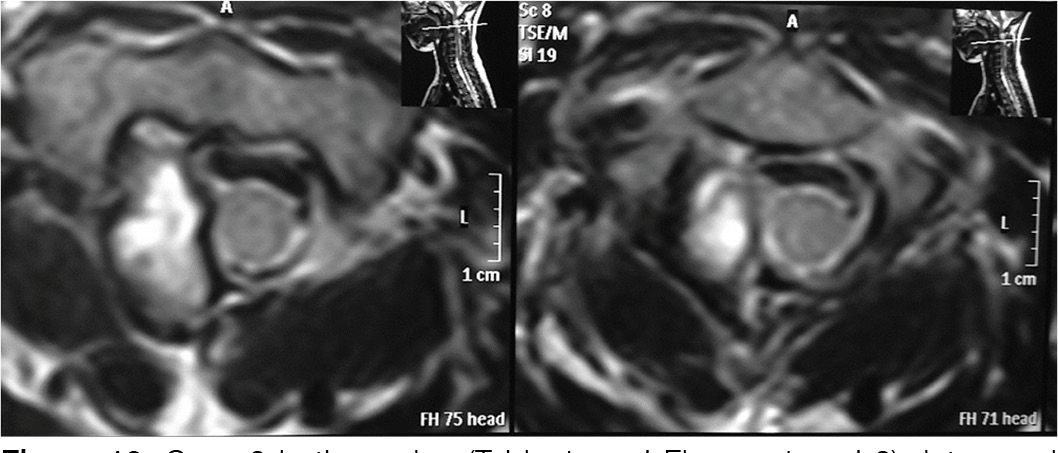
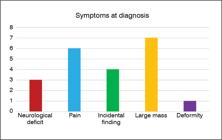
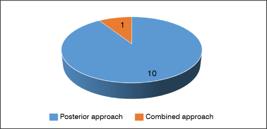
Results: We collected 13 patients (14 OCs), 8 males/5 females, with a mean age at diagnosis of 11.5 years (2-17 years); cervical tumors predominated. Three cases were associated with Multiple Osteochondromatosis (MO); 7 were intracanal (IC) and 7 with extracanal exophytic growth (EC). Four patients (5 OCs) were asymptomatic at diagnosis; the others were predominantly characterized by mass and/or pain; 3 presented with neurological deficit. Mean tumor volume: 31.50 cm3, with a difference between EC (37.75 cm3) and IC (19 cm3). The IC showed significant percentages of canal occupation (mean 53.9%), being higher in cases with deficit (57.4%). Eleven of the 13 patients underwent surgery, mostly with marginal resections; one had spontaneous disappearance. Mean follow-up: 10.5 years (6 months-26 years). Two cases with neurological deficits showed recovery. Two spinal deformities and one hip subluxation due to neurological impairment appeared during follow-up. There were no recurrences, only one case of residual tissue due to incomplete resection.
Conclusions: 1) Consider resecting bulky asymptomatic EC OCs due to possible malignancy. 2) IC OCs that enlarge or become symptomatic should be resected regardless of their volume. 3) Closely control patients with OM due to the possibility of developing symptomatic IC OCs. 4) Avoid intralesional ablation due to increased risk of recurrence or residue. Marginal resection is adequate, but a wide resection may be necessary. Level of Evidence IV; Case Series.
Keywords:
Osteochondromas; Spine; Children; Surgery.
 Thumbnail
 Thumbnail
 Thumbnail
 Thumbnail
 Thumbnail
 Thumbnail
 Thumbnail
 Thumbnail
 Thumbnail
 Thumbnail

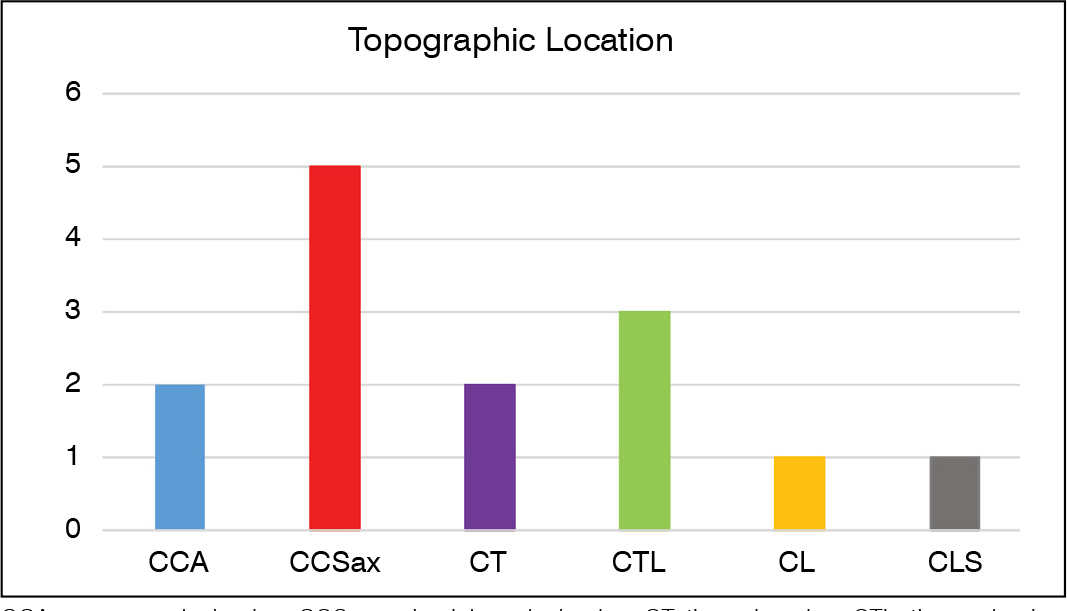 CCA: upper cervical spine. CCSax: subaxial cervical spine. CT: thoracic spine. CTL: thoracolumbar spine. L: lumbar spine. LSS: lumbosacral spine.