
 COVID-19-related voice disorders: a scoping review
ABSTRACT
Purpose To map the available evidence on voice changes in non-intubated adults diagnosed with mild to moderate COVID-19.
Research strategies Scoping review conducted according to PRISMA-ScR guidelines, including studies published between 2019 and 2025. Systematic searches were performed in the MEDLINE (PubMed), EMBASE, LILACS, Scopus, Web of Science, and Cochrane Library databases and in grey literature sources (Google Scholar, MedRxiv, and ProQuest). Controlled descriptors and free terms related to COVID-19 and voice disorders were combined using Boolean operators.
Selection criteria The review included studies with adults (18–65 years) with a confirmed diagnosis of mild to moderate COVID-19 and excluded studies with individuals undergoing endotracheal intubation and with a previous history of voice disorders or respiratory comorbidities. The selection was performed by two independent reviewers.
Data analysis The data were extracted and analyzed descriptively and quantitatively, considering study characteristics, vocal assessment methods, and main outcomes.
Results Of the 35,497 records identified, 19 studies met the inclusion criteria. The most frequent voice disorders were dysphonia, hoarseness, reduction in maximum phonation time, and changes in acoustic measures such as jitter, shimmer, and harmonic-to-noise ratio. Associated symptoms included vocal fatigue, cough, dyspnea, and laryngeal discomfort, as well as a negative impact on voice-related quality of life.
Conclusion Mild to moderate COVID-19 can lead to clinically relevant vocal impairments, reinforcing the need for speech-language-hearing follow-up and research to support vocal assessment and rehabilitation protocols in the post-infection period.
Keywords:
COVID-19; Voice Disorders; Speech-Language Pathology; Coronavirus Infection; Voice Quality; Scoping Review
RESUMO
Objetivo Mapear as evidências disponíveis sobre alterações vocais em adultos não intubados com diagnóstico de COVID-19 leve a moderado.
Estratégia de pesquisa Revisão de escopo conduzida de acordo com as diretrizes PRISMA-ScR, incluindo estudos publicados entre 2019 e 2025. Foram realizadas buscas sistemáticas nas bases MEDLINE (PubMed), EMBASE, LILACS, Scopus, Web of Science e Cochrane Library, além de fontes de literatura cinzenta (Google Scholar, MedRxiv e ProQuest). Descritores controlados e termos livres relacionados à COVID-19 e aos distúrbios da voz foram combinados por meio de operadores booleanos.
Critérios de seleção Foram incluídos estudos com adultos (18-65 anos) com diagnóstico confirmado de COVID-19 e quadros leves a moderados. Excluíram-se estudos com indivíduos submetidos à intubação endotraqueal, bem como aqueles com histórico prévio de distúrbios vocais ou comorbidades respiratórias. A seleção foi realizada por dois revisores independentes.
Análise dos dados Os dados foram extraídos e analisados de forma descritiva e quantitativa, considerando características dos estudos, métodos de avaliação vocal e principais desfechos.
Resultados Dos 35.497 registros identificados, 19 estudos atenderam aos critérios de inclusão. As alterações vocais mais frequentes foram disfonia, rouquidão, redução do tempo máximo de fonação e modificações em medidas acústicas, como jitter, shimmer e índice harmônico-ruído. Sintomas associados incluíram fadiga vocal, tosse, dispneia e desconforto laríngeo, além de impacto negativo na qualidade de vida relacionada à voz.
Conclusão A COVID-19 leve a moderada pode acarretar comprometimentos vocais clinicamente relevantes, reforçando a necessidade de acompanhamento fonoaudiológico e de pesquisas que subsidiem protocolos de avaliação e reabilitação vocal no período pós-infecção.
Descritores:
COVID-19; Distúrbios da Voz; Fonoaudiologia; Infecções por Coronavirus; Qualidade da Voz; Revisão de Escopo
INTRODUCTION
COVID-19, caused by the SARS-CoV-2 virus, was declared a global pandemic in March 2020, affecting millions of people worldwide(1). In addition to acute respiratory manifestations, the disease can trigger a cytokine storm, resulting in multisystemic damage, including the lungs, heart, and gastrointestinal tract(2). Among the frequently reported symptoms are sensory alterations, such as hyposmia, anosmia, and dysgeusia, as well as respiratory manifestations that can directly impact voice production(3).
Healthy voice production depends on the harmonious integration of the respiratory, phonatory, and resonance systems(4). COVID-19 can compromise each of these systems through different mechanisms, such as laryngeal inflammation, peripheral neuropathies, respiratory muscle weakness, and postural changes resulting from chronic fatigue(5,6). These can trigger dysphonia, defined as any difficulty or alteration in vocal emission that impairs natural voice production(7).
Although COVID-19 has less clinical relevance compared to the early years of the pandemic, the study of vocal changes associated with the infection remains relevant. They can be part of the post-COVID syndrome (long COVID), recognized by the World Health Organization, posing challenges for rehabilitation and clinical follow-up(8). Even mild vocal changes can have a significant functional impact, especially in individuals who depend on their voice for work, such as teachers, singers and communication professionals(9,10). The scarcity of longitudinal studies investigating the duration, evolution, and therapeutic management of these changes highlights a gap in the literature, reinforcing the relevance of a scoping review(11).
This review adopts the concept of vocal quality as the functional performance of the voice, assessed through auditory-perceptual, acoustic, and self-report measures(7,12,13). The COVID-19 phenomenon is addressed in its full spectrum (acute, post-acute, and long COVID phases)(8), considering its potentially impactful pathophysiological mechanisms on the voice, such as laryngeal inflammation and neuropathy(5,6). The context is limited to the population of non-intubated adults with mild to moderate cases, allowing the isolation of the effects of viral infection from intubation damage and filling an important gap in the literature, which traditionally prioritizes the study of severe cases.
A preliminary search in protocol repositories (MEDLINE, Cochrane Database of Systematic Reviews, and JBI Evidence Synthesis) did not identify recent or ongoing systematic or scoping reviews with this specific population focus and concept, ensuring the originality of the review.
Therefore, this scoping review is justified by the need to map and synthesize the available evidence on vocal quality in individuals affected by COVID-19, with a special focus on mild and moderate cases, not subjected to orotracheal intubation. This scoping review aimed to map vocal changes in non-intubated adults affected by COVID-19, including mild to moderate cases, considering auditory-perceptual, acoustic, and self-reported changes in vocal quality, and situating the analysis in the clinical context of post-infection follow-up and studies published between 2019 and 2025, focusing on evidence that can support clinical practice, vocal rehabilitation strategies, and future research.
METHODS
This scoping review followed the recommendations of the Preferred Reporting Items for Systematic Reviews and Meta-Analyses – extension for Scoping Reviews (PRISMA-ScR) and described by the Joanna Briggs Institute Reviewer’s Manual(14-17). Its objectives, inclusion criteria, and methods were specified and documented in a protocol registered with the Open Science Framework (OSF)(18).
Eligibility criteria
The PCC (Population, Concept, and Context) strategy was used to develop the research question and eligibility criteria. The following key topics were adopted: the Population consisted of individuals aged 18 to 65 years with a diagnosis of COVID-19; the Concept was vocal quality in individuals with a diagnosis of COVID-19; and the context consisted of individuals with mild to moderate COVID-19 to exclude individuals who underwent endotracheal intubation during the acute phase of the disease. Considering the key topics of the PCC acronym in relation to the study objective, the following research question was formulated: "What are the characteristics of vocal quality in adults with a confirmed diagnosis of COVID-19?".
Inclusion and exclusion criteria
Studies presenting original primary or secondary data on vocal quality in the population of interest were included, such as observational studies, case reports, and systematic reviews. Texts that did not present original data, such as theoretical essays, editorials, letters, and commentaries, were excluded because their focus is on argumentation and opinion, and they are not amenable to data extraction for evidence-based synthesis. Experience reports were retained as long as they systematically described cases or case series with vocal assessment. Studies that included participants who underwent endotracheal intubation during hospitalization for COVID-19, or who presented comorbidities such as smoking, previous history of voice disorders or laryngeal alterations, any form of respiratory, dermatological, rheumatic, or neurological disease with laryngeal involvement, history of head and neck cancer, or cervical radiotherapy were also excluded.
Research sources and search strategy
The electronic search was conducted in June 2024 in six citation and abstract databases: Latin American and Caribbean Health Sciences Literature (LILACS), Medical Literature Analysis and Retrieval System Online (MEDLINE), EMBASE, Web of Science, Scopus, and Cochrane. A grey literature search was also conducted in January 2025 on Google Scholar, MedRxiv, and ProQuest. Citations of the selected articles were also searched. The search strategies were developed using indexed and free terms related to PCC. Combinations of descriptors related to COVID-19 (e.g., "COVID-19", "SARS-CoV-2") and vocal quality (e.g., "Voice", "Dysphonia", "Voice Quality") were used with Boolean operators (AND, OR) and truncations. The search was restricted to English due to the greater coverage of international databases for the investigated topic. The complete strategy per database is detailed in Appendix A.
Selection
The studies were selected in four stages: (1) calibration (2) screening of titles and abstracts; (3) exclusion of duplicates; (4) full reading of eligible articles.
Studies were initially identified in the PubMed/MEDLINE and LILACS databases to calibrate the selection. Duplicate records were removed using automatic tools from the Rayyan portal. Calibration was performed by two reviewers independently. The calibration stage used a pilot sample of 82 articles, evaluated according to the inclusion and exclusion criteria. Cohen's Kappa coefficient was calculated to measure interrater agreement, establishing a minimum 0.7 coefficient as a criterion to advance to the main screening. After the calibration stage, the studies were identified in the LILACS, MEDLINE, EMBASE, Web of Science, Scopus, and COCHRANE databases. A grey literature search was also conducted in January 2025 on Google Scholar, MedRxiv, and ProQuest. Duplicate records were removed using automated tools from the Rayyan portal. The selection was carried out independently by the two reviewers. In the initial screening, inclusion criteria were applied by reading the title and abstract, and were manually screened by both reviewers. The second stage of selection consisted of reading the full articles and applying the exclusion criteria. A third researcher arbitrated any disagreements.
Data extraction and storage
Data were extracted in a standardized manner by two independent reviewers using spreadsheets (Excel). The variables collected included author, year and country of publication, methodological design, study objective, sample size, sex, age group and race/ethnicity of participants, presence of previous comorbidities, COVID-19 diagnostic method, clinical classification of the disease (mild or moderate), vaccination status, signs and symptoms related to COVID-19, protocols and instruments used for vocal assessment, acoustic parameters, auditory-perceptual results, self-reported vocal symptoms, follow-up time, and main conclusions reported by the authors.
The synthesis was performed through descriptive and quantitative analysis, with calculation of absolute and relative frequencies of the extracted variables. The results were organized into tables and graphically represented in word clouds, distribution graphs, and geographic maps, when applicable. This approach sought to provide a comprehensive view of the available evidence, highlighting trends and gaps in the literature.
RESULTS
The database search strategy retrieved 35,497 references, totaling 442 after removing duplicates using automated tools from the Rayyan portal and manually extracting ineligible references. The criteria excluded references based on document type, age range incompatible with the defined population (18-65 years), absence of mention of confirmed COVID-19, publication year incompatible with the defined population (2019-2025), and publication language (English, Portuguese, and Spanish). During the title and abstract reading phase, 109 publications were eligible for full-text reading. After reading, 90 studies were excluded, resulting in 19 publications included for the synthesis (Appendix B).
Characteristics of the studies
The review included 19 studies, published between 2020 and 2025, peaking in 2021 (n = 6) and 2022 (n = 5). Most studies were conducted in Iran (n = 7), followed by Turkey (n = 2), Egypt (n = 2), and Brazil (n = 2) (Figure 1). Other countries included Germany, the United States, Pakistan, Poland, Switzerland, and India (Table 1).
Observational studies predominated: cross-sectional, analytical, and case control, with considerable methodological variations. Two case reports and one systematic review with meta-analysis were also included (Table 2).
The studies aimed primarily to investigate the effects of COVID-19 on vocal quality through different assessments, including acoustic analysis(12,19,20,23,27), auditory-perceptual evaluation(22,24), self-perception protocols(13,25,29), and instrumental examinations(13,31). Several studies(10,12,27,31) compared individuals with COVID-19 to healthy control groups, seeking to identify vocal changes, persistent symptoms, vocal fatigue, and impact on voice-related quality of life. Correlations between subjective and objective voice measures were also explored, as well as reports of specific clinical cases(20,21), such as sudden vocal paralysis and mild manifestations such as hoarseness. Some studies(9,10) highlighted specific populations, including singers or patients with pulmonary impairment, broadening the understanding of possible vocal sequelae associated with infection (Table 2).
Sample sizes ranged from one (case report) to 1,410 participants (meta-analysis), with ages ranging from 18 to 66 years, the majority being male (Table 2).
Some studies used only the reverse transcription polymerase chain reaction (RT-PCR) test performed in the laboratory(10,12,21,22,25,27,29,30). Other studies performed the RT-PCR test associated with computed tomography (CT)(13,19,24,28,33) or Rapid Antigen Test (RT-Ag) or Self-Antigen Test (SA-Ag)(20).
Clinical context found in the studies
The signs and symptoms of COVID-19 reported in the studies show a variety of clinical manifestations, with respiratory symptoms predominating (Table 3). Dry cough, dyspnea, and respiratory discomfort were the most frequently described, appearing in isolation or in association with mild to moderate pneumonia(10,12,19,27). Fever and fatigue were also widely mentioned, with fatigue being a recurring complaint both in the acute phase and among patients with persistent symptoms(25,29). Neurosensory symptoms, such as anosmia and dysgeusia, were present in several reports, in addition to headache, myalgia, and joint pain(13,20,24). In some studies, the presence of vocal changes such as hoarseness, dysphonia, and vocal fatigue stood out, appearing both as an isolated symptom and in association with respiratory symptoms, even being the main indicator of laryngeal complications, such as vocal fold paralysis(21,31). Other vocal symptoms included dry throat, throat clearing, and a sensation of thick mucus(10,24).
The vocal signs and symptoms associated with COVID-19, as reported in the studies, encompass a variety of perceptual, acoustic, and self-perceptual changes (Table 3). Dysphonia, often described as hoarseness, was the most recurrent vocal symptom and, in some cases, the main complaint that motivated the clinical investigation, even being the first symptom perceived by some participants(11,12,21,23). In addition to hoarseness, other reported symptoms included difficulty speaking clearly, weak, trembling, strained, breathy, and raspy voice, vocal tension, changes in vocal intensity, and changes in the overall quality of the voice(24,27,28,31). Symptoms such as vocal fatigue, pain, burning, dryness, a foreign body sensation, and tightness in the throat were also highlighted, evidencing persistent laryngeal discomfort(10,24,29).
Figure 2 shows a word cloud highlighting the most frequent vocal signs and symptoms associated with COVID-19, emphasizing terms such as hoarseness, vocal fatigue, and voice changes.

Vocal assessments found in studies
The included studies used a variety of methods and instruments to assess the vocal function of individuals affected by COVID-19, predominantly acoustic analyses, auditory-perceptual evaluation, and self-perception (Figure 3). Measures such as maximum phonation time (MPT), jitter, shimmer, fundamental frequency (F0), minimum intensity, and harmonic-to-noise ratio (HNR) stood out in acoustic analysis(19,23,27,31). Some studies calculated the dysphonia severity index (DSI) as a composite measure of dysphonia severity(12,27) (Figure 3). Auditory-perceptual evaluation was mainly conducted using the CAPE-V and GRBAS protocols, including tasks of sustained vowel emission, sentence reading, and spontaneous speech(24,29). The CAPE-V was applied in different languages and contexts, focusing on parameters such as roughness, breathiness, strain, and overall severity(12,27) (Figure 3).

As for self-reported instruments, the most used questionnaires were the Voice Handicap Index (VHI-10)(10,12,13), which assesses the impact of dysphonia on daily life, and the Voice-Related Quality of Life (V-RQOL)(13,25), which measures quality of life regarding the voice. The Vocal Fatigue Index (VFI)(24,29) and the Vocal Tract Discomfort Scale (VTD)(24,25) were also used, in addition to the SSL (list of vocal signs and symptoms)(25) at different times during infection (before, during, and after COVID) (Figure 3). Additionally, some studies(20,21,26) included examinations such as laryngoscopy and laryngeal ultrasound to investigate the anatomy and mobility of the vocal folds, especially in cases of laryngeal paralysis. Although not all studies specified the protocols used, there was a general tendency to combine different methods to provide a more comprehensive and sensitive vocal assessment of the effects of COVID-19.
Acoustic analysis was widely used in the reviewed studies (Table 4) to objectively assess changes in vocal quality in individuals who recovered from COVID-19. Several parameters were measured using software such as Praat(12,19,32) and VoiceSauce(19), using both sustained phonation and spontaneous speech.
The review points out that COVID-19 infection can negatively impact vocal quality, even after the acute phase of the disease(12,25). The studies often found auditory-perceptual changes, such as roughness, strain, and overall deviation of vocal quality, in addition to impairments in self-perception measures, with high scores on instruments such as VHI-10 and V-RQOL(13,24,25,27). Although many studies have not found statistically significant differences in acoustic parameters such as F0, jitter, and shimmer, an MPT reduction was common(19,23). The presence of symptoms such as cough, dyspnea, and fatigue during COVID-19 correlated with greater perceived vocal impact(12,29). Cases of vocal fold paralysis and neurological changes have also been reported, suggesting possible central and peripheral mechanisms involved in post-COVID voice disorders(20,21).
Data for the synthesis were organized by study characteristics, type of vocal assessment, and clinical context, considering the methodological variability of the studies and highlighting consistent and discrepant evidence.
DISCUSSION
The 19 publications included in this study show that COVID-19 is associated with significant vocal changes, even in mild to moderate cases that did not undergo endotracheal intubation. The findings corroborate previous studies that highlight the multifactorial impact of SARS-CoV-2 on the respiratory, phonatory, and neurological systems, resulting in voice disorders(5,6,29).
Seven studies (36.8%) included in the review were conducted in the Islamic Republic of Iran. According to the World Health Organization (WHO), as of February 28, 2022, the country had recorded more than 6.6 million confirmed cases of COVID-19 and approximately 140,000 deaths(33). During the pandemic, Iran faced significant limitations in its capacity to perform genomic sequencing, which hampered epidemiological surveillance and the tracking of new SARS-CoV-2 variants, negatively impacting the effectiveness of the national response to the health crisis. In response to these limitations, WHO and its international partners provided technical and financial support to the country, promoting the acquisition of advanced technology equipment, specific software, and technical training. In addition, comprehensive risk communication campaigns and community engagement strategies were implemented to foster a community-centered response, encouraging the demand for testing, treatment, and vaccination(33).
The included studies totaled 2,730 participants, predominantly male. Despite the relevance of the race/skin color variable for understanding health inequalities, none of the included studies performed analysis by race or ethnicity. This lack of data limits the analysis of possible racial disparities in the vocal impact of COVID-19. The literature has shown that racially marginalized groups were more affected by the pandemic in terms of infection, severity, and access to healthcare, partly due to structural factors such as socioeconomic inequality, working conditions, and less access to post-COVID rehabilitation(34). Thus, the systematic exclusion of race as a variable in studies on vocal quality prevents the identification of potentially more vulnerable populations.
Dysphonia was the most described symptom, with reported frequency ranging from 25% to 79%, depending on the sample and criteria adopted in the studies(8,11,12). The meta-analysis conducted by Aghaz et al.(11) indicated a combined prevalence of 25.1% during the acute phase of the disease, with persistence of vocal symptoms in 17.1% after recovery. Other studies reported even higher percentages, suggesting that the assessment methods and clinical characteristics of the cohorts substantially influence the findings(8). A higher prevalence trend of dysphonia was also observed among female participants, as indicated in the meta-analysis by Aghaz et al.(11) and in observational studies included in this review(10,13,25). These data suggest that, in addition to the frequency of symptoms, the functional impact of dysphonia may be more pronounced in females. This difference can be attributed to anatomical and hormonal factors — such as thinner vocal folds and faster glottal vibration — that make the female larynx potentially more vulnerable to changes. In addition, behavioral and social aspects may lead women to perceive and report vocal symptoms more frequently, reflecting greater sensitivity to changes in voice quality.
Acoustic analysis revealed an increase in jitter and shimmer and a decrease in MPT, indicating vocal instability and possible respiratory impairment(19,23). Asiaee et al.(19) found a statistically significant difference in acoustic parameters between individuals recovered from COVID-19 and participants in the control group, composed of healthy individuals with no history of the disease. In addition, the MPT, a measure of respiratory efficiency and glottal competence, was systematically reduced in the groups affected by the infection(10,12,25). Gölaç et al.(12) found an average MPT of 11.9 seconds in post-COVID-19 patients, in contrast to 16.4 seconds in healthy controls. Similarly, Bueno et al.(10) observed an MPT of 8.9 seconds in patients with severe pneumonia and 10.7 seconds in those with moderate pneumonia, compared to 16.2 seconds in healthy controls(10). These findings corroborate the hypothesis that COVID-19 can compromise the larynx and the respiratory support necessary for voice production. In addition, the reduction in HNR suggests a greater presence of noise in the voice, associated with laryngeal inflammation or muscle weakness(20). Participants reported persistent vocal fatigue, difficulty projecting their voice, and a feeling of effort when speaking(22,25).
Instruments such as the VHI-10 and V-RQOL confirmed that these changes negatively impact quality of life, especially in occupational voice users(12,13). This shows that, even in cases where dysphonia is mild from a clinical point of view, it can have a significant functional impact, affecting everyday communication and quality of life, especially in individuals who depend on their voice to work.
Vocal changes can be attributed to multiple factors with respiratory impairment: reduced MPT and weak voice are associated with decreased lung capacity after COVID-19(28); laryngeal inflammation: persistent cough and gastroesophageal reflux secondary to infection can cause edema and irritation of the vocal folds(31); peripheral neuropathy: cases of vocal fold paralysis(21) and changes in laryngeal innervation suggest that SARS-CoV-2 can affect cranial nerves; and generalized muscle fatigue: post-COVID-19 syndrome can lead to weakness of the respiratory and laryngeal muscles, affecting voice projection(9).
Other frequently reported symptoms included dry throat, throat pain or burning, a sensation of thick mucus, and vocal fatigue(10,24,29). In studies that used the Vocal Tract Discomfort Scale (VTDS), the sensation of dryness stood out with high scores and a large effect size, suggesting that alterations in laryngeal lubrication or inflammation are relevant components of the subjective experience of dysphonia(28).
The results highlight the need for systematic vocal assessment in patients recovered from COVID-19, using protocols such as CAPE-V, GRBAS, and acoustic analyses(24,27); early intervention, including speech therapy for respiratory and vocal rehabilitation, especially in cases of persistent dysphonia(32); and multidisciplinary follow-up, involving otolaryngologists, speech-language-hearing pathologists, and pulmonologists, to manage integrated sequelae(30).
The persistent vocal manifestations observed in some participants suggest a possible link to post-COVID syndrome, also called long COVID. WHO(8) recognizes the presence of prolonged symptoms beyond 12 weeks after the onset of infection as a clinical criterion, and dysphonia may be among these long-lasting complaints, as observed in studies included in this review(10,24,25,29).
The methodological heterogeneity among the studies, including vocal assessment protocols, instruments used, inclusion criteria, and follow-up periods, limits the generalizability of the results. Most studies presented short-term follow-up and restricted samples, making longitudinal analysis of vocal changes difficult.
The review did not formally assess the methodological quality of the included studies, which constitutes a limitation. In addition, potential biases in the search and selection of studies, as well as the exclusion of articles in languages other than English, Portuguese, and Spanish, may have influenced the findings.
The results reinforce the importance of systematic vocal assessment in post-COVID-19 patients, using standardized protocols (CAPE-V, GRBAS, acoustic analyses) and self-report instruments. Early intervention, including speech therapy for respiratory and vocal rehabilitation, and multidisciplinary follow-up are recommended to mitigate functional sequelae.
Future studies should be longitudinal, multicenter, and with larger samples, including analyses by sex, race/ethnicity, and relevant clinical variables, to understand the evolution of vocal changes, pathophysiological mechanisms, and effective rehabilitation strategies. Furthermore, standardized protocols can reduce methodological heterogeneity and facilitate comparisons between different populations and clinical settings.
CONCLUSION
This scoping review highlights that COVID-19 is associated with objective and subjective vocal changes, with functional and quality-of-life impact.
This study reinforces the importance of voice as a functional marker in COVID-19 and the need for a multidisciplinary approach to the management of these patients.
Further longitudinal studies are recommended to assess duration and rehabilitation in cases of post-COVID-19 vocal changes.
Appendix A Search strategy
| Database | Date | Search strategy | Number of articles |
|---|---|---|---|
| MEDLINE/PubMed | June 2024 | ((“COVID-19”[Mesh] OR "2019 Novel Coronavirus Disease”[tiab] OR "2019 Novel Coronavirus Infection”[tiab] OR "2019-nCoV Disease”[tiab] OR "2019-nCoV Infection”[tiab] OR “COVID19 Coronavirus Disease “[tiab] OR "Coronavirus Disease-19”[tiab] OR "SARS Coronavirus 2 Infection”[tiab] OR "SARS-CoV-2 Infection”[tiab] OR "Severe Acute Respiratory Syndrome Coronavirus 2 Infection”[tiab] OR "Covid 19"[tiab] OR "covid-19"[tiab] OR “covid19"[tiab] OR “coronavirus"[tiab] OR “SARS-COV-2”[tiab] OR "SARS-COV2" [tiab] OR "COVID disease”[tiab] OR “COVID sequelae”[tiab] OR ”COVID complications”[tiab] OR “COVID survivors”[tiab] OR “COVID infection” [tiab] OR “COVID infections”[tiab]) AND ("Voice Quality”[Mesh] OR “Voice”[Mesh] OR "Voice Qualities”[tiab] OR “Voices"[tiab] OR "Voice Disorders“[tiab] OR “Voice Disturbance “[tiab] OR “Voice Disturbances “[tiab] OR “Voice”[tiab] OR "Vocal quality”[tiab] OR "Voice quality”[tiab] OR "vocal health”[tiab] OR "voice health”[tiab] OR "vocal disorder”[tiab] OR "voice production”[tiab] OR "voice pathology”[tiab] OR "voice dysfunction"[tiab] OR "vocal dysfunction”[tiab])) | 1,509 |
| EMBASE | June 2024 | ('covid 19'/exp OR '2019 novel coronavirus disease':ti,ab OR '2019 novel coronavirus infection':ti,ab OR '2019-ncov disease':ti,ab OR '2019-ncov infection':ti,ab OR 'covid19 coronavirus disease':ti,ab OR 'coronavirus disease-19':ti,ab OR 'sars coronavirus 2 infection':ti,ab OR 'sars-cov-2 infection':ti,ab OR 'severe acute respiratory syndrome coronavirus 2 infection':ti,ab OR 'covid 19':ti,ab OR 'covid-19':ti,ab OR 'covid19':ti,ab OR 'coronavirus':ti,ab OR 'sars-cov-2':ti,ab OR 'sars-cov2':ti,ab OR 'covid disease':ti,ab OR 'covid sequelae':ti,ab OR 'covid complications':ti,ab OR 'covid survivors':ti,ab OR 'covid infection':ti,ab OR 'covid infections':ti,ab) AND ('voice quality'/exp OR 'voice'/exp OR 'voice qualities':ti,ab OR 'voices':ti,ab OR 'voice disorders':ti,ab OR 'voice disturbance':ti,ab OR 'voice disturbances':ti,ab OR 'voice':ti,ab OR 'vocal quality':ti,ab OR 'voice quality':ti,ab OR 'vocal health':ti,ab OR 'voice health':ti,ab OR 'vocal disorder':ti,ab OR 'voice production':ti,ab OR 'voice pathology':ti,ab OR 'voice dysfunction':ti,ab OR 'vocal dysfunction':ti,ab) | 1,765 |
| LILACS | June 2024 | ((mh:("COVID-19" OR "Voice Quality" OR "Voice")) OR (tw:("2019 Novel Coronavirus Disease" OR "2019 Novel Coronavirus Infection" OR "2019-nCoV Disease" OR "2019-nCoV Infection" OR "COVID19 Coronavirus Disease" OR "Coronavirus Disease-19" OR "SARS Coronavirus 2 Infection" OR "SARS-CoV-2 Infection" OR "Severe Acute Respiratory Syndrome Coronavirus 2 Infection" OR "Covid 19" OR "covid-19" OR "covid19" OR "coronavirus" OR "SARS-COV-2" OR "SARS-COV2" OR "COVID disease" OR "COVID sequelae" OR "COVID complications" OR "COVID survivors" OR "COVID infection" OR "COVID infections"))) AND ((mh:("Voice Quality" OR "Voice")) OR (tw:("Voice Qualities" OR "Voices" OR "Voice Disorders" OR "Voice Disturbance" OR "Voice Disturbances" OR "Voice" OR "Vocal quality" OR "Voice quality" OR "vocal health" OR "voice health" OR "vocal disorder" OR "voice production" OR "voice pathology" OR "voice dysfunction" OR "vocal dysfunction"))) | 279 |
| SCOPUS | June 2024 | ( ( INDEXTERMS ( "COVID-19" ) OR INDEXTERMS ( "Voice Quality" ) OR INDEXTERMS ( "Voice" ) ) OR ( TITLE-ABS-KEY ( "2019 Novel Coronavirus Disease" OR "2019 Novel Coronavirus Infection" OR "2019-nCoV Disease" OR "2019-nCoV Infection" OR "COVID19 Coronavirus Disease" OR "Coronavirus Disease-19" OR "SARS Coronavirus 2 Infection" OR "SARS-CoV-2 Infection" OR "Severe Acute Respiratory Syndrome Coronavirus 2 Infection" OR "Covid 19" OR "covid-19" OR "covid19" OR "coronavirus" OR "SARS-COV-2" OR "SARS-COV2" OR "COVID disease" OR "COVID sequelae" OR "COVID complications" OR "COVID survivors" OR "COVID infection" OR "COVID infections" ) ) ) AND ( ( INDEXTERMS ( "Voice Quality" ) OR INDEXTERMS ( "Voice" ) ) OR ( TITLE-ABS-KEY ( "Voice Qualities" OR "Voices" OR "Voice Disorders" OR "Voice Disturbance" OR "Voice Disturbances" OR "Voice" OR "Vocal quality" OR "Voice quality" OR "vocal health" OR "voice health" OR "vocal disorder" OR "voice production" OR "voice pathology" OR "voice dysfunction" OR "vocal dysfunction" ) ) ) | 20,000 |
| Web of science | June 2024 | ((TS=("2019 Novel Coronavirus Disease" OR "2019 Novel Coronavirus Infection" OR "2019-nCoV Disease" OR "2019-nCoV Infection" OR "COVID19 Coronavirus Disease" OR "Coronavirus Disease-19" OR "SARS Coronavirus 2 Infection" OR "SARS-CoV-2 Infection" OR "Severe Acute Respiratory Syndrome Coronavirus 2 Infection" OR "Covid 19" OR "covid-19" OR "covid19" OR "coronavirus" OR "SARS-COV-2" OR "SARS-COV2" OR "COVID disease" OR "COVID sequelae" OR "COVID complications" OR "COVID survivors" OR "COVID infection" OR "COVID infections")) AND (TS=("Voice Qualities" OR "Voices" OR "Voice Disorders" OR "Voice Disturbance" OR "Voice Disturbances" OR "Voice" OR "Vocal quality" OR "Voice quality" OR "vocal health" OR "voice health" OR "vocal disorder" OR "voice production" OR "voice pathology" OR "voice dysfunction" OR "vocal dysfunction"))) | 2,858 |
| Cochrane | June 2024 | #1 MeSH descriptor: COVID-19 #2 MeSH descriptor: Voice Quality #3 MeSH descriptor: Voice #4 :ti,ab,kw "2019 Novel Coronavirus Disease" OR "2019 Novel Coronavirus Infection" OR "2019-nCoV Disease" OR "2019-nCoV Infection" OR "COVID19 Coronavirus Disease" OR "Coronavirus Disease-19" OR "SARS Coronavirus 2 Infection" OR "SARS-CoV-2 Infection" OR "Severe Acute Respiratory Syndrome Coronavirus 2 Infection" OR "Covid 19" OR "covid-19" OR "covid19" OR "coronavirus" OR "SARS-COV-2" OR "SARS-COV2" OR "COVID disease" OR "COVID sequelae" OR "COVID complications" OR "COVID survivors" OR "COVID infection" OR "COVID infections" #5 :ti,ab,kw "Voice Qualities" OR "Voices" OR "Voice Disorders" OR "Voice Disturbance" OR "Voice Disturbances" OR "Voice" OR "Vocal quality" OR "Voice quality" OR "vocal health" OR "voice health" OR "vocal disorder" OR "voice production" OR "voice pathology" OR "voice dysfunction" OR "vocal dysfunction" #6 #1 OR #2 OR #3 OR #4 #7 #5 #8 #6 AND #7 | 474 |
| Gray Literature | Date | Search strategy | Number of articles |
| ProQuest | January 2025 | ("COVID-19") AND ("Voice Quality") | 3,103 |
| MedRxiv | January 2025 | ("COVID-19") AND ("Voice Quality") | 1,349 |
| Google Scholar | January 2025 | ("COVID-19") AND ("Voice Quality”) 2019-2025 | 4,160 |
Appendix B PRISMA 2020 Flowchart
Flowchart of the search and selection of relevant studies. Source: Search data.
From: Page et al.(17).


-
Study conducted at Universidade Federal do Rio de Janeiro – UFRJ - Rio de Janeiro (RJ), Brasil.
-
Financial support:
CAPES (88887.968320/2024-00).
-
Data Availability:
Research data is available in the body of the article.
References
-
1 WHO: World Health Organization. IHR procedures concerning Public Health Emergencies of International Concern (PHEIC) [Internet]. Geneva: WHO; 2024 [citado em 2025 Fev 26]. Disponível em: https://www.who.int/health-topics/international-health-regulations#tab=tab_1
» https://www.who.int/health-topics/international-health-regulations#tab=tab_1 -
2 Al-Ani RM. Ear, nose, and throat manifestations of COVID-19 and its vaccines. World J Clin Cases. 2022;10(25):8808-15. https://doi.org/10.12998/wjcc.v10.i25.8808 PMid:36157654.
» https://doi.org/10.12998/wjcc.v10.i25.8808 -
3 Brasil. Ministério da Saúde. Secretaria de Vigilância em Saúde. Doença pelo Novo Coronavírus 2019 – COVID-19 [Internet]. Brasília; 2020 [citado em 2025 Fev 26]. (Boletim Epidemiológico; 3). Disponível em: https://portalarquivos2.saude.gov.br/images/pdf/2020/fevereiro/21/2020-02-21-BoletimEpidemiologico03.pdf
» https://portalarquivos2.saude.gov.br/images/pdf/2020/fevereiro/21/2020-02-21-BoletimEpidemiologico03.pdf - 4 Behlau M. Voz: o livro do especialista. São Paulo: Lovise; 1994. (vol. II).
-
5 Saniasiaya J, Kulasegarah J, Narayanan P. Disfonia de início recente: uma manifestação silenciosa da COVID-19. Ear Nose Throat J. 2023;102(4):NP201. https://doi.org/10.1177/0145561321995008 PMid:33645290.
» https://doi.org/10.1177/0145561321995008 -
6 Elibol E. Sintomas otorrinolaringológicos na COVID-19. Eur Arch Oto-Rhino-Laryngol. 2021;278(4):1233-6. https://doi.org/10.1007/s00405-020-06319-7 PMid:32875391.
» https://doi.org/10.1007/s00405-020-06319-7 - 7 Behlau M, Pontes P. Avaliação e tratamento das disfonias. São Paulo: Lovise; 1995.
-
8 WHO: World Health Organization. Post COVID-19 condition (long COVID) [Internet]. Geneva: WHO; 2025 [citado em 2025 Fev 26]. Disponível em: https://www.who.int/news-room/fact-sheets/detail/post-covid-19-condition-(long-covid)
» https://www.who.int/news-room/fact-sheets/detail/post-covid-19-condition-(long-covid) -
9 Helding L, Carroll TL, Nix J, Johns MM, LeBorgne WD, Meyer D. COVID-19 after effects: concerns for singers. J Voice. 2022;36(4):586.e7-14. https://doi.org/10.1016/j.jvoice.2020.07.032 PMid:32839055.
» https://doi.org/10.1016/j.jvoice.2020.07.032 -
10 Bueno LM, Ramos HVL, Costa CC, Alves W, Velasco LC, De Biase NG. Voice handicap and voice-related quality of life in COVID-19 patients. Braz J Otorhinolaryngol. 2024;90(4):101437. https://doi.org/10.1016/j.bjorl.2024.101437 PMid:38701618.
» https://doi.org/10.1016/j.bjorl.2024.101437 -
11 Aghaz A, Shahriyari A, Panahiaboozar S, Jadidi H, Khoshgoftar M, Choupani E, et al. Prevalence of dysphonia in patients with COVID-19: a systematic review and meta-analysis. JMR. 2022;16(2):130-6. https://doi.org/10.18502/jmr.v16i2.9299
» https://doi.org/10.18502/jmr.v16i2.9299 -
12 Gölaç H, Atalık G, Özcebe E, Gündüz B, Karamert R, Kemaloğlu YK. Vocal outcomes after COVID-19 infection: acoustic voice analyses, durational measurements, self-reported findings, and auditory-perceptual evaluations. Eur Arch Oto-Rhino-Laryngol. 2022;279(12):5761-9. https://doi.org/10.1007/s00405-022-07468-7 PMid:35666319.
» https://doi.org/10.1007/s00405-022-07468-7 -
13 Khoddami SM, Aghadoost S, Aghajanzadeh M, Molazeinal Y. The health-related quality of life and voice handicap index in recovered COVID-19 patients in comparison to healthy subjects. J Voice. 2025;39(5):1411.e11-8. https://doi.org/10.1016/j.jvoice.2023.05.003 PMid:37400351.
» https://doi.org/10.1016/j.jvoice.2023.05.003 - 14 Peters M, Godfrey C, McInerney P, Munn Z, Trico A, Khalil H. Scoping reviews. In: Aromataris E, Munn Z, editores. JBI manual for evidence synthesis. Adelaide: JBI; 2020.
-
15 Peters MDJ, Marnie C, Tricco AC, Pollock D, Munn Z, Alexander L, et al. Updated methodological guidance for the conduct of scoping reviews. JBI Evid Synth. 2020;18(10):2119-26. https://doi.org/10.11124/JBIES-20-00167 PMid:33038124.
» https://doi.org/10.11124/JBIES-20-00167 - 16 JBI: Joanna Briggs Institute. The Joanna Briggs Institute reviewers’ manual 2015: methodology for JBI scoping reviews. Adelaide: JBI; 2015.
-
17 Page MJ, McKenzie JE, Bossuyt PM, Boutron I, Hoffmann TC, Mulrow CD, et al. The PRISMA 2020 statement: an updated guideline for reporting systematic reviews. BMJ. 2021;372(71):n71. https://doi.org/10.1136/bmj.n71 PMid:33782057.
» https://doi.org/10.1136/bmj.n71 -
18 OSF: Open Science Framework. COVID-19 e a qualidade da voz: uma revisão de escopo [Internet]. 2024 [citado em 2025 Fev 26]. Disponível em: https://osf.io/jp9hn/overview
» https://osf.io/jp9hn/overview -
19 Asiaee M, Vahedian-Azimi A, Atashi SS, Keramatfar A, Nourbakhsh M. Voice quality evaluation in patients with covid-19: an acoustic analysis. J Voice. 2022;36(6):879.e13-9. https://doi.org/10.1016/j.jvoice.2020.09.024 PMid:33051108.
» https://doi.org/10.1016/j.jvoice.2020.09.024 - 20 Eltelety AM, Nassar AA. Dysphonia as the main presenting symptom of COVID-19: a case report. Kasr Al Ainy Med J. 2020;26:2.
-
21 Korkmaz MÖ, Güven M. Unilateral vocal cord paralysis case related to COVID-19. SN Compr Clin Med. 2021;3(11):2319-21. https://doi.org/10.1007/s42399-021-01024-w PMid:34337326.
» https://doi.org/10.1007/s42399-021-01024-w -
22 Saki N, Zamani P, Bayat A, Nikakhlagh S, Moghateli N, Salmanzadeh S. Auditory-perceptual evaluation of vocal characteristics in patients with the new coronavirus disease 2019. Folia Phoniatr Logop. 2022;74(3):230-7. https://doi.org/10.1159/000518341 PMid:34348298.
» https://doi.org/10.1159/000518341 -
23 Bartl-Pokorny KD, Pokorny FB, Batliner A, Amiriparian S, Semertzidou A, Eyben F, et al. The voice of COVID-19: acoustic correlates of infection in sustained vowels. J Acoust Soc Am. 2021;149(6):4377-83. https://doi.org/10.1121/10.0005194 PMid:34241490.
» https://doi.org/10.1121/10.0005194 -
24 Tohidast SA, Mansuri B, Memarian M, Ghobakhloo AH, Scherer RC. Voice quality and vocal tract discomfort symptoms in patients with COVID-19. J Voice. 2024;38(2):542.e29-33. https://doi.org/10.1016/j.jvoice.2021.09.039 PMid:34776316.
» https://doi.org/10.1016/j.jvoice.2021.09.039 -
25 Dassie-Leite AP, Gueths TP, Ribeiro VV, Pereira EC, Martins PDN, Daniel CR. Vocal signs and symptoms related to COVID-19 and risk factors for their persistence. J Voice. 2024;38(1):189-94. https://doi.org/10.1016/j.jvoice.2021.07.013 PMid:34583881.
» https://doi.org/10.1016/j.jvoice.2021.07.013 -
26 Azzam AAA, Samy A, Sefein I, ElRouby I. Vocal disorders in patients with COVID 19 in Egypt. Indian J Otolaryngol Head Neck Surg. 2022;74(Suppl 2):3420-6. https://doi.org/10.1007/s12070-021-02663-0 PMid:34075336.
» https://doi.org/10.1007/s12070-021-02663-0 -
27 Aghadoost S, Molazeinal Y, Khoddami SM, Shokuhifar G, Dabirmoghaddam P, Saffari M. Dysphonia severity index and consensus auditory-perceptual evaluation of voice outcomes, and their relation in hospitalized patients with COVID-19. J Voice. 2025;39(3):853.e1. https://doi.org/10.1016/j.jvoice.2022.11.034 PMid:36642593.
» https://doi.org/10.1016/j.jvoice.2022.11.034 -
28 Shanem J, Sikander Ghayas Khan M, Azzam Khan M, Firdous A, Hameed Sial S, Asmat A, et al. Frequency of voice changes during COVID-19 infections: a retrospective study: frequency of voice changes during COVID-19 infections: a retrospective study. Pak Biomed J. 2022;5(6):80-4. https://doi.org/10.54393/pbmj.v5i6.525
» https://doi.org/10.54393/pbmj.v5i6.525 -
29 Saki N, Nasiri R, Bayat A, Nikakhlagh S, Salmanzadeh S, Khoramshahi H. Relationship between vocal fatigue index and acoustic voice scales in patients with coronavirus infection. J Voice. 2025;39(5):1415.e1-5. https://doi.org/10.1016/j.jvoice.2023.04.023
» https://doi.org/10.1016/j.jvoice.2023.04.023 -
30 Kuć J, Michta T. The impact of COVID-19 on voice, speech, and language: an interdisciplinary study of COVID-19 survivors. GEMA Online J Lang Stud. 2023;23(3):3. https://doi.org/10.17576/gema-2023-2303-03
» https://doi.org/10.17576/gema-2023-2303-03 -
31 Rahul A, Joseph BE, Sada S. Perceptual and acoustic correlates of voice in COVID-19 infection. J Health Allied Sci. NU. 2024;14(S1):S51-6. https://doi.org/10.1055/s-0044-1782635
» https://doi.org/10.1055/s-0044-1782635 -
32 Berti LC, Gauy M, da Silva LCS, Rios JVV, Morais VB, Almeida TC, et al. Acoustic characteristics of voice and speech in post-COVID-19. Healthcare. 2025;13(1):1. https://doi.org/10.3390/healthcare13010063 PMid:39791670.
» https://doi.org/10.3390/healthcare13010063 -
33 WHO: World Health Organization. Response to COVID-19 in Iran [Internet]. Geneva: WHO; 2021 [citado em 2025 Fev 26]. Disponível em: https://www.who.int/about/accountability/results/who-results-report-2020-mtr/country-story/2021/iran
» https://www.who.int/about/accountability/results/who-results-report-2020-mtr/country-story/2021/iran -
34 Araújo EM, Caldwell KL, Santos MPA, Souza IM, Rosa PLFS, Santos ABS, et al. Morbimortalidade pela Covid-19 segundo raça/cor/etnia: a experiência do Brasil e dos Estados Unidos. Saude Debate. 2020;44(spe4):191-205. https://doi.org/10.1590/0103-11042020e412
» https://doi.org/10.1590/0103-11042020e412
Edited by
-
Editor:
Aline Mansueto Mourão.
Research data is available in the body of the article.

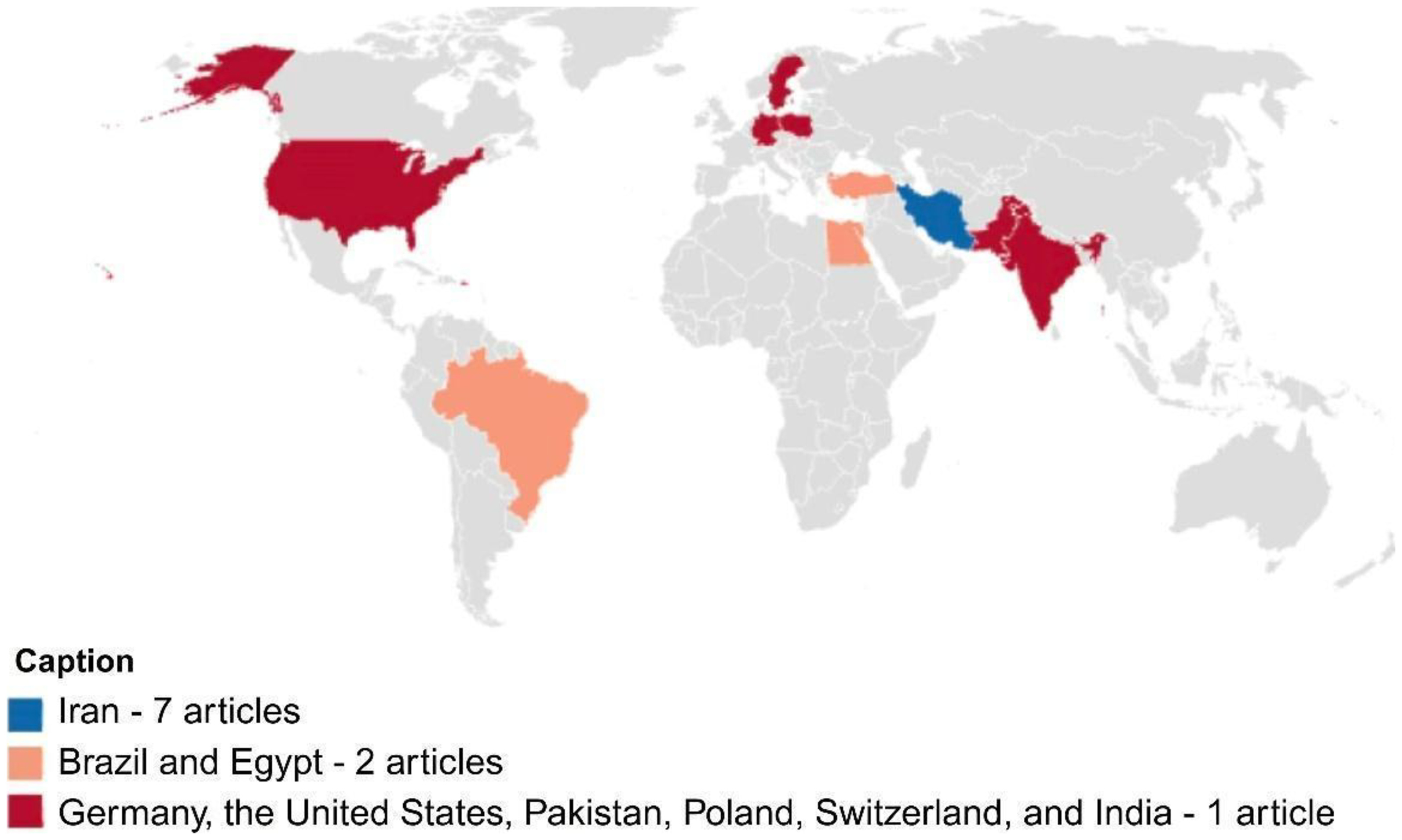 Caption: World map highlighting the nationality of the articles included in the scoping review. Each country is represented by a distinct color, according to the frequency of publications: Blue (Iran): 7 articles. Dark orange (Brazil and Egypt): 2 articles each. Red (Germany, the United States, Pakistan, Poland, Switzerland, and India): 1 article each
 Caption: The word cloud shows the main vocal symptoms reported in the analyzed studies, such as dysphonia, hoarseness, vocal fatigue, reduced maximum phonation time (MPT), and vocal fold paralysis
 Caption: The figure illustrates the most used questionnaires and protocols for assessing voice-related quality of life: VHI-10 (Voice Handicap Index-10), V-RQOL (Voice-Related Quality of Life), VFI (Vocal Fatigue Index), and VTD (Vocal Tract Discomfort Scale)