
 Insurgent planning and collective action: the case of Poço da Draga in Fortaleza
Abstract
This article discusses the possibilities and challenges of insurgent practices performed by residents of the Poço da Draga community in the city of Fortaleza, in the context of disputes over decision--making power. The analysis considers that most deliberations on space production occur within institutional practices, implemented by planning agencies, sanctioned by the State, but serving private interests. Based on an ethnographic approach, including participant observation and the production of social cartographies, the study highlights aspects of the conflictual relationship between public authorities and residents, who have resisted the threat of eviction for decades. It suggests that, despite the obstacles, organized collective action can contribute to the constitution of more democratic urban commons.
Keywords
urban planning; insurgent practices; urban citizenship; territory; right to the city
Resumo
Este artigo discute as possibilidades e os desafios de práticas insurgentes de moradores da comunidade Poço da Draga, em Fortaleza, diante das disputas por poder de decisão. Essa problematização considera que grande parte das deliberações de produção do espaço acontecem no âmbito das práticas institucionais, implementadas por órgãos de planejamento, sancionadas pelo Estado, mas voltadas a interesses privados. A partir de uma abordagem etnográfica, com observação participante e produção de cartografias sociais, a pesquisa aponta aspectos da relação conflitual entre as práticas do Poder Público e as práticas dos moradores, que resistem à ameaça de remoção há décadas. E sugere que, apesar dos entraves, a ação coletiva organizada pode contribuir para a constituição de um bem comum urbano mais democrático.
Palavras-chave
planejamento urbano; práticas insurgentes; cidadania urbana; território; direito à cidade
Introduction
The objective of this research is to comprehend the potential and constraints of resistance practices employed by urban residents in the context of conflicts of interest and disputes over decision-making authority over territories. This problematization considers that the majority of deliberations on the production of space take place within the scope of institutional practices, of heteronomous production, implemented by planning and management bodies, sanctioned by the State, and often at the service of private interests. These practices are predicated on authoritarian decision-making processes, and even in the context of popular participation, they frequently assume an informative tone, serving more to legitimize a formal plan already defined by experts than to engage in dialogue with residents (Miraftab, 2009; Kapp and Baltazar, 2012). This institutionalized participation is not only inadequate but also perilous, as it obscures social conflicts and inequalities and engenders a specious equilibrium in the distribution of decision-making power and political influence. Furthermore, it poses a substantial challenge to the democratization of space production, as it undermines and erodes citizens' trust in democratic institutions (Souza, 2012).
As Faoro (2001, p. 447) observes, the abysmal asymmetry of political and economic power between different social classes is the result of the close historical corporate relationship between the state and local elites, which spans political regimes, through an "internal game of exchange of advantages sustained fundamentally by a patriarchal network." Furthermore, with the country's integration into the globalized circuits of financial capital, neoliberal ideology has brought about another era of dramatic changes in Brazilian cities, with the expansion of economic inequalities and social polarities (Arantes, 2012). Since the 1980s, the World Bank and the Inter-American Development Bank (IDB) have been promoting public policies that follow corporate criteria of profitability and a model of outsourced state management, with the aim of establishing partnerships with the private sector. To meet social needs, they prescribed the promotion of access to goods and services through market relations and the financialization of housing. In this model, the state increasingly becomes a facilitator of private initiative, which leads to a breakdown in the democratic processes of city building, reinforcing social patterns of exclusion that create a growing number of "sub-citizens" and "non-citizens" (Dardot and Laval, 2016, p, p. 381).
As a result, a similar condition can be observed in several cities around the world: a large part of the world's population lives in self-built, impoverished suburbs in illegal or irregular housing conditions, on the outskirts of urban centers that benefit from their services and their poverty. Nevertheless, it can be observed that the same conditions of segregation and inequality encourage marginalized residents to understand their basic needs not only in terms of inhabiting and suffering the city, but in terms of building it, as a right to the city and to citizenship (Holston, 2016).
In this scenario, collective urban struggles emerge as potential catalysts for positive change, prompting the question of whether they can contribute to enhancing justice and equality in urban settings. The advent of urban citizenship, in the face of the expropriation of the commons by the capitalist state,1 provides a contextual framework for the various conflicts and metropolitan uprisings that marked the beginning of the 21st century. A multitude of demonstrations have transpired in various cities around the world, including Athens, Cairo, New York, Istanbul, and São Paulo. These demonstrations have several fundamental demands and characteristics in common. These characteristics include the occupation of public spaces, the rejection of representative democracy, resistance to police violence, the use of social media, mobilization against the scrapping of public goods and services, and the urgency for new forms of participation and collective deliberation (Holston, 2016).
The crux of these demonstrations is the profound understanding of the deplorable living conditions in major cities and the shortcomings of public policies and institutional urban planning. These shortcomings serve to perpetuate practices of segregation and the expropriation of the commons. In light of these circumstances, the concepts of radical and insurgent planning have gained traction in both national and international theoretical discourse, as they seek to radicalize democratic processes and ensure direct citizen participation in the production of space (Friedmann, 1988; Sandercock, 1998; Miraftab, 2009; Roy, 2009). Friedmann (1988) posits that the dissociation of planning from democratic governance engenders destructive inevitable consequences, intrinsically linked to the dynamics of capitalism and the limitations of representative democracy. Consequently, the author proposes a radical approach to planning as a means of counteracting forces of oppression and exploitation, particularly those embodied by the bureaucratic state and business elites. This approach aims to establish the conditions necessary for the flourishing of effective democracy and the recentralization of political power within the domain of civil society. Miraftab (2009) posits that, in order to disrupt the structures of alienation inherent to neoliberalism, radical planning practices must adopt an insurgent approach, operating outside the formal structures of representation. While participatory planning, as it has been implemented in recent decades, is guided by a belief in the liberal democratic model of citizenship and its representative channels to fulfill the promise of justice, insurgent planning decentralizes the role of representation and is guided by an understanding of citizenship as a practice built from below, through the direct action of citizens for the development of their self-determined political community.
According to Miraftab (ibid.), insurgent planning practices are often led by excluded or vulnerable citizens who recognize the limitations of formal rights and turn to direct participation as a project of justice. For the author, such practices are emancipatory because they are not confined to "invited" spaces of citizenship, arenas of participation sanctioned by the state. Rather, they extend beyond these confines, enabling individuals to make decisions and act in spaces of citizenship "invaded" and "invented" by collective direct action. Such practices are counter-hegemonic and destabilize relations of domination, exerting pressure to expand citizens' decision-making power over certain urban areas, prioritizing the struggle outside the dimensions of the state. These practices are characterized by their imaginative nature, as they aim to conceptualize more equitable urban environments by drawing upon the experiments and struggles of the present moment. They seek to dispel the fallacy that neoliberalism is the sole viable alternative (ibid.).
The emerging struggles for urban citizenship in the Global South, exacerbated by the intricacies of state-citizen relations within colonial and postcolonial regimes, provide an indispensable historical perspective on insurgent planning practices (ibid., p. 33). As the dismantling of the welfare state in the Global North reduces the public sphere and exacerbates inequalities, marginalizing populations, the experiences of the Global South gain universal relevance and urgency for radical planning in the neoliberal era, thereby reversing the conventional North-South knowledge production flow (Freitas, 2017; Roy, 2009). In Brazil, only a limited portion of urban development occurs through formal planning structures. A significant proportion of the population, excluded from the real estate market, must confront the challenges of housing and community development. These individuals often engage in the production of everyday space, operating directly outside the confines of legal and planned structures. These informal occupations are the embodiment of citizen insurgency; however, they also serve to stabilize the system (Miraftab, 2009, p. 35). The state's utilization of informal occupations, characterized as "illegal," serves a political manipulation strategy aimed at the poorest segments of society. This approach, akin to a form of clientelism, functions to ensure the continued reliance of these populations on essential public services. Concurrently, these actors have been instrumental in fostering the emergence of counter-hegemonic and insurgent movements, galvanizing citizens to assert their right to the city, transcending the constraints imposed by the State.
Within the spectrum of radical and insurgent planning as explored in national and international literature, the research commences with the following inquiries: What are the possibilities and challenges faced by economically and politically disadvantaged urban resident groups in processes of socio-spatial self-organization? The acquisition of experience and confidence by these groups is pivotal in their ability to effect substantial social and political transformation. It is imperative to examine how insurgent planning practices interrogate the hegemonic production of space and challenge heteronomous planning processes. Through an empirical investigation of a case study, the research seeks to raise relevant elements that contribute to the theoretical debate and to the non-specialized discussion on the self-organized action of civil society in urban planning. The case study contributes to the corpus of recent reports on community political practices in Fortaleza (Freitas, 2019; Freitas et al., 2021), which demonstrate how insurgent planning fosters spaces for experimentation wherein communities engage in effective and self-determined participation in decisions that impact their lives, disrupting the alienation that characterizes much of society.
In Fortaleza, strategic planning that prioritizes the city-commodity2 has undergone significant consolidation over the past decade. This consolidation is evidenced by the emergence of Public-Private Partnerships (PPPs) and the proposal of substantial urban projects that are favorable to real estate capital but are subject to substantial scrutiny with regard to urban quality of life and social justice (Morado et al., 2018). This governance model has presented challenges to the preservation of certain communities3 situated in areas that show promise for real estate development, such as the community of Poço da Draga, located on the coast between the bohemian and tourist neighborhood of Praia de Iracema and the city center. For decades, the community has been the site of territorial disputes and a frequent target of projects aimed at "urban revitalization" that encourage real estate speculation and the consequent process of gentrification. This phenomenon is not merely a local occurrence but rather a global one. In the context of globalized tourism, cities have increasingly prioritized investments in architectural and urban projects that possess strong visual and iconic appeal. This strategic investment aims to enhance a city's competitiveness and attract investment, thereby fostering economic growth and development. The strategy entails the creation of a distinctive image of the city, characterized by paradoxical homogeneity and simplification, encompassing "sanitized" and apolitical scenarios, devoid of any contentious elements. New collective identities are created, uncritical and segregating, while the plural and complex memory is erased after the removal of the local population, guardian of cultural traditions – a phenomenon that Jacques (2004) calls "urban spectacularization." Confronted with persistent threats of displacement, the residents of Poço da Draga have embarked on a mission to fortify the community's memory and cohesion. They have initiated a series of deliberations concerning the creation of urban space, employing strategies that convey a message of resistance.
The present article endeavors to comprehend the impediments to the cultivation of the creative potential of the self-organized practices of Poço da Draga residents and their contentious relationship with the practices of public authorities. The present study constitutes a qualitative research endeavor, predicated upon an ethnographic undertaking aimed at fostering collaborative interactions and actions with the various actors embroiled in the struggles for the right to the city. This endeavor entails mobilization, denunciation, mapping, and knowledge production. The methodological procedures focused on participant observation in different meetings with resistance groups active in the territory, participation in public hearings and meetings with planning agencies, analysis of field notes, and the preparation of semi-structured interviews with different social actors. The documentary research is based on the analysis of official documents, which, in conjunction with the oral accounts of residents, inform the institutional trajectories of urban plans and policies in the context under investigation.
The article is organized into three sections. The initial section delineates the nature of institutional urban planning within the Brazilian context, emphasizing the mechanisms that perpetuate socio-spatial inequality. The subsequent section delineates the empirical case of Poço da Draga, elucidating how the analyses and plans developed by the government effectively delegitimize the community's presence in the valued territory. The third section of this study presents an analysis of insurgent practices employed by the residents, as well as their potential for action aimed at reinforcing a sense of community among residents, recognizing the cultural and historical significance of their community, and fostering critical reflection.
Institutional urban planning in the Brazilian context
According to Holston (2013, p. 29), the establishment of Brazilian citizenship throughout history has been predicated on the principle of differentiated and selective distribution of rights,4 which utilizes social and economic status as a metric to perpetuate and legitimize historically rooted privileges, resulting in the subjugation of a significant proportion of the population. The author posits that this model of differentiated citizenship endured under colonial, imperial, and republican governments, flourishing under monarchy, dictatorship, and even democracy. In this asymmetrical power scenario, the majority of Brazilians were excluded from accessing housing via the formal market due to the reduced supply of affordable urbanized land. As a result, they were compelled to reside in informal settlements in urban peripheries or environmentally vulnerable areas. These individuals were marginalized by the law and granted incomplete citizenship status.
Nevertheless, Holston (ibid.) demonstrates that the very conditions of urban segregation and inequality in the peripheries encouraged self-builders to take part in everyday political struggles as a way of overcoming disadvantages and poor living conditions. Marginalized citizens constructed their own dwellings, organized collectively to obtain essential services, and fought to maintain their housing amid various, often violent, conflicts over property ownership. In the ensuing decades, many of these municipalities underwent consolidation and urbanization, a process precipitated by the state's perceived neglect in providing fundamental services that contribute to the well-being of the citizenry. The phenomenon of self-construction has effectively transformed these individuals into active participants in the production of urban life. The project's outcomes manifest in two forms: individual narratives of personal fulfillment, achieved through housing improvements produced by the residents themselves, and collective narratives through their urban practices. While it is important to avoid romanticizing this phenomenon, it is crucial to acknowledge that informal occupations are often driven more by necessity than by choice. Consequently, residents tend to establish alternative networks of social interaction and a distinct relationship with their physical environment. As the city's builders, they came to understand themselves as citizens with rights, as deserving as any other class of citizens. They articulated the right to the city as a right of urban citizenship.
As Holston notes, the rapid urbanization that took place in the 1970s led to the consolidation of the peripheries. This consolidation resulted in the emergence of a novel concept of citizenship that challenged existing systems of privilege. This new concept was led by socioeconomically disadvantaged citizens who, prior to this, had viewed the justice system as a mechanism for perpetuating privilege and favoring groups with political and economic capital capable of asserting their interests. According to the author (ibid., p. 329), this novel concept – which he designates "insurgent citizenship" – proposes principles of substantive equality of rights among citizens, irrespective of their social positions, with the objective of overcoming differentiation and rebuilding Brazilian citizenship in the direction of a democratic society. However, Holston (ibid., p. 322) clarifies that this new concept does not replace the old formulations of differentiated citizenship. Rather, the insurgent and the differentiated coexist and confront each other in the same social space of the city.
In this scenario, as the nation undergoes a process of redemocratization, the articulation of social movements for urban reform has the effect of politicizing the debate on urban informality. Consequently, this dynamic fosters a conducive environment for the realization of significant legal milestones, including those pertaining to social inclusion and the mitigation of social inequalities (Rolnik, 2015, p. 268). These mobilizations exerted a significant influence on the Federal Constitution of 1988, particularly with regard to the expansion of popular participation in the formulation of legislation. In the domain of urban policy, the incorporation of articles 182 and 183 acknowledges social function as a fundamental principle and confers upon municipalities the prerogative to delineate the utilization and occupation of urban land through the formulation of Master Plans that are endorsed by the legislature. This legislative framework also encompasses the recommendation of mechanisms aimed at mitigating real estate speculation, including the implementation of progressive property tax (IPTU) rates, compulsory subdivision or construction, and the eventual expropriation of land. The articles were subject to regulation subsequent to prolonged negotiations, with the approval of the City Statute (Federal Law 10.257) in 2001. This statute proposed an innovative set of urban, tax, and legal instruments to democratize access to the city, including a progressive property tax, collective urban adverse possession, and Special Zones of Social Interest (Zeis).
From a normative and institutional perspective, Brazil is at the forefront of understanding urban informality and providing legal instruments to guarantee the social function of property and the city. Following the ratification of the City Statute, the law became a valuable resource for residents of the periphery, thereby contributing to the destabilization of the differentiated regime based on social status. However, it should be noted that this advance, from an institutional point of view, has not been effective in the daily life of the peripheries, which have oscillated between simultaneous processes of expansion and erosion of democratic citizenship in Brazil (Freitas, 2017). The legal and bureaucratic apparatuses created contrast with the fragile operational capacity, equating the Brazilian state to an elephant's body supported by heron's feet (Marcato, 2013). It has been observed that the establishment of democratic institutions in Brazil has been accompanied by the emergence of novel forms of violence, injustice, corruption, and impunity, thereby exemplifying a paradoxical dimension of democratization in the nation (Holston, 2013, p, p. 349).
Recent years have seen notable advancements5 in the right to the city, yet the capacity of citizens to engage in urban planning and governance remains largely unaddressed. Conversely, there has been an augmentation in the influence of construction companies and other economic groups over public power structures. These structures have begun to implement the principles of entrepreneurship in urban management and planning models (Vainer, 2013). A significant number of socially progressive constitutional innovations persist in their current state due to a paucity of regulatory frameworks and enforceable policies. In this sense, the private sector has been able to influence local municipal governments to delay the implementation of urban planning instruments linked to urban reform and to guide the implementation of instruments aimed at establishing public-private partnerships, such as Consortium Urban Operations (OUCs). These instruments are designed to attract private investment and expand the boundaries of the real estate-financial complex. Consequently, the implementation of the Master Plan is predicated on the logic of differentiated citizenship. The "plan-discourse" is a rhetorical device that is employed in accordance with the circumstances and interests involved, thereby fulfilling an ideological function (Villaça, 2001). This rhetorical device serves to obscure the underlying motivations behind urban investments. These endeavors frequently deviate from the explicit plans that are presented to the public, instead manifesting as public works that lack a coherent plan. Concurrently, the discourse surrounding these plans persists without offering any tangible evidence of their implementation (Maricato, 2013, p, p. 142).
However, this trajectory does not result only from the actions of the state and local elites, but also from the country's integration into globalized capital and finance circuits, with the advancement of the neoliberal agenda and the policies of the World Bank and the Inter-American Development Bank (IDB) (Arantes, 2012). Globalization, dominated by neoliberal ideology, impacts living conditions in large Brazilian cities by imposing deregulation and privatization of public goods, eliminating the notion of subsidies, in stark opposition to the interests and needs of the majority of the Brazilian population (Maricato, 2007; Arantes, 2012). These changes are based on a patrimonialist political and economic system, characterized by relationships of favor or exchange, the privatization of the public sphere, and the personalization of Brazilian laws. They are based on a society in which a large part of the population still does not have access to the most basic social rights and the construction of citizenship, and remains in urban informality, and without access to labor rights (Maricato, 2007, p, p. 68). They also fall on an inexperienced representative democracy, threatened by financial capital, which does not submit to the slow pace and uncertainties of national democratic institutions.
Maricato (ibid., p. 73) points out, however, that contrary to neoliberal rhetoric, the Brazilian state has not been diminished. It has only weakened in relation to social policies, abandoning its responsibilities to the people in order to adapt to the demands of financial capital. The fragility of these relationships, in turn, weakens citizenship itself. Growing urban violence is the most visible sign of this model, and is caused by citizens, the state, and militia groups alike. As drug trafficking and organized crime grow, the state uses the argument of the 'war on drugs' to lower the protection of citizens and increase coercion through a culture of fear (Santos, 2018, p. 274). As a result, while a generation of insurgent citizens democratizes urban space, a generalized climate of fear and incivility permeates social relations and everyday public encounters. Associated with the support of elites and the middle class for police violence6 as a realization of their right to security, these new estrangements produce the racist criminalization of the poorest classes, the violation of human rights, the privatization of common goods associated with neoliberalism, the abandonment of public space, and the fortification of residences and shopping centers, protected by private security guards and high--tech surveillance (Holston, 2013, p, p. 361). In turn, Holston adds that the judicial system and the police have become even more discredited and inefficient in protecting citizens' rights, as have political representatives, surrounded by corruption scandals. Both fail and undermine Brazil's political democracy by establishing a non-democratic rule of law and an undeclared state of exception (ibid., p. 351).
According to Dardot and Laval (2016, p. 17), “Neoliberalism, before being an ideology or an economic policy, is first and foremost a rationality, and, as such, tends to structure and organize not only the actions of those who govern, but even the conduct of those who are governed,” through a generalized normative system that extends the logic of capital and competition to all social relations and all spheres of human existence. Thus, the company is promoted as a universal model of subjectivation, and the generalization of competition becomes the norm of conduct for the construction of the "company-state," the "company-city," and the "company- -individual" (Dardot and Laval, 2016, p. 379). In this context, the language of social rights has been progressively replaced by the language of inclusion through consumption, but without translating it into redistributive equity, in order to stabilize state-citizen relations and achieve the hegemonic power of capital.
For this reason, Miraftab (2009) argues that, in order to disrupt the oppressive and alienating structures of neoliberalism's "inclusion" and "participation," planning practices need to be insurgent, outside the formal structures of representation. While participatory planning, as understood and practiced in recent decades, is guided by a belief in the liberal democratic model of citizenship and its representative channels to fulfill the promise of equal rights, insurgent planning decentralizes the role of representation, and is guided by an understanding of citizenship as a practice built from the bottom up through the direct action of citizens. According to the author (ibid.), insurgent practices do not seek formal inclusion through political representation; they seek substantive inclusion through self-determination. This change in perspective ultimately favors direct democracy over representative democracy. While in representative democracy, citizens relegate the defense of their interests to others, whether political representatives or technical experts, in direct democracy, citizens recognize the limitations of formal rights and turn to direct participation in decision-making that affects their lives, seeking justice.
For Miraftab (Ibid.), insurgent practices are emancipatory because they are not limited to "invited" spaces of citizenship, arenas sanctioned by the state for citizen participation, but go beyond that to make decisions and act in spaces of citizenship that are "invaded" and invented by direct, collective action, often with practices of opposition that respond to specific contexts and issues. However, the author (2016) warns that institutions of power, such as the state, the mainstream media, and dominant corporations, systematically seek to ostracize and criminalize invented spaces, considering only invited spaces as appropriate for citizen participation. To protect itself from the dominant tendency toward repression and co-optation, insurgent activism needs to constantly reinvent its spaces for action through "practices of rupture and creation," because, according to Marcelo Svirsky (2010, apud Miraftab, 2016), "it is always at risk of being besieged and contained by the state apparatus." Miraftab (2009) emphasizes, however, that it is not a matter of naively celebrating all insurgent and oppositional action as inherently good and democratic, but of being guided by critical and historicized thinking that recognizes the struggle for power within planning practices.
According to Roy (2009, p. 9), “Insurgency often unfolds in a context of informalization, where the relationship between legality and illegality, the recognized and the criminalized, the included and the marginalized, is precisely the cause of counter-politics.” To promote social transformation, insurgent planning practices are guided by three principles: counter-hegemony, transgression, and imagination (Miraftab, 2009, p. 46). They are counter-hegemonic practices because they destabilize relations of domination, exerting pressure to expand citizens' decision-making power over certain urban areas, prioritizing the struggle outside the dimensions of the state. They are transgressive practices (in time, space, and action) because they transgress the limits of time through a historicized consciousness, transgress national borders by building transnational solidarities among marginalized people, and transgress the dichotomies between invited and invented spaces of citizenship. And they are imaginative practices, as they seek to decolonize the future, to conceive a more just society based on the experiments and struggles of the present, and to demystify the illusion that there are no alternatives to neoliberalism.
In this context, the research assumes that insurgent planning practices can be read as vectors of politicization for the continuous democratization of the production of space in its radical sense, to take democracy and inclusion beyond formality. Such practices open up a field of experimentation for different collectives to expand their repertoires of action and narrative construction, in a continuous process of trial and error. Although sporadic and temporary, the processes of self-organization of urban collectives can challenge both capitalist relations and the conduct of heteronomous planning processes, creating conditions for urban residents to participate in decision- -making that affects their lives collectively and self-determinedly. This self-determination does not excuse the State from its responsibilities, nor does it defend it in the face of waves of neoliberalism but rather challenges capital so that it returns to the democratic control of the people (Harvey, 2013). To understand these processes, the research starts from a local experience to reflect on the possibilities and challenges of the various forms of collective action linked to the right to the city.
The case of the Poço da Draga community
Located on the coast, between the Centro neighborhood and Iracema Beach, Poço da Draga is a cruel portrait of the inequalities in Fortaleza: the century-old community is located in an area with great tourist potential, which concentrates various cultural and leisure facilities, such as the Dragão do Mar Center for Art and Culture, but still lacks basic sanitation, and the Metal Bridge is in the process of collapsing. According to D. Ângela, one of the guardians of the community's memory, Poço da Draga is a wound in the sterile tourist images of Iracema Beach, Meireles, and Aldeota (Interview given to the newspaper O Povo on April 8, 2019).
The community is "hidden" to the west, behind the large, longitudinal facilities of the Indústria Naval do Ceará (Inace); to the east, behind the Caixa Cultural de Fortaleza and the old warehouses on Almirante Tamandaré Avenue; and to the northeast, behind the stalled construction of the Acquário Ceará, a tourist attraction that has been the subject of several disputes and now has no clear future. Its winding streets trace the space left between the old railroad tracks, leaving the old bridge towards the former Customs House (now Caixa Cultural), and Inace. Access to the beach is currently limited to a stretch of about 100 meters, between the hoardings of the Acquário Ceará construction site and the boundaries of the industrial area. These hermetic buildings isolate the community from its surroundings, limiting its physical access and visibility (see Figure 1). Furthermore, the stigmatization of Poço da Draga as a slum area contributes to the socio-spatial segregation of the community, aggravated by the absence of public investments concentrated directly in the community, in contrast to those made in its surroundings. The socio-environmental consequences of these decisions are high and cumulative over time (Almeida, 2015).

Although, in 2009, the community became a Special Zone of Social Interest (Zeis) through the Participatory Master Plan of Fortaleza (Complementary Law n. 62/2009), Poço da Draga still awaits the regulation process of the instrument and remains in a situation of land and urban irregularity, which compromises the legal security of its residents' possession. This feeling of instability is justified, insofar as the approval of the PDP-FOR also delimits the area occupied by the community as an Environmental Protection Zone (ZPA1), demarcating the mouth of the Pajeú stream within Poço da Draga (see Figure 2). However, centuries of cartographic documentation, from the map of Mathias Beck's expedition in the 17th century to maps from the middle of the last century, point to the mouth of the Pajeú Stream hundreds of meters further west than the body of water existing in the community, thus being within the Inace terrain (Teixeira, 2017).

Throughout its history, Poço da Draga has faced numerous threats of removal, and its history of resistance dates back to the 1960s. In 1963, the Fortaleza Master Plan, developed under the coordination of architect Hélio Modesto, proposed the eradication of the community for the construction of a civic center, as a measure to modernize the central area of the city, as well as Iracema Beach. The project called for the filling of Poço da Draga to create a landscaped complex. This proposal did not materialize, but, since then, the attacks by the government and real estate sectors have not stopped. Subsequently, the creation of the Ceará Naval Industry (Inace) in 1969, under the command of businessman Gil Bezerra, consolidated the physical isolation of the community by preventing public access to the beach, making it a true enclave in the urban fabric. This deteriorated the already dire socioeconomic conditions of the residents by undermining fishing, which, at the time, was an important source of income for the community (Nogueira, 2019).
During the military dictatorship, university students, artists, intellectuals, and other traditional visitors to the neighborhood consolidated, with the help of the media, the social representation of Iracema Beach as a stronghold of Fortaleza's bohemian culture, constituting a cultural and emotional heritage to be preserved (Schramm, 2001). The author points out, however, that this was a very selective construction of identity, as it did not include the Ponte Metálica region, the historical birthplace of the city, nor did it consider the practices of the residents of Poço da Draga and the middle class, who had also made the neighborhood their place of residence and leisure. At the end of the 1980s, the appropriation of Iracema Beach by the government and segments of the tourism market changed the prevailing cultural parameters, as well as the urban landscape itself, with the advance of real estate speculation. The new modernization policy was introduced in the city by the so-called “government of change,” under the administrations of businessman Tasso Jereissati (1987-1990, 1995-1998, and 1998-2002) and his political ally Ciro Gomes (1991-1994). According to Gondim (2004), this development process aimed to insert Fortaleza into the globalized world through a cultural policy linked to the promotion of tourism.
In the mid-1990s, the neighborhood's tourist image also became associated with an administrative dispute between the state and municipal governments, which were trying to attract the attention of the local population and tourists to their respective urban intervention projects (Bezerra, 2009). The municipal government took great pains to beautify the city and build major projects, notably a boardwalk along the beachfront and the reconstruction of one of the most significant buildings in the neighborhood's history, Estoril, a bohemian stronghold in the first half of the 20th century, but which had been partially destroyed as a result of heavy rains in 1994 and poor maintenance. In 1995, the building was reopened and now houses a restaurant and a small cultural center. These projects, coupled with the granting of operating licenses without any restrictions, triggered the growing establishment of bars, restaurants, and nightclubs by the private sector, permanently altering the uses and appropriations of the neighborhood. During the administration of Mayor Antônio Cambraia (1993-1996), the Iracema Beach Consortium Operation was announced, in partnership with the private sector, whose implementation would involve the removal of the residents of Poço da Draga. After organized resistance by the community, the Fortaleza City Government proposed transferring the residents to a housing complex to be built nearby. However, some residents did not accept the conditions imposed and continued to demand that the community remain and be urbanized, pressuring the government to change the project (Almeida, 2015). Finally, the project was abandoned after legal action. Soon after, Mayor Juraci Magalhães (1997-2005) announced, once again, the resettlement of the community to a nearby plot of land called "Chácara das Rosas," with the aim of building an ecological park on the waterfront as part of the Baía de Iracema project. The residents' organization, however, managed to prevent the proposal from going ahead.
Under the state government of Ciro Gomes (1991-1994), the Ponte dos Ingleses Bridge was renovated and reopened, becoming a postcard image of the city. Years later, under the administration of Tasso Jereissati (1995-1998 and 1998-2002), the Dragão do Mar Cultural Center was built, in reference to the mythological narratives associated with the abolitionist hero Chico da Matilde and Iracema Beach, chosen specifically to reinforce the imagery and symbolism of the facility and create an identity landmark for the city. Although this facility has boosted the surrounding area's gastronomy and leisure activities, there have been no incentives to adapt buildings for cultural purposes, as envisaged in the original project, nor has there been any social integration with the residents of Poço da Draga (Gondim and Almeida, 2014, p. 9). In one of the neighborhoods best served by the city's infrastructure, one block from CDMAC, Poço da Draga still lacks sanitation, and the Metal Bridge is in the process of collapsing. Thus, there is a tendency for the state to direct public investments based on economic and political interests that favor a high-income segment, to the detriment of the few actions taken to change the social reality of the community.
In 2001, after the consolidation of CDMAC, another major tourist facility was announced for Iracema Beach: the Multifunctional Center for Fairs and Events (CMFE), proposed by the state government in partnership with the municipal government and the private sector. The project, with an estimated cost of R$200 million, was designed by 14 architectural firms and would be executed by the Ceará Infrastructure Secretariat (Seinfra), with financing from the IDB (Oliveira, 2006). It would be located on the shore of Iracema Beach, in the area occupied by the Poço da Draga community, enlarged by a 19-hectare landfill. The project aimed to meet the growing demand of the national and international business tourism market, as well as to mitigate periods of stagnation caused by the low season. At the time, its location and the socio-environmental impacts that the facility could cause were contested by representatives of professional entities, such as the Institute of Architects of Brazil (IAB – Ceará) and the Association of Geographers of Brazil (AGB – Ceará), the environmental movement, as well as members of the government itself. In this context, according to Gondim (2008), the removal of three hundred families from the site seemed to be a minor issue, judging by the content of the debates.
Gondim (2008) points out, however, that the supposed beneficiaries did not participate in decision-making regarding the project, which was defined in advance by technicians and only presented to the community during a general assembly. In fact, the CMFE project put residents in a 'take it or leave it' situation, as the managers responsible insisted that it should be implemented in the area occupied by the community and did not discuss the amount of compensation to be paid to those who decided not to accept the proposal. According to the author (ibid.), the decision to fight institutionally ensured short-term benefits, such as the choice of land where the housing complex would be built but contributed to residents having a subordinate role in other decisions. Furthermore, it caused divisions in the community and harsh criticism of the leadership of the residents' association, whose president was accused by her most ardent opponents of favoring the project in exchange for advantages, as well as for her conformist attitude of negotiating with the government instead of resisting removal. Despite extensive negotiations with the community, in 2008, the State Government reformulated the CMFE project and decided to build it in the Edson Queiroz neighborhood, about 8.8 kilometers away, to create urban centers and expand the frontiers of financial and real estate capital.
Also under the state government, during the administration of Governor Cid Gomes, another high-impact intervention in the vicinity of the Poço da Draga community was announced: the Ceará Aquarium, designed on land previously occupied by the National Department of Works Against Drought (DNOCS), adjacent to the community. The controversy surrounding this project dates back to its presentation in 2009, when it sparked widespread public criticism and the emergence of the Quem Dera Ser Um Peixe (QDSP) movement, formed by artists, residents, and users of the neighborhood. Questions were raised about the necessity and high cost of the project – estimated at R$300 million – while the state was experiencing one of the most severe droughts in recent times, and a series of lawsuits were filed due to irregularities in the project, such as the waiver of bidding and the Environmental Impact Report (EIA/Rima). This intervention, temporarily on hold, was added to the list of assets to be privatized, creating yet another barrier isolating the community.
Announced at the end of Mayor Roberto Cláudio's first term (2013-2016), the Fortaleza 2040 Project is, according to the official discourse, a development plan for the city, with strategies to be implemented in the short, medium, and long term, integrating axes of urban, social, environmental, economic, and mobility action. The Plan was delivered in December 2016, headed by architect Fausto Nilo and coordinated by the Fortaleza Planning Institute (Iplanfor). Among the various notebooks presented by Fortaleza 2040, Poço da Draga is graphically represented in maps and images in a single volume, the Third, whose distortions range from its spatial reorganization without any dialogue with residents to the omission of the existing settlement in images that project a future of tourism and media coverage for the territory, where a five-star hotel and a convention center are located in its immediate surroundings (see Figure 3).

The case helps to highlight the gap between the actions of public authorities, which adopt institutionalized participation mechanisms, and the possibilities for community action in channels sanctioned by the State. In fact, residents remain excluded from decision--making processes regarding the production of everyday space, which is determined by rules defined a priori that run counter to the interests of the community. The Plan does not provide answers to the processes of speculation and gentrification that it would generate and, consequently, the removal of the affected residents. On the contrary, it establishes Public–-Private Partnerships and Consortium Urban Operations as possible instruments for the implementation of these projects. In the context of Fortaleza, the city with the highest number of partnerships of this type in Brazil, the adoption of these instruments has intensified the process of commodification and urban segregation, and the promotion of predatory practices (Pequeno and Pinheiro, 2019).
This same agency, Iplanfor, currently, through the Directorate for Policy Coordination and Integration (Diart), is responsible for the process of regulating 10 priority Zeis, of which Poço da Draga is one, almost a decade after the legal recognition of this instrument in the Participatory Master Plan of Fortaleza (Law n. 62/2009). Civil society mobilized and pressured the government to regulate the Zeis, with the support of advisors and entities, using a wide range of strategies, such as demonstrations, public hearings, camps, meetings, press releases, among others. Only at the end of 2013 did the administration yield to pressure and invite representatives from nine communities chosen as priorities, civil society organizations, and public authorities to form the Intersectoral and Community Technical Committee for Special Zones of Social Interest, established through Municipal Decree n. 13,241 (Pequeno and Pinheiro, 2019). This committee is a participatory management tool created with the objective of preparing a report with a diagnosis of the areas demarcated as ZEIS and recommendations to support the city government in the process of regulating and effectively implementing the Zeis in the municipality of Fortaleza.
Then, once again due to popular pressure, Municipal Decree n. 13,827 was published on June 14, 2016, creating the Commission for Proposing and Monitoring the Regulation of Zeis, coordinated by Iplanfor through Diart, and composed of members of the municipal administration, representatives of the nine Zeis considered priorities by the city government, social movements, advisory bodies, and academic entities. Through the Commission, Vila Vicentina was included as the tenth priority Zeis, after strong pressure from the real estate sector to remove the residents.
On May 22, 2018, Municipal Decree n. 14,211, which deals with the election of management councils, was published, in violation of what had been agreed upon by the commission, and ignoring all the effort and dedication put into almost five years of work. The main criticisms of the City Hall's changes concern two fundamental points: the provision for the Permanent Forum of Zeis to be only an advisory body; and the composition of the Management Council, previously formed mainly by civil society, removing the participation of academic entities, chosen by residents, and inserting a Councilor, chosen by the City Council, in each council. Academic entities, mainly through technical advisory services, have, since the beginning of the Zeis demands, assisted communities in their demands for the realization of the Right to Housing, participating, for the most part, in the work of the Zeis Commission. The terms of reference agreed upon by the commission for hiring the PIRFS were also disregarded and became the subject of negotiations with four universities so that they would be responsible for the plans. In this model, the City Government invests very few resources in regulating this instrument and still requires universities to provide services within four months, rather than the eighteen months provided for in the proposal developed by the commission (Pequeno and Pinheiro, 2019). Currently, residents, now with their elected representatives, are trying to coordinate with advisors and academic entities, many belonging to the Front for the Struggle for Decent Housing, to pressure the government for answers to the various obstacles created by the municipal administration.
Also in 2018, the Secretariat of Urbanism and Environment (Seuma) announced five priority OUCs, including the Central Coast Consortium Operation. In this operation, the zoning of the Inace Land, which was classified as an Environmental Preservation Zone (ZPA) in the Fortaleza Participatory Master Plan, was changed to Zone 6 (see Figures 4 and 5), increasing its construction potential and making the area an excellent real estate asset (see Table 1). Despite living in a Special Zone of Social Interest, residents were not previously informed of this change and fear being evicted from their homes as a result of the surrounding area's real estate appreciation. The change was approved by the Permanent Commission for the Evaluation of the Fortaleza Master Plan (CPPD), which meets frequently at Seuma to deliberate on projects that are not in line with current legislation, but are invariably approved (Nogueira, 2019).


– Overlay of the zoning of the Fortaleza Participatory Master Plan (Law n. 62/2009) with the proposed changes for OUC Litoral Central
In August 2018, the Ceará State Government, the Fortaleza City Hall, and the M. Dias Branco Group signed a Public-Private Partnership (PPP) feasibility agreement that will result in an investment of approximately R$600 million for the construction of the Aquarium and projects in the Poço da Draga community. Once again, residents were taken by surprise by the local media, which reported the Group's interest in real estate development in the region surrounding the community. However, in January 2019, after economic feasibility studies, the company confirmed that it would not proceed with the proposed investments in Praia de Iracema, opting instead to prioritize other projects.
Thus, it can be observed that Mayor Roberto Cláudio's administration oscillated between a process of expanding urban democracy, as a result of political pressure from housing movements over several years, through the development of urban and land regularization processes in priority Zeis (Special Urban Integration Zones), and a process of erosion, related to the emphasis on the production of urban space as a commodity (Freitas, 2017). However, it is worth noting the different speeds of these two processes. Of all the mechanisms of the City Statute included in Fortaleza's PDP, the administration seems to be procrastinating on the application of urban planning instruments linked to urban reform, and guiding the application of instruments aimed at the implementation of public–private partnerships, such as Consortium Urban Operations (OUCs). Faced with this state action, clearly aimed at privileging the interests of the ruling classes, vulnerable groups try to organize and influence the unequal process of urban development in various ways. There are a myriad of collectives, movements, and associations with counter-hegemonic causes in Fortaleza, some of which have already been mentioned in this paper. If, on the one hand, they jeopardize their autonomy by using institutional channels as part of their actions, due to the risk of "structural co-optation," on the other hand, Souza (2006, p, p. 17) emphasizes the possibility of critical and selective cooperation with the State, to act on its "conjunctural loopholes," in current legislation and institutions, as a complementary tactic subordinate to direct action. Thus, for the author (2012), urban social movements can act alongside the State, despite it, and against it, putting it under constant pressure.
Insurgent practices
The Poço da Draga community presents a complex system of social relations that expresses dense and rich sets of meanings. For this reason, the value placed on participant observation in this study is presented as an ethical- -scientific position aimed at a more complex understanding of the social phenomena of the community, based on the premise of respect for the individuals and groups investigated.
In the beginning, in the 1970s and 1980s, the strategies used by residents indicated a tendency toward confrontation with the State, such as marches, petitions, and occupations. After the Federal Constitution of 1988, the new relationship with the State required social movements – not only in Fortaleza, but in other Brazilian cities as well – to learn different ways of acting, with an emphasis on negotiation and the formation of “partnerships,” including for access to public resources (Gondim, 2008). In this new democratic context, community resistance was strengthened when numerous social and political movements originating in the Basic Ecclesial Communities (CEBs) began to act more freely in the struggles for the survival of many popular communities in Fortaleza. The residents of Poço da Draga then began to demand more strongly for better living conditions and the right to remain in the neighborhood, in the face of the first recorded attempt to remove the community.
Since the 1980s, the valorization of the coastline and investments in tourism and culture have put pressure on the territory. The inauguration of the Dragão do Mar Center for Art and Culture in the 1990s marked a turning point in the gentrification process in the region. Projects to redevelop Iracema Beach and "revitalize" the area surrounding Dragão do Mar have systematically disregarded the presence of the community, treating it as an obstacle to the "new image" desired for the city.
In response, Poço da Draga has developed self-organized practices that articulate resistance, identity affirmation, and space production. A relevant milestone in this process was the experience of the Quem Dera Ser Um Peixe (QDSP) movement, created by residents and supporters in reaction to the Aquário Ceará project, a large tourist facility planned to be built on the waterfront next to the community. The movement used musical performances, videos, and public acts to denounce the risks of removal and gentrification associated with the project, and to value the cultural practices and traditional knowledge of the fishing community. These initiatives increased the visibility of Poço da Draga in the city and strengthened the networks of external support for community resistance. In addition, they contributed to strengthening internal cohesion, mobilizing residents around the defense of their territory.
During this period, various resistance groups active in Poço da Draga became very active in discussions about the effects of the Aquarium on neighborhood residents, establishing links with academic institutions and entities. Starting in 2012, maps and social cartographies were developed with the collaboration of the Urucum Collective and the Geoprocessing Laboratory (Labocart) of the Geography Department of the Federal University of Ceará (UFC). It is worth noting that, over time, the community has established relationships with many university groups. Although ambivalent, collaboration with external agents can broaden the repertoire of residents in their arguments with public authorities and their scope of practices in the daily life of Poço.
In mid-2013, QDSP's confrontational actions coincided with the numerous protests that broke out across Brazil during the Confederations Cup – in the so-called June 2013 Protests. The agenda against the privatization of public spaces by the capitalist state, involving large urban projects that reinforce practices of segregation and social exclusion, was recurrent in these demonstrations. In Fortaleza, between July 12 and 14, 2013, hundreds of people occupied the immediate surroundings of the Aquarium construction site. At #OcupeAquário, protesters held various activities, such as comic book workshops, juggling, theater, dance, and music performances, capoeira circles, guided tours of Poço da Draga, book exhibitions, among others. In total, the project has already cost R$130 million in public funds, with 75% of the concrete structure completed, but only 25% of the planned equipment and finishing touches. After sixteen years of creating a barrier of isolation for the community, in 2025, the Ministry of Education officially transferred ownership of the property in Fortaleza, where the Ceará Aquarium was to be built, to the UFC. At this location, the UFC will build the new campus in the Praia de Iracema neighborhood, with the new headquarters of the Institute of Marine Sciences (Labomar) and the Technological Center for Natural Sciences (CTCN). Construction is budgeted at R$113.9 million. Over the last few years, QDSP has reduced its activities and has become more sporadic. Some members have kept in touch through social media, even after the work was halted, participating in some activities at Poço da Draga and in the formation of new collectives.
In this context, where the plans and analyses developed by the government for the territory disregard the existence of the community, the ProPoço Movement emerged, conceived by geographer Sérgio Rocha and Germana Lima, respectively a resident and former resident, with the aim of strengthening the sense of belonging, valuing the culture and history of the community, as well as encouraging critical discussions and reflections among residents. The movement, which counts on the collaboration of several residents, students, and researchers, carries out various practices and activities, including a socio-spatial survey of the community. The search to portray the local reality based on thorough research aims to overcome representations of the community based on stigmas, such as a locus of violence and precariousness, which, as such, must be eradicated. The residents' group intends to provide a new representation of the community. Thus, the residents initially decided to produce consistent information, collected by the residents themselves, to contrast with official data that could be used (and/or manipulated) to justify removals. Thus, the consistency of this locally produced data aims to provide relevant arguments for the community to resist the frequent risks of removal, as well as to guide public policies that benefit them. Despite the challenges of mobilizing residents, the movement's goal is to contribute and disseminate new practices, triggering a process of awareness among residents about their possibilities for action.
Based on a model provided by the City Studies Laboratory (LEC), the ProPoço movement formulated a form which was divided into eight topics: inhabitants, history, education, employment, residence, sports, relationship with the beach, and the Aquarium. Using a map provided by Iplanfor, with the help of satellite images from Google Earth and inaccuracies corrected by residents, the group put together a map to guide the research. To apply the form, the teams were divided as follows: a community leader, a young resident, and a researcher member. During the survey, the residents collaborated effectively, trusting the interviewers, most of whom were residents of the community (Nogueira, 2019).
With the survey data collected from the maps and forms, the data was processed using a collaborative spreadsheet, which was frequently updated by those responsible for applying the forms in the field. In addition, the group created a vector database of the community, which was used in a Geographic Information System (GIS). As for the overall results, around 322 forms were filled out, 352 properties were identified, with approximately 371 families and around 1,600 residents living in the community in 2016. This total result differs from some official data, such as that from the IBGE (2010), which identified 318 properties containing 1,032 people, and from the Fortaleza Social Housing Plan (PLHISFor) in 2010, which presents more accurate data regarding the number of residents, 1,132 people, but differs in terms of the number of dwellings, 284 properties, and only 257 families.
Several presentations were developed to show the results of the socio-spatial survey to the residents, who actively collaborated throughout the process. The maps developed began to be used as political instruments in negotiations with public authorities and in complaints. They challenge the discourse of degradation and invisibility, affirming the legitimate and historical presence of the community. In addition, they contributed to strengthening the sense of community and local identity, and the empowerment of residents through knowledge and cartography. Among the results, it is noteworthy that, when asked about their willingness to remain in the community, the vast majority of respondents (94%) said yes. Among the reasons reported were location, neighborhood ties, and, above all, attachment to the place and its memories. The survey also revealed the convivial relationships among residents, marked by a high degree of consanguinity.
The relationship of identity with the territory is also noticeable when many of the residents (89%) when asked about the importance of the beach to the community's identity, stated that they have a sense of belonging to it and referred to stories, memories, life experiences, and emotions lived there. Contradicting these relationships, the installation of hoarding around the Ceará Aquarium construction site hinders residents' access to the waterfront, creating a physical and visual barrier.
At the same time, the community has developed a series of memory-related actions that have played a central role in the struggle for permanence. Photographic exhibitions, audiovisual documentaries, publications, and cultural events have rescued and celebrated local history, giving visibility to the cultural practices and life trajectories of residents. These initiatives produce an alternative narrative to that promoted by official discourses of "revitalization," which often stigmatize the community's presence. Among these practices, a tour called "Expressos" stands out. It is a walking tour in which a group of people, accompanied by a resident guide, visits specific places relevant to the identity of Poço da Draga, called Stations. The name of the activity refers to the presence of old railroad tracks in Poço da Draga, where trains used to transport goods from the old port. In this context involving movement, travel, and history, the name of the activity changes each year according to the representative age of the community (Nogueira, 2019).
Having a well-structured itinerary, promoting it on social media, and inviting visitors from all over the city has helped to reverse territorial stigmas and increase the number of 'external supporters.' There is a growing number of academics, artists, and visitors to neighboring cultural facilities who sympathize with the community's permanence in that territory, and who, upon visiting, leave with the feeling that it has been "squeezed" by the development of the surrounding area. Furthermore, it strengthens the sense of belonging among residents, especially younger ones, against the stereotype of violence.
Recently, resistance groups in the area, together with collaborators, created the Poço Vivo Movement in response to possible threats arising from the Central Coastal Urban Operation and the public-private partnership signed with the M. Dias Branco Group. The group began its activities by organizing itinerant meetings throughout the community, presenting news that had been reported in the media, and encouraging residents to reflect on exercising their right to the city. The itinerant meetings aim to increase the number of residents willing to question investments resulting from “official plans,” seeking ways to strengthen the neighborhood politically.
The creators of the Povo Vivo movement, about 13 people, demonstrated a clear awareness of the need to collectivize the residents' positions before state agencies, in order to reduce possible disagreements arising from an individual approach to personal and political interests. Drawing on their experiences in previous episodes, they have already realized that, when interested in enabling investments in the surrounding area, state agents use 'divide and conquer' strategies. Thus, building unity and cohesion within the group is a way of anticipating a future problem, that is, a form of planning.
Residents also try to coordinate with other resistance groups active in the city. This is the case with their rapprochement with the Frente de Luta por Moradia Digna (Front for the Struggle for Decent Housing), a collective of technical advisors and residents of various informal settlements – classified as Zeis and/or threatened with removal – that was formed after the dissolution of the Comitê Popular da Copa (People's World Cup Committee) in 2014. The movement meets periodically to create strategies for collective action in the face of the financialization of urban development, the internal contradictions of municipal administrations in regulating Zeis, the prioritization of Consortium Urban Operations in urban policy, and the arbitrary decisions of technical commissions, while the Municipal Council for Urban Development has still not been regulated, 16 years after the deadline established by the PDP-FOR for its creation.
Through the formation of networks, both in person and virtual, bonds of solidarity between communities are solidified, increasing residents' awareness that the processes that threaten them are structural processes of urban development and not something isolated that affects them individually. In addition, a second aspect of network participation in strengthening the resistance of Poço da Draga residents is contact with the historical rescue of the struggle for Zeis in the City of Fortaleza: several members of the Housing Struggle Front have been following the issue of the implementation of the urban rights of informal residents since the proposal of Zeis in the Participatory Master Plan in 2004.7
In this way, collective action, together with other communities, advisory bodies, and academic entities, strengthens the group, broadening the scope of strategies, lines of action, practices, and resistance against removals and for the regulation of Zeis, promoting the integration of different fronts of struggle and urban social movements, and the dissemination of information about urban dynamics and their agents. Some members of the Poço Vivo Movement and the Front for the Struggle for Decent Housing also participated in workshops and courses promoted by academic entities at the University of Fortaleza (UFC), strengthening the capacity for coordination of these movements. Through this rapprochement with other popular resistance movements, community residents also felt more confident in using institutional channels as part of their actions, such as public hearings, meetings with planning and legislative bodies, and exerting pressure to expand residents' decision-making power in the production of urban space.
In recent years, the community's actions have advanced into the institutional sphere. Representatives from Poço da Draga have participated in public hearings, councils, and discussion forums, presenting proposals and demanding the inclusion of their demands in planning processes. Although they face significant barriers – including power asymmetry and resistance from sectors of the state and the market – these actions indicate a growing movement of politicization and insurgency.
Final considerations
The experience of Poço da Draga offers significant contributions to the theory and practice of conflictual and insurgent planning by underscoring the notion that urban conflict is not merely a condition to be "managed," but rather an agent of social and political innovation. The self-organized practices developed by the community demonstrate that planning can emerge from subaltern subjects, outside institutional structures, in formats that value the collective construction of space.
The self-managed socio-spatial survey and collaborative maps serve as a model for insurgent planning, integrating popular and academic knowledge while diverging from technocratic epistemology. The production and circulation of visual and affective narratives serves to reinforce the symbolic power of these practices. These practices, in turn, destabilize hegemonic discourses and redefine the territory in political disputes.
The struggles of Poço da Draga are intricately intertwined with issues of class, labor, gender, and race. The community in question is notable for its informal labor ties and a history of racialized and gendered resistance, largely led by black women, community leaders, and cultural agents. The nexus between territorial struggle and identity affirmation is pivotal to community mobilization, as evidenced by the actions of the Quem Dera Ser um Peixe (If Only I Were a Fish) movement and the women leading resistance fronts.
In this process, collective subjects emerge who reclaim the city as a political arena. These subjects include not only formal leaders but also a multiplicity of residents organized around family, cultural, and solidarity networks. These networks cultivate an insurgent citizenship (Holston, 2013), capable of testing the limits of formal citizenship and challenging its legitimacy in urban spaces.
The multiplicity of times in the struggles of Poço da Draga—the slow time of daily practices, the urgent time of threats of removal, the cyclical time of festivals and rituals, and the strategic time of institutional negotiations – directly impacts the form and methods of insurgent planning. This temporal intertwining requires flexible and sensitive methodological approaches capable of recognizing the affective, symbolic, and political dimensions that structure practices of resistance.
The case of Poço da Draga thus demonstrates that insurgent planning is not an “alternative” to official planning, but a living and effective practice of city production, which inscribes itself in conflicts and reinvents forms of participation, decision-making, and use of space.
References
- ALMEIDA, A. A. (2015). Segregação urbana na contemporaneidade: o caso da comunidade Poço da Draga na cidade de Fortaleza. Dissertação de mestrado. São Paulo, Universidade Presbiteriana Mackenzie.
- ARANTES, P. (2012). "Urban adjustment: World Bank and IDB policies for cities". In: VALENÇA, M. M. et al. (ed.). Urban developments in Brazil and Portugal Nova Science Publishers. Nova York, v. 1, pp. 25-34.
- BOURDIEU, P. (2004). "Estrutura, habitus e prática". In: BOURDIEU, P. A economia das trocas simbólicas São Paulo, Perspectiva, pp. 337-361.
- CAVALCANTE, F. B.; FREITAS, C. F. S. (2015). Regulação de uso do solo e inclusão urbana: a análise das ZEIS à luz das experiências internacionais. In: III CONGRESSO INTERNACIONAL DA HABITAÇÃO NO ESPAÇO LUSÓFONO. Anais. São Paulo, LGP FAU-USP, pp. 1395-1413.
- DARDOT, P.; LAVAL, C. (2016). A nova razão do mundo: ensaio sobre a sociedade neoliberal São Paulo, Boitempo.
- FAORO, R. (2001). Os donos do poder: formação do patronato político brasileiro São Paulo, Globo.
- FREITAS, C. F. S. (2017). Planejamento pelo direito à cidade e as práticas insurgentes na periferia de Fortaleza. In: XVII ENCONTRO NACIONAL DA ASSOCIAÇÃO NACIONAL DE PÓS-GRADUAÇÃO E PESQUISA EM PLANEJAMENTO URBANO E REGIONAL. Anais. São Paulo, Anpur.
-
FREITAS, C. F. S. (2019). Insurgent planning? Insights from two decades of the Right to the City in Fortaleza, Brazil. City, v. 23, n. 3, pp. 285-305. DOI: 10.1080/13604813.2019.1648030.
» https://doi.org/10.1080/13604813.2019.1648030 - FREITAS, C. F. S. et al. (2021). The "Raízes da Praia" community: an experience of insurgent practices in Fortaleza, Brazil. Revista de Direito da Cidade, v. 13, p. 1.
- FRIEDMANN, J. (1988). Life space and economic space: essays in Third World planning New Brunswick, Transaction.
- GONDIM, L. M. de P. (2004). "Imagens da cidade, políticas culturais e desenvolvimento urbano: a produção imaginária de Fortaleza como 'cidade global'". In: HERMANNS, K.; MORAES, F. (org.). Reforma do Estado e outros estudos Fortaleza, Fundação Konrad Adenauer.
- GONDIM, L. M. de P. (2008). A favela depois do Estatuto da Cidade: novos e velhos dilemas à luz do caso do Poço da Draga (Fortaleza-CE). Revista Brasileira de Estudos Urbanos e Regionais, v. 10, pp. 97-114.
- GONDIM, L. M. de P.; ALMEIDA, A. A. (2014). Espaços segregados como componentes da paisagem urbana: o caso da comunidade Poço da Draga em Fortaleza, Brasil. In: III ENCONTRO DA ASSOCIAÇÃO NACIONAL DE PESQUISA E PÓS-GRADUAÇÃO EM ARQUITETURA E URBANISMO. Anais. São Paulo, Universidade Presbiteriana Mackenzie, v. 3.
- HARVEY, D. (2013). "A liberdade da cidade". In: MARICATO, E. et al. Cidades rebeldes: passe Livre e as manifestações que tomaram as ruas do Brasil São Paulo, Boitempo/Carta Maior.
- HOLSTON, J. (2013). Cidadania insurgente: disjunções da democracia e da modernidade no Brasil São Paulo, Companhia das Letras.
- HOLSTON, J. (2016). Rebeliões metropolitanas e planejamento insurgente no século XXI. Revista Brasileira de Estudos Urbanos e Regionais, v. 18, n. 2, pp. 191-204.
- JACQUES, P. B. (2004). "Espetacularização urbana contemporânea". In: FERNANDES, A.; JACQUES, P. B. (org.). Territórios urbanos e políticas culturais Cadernos PPG-AU FAUFBA, ano II, n. esp., pp. 23-30.
- KAPP, S.; BALTAZAR, A. P. (2012). O paradoxo da participação: um estudo de caso sobre planejamento urbano em favelas e um apelo à autonomia. Boletim de Pesquisa Latino-Americana, v. 1, pp. 160-173.
- MARICATO, E. (2007). "Globalização e política urbana na periferia do capitalismo". In: RIBEIRO, L. C. de Q.; SANTOS JUNIOR, O. A. dos (org.). As metrópoles e a questão social brasileira Rio de Janeiro, Revan/Fase, v. 1, pp. 51-76.
- MARICATO, E. (2013). "As ideias fora do lugar e o lugar fora das ideias". In: ARANTES, O.; VAINER, C.; MARICATO, E. A cidade do pensamento único: desmanchando consensos. Petrópolis, Vozes, pp. 121-192.
- MIRAFTAB, F. (2009). Insurgent planning: situating radical planning in the Global South. Planning Theory, v. 8, n. 1, pp. 32-50.
- MIRAFTAB, F. (2016). Insurgência, planejamento e a perspectiva de um urbanismo humano. Revista Brasileira de Estudos Urbanos e Regionais, v. 18, n. 3, pp. 363-377.
- MORADO, D. et al. (2018). "O mecanismo da parceria público-privada como reforma do Estado". In: ROLNIK, R. (org.). Cidade Estado Capital: reestruturação urbana e resistências em Belo Horizonte, Fortaleza e São Paulo São Paulo, FAUUSP, pp. 12-37.
- NOGUEIRA, A. M. A. (2019). Possibilidades e desafios de práticas insurgentes: o caso da comunidade Poço da Draga, Fortaleza, Brasil. Dissertação de mestrado. Fortaleza, Universidade Federal do Ceará.
- NOGUEIRA, A. M. A.; FREITAS, C. F. S. (2022). "Possibilidades e desafios de práticas insurgentes: o caso da comunidade Poço da Draga, Fortaleza, Brasil". In: RIZEK, C. S.; ALMEIDA, L. (org.). Movimentos sociais na cidade e no campo: olhares e questões contemporâneas São Paulo, Alameda Casa Editorial, v. 1, pp. 43-66.
- OLIVEIRA, H. M. A. (2006). O Poço da Draga e a Praia de Iracema: convivência, conflitos e sociabilidade. Dissertação de mestrado. Fortaleza, Universidade Federal do Ceará.
- PEQUENO, R.; PINHEIRO, V. (2019). "Práticas de pesquisa-ação do LEHAB em Fortaleza: desafios na luta pelo direito à cidade". In: KLINTOWITZ, D.; MOREIRA, F.; NISIDA, V. (org.). Planejamento alternativo: propostas e reflexões coletivas São Paulo, Instituto Pólis.
- ROLNIK, R. (2015). Guerra dos lugares: a colonização da terra e da moradia na era das finanças. São Paulo, Boitempo.
- ROY, A. (2009). Strangely familiar: planning and the worlds of insurgence and informality. Planning Theory, v. 8, n. 1, pp. 7-11.
- SANDERCOCK, L. (1998). "Framing insurgent historiographies for planning". In: SANDERCOCK, L. (ed.). M aking the invisible visible: a multicultural planning history. Berkeley, University of California Press, pp. 1-35.
- SCHRAMM, S. M. de O. (2001). Território livre de Iracema: só o nome ficou? Memórias coletivas e a produção do espaço na Praia de Iracema. Dissertação de mestrado. Fortaleza, Universidade Federal do Ceará.
- SOUZA, M. J. L. de (2006). Together with the state, despite the state, against the state - social movements as 'critical urban planning' agents. City, v. 10, n. 3.
- SOUZA, M. J. L. de(2012). Ação direta e luta institucional: complementaridade ou antítese? Passa Palavra. Lastro UFSC.
- TEIXEIRA, A. C. de A. (2017). Parque ampliado do Pajeú: uma abordagem site-specific com uso de locative media. Dissertação de mestrado. Fortaleza, Universidade Federal do Ceará.
- VAINER, C. (2013). "Pátria, empresa e mercadoria". In: ARANTES, O.; VAINER, C.; MARICATO, E. A cidade do pensamento único: desmanchando consensos Petrópolis, Vozes, pp. 75-105.
- VILLAÇA, F. (2001). Espaço intra-urbano no Brasil São Paulo, Studio Nobel/Fapesp/Lincoln Institute.
Notes
-
Data Availability Statement:
All the supporting data for the results of this study has been made available in the repository of the Federal University of Ceará and can be accessed at http://repositorio.ufc.br/handle/riufc/50776.
-
1
According to Dardot and Laval (2016), the state-capital represents the governance model of contemporary neoliberal logic.
-
2
According to Vainer (2013, p. 89), the concept of the city, along with the concepts of public power and city government, are imbued with novel meanings in the city-company analogy, an operation that is predicated on the transformation of the city into an economic subject/actor. More specifically, this transformation establishes the power of a new logic, which seeks to legitimize the direct appropriation of public power instruments by private business groups.
-
3
The residents of Poço da Draga frequently refer to their neighborhood as a "community," a term that evokes sentiments of brotherhood, belonging, and cohesion. This term serves as a counterpoint to the pejorative connotations associated with the term "slum." Consequently, this concept will be utilized more frequently in this research, given that the naming of any social phenomenon is one of the elementary forms of political power in the field of symbolic struggles (Bourdieu, 2004). It is imperative to acknowledge that the conceptualization of "community" as a monolithic entity, devoid of internal contradictions and conflicts, is a misrepresentation.
-
4
As demonstrated by Holston (2013), Brazilian history has been marked by the establishment and perpetuation of a model of citizenship marked by disparities in economic and political power between different social classes. This model has been used to legitimize and perpetuate social inequality. The author examines key elements in the maintenance of social inequalities in the country, such as the exclusion of the majority of Brazilians from political citizenship from 1881, with the Saraiva Law, until 1985, with Constitutional Amendment No. 25, which prohibited illiterate people from voting; the consequences of limited access by the working masses to land ownership, exacerbated after the passage of Land Law 601, which created a national land market to legitimize land ownership, keeping land prices high and wages low; urban segregation that produced the peripheries for the formation of cheap and industrial labor forces; and the development of social rights in the 1930s and 1940s available only to certain types of urban workers.
-
5
Significant institutional milestones include the creation of the Ministry of Cities in 2003; the establishment of the National Fund for Social Housing in 2006; and the enactment of Federal Law No. 11,977/2009, which instituted the My House, My Life Program and regulates the land regularization of informal urban settlements, among other measures.
-
6
Such as the actions of the Military Police in the favelas and suburbs, which are constantly characterized by abuses, such as torture, summary executions, and home invasions without search and seizure warrants. This violence “represents one of the most visible forms of ethnic and class domination, and imposes limits on the extension of citizenship and democracy to the entire territory” (Rolnik, 2015, p, p. 274).
-
7
For a more detailed description of the history of local struggles, see Cavalcante and Freitas, 2015.
-
Editors:
Lucia Bógus and Luiz César de Queiroz Ribeiro
All the supporting data for the results of this study has been made available in the repository of the Federal University of Ceará and can be accessed at http://repositorio.ufc.br/handle/riufc/50776.

 Source: prepared in 2019 by the authors.
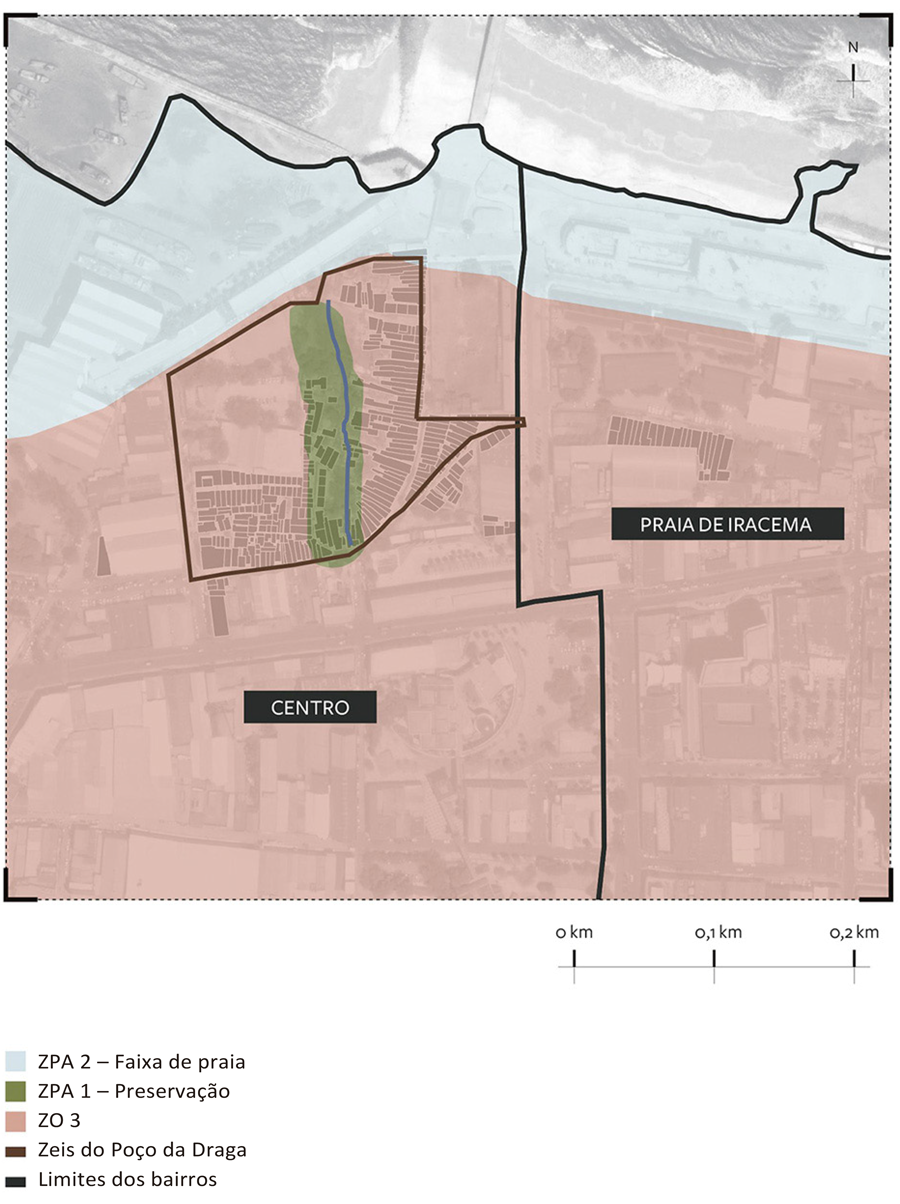 Source: PDP-FOR (Law n. 62/2009), adapted in 2019 by the authors.
 Source: Iplanfor.
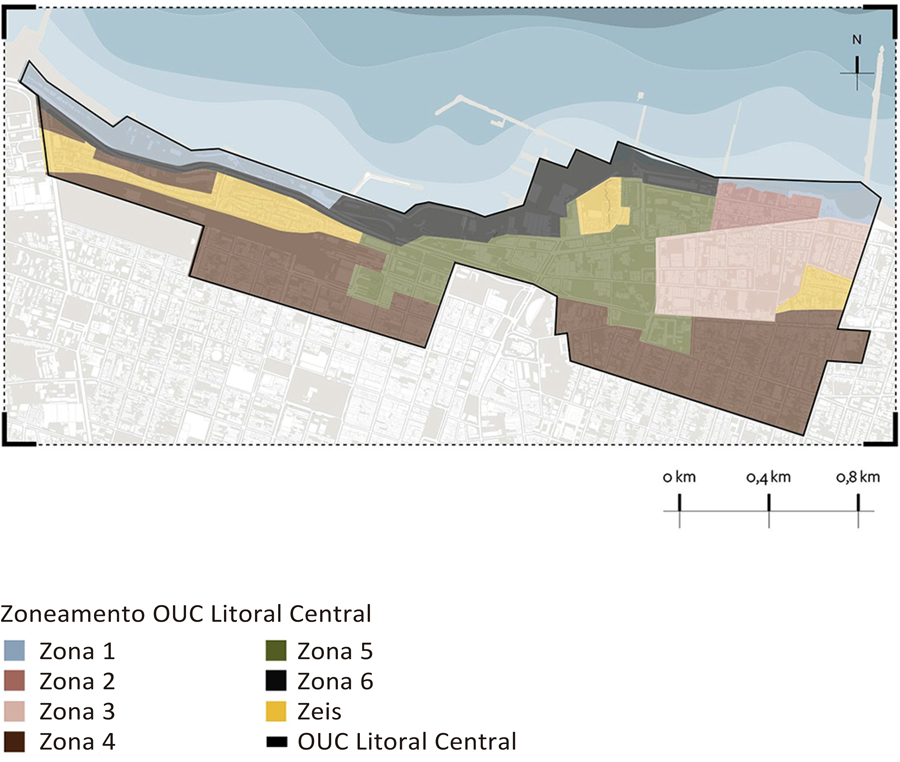 Source: prepared in 2019 by the authors, based on data from Quanta Consultoria reports.
 Source: prepared in 2019 by the authors, based on data from PDP-FOR