Corruption and commissioned positions: A quantitative exercise for Brazilian states
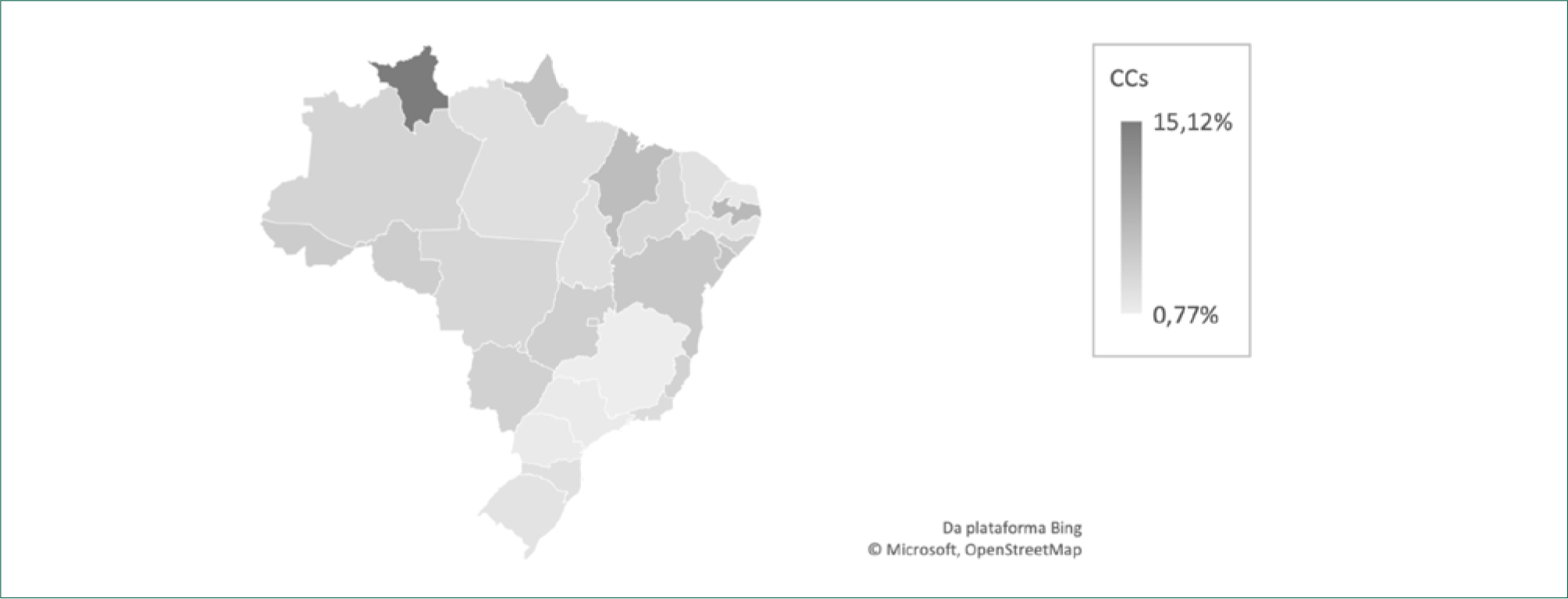
This paper investigates the effect of appointed positions on corruption levels across Brazilian states. The research is motivated by a persistent controversy in Brazilian public administration regarding the relationship between state-level corruption and the proportion of appointed officials relative to the total number of tenured public employees. Using data envelopment analysis (DEA), the research analyzes data from public budgets, development indices, and the CIPM index (irregular accounts per million inhabitants) to explore the quantitative relationship between political appointments and corruption. The results demonstrate that states with a greater proportion of appointed officials tend to have higher levels of corruption, suggesting that the widespread practice of political appointments can create opportunities for the misuse of public office for private gain.
Keywords:
corruption; economics of corruption; economic analysis of law; political appointments; public administration; data envelopment analysis.
 Thumbnail
 Thumbnail
 Thumbnail
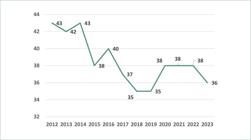
 Nota: Índice de Percepção de Corrupção (IPC),