 Waste in the tropical furniture industry: a case study and comprehensive analysis of certified wood and legal wood
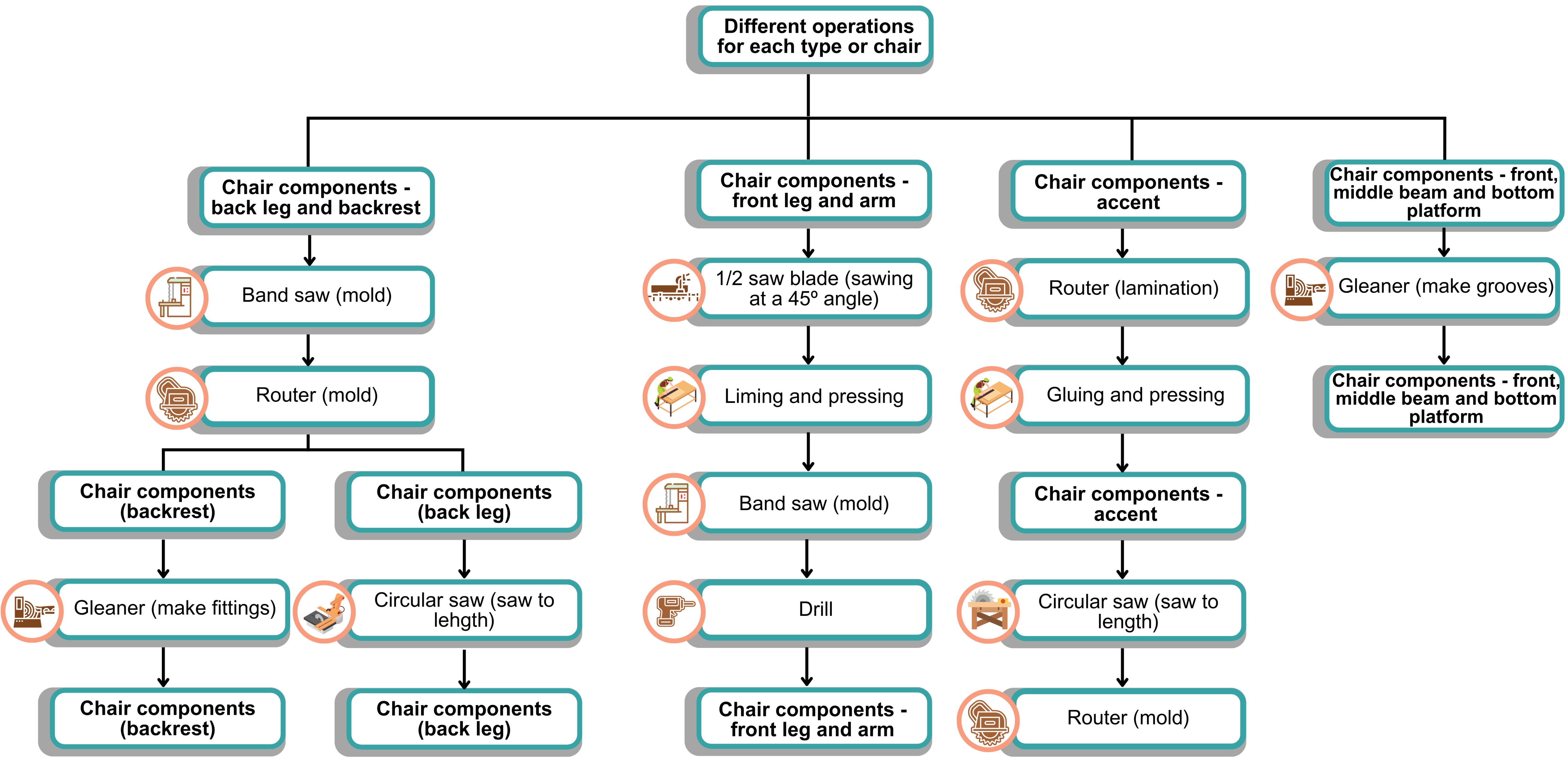
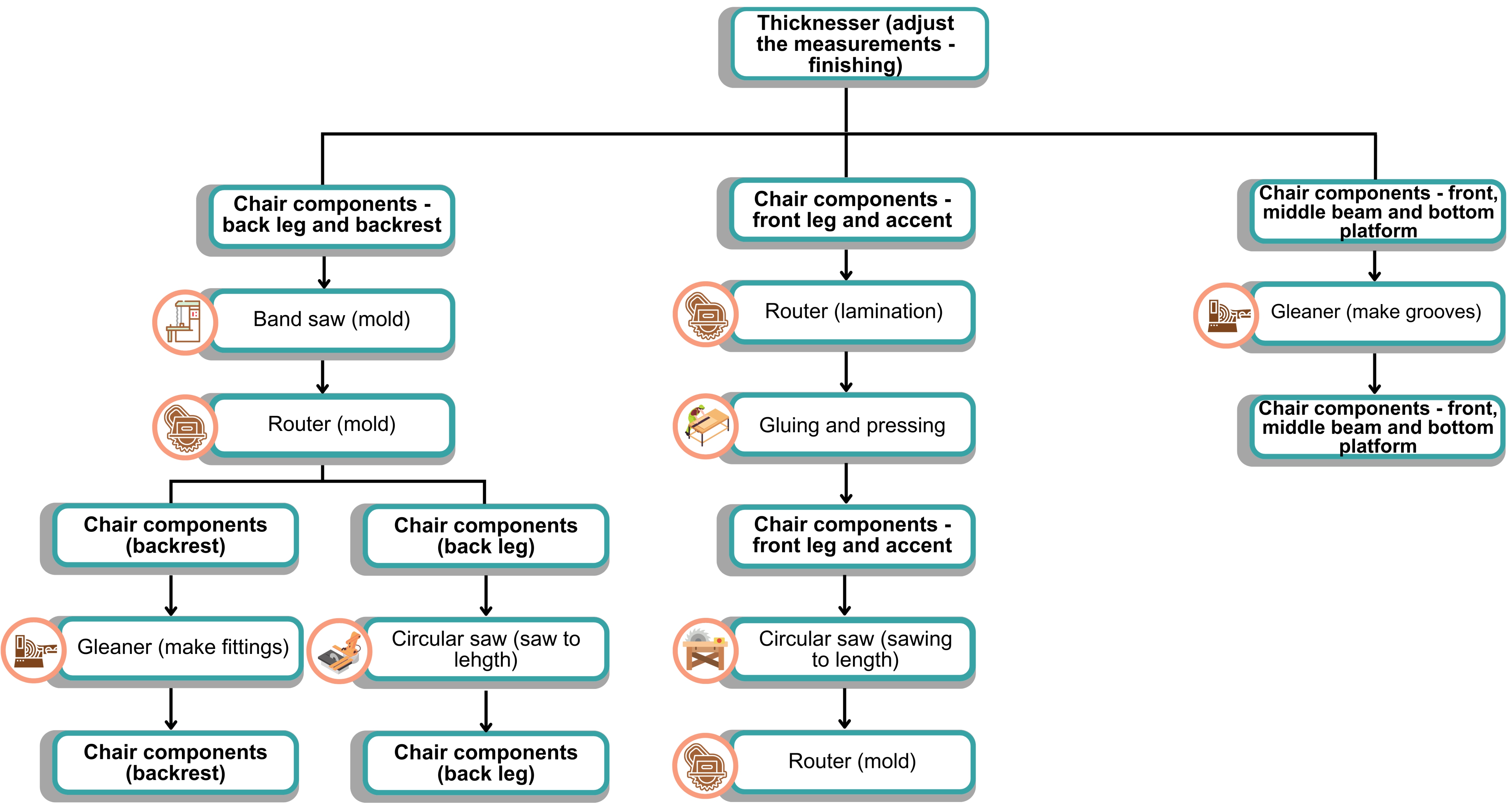
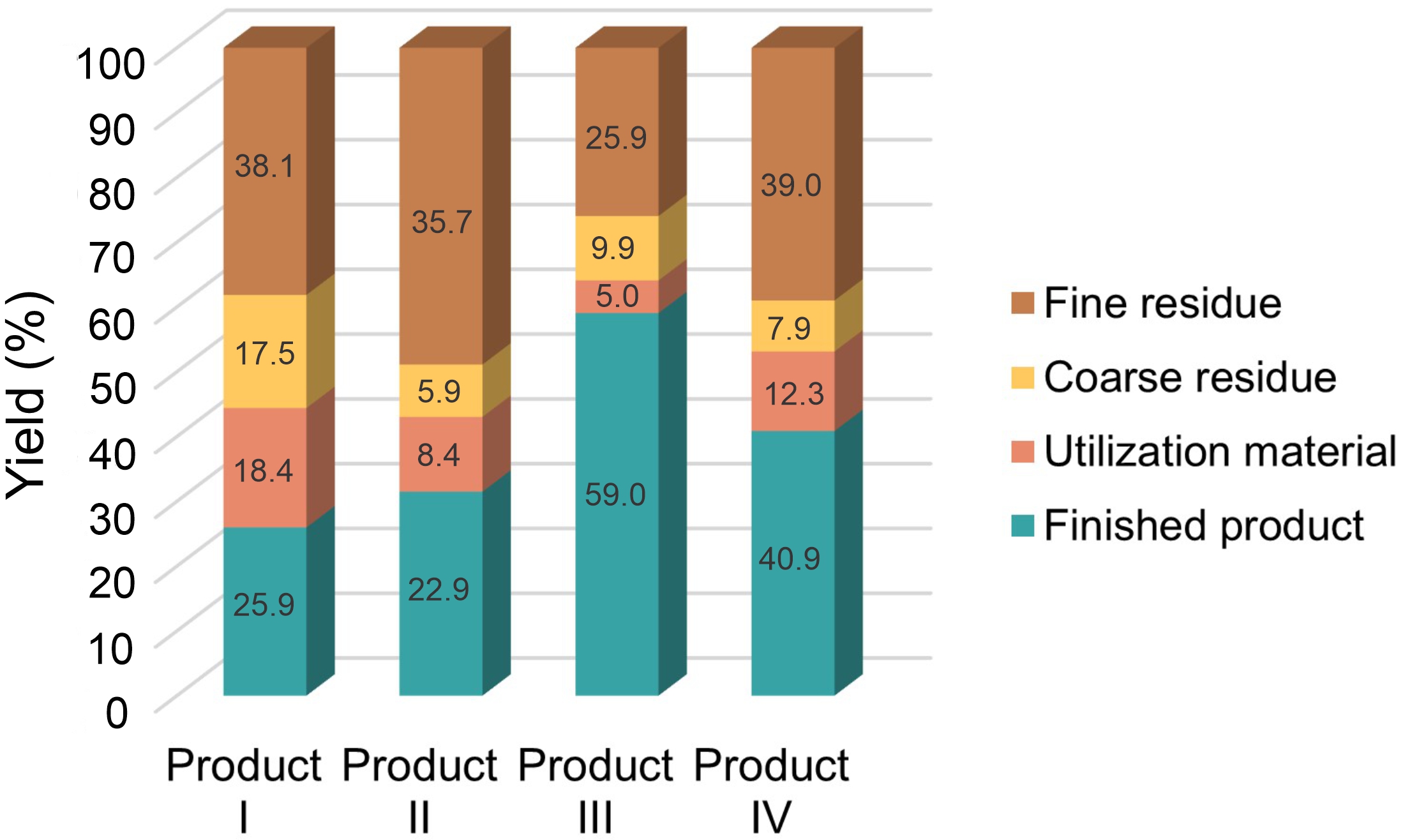
Background: This study analyzed waste generation in the production of certified and legal wooden furniture from tropical forests, aiming to provide insights for environmental and economic management decisions within the company. The study was conducted in a furniture industry that utilizes certified exotic species as well as certified and legal native wood as raw materials. The production yield of two chair models, with and without armrests, was evaluated. To achieve this, the industry was characterized, production flowcharts were created, waste diagnosis (identification, classification, quantification, and causes of generation) was conducted, and linear programming techniques were applied to evaluate two scenarios: profit maximization and waste generation minimization.
Results: Differences in results were observed based on the type of wood, chair model, and the interaction between wood type and chair model. The lowest waste generation was observed in the processing of legal wood, particularly in the armchair model. Linear programming for Scenario 1 yielded a monthly profit of R$ 22,209.16 (US$ 8,444.55), with a total production of 112 chairs of all models. In Scenario 2, a monthly waste generation of 1.52 m³ was observed, considering a production of 67 units of the studied products.
Conclusion: It was found that producing only certified wooden furniture is not feasible for the company.
Keywords:
tropical forests; Industrial waste reduction; linear programming; wood mechanical processing
Legal wood showed higher material yield and less waste generation than certified wood. Mechanical processing between certified and legal wood impacts waste minimization. Processing optimization and efficient strategies reduce waste generation.
 Thumbnail
 Thumbnail
 Thumbnail
 Thumbnail
 Thumbnail
 Thumbnail