
 The issue runs deeper: a matter of decision and socioenvironmental responsibility
Abstract
This teaching case illustrates Ms. Ferreira, president of R&C Environmental Consulting, presenting the socio-environmental disaster that occurred in Maceió in 2018, which is attributed to Braskem. The case aims to enhance students’ understanding of socio-environmental management and corporate social responsibility within strategic decision-making. Under Ms. Ferreira’s leadership, R&C Environmental is tasked with assisting Braskem in mitigating the environmental damage incurred and restoring its corporate image, which is tarnished by the attribution of the socio-environmental disaster. The case was developed using secondary data obtained from newspapers and websites, including Braskem’s official website. This program is suitable for undergraduate and graduate courses focusing on strategic management, reparation, and corporate social responsibility. This case highlights the importance of understanding companies’ socio-environmental impacts and their role in promoting sustainability. The case structure comprises a case description, application guidelines, bibliographic references, and annexes with supporting materials for the case application.
Keywords:
Sustainability; Socio-environmental responsibility; Environmental reparation; Socio-environmental justice
Resumo
Este caso de ensino, por meio da atuação da Sra. Ferreira, presidente da consultoria da R&C Ambiental, apresenta o desastre socioambiental imputado à Braskem, que ocorreu em Maceió em 2018. O objetivo do caso é aprimorar a compreensão dos estudantes sobre a gestão socioambiental e a responsabilidade social corporativa dentro do contexto de tomada de decisão estratégica. Sob a liderança da Sra. Ferreira, a R&C Ambiental é incumbida de auxiliar a Braskem na mitigação dos danos ambientais ocorridos e na restauração de sua imagem corporativa, que sofreu danos com a imputação do desastre socioambiental. O caso foi elaborado com base em dados secundários obtidos em jornais e websites, incluindo o website oficial da Braskem. É indicado para cursos de graduação e pós-graduação que focam em gestão estratégica, reparação e responsabilidade social corporativa. O caso destaca a importância de compreender os impactos socioambientais das empresas e o papel destas na promoção da sustentabilidade. Está estruturado em: descrição do caso, diretrizes de aplicação, referências bibliográficas e anexos com material de apoio para aplicação do caso.
Palavras-chave:
Sustentabilidade; Responsabilidade socioambiental; Reparação ambiental; Justiça socioambiental
Resumen
Este caso de enseñanza presenta, mediante la Sra. Ferreira, presidenta de la consultoría R&C Ambiental, el desastre socioambiental ocurrido en Maceió en 2018, imputado a Braskem. El objetivo del caso es mejorar la comprensión de los estudiantes sobre la gestión socioambiental y la responsabilidad social corporativa dentro del contexto de la toma de decisiones estratégicas. Bajo el liderazgo de la Sra. Ferreira, R&C Ambiental tiene la tarea de asistir a Braskem en la mitigación de los daños ambientales sufridos y en la restauración de su imagen corporativa, empañada por la imputación del desastre socioambiental. El caso se elaboró utilizando datos secundarios obtenidos de periódicos y sitios web, incluyendo el sitio oficial de Braskem. Es adecuado para cursos de pregrado y posgrado que se centran en gestión estratégica, reparación y responsabilidad social corporativa. El caso resalta la importancia de comprender los impactos socioambientales de las empresas y su papel en la promoción de la sostenibilidad. La estructura del caso consta de una descripción del caso, pautas de aplicación, referencias bibliográficas y anexos con material de apoyo para la aplicación del caso.
Palabras clave:
Sostenibilidad; Responsabilidad socioambiental; Reparación ambiental; Justicia socioambiental
INTRODUCTION
In 2022, during a strategic meeting, the partners of R&C Ambiental were deeply immersed in a discussion about the future of the company after 15 years in the market. Focusing on environmental planning and management, the company offers sustainable solutions for businesses seeking to minimize the environmental impact of their operations. However, a phone call interrupted the meeting. The participants in this meeting were Antônio Costa, an expert in sustainable investments; Ana Moraes, a doctor in environmental law; Augusto Conti, a specialist in circular economy; Clara Santini, an expert in eco-innovation; and Carla Ferreira, the company’s director at that time and an environmental engineer with specialized knowledge in environmental conservation and policies.
On the other end of the call was a representative from Braskem, a global leader in the production of thermoplastic resins and biopolymers recognized for its innovation in the production of green polyethylene. In March 2018, Braskem was involved in a major environmental disaster in Maceió. The extraction of rock salt used in the production process led to an earthquake that caused cracks in buildings, fissures in streets, ground subsidence, and craters, affecting about 78 ha of area and resulting in the relocation of 55,000 people from their homes. In response to this crisis and judicial processes, the company sought help to create a strategic plan that would combine the recovery of the affected environment with the restoration of its corporate image, which was severely damaged by the event. Braskem was willing to make a substantial investment of millions in this project.
After intense discussion, R&C partners decided to accept the challenge. However, they were all aware of the risks involved. Ms. Ferreira openly expressed her concerns, emphasizing that the “environmental remediation” project would be the first of this magnitude that R&C would undertake. Although the partners decided to accept the project, Ms. Ferreira opposed the decision, concerned about R&C’s well-established reputation that would be at stake. She stressed that the decisions to be made should be thoroughly examined, considering their social, economic, and environmental impacts. Troubled, she sought to reflect on all possibilities.
At that moment, Ms. Ferreira fixed her eyes on a book on the meeting table (Wapichana, 2009). It was a collection of indigenous legends that she brought back from her trip to Boa Vista (Roraima) to learn more about the Amazon culture. One story in particular, “The Jaguar and the Fire,” was burning in her mind (YouTube, 2021). The jaguar by not analyzing the consequences of its actions, was permanently marked by fire. To Ms. Ferreira, the story was a warning about the danger of underestimating the forces of nature and, more broadly, a reminder of the importance of carefully considering the consequences of our decisions. She reflected, considering that just like the jaguar, R&C could be marked by a hasty choice that did not take into account all the impacts and repercussions of their actions. The subliminal warning in the indigenous legend reinforced the importance of conducting a thorough analysis before deciding on the approach to be presented to Braskem.
The R&C Ambiental team was considering two possible presentation approaches to Braskem but was unsure which would be the best solution for the company, considering the social, economic, and environmental impacts. The first approach, focused on short-term remediation, would meet Braskem’s immediate interests and bring quick returns, which would be advantageous for R&C, especially given the significant investment offered. However, it could compromise R&C Ambiental’s image and raise questions about the integrity of its practices since its approach can be seen as merely reactive and does not consider long-term sustainability. Moreover, implementing a project with a short-term focus could affect R&C’s reputation in the environmental sector and reduce its credibility with future clients. The second approach, which would incorporate sustainability into the company’s long-term business model, aligned more with R&C Ambiental’s values but would mean a slower return. R&C’s dilemma was to choose which approach to present to Braskem, weighing the risks and benefits of each option. “Which approach should we choose?” Ms. Ferreira questioned, fueling the debate among partners. “How can we balance the need for immediate results with the importance of a long-term sustainability strategy?” she added.
Determined to make the right choice, she instructed the team to conduct an in-depth analysis of the company’s history, the extent of damage caused, and possible alternatives to mitigate the socio-environmental impacts.
R&C AMBIENTAL
The mission of R&C was to provide sustainable and innovative solutions through specialized environmental planning consulting for corporations committed to responsible and eco-friendly operations. The company recognized that the balance between economic development and environmental preservation is fundamental for a sustainable future.
The objective of R&C was to guide and assist companies in their pursuit of sustainability by offering personalized consulting and solutions tailored to the specific needs of each client. The company’s integrated approach allowed it to analyze the environmental impacts of its corporate operations and identify opportunities to improve energy efficiency, reduce waste, conserve natural resources, and mitigate environmental impacts.
In its 15 years in the market, R&C Ambiental established significant partnerships with companies that are committed to sustainability. Among these partnerships, the one with Papel Semente stood out, allowing R&C Ambiental to support the advancement of plantable paper production. This paper, produced through a semi-artisanal process, not only recycled paper scraps but was also 100% biodegradable and integrated seeds into its composition, turning its disposal into plant germination rather than waste. Another notable example was Pantys, a pioneering Brazilian brand of biodegradable, absorbent panties. This product decomposes in up to three years using Amni Soul Eco fiber, in contrast to the five hundred years required for traditional absorbents and sixty years required for those made of cotton. R&C Ambiental also participated in the environmental restoration plan for the municipalities surrounding the Itaipu hydroelectric plant lake in Paraná. This involvement reinforced its commitment to responsible and sustainable environmental practices.
The R&C team collaborated closely with the clients, providing technical expertise, comprehensive analyses, and practical recommendations. The company’s integrated approach allowed for a deep analysis of the environmental impacts of corporate operations, identifying opportunities not only to repair damage but also to improve energy efficiency, reduce waste, conserve natural resources, and mitigate future environmental impacts.
With ethics, transparency, and innovation, R&C aims to be a leader in the environmental consulting sector, helping companies adopt responsible environmental practices to achieve positive results for both the environment and the company.
THE CONTRACTING COMPANY PROFILE
After the phone call, the meeting about the new directions of R&C after fifteen years in the market changed completely. The central theme became the contracting company and the socio-environmental disaster in Maceió that was attributed to it. Ms. Santini began presenting the profile and history of Braskem, the details of which can be found in the Annexes. Founded in 2002, Braskem is the largest producer of thermoplastic resins in the Americas and the largest producer of polypropylene in the United States, offering sustainable solutions for various sectors (Braskem, 2021), with industrial units in several countries. The portfolio includes polyethylene (PE), polypropylene (PP), polyvinyl chloride (PVC), and basic chemical inputs. Note that Braskem produces green polyethylene, a product derived from sugarcane, which is a renewable source.
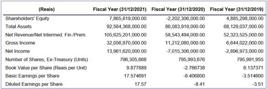
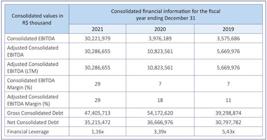
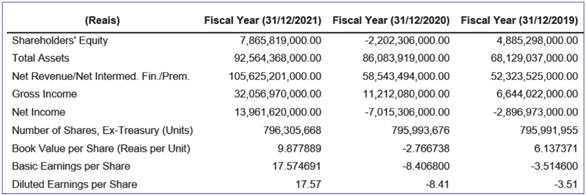
In 2018, Braskem was named a Leading Company by the United Nations Global Compact in recognition of its commitment to sustainable development (Braskem, 2018). In 2021, it made a public commitment to the 2030 Agenda of the Global Compact - the sustainable development goals assumed by Braskem are presented in Figure 2 (Annexes). In the same year, the rating agencies S&P Global Ratings and Fitch Ratings raised the company’s global rating to BBB- with a stable outlook, classifying it as an investment-grade company. Braskem’s financial performance can be observed in Figures 3, 4, and 5 (Annexes). In 2022, Braskem continued to be listed in FTSE4Good, an important international sustainability index, after being independently assessed according to the index’s criteria (Braskem, 2021).
UNDERSTANDING SOCIO-ENVIRONMENTAL DISASTER
After Ms. Santini’s presentation on Braskem’s profile and history, the meeting continued with studies on the socio-environmental disaster that occurred in Maceió and its impacts on the local environment and society. Mr. Conti presented a report on Braskem’s operations in Maceió since 1979. “At the peak of its operation, the company had 35 wells for extracting rock salt used in the production of PVC and caustic soda,” as evidenced in Figure 6 (Annexes). In March 2018, an earthquake was felt by residents of the Pinheiro, Mutange, Bebedouro, Bom Parto, and Farol neighborhoods (Federal Public Ministry [MPF], n. d.). Located near the seafront, they were known by residents and visitors for their commercial infrastructure, services, and green areas. The beaches near the neighborhood were known for their crystal-clear waters, white sands, and coconut groves - a paradisiacal setting and an attraction for tourists and locals (Neighborhoods of Maceió, n.d.). In the traditional Pinheiro neighborhood in the capital of Alagoas, in addition to the tremors, cracks appeared in buildings, fissures in the streets, ground subsidence, and craters that opened for no obvious reason. Residents of the neighborhood reported that after a heavy rainstorm in February of that same year, structural damage in the neighborhood - which was already frequent - began to worsen, culminating in the earthquake felt weeks later (TNH1, 2022; Environmental Letters, 2019), with more information in the Annexes.
Ms. Moraes complemented by informing that at that time, the MPF, in its opinion, suggested the “hypothesis of soil settlement,” which could have affected the old sewage drainage system and caused surface damage. In 2018, similar damage was identified in buildings and streets in the Mutange neighborhood, located below Pinheiro and by the Mundaú lagoon, and in the Bebedouro neighborhood, neighboring the other two. In June 2019, residents of the Bom Parto neighborhood (adjacent to Mutange, also by the lagoon) reported severe damage to their buildings (MPF, n. d.).
Ms. Ferreira highlighted that according to newspapers of the time, the seismic shock caused the collapse of sections of asphalt and cracks in the floors and walls of buildings, a fact documented by reports and photos (Figure 7 - Annexes). This phenomenon affected approximately 145,000 houses, apartments, and commercial establishments in the Pinheiro, Mutange, Bebedouro, Bom Parto, and Farol neighborhoods (Pitombo, 2023). It was considered “[...] the largest ongoing urban disaster” worldwide, responsible for the removal of 55,000 residents from their homes (Angelo, 2021). According to a report prepared by agencies linked to the Ministry of Regional Development, the affected area was 78 ha (780,000 m²). The area included four hospitals, three health units, and 12 municipal and state schools (Lang, 2019). In addition to residents of the five affected neighborhoods, people living in surrounding neighborhoods were also affected, facing difficulties in accessing public services, and an exodus of merchants. These neighborhoods experienced a process of abandonment. Many residents left their properties but could not sell them due to devaluation (Pitombo, 2023). Ms. Ferreira raised specific questions about social impacts: “How will we communicate with the residents? How about Mrs. Eliliet, who told a local newspaper that she never thought of leaving the neighborhood and believed she would spend her entire life in that area” (Instagram, 2021). And she continued: “Which school will the children from that region attend?” - Ms. Ferreira took the opportunity to express how deeply she had been touched by all this.
Then Mr. Conti replied “This will require a lot of attention and care.” He emphasized that the Bebedouro neighborhood, one of the most affected, is an integral part of Maceió’s foundation history, revealing the importance of R&C’s careful attention to cultural impact. In this neighborhood are buildings listed by the municipal and state heritage, such as the Asilo das Órfãs Desvalidas de Nossa Senhora do Bom Conselho, built in 1877 for the orphans of the Paraguayan War, which operated as a well-regarded public school until the neighborhood was condemned. Another example is the Church of Santo Antônio de Pádua, inaugurated in 1873 with tiles from Portugal. The priest, still resisting closing the doors, celebrates masses in a practically deserted neighborhood (Veleda & Estrela, 2021).
Near this region, in Farol, operated the only public psychiatric hospital in Alagoas, Portugal Ramalho, which needed to be relocated along with its 160 inpatients and 395 staff, as the over 60-year-old building might not withstand further ground tremors. In the neighborhood next to Mutange, the CSA, one of the state’s most traditional football clubs, had to abandon its headquarters, which it had occupied for 97 years, after agreeing with Braskem to build a new training center in another region. In addition to human and architectural losses, Maceió witnessed the weakening of its cultural traditions due to neighborhood subsidence. Popular festivities like the coco de roda, were dealt a blow, as the groups had to disperse after the members moved far away (Veleda & Estrela, 2021).
Ms. Santini emphasized that the MPF assessed that “[...] the environmental and social damages are indescribable and that the mine collapses have not yet stabilized,” meaning that the damages persist (Pitombo, 2023).
After the team’s considerations, Ms. Ferreira looks again at the book of the tale “The Jaguar and the Fire” and questions herself: after the socio-environmental disasters in Mariana and Brumadinho that caused irreversible environmental impacts and emotional scars that will never heal (just like in the tale), how can some companies still deny their responsibilities regarding environmental causes? Ms. Ferreira then ponders with her team about the critical role Braskem and other companies must play. She again asks her team: “How can we help promote a transformation in understanding corporate socio-environmental responsibilities, not just through remediation but also by preventing future disasters?”
THE ROCK SALT MINING AS THE DISASTER’S CAUSE
After analyzing the consequences of the rock salt mine collapses on Maceió’s neighborhoods, the team decided to study the extraction process of this mineral, considering that the MP had pointed to rock salt mining as the cause of the socio-environmental disaster. To analyze how to begin the environmental remediation process, the team sought technical information on the website of the Brazilian Geological Service (SGB), formerly the Mineral Resources Research Company [CPRM] (SGB, 2019). At the time, the CPRM was designated by the MPF to study the subsidence in Maceió’s neighborhoods, delivering reports and responding to questions about the origin of the subsidence and the rock salt extraction process (SGB, 2019), a mineral extracted from rocks formed underground about a thousand meters below the surface. It can normally be used in the kitchen, like Himalayan pink salt—sold in supermarkets—which is rock salt. However, its use is important in various industrial processes. For Braskem, the mining result serves to produce PVC and caustic soda.
Rock salt extraction occurs via solution mining. Vertical and directional wells are drilled to reach the rock salt layers located between 900 and 1200 meters below the Earth’s surface (Geoportal UFJF, n.d.). This method was adopted by Braskem. Initially, wells are drilled both vertically and inclined over the rock salt layer. In one well, water is injected, which dissolves the salt and allows its removal as brine (a solution with a high concentration of salts) through a second well. A third well is drilled to control and measure the depth of the other wells as explained in Figure 8 (Annexes). To ensure no connections between the extraction wells, the mining design stipulated that the pillars between the wells should be at least 75 m thick. According to the National Geological Service’s Hydrology and Territorial Management advisor, Thales Queiroz Sampaio, one of Braskem’s affected mines is number 7, which allegedly collapsed due to cavity destabilization caused by intensive rock salt extraction. Rock salt extraction from the site was halted in June 1987. Since then, this cavity has expanded by 200m (Madeiro, 2019), as illustrated in Figure 9 (Annexes).
FACING THE DILEMMA
In the midst of heated debate about the opportunities identified by Mr. Costa and the risks highlighted by Ms. Moraes, the million-dollar offer made by Braskem was mentioned by Mr. Conti, who pondered the significant impact that this amount would have on R&C Ambiental. Mr. Santini, excited, agreed, and began listing the various ways in which this money could be used to expand and improve R&C’s operations, including investing in new technologies, expanding the team, and increasing the company’s market presence. The offer was undoubtedly an attractive opportunity, and the team was aware that this amount could be used to strengthen R&C’s market position and enable the execution of future high-impact projects.
Ms. Moraes stood up and, with a firm tone of voice, began to present the risks that R&C Ambiental might face when implementing a proposal she considered risky: “We should carefully consider the consequences of our actions. If the proposal we implement does not take into account the complexity of a socio-environmental disaster, we risk not fully repairing the damage caused and, even worse, worsening the situation. Furthermore, our image and reputation will be at stake. The world is watching how Braskem and us, as consultants, will manage this crisis. If our actions are perceived as insufficient or solely focused on the company’s short-term interests, public trust in R&C may be seriously affected. This could result in the loss of clients, difficulty in attracting new business, and a significant decline in future revenue. We should act responsibly, remembering that the decisions we make now will impact our company for many years.”
The team fell silent, reflecting on Ms. Moraes’ words.
Ms. Ferreira, with a serious, concerned look, broke the silence and demanded everyone’s attention. She emphasized that they were facing a monumental dilemma: finding the ideal strategy to repair the socio-environmental damage caused while assisting in the reconstruction of Braskem’s reputation.
Visibly troubled, Ms. Ferreira looked at a book telling the legend “The Jaguar and the Fire” on the meeting table. The story seemed to echo in her mind as a grim warning and a reminder of the importance of not underestimating nature and time.
With her emotions running high, Ms. Ferreira felt a tight knot in her stomach and a weight on her shoulders. She knew that the choices they had made would have a lasting impact and needed to be made thoughtfully. The responsibility of presenting the proposal to Braskem would fall on her even if the team’s decision was contrary to her will. She stood up and spoke with conviction:
“We are faced with a choice laden with responsibility. We can opt for a strategic plan focused on immediate actions to repair the environmental damage, risking being seen as reactive, or adopt a long-term plan that integrates sustainability into the company’s business model, even if the immediate results are less visible to society. We are aware of the risks and opportunities; now, we must choose the right one.”
ACKNOWLEDGMENTS
This study was financially supported by Coordenação de Aperfeiçoamento de Pessoal de Nível Superior - Brazil (CAPES) - Financial Code 001 and the Conselho Nacional de Desenvolvimento Científico e Tecnológico (CNPq - Brazil - Process No. 147152/2021-6). We would also like to thank the support of Empresa Brasileira de Pesquisa Agropecuária (Embrapa), Embrapa Agrossilvipastoril.
ANNEXES - SUPPORTING MATERIAL FOR CASE APPLICATION




Abandoned buildings in the Pinheiros neighborhood, Maceió, where schools, hospitals, and businesses were operating


References
-
Alda, M. (2021). The environmental, social, and governance (ESG) dimension of firms in which social responsible investment (SRI) and conventional pension funds invest: The mainstream SRI and the ESG inclusion. Journal of Cleaner Production, 298, 126812. https://doi.org/10.1016/j.jclepro.2021.126812
» https://doi.org/10.1016/j.jclepro.2021.126812 -
Angelo, M. (2021). Crime socioambiental transformado em lucro imobiliário: o caso da Braskem em Maceió. Observatório da Mineração https://observatoriodamineracao.com.br/crime-socioambiental-transformado-em-lucro-imobiliario-o-caso-da-braskem-em-maceio/
» https://observatoriodamineracao.com.br/crime-socioambiental-transformado-em-lucro-imobiliario-o-caso-da-braskem-em-maceio/ -
Badía, G., Cortez, M. C., & Ferruz, L. (2020). Socially responsible investing worldwide: Do markets value corporate social responsibility?Corporate Social Responsibility and Environmental Management, 27(6), 2751-2764. https://doi.org/10.1002/csr.1999
» https://doi.org/10.1002/csr.1999 -
Braskem. (2019). Extração em infográficos https://www.braskem.com.br/noticia-alagoas/extracao-em-infograficos
» https://www.braskem.com.br/noticia-alagoas/extracao-em-infograficos -
Braskem. (2021). Relatório Integrado https://www.braskem.com.br/portal/Principal/arquivos/Braskem-Relatorio-Integrado-2021-PORT-31-10.pdf
» https://www.braskem.com.br/portal/Principal/arquivos/Braskem-Relatorio-Integrado-2021-PORT-31-10.pdf -
Buhmann, K. (2016). Public Regulators and CSR: The ‘Social Licence to Operate’ in Recent United Nations Instruments on Business and Human Rights and the Juridification of CSR. Journal of Business Ethics, 136(4), 699-714. https://doi.org/10.1007/s10551-015-2869-9
» https://doi.org/10.1007/s10551-015-2869-9 -
Caputo, F., Pizzi, S., Ligorio, L., & Leopizzi, R. (2021). Enhancing environmental information transparency through corporate social responsibility reporting regulation. Business Strategy and the Environment, 30(8), 3470-3484. https://doi.org/10.1002/bse.2814
» https://doi.org/10.1002/bse.2814 -
Carroll, A. B. (1990). Principles of Business Ethics: Their Role in Decision Making and an Initial Consensus. Management Decision, 28(8), 20-24. https://doi.org/10.1108/00251749010006032
» https://doi.org/10.1108/00251749010006032 -
Carroll, A. B. (2004). Managing ethically with global stakeholders: A present and future challenge. Academy of Management Executive, 18(2), 114-120. https://doi.org/10.5465/AME.2004.13836269
» https://doi.org/10.5465/AME.2004.13836269 -
Carroll, A. B. (2016). Corporate Social Responsibility: Evolution of a Definitional Construct. Business & Society, 38(3), 2680295. https://doi.org/10.1177/000765039903800303
» https://doi.org/10.1177/000765039903800303 -
Chandan, H. C. (2015). Creating alignment between corporate sustainability and Global Compact initiatives. Advances in Sustainability and Environmental Justice, 16 (pp. 37-59). Leeds: Emerald Group Publishing Limited. https://doi.org/10.1108/S2051-503020140000016003
» https://doi.org/10.1108/S2051-503020140000016003 -
Chen, S., Hermes, N., & Hooghiemstra, R. (2022). Corporate Social Responsibility and NGO Directors on Boards. Journal of Business Ethics, 175(3), 625-649. https://doi.org/10.1007/s10551-020-04649-4
» https://doi.org/10.1007/s10551-020-04649-4 -
Chenet, H., Ryan-Collins, J., & van Lerven, F. (2021). Finance, climate-change and radical uncertainty: Towards a precautionary approach to financial policy. Ecological Economics, 183, 106957. https://doi.org/10.1016/j.ecolecon.2021.106957
» https://doi.org/10.1016/j.ecolecon.2021.106957 -
Coen, D., Herman, K., & Pegram, T. (2022). Are corporate climate efforts genuine? An empirical analysis of the climate “talk-walk” hypothesis. Business Strategy and the Environment, 31(7), 1-20. https://doi.org/10.1002/bse.3063
» https://doi.org/10.1002/bse.3063 -
Correa-Mejía, D. A. (2022). Impact of corporate governance and institutional context on multilatinas’ reporting quality. Corporate Governance (Bingley), 22(6), 1259-1274. https://doi.org/10.1108/CG-09-2021-0343
» https://doi.org/10.1108/CG-09-2021-0343 -
Diez-Cañamero, B., Bishara, T., Otegi-Olaso, J. R., Minguez, R., & Fernández, J. M. (2020). Measurement of corporate social responsibility: A review of corporate sustainability indexes, rankings and ratings. Sustainability(Switzerland), 12(5), 2153. https://doi.org/10.3390/su12052153
» https://doi.org/10.3390/su12052153 -
Dubbink, W., Graafland, J., & Van Liedekerke, L. (2008). CSR, Transparency and the role of intermediate organisations. Journal of Business Ethics, 82(2), 391-406. https://doi.org/10.1007/s10551-008-9893-y
» https://doi.org/10.1007/s10551-008-9893-y - Eccles, R. G., Ioannou, I., & Serafeim, G. (2014). The Impact of Corporate Sustainability on Organizational Processes and Performance. Management Science, 60(11), 2835-2857.
-
Eccles, R. G., & Krzus, M. P. (2018). Implementing the Task Force on Climate-related Financial Disclosures Recommendations: An Assessment of Corporate Readiness. Schmalenbach Business Review, 71, 287-293. https://doi.org/10.1007/s41464-018-0060-4
» https://doi.org/10.1007/s41464-018-0060-4 -
Formulário de Referência. (2022). Braskem S.A. https://api.mziq.com/mzfilemanager/v2/d/540b55c5-af99-45f7-a772- 92665eb948e 9/31f22175-3af9-374c-e14c-9f44926e5983? origin=1
» https://api.mziq.com/mzfilemanager/v2/d/540b55c5-af99-45f7-a772- 92665eb948e 9/31f22175-3af9-374c-e14c-9f44926e5983? origin=1 -
Freeman, R. E., & Dmytriyev, S. (2020). Corporate Social Responsibility and Stakeholder Theory: Learning From Each Other. Symphonya Emerging Issues in Management, 1, 7-15. https://doi.org/10.4468/2017.1.02freeman.dmytriyev
» https://doi.org/10.4468/2017.1.02freeman.dmytriyev -
Hahn, T., Figge, F., Pinkse, J., & Preuss, L. (2018). A Paradox Perspective on Corporate Sustainability: Descriptive, Instrumental, and Normative Aspects. Journal of Business Ethics, 148(2), 235-248. https://doi.org/10.1007/s10551-017-3587-2
» https://doi.org/10.1007/s10551-017-3587-2 -
Letras Ambientais. (2019). Que fenômeno ameaça engolir o bairro do Pinheiro, em Maceió?https://www.letrasambientais.org.br/posts/que-fenomeno-ameaca-engolir-o-bairro-do-pinheiro,-em-maceio-#
» https://www.letrasambientais.org.br/posts/que-fenomeno-ameaca-engolir-o-bairro-do-pinheiro,-em-maceio-# -
Leung, T.C.-H., & Snell, R. S. (2021). Strategies for Social and Environmental Disclosure: The Case of Multinational Gambling Companies. Journal of Business Ethics, 168(3), 447-467. https://doi.org/10.1007/s10551-019-04190-z
» https://doi.org/10.1007/s10551-019-04190-z -
Lin, B., & Chen, X. (2020). Environmental regulation and energy-environmental performance-Empirical evidence from China’s non-ferrous metals industry. Journal of Environmental Management, 269, 110722. https://doi.org/10.1016/J.JENVMAN.2020.110722
» https://doi.org/10.1016/J.JENVMAN.2020.110722 -
Nadeem, M. (2021). Corporate Governance and Supplemental Environmental Projects: A Restorative Justice Approach. Journal of Business Ethics, 173(2), 261-280. https://doi.org/10.1007/s10551-020-04561-x
» https://doi.org/10.1007/s10551-020-04561-x -
Reber, B., Gold, A., & Gold, S. (2022). ESG Disclosure and Idiosyncratic Risk in Initial Public Offerings. Journal of Business Ethics, 179(3), 867-886. https://doi.org/10.1007/s10551-021-04847-8
» https://doi.org/10.1007/s10551-021-04847-8 -
Sánchez-Torné, I., Morán-Álvarez, J. C., & Pérez-López, J. A. (2020). The importance of corporate social responsibility in achieving high corporate reputation. Corporate Social Responsibility and Environmental Management, 27(6), 2692-2700. https://doi.org/10.1002/csr.1993
» https://doi.org/10.1002/csr.1993 -
Serviço Geológico do Brasil. (2019). Estudos sobre a instabilidade do terreno nos bairros Pinheiro, Mutange e Bebedouro, Maceió (AL) Ação Emergencial no bairro Pinheiro (Volume I - Relatório Síntese dos Resultados nº 1). https://rigeo.cprm.gov.br/jspui/bitstream/doc/21133/1/relatoriosintese.pdf
» https://rigeo.cprm.gov.br/jspui/bitstream/doc/21133/1/relatoriosintese.pdf -
TNH1. (2022). Cratera se abre em jardim de residência no Pinheiro; veja vídeo https://www.tnh1.com.br/noticia/nid/cratera-se-abre-em-jardim-de-residencia-no-pinheiro-veja-video/
» https://www.tnh1.com.br/noticia/nid/cratera-se-abre-em-jardim-de-residencia-no-pinheiro-veja-video/ -
XP Investimento. (2021). Braskem https://conteudos.xpi.com.br/wp-content/uploads/2022/09/Braskem-OP-Nov21-2.pdf
» https://conteudos.xpi.com.br/wp-content/uploads/2022/09/Braskem-OP-Nov21-2.pdf - Wood, D. J. (1991). Corporate Social Performance Revisited. Academy of Management, 16(4), 691-718.
- Zhang, W., & Kojima, T. (2010). Discussion on role of energy related technology transfer in the high economic growth rate period based on chinese energy demand and supply data. Nihon Enerugi Gakkaishi/Journal of the Japan Institute of Energy, 89(6), 567-576.
References
- Wapichana, Cristino. (2009). A Onça e o Fogo. São Paulo: Amarilys.
-
YouTube. (2021). A onça e o fogo com Cristino Wapichana https://www.youtube.com/watch?v=Hkr7uK-GGn8
» https://www.youtube.com/watch?v=Hkr7uK-GGn8
References
-
Braskem. (2018). Pacto Global da ONU reconhece Braskem como Empresa Líder https://www.braskem.com.br/detalhe-noticia/pacto-global-da-onu-reconhece-braskem-como-empresa-lider
» https://www.braskem.com.br/detalhe-noticia/pacto-global-da-onu-reconhece-braskem-como-empresa-lider -
Braskem (2021). Relatório Integrado https://www.braskem.com.br/portal/Principal/arquivos/Braskem-Relatorio-Integrado-2021-PORT-31-10.pdf
» https://www.braskem.com.br/portal/Principal/arquivos/Braskem-Relatorio-Integrado-2021-PORT-31-10.pdf
References
-
Geoportal UFJF. (s.d.) Consequências da exploração de sal-gema em Maceió https://www.geoportalufjf.com/post-unico/consequ%C3%AAncias-da-explora%C3%A7%C3%A3o-de-sal-gema-em-macei%C3%B3
» https://www.geoportalufjf.com/post-unico/consequ%C3%AAncias-da-explora%C3%A7%C3%A3o-de-sal-gema-em-macei%C3%B3 -
Madeiro, C. (2019). Mineração da Braskem fez bairros de Maceió afundarem, aponta laudo. UOL - Cotidiano https://noticias.uol.com.br/cotidiano/ultimas-noticias/2019/05/08/mineracao-fez-bairros-afundarem-diz-laudo.htm
» https://noticias.uol.com.br/cotidiano/ultimas-noticias/2019/05/08/mineracao-fez-bairros-afundarem-diz-laudo.htm -
Serviço Geológico do Brasil. (2019). Estudos sobre a instabilidade do terreno nos bairros Pinheiro, Mutange e Bebedouro, Maceió (AL) https://rigeo.sgb.gov.br/jspui/bitstream/doc/21133/8/apresentacaoaudienciapublicamaceio.pdf
» https://rigeo.sgb.gov.br/jspui/bitstream/doc/21133/8/apresentacaoaudienciapublicamaceio.pdf
References
-
Angelo, M. (2021). Crime socioambiental transformado em lucro imobiliário: o caso da Braskem em Maceió https://observatoriodamineracao.com.br/crime-socioambiental-transformado-em-lucro-imobiliario-o-caso-da-braskem-em-maceio/
» https://observatoriodamineracao.com.br/crime-socioambiental-transformado-em-lucro-imobiliario-o-caso-da-braskem-em-maceio/ -
Bairros de Maceió. Bairros (s.d.). http://www.bairrosdemaceio.net/bairros/
» http://www.bairrosdemaceio.net/bairros/ -
Instagram. (2021). @agentefoifelizaqui. https://www.instagram.com/p/COTEWPdnR_q/?utm_source=ig_embed&utm_campaign= embed_video_watch_again
» https://www.instagram.com/p/COTEWPdnR_q/?utm_source=ig_embed&utm_campaign= embed_video_watch_again -
Lang, M. (2019). Ministério vê ‘desastre em andamento’ e manda evacuar 78 hectares em Maceió. Tremor de terra e mineração de sal-gema causaram afundamentos em três bairros da cidade em 2018. Folha de São Paulo - Cotidiano https://www1.folha.uol.com.br/cotidiano/2019/12/ministerio-ve-desastre-em-andamento-e-manda-evacuar-78-hectares-em-maceio.shtml
» https://www1.folha.uol.com.br/cotidiano/2019/12/ministerio-ve-desastre-em-andamento-e-manda-evacuar-78-hectares-em-maceio.shtml -
Letras Ambientais. (2019). Que fenômeno ameaça engolir o bairro do Pinheiro, em Maceió?https://www.letrasambientais.org.br/posts/que-fenomeno-ameaca-engolir-o-bairro-do-pinheiro,-em-maceio-#
» https://www.letrasambientais.org.br/posts/que-fenomeno-ameaca-engolir-o-bairro-do-pinheiro,-em-maceio-# -
Ministério Público Federal. (s.d.) Caso Pinheiro/Braskem https://www.mpf.mp.br/grandes-casos/caso-pinheiro/arquivos/entenda-o-caso
» https://www.mpf.mp.br/grandes-casos/caso-pinheiro/arquivos/entenda-o-caso -
Pitombo, J. P. (2023). Desastre ambiental em Maceió completa cinco anos e atinge 60 mil pessoas. Resultado de mineração da Braskem, afundamentos do solo atingem área equivalente a 20% da capital alagoana; OUTRO LADO: empresa diz que atua para mitigar efeitos. Folha de São Paulo - Cotidiano https://www1.folha.uol.com.br/cotidiano/2023/03/desastre-ambiental-em-maceio-completa-cinco-anos-e-atinge-60-mil-pessoas.shtml
» https://www1.folha.uol.com.br/cotidiano/2023/03/desastre-ambiental-em-maceio-completa-cinco-anos-e-atinge-60-mil-pessoas.shtml -
Serviço Geológico do Brasil. (2019). Estudos sobre a instabilidade do terreno nos bairros Pinheiro, Mutange e Bebedouro, Maceió (AL) Relatório Síntese dos Resultados Nº 01 https://rigeo.sgb.gov.br/jspui/bitstream/doc/21133/8/apresentacaoaudienciapublicamaceio.pdf
» https://rigeo.sgb.gov.br/jspui/bitstream/doc/21133/8/apresentacaoaudienciapublicamaceio.pdf -
TNH1. (2022). Cratera se abre em jardim de residência no Pinheiro; veja vídeo https://www.tnh1.com.br/noticia/nid/cratera-se-abre-em-jardim-de-residencia-no-pinheiro-veja-video/
» https://www.tnh1.com.br/noticia/nid/cratera-se-abre-em-jardim-de-residencia-no-pinheiro-veja-video/ -
Veleda, R., & Estrela, I. (2021). Maceió está afundando. Chão da capital de Alagoas está cedendo devido ao colapso de cavernas subterrâneas. O desastre provocou a remoção emergencial de cerca de 55 mil pessoas. Metrópoles https://www.metropoles.com/materias-especiais/afundamento-de-maceio-provoca-exodo-urbano-de-55-mil-pessoas
» https://www.metropoles.com/materias-especiais/afundamento-de-maceio-provoca-exodo-urbano-de-55-mil-pessoas
References
-
Pronzato, C. (2021). A Braskem passou por aqui: A catástrofe de Maceió. Documentário completo de Carlos Pronzato https://youtu.be/zBOJbOGcBwo
» https://youtu.be/zBOJbOGcBwo -
Relatório de Impacto Ambiental. (2023). Braskem https://www2.ima.al.gov.br/app/uploads/2023/03/RIMA-Demolicao-e-outras-atividades-Braskem.pdf
» https://www2.ima.al.gov.br/app/uploads/2023/03/RIMA-Demolicao-e-outras-atividades-Braskem.pdf
-
TEACHING NOTES
The teaching notes have restricted access and are only available to professors and instructors associated with an academic institution upon request at: https://periodicos.fgv.br/cadernosebape/article/view/93587/87505
-
DATA AVAILABILITY
The entire dataset supporting the results of this study was published in the article itself.
-
REVIEWERS
Bruno de Souza Lessa (Universidade de Fortaleza, Fortaleza / CE - Brazil). ORCID: https://orcid.org/0000-0002-1696-394X
-
REVIEWERS
Francisco Roberto Pinto (Universidade Estadual do Ceará, Fortaleza / CE - Brazil). ORCID: https://orcid.org/0000-0003-2559-1524
-
REVIEWERS
José Carlos Lázaro (Universidade Federal do Ceará / Programa de Pós-Graduação em Administração e Controladoria, Fortaleza / CE - Brazil). ORCID: https://orcid.org/0000-0002-8227-5491
-
REVIEWERS
Zoraide da Fonseca Costa (Universidade Estadual do Centro-Oeste, Guarapuava / PR - Brazil). ORCID: https://orcid.org/0000-0002-9368-5146
-
PEER REVIEW REPORT
The peer review report is available at this link: https://periodicos.fgv.br/rap/article/view/93585/87501
-
18
[Translated version] Note: All quotes in English translated by this article’s translator.
Edited by
-
EDITOR-IN-CHIEF
Hélio Arthur Reis Irigaray (Fundação Getulio Vargas, Rio de Janeiro / RJ - Brazil). ORCID: https://orcid.org/0000-0001-9580-7859
-
ASSOCIATE EDITOR
Fabricio Stocker (Fundação Getulio Vargas, Rio de Janeiro / RJ - Brazil). ORCID: https://orcid.org/0000-0001-6340-9127
The entire dataset supporting the results of this study was published in the article itself.

 Thumbnail
 Thumbnail
 Thumbnail
 Thumbnail
 Thumbnail
 Thumbnail
 Thumbnail
 Thumbnail
 Thumbnail
 Source: Elaborated by the authors.
 Note: SDG - Sustainable Development Goals.Source: Braskem (2021).
 Source: Formulário de Referência (2022).
 Notes: EBITDA - earnings before interest, taxes, depreciation, and amortization; UDM - last twelve months.Source: Formulário de Referência (2022).
 Notes: EBITDA - earnings before interest, taxes, depreciation, and amortization.Source: XP Investimento (2021).
 Source: Letras Ambientais (2019).
 Source: Angelo (2021) and TNH1 (2022).
 Source: Braskem (2019).
 Source: Serviço Geológico do Brasil (2019).
 Fonte: Elaborada pelos autores.
 Nota: ODS - Objetivos do Desenvolvimento Sustentável.Fonte: Relatório integrado Braskem (2021).
 Fonte: Formulário de Referência (2022).
 Notas: EBITDA - earnings before interest, taxes, depreciation, and amortization; UDM - últimos doze meses.Fonte: Formulário de Referência (2022).
 Nota: EBITDA - earnings before interest, taxes, depreciation, and amortization.Fonte: XP Investimento (2021).
 Fonte: Letras Ambientais (2019).
 Fonte: Angelo (2021) e TNH1 (2022).
 Fonte: Braskem (2019).
 Fonte: Serviço Geológico do Brasil (2019).