 Adequacy of prenatal care in Primary Care in a municipality of northeastern Brazil
Background: Prenatal care is an essential component of maternal and child health promotion, and, when it is improperly offered, it can result in adverse maternal and perinatal conditions.
Objective: To analyze the adequacy of prenatal care in Primary Care in a municipality in northeastern Brazil.
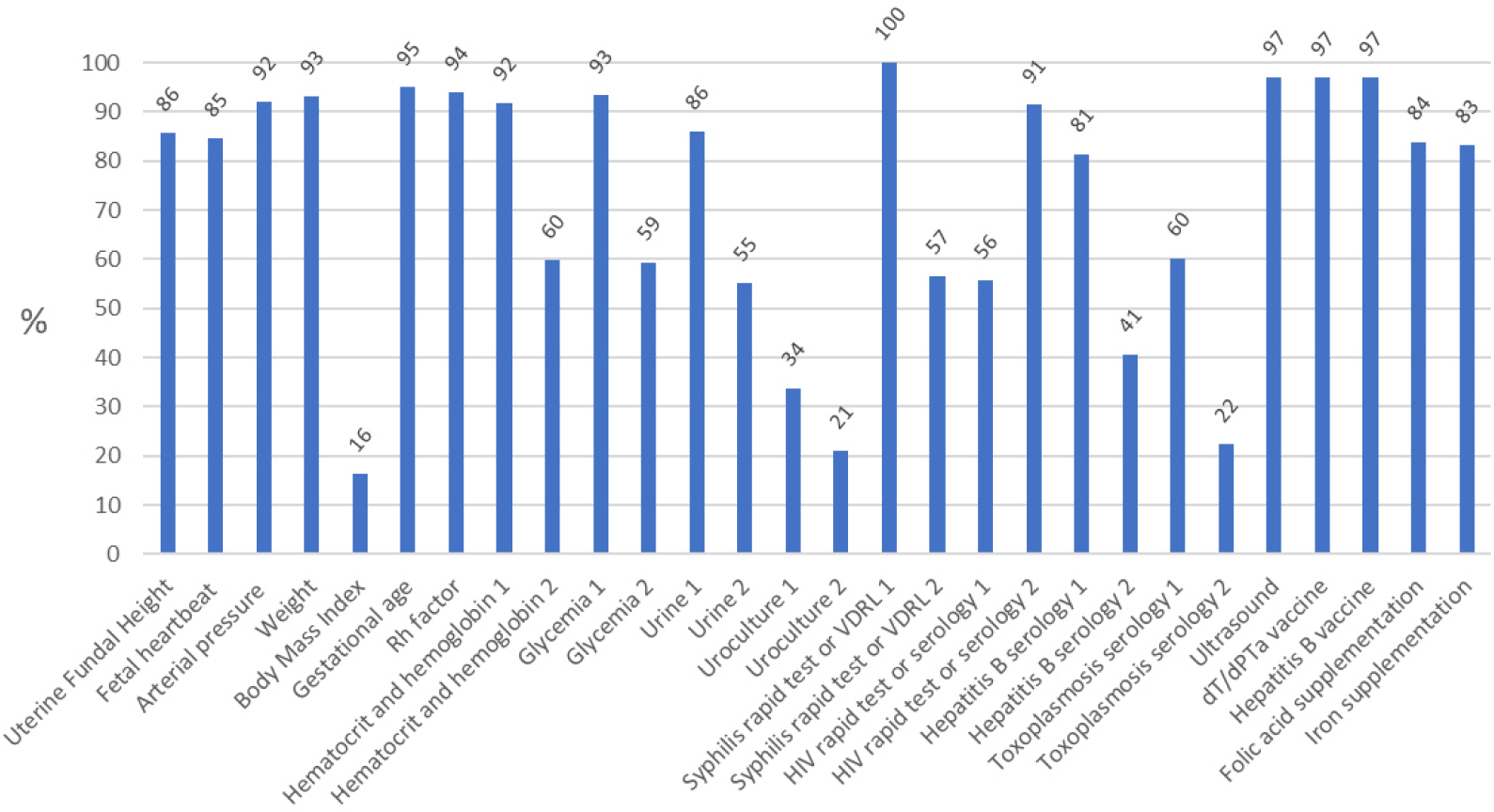
Method: Cross-sectional study with 613 puerperal women, carried out between September 2017 and May 2018. The research considered the beginning of prenatal care, number of consultations, registration of routine tests and procedures performed in consultations and maternal guidance received, according to the Ministry of Health. Simple and multiple logistic regression were used to estimate the odds ratio (OR) between sociodemographic, obstetric and service use characteristics and the outcome variable prenatal adequacy.
Results: Women aged <18 years were less likely to start early prenatal care. Belonging to the economic class B-C, having a partner and having one or two children, performing prenatal care in a traditional Basic Health Unit and having paid work increased the chances of adequacy.
Conclusions: Prenatal care in Primary Care in the municipality in question proved to be inadequate, with the persistence of socioeconomic inequalities
Keywords:
prenatal care; primary health care; quality indicators, health care; health evaluation.
 Thumbnail