 Spatial decision support system for management in the care of children's chronic conditions
Background: Chronic child patients demand frequent hospital admissions, requiring hospitals to provide appropriate access to care and the ability to manage a satisfactory outcome.
Objective: To describe the development process of a decision support system to support the decision-making process of hospital management in the care of children's chronic conditions.
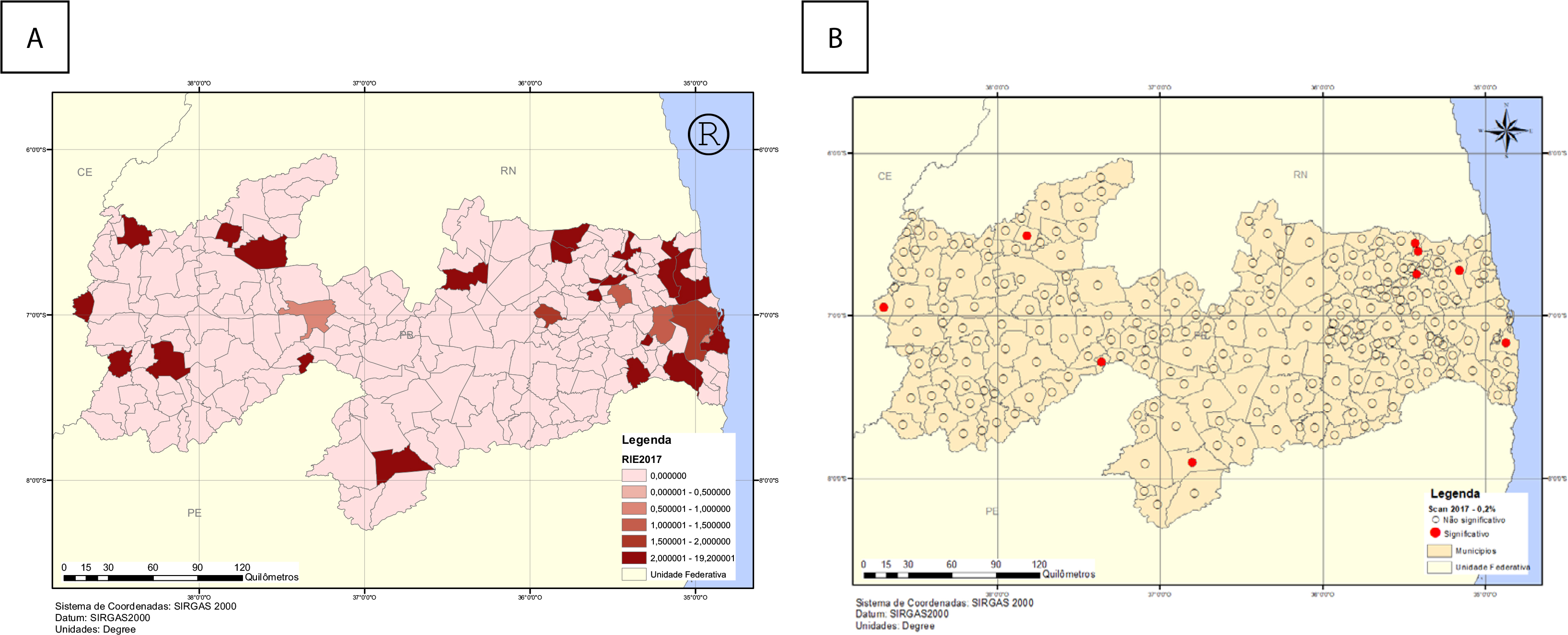
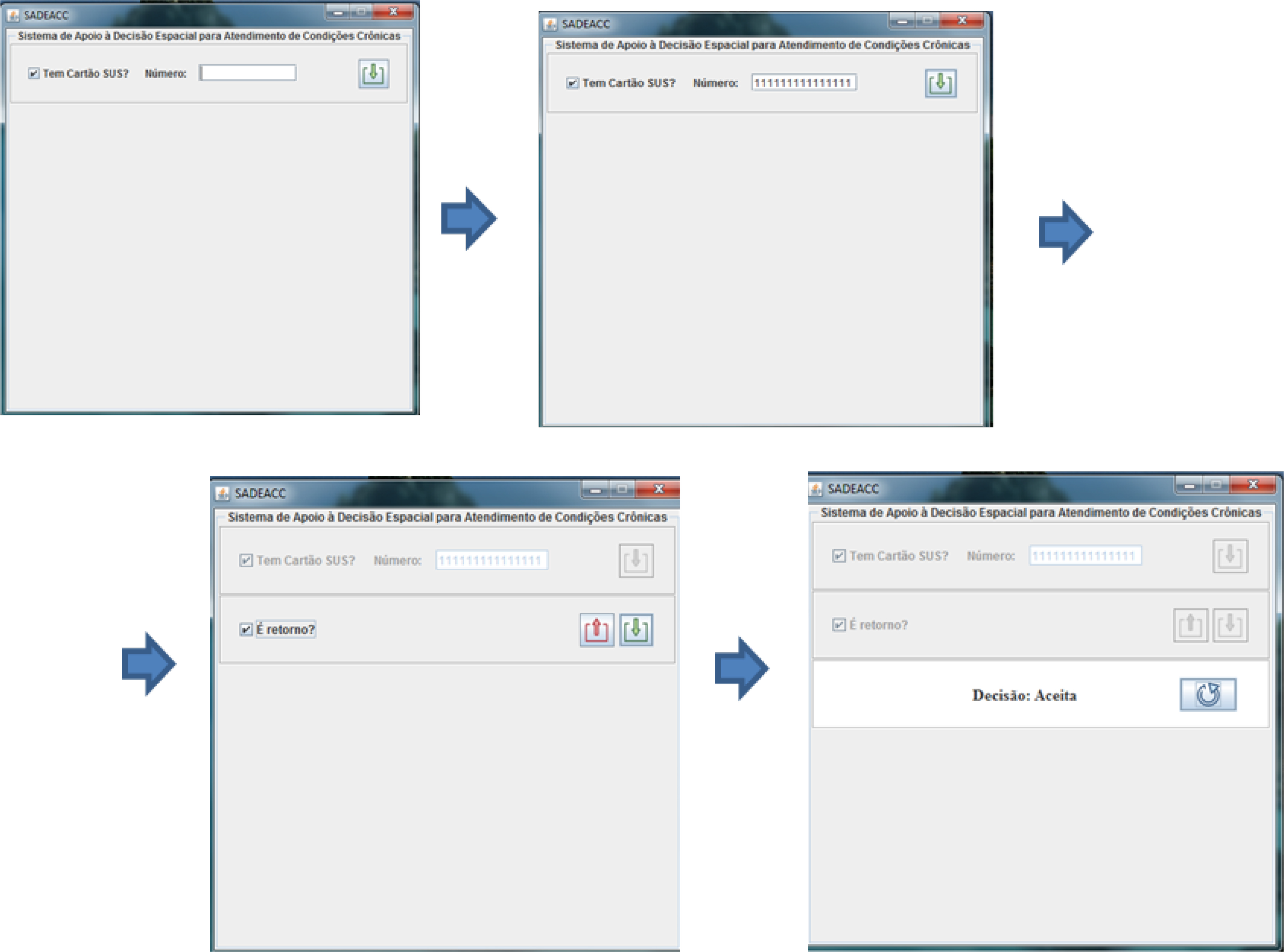
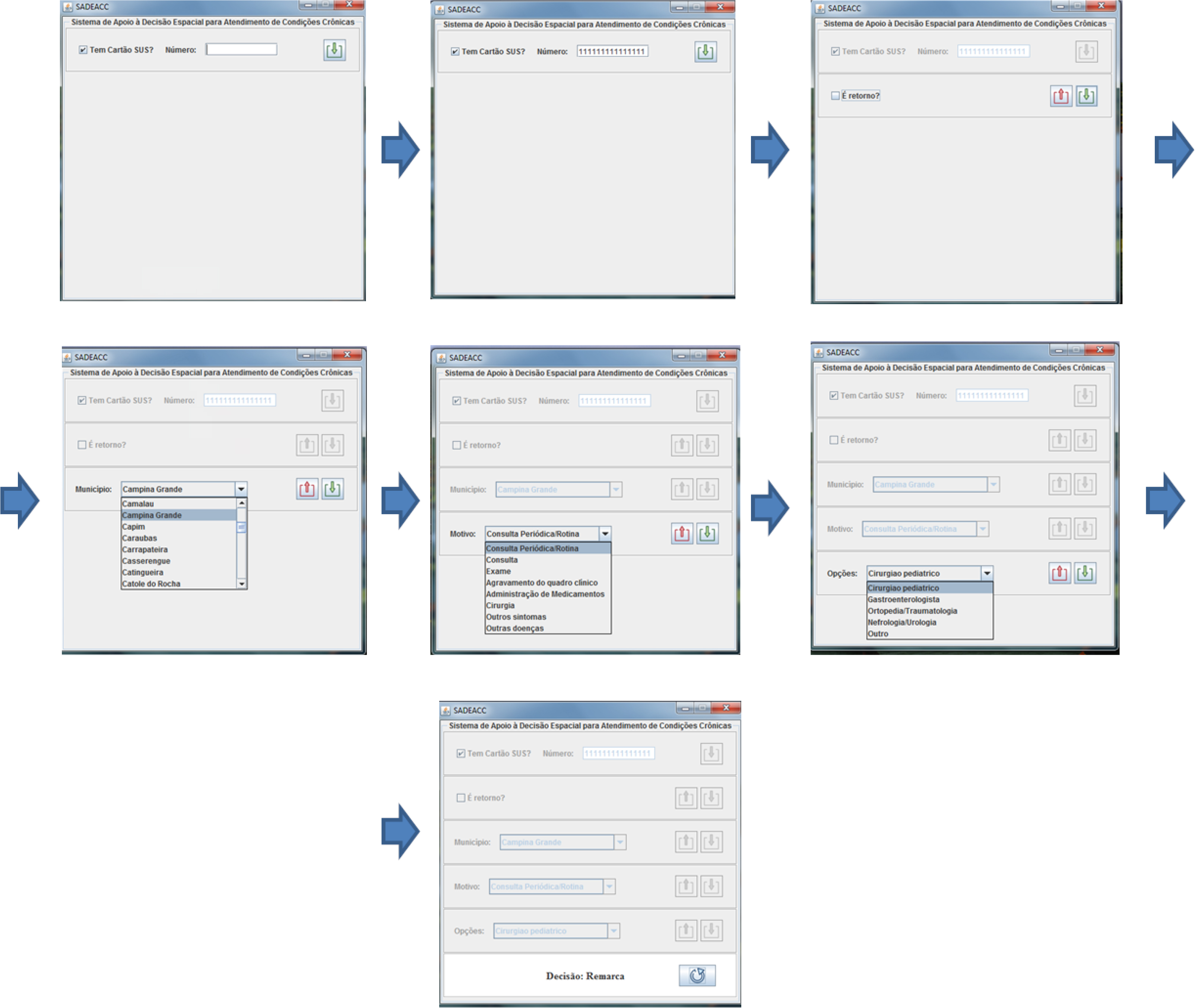
Method: A piece of software called Spatial Decision Support System for Access to Care for Chronic Conditions, based on programmed decisions and a decision model based on rules. The spatial component was inserted in the system as a decision element, and its analysis was carried out through the identification of the Spatial Incidence Ratio and the spatial cluster detection method, Spatial Scan statistic.
Results: The system is the computational implementation of a set of clinical protocols used in reference services for this clientele.
Conclusion: The proposed system is configured as a source of support for the decision-making process of hospital management, in order to help minimize the consequent damage that improvisation in the care of chronic child patients can cause to the health care network.
Keywords:
decision support models; spatial analysis; chronic disease; child; adolescent
 Thumbnail
 Thumbnail
 Thumbnail
 Thumbnail