 Characterization of academic publications in occupational therapy published in Spanish in 2022: a scoping review
Abstract
Introduction Knowledge generation in Occupational Therapy is a social process that supports the emergence of diverse ways of being, doing, and existing within the profession. Recognizing its importance, the World Federation of Occupational Therapists (WFOT) developed a research priority agenda. However, knowledge production in Spanish-language occupational therapy faces multiple challenges related to visibility, open access, and alignment with international research priorities.
Objectives To characterize research published in Spanish in 2022 by occupational therapists and analyze its alignment with the WFOT research priorities.
Method Scoping review based on the Arksey and O'Malley framework, including searches in six databases and manual searching. Original studies published in Spanish in 2022 with at least one occupational therapist as an author were included.
Results A total of 126 publications were identified, primarily from Spain, Chile, and Colombia. Overall, 69.8% of the authors self-identified as occupational therapists. Qualitative studies and articles related to professional practice predominated. Only 8.7% reported research funding. Most studies aligned with the WFOT research priorities, particularly those related to professional issues and the effectiveness of interventions. 20.6% of the articles did not align with any of the identified research priorities.
Conclusion The findings reflect an active but fragmented body of scientific literature, with low reporting of research funding. Strengthening professional identification in publications, editorial transparency, and institutional support for research in Spanish-speaking contexts is recommended.
Keywords:
Occupational Therapy; Research; Scientific Output; Latin America; Scoping Review
Resumen
Introducción La generación de conocimiento en terapia ocupacional es un proceso social que sustenta el surgimiento de diversas maneras de ser, hacer y estar dentro de la profesión. Reconociendo su importancia, la Federación Mundial de Terapeutas Ocupacionales (WFOT, por sus siglas en inglés), formuló una agenda de prioridades de investigación. Sin embargo, la generación de conocimiento en terapia ocupacional en lengua española enfrenta múltiples desafíos relacionados con la visibilidad, el acceso abierto y el alineamiento con las prioridades internacionales.
Objetivos Caracterizar la investigación publicada en español en el año 2022 por terapeutas ocupacionales y analizar su correspondencia con las prioridades de investigación establecidas por la WFOT.
Método Revisión de alcance basada en el marco de Arksey y O'Malley, con búsqueda en seis bases de datos y revisión manual. Se incluyeron estudios originales publicados en español en 2022 con al menos un autor que sea terapeuta ocupacional.
Resultados Se identificaron 126 publicaciones, mayoritariamente de España, Chile y Colombia. El 69,8% de los autores o autoras se identificaron como terapeutas ocupacionales. Predominaron los estudios cualitativos y los artículos relacionados con la práctica profesional. Sólo un 8,7% reportó financiamiento. La mayoría se alineó con las prioridades de la WFOT, destacando las "cuestiones profesionales" y la "efectividad de las intervenciones". El 20,6% de los artículos no se alinea con ninguna de las prioridades identificadas.
Conclusión Los hallazgos reflejan una producción científica activa pero fragmentada, con una baja declaración de financiamiento. Se sugiere fortalecer la identificación profesional en las publicaciones, la transparencia editorial y el apoyo institucional a la investigación en contextos hispanohablantes.
Palabras clave:
Terapia Ocupacional; Investigación; Producción Científica; América Latina; Revisión de Alcance
Resumo
Introdução A geração de conhecimento em terapia ocupacional é um processo social que favorece o surgimento de formas alternativas de ser, fazer e existir na profissão. Reconhecendo sua importância, a Federação Mundial de Terapeutas Ocupacionais (WFOT) elaborou uma agenda de prioridades de pesquisa. No entanto, o conhecimento gerado por terapeutas ocupacionais em espanhol tem sido historicamente inferior ao produzido em contextos de língua inglesa, especialmente em termos de financiamento e circulação. A produção de conhecimento em terapia ocupacional em língua espanhola enfrenta desafios quanto à visibilidade, ao acesso aberto e ao alinhamento às prioridades internacionais de pesquisa.
Objetivos Caracterizar a pesquisa publicada em espanhol em 2022 por terapeutas ocupacionais e analisar sua correspondência às prioridades de pesquisa da WFOT.
Metodologia Revisão de escopo com base no modelo de Arksey e O'Malley. Foram realizadas buscas em seis bases de dados e revisão manual de revistas específicas. Foram incluídos artigos originais publicados em espanhol em 2022 com pelo menos um autor terapeuta ocupacional.
Resultados Foram identificadas 126 publicações, principalmente da Espanha, do Chile e da Colômbia. Em 69,8 dos artigos, os autores se identificaram como terapeutas ocupacionais. Predominaram os estudos qualitativos e os artigos voltados à prática profissional. Apenas 8.7% relataram financiamento. A maioria dos estudos se alinhou às prioridades da WFOT, destacando "questões profissionais" e "eficácia das intervenções". 20,6% dos artigos não estão alinhados a nenhuma das prioridades identificadas.
Conclusão Os achados mostram uma produção científica ativa, porém fragmentada, com baixa declaração de financiamento. Recomenda-se fortalecer a identificação profissional nas publicações, a transparência editorial e o apoio institucional à pesquisa em contextos hispanofalantes.
Palavras-chave:
Terapia Ocupacional; Pesquisa; Produção Científica; América Latina; Revisão de Escopo
Introduction
The generation, production, and dissemination of knowledge in occupational therapy constitute a social process that underpins the emergence of new ways of being, doing, thinking, and existing within the profession (Duarte & Talero, 2022; Kinsella & Whiteford, 2009; Mackenzie et al., 2024; Veiga-Seijo et al., 2024). Within this framework, in 2017, the World Federation of Occupational Therapists (WFOT) proposed an international research agenda aimed at strengthening the profession's role in addressing contemporary challenges and fostering the production of evidence that is relevant at both local and global levels (Mackenzie et al., 2024; Okita et al., 2023).
In this context, the WFOT established a research agenda with eight thematic priorities: (1) the effectiveness of occupational therapy interventions; (2) evidence-based practice and knowledge translation; (3) participation in everyday life; (4) healthy aging; (5) care for chronic conditions; (6) sustainable community development and population-based interventions; (7) the use of technologies in the profession; and (8) professional issues related to occupational therapy practice (World Federation of Occupational Therapists, 2017). Furthermore, this agenda reaffirms the need to generate scientific knowledge that is ethical, culturally sensitive, and socially relevant (Mackenzie et al., 2024; World Federation of Occupational Therapists, 2017). However, the discipline's scientific output continues to exhibit significant geopolitical disparities. Most published evidence originates from English-speaking contexts with well-established indexing systems and stable funding mechanisms, whereas research published in Spanish faces structural barriers that restrict its dissemination and recognition (Duarte & Talero, 2022; Sobrido-Prieto et al., 2021, 2023; Veiga-Seijo et al., 2024).
In 2018, a team of WFOT delegates conducted an international scoping review of research published in English during that year (Mackenzie et al., 2024).
The findings revealed a concentration of studies from economically privileged countries—primarily the United States, Canada, and the United Kingdom—frequently published in specialized occupational therapy journals. This publication gap limits the recognition of the knowledge, practices, and contexts that enrich the profession in and from Spanish-speaking countries.
Structural barriers related to indexing and the sustainability of Spanish-language journals have been identified as a major factor contributing to geopolitical asymmetries in the production of disciplinary knowledge (Díaz-Leiva & Malfitano, 2023; Duarte & Talero, 2022; Veiga-Seijo et al., 2024). Furthermore, research teams face difficulties in accessing competitive funding, which affects their capacity to conduct and disseminate research in the discipline (Duarte & Talero, 2022; Veiga-Seijo et al., 2024). In other words, inequalities persist in what is researched, how research is conducted, what is published, and where it is published (Duarte & Talero, 2022). The relatively low volume of publications in Spanish, combined with their limited visibility, hinders systematic analysis. There is limited information on the diversity, origins, and methodological approaches of research published in languages other than English, particularly Spanish (Sobrido-Prieto et al., 2021, 2023; Veiga-Seijo et al., 2024). A deeper understanding of these aspects would help identify key areas, emerging topics, and research gaps in occupational therapy, as well as the extent to which this body of work aligns with the international research guidelines established by the WFOT (Mackenzie et al., 2024; World Federation of Occupational Therapists, 2017).
Against this backdrop, this scoping review aims to characterize the scientific output in occupational therapy published in Spanish during 2022, exploring its alignment with the research priorities defined by the WFOT and its contribution to the global landscape of the discipline. Beyond merely describing trends, it seeks to highlight the epistemological and geographical diversity of Spanish-language research and contribute to the debate on research visibility, linguistic equity, and open access in occupational therapy. Accordingly, this scoping review addresses the following research question: What are the characteristics, methodological approaches, and thematic areas of occupational therapy research published in Spanish during 2022, and to what extent do they align with the research priorities defined by the WFOT?
Methods
This scoping review was conducted following the methodological framework proposed by Arksey and O’Malley (2005), incorporating the enhancements suggested by Levac et al. (2010) and the guidance provided in the JBI Manual for Evidence Synthesis (Peters et al., 2020). The review is reported in accordance with the PRISMA-ScR checklist (Tricco et al., 2018). It partially replicates the study by Mackenzie et al. (2024), which focused on English-language publications, but specifically examines publications in Spanish.
The methodological strategy was developed in consultation with a librarian experienced in conducting scoping reviews, who assisted in defining and validating the search strategy and descriptors used. As this was a scoping review based on published literature, ethics committee approval and informed consent were not required. The review protocol was registered on OSF.io (Gallegos-Berrios et al., 2024).
Eligibility criteria
Articles published in Spanish in 2022 were included. Eligible study designs comprised quantitative studies (clinical trials, cohort studies, case-control studies, and cross-sectional studies), qualitative studies (phenomenology, grounded theory, ethnography, narrative research, case studies, participatory action research, and generic qualitative analysis), mixed-methods studies, as well as systematic and scoping reviews. Scientific articles had to be published in peer-reviewed journals. Grey literature documents (technical or institutional reports) were also included, provided they were available in full text.
Furthermore, to be eligible, at least one author had to identify as an occupational therapist. When authors did not report their disciplinary affiliation in the published article, an online search was conducted using platforms such as ORCID, ResearchGate, LinkedIn, and institutional websites to determine their profession. If it was not possible to confirm that at least one author was an occupational therapist, the study was excluded. Non-peer-reviewed publications (letters to the editor, editorials, commentaries, theses, and undergraduate or graduate final projects) and studies published outside 2022 were also excluded.
The decision to limit the search to the year 2022 served two methodological purposes: (a) to enable a detailed yet manageable analysis of recent scientific output published in Spanish, given the resources and time available for this scoping review, and (b) to provide a representative overview of the current state of occupational therapy research.
Sources and search strategy
The search was conducted on July 30, 2023, using the PubMed, CINAHL, LILACS, Scopus, Web of Science, and Google Scholar databases. The latter was included as a supplementary source because not all Spanish-language occupational therapy journals are indexed in the traditional databases included in the search. Its inclusion increased the sensitivity of the search strategy and improved the identification of potentially eligible publications. Additionally, articles published in Spanish-language occupational therapy journals were identified through manual searching. These journals included Revista Chilena de Terapia Ocupacional, Brazilian Journal of Occupational Therapy, Revista Argentina de Terapia Ocupacional, Revista Contexto, Revista de Estudiantes de Terapia Ocupacional, TOG (A Coruña), and Revista de Ocupación Humana.
Search terms were defined a priori based on the WFOT research priorities and the controlled vocabulary (DeCS/MeSH) for "terapia ocupacional/occupational therapy." These terms were refined following a pilot screening of records published in 2022 across the six databases and the Spanish-language journals. The aim was to maximize the retrieval of studies published in Spanish while maintaining search precision, covering four thematic domains: (a) profession/actors ("occupational therapy," "occupational therapist"); (b) participation domains ("daily activities," "occupation," "leisure," "recreation," "work," "work/school inclusion"); (c) contexts and populations ("community," "mental health," "disability," "deprivation of liberty," "homelessness," "hospitalization"); and (d) conditions/cross-cutting themes ("aging," "rehabilitation," "telerehabilitation," "substance use," "early stimulation," and "gender").
Selection of sources of evidence
All records were imported into the Zotero bibliographic management software and subsequently into the Covidence systematic review platform (Veritas Health Innovation, 2025) for processing. Duplicate records were removed automatically. The selection process was conducted in two stages: (1) title and abstract screening and (2) full-text assessment to assess eligibility. Two independent reviewers conducted the selection in both stages. During the title and abstract screening stage, a pilot exercise involving 25 records was conducted to calibrate the application of the eligibility criteria. Inter-reviewer agreement was assessed using the percentage of agreement, which reached 84% (21/25), exceeding the predefined threshold of 70% established to ensure the consistent application of the eligibility criteria (Tricco et al., 2018). In cases of disagreement, a third reviewer was consulted to resolve discrepancies.
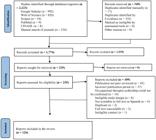
No additional measure of agreement was calculated for the full-text assessment, as disagreements at this stage primarily concerned the identification of occupational therapist authorship and were resolved through discussion between the reviewers and, when necessary, consultation with a third reviewer. The complete selection process is presented in the PRISMA-ScR flow diagram (Figure 1).
Data extraction
A standardized data extraction form was developed in Microsoft Excel and pilot-tested using two articles to ensure clarity and consistency. The form was developed by the research team and underwent peer review. The following variables were extracted and organized as columns in the Excel spreadsheet: author(s), year of publication, country of origin of the occupational therapist author(s), country of origin of the journal, methodological design (study type and design), funding source (yes, no, or not specified), statement of disciplinary affiliation (whether the affiliation indicated that the author was an occupational therapist or a member of an occupational therapy team), keywords, and alignment with the WFOT research priorities. Thematic classification and assignment to the WFOT research priorities were based on the explicit content of each publication. Multiple coding was permitted when an article addressed more than one priority. In cases of ambiguity, the classification was discussed among the reviewers until consensus was reached.
Two reviewers independently performed the data extraction. Discrepancies were resolved through consensus or, when necessary, by consultation with a third reviewer.
Analysis and synthesis of results
The results were synthesized using both narrative and visual approaches. A thematic mapping approach was used to group the studies according to their methodological approaches and emerging themes. The findings are presented in descriptive tables and figures illustrating the distribution of studies by country, methodological design, and thematic focus.
In accordance with methodological recommendations for scoping reviews, no critical appraisal of the methodological quality of the included studies was conducted, as the primary objective was to explore the scope and nature of the scientific output rather than to assess the internal validity of the evidence.
Results
A total of 126 articles were identified. The results are presented below according to the variables analyzed: disciplinary affiliation, country of origin, funding sources, methodological design, and the WFOT research priorities. The complete list of included articles and their respective bibliographic references is available in Supplementary Material 1.
Disciplinary affiliation
Among the 126 included publications, 88 (69.8%) identified at least one author as an occupational therapist in the affiliation information, whereas 38 (30.2%) did not explicitly indicate this professional identification. In some cases, only the highest academic degree was reported, whereas in others, only the institutional affiliation was provided.
An analysis of authorship showed that in 65.9% of the publications (n = 83), all authors were occupational therapists, or the publication had a single author who was an occupational therapist. In 19.8% of the publications (n = 25), the first author was an occupational therapist working within a multidisciplinary team. In 14.3% of the publications (n = 18), the first author was not an occupational therapist but was part of a multidisciplinary team.
Country of origin
Regarding the countries of origin of the authors, Spain accounted for the largest proportion of publications (40.5%), followed by Chile (28.6%) and Colombia (11.9%). Publications were also identified from Argentina (8.7%), Brazil (6.3%), Ecuador (1.6%), and Mexico, Peru, and the Dominican Republic (0.8% each). Figure 2 presents the distribution of publications according to authorship.

Country of origin of the corresponding author or, if unavailable, the first author in the included articles.
Regarding the journals in which the articles were published, TOG (A Coruña) accounted for the largest number of articles included in this review, with 32 publications (25.4%). It was followed by Brazilian Journal of Occupational Therapy, with 15 articles (11.9%), and Revista Chilena de Terapia Ocupacional, with 11 articles (8.7%). The "Other journals" category comprised 39 articles (31.0%), highlighting the dispersion of publications across numerous journals with a low publication frequency (Figure 3).

Frequency of scientific journals in which the articles were published. Note. "Other journals" comprises journals that individually account for less than 2% of the total number of publications included. These journals are: NPunto, Revista da Associação Portuguesa de Estudos sobre as Mulheres, Revista Cuidarte, EDUCA Revista Internacional para la Calidad Educativa, +E: Revista de Extensión Universitaria, Actas Españolas de Psiquiatría, ARS Médica Revista de Ciencias Médicas, Ciencia Latina Revista Científica Multidisciplinar, Cuadernos del Claeh, Dominio de las Ciencias, Dynamis, Gaceta Sanitaria, Pedagogia i Treball Social: Revista de Ciències Socials Aplicades, Rehabilitación – Revista de la Sociedad Española de Rehabilitación y Medicina Física, Rev Med Chile, Revista Argentina de Gerontología y Geriatría, Revista Chilena de Medicina Intensiva, Revista Colombiana de Psiquiatría, Revista Criterios, Revista de Educación, Motricidad e Investigación, Revista de Estudios Sociales, Revista de Investigaciones en Seguridad Social y Salud, Revista de Osteoporosis y Metabolismo Mineral, Revista de Otorrinolaringología y Cirugía de Cabeza y Cuello, Revista Dilemas Contemporáneos: Educación, Política y Valores, Revista Educación Superior y Sociedad, Revista Herediana de Rehabilitación, Revista Internacional de Tecnología, Ciencia y Sociedad, Revista Latinoamericana de Ciencias Sociales, Niñez y Juventud, Revista Latinoamericana de Educación Inclusiva, Revista Médica Clínica Las Condes, Revista Plaza Pública, Revista RETO (Universidad Bernardo O'Higgins), Revista Venezolana de Gerencia, TECHNO REVIEW, TRAMAS Subjetividad y Procesos Sociales, and Transdigital Revista Científica.
The largest group of publications originated from journals in Spain (37.3%), followed by Chile (18.3%), Brazil (15.1%) in third place, Colombia (8.7%) in fourth, and Argentina (7.9%) in fifth.
When cross-referencing the country of publication with the authors' country of affiliation, it was found that journals in Spain published work by 42 authors from that country, along with two from Argentina, two from Chile, and one from Brazil. In Chile, 16 authors were from that country, three from Spain, two from Colombia, and two from Brazil. In Brazil, nine authors were from Chile, five from Brazil, three from Colombia, and two from Spain.
Funding sources
Regarding funding information, the results show that for 71.4% (n = 90) of the articles, it was not specified whether the research had received funding. In contrast, 8.7% (n = 11) stated that they had received financial support for the published study, while 19.8% (n = 25) explicitly reported receiving no funding whatsoever.
To examine this aspect further, the funding variable was analyzed in relation to the country of the corresponding author or, if unavailable, the first author. Articles written by occupational therapists from Chile showed the highest proportion of declared funding, at 22.2% (n = 8) of their publications. Meanwhile, among articles published by occupational therapists from Argentina, Brazil, and Spain, funding was declared in only one instance, a surprising finding given that Spain accounts for the highest number of publications.
Methodological design
Regarding research designs, 23 articles could not be categorized or did not represent a specific design type; this was because the methodology implemented was not specified, the articles consisted of essays or reflections, or they employed non-systematized reviews. Of the remaining 103 articles, 50 (48.5%) were classified as qualitative designs, 34 (33%) as quantitative designs, and 19 (18.5%) as mixed-methods designs.
A wide variety of methodological approaches was observed within the research designs, with the descriptive design (n = 13) being particularly notable. Regarding data collection strategies, 19 articles consisted of literature reviews, followed by survey-based research (n = 17) and the use of scales and psychometric tests (n = 9).
WFOT research priorities
Regarding the research priorities established by the WFOT, 20% of the articles included in this scoping review could not be aligned with any of the WFOT research priorities. This group includes articles presenting conceptual developments related to occupational therapies from the Global South (Bassi, 2022), occupational apartheid (Fuentes-Barahona et al., 2022), stigma among students (Gajardo et al., 2022), teaching competencies and strategies in professional education (Angulo & Álvarez, 2022; Hernández et al., 2022; Valenzuela et al., 2022), sexuality (Marchant, 2022), caregiving (Romero et al., 2022), disability activism (Pino-Morán et al., 2022), collective occupations and nature (Núñez et al., 2022), a gender perspective (Suárez & Márquez, 2022), various issues related to pregnancy (Devia & Ordoñez, 2022; Hernández et al., 2022), workplace inclusion (Ciampa, 2022; Cristancho-González et al., 2022), occupational therapy in surgery (Díaz, 2022; Pérez, 2022), and dietary patterns among the Roma population (Arza et al., 2022), among others.
Among the remaining articles, at least one WFOT research priority was identified: professional issues in occupational therapy (14.4%), effectiveness of occupational therapy interventions (14.4%), sustainable community development and community-based interventions (11.3%), participation in everyday life (10%), evidence-based practice and knowledge translation (7.5%), occupational therapy and chronic conditions (6.3%), healthy aging (5%), and technology and occupational therapy (4.4%).Figure 4 presents the results in terms of the number of articles addressing each priority. The total exceeds 126 because more than one priority could be identified in a single article.

Distribution of mentions of the WFOT research priorities in the analyzed articles, expressed as the number of articles. Note. An article may address more than one priority. A total of 149 mentions were recorded across the 126 articles.
Keywords
Finally, a frequency analysis of the keywords was conducted. The results show that the most frequently used keywords include occupational therapy, which stands out as the most frequently used keyword, followed by mental health, education, and participation. Figure 5 presents the keyword cloud based on the frequency of keyword occurrences.

Word cloud of the most frequently used keywords in the publications identified in 2022. Note. Only terms mentioned two or more times were included. The analysis was based on the keywords reported in each article.
Discussion
This study aimed to characterize academic publications authored by occupational therapists in Spanish during 2022 and to analyze their alignment with the research priorities established by the WFOT.
Characteristics of scientific output in occupational therapy
Regarding methodological approaches, this study distinguishes only between qualitative, quantitative, and mixed-methods research. Although the original design of the review sought to describe the methodologies employed in greater detail, this was not possible because many articles failed to specify their design or did so ambiguously. This may reflect diverse ways of constructing knowledge in Spanish-speaking countries—approaches that are more oriented toward contextual needs than standardized methodological conventions (Di Bona et al., 2017).
Regarding the structural conditions of scientific output, limited reported funding was identified, alongside a high percentage of publications that did not declare whether they had received financial support for the development or dissemination of their studies. This omission limits the understanding of the material conditions underpinning research in the region and reinforces the need to strengthen transparency and traceability in the reporting of funding sources (Duarte & Talero, 2022; Testa, 2020).
Furthermore, it was observed that only a few Ibero-American countries—Argentina, Brazil, Chile, Colombia, and Spain—have their own discipline-specific journals, largely sustained by professional associations and public universities. Despite limited resources, these publishing initiatives maintain open-access models that contribute to the democratization of knowledge. However, this scenario, combined with the scarcity of available funding, raises questions about the working and institutional conditions that enable the continuity of research. In this regard, Testa (2020) warns of the difficulties associated with conducting funded research, while Ciampa & Roldán (2024) note that, in Argentina, the majority of occupational therapy faculty work on an hourly basis, with only a minority having paid time allocated for research. Complementarily, the Amaru Network has highlighted the structural challenges surrounding knowledge production and dissemination in Latin America, underscoring the persistent influence of epistemic hegemonies from the Global North and the cognitive and editorial dependence on English-speaking countries (Lopes et al., 2023).
Challenges regarding disciplinary affiliation and belonging in occupational therapy
Regarding the variable concerning authors identifying themselves as occupational therapists—and in agreement with Mackenzie et al. (2024)—it is considered important for occupational therapists to identify themselves as such. This facilitates the WFOT's monitoring of global occupational therapy practice and research while also increasing the visibility of the profession and the evidence supporting its practices within their communities. This scoping review highlights persistent challenges in identifying affiliation with the occupational therapy profession. This situation may be linked both to the information requested by journals and to how occupational therapists perceive their own roles in research and scientific writing (Mackenzie et al., 2024). Such factors can influence the extent to which the profession is recognized within scientific output.
Another relevant aspect is that the majority of articles were produced by a single occupational therapist or by teams composed exclusively of professionals from this discipline, raising questions about the level of interdisciplinarity in published research. Additionally, an increase has been observed in publications by occupational therapists from English-speaking countries in multidisciplinary journals (Sau & Nayak, 2023). Meanwhile, Mompean & Pérez (2021) identified steady growth in publications by Spanish-speaking authors. However, this trend may be influenced by limitations in the search process, which focused on authors with an explicit professional affiliation to occupational therapy and on searches conducted in journals specializing in the profession.
Identifying occupational therapy through keywords
Tracking publications by occupational therapists can be achieved either by identifying the professionals themselves or by including terms related to "occupational therapy" or "occupation" as keywords. In this regard, it is notable that the vast majority of articles include the former term, followed by terms such as "mental health," "rehabilitation," "quality of life," "COVID-19," and "occupations." These findings differ from those reported by Mackenzie et al. (2024), in which only one-quarter of the English-language publications surveyed included terms related to occupational therapy. The inclusion of unrelated terms, enabling the identification of a broader spectrum of articles, is considered a strength of the methodology employed. Nevertheless, even in this study, a large number of articles do not include keywords related to the profession. The absence of occupational therapy-related terms among the keywords of numerous articles can hinder their identification as part of the discipline's body of knowledge, particularly when published in interdisciplinary journals. Including keywords associated with the profession could improve visibility and indexing in future systematic searches. It is worth noting that the inclusion of the term "COVID-19" as a keyword is directly linked to the year selected for the search (2022), a period during which a significant portion of the scientific output was situated within the context of the COVID-19 pandemic.
Furthermore, these keywords may also highlight the fields that most strongly influence occupational therapy practice, such as mental health and rehabilitation.
Alignment of research with WFOT priorities
As a secondary research question, this study sought to analyze whether publications from 2022 aligned with the WFOT research priorities. The results showed that the majority of studies published in 2022 addressed the research priorities established by the WFOT, with the exception of one-fifth that could not be aligned with them. Unlike the scoping review conducted by Okita et al. (2023), which identified that studies primarily aligned with the priorities related to evidence-based practice and knowledge translation, this study reveals that Spanish-language research focuses on professional issues in occupational therapy and the effectiveness of interventions (with the latter ranking second in the results reported by Okita et al., 2023). Notably, while only 20 of the 189 articles analyzed by Okita et al. (2023) were not aligned with the WFOT research priorities, in the present study, 32 of the 126 articles were found not to align with the global priorities defined by the WFOT. Although these articles cannot be grouped into a single category, some were found to be related to "occupational therapies from the South," challenges in occupational therapy higher education, and workplace inclusion, among other topics. This prompts reflection on the need to interpret these priorities in a dynamic and contextual manner, taking into account the social, historical, and political changes affecting each region. From this critical perspective—and in line with the epistemologies of the South (Díaz-Leiva & Malfitano, 2023; Veiga-Seijo et al., 2024)—the lack of alignment with the global priorities suggests an expression of research autonomy, through which Spanish-speaking occupational therapists produce situated and socially relevant knowledge. Along these same lines, Da Rocha Medeiros (2008) calls for recognizing the tensions and historical particularities that shape the development of the discipline in different contexts.
Implications of the findings
This study has both theoretical and practical implications for understanding and strengthening occupational therapy research in Spanish-speaking contexts. Regarding the theoretical implications, the findings demonstrate that knowledge production in Spanish is diverse and plural, reflecting professionals' capacity to generate situated and socially relevant knowledge. This diversity encourages the recognition of epistemological plurality as a disciplinary value, fostering dialogue between the WFOT's global priorities and the local realities that shape professional practice. On the other hand, the practical implications point to the need to expand funding opportunities, enhance transparency regarding funding disclosures, and promote the indexing of Spanish-language journals, thereby enabling the region's scientific contributions to be sustained, gain visibility, and participate on equal footing in the global landscape of occupational therapy research.
Conclusions
This review identified 126 occupational therapy research articles published in Spanish in 2022, with scientific output concentrated in Spain, Chile, and Colombia. The results highlight the need to strengthen the link between research and the local realities of professional practice while also revealing limitations related to the limited reporting of funding sources and the infrequent explicit identification of authors as occupational therapists. Although much of the scientific output aligns with the global priorities defined by the WFOT—particularly those related to the effectiveness of interventions and professional issues—gaps persist in key areas such as technology, healthy aging, and chronic conditions, alongside a significant number of studies not directly linked to these priorities. Overall, the findings underscore the importance of promoting research and funding policies that recognize the profession's linguistic and epistemic diversity, fostering a pluralistic, situated, and inclusive body of scientific work that is consistent with the contemporary challenges facing occupational therapy at the local, regional, and international levels.
Limitations
This study focused exclusively on articles published in 2022, which limits the ability to identify longitudinal trends. Therefore, the findings should be interpreted with consideration of the potential impact of the COVID-19 pandemic on scientific output during that period. By limiting the scope to Spanish-language publications, articles written in other languages by Spanish-speaking occupational therapists were excluded. Furthermore, the lack of clarity regarding the professional background of some authors makes it difficult to identify precisely those belonging to the field of occupational therapy.
Another limitation stems from the limited methodological descriptions provided in several studies, which prevented the accurate classification of their designs and reflected differences in knowledge-production practices across Spanish-speaking countries. Additionally, editorial variables—such as access models, publication frequency, funding sources, or the existence of Article Processing Charges (APCs)—were not systematically collected, precluding an analysis of their potential relationship with visibility or alignment with the WFOT research priorities.
Furthermore, the majority of the articles were authored by a single occupational therapist or by teams composed exclusively of professionals from the discipline. While this raises questions regarding the degree of interdisciplinary integration, it may also stem from the search strategy employed, which focused on authors with explicit affiliations in occupational therapy. Additionally, low levels of reported funding were observed, alongside a significant proportion of studies that did not disclose whether they had received financial support. This highlights the structural precariousness of research sustainability mechanisms in Spanish-speaking contexts.
Finally, although this project had the institutional endorsement and general logistical support of the WFOT, it did not receive direct financial resources for the analysis, writing, or publication stages. In contrast to other studies linked to the same project that did secure formal funding, this situation highlights the persistent structural disparities in financial support opportunities based on the language, scale, and geographic location of research teams. Rather than serving merely as a critique, this fact underscores the need to strengthen inclusive, multilingual funding mechanisms that ensure more equitable conditions for the global production and visibility of knowledge in occupational therapy.
Future research
Future research should develop longitudinal studies to identify changes in the themes, methodologies, and priorities of scientific output published in Spanish, as well as their correspondence with the social and political changes affecting professional practice. It would also be valuable to conduct comparisons across regions and languages, for example, between Latin America and Europe, to analyze how global and local dynamics are configured in occupational therapy research.
Furthermore, future studies should explore in greater depth the impact of editorial and economic factors, such as open access, publication costs, and indexing, on the visibility and sustainability of Spanish-language journals. This type of analysis would contribute to a better understanding of the structural barriers that limit the dissemination of knowledge and would provide evidence to support more equitable and multilingual editorial policies.
Supplementary Material
Supplementary material accompanies this paper.
Supplementary 1.
Supplementary 2.
This material is available as part of the online article from https://doi.org/10.1590/2526-8910.cto429442582
Data Availability
The data that support the findings of this study are available from the corresponding author, upon reasonable request.
How to cite:
Funding Source
References
-
Angulo, V., & Álvarez, E. (2022). Pausas de movimiento: efectos sobre la percepción de atención y divagación mental en una clase universitaria. ContexTO, 8(8), 77-91. https://doi.org/10.54761/contexto.num8.32
» https://doi.org/10.54761/contexto.num8.32 -
Arksey, H., & O’Malley, L. (2005). Scoping studies: towards a methodological framework. International Journal of Social Research Methodology, 8(1), 19-32. https://doi.org/10.1080/1364557032000119616
» https://doi.org/10.1080/1364557032000119616 -
Arza, J., Carrón, J., & Rodríguez, M. F. (2022). Pautas de alimentación de la población gitana y la población general de España. Gaceta Sanitaria, 36(4), 353-359. PMid:34127309. https://doi.org/10.1016/j.gaceta.2021.04.002
» https://doi.org/10.1016/j.gaceta.2021.04.002 - Bassi, A. I. (2022). Sobre las Terapias Ocupacionales del Sur y su configuración como infancias disciplinares. Revista Argentina de Terapia Ocupacional, 8(1), 50-56.
- Ciampa, M. A. (2022). Inclusión laboral de usuarias/os de servicios de salud mental ¿Qué dicen las propias personas al respecto? Revista Argentina de Terapia Ocupacional, 8(2), 6-14.
- Ciampa, M. A., & Roldán, A. L. (2024). Condiciones laborales en la docencia universitaria en Terapia Ocupacional: un asunto pendiente. Revista Argentina de Terapia Ocupacional, 10(1), 9-18.
-
Cristancho-González, L. R., Zarza-Cardozo, N., Padilla-García, L., & Enríquez, M. A. (2022). Inclusión laboral de personas con discapacidad física y las acciones de terapia ocupacional en Colombia. Una revisión integradora de la literatura. Investigaciones en Seguridad Social y Salud, 24(2), 18-28. https://doi.org/10.56085/20277970.458
» https://doi.org/10.56085/20277970.458 - Da Rocha Medeiros, M. H. (2008). Terapia ocupacional: un enfoque epistemológico y social Santa Fe Province, Argentina: Universidad Nacional del Litoral.
-
Devia, S., & Ordoñez, A. (2022). Volición en gestantes hospitalizadas en alto riesgo obstétrico frente a la estimulación prenatal. Revista Chilena de Terapia Ocupacional, 23(2), 117-124. https://doi.org/10.5354/0719-5346.2022.57263
» https://doi.org/10.5354/0719-5346.2022.57263 - Díaz, A. P. (2022). Terapia ocupacional en recuperación intensificada en cirugía. TOG (A Coruña), 19(2), 180-188.
- Díaz-Leiva, M. M., & Malfitano, A. P. (2023). Controversias y debates en torno a terapia ocupacional: un análisis de las producciones bibliográficas en América del Sur (2010-2018). Cadernos Brasileiros de Terapia Ocupacional, 31, e3344.
-
Di Bona, L., Wenborn, J., Field, B., Hynes, S. M., Ledgerd, R., Mountain, G., & Swinson, T. (2017). Enablers and challenges to occupational therapists’ research engagement: A qualitative study. British Journal of Occupational Therapy, 80(11), 642-650. PMid:29170592. https://doi.org/10.1177/0308022617719218
» https://doi.org/10.1177/0308022617719218 -
Duarte, C., & Talero, P. (2022). Inequidades en la difusión y visibilidad del conocimiento: ¿por qué deberían importarnos? Revista Ocupación Humana, 22(1), 3-11. https://doi.org/10.25214/25907816.1372
» https://doi.org/10.25214/25907816.1372 -
Fuentes-Barahona, M., Lara-Saldaña, C., Pfeifer-Fuentes, M., Zapata-Carrasco, S., Grandón Valenzuela, D., & Morrison, R. (2022). Aproximación a la performance como estrategia política de resistencia al apartheid ocupacional: la situación de las personas travestis. Cadernos Brasileiros de Terapia Ocupacional, 20, e3127. https://doi.org/10.1590/2526-8910.ctoao23953127
» https://doi.org/10.1590/2526-8910.ctoao23953127 -
Gajardo, J., Espinosa, F., Goycolea, R., Oyarzún, M., Muñoz, I., Valdebenito, A., & Pezoa, C. (2022). Estigma hacia personas con enfermedad mental en estudiantes y profesores de terapia ocupacional. Cadernos Brasileiros de Terapia Ocupacional, 30, e3145. https://doi.org/10.1590/2526-8910.ctoao24103145
» https://doi.org/10.1590/2526-8910.ctoao24103145 -
Gallegos-Berrios, S., Ciampa, A., Acuna, C., Itovich, F., Perez Ojeda, M., Canizo, M., Talero, P., & Jones, S. (2024, July 17). Peer-reviewed publications conducted by Spanish-speaking occupational therapists published in 2022 - scoping review. https://doi.org/10.17605/OSF.IO/HXU42
» https://doi.org/10.17605/OSF.IO/HXU42 - Hernández, V. K., Prada, R., & Hernández, C. A. (2022). Zika en la gestación: afectación de las destrezas de ejecución y edad madurativa en infantes. Revista Cuidarte, 13(2), 1-20.
-
Kinsella, E. A., & Whiteford, G. E. (2009). Knowledge generation and utilisation in occupational therapy: towards epistemic reflexivity. Australian Occupational Therapy Journal, 56(4), 249-258. PMid:20854525. https://doi.org/10.1111/j.1440-1630.2007.00726.x
» https://doi.org/10.1111/j.1440-1630.2007.00726.x -
Levac, D., Colquhoun, H., & O’Brien, K. K. (2010). Scoping studies: advancing the methodology. Implementation Science : IS, 5(1), 69. https://doi.org/10.1186/1748-5908-5-69
» https://doi.org/10.1186/1748-5908-5-69 - Lopes, R., Silva, C. R., Bianchi, P. C., Monzeli, G. A., Takeiti, B. A., Morrison, R., & Testa, D. (2023). Amaru: rede de conhecimento em terapia ocupacional da América Latina: Amaru: Knowledge network in occupational therapy in Latin America. Groupwork, 31(1-2), 130-160.
-
Mackenzie, L., Lexén, A., Kaelin, V. C., Hynes, P., Roosen, I., Tam, E., Huang, L.-J., & Ye, C.-W. (2024). An international study of diversity in occupational therapy research: A bibliographic review of English research literature. Australian Occupational Therapy Journal, 71(2), 302-312. PMid:38217453. https://doi.org/10.1111/1440-1630.12928
» https://doi.org/10.1111/1440-1630.12928 -
Marchant, J. I. (2022). Terapia ocupacional, sexualidad e investigación para las políticas públicas. Contexto, (8), 51-61. https://doi.org/10.54761/contexto.num8.14
» https://doi.org/10.54761/contexto.num8.14 - Mompean, P. J., & Pérez, D. (2021). Occupational therapy publications by Spanish authors: A bibliometric analysis. Annals of International Occupational Therapy, 4(4), 243-248.
-
Núñez, C. M. V., Hernández, S. S., & Alarcón, A. H. (2022). Ocupaciones colectivas y naturaleza: efectos de la colonialidad de la naturaleza en comunidades rurales y pesqueras de Chile. Journal of Occupational Science, 29(2), 3-12. https://doi.org/10.1080/14427591.2022.2044437
» https://doi.org/10.1080/14427591.2022.2044437 -
Okita, Y., Naga, S., Hirose, T., Takase, S., Kishi, Y., Tsukura, C., Nair, M., & Tomori, K. (2023). A scoping review of occupational therapy scoping reviews–utilisation of the WFOT proposed international occupational therapy research priority. World Federation of Occupational Therapists Bulletin, 79(2), 248-258. https://doi.org/10.1080/14473828.2023.2193007
» https://doi.org/10.1080/14473828.2023.2193007 - Pérez, A. (2022). Terapia ocupacional en recuperación intensificada en cirugía. TOG (A Coruña), 19(2), 180-188.
-
Peters, M. D. J., Marnie, C., Tricco, A. C., Pollock, D., Munn, Z., Alexander, L., McInerney, P., Godfrey, C. M., & Khalil, H. (2020). Updated methodological guidance for the conduct of scoping reviews. JBI Evidence Synthesis, 18(10), 2119-2126. https://doi.org/10.11124/JBIES-20-00167
» https://doi.org/10.11124/JBIES-20-00167 -
Pino-Morán, J. A., Rodríguez-Garrido, P., Zango-Martín, I., & Mora-Malo, E. (2022). Discursos políticos de activistas disidentes de la discapacidad en Chile. Revista de Estudios Sociales, (81), 3-20. https://doi.org/10.7440/res81.2022.01
» https://doi.org/10.7440/res81.2022.01 - Romero, C., Rojas, V., Aranda, R., Soto, L., Estuardo, N., Moya, F., Faundes, J., Orellana, M., Valencia, E., Bisbal, P., Toro, C., & Arellano, D. (2022). Cuidado humanizado: protocolo operativo de salida terapéutica. Revista Chilena de Medicina Intensiva, 37(2), 72-83.
- Sau, K., & Nayak, Y. (2023). Scopus-based bibliometric and scientometric analysis of occupational therapy publications from 2001 to 2020. F1000 Research, 11, 155. PMid:40171152.
-
Sobrido-Prieto, M., Talavera-Valverde, M. Á., & Souto-Gómez, A. I. (2021). A descriptive study of the presence, visibility, and quality of occupational therapy journals. Cadernos Brasileiros de Terapia Ocupacional, 29, e2918. https://doi.org/10.1590/2526-8910.ctoao2205
» https://doi.org/10.1590/2526-8910.ctoao2205 -
Sobrido-Prieto, M., Talavera-Valverde, M. Á., & Souto-Gómez, A. I. (2023). Autorías en manuscritos científicos de terapia ocupacional: un estudio descriptivo. Cadernos Brasileiros de Terapia Ocupacional, 31, e3443. https://doi.org/10.1590/2526-8910.ctoao263834433
» https://doi.org/10.1590/2526-8910.ctoao263834433 - Suárez, Á., & Márquez, L. J. (2022). Perspectiva de género sobre las ocupaciones de hombres y mujeres durante la posguerra en Asturias. Revista Electrónica De Terapia Ocupacional Galicia, 19(3), 105-113.
-
Testa, D. E. (2020). “Un cuarto propio” y dinero en la billetera: condiciones de producción en terapia ocupacional. Cadernos Brasileiros de Terapia Ocupacional, 28(4), 1357-1364. https://doi.org/10.4322/2526-8910.ctoarf2047
» https://doi.org/10.4322/2526-8910.ctoarf2047 -
Tricco, A. C., Lillie, E., Zarin, W., O’Brien, K. K., Colquhoun, H., Levac, D., Moher, D., Peters, M. D. J., Horsley, T., Weeks, L., Hempel, S., Akl, E. A., Chang, C., McGowan, J., Stewart, L., Hartling, L., Aldcroft, A., Wilson, M. G., Garritty, C., Lewin, S., Godfrey, C. M., Macdonald, M. T., Langlois, E. V., Soares-Weiser, K., Moriarty, J., Clifford, T., Tunçalp, Ö., & Straus, S. E. (2018). PRISMA extension for scoping reviews (PRISMA-ScR): checklist and explanation. Annals of Internal Medicine, 169(7), 467-473. https://doi.org/10.7326/M18-0850
» https://doi.org/10.7326/M18-0850 -
Valenzuela, J., Cirineu, C. T., & Navarro, N. (2022). Uso del yo como herramienta terapéutica: una experiencia formativa de terapia ocupacional en pregrado. Cadernos Brasileiros de Terapia Ocupacional, 30, e3280. https://doi.org/10.1590/2526-8910.ctoao251232803
» https://doi.org/10.1590/2526-8910.ctoao251232803 -
Veiga-Seijo, S., Amores, M. N., Leive, L., Melfi, D., Morrison, R., Tironi, T. M. M., Menezes, A. L., & Santos, V. D. (2024). Reflexiones colectivas para la generación de espacios de conocimiento: pensando una Ciencia Ocupacional inclusiva, diversa y participativa. Journal of Occupational Science, 31(1), 15-24. https://doi.org/10.1080/14427591.2023.2292358
» https://doi.org/10.1080/14427591.2023.2292358 -
Veritas Health Innovation. (2025). Covidence systematic review software Recuperado el 13 de octubre de 2025, de https://www.covidence.org
» https://www.covidence.org -
World Federation of Occupational Therapists. (2017). International occupational therapy research priorities: A Delphi study. OTJR : Occupation, Participation and Health, 37(2), 72-81. PMid:28081694. https://doi.org/10.1177/1539449216687528
» https://doi.org/10.1177/1539449216687528
Correspondence
Corresponding author Sebastián Gallegos-Berrios e-mail: sgallegosb@uchile.clSection editor


