
 Didactic Suitability Criteria: a theoretical construct in Mathematics lessons (of Brazilian teachers)
Abstract
This article is an excerpt from ongoing doctoral research and aims to provide guidance for Mathematics teachers in the preparation and execution of more suitable lessons, based on the theoretical construct of the Didactic Suitability Criteria (DSC). These criteria have been widely discussed and adopted by researchers in the area as an important reference for improving pedagogical practice in Mathematics teaching. The excerpt presented in this article corresponds to the research stage developed between August 2023 and June 2024, in which the qualitative investigation focused on the analysis and discussion of theoretical and methodological texts related to the DSC, with an emphasis on their practical application in the educational context. The guidelines presented result from a continuous cycle of studies and reflections, including a detailed analysis of the components and indicators of the DSC. For each indicator of the DSC components, examples of teaching practices are provided, covering both positive approaches, which should be valued, and negative practices, which should be avoided. These examples include hypothetical practices, developed in collaboration with the Grupo Potiguar de Estudos e Pesquisas em Educação Matemática (GPEP), as well as real practices drawn from specialized literature. We conclude that the integration of the theoretical concepts of the DSC with these specific practical examples offers a solid basis for updating pedagogical strategies, assisting educators in facing contemporary educational challenges and improving the quality of Mathematics teaching.
Keywords
Mathematics Teaching; Mathematics Didactics; Didactic Suitability Criteria; Study Cycle
Resumo
Este artigo é um extrato de uma pesquisa de doutorado em andamento, e tem como objetivo oferecer orientações práticas para professores de Matemática na preparação e execução de aulas mais adequadas, com base no constructo teórico dos Critérios de Adequação Didática (CAD). Esses critérios têm sido amplamente discutidos e adotados, por pesquisadores da área, como um referencial importante para aprimorar a prática pedagógica no ensino de Matemática. O recorte apresentado neste artigo corresponde à etapa da pesquisa desenvolvida entre agosto de 2023 e junho de 2024, na qual a investigação qualitativa se concentrou na análise e discussão de textos teóricos e metodológicos relacionados aos CAD, com ênfase em sua aplicação prática no contexto educacional. As orientações apresentadas resultam de um ciclo contínuo de estudos e reflexões, incluindo uma análise detalhada dos componentes e indicadores dos CAD. Para cada indicador dos componentes dos CAD, são fornecidos exemplos de práticas de ensino, abrangendo tanto abordagens positivas, que devem ser valorizadas, quanto práticas negativas, que devem ser evitadas. Esses exemplos incluem práticas hipotéticas, desenvolvidas em colaboração com o Grupo Potiguar de Estudos e Pesquisas em Educação Matemática (GPEP), bem como práticas reais extraídas da literatura especializada. Concluímos que a integração dos conceitos teóricos dos CAD com esses exemplos práticos específicos oferece uma base sólida para a atualização das estratégias pedagógicas, auxiliando os educadores a enfrentar os desafios educacionais contemporâneos e a aprimorar a qualidade do ensino de Matemática.
Palavras-chave
Ensino de Matemática; Didática da Matemática; Critérios de Adequação Didática; Ciclo de Estudos
1 Introduction
This article is an excerpt from ongoing doctoral research at the Graduate Program in Science and Mathematics Teaching (PPGECM) of the Federal University of Rio Grande do Norte (UFRN). The article is guided by the following questions: What should a good Mathematics lesson look like? What criteria should we consider preparing a meaningful Mathematics lesson? And what are the Didactic Suitability Criteria (DSC)?
Based on these questions, the objective of this text is to offer pedagogical practice guidelines for Mathematics teachers, aligned with the DSC. To achieve this objective, we will present a detailed analysis of these criteria and, simultaneously, present practical examples existing in the literature and/or others developed hypothetically. Thus, we seek to support educators in generating critical reflection on their pedagogical practices, promoting meaningful and well-structured teaching (Gusmão; Font, 2020; Gutierre; Font, 2024; Hummes; Breda; Font, 2022; Sousa; Gutierre, 2025).
Mathematics teaching is fundamental in the cognitive development and integral formation of students, being a discipline that provides essential skills for understanding and solving problems in daily life and in various areas of knowledge (Brasil, 2017). However, for this learning to be meaningful and relevant, it is crucial to use didactic strategies that promote a deep understanding of mathematical concepts by students (Fiorentini; Lorenzato, 2012).
In this context, the focus is on the analysis of pedagogical and methodological approaches for Mathematics teaching, as discussed by Sousa (2023b). The research explores the various applications and guidelines, with special attention to the theoretical construct of the DSC. The relevance of this theme is amplified by the advancement of a pedagogical culture that values current trends in Mathematics Teaching, aligned with principles and standards integrated into Mathematics curriculum programs (NCTM, 2000).
The DSC emerge as a central concept in the reflection of teaching practices (Breda; Font; Lima, 2015; Sousa, 2023b). Didactic suitability refers to the capacity of a teaching proposal to meet the established educational objectives, adapting to the specific needs of students and the educational context in which it is inserted (Breda; Font; Lima, 2015; Gutierre; Font, 2024; Hummes; Breda; Font, 2022; Sousa; Gutierre, 2025). These authors also indicate that, for a teaching procedure to be considered suitable, it is fundamental that it be aligned with criteria that ensure its pedagogical suitability, promoting not only the transmission of knowledge but also the development of students’ competencies in an integrated and contextualized manner.
The organization of this text is distributed into six parts: the first part is this introduction; in the second, we present the theoretical frameworks that permeate the research; in the third part, the methodology employed regarding typology, method, and analysis. As a research result, we present the fourth part, containing some guidelines for Mathematics teachers when designing their lessons, based on the theoretical construct of the DSC, and finally, the fifth and sixth parts with the final considerations, as well as the bibliographic references.
2 Theoretical Framework
2.1 Considerations on Mathematics Teaching
In the context of the official document of the National Curriculum Parameters (PCN), which are guidelines prepared by the Federal Government to guide education in Brazil, two fundamental aspects governing Mathematics teaching can be observed:
[...] one consists of relating observations of the real world with representations (schemas, tables, figures); the other consists of relating these representations with mathematical principles and concepts. In this process, communication is of great importance and must be stimulated, leading the student to ‘speak’ and ‘write’ about Mathematics, to work with graphic representations, drawings, constructions, to learn how to organize and treat data (Brasil, 1997, p. 19).
These aspects are the result of a historical and evolutionary panorama of Mathematics teaching, reflecting how curricular reforms have sought to align the discipline with the real needs of students and the demands of society (Brasil, 1997). The search for this alignment is constant and is reflected in the development of the National Common Curricular Base (BNCC), foreseen in the National Education Plan (Passos; Nacarato, 2018).
Although the BNCC represents a significant milestone for national education, its development was marked by challenges. As pointed out by Passos and Nacarato (2018), “[...] committees were organized to provide subsidies for the preparation of the document, but the representatives of these committees were not necessarily nominated by the respective scientific associations” (Passos; Nacarato, 2018, p. 124). Furthermore, the BNCC, by defining in the curriculum matrices of national exams what students must know as basic, limits the right to a broad formation of the human being, a criticism that applies especially to Mathematics teaching, given that its guidelines do not always coincide with the vision of Mathematics and its teaching that we defend.
In this sense, the BNCC presents important contributions, but also limitations that deserve to be analyzed critically. The nature of mathematical knowledge, for example, must be intrinsic to the teacher's work, enabling the student to construct Mathematics through the resolution of challenging problems and communicative interactions, as discussed by Passos and Nacarato (2018, p. 126).
Regarding the notion of quality in Mathematics teaching, Breda, Font, and Lima (2015) discuss the existing duality, addressing the different perspectives on the evaluation and improvement of teaching processes. The challenge lies in how to define this quality, since there is no consensus on the methods to assess and improve Mathematics teaching and learning processes. These authors highlight two main approaches: the first is a positivist perspective, associated with the model of transmission of scientific knowledge vertically, which excludes teachers from the development process. The second seeks an egalitarian dialogue, in which guidelines emerge from the argumentative discourse of the scientific community and are grounded in critical analysis, not power hierarchies (Breda; Font; Lima, 2015).
Therefore, the DSC emerge from this discussion as an important position within Mathematics Education, based on the principles of the National Council of Teachers of Mathematics, and considering current trends and results generated by the scientific community. Consequently, the use of the DSC, by incorporating these criticisms and guidelines, aims to improve pedagogical practice, even in the context of the BNCC, and must be applied critically and reflectively.
2.2 Didactic Suitability Criteria (DSC)
As seen in the previous topic, Mathematics teaching is grounded in the teacher's role as a mediator of knowledge (Gusmão; Font, 2020). It is up to the teacher to inspire and guide students in the active exploration and understanding of mathematical principles. This responsibility is inherent to the teacher's work; besides being a facilitator, the teacher must motivate, challenge, and develop individualized teaching strategies to collaborate with distinct learning styles and paces of understanding, in addition to integrating mathematical learning with different transversal and technological themes, as well as real practice situations (Brasil, 2017; Fiorentini; Lorenzato, 2012; Gusmão; Font, 2020).
To analyze and/or assess the suitability of the teacher's teaching practice, the Didactic Suitability Criteria (DSC) are proposed (Breda; Font; Lima, 2015; Gutierre; Font, 2024; Gusmão; Font, 2020; Hummes; Breda; Font, 2022; Sousa et al., 2024; Sousa; Gutierre, 2025). The DSC are part of the inclusive theoretical system of the Onto-Semiotic Approach to Mathematical Cognition and Instruction (OSA), constituting instruments that enable analyzing and assessing “[...] the degree of suitability of a certain teaching process [...]” (Sousa, 2023b, p. 8). In this sense, they systematically contribute to the teacher, serving as a guide for the reflective analysis of their own pedagogical practice.
Hummes, Breda, and Font (2022) indicate that the DSC
[...] intend to be a partial answer to the following question: what criteria should be used to plan a sequence of activities, which allow assessing and developing students' mathematical competence and what changes should be made in their redesign to improve the development of this competence? (Hummes; Breda; Font, 2022, p. 53).
The authors indicate that when looking at a teaching procedure mobilized by the DSC, relevant aspects for planning activities aimed at improving students' mathematical skills must be considered, although acknowledging that the complete answer to the question would require a more comprehensive and detailed analysis. Hummes, Breda, and Font (2022, p. 54) also indicate that, “[...] the operationality of the DSC requires the definition of a set of observable components and indicators, which allows assessing the degree of suitability of each of these criteria”.
The DSC are tools that serve as a guide to analyze teaching processes, articulating 6 (six) Criteria: Epistemic, Cognitive, Affective, Interactional, Mediational, and Ecological (Breda; Font; Lima, 2015; Gutierre; Font, 2024; Gusmão; Font, 2020; Hummes; Breda; Font, 2022; Sousa et al., 2024; Sousa; Gutierre, 2025). These are presented in the theory as suitable and/or adequate processes (Gusmão; Font, 2020; Hummes, Breda; Font, 2022) and refer to the extent to which a teaching-learning process is appropriate, considering the available circumstances and resources. Next, in Chart 1, we present the Criteria and their respective components:
Sousa et al. (2024) state that to assess the utility of a teaching process, it is essential to rely on specific criteria that serve as assessment guidelines. These DSC guide classroom interventions and contribute to the improvement of teaching practice. Nunes et al. (2023) indicate that assessment can encompass various dimensions of teaching and learning, from lesson conduct, curriculum development, and analysis of didactic materials to student responses in specific activities (Nunes et al., 2023).
The use of the DSC by teachers is considered beneficial and positive. Breda, Font, and Lima (2015) highlight in this research some factors that support this statement: (1) Solid theoretical basis: the DSC have a consolidated theoretical basis, developed from discussions and agreements within the academic community, providing a solid reference for pedagogical practice; (2) Assessment and continuous improvement: the use of the DSC enables the assessment of instructional processes and guides towards continuous improvements, emphasizing the importance of a comprehensive assessment; (3) Pedagogical strategies: the DSC guide the application of pedagogical strategies through observable indicators, facilitating the implementation of suitable methods adapted to students' needs; (4) Guidance in planning and assessment: they contribute to continuous improvement by offering guidelines for the planning and assessment of teaching and learning processes; and (5) Significant support to pedagogical practice: they are advantageous and support pedagogical practice in a significant way.
These considerations, which highlight the importance of using the DSC, provide the basis for the guidelines that will be presented below, after the description of the research's methodological path.
3 Methodology
We opted for a qualitative approach, as it allows a richer understanding of the nuances of the participants' perceptions and interpretations regarding mathematical tasks for teaching. This approach is particularly suitable when seeking to explore complex phenomena that cannot be easily quantified, allowing a deep analysis of the participants' interactions, opinions, and experiences. According to the understanding of Borba and Araújo (2019, p. 2), the qualitative approach admits subjective interference, considering knowledge as understanding, which is always contingent, negotiated, and not rigid: “[...] admits subjective interference, knowledge as understanding that is always contingent, negotiated and is not rigid truth”. Thus, it prioritizes significance, considering that what is “true” is always dynamic and subject to change over time.
Data were collected during the analysis of a Didactic Sequence (DS) focused on teaching second-degree polynomial equations (Sousa, 2023a), which corresponds to the first stage of the doctoral research. This article presents an excerpt from this stage, in which the data were collected. The collection was carried out through discussion groups, a technique characterized by the production of discourses and debates within a specific social group, reflecting the dynamics of its reality, including norms, values, social interactions, and perspectives (Aires, 2011). During the meetings, participants were divided into smaller groups to discuss examples of mathematical tasks, with the support of a moderator, who guided the critical analysis of each example, aiming to explore their pedagogical implications considering the DSC.
The discussion group was composed of members of the Grupo Potiguar de Estudos e Pesquisas em Educação Matemática (GPEP)1, which includes teachers and undergraduate and graduate students from the Federal University of Rio Grande do Norte (UFRN) involved in research on Mathematics Teaching. The choice of participants was intentional, aiming to gather individuals with different levels of experience and perspectives on Mathematics teaching. The meetings took place from August 2023 to June 2024, during which we debated theoretical and methodological texts on the DSC in Mathematics teaching.
In the meetings, participants analyzed examples of mathematical tasks, both hypothetical and extracted from the literature (books, articles, websites), relating them to the components and indicators of the DSC. The analysis process consisted of a critical assessment of these examples, in which the group members decided whether each task or example represented, in fact, a pedagogical practice mobilized by the DSC. In other words, the participants assessed whether the examples were in line with the principles of the DSC, considering their suitability and applicability in the context of Mathematics teaching.
To ensure research ethics, participants agreed to participate in the research by signing the Informed Consent Form. Furthermore, the research was approved by the Research Ethics Committee under the number 7,166,589. The research respected all established ethical norms, including the anonymity of the participants, which was guaranteed through the coding of collected data. Data were stored securely and accessible only to the researchers involved in the project.
Next, we present the results and discussions arising from the data analysis.
4 Presentation and Discussion of Results
As previously mentioned, the Didactic Suitability Criteria (DSC) are based on six Criteria: Epistemic Suitability, Cognitive Suitability, Affective Suitability, Interactional Suitability, Mediational Suitability, and Ecological Suitability (Breda; Font; Lima, 2015; Gutierre; Font, 2024; Gusmão; Font, 2020; Hummes; Breda; Font, 2022; Sousa et al., 2024; Sousa; Gutierre, 2025). These guidelines will serve as a foundation for teachers, enabling them, when designing a Mathematics lesson, to follow the criteria mentioned here in a structured and coherent manner.
According to Breda et al. (2018), the proper functioning of the DSC requires the definition of a set of observable indicators that enable the precise assessment of the degree of conformity with the established criteria. However, it is worth highlighting that, although there is a shared understanding regarding the need to implement good mathematics, what constitutes this good mathematics can vary significantly in its interpretation. In other words, different approaches and practices can be adopted to achieve the same educational objective, resulting in distinct understandings of what is considered effective and valuable in Mathematics teaching.
This point becomes particularly relevant when considering the criticisms made of the BNCC regarding the definition of minimum competencies and its impact on teachers' pedagogical freedom. Although the BNCC establishes a set of essential competencies, which are widely used in educational practices, it does not encompass the complexity of pedagogical approaches and practices that can be applied in the classroom (Passos; Nacarato, 2018). The limitation imposed by a rigid definition of competencies can often restrict the teacher to a reductionist view of Mathematics teaching, without allowing a deeper and more diversified exploration of the discipline.
Despite the criticisms of the BNCC presented previously, it is important to recognize that, in a national educational context, it remains the normative and official reference for Mathematics teaching. Therefore, the components and indicators presented below will consider the BNCC competencies, as they are the basis for the country's curricular guidelines. However, when using these competencies as a reference, it is crucial that the analysis be done critically, considering the limitations of a rigid national curriculum and the possible implications of its application in the classroom context. The use of the DSC aims precisely to provide pedagogical flexibility that allows teachers to adapt their teaching practices to the real needs of students, without failing to respect the principles and guidelines established by the BNCC.
4.1 Epistemic Suitability in Mathematics lessons
This Criterion assesses whether the mathematics taught is good mathematics (Gutierre; Font, 2024). Below, we discuss the components of this criterion, focusing on the importance of avoiding errors and ambiguities in Mathematics teaching.
4.1.1 Errors
The errors that teachers make can affect the quality of teaching and students' understanding. Font et al. (2024) identify errors of definition, representation, proposition, procedure, and demonstration. For example, a definition error occurs when stating that the sum of the internal angles of any triangle is 180º, when this is valid only for plane geometry. Other errors include using the Pythagorean Theorem for non-right-angled triangles (representation error) or confusing elements in an area calculation (demonstration error).
4.1.2 Ambiguity
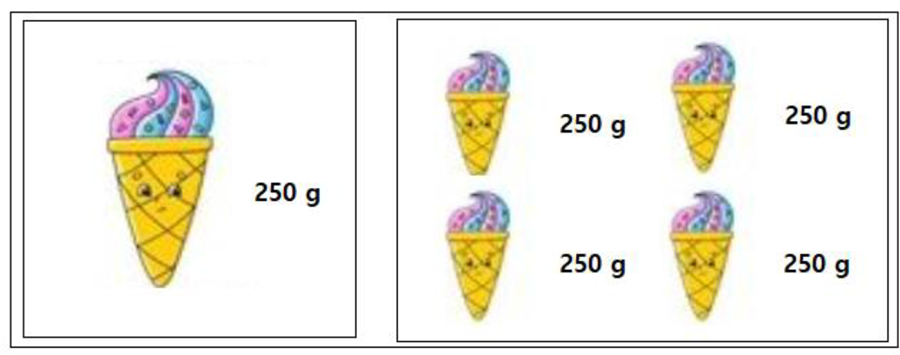
Ambiguity in mathematical tasks can generate confusion among students. For example, the instruction – go down four spaces – on a number line can be interpreted mistakenly, just as the task of calculating the price of ice creams can be affected by the lack of proportionality in the images (Font et al., 2024). See the example in Figure 1.
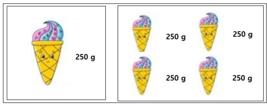
In this case, the task command made use of the images, and the size of the cones is not proportional, which may cause some kind of confusion for the student. Therefore, it should be avoided. Following this, another very important component for teaching is the richness of processes; in this specific case, it must be taken into consideration.
4.1.3 Richness of processes
This component values tasks that encourage students to perform meaningful mathematical processes, such as modeling, argumentation, and problem-solving. An example is the task of finding the longest path in a 5x8 grid, which requires logical reasoning, hypothesis formulation, and justification of choices. Richness of processes is fundamental to promote deep and integrated learning.
4.1.4 Representativeness
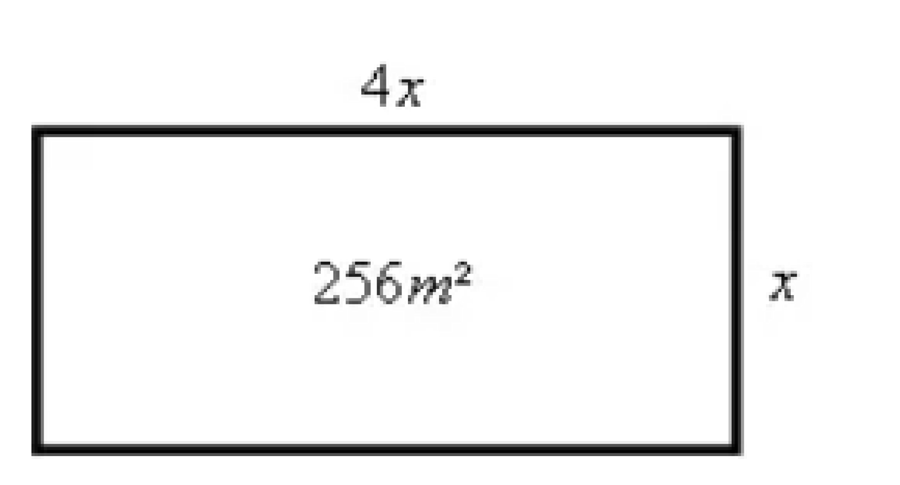
When selecting mathematical concepts to teach, it is crucial to ensure that they represent the complexity of the curriculum and that they are addressed in different ways (verbal, graphical, symbolic, pictorial). An example is the resolution of a geometric problem of a rectangle with dimensions 4x and x, according to Figure 2, which involves both the symbolic formulation of an equation and the graphical representation of the solution.
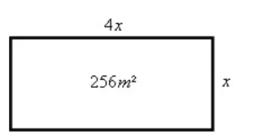
This multimodal approach contributes to a more robust understanding of mathematical concepts.
4.2 Cognitive Suitability in Mathematics lessons
This Criterion assesses the distance between what students already know and what is intended to be taught, in addition to observing whether the acquired learning is close to the educational objective (Gutierre; Font, 2024; Sousa; Gutierre, 2025). The analysis is divided into three components: prior knowledge, curricular adaptations, and learning.
4.2.1 Prior knowledge
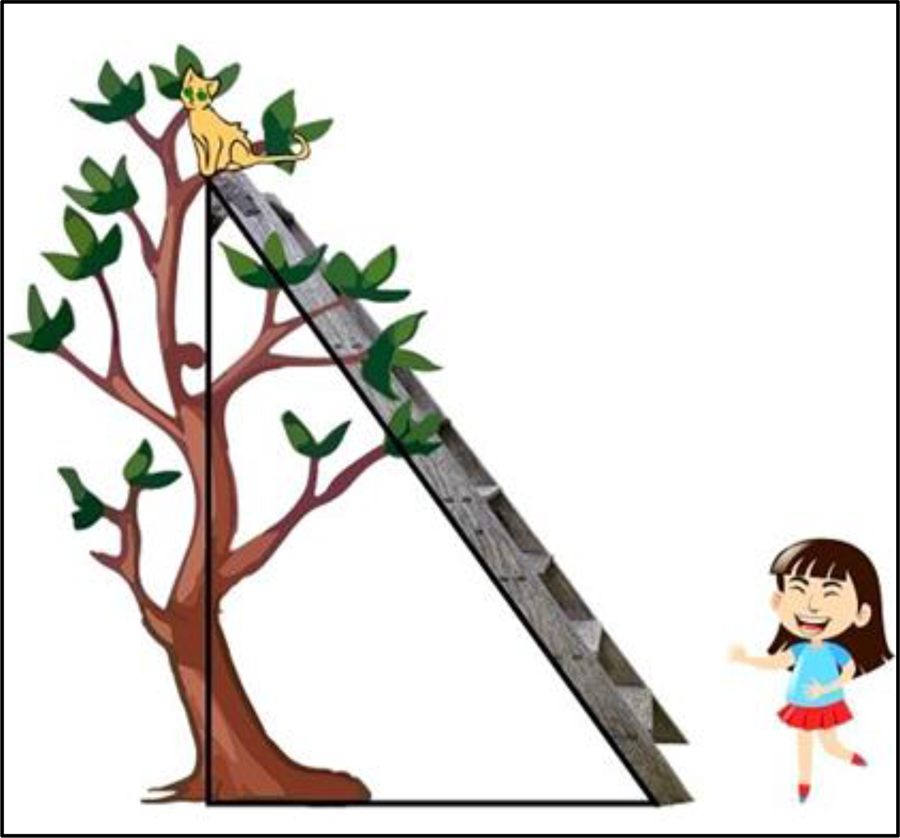
This component highlights the importance of considering students' prior knowledge, which is formed based on their social and family experiences. Understanding what students already know allows introducing new concepts in a more accessible way. For example, when teaching second-degree polynomial equations, it is essential to know how students understand terms like unknown or coefficient. Another example is working with familiar geometric figures, such as a house, according to Figure 3, to teach basic geometric concepts (Font et al., 2024).

This component is notable for the care taken by the creator of mathematical tasks regarding the knowledge already solidified by the student through accumulated experience, or also concepts that students must understand and know how to use to perform calculation procedures in the applications of the mathematical object.
4.2.2 Curricular adaptations
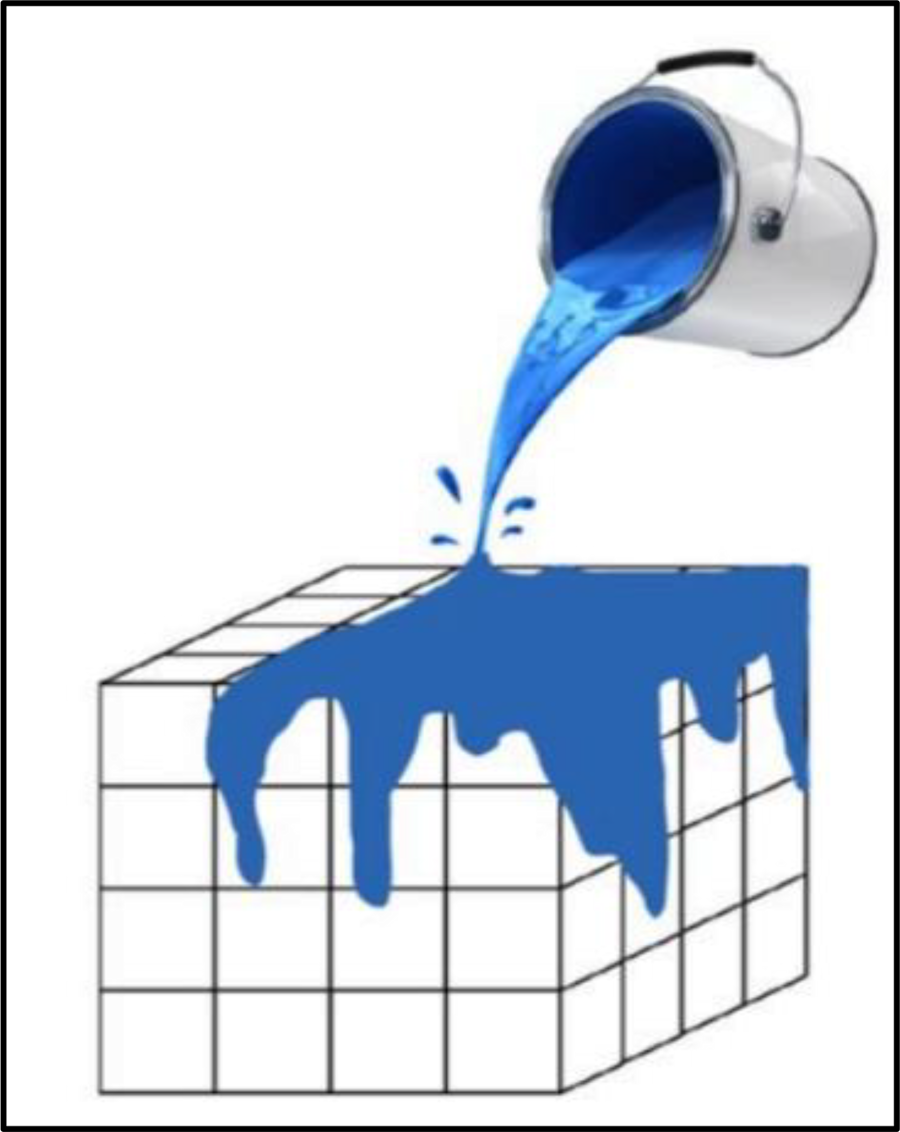
This component involves adapting activities to ensure that all students, regardless of their diversities, achieve the learning objectives. Activities like the Cube Challenge, see Figure 4, can be adjusted for different skill levels. This activity aims to know the quantity of cubes that were painted with blue paint. Another proposal, at a higher level, could be posed to know the quantity of small cubes that had three faces painted.

Furthermore, strategies such as the use of manipulative materials, collaborative practices, and formative assessments are fundamental to meet the needs of all students (Hummes, 2022). Offering different levels of difficulty is a suitable way to ensure that everyone participates actively and progresses in learning.
4.2.3 Learning
Formative assessment, essential for understanding student progress, helps identify their difficulties and common errors. The BNCC, despite being a useful reference, presents some limitations in its nuances, for although it offers important competencies for continuous assessment, its application does not always consider the specificities and varied contexts of students. For example, when working with the Pythagorean Theorem, it is fundamental to alert students about the common error of applying the theorem in triangles that are not right-angled.
A common example observed are tasks about the Pythagorean Theorem associating it with everyday questions: Carla, looking for her kitten, spotted it on top of a tree. She then asked her mother for help and they placed a ladder next to the tree to help the cat down. Knowing that the cat was x meters from the ground and the base of the ladder was positioned y meters from the tree, what is the length of the ladder used to save the kitten? Observation: the distance from the base of the ladder to the base of the tree forms an angle of 90º.
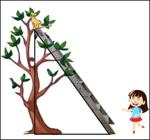
In a mathematical task about the Pythagorean theorem, before proposing the resolution, make an expository comment about a very common error of applying the theorem in any triangle. In this exercise properly speaking, the information contained in the observation about the 90º angle may seem like a simple detail, but it makes all the difference. Furthermore, taking care to work on the geometric forms of resolution of the Pythagorean Theorem so that the student can develop [it] (Hummes, 2022).
4.3 Affective Suitability in Mathematics lessons
This Criterion focuses on the degree of student involvement, highlighting the importance of motivation, participation, and interest in the learning process. Analyzing students' affective involvement is essential to promote meaningful learning and cultivate skills such as autonomy, curiosity, and creative problem-solving. Below, three essential components are presented: interests and needs, attitudes, and emotions.
4.3.1 Interests and needs
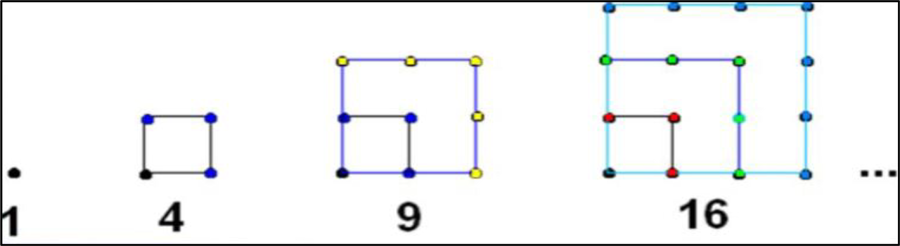
This component involves the use of engaging and contextualized tasks that show the applicability of mathematics in daily life. In an activity on how to verify if a number is a perfect square, the teacher suggests that the student successively subtracts a number by the sequence of odd numbers. If the result is 0 (zero), the number in question is a perfect square. Let's see:
16 - 1 = 15
15 - 3 = 12
12 - 5 = 7
7 - 7 = 0
Thus, the number 16 is a perfect square. Let's see another number:
9 - 8 = 1
8 - 3 = 5
5 - 5 = 0
Thus, the number 9 is a perfect square.
Now, the demonstration can be done geometrically using matchsticks.
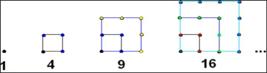
Other examples for this component are using challenges with sticks, board games, mathematical riddles, statistical surveys in the school itself or in the family, mathematical operation activities involving water, electricity, and telephone bills.
4.3.2 Attitudes
Here, the description observes the promotion of activities that stimulate active participation, perseverance, and student responsibility. At the same time, argumentation in equitable situations is valued, where the merit of the argument is prioritized regardless of its source. As an example, we have in Sousa (2023b) the suggestion of a thematic debate of ideas, favoring the fostering of critical attitudes.
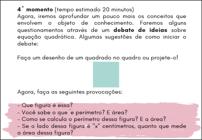
With this example, the practice of argumentation in an equitable environment is also valued, where the merit of arguments is prioritized regardless of their origin. This means providing opportunities for students to express their points of view, defend their ideas, and collaborate in discussions and problem-solving.
4.3.3 Emotions
This component seeks to create a safe learning environment, where students can overcome fear and anxiety related to mathematics. By working on self-esteem and valuing the aesthetics and precision of the discipline, students are encouraged to appreciate mathematics more broadly, seeing it not only as a technical area but also as a source of beauty and harmony.
4.4 Interactional Suitability in Mathematics lessons
This Criterion assesses teaching dynamics, focusing on how didactic approaches and configurations can resolve semiotic conflicts before and during the teaching process. It emphasizes the negotiation of meanings between students and teachers and the importance of promoting active interactions involving collaboration and debate. The objective is to create an inclusive environment, where different perspectives are valued and students' competencies are developed critically and adaptively. The analysis is divided into four components: teacher-student interaction, interaction among students, autonomy, and formative assessment.
4.4.1 Teacher-student interaction
This component deals with teachers' approach to promoting a clear understanding of key concepts and resolving conflicts among students. The idea is to involve all students in the lesson dynamics, ensuring that everyone feels included and valued. Examples include the use of games and rhetorical resources to maintain student engagement and foster constructive dialogues.
4.4.2 Interaction among students
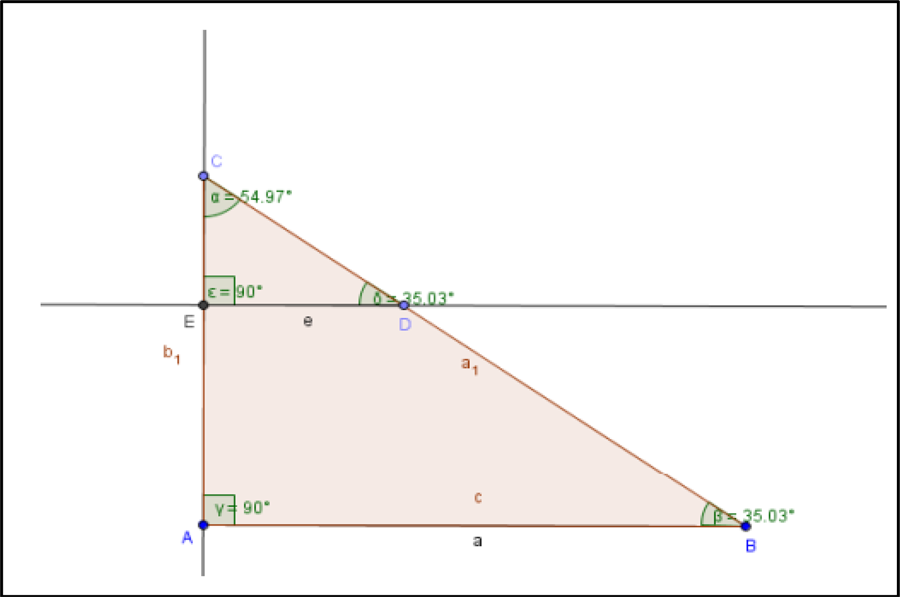
Focuses on promoting dialogue and collaboration among students. The emphasis is on ensuring that everyone participates actively, expressing their opinions and debating ideas based on solid mathematical arguments. An example is the use of the GeoGebra application to create geometric figures, which stimulates collaboration and the exchange of ideas among students.
4.4.3 Autonomy
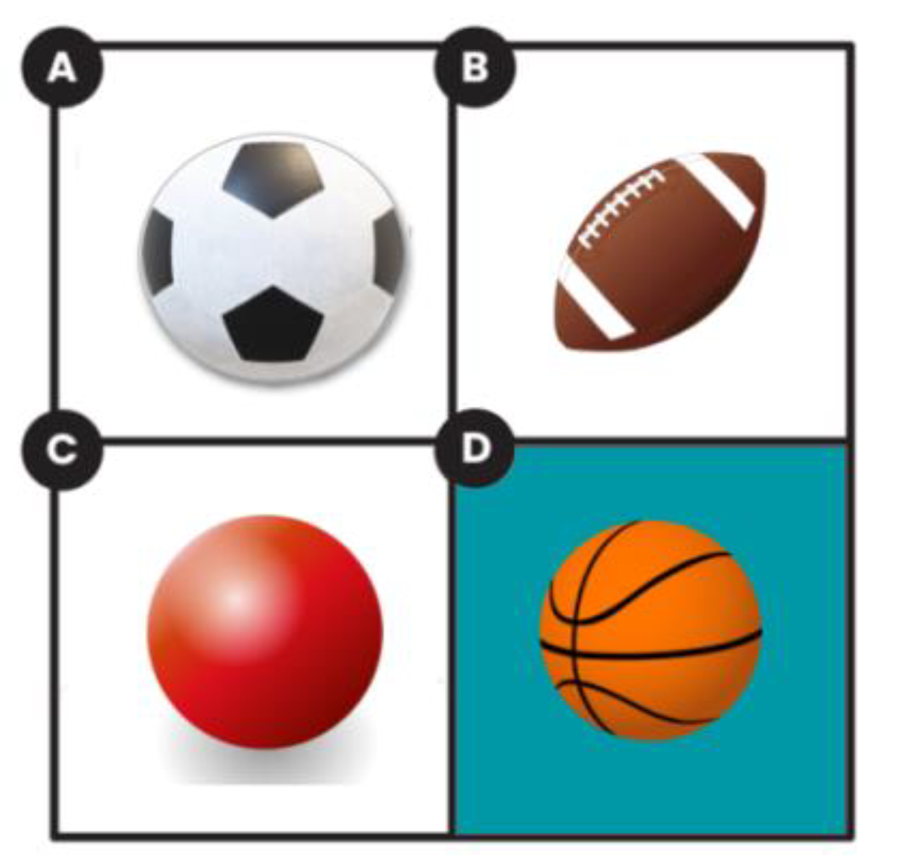
This component observes when students assume responsibility for their own learning, exploring concepts, making connections, and solving problems. Autonomy is encouraged through tasks that challenge students to investigate, create, and communicate their solutions independently. An example, in Figure 8, is a task in which students must identify geometric figures and apply their knowledge in a practical and creative way.
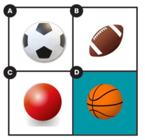
After exposing the images, ask students to name the objects and answer the following questions:
-
Which sports are practiced with the use of these objects?
-
Which element does not belong to the group? Why?
-
Which geometric figure is predominant?
The proposed activity fosters student autonomy by actively involving them in the investigation and resolution of mathematical problems. By naming objects, identifying associated sports, determining the element that does not belong to the group, and recognizing the predominant geometric figure, students take responsibility for their own learning. This process requires them to use logical reasoning, make connections between mathematical concepts, and communicate their findings clearly. The activity stimulates autonomy by encouraging independent exploration and the practical application of concepts, allowing students to develop essential skills for problem-solving and effective communication, both individually and collaboratively.
4.4.4 Formative assessment
Here, assessment is used systematically to observe students' cognitive progress, adjusting teaching strategies as needed. This involves offering individualized support and reinforcement activities, allowing students to advance at their own pace. An example is the analysis of a numerical sequence, where students identify patterns and apply rules to predict and create new sequences, providing a clear view of their cognitive development.
4.5 Mediational Suitability in Mathematics lessons
This Criterion assesses the availability and suitability of material and temporal resources necessary for teaching and learning, covering didactic materials, educational technologies, physical infrastructure, and logistical support. It highlights the importance of these resources for the development of the educational process, ensuring that the environment is conducive to learning.
The analysis is divided into three main components: material resources, number of students, schedule and lesson conditions, and time.
4.5.1 Material resources
This component focuses on the use of manipulative materials and educational technologies (such as software and digital tools) to contextualize and deepen students' learning. Examples include the use of GeoGebra to teach mathematical concepts and origami to explore geometry in a practical way. Figure 9 exemplifies a mathematical task requesting students to use the GeoGebra software.

It is relevant to highlight that the utility of these materials is associated with creating problems, making arguments, making representations, modeling what concretizes definitions and properties, etc.
4.5.2 Number of students, schedule, and lesson conditions
Here, the analysis involves the number and distribution of students to optimize the flow of the teaching process, creating an environment where everyone can interact and participate actively. Classroom configuration and environmental quality (such as equipment, temperature, and noise reduction) are fundamental to ensure students have a suitable and collaborative learning environment.
4.5.3 Time
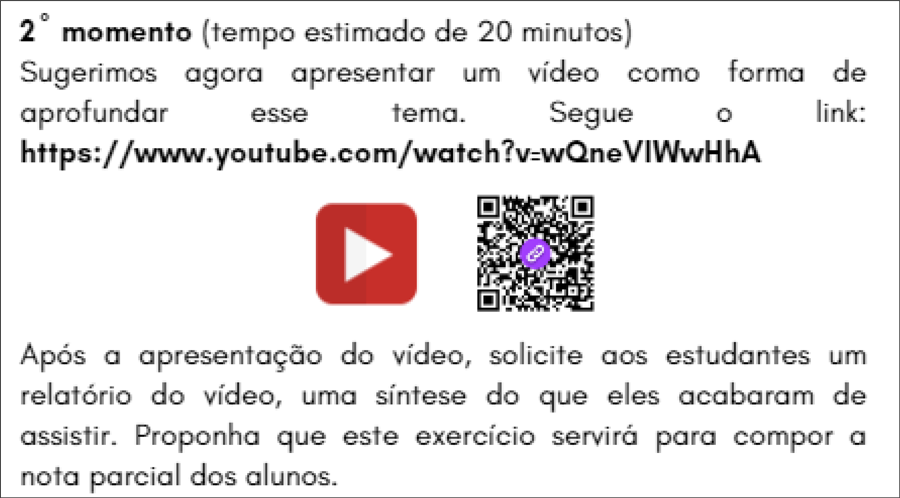
Planning must allocate sufficient time to address contents completely and deeply. This includes adequately allocating time for the most challenging topics and ensuring students have time to apply what they have learned. Furthermore, the time available for activities must be well planned to maximize learning, as illustrated by a task that uses a video followed by a synthesis made by students.
We must plan the execution of the task taking into consideration the time necessary to work on what is desired. In this example in Figure 10, we have a command for the teacher to present a video clip and then request a synthesis from the students; the time of 20 minutes was estimated for this moment.
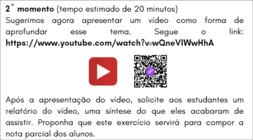
When planning the task, the author took into consideration the time necessary for its execution, which makes a great difference in the success of the activity.
4.6 Ecological Suitability in Mathematics lessons
This Criterion is described as sufficient to assess the degree of adaptation of the study process to the school's educational project, curricular guidelines, and social environment conditions. The analysis from this point of view is described over 5 (five) components: curricular adaptation, didactic innovation; social and professional utility; and intra- and interdisciplinary connections.
4.6.1 Curricular adaptation
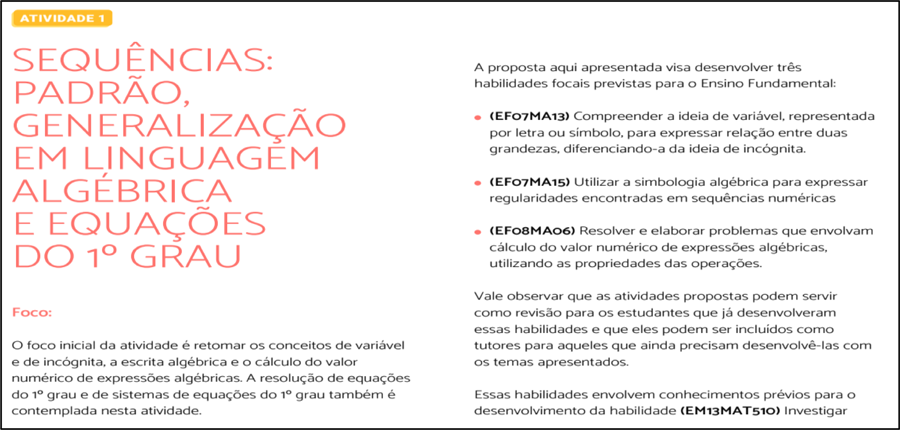
This component ensures that contents, implementation, and assessment are aligned with curricular guidelines, within the scope of teaching. Curricular adaptation must ensure consistency with educational standards, promoting an integral education that prepares students for contemporary challenges. For example, in Figure 11, a task integrating BNCC competencies demonstrates this alignment with the national curriculum, preparing students to develop skills such as critical thinking and collaboration.
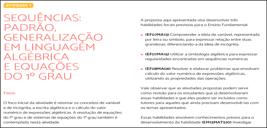
This alignment ensures that all students receive the same curriculum, regardless of their location, and develop essential skills, such as critical thinking and collaboration, in tune with the demands of today's world.
4.6.2 Didactic innovation
Innovation is fundamental in the teaching process, incorporating new technologies and pedagogical practices that enrich learning. The integration of Information and Communication Technologies (ICT) such as calculators and software are examples that make teaching more dynamic and engaging. The partnership between schools and universities is also a way to promote innovation, bringing research results and new pedagogical approaches to the classroom.
To exemplify this component, a didactic innovation based on research and reflective practice would be the partnership between school and university, as illustrated in Figure 12 below.
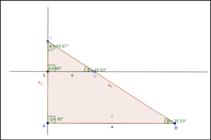
This collaboration allows research and products derived from these investigations to be brought into the classroom, enriching the teaching process. Furthermore, another form of innovation would be the integration of new technologies in mathematical tasks, providing students with a more dynamic and updated approach to the content.
4.6.3 Social and professional utility
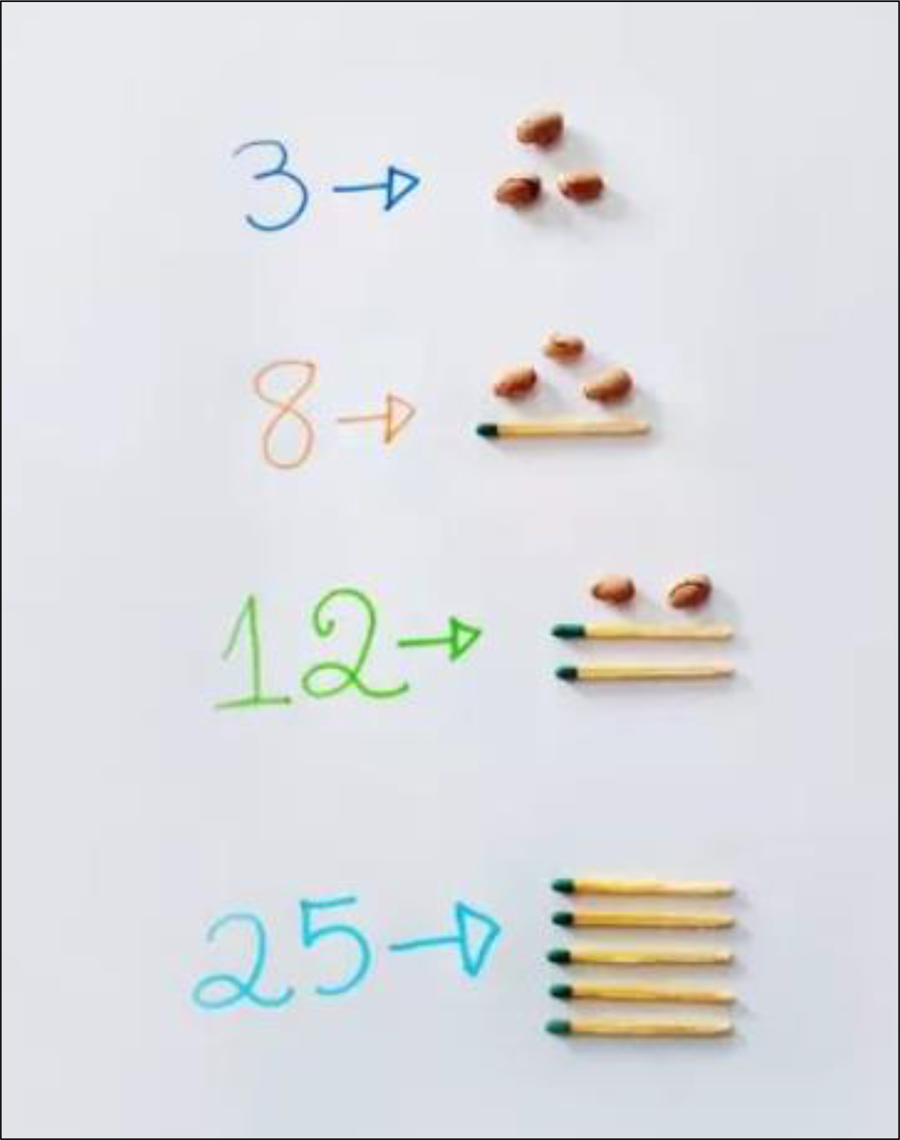
Contents must be selected in a way that contributes significantly to students' socio-professional formation, preparing them to face the challenges and demands of the contemporary world. As an example, an activity on cultural aspects in counting, demonstrating the different ways of counting, in Figure 13.
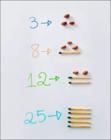
This activity enables a connection with numerical representation and diverse cultural contexts. Counting is a common practice in various cultures, and by using beans and matchsticks, students can experience and explore these variations. For example, they can discuss how different communities use specific objects or their own numerical systems, broadening their understanding of mathematics in a broader context.
Furthermore, the activity prepares students for the professional world, where counting and numerical representation are essential in various professions, such as agriculture, commerce, and industry. By learning to count and represent quantities practically, students develop logical reasoning, teamwork, and problem-solving skills.
4.6.4 Intra- and interdisciplinary connections
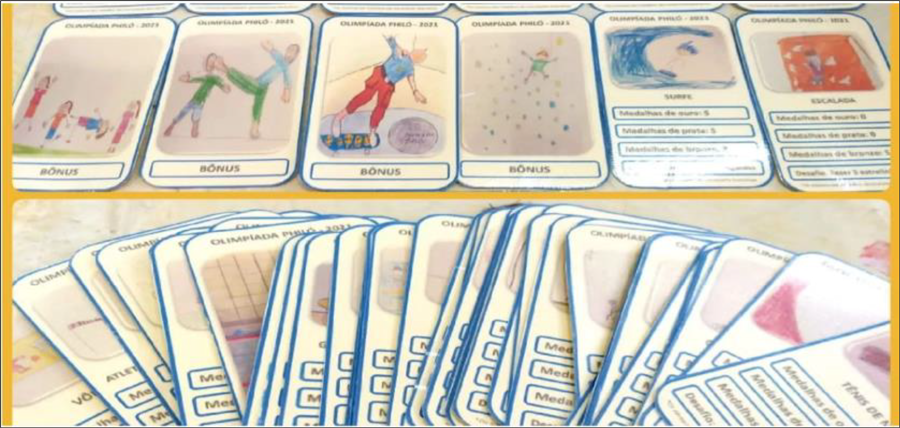
Contents are structured to establish meaningful connections not only among themselves but also with other contents inside and outside the discipline, promoting a comprehensive interdisciplinary approach. To exemplify, we present an activity that makes connections between the mathematical object and contents of other disciplines.
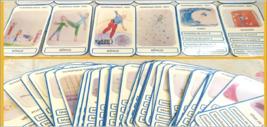
We highlight that didactic innovation is not limited only to the application of new technologies but also includes the creative adaptation of teaching methodologies and the incorporation of approaches that respond to students' needs and interests, thus promoting a more dynamic, inclusive, and suitable educational environment.
5 Final Considerations
This study was guided by the following guiding questions: what should a good Mathematics lesson look like? What criteria should we consider when preparing a meaningful Mathematics lesson? And what are the Didactic Suitability Criteria (DSC)? Based on these questions, we developed an analysis of the main criteria that are essential for the construction of Mathematics lessons that meet students' needs and current educational objectives.
Firstly, to answer the question – what should a good Mathematics lesson look like? – we present the DSC as a set of guidelines that guide the planning and execution of didactic activities. These criteria address the interaction between teachers and students, the use of suitable material resources, curricular adaptation, and didactic innovation. From these points, it became clear that a good Mathematics lesson must promote a dynamic, collaborative, and flexible learning environment, in which students can develop cognitive, social, and emotional skills. Furthermore, it is fundamental that lessons integrate technologies and active methodologies, to stimulate critical thinking and creative problem-solving.
Regarding the second question – what criteria should we consider when preparing a meaningful Mathematics lesson? – the analysis of the DSC revealed that it is indispensable to consider curriculum adaptation, the use of diversified resources, and the promotion of learning. The incorporation of new technologies and adaptation to the material and temporal conditions of the lessons are essential elements to ensure that students not only absorb the content but also engage deeply and lastingly in the learning process. Learning happens more suitably when lessons are structured to promote collaboration, interaction, and the practical application of acquired knowledge, creating an environment that favors the integral development of students.
Finally, when answering the third question – what are the Didactic Suitability Criteria (DSC)? – we can state that the DSC are a set of fundamental guidelines for educational planning. These criteria address the importance of aligning pedagogical methods with students' needs and educational objectives. They emphasize the need to consider aspects such as teacher-student interaction, the suitable use of didactic resources, curricular adaptation, and the implementation of pedagogical innovations, in addition to promoting a formative assessment that allows adjusting teaching according to student progress. In this way, the DSC ensure that the teaching process is more suitable, relevant, and aligned with educational standards.
Therefore, this study managed to clearly answer the initial research questions. It provided a solid structure for planning Mathematics lessons, mobilized by the DSC, which allows teachers to develop more innovative and inclusive pedagogical practices. These guidelines not only support educators in improving teaching but also contribute to the construction of an educational environment that prepares students for the challenges of today's world, developing essential skills such as critical thinking, collaboration, and problem-solving.
References
-
ASTH, R, C. Exercícios sobre Teorema de Pitágoras (resolvidos e comentados). Toda matéria, 2024. Disponível em: https://www.todamateria.com.br/teorema-de-pitagoras-exercicios/ Acesso em: 21 de nov. 2025.
» https://www.todamateria.com.br/teorema-de-pitagoras-exercicios/ -
ATIVIDADE M. M. Desafio pintando o cubo. Mentalidades Matemáticas, 2024. Disponível em: https://mentalidadesmatematicas.org.br/wp-content/uploads/2024/03/Desafio-para-Sorteio-de-10k-seguidores-no-Insta.pdf/ Acesso em: 21 de nov. 2025.
» https://mentalidadesmatematicas.org.br/wp-content/uploads/2024/03/Desafio-para-Sorteio-de-10k-seguidores-no-Insta.pdf/ - AIRES, L. Paradigma Qualitativo e Práticas de Investigação Educacional. Porto: Universidade Aberta, 2011.
-
BOALER, J. Letramento Matemático: O Que É, Importância e Atividades. Mentalidades Matemáticas, 2024. Disponível em: https://mentalidadesmatematicas.org.br/letramento-matematico/ Acesso em: 21 de nov. 2025.
» https://mentalidadesmatematicas.org.br/letramento-matematico/ - BORBA, M. de C.; ARAÚJO, J. de L. (org.). Pesquisa Qualitativa em Educação Matemática 6. ed. Belo Horizonte: Autêntica, 2019.
- BRASIL. Parâmetros curriculares nacionais: matemática. Brasília: MEC/SEF, 1997.
-
BRASIL. Base Nacional Comum Curricular. Brasília: MEC, 2017. Disponível em: http:// basenacionalcomum.mec.gov.br/ Acesso em: 21 mar. 2024.
» http:// basenacionalcomum.mec.gov.br/ - BREDA, A.; FONT, V.; LIMA, V. M. do R. A noção de Idoneidade didática e seu uso na formação de professores de Matemática. Jornal Internacional de Estudos em Educação Matemática - JIEEM, Londrina, v. 8, n. 2, p. 1-41, 2015.
- BREDA, A.; FONT, V.; LIMA, V. M. do R.; PEREIRA, M. V. Componentes e indicadores de los criterios de idoneidad didáctica desde la perspectiva del enfoque ontosemiótico. Transformación, Camagüey, v. 14, n. 2, p. 162-176, maio/ago. 2018.
-
COLETTI, S. Sugestões para trabalhar a Matemática de forma interdisciplinar. Nova Escola, 2022. Disponível em: https://novaescola.org.br/conteudo/21163/sugestoes-para-trabalhar-a-matematica-de-forma-interdisciplinar/ Acesso em: 22 de nov. 2025.
» https://novaescola.org.br/conteudo/21163/sugestoes-para-trabalhar-a-matematica-de-forma-interdisciplinar/ -
CONSELHO NACIONAL DE DESENVOLVIMENTO CIENTÍFICO E TECNOLÓGICO - CNPq. Diretório dos Grupos de Pesquisa no Brasil Lattes: Grupo Potiguar de Estudos e Pesquisas em Educação Matemática - GPEP. Disponível em: dgp.cnpq.br/dgp/espelhogrupo/9562255289198995/ Acesso em: 24 de nov 2025.
» dgp.cnpq.br/dgp/espelhogrupo/9562255289198995/ - FIORENTINI, D.; LORENZATO, S. Investigação em educação matemática: percursos teóricos e metodológicos. 3. ed. São Paulo: Autores Associados, 2012.
- FONT, V.; BREDA, A.; GEMMA, S. S.; PINO-FAN, L. R. Future teacher's reflections on mathematical errors made in their teaching pratice. ZDM, Berlim, v. 56, p. 1169-1181, 2024.
- GUSMÃO, T. C. R. S.; FONT, V. Ciclo de estudo e desenho de tarefas. Educação Matemática Pesquisa, São Paulo, v. 22, n. 3, p. 666-697, 2020.
-
GUTIERRE, L. dos S.; FONT, V. O Produto Educacional em Ensino de Matemática: uma análise baseada nos Critérios de Adequação Didática. Paradigma, Maracay, v. 45, n. 2, p. e2024003, 2024. DOI: 10.37618/PARADIGMA.1011-2251.2024.e2024003.id1536. Disponível em: https://revistaparadigma.com.br/index.php/paradigma/article/view/1536 Acesso em: 17 jul. 2024.
» https://doi.org/10.37618/PARADIGMA.1011-2251.2024.e2024003.id1536» https://revistaparadigma.com.br/index.php/paradigma/article/view/1536 - HUMMES, V. Uso combinado del Lesson Study y de los Criterios de Idoneidad Didáctica para el desarrollo de la reflexión sobre la práctica en la formación de profesores de matemáticas. 2022. 433 f. Tese (Doctorado em Didáctica de las Ciencias, las Lenguas, las Artes y las Humanidades) Facultad de Educación - Universidad de Barcelona, Barcelona, 2022.
- HUMMES, V.; BREDA, A.; FONT, V. Critérios de adequação didática implícitos na reflexão de professores quando planejam, implementam e redesenham uma aula em uma experiência de Lesson Study. In: RICHIT, A. et al. (org.). Estudos de aula na formação inicial e continuada de professores. São Paulo: Livraria da Física, 2022. p. 47-82.
- LOPES, M. M. Construção e aplicação de uma sequência didática para o ensino de Trigonometria usando software Geogebra. 2010. 141 f. Dissertação (Mestrado em Ensino de Ciências Naturais e Matemática) - Universidade Federal do Rio Grande do Norte, Natal, 2010.
-
MANUAIS, MATERIAIS E TEXTOS DE ORIENTAÇÃO E APOIO. Sequência Didática 2 - Pensamento algébrico, equação e função do 1° grau e áreas. Instituto Unibanco, 2022. Disponível em: https://observatoriodeeducacao.institutounibanco.org.br/cedoc/detalhe/tf-sequencia-didatica-2-pensamento-algebrico-equacao-e-funcao-do-1-grau-e-areas-material-do-professor-a-volume-2,25287c9e-fe48-4209-8e33-ee5c4f580fe0/ Acesso em: 21 de nov. 2025.
» https://observatoriodeeducacao.institutounibanco.org.br/cedoc/detalhe/tf-sequencia-didatica-2-pensamento-algebrico-equacao-e-funcao-do-1-grau-e-areas-material-do-professor-a-volume-2,25287c9e-fe48-4209-8e33-ee5c4f580fe0/ -
MATEÁTICA E ARTE. Bola de sorvete. Youcubed, 2017. Disponível em: https://www.youcubed.org/pt-br/tasks/bola-de-sorvete/ Acesso em: 21 de out. 2025.
» https://www.youcubed.org/pt-br/tasks/bola-de-sorvete/ -
MENTE SEM BARREIRAS. Bola de Sorvete. Youcubed, 2017. Disponível em: https://www.youcubed.org/pt-br/tasks/bola-de-sorvete/ Acesso em: 24 de nov. 2025.
» https://www.youcubed.org/pt-br/tasks/bola-de-sorvete/ - NATIONAL COUNCIL OF TEACHERS OF MATHEMATICS - NCTM. Princípios e padrões para a matemática escolar. Reston: NCTM, 2000.
- NUNES, M. M.; GUSMÃO, T. C. R. S.; BLANCO, T. F.; GUTIERRE, L. dos S. A competência do professor em análise de tarefas matemáticas sobre medidas de comprimento. Paradigma, Maracay, v. 44, n. 4, p. 453-480, 2023.
- PASSOS, C. L. B.; NACARATO, A. M. Trajetória e perspectivas para o ensino de Matemática nos anos iniciais. Estudos Avançados, São Paulo, v. 32, n. 94, p. 119-135, 2018.
-
PEREIRA DE SÁ, I. A magia da matemática (A arte de produzir fome...). SlideServe, 2014. Disponível em: https://www.slideserve.com/sydney/a-magia-da-matem-tica-a-arte-de-produzir-fome/ Acesso em: 12 de out. 2025.
» https://www.slideserve.com/sydney/a-magia-da-matem-tica-a-arte-de-produzir-fome/ -
PRATES, R. Matemática: 3 sugestões para trabalhar a cultura e os saberes dos povos indígenas. Nova Escola, 2023. Disponível em: https://novaescola.org.br/conteudo/21652/matematica-3-sugestoes-para-trabalhar-a-cultura-e-saberes-dos-povos-indigenas?utm_source=adwords&utm_medium=ppc&utm_network=x&utm_campaign=trafegopago_grants_srj&utm_content=&utm_term=_&gad_source=1&gad_campaignid=22344173677&gbraid=0AAAAADRpNJwqJZqck6W8BJh9eO9qEyjYc&gclid=Cj0KCQiAoZDJBhC0ARIsAERP-F8PXqsUxWxy3Sqm9RlYoVX2bcfLSYDNV5BPo_YqwoRyfq2sjgP8ohYaAnPtEALw_wcB/ Acesso em: 24 de nov. 2025.
» https://novaescola.org.br/conteudo/21652/matematica-3-sugestoes-para-trabalhar-a-cultura-e-saberes-dos-povos-indigenas?utm_source=adwords&utm_medium=ppc&utm_network=x&utm_campaign=trafegopago_grants_srj&utm_content=&utm_term=_&gad_source=1&gad_campaignid=22344173677&gbraid=0AAAAADRpNJwqJZqck6W8BJh9eO9qEyjYc&gclid=Cj0KCQiAoZDJBhC0ARIsAERP-F8PXqsUxWxy3Sqm9RlYoVX2bcfLSYDNV5BPo_YqwoRyfq2sjgP8ohYaAnPtEALw_wcB/ - SOUSA, R. D. F. de. Guia de Elaboração/Uso de Sequências Didáticas: conciliando demandas do ensino de Matemática. Orientadora: Liliane dos Santos Gutierre. 2023. 55 p. Produto Educacional (Mestrado Profissional em Ensino de Ciências Naturais e Matemática) - Centro de Ciências Exatas e da Terra, Universidade Federal do Rio Grande do Norte, Natal, 2023a.
-
SOUSA, R. D. F. de; Uma Sequência Didática sobre Equação Quadrática à luz do Enfoque Ontossemiótico dos Critérios de Adequação Didática. In: ENCONTRO BRASILEIRO DE ESTUDANTES DE PÓS-GRADUAÇÃO EM EDUCAÇÃO MATEMÁTICA, 27., 2023b, Vitória. Anais... Vitória: IFES, 2023. p. 1-12. Disponível em: https://www.sbembrasil.org.br/ocs/index.php/EBRAPEM/EBRAPEM027/paper/viewFile/2448/1523/ Acesso em: 23 nov. 2025.
» https://www.sbembrasil.org.br/ocs/index.php/EBRAPEM/EBRAPEM027/paper/viewFile/2448/1523/ -
SOUSA, R. D. F. de; SANTOS, A. da S.; GUTIERRE, L dos S.; REIS FILHO, M. H. dos. Pesquisas no Grupo Potiguar à luz do Enfoque Ontossemiótico do Conhecimento e da Instrução Matemática. In: SIMPÓSIO INTERNACIONAL DE PESQUISA EM EDUCAÇÃO MATEMÁTICA, 6., 2024, Campina Grande. Anais... Campina Grande: UEPB, 2024. p. 1-9. Disponível em: https://www.even3.com.br/anais/6sipemat/793458-pesquisas-no-grupo-potiguar-a-luz-do-enfoque-ontossemiotico-do-conhecimento-e-da-instrucao-matematica/ Acesso em: 23 nov. 2025.
» https://www.even3.com.br/anais/6sipemat/793458-pesquisas-no-grupo-potiguar-a-luz-do-enfoque-ontossemiotico-do-conhecimento-e-da-instrucao-matematica/ -
SOUSA, R. D. F. de; GUTIERRE, L. dos S. Sequência Didática para o ensino de Matemática mobilizados a partir dos Critérios de Adequação Didática: um guia de elaboração. Paradigma, Maracay, v. 46, n. 1, p. e2025023, 2025. DOI: 10.37618/PARADIGMA.1011-2251.2025.e2025023.id1613. Disponível em: https://revistaparadigma.com.br/index.php/paradigma/article/view/1613 Acesso em: 27 mar. 2025.
» https://doi.org/10.37618/PARADIGMA.1011-2251.2025.e2025023.id1613» https://revistaparadigma.com.br/index.php/paradigma/article/view/1613
-
Data Availability:
The data generated or analyzed during this study are included in this published article.
-
1
Address for accessing the research group in the directory of the National Council for Scientific and Technological Development (CNPq), through the link: dgp.cnpq.br/dgp/espelhogrupo/9562255289198995. Accessed on: Jun 21, 2024.
-
2
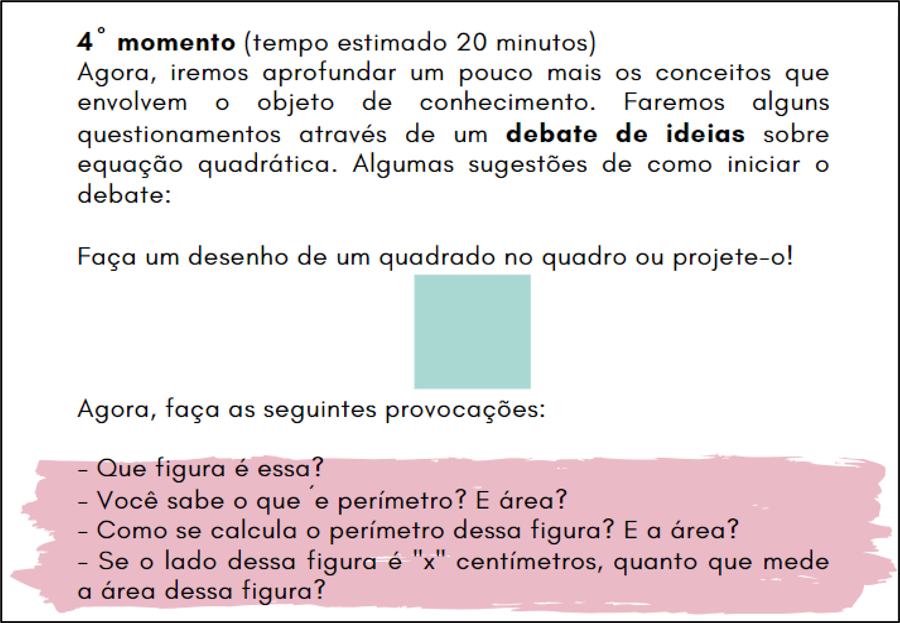
4th moment (estimated time: 20 minutes). At this stage, the teacher aims to further deepen the concepts related to the object of knowledge. A set of guiding questions is proposed through an idea debate on quadratic equations. As a starting point for the discussion, the teacher is encouraged to draw a square on the board or project one. The following prompts may be used: “What shape is this?” “Do you know what perimeter is? And area?” “How is the perimeter of this shape calculated? And the area?” “If the side of this shape measures ‘x’ centimeters, what is the area of this shape?”
-
3
(a) Construct a triangle with vertices A, B, and C (select the polygon tool and click on the graphics window).
-
4
2nd moment (estimated time: 20 minutes). At this stage, a video is suggested as a way to further explore the topic (available at: https://www.youtube.com/watch?v=wQneVlWwhhA). After watching the video, students are asked to produce a brief written report or synthesis of what they have just watched. It is proposed that this activity contribute to the students’ partial assessment.
-
5
Activity 1 – Sequences: patterns, generalization in algebraic language, and first-degree equations. The proposed activity aims to develop three core skills expected for lower secondary education: (EF07MA13) understanding the idea of a variable, represented by a letter or symbol, to express relationships between two quantities, distinguishing it from the idea of an unknown; (EF07MA15) using algebraic symbolism to express regularities found in numerical sequences; and (EF08MA06) solving and designing problems involving the calculation of the numerical value of algebraic expressions, using the properties of operations. The initial focus of the activity is to revisit the concepts of variable and unknown, algebraic notation, and the calculation of the numerical value of algebraic expressions. The solving of first-degree equations and systems of first-degree equations is also addressed. It is worth noting that the proposed activities may serve as a review for students who have already developed these skills and may also include tutoring strategies for those who still need to consolidate them. These skills involve prior knowledge necessary for the development of the competency (EM13MAT510): investigating patterns, regularities, and generalizations in mathematical contexts.
-
Editor-in-Chief:
Prof. Dr. Marcus Vinicius Maltempi
-
Associate Editor:
Prof. Dra. Maria Laura Magalhães Gomes
The data generated or analyzed during this study are included in this published article.


 Source: Sousa (2023a)
 Source: Mentalidades Matemáticas (2024)
 Source:
  Source: Sousa (2023a)
 Source: Instituto Unibanco (2022)
 Source:
  Source: Nova Escola (2023)
 Source: Nova Escola (2022)