Figure 1.
Hypsometric map of the municipalities of Santa Cruz da Baixa Verde and Triunfo located in the Pajeú region, state of Pernambuco. 1. Cachoeira do Pinga, 850 m alt. (7°51’05,43” S e 48°02’31,87” W); 2. Mata do Brejinho, 1,020 m alt. (7°51’59,47” S e 38°07’48,43” W); 3. Mata do Carro Quebrado, 620 m alt. (7°52’29,34” S e 38°06’10,97” W); 4. Mata no entorno do SESC, 1,050 m alt. (7°50’17,99” S e 38°06’37,67” W); 5. Pico do Papagaio, 1,130 m alt. (7°49’13,47” S e 38°03’28,70” W); 6. Serra da Madeira, 920 m alt., (7°51’49,40” S e 38°10’31,88” W); 7. Sítio Laje, 1,050 m alt. (7°50’39,79” S e 38°04’59,12” W); 8. Sítio Retiro, 1070 m alt. (7°50’42,96” S e 38°04’59,12” W); 9. Sítio Coroas, 1,070 m alt. (7°51’07,94” S e 38°08’24,05” W).
Figure 2.
Landscaps of Brejos de Altitude from Pernambuco-Brazil. a. Cachoeira do Pinga (Triunfo). b. Mata do Brejinho (Triunfo). c & d. Mata do Carro Quebrado (Santa Cruz da Baixa Verde). e. Mata do Sesc.
Figure 3.
Landscaps of Brejos de Altitude from Pernambuco-Brazil. a. Pico do Papaguaio. b e c. Serra da Madeira. d. Sítio Laje (Triunfo). e. Sítio Retiro. f. Sítio Coroas (Triunfo).
Figure 4.
Phenological data extracted from Euphorbiaceae exsiccates collected in Brejos de Altitude of Santa Cruz da Baixa Verde and Triunfo, semiarid region of Pernambuco.
Figure 5.
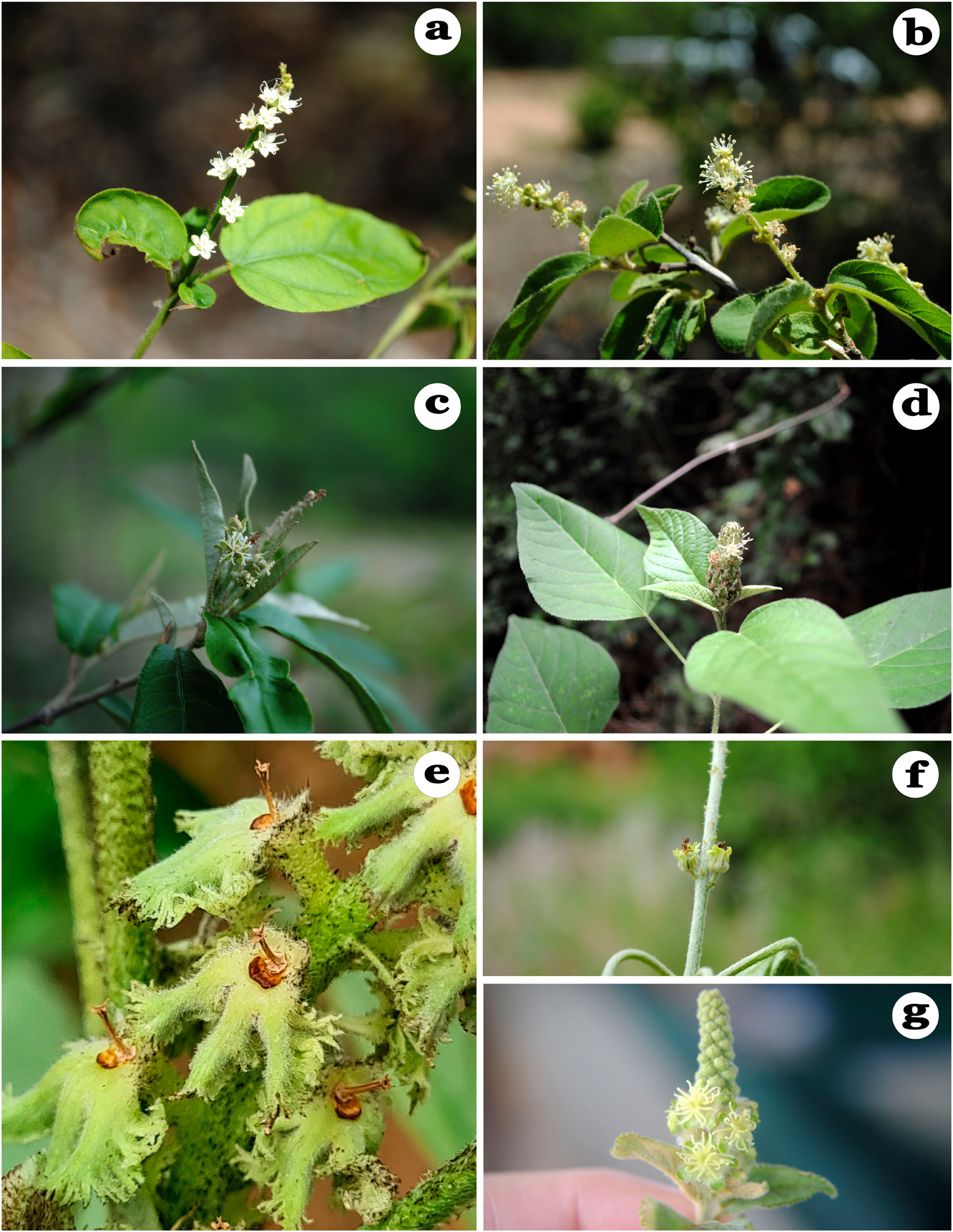
Acalypha brasiliensis Müll. Arg. (Photo: A. Laurênio) a. Inflorescence. b. Fruits. Acalyha multicaulis Müll. Arg. (Photo: A. Laurênio) c. Flowering branch. Acalypha radicans Müll. Arg. (Photo: A. Laurênio) d. Flowering branch. Argythamnia desertorum Müll. Arg. (Photo: A. Laurênio) e. Staminate flower. f. Pistillate flower. g. Fruit.
Figure 6.
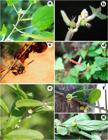
Astraea gracilis (Müll. Arg.) O. L. M. Silva & Cordeiro. (Photo: A. Laurênio). a. Habit. b. Pistillate flowers. c. Fruit. Astraea surinamensis (Miq.) O.L.M. Silva & Cordeiro. (Photo: J.C.R. Mendes). d. Flowering branch. Bernardia sidoides (Klotzsch) Müll. Arg. (Photo: A. Laurênio) e. Habit. Bernardia tamanduana (Baill.) Müll. Arg. (Photo: A. Laurênio) f. Flowering branch. g. Fruiting branch.
Figure 7.
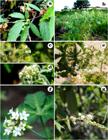
Bia lessertiana Baill. (Photo: W. Cordeiro) a. Habit. Cnidoscolus halteris Fern.- Casas. b. Habit. c. Staminate flower. d. Pistillate flower. Cnidoscolus infestus Pax & K. Hoffm. in Engl. (Photo: A. Laurênio). e. Staminate flower. f. Pistillate flower. Croton blanchetianus Baill. (Photo: A. Laurênio). g. Inflorescence.
Figure 8.
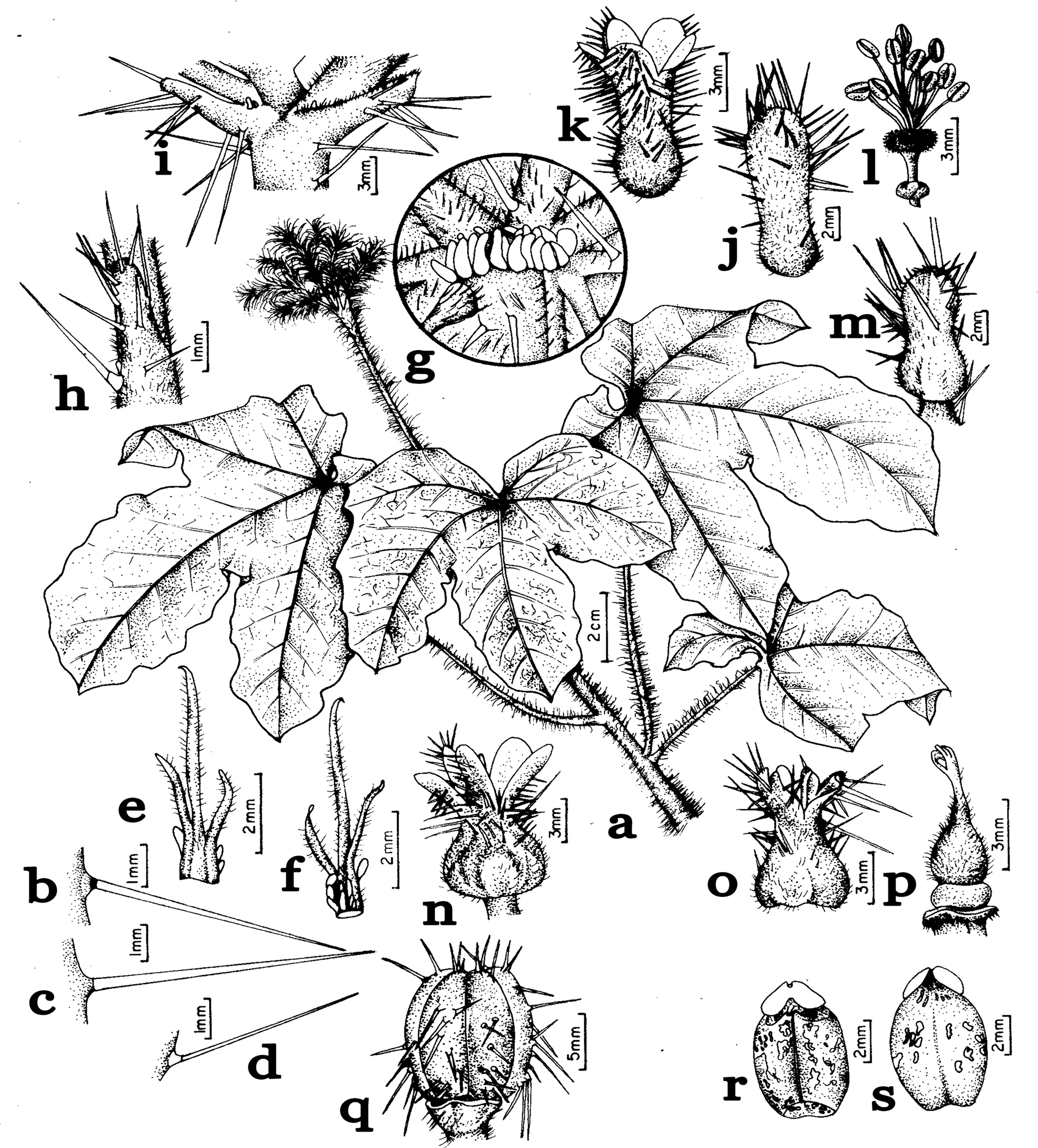
Cnidoscolus halteris Fern.- Casas. a. Flowering branch (A. Laurênio 1627 et al.); b. Aciculiform urticating trichome on the branch (A. Laurênio 1108 et al.); c. Aciculiform urticating trichome on the petiole (A. eaurênio 1216 et al.); d. Aciculiform urticating trichome on the fruit (A. Laurenio 1215 et al.); e. External face of the stipule; f. Inner face of the stipule (Andrade 129 et al.); g. Petiolar glands (Laurênio 1217 et al.); h. Bracts in lateral view; i. Bract in frontal view (A. Laurênio 1627 et al.); j. Staminate bud (A. Laurênio 1065 et al.). k. Staminate flower (Andrade 129 et al.); l. Androecium (A. Laurênio 1065 et al.); m. Pistillate bud. n. Pistillate flower; o. Pistillate flower perianth detached; p. Gynoecium (Andrade 129 et al.); q. Fruit (A. Laurênio 1216 et al.); r. Seed, ventral face; s. Seed, dorsal face (A. Laurênio 1628 et al.).
Figure 9.
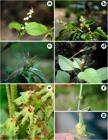
Croton heliotropiifolius Kunth. (Photo: A. Laurênio). a. Habit. b. Staminate flower. c. Pistillate flower. Croton hirtus L’Hér. (Photo: A. Laurênio). d. Habit. Croton jacobinensis Baill. (Photo: A. Laurênio). e. Flowering branch. Croton laceratoglandulosus Caruzo & Cordeiro. (Photo: A. Laurênio). f. Flowering branch.
Figure 10.
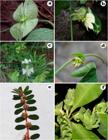
Croton pulegiodorus Baill. (Photo: A. Laurênio). a. Flowering branch. Croton sertanejus Sodré & M.J. Silva. (Photo: A. Laurênio). b. Flowering branch. Croton tricolor Klotzsch ex Baill. (Photo: A. Laurênio). c. Flowering branch. Croton triqueter Lam. (Photo: A. Laurênio). d. Flowering branch. e. sepals. e. sepals of chalice after fruit fall. Croton urticifolius Lam. (Photo: A. Laurênio). f. Staminate flowers. g. Pistillate flowers.
Figure 11.
Dalechampia brasiliensis Lam. (Photo: R.A. Pereira-Silva). a. Pseudanthium. Dalechampia pernambucensis Baill. (Photo: A. Laurênio). b. Pseudanthium. c. Bracteal stipule deltoid. Dalechampia scandens L. (Photo: A. Laurênio). d. Pseudanthium. Euphorbia adenoptera Bertol. (Photo: A. Laurênio). e. Habit. Euphorbia comosa Vell. (Photo: A. Laurênio). f. Cyathium.
Figure 12.
Euphorbia heterodoxa Müll. Arg. (Photo: A. Laurênio). a. Habit. b. Imbricated bracts protecting the cyathium. c. Cyathium. Euphorbia heterophylla L. (Photo: A. Laurênio). d. Fruiting branch. Euphorbia hirta L. (Photo: A. Laurênio). e. Cyathium glomerulus. Euphorbia hyssopifolia L. (Photo: A. Laurênio). f. Habit. g. Inflorescence.
Figure 13.
Euphorbia ophthalmica Pers. (Photo: A. Laurênio). a. Habit. Euphorbia prostrata Aiton. (Photo: A. Laurênio). b. Fruit. c. Pistillate flower. Jatropha mollissima (Pohl) Baill. (Photo: A. Laurênio). d. Staminate flowers. e. Pistillate flowers. f. Fruit.
Figure 14.
Manihot carthagenensis (Jacq.) Müll. Arg. (Photo: A. Lima). a. Staminate flowers. b. Pistillate flowers. c. fruit with prominences at the septum junction. Microstachys corniculata (Vahl) Griseb. d. Inflorescence. Sapium argutum (Müll.Arg.) Huber. (Photo: A. Laurênio). e. Inflorescence. Tragia cearensis Pax & Hoffm. in Engl (Photo: A. Laurênio). f. Flowering and fruiting branch. Tragia volubilis L. (Photo: W. Cordeiro). g. Flowering branch.
Figure 5.
Acalypha brasiliensis Müll. Arg. (Photo: A. Laurênio) a. Inflorescence. b. Fruits. Acalyha multicaulis Müll. Arg. (Photo: A. Laurênio) c. Flowering branch. Acalypha radicans Müll. Arg. (Photo: A. Laurênio) d. Flowering branch. Argythamnia desertorum Müll. Arg. (Photo: A. Laurênio) e. Staminate flower. f. Pistillate flower. g. Fruit.
Figure 6.
Astraea gracilis (Müll. Arg.) O. L. M. Silva & Cordeiro. (Photo: A. Laurênio). a. Habit. b. Pistillate flowers. c. Fruit. Astraea surinamensis (Miq.) O.L.M. Silva & Cordeiro. (Photo: J.C.R. Mendes). d. Flowering branch. Bernardia sidoides (Klotzsch) Müll. Arg. (Photo: A. Laurênio) e. Habit. Bernardia tamanduana (Baill.) Müll. Arg. (Photo: A. Laurênio) f. Flowering branch. g. Fruiting branch.
Figure 7.
Bia lessertiana Baill. (Photo: W. Cordeiro) a. Habit. Cnidoscolus halteris Fern.- Casas. b. Habit. c. Staminate flower. d. Pistillate flower. Cnidoscolus infestus Pax & K. Hoffm. in Engl. (Photo: A. Laurênio). e. Staminate flower. f. Pistillate flower. Croton blanchetianus Baill. (Photo: A. Laurênio). g. Inflorescence.
Figure 8.
Cnidoscolus halteris Fern.- Casas. a. Flowering branch (A. Laurênio 1627 et al.); b. Aciculiform urticating trichome on the branch (A. Laurênio 1108 et al.); c. Aciculiform urticating trichome on the petiole (A. eaurênio 1216 et al.); d. Aciculiform urticating trichome on the fruit (A. Laurenio 1215 et al.); e. External face of the stipule; f. Inner face of the stipule (Andrade 129 et al.); g. Petiolar glands (Laurênio 1217 et al.); h. Bracts in lateral view; i. Bract in frontal view (A. Laurênio 1627 et al.); j. Staminate bud (A. Laurênio 1065 et al.). k. Staminate flower (Andrade 129 et al.); l. Androecium (A. Laurênio 1065 et al.); m. Pistillate bud. n. Pistillate flower; o. Pistillate flower perianth detached; p. Gynoecium (Andrade 129 et al.); q. Fruit (A. Laurênio 1216 et al.); r. Seed, ventral face; s. Seed, dorsal face (A. Laurênio 1628 et al.).
Figure 9.
Croton heliotropiifolius Kunth. (Photo: A. Laurênio). a. Habit. b. Staminate flower. c. Pistillate flower. Croton hirtus L’Hér. (Photo: A. Laurênio). d. Habit. Croton jacobinensis Baill. (Photo: A. Laurênio). e. Flowering branch. Croton laceratoglandulosus Caruzo & Cordeiro. (Photo: A. Laurênio). f. Flowering branch.
Figure 10.
Croton pulegiodorus Baill. (Photo: A. Laurênio). a. Flowering branch. Croton sertanejus Sodré & M.J. Silva. (Photo: A. Laurênio). b. Flowering branch. Croton tricolor Klotzsch ex Baill. (Photo: A. Laurênio). c. Flowering branch. Croton triqueter Lam. (Photo: A. Laurênio). d. Flowering branch. e. sepals. e. sepals of chalice after fruit fall. Croton urticifolius Lam. (Photo: A. Laurênio). f. Staminate flowers. g. Pistillate flowers.
Figure 11.
Dalechampia brasiliensis Lam. (Photo: R.A. Pereira-Silva). a. Pseudanthium. Dalechampia pernambucensis Baill. (Photo: A. Laurênio). b. Pseudanthium. c. Bracteal stipule deltoid. Dalechampia scandens L. (Photo: A. Laurênio). d. Pseudanthium. Euphorbia adenoptera Bertol. (Photo: A. Laurênio). e. Habit. Euphorbia comosa Vell. (Photo: A. Laurênio). f. Cyathium.
Figure 12.
Euphorbia heterodoxa Müll. Arg. (Photo: A. Laurênio). a. Habit. b. Imbricated bracts protecting the cyathium. c. Cyathium. Euphorbia heterophylla L. (Photo: A. Laurênio). d. Fruiting branch. Euphorbia hirta L. (Photo: A. Laurênio). e. Cyathium glomerulus. Euphorbia hyssopifolia L. (Photo: A. Laurênio). f. Habit. g. Inflorescence.
Figure 13.
Euphorbia ophthalmica Pers. (Photo: A. Laurênio). a. Habit. Euphorbia prostrata Aiton. (Photo: A. Laurênio). b. Fruit. c. Pistillate flower. Jatropha mollissima (Pohl) Baill. (Photo: A. Laurênio). d. Staminate flowers. e. Pistillate flowers. f. Fruit.
Figure 14.
Manihot carthagenensis (Jacq.) Müll. Arg. (Photo: A. Lima). a. Staminate flowers. b. Pistillate flowers. c. fruit with prominences at the septum junction. Microstachys corniculata (Vahl) Griseb. d. Inflorescence. Sapium argutum (Müll.Arg.) Huber. (Photo: A. Laurênio). e. Inflorescence. Tragia cearensis Pax & Hoffm. in Engl (Photo: A. Laurênio). f. Flowering and fruiting branch. Tragia volubilis L. (Photo: W. Cordeiro). g. Flowering branch.
 Sinopse taxonômica de Euphorbiaceae nas florestas ameaçadas de terras altas “Brejos de Altitude” no semiárido brasileiro
 Thumbnail
 Thumbnail
 Thumbnail
 Thumbnail
 Thumbnail
 Thumbnail
 Thumbnail
 Thumbnail
 Thumbnail
 Thumbnail
 Thumbnail
 Thumbnail
 Thumbnail
 Thumbnail