
 Plant-based yogurt from three local legumes: chemical, microbiological, nutritional and sensorial properties and its lipid profile effects in rats
Abstract
Plant-based yogurt is a potential alternative to replace dairy-based yogurt, especially for individuals who are lactose intolerant, allergic to milk, or have metabolic conditions such as obesity. This study characterizes the chemical and microbiological properties, proximate composition, and sensory preferences of plant-based yogurt made from cowpea, jack bean, and lablab, and it evaluates its impact on the blood lipid profile of rats. Fermentation was carried out by three inoculum ratios of Lactobacillus bulgaricus and Streptococcus thermophilus (1:1, 1:2, and 2:1). The analyses included pH, total acidity, total solids, and total live lactic acid bacteria (LAB). LAB calculations were performed on MRS agar (incubation at 37 °C for 48 hours), and then the colonies were confirmed as Gram-positive and catalase-negative. The sensory test showed the jack bean-based yogurt with the ratio of L. bulgaricus and S. thermophilus 1:2 was the most preferred formulation by the panelists. The yogurt exhibited a pH of 3.14, total acidity of 0.82%, and total solids of 9.85%, reflecting effective lactic fermentation through organic acid accumulation, with viable cell counts of 5.1 × 10⁹ CFU/mL. The yogurt contained moisture, ash, protein, and fat of 88.32%, 3.76%, 7.86%, and 2.83%, respectively. The yogurt was then tested in vivo in Sprague-Dawley rats, with yogurt administered at 0, 10, and 20 mL/day for 28 days. The results showed that administering 20 mL of yogurt per day significantly (p < 0.05) reduced total cholesterol levels by 46.07%, triglycerides by 48.62%, and LDL by 78.79%, and significantly increased HDL levels beyond those of the normal group in Sprague-Dawley rats. Thus, jack bean-based yogurt has the potential to be a cholesterol-lowering functional food.
Keywords:
Jack bean yogurt; Lactic acid bacteria; Lipid profile; Functional food; Legume yogurts; Sensory properties
Highlights
Jack bean supported the development of a high-quality plant-based yogurt
Using a 1:2 ratio of Lactobacillus bulgaricus and Streptococcus thermophilus improved the viability of LAB
Daily intake of 20 mL of jack bean yogurt for 28 days improved the HDL in Sprague-Dawley rats
1 Introduction
Public awareness of health has increased significantly, leading to greater demand for functional foods, especially probiotic products such as yogurt (Freitas et al., 2025). Yogurt is traditionally made from animal milk, and its benefits have long been known to the public. This product has high nutritional value and sensory qualities that are favoured by consumers worldwide (Anitha & Manivannan, 2025). Generally, yogurt made from animal milk has long been recognized for its benefits as a functional food (Hadjimbei et al., 2022). However, concerns related to lactose intolerance, milk protein allergies, and excessive dietary cholesterol intake remain relevant in the context of dairy-based foods. Excessive cholesterol intake has been associated with an increased risk of atherosclerosis and cardiovascular diseases (Wu et al., 2024), while obesity is widely recognized as a major factor negatively affecting overall health (Lam et al., 2023). Therefore, research on plant-based yogurt alternatives needs to be conducted to address these issues. Legumes as a source of nutrients, especially protein, have the potential to be a promising raw material for probiotic foods (Jamalullail et al., 2023).
In tropical countries, including Indonesia, legumes are an abundant agricultural product. There are several types of legumes in Indonesia, including cowpea (Vigna unguiculata (L.) Walp), jack bean (Canavalia ensiformis DC), and lablab (Lablab purpureus (L.) Sweet). For example, cowpea protein content was 26.33% (Shevkani, 2025), jack bean was 39.3% (Purwandari et al., 2023), and lablab was 32.33% (Das et al., 2023). In addition to being rich in protein, these three types of legumes also have antioxidant activity (Shubha et al., 2024). The winged bean shows strong potential as a sustainable food (Chinnadurai & Devi, 2025), a source of flour (Yu et al., 2023), tempeh (Haque et al., 2023), and even as a component in cookies (Mahmudah et al., 2024). Kumalasari et al. (2024) reported that cowpeas can be used to make yogurt. Other legumes such as soybeans, pigeon peas (Cajanus cajan (L.) Huth), and mung beans (Vigna radiata (L.) R.Wilczek) were used as raw materials for yogurt (Jamalullail et al., 2023). Pua et al. (2022) also reported yogurt with ingredients including soy, chickpea, lupin, faba bean, lentil, and peanut.
The flavour characteristics of yogurt are generally produced during fermentation by lactic acid bacteria (LAB) such as Lactobacillus bulgaricus (Jo et al., 2025). Furthermore, Baygut et al. (2023) reported that yogurt fermentation can also be fermented by Streptococcus thermophilus bacteria. Yogurt fermentation using L. bulgaricus and S. thermophilus bacteria in a 1:1 ratio produces yogurt with distinctive aroma and flavour characteristics due to the presence of volatile compounds (Sun et al., 2025). The combination of the two bacterial strains produces a high amount of bacterial viability >107 CFU/g in yogurt, which is beneficial for health (Zhou et al., 2025). However, the plant-based yogurt fermentation normally uses only one strain of bacteria (Yang et al., 2024).
Cholesterol is a fatty compound that is physiologically necessary for the body to form cell membranes (Jiang et al., 2025). Excessive levels of cholesterol, especially low-density lipoprotein (LDL), were scientifically proven to increase the risk of cardiovascular disease, including atherosclerosis, hypertension, stroke, and coronary heart disease (Park et al., 2024). While cholesterol is essential for physiological functions such as cell membrane formation, excessive levels are associated with adverse health outcomes. Yogurt is therefore considered a functional food that may help regulate cholesterol levels (Qadir et al., 2025). To date, no studies have been done on plant-based yogurt made from cowpea, sword bean, and lablab, while studies on other legumes are still limited to chemical and sensory aspects; therefore, in vivo evaluation of health benefits, especially the serum lipid profile of test animals, is urgently needed.
Thus, this study aimed to evaluate the chemical, microbiological, proximate composition, and sensory preference of local legume yogurts: cowpea, jack bean, and lablab, and the ratio of L. bulgaricus and S. thermophilus bacteria for yogurt starter cultures. Evaluation of hypocholesterolemic potential in vivo in animals was conducted on the most preferred yogurt by the panelists. The contribution of this research resulted in a nutritious plant-based yogurt with potential as a cholesterol-lowering functional food.
2 Materials and methods
2.1 Materials
The raw materials are local legumes, including cowpeas (V. unguiculata), sword beans (C. ensiformis), and lablab beans (L. purpureus), purchased at the Beringharjo Traditional Market in Yogyakarta, Indonesia, with specifications that they are whole, undamaged, and free from insect infestation. The yogurt starters used were L. bulgaricus FNCC-041 and S. thermophilus FNCC-040, obtained from the Food Studies Center, Microbiology Laboratory, Universitas Gadjah Mada, Yogyakarta, Indonesia. Media and chemicals included MRS (agar and broth; Merck, Germany) for the growth and enumeration of L. bulgaricus; M17 (agar and broth; Merck, Germany) for S. thermophilus; and sterile distilled water. Proximate analysis reagents included concentrated sulfuric acid, sodium hydroxide, indicators, and petroleum ether (analytical grade). Standard pH buffer solutions at pH 4.0, 7.0, and 10.0 were used. Analysis of total cholesterol, triglycerides, HDL, and LDL using commercial kits was performed (DiaSys Diagnostic Systems GmbH, Germany). The standard rat feed used in this study was AIN-93. Test animals: 8-week-old male Sprague–Dawley rats (180 to 200 g) obtained from the Food and Nutrition Laboratory, Universitas Gadjah Mada, Indonesia.
Equipment used for the yogurt-making process and analysis included a grinder, 100-mesh sieve, autoclave, analytical balance, incubator model IPP110, digital pH meter (Horiba F-71, Kyoto, Japan), and digital probe thermometer (Testo 108, Germany). Sterile petri dishes, laminar air flow, colony counter, Shimadzu Ultraviolet-Visible (UV-Vis) Spectrophotometer, model UV-1800, and laboratory glassware. Equipment used for rat rearing included standard polycarbonate rat cage units with stainless steel covers equipped with bottles and containers for drinking and feeding. Equipment used for blood serum sampling includes sterile needles, test tubes, microtubes, and a Hettich centrifuge, model EBA 200.
2.2 Local legumes milk preparation
Local legumes, including cowpea, jack bean, and lablab, were washed and soaked in distilled water (1:3 b/v ratio) for 12 hours at room temperature, 31 °C. After soaking, the water was removed, and the legumes were re-washed and then finely ground with sterile distilled water (1:5 by volume ratio) using a high-speed grinder until producing a slurry. The slurry was filtered using a 100-mesh fine sieve to separate the coarse solids and obtain the bean milk. The bean milk was pasteurized at 90 °C for 15 minutes, and then cooled to 42 °C before being inoculated with the starter culture. A temperature of 42 °C is the optimum temperature for the growth of LAB used in yogurt fermentation (Erem & Kilic‐Akyilmaz, 2024).
2.3 Yogurt formulation and fermentation
Lactobacillus bulgaricus and S. thermophilus starter cultures were activated separately in MRS Broth (37 °C) and M17 Broth (42 °C) until the exponential phase. The legume milks (cowpea, jack beans, and lablab) were then inoculated with a combination of both starters at a volume ratio of 1:1, 1:2, or 2:1, with a total inoculum of 2% (v/v) of the bean milk volume (e.g., ratio 1:1 = 1% + 1%). The mixture was fermented at 42 °C until it reached a pH of 4.5 ± 0.1, then the yogurt was cooled to 4 °C and stored for chemical and microbiological analysis, proximate composition evaluation, and sensory analysis.
2.4. Yogurt characterization
2.4.1 Chemical analysis
The pH of yogurt was measured at room temperature (31 °C) using the Benchtop pH meter (pH-B500T, Japan) method, as described by Madsen et al. (2021). Total acidity was determined using the titration method. Approximately 20 mL of yogurt was then dripped with 2 to 3 drops of 1% phenolphthalein indicator. Next, the yogurt was titrated using 0.1 N NaOH until the endpoint of the titration was reached, as indicated by a light red (Association of Official Analytical Chemists, 2005). The total solids content of yogurt was determined according to the method of Ren et al. (2024), which involves drying the sample at 105 °C until it reaches a constant weight. This parameter represents the total amount of dry matter in yogurt.
2.4.2 Microbiology analysis
Bacterial cell numbers were counted using the plate count method on selective media (Szołtysik et al., 2020). The L. bulgaricus bacteria were grown on MRS agar and were then incubated anaerobically at 37 °C for 48 hours. While S. thermophilus was grown on M17 agar media, then incubated aerobically at 42 °C for 24 hours. The results of colony counts were expressed in colony-forming units per mL (CFU/mL), referring to the standard microbial enumeration protocol (Martini et al., 2024).
2.4.3 Proximate composition analysis
The proximate composition of yogurt (moisture, ash, crude protein, fat, and carbohydrate) was determined according to the Association of Official Analytical Chemists (2005) methods. Moisture content was measured by oven drying (Method No. 925.10), ash by incineration (Method No. 923.03), crude protein by the Kjeldahl method (Method No. 991.20), and fat by Soxhlet extraction (Method No. 989.05). Carbohydrate content was calculated by difference using the following equation: carbohydrate (%) = 100 − (moisture + ash + crude protein + fat).
2.4.4 Yogurt preference analysis
The yogurt preference test involved 30 semi-trained panelists (12 men, 18 women; aged 19 to 23 years) who were students in the Department of Agricultural Product Technology, Faculty of Agroindustry, Universitas Mercu Buana Yogyakarta, Indonesia. The inclusion criteria were no allergy to yogurt. Nine yogurt samples (15 mL) were served in identical clear glass cups and assigned a random three-digit code; the order of presentation was randomized for each panelist. A single-blind procedure was applied, and panelists rinsed their mouths with room-temperature reverse osmosis (RO) water between samples. The preference test followed the method of Li et al. (2025b) with minor modifications. Panelists rated the attributes of color, aroma, taste, texture, and overall liking using a 5-point hedonic scale (1 = strongly dislike it to 5 = strongly like it). The yogurt with the highest preference rating was then used in an in vivo test on Sprague-Dawley rats to evaluate its hypocholesterolemic effect.
2.4.5 In vivo analysis
The in vivo analysis of the hypocholesterolemic effect of yogurt was conducted using the method of Patial et al. (2025) with slight modifications. This study was approved by the Health Research Ethics Commission of the Faculty of Medicine, Universitas Sebelas Maret, Surakarta, Indonesia, and Moewardi Hospital, Surakarta, Indonesia, with number 605/VII/HREC/2016.
A total of 45 male Sprague–Dawley rats aged 8 weeks, 180 to 200 g, were used; the animals were acclimatized for 7 days at 22 ± 2 °C, 50% to 60% humidity, with a 12-hour light-dark cycle, and during this period they were fed according to the standard AIN-93 diet and distilled water ad libitum was also provided. A hypercholesterolemic diet was prepared by adding 1% cholesterol, 0.5% cholic acid, and 10% pork fat to the AIN-93 diet; each rat received 20 g of feed/day and distilled water ad libitum. Yogurt was administered orally using a feeding tube. After adaptation, the rats were randomized into five groups (n = 9/group): (I) normal standard diet, 0 mL yogurt/day; (II) hypercholesterolemia high-cholesterol diet, 0 mL yogurt/day; (III) hypercholesterolemia + yogurt 10 mL/day; (IV) hypercholesterolemia + yogurt 20 mL/day; and (V) hypercholesterolemia + yogurt 30 mL/day; all groups received distilled water ad libitum.
2.4.6 Blood sample collection and analysis
Blood serum samples were collected at the end of week 4 to measure total cholesterol, triglycerides, LDL, and HDL. Prior to blood collection, the animals were fasted for 12 hours, with water provided ad libitum. Blood collection was performed under light ether anesthesia via the retro-orbital plexus, and then centrifuged at 3,000 rpm for 15 minutes to obtain serum. Serum was stored at 2 °C to 8 °C and was then analyzed using a commercial diagnostic kit (Diasys Diagnostic Systems GmbH, Holzheim, Germany) based on an enzymatic colorimetric method, with UV–Vis spectrophotometer readings taken according to the manufacturer's instructions.
2.5 Statistical analysis
All data were analyzed using a completely randomized design (CRD) with univariate tests. Yogurt characterization data were analyzed using univariate Analysis of Variance (ANOVA) to assess the effects of base ingredients (cowpea, jack beans, and lablab beans) and the L. bulgaricus: S. thermophilus starter ratio (1:1, 1:2, 2:1) on chemical, microbiological, and sensory parameters. In vivo data of total cholesterol, triglycerides, LDL, and HDL were analyzed using one-way ANOVA based on yogurt doses of 0, 10, and 20 mL/day. Further tests used Duncan’s Multiple Range Test (DMRT) at the 5% significance level (p < 0.05), with normality and homogeneity of variance tests to meet the assumptions of ANOVA. All statistical analyses were performed using IBM SPSS Statistics for Windows, Version 25.0 (IBM Corp., Armonk, NY, USA).
3 Results and discussion
3.1 Chemical properties and microbial cell count of yogurt
The pH, total solids, lactic acid, and microbial cell count of yogurt from the treatment of legume types and variations of L. bulgaricus and S. thermophilus are presented in Table 1.
pH, total acidity, total solids, and viable cell counts in yogurt with different types of legumes and different ratios of Lactobacillus bulgaricus and Streptococcus thermophilus.
Table 1 shows that the pH of the yogurt produced in this study ranged between 3.05 and 3.27. Based on the pH value, it was found that the fermentation process in the yogurt of the three types of legumes and three variations of L. bulgaricus and S. thermophilus was effective. The pH value found was lower than that of cow’s milk yogurt (3.9 to 4.6) and might be attributed to differences in the substrate used (Jamalullail et al., 2023).
The pH of yogurt in this study was almost the same as that of yogurt produced from mung beans. Cowpea yogurt added with gotu kola (Centella asiatica (L.) Urb.) leaf extract had a pH of 3.77 (Kumalasari et al., 2024). The pH value was slightly higher than that of the yogurt produced in this study, which might be due to the absence of other ingredients. The pH of milk-based yogurt tends to be higher because milk proteins, especially casein, have a strong buffering capacity that slows the decline in pH during fermentation. In contrast, legumes contain less buffering protein, allowing the pH to drop more rapidly (Kılıç et al., 2022).
Total acidity is represented as lactic acid of yogurt based on different types of legumes, which obtained a significant (p < 0.05) interaction with the ratio of L. bulgaricus and S. thermophilus, with values ranging from 0.54 to 0.82 (Table 1). Lactic acid is one of the important indicators in yogurt quality evaluation, which directly reflects the metabolic activity of the starter culture during fermentation (Ahmed et al., 2023). Yogurt using jack bean produced the highest total acidity of 0.82 at a ratio of L. bulgaricus: S. thermophilus of 1:2. Jack beans are considered an effective potential optimal substrate for lactic acid metabolism, especially by L. bulgaricus, which tends to be more active in more proteolytic and acidic environmental conditions (Nabila et al., 2024). The complex carbohydrate and protein content of jack bean likely favours the growth of LAB, thus increasing the accumulation of lactic acid during fermentation (Wang et al., 2025). This was in accordance with previous findings that found L. bulgaricus exhibits higher proteolytic activity. This activity enables the breakdown of complex proteins in legume substrates into peptides and lactic acid that can subsequently be utilized by S. thermophilus (Boeck et al., 2022).
The parameter of total solid yogurt produced ranged from 8.19 to 9.85% (Table 1). The total solids of jack bean showed a significant difference (p < 0.05) compared to the other two types of legumes. In general, jack bean-based yogurt showed the highest total solid value in all L. bulgaricus ratios: S. thermophilus 9.57 to 9.85%. Proteins and oligosaccharides in legumes can be degraded by the enzymatic activity of LAB into more soluble compounds, thereby increasing the total solids (Zhou et al., 2024b). Indeed, total solids affect the texture, stability, and sensory characteristics of yogurt (Bayram, 2025).
The cell count of lactic acid bacteria in jack bean yogurt at a 1:2 ratio of L. bulgaricus and S. thermophilus produced the highest population of 8.9 × 10⁹ CFU/mL. This might be due to jack bean being a more effective substrate for S. thermophilus at the beginning of yogurt fermentation (Qiu et al., 2023). For bean-based yogurts, plant-based fermentation media generally contain phytate antinutritional factors (ANFs) and protein structures that differ from cow's milk. Fermentation by LAB can reduce antinutritional compounds and improve the nutritional profile and antioxidant activity (Aduol et al., 2020). Overall, the LAB population in the plant-based yogurt produced in this study reached approximately 109 CFU/mL at the end of fermentation (day 0), which meets the minimum Codex requirement for the number of live bacteria in yogurt. This amount is comparable to the population levels typically reported in conventional milk-based yogurt, which range from 107 to 109 CFU/mL (Mukherjee et al., 2022).
3.2 Proximate composition of yogurt
The proximate composition of yogurt included moisture, ash, protein, fat, and carbohydrates from several types of legumes, and the ratio of L. bulgaricus and S. thermophilus is presented in Table 2.
Proximate composition of yogurt with different types of legumes and different ratios of Lactobacillus bulgaricus and Streptococcus thermophilus.
The moisture content of cowpea, jack bean, and lablab yogurt showed an increase in accordance with the increasing ratio of L. bulgaricus to S. thermophilus. The moisture content of yogurt ranged from 87.38 to 89.68% (Table 2). In fact, the starter cultures ratio affects the water-holding capacity of yogurt (Ge et al., 2024), and the moisture content affects the viscosity of yogurt (Winarsi et al., 2022). The increased water content was attributed to enhanced water-holding capacity resulting from changes in gel microstructure during symbiotic fermentation. Proteolysis by L. bulgaricus supplies peptides and amino acids, whereas S. thermophilus produces formic and folic acids that facilitate starter cultures’ interaction and matrix development (Dan et al., 2023). Yogurt produced with high water content tends to be more liquid. Use of more L. bulgaricus starter culture will increase yogurt viscosity due to the formation of denser fillers and gel networks, along with increased lactic acid production, which will accelerate protein aggregation and gel network formation; denser gel matrices and exopolysaccharides produced by bacteria, which increase yogurt viscosity (Liang et al., 2024).
The ash content of cowpea, jack bean, and lablab yogurt ranged from 1.54 to 1.86%. The ash content of yogurt was higher than that of legume flours, 0.27 to 0.64% (Purwaningsih et al., 2024). This might be due to the legumes used for yogurt do not have much mineral loss. Ash content was synergistically influenced by legume types and bacterial starter ratios. The ratio of L. bulgaricus dominantly increased mineral extraction in cowpea. Lablab yogurt has the highest ash content at a 1:1 ratio of L. bulgaricus and S. thermophilus. The ash content of the yogurt produced in this study is comparable to values reported for other legume-based yogurts, including soy, mung bean, and peanut yogurts. The starter cultures do not produce minerals during the fermentation process (Benmeziane-Derradji et al., 2021). Variations in ash content reflect enhanced mineral solubility and matrix redistribution induced by pH reduction and proteolytic activity.
A starter ratio of 1:2 of L. bulgaricus to S. thermophilus resulted in the highest (or significantly higher) protein content (p < 0.05), and the protein contents of cowpea, jack bean, and lablab-based yogurts were 6.30%, 7.86%, and 5.80%, respectively. The protein content was not significantly (p < 0.05) different from the starter ratios of 1:1 and 2:1, except for lablab yogurt. The protein content of yogurt was influenced by the proteolytic properties of both bacterial starters (Winarsi et al., 2022). This combination increases protein degradation in the plant-based medium, thereby increasing the total measurable protein. The combination of starters can increase the production of pyruvate and L-glutamate metabolites, which have the potential to increase the soluble protein content of yogurt. This increase occurs because the combination of starters increases the activity of glycolytic and transaminase enzymes, which trigger the dissolution of some proteins, thereby increasing the soluble protein content of yogurt (Bankole et al., 2023).
Fat content in yogurt at a ratio of L. bulgaricus and S. thermophilus 1:2 produced the highest (p < 0.05) fat content for all three types of legumes. The highest yogurt fat content was observed at a L. delbrueckii subsp. bulgaricus to S. thermophilus at a ratio of 1:2 for all legume types. This may be attributed to the higher fermentative activity of S. thermophilus at this ratio, characterized by faster acidification and enhanced gel network formation, which improves fat retention and reduces fat loss into whey during fermentation. Variations in the inoculation ratio of L. bulgaricus and S. thermophilus (3:1, 1:1, and 1:3) significantly affected the fatty acid profile of yogurt (p < 0.05) (Bai et al., 2024). The combination of S. thermophilus and L. bulgaricus improved the gel structure strength and texture stability of yogurt compared to monoculture, especially at the optimal inoculum ratio (Zhou et al., 2024a). The combination of S. thermophilus and L. bulgaricus increases the gel strength and texture stability of yogurt compared to single cultures. A denser gel network is able to trap fat globules more effectively, thereby helping to maintain the fat content and texture stability of yogurt (Arab et al., 2023). The combination can accelerate gel formation and produce a more elastic matrix, which helps retain the fat fraction in the yogurt gel (Akshit et al., 2025).
The carbohydrate content of the yogurt produced differed significantly between legume types and the ratio of L. bulgaricus and S. thermophilus inoculum. Cowpea-based yogurt showed the highest carbohydrate content at 3.87%, followed by lablab at 2.35%, while jack bean had the lowest at 1.65%. This indicates variations in the initial carbohydrate composition and differences in the availability of substrates metabolized during fermentation. These differences are related to the ability of LAB to utilize soluble sugars as an energy source via fermentative pathways, thereby converting carbohydrates into organic acids (Afify et al., 2020). The decrease in carbohydrate content at a 1:2 ratio indicates that this inoculum proportion increases the efficiency of substrate bioconversion during fermentation. This increase in efficiency further contributes to changes in the chemical composition and final characteristics of the product (Li et al., 2023).
The interaction between starter cultures and the nutritional composition of legumes influences fermentation by providing fermentable carbohydrates that regulate acid production and protein substrates that participate in gel network formation, thereby affecting the gel structure and flavour development during yogurt fermentation (Li et al., 2025c).
3.3 Consumer preference for yogurt
The preference level of yogurt with different types of legumes and different ratios of L. bulgaricus and S. thermophilus is presented in Table 3.
Preference level of yogurt with different types of legumes and different ratios of Lactobacillus bulgaricus and Streptococcus thermophilus.
The mean score of colour preference for cowpea yogurt was 3.00 (1:1 ratio), 3.25 (1:2), and 3.17 (2:1), but the colour of jack bean yogurt mean score obtained score of 4.75 at ratios 1:1 and 1:2, and slightly lower (4.25) at 2:1. The colour of the yogurt was rated very good by panelists. Meanwhile, lablab yogurt with scores of 4.00, 3.12, and 3.00 was most preferred at the 1:1 ratio. The colour of yogurt was influenced by the production of exopolysaccharides, protein gel structure, and lactic acid and acetaldehyde metabolites from starter cultures, which form a more stable network and increase lightness (Mefleh et al., 2022). The natural hydrocolloid compounds pectin and bean gum can improve the colour stability and clarity of yogurt (Mohd et al., 2023). Colour is an important attribute that influences consumer acceptance of yogurt, and panelists rated the colour of yogurt at a high level of preference. The base colour of the raw materials also shapes the perception of the colour of cream-white to light brown cowpeas, ivory white jack beans, and purple lablab beans (depending on the variety), so that the colour variation of these ingredients contributes to differences in colour assessment between yogurt types.
The most preferred yogurt aroma was jack bean yogurt with a starter ratio of 1:2, with scores of 4.62 (p < 0.05). The distinctive creamy aroma of yogurt is attributed to acetaldehyde, a compound formed during fermentation (Krastanov et al., 2023). This compound is generated from carbohydrate metabolism, particularly lactose, via glycolysis and subsequent pyruvate conversion during the fermentation process. Streptococcus thermophilus contributes to the flavour of yogurt primarily through the production of acetaldehyde, derived from amino acid metabolism (Alam et al., 2025). The starter ratio of 1:2 increased the concentration of acetaldehyde and diacetyl, improving the aroma profile in cowpea and jack bean yogurt. The lablab yogurt may contain volatile compounds from alkaloids and phenolics that are not easily converted into acetaldehyde (Qin et al., 2024). The lablab yogurt may contain higher levels of phenolic and alkaloid compounds that modulate sensory perception through bitter or astringent characteristics (Tian et al., 2020). These compounds may also interact with volatile constituents, indirectly influencing the overall aroma profile rather than directly contributing to key aroma volatiles such as acetaldehyde and diacetyl.
Panelists' preferences for the flavour of jack bean yogurt with a starter ratio of 1:2 were also found to be the most preferred (p < 0.05) compared to other yogurts, with a mean score of 4.87. The greater amount of S. thermophilus produces more acetaldehyde and lactic acid, and the taste is more favourable (Dan et al., 2023). Yogurt of the three legume types, with a starter ratio of 1:2, was most favoured by the panelists. This ratio likely maximizes the synthesis of flavour metabolites, acetaldehyde, and other essential compounds (Yanting et al., 2025). Acetaldehyde is the key aroma compound in yogurt and is generally preferred by consumer panelists because it imparts the characteristic fresh and creamy flavour when present at optimal concentrations (Chen et al., 2017).
The viscosity of yogurt that was most preferred by the panelists was yogurt made from jack beans at a starter ratio of 1:2, with a mean score of 4.63 (p < 0.05). This was due to the fiber content in the legumes, which can increase the viscosity of yogurt. All types of legumes contain fiber that can affect viscosity, but jack beans have a higher proportion of water-soluble fiber, especially galactomannan-type polysaccharides, which can interact with proteins and water molecules to form a thicker gel network. In contrast, cowpea and lablab beans contain more insoluble fiber, resulting in a lower effect on increasing viscosity (Grasso et al., 2020; Li et al., 2025a). Cowpea and lablab bean exhibited soluble fiber contents in the range of 2 to 5% and 3 to 6%, respectively (Roy et al., 2022).
The overall preference of jack bean yogurt with a 1:2 starter culture was the most preferred yogurt by panelists, with a mean score of 4.42 (p < 0.05). This preference may be attributed to the most favourable sensory attributes of jack bean yogurt, particularly its colour, aroma, taste, and viscosity, which contributed to the highest overall acceptability compared to the other yogurt formulations. The 1:2 starter culture produced yogurt that panelists preferred, and this might be due to the dominant S. thermophilus, which will help the fermentation process. The dominance of S. thermophilus in mixed cultures can accelerate the fermentation process, as these bacteria produce metabolites such as pyruvic acid and formate that support the growth and activity of L. bulgaricus, thereby speeding up the acidification process (Dan et al., 2023). An optimal yogurt fermentation process can increase panelist acceptance (Masoumi et al., 2021).
3.4 Lipid profile
Jack bean yogurt with a ratio of 1:2 of L. bulgaricus and S. thermophilus was the most preferred yogurt by the panelists. The yogurt was then tested in vivo using Sprague-Dawley rats to evaluate its effect on lipid profile. The lipid profile, consisting of total cholesterol, triglycerides, LDL, and HDL in the blood serum of rats after being fed yogurt, is presented in Figure 1.
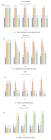
Lipid profile in the blood serum of rats after being fed yogurt. Note: Group I: normal rats + AIN 93 diet, II: hypercholesterolemic rats + AIN 93 diet, III: hypercholesterolemic rats + AIN 93 diet + yogurt 10 mL/day, IV: hypercholesterolemic rats + AIN 93 diet + yogurt 20 mL/day, V: hypercholesterolemic rats + AIN 93 diet + yogurt 30 mL/day.
3.4.1 Total cholesterol
Figure 1a shows that administration of jack bean yogurt for four weeks (weeks 1–4) significantly reduced serum total cholesterol levels in Sprague-Dawley hypercholesterolemic rats. The initial cholesterol level measured at week 0 before treatment was 228.67 mg/dL, decreasing to 105.37 mg/dL at a dose of 20 mL/day and 106.82 mg/dL at a dose of 30 mL/day in the fourth week. These values were not significantly different (p > 0.05) from those of the normal group in the fourth week (111.08 mg/dL), indicating that yogurt administration normalized cholesterol levels to near physiological levels. The greatest percentage decrease occurred at a dose of 20 mL/day, 46.07% (p < 0.05), demonstrating the effectiveness of this dose in improving the lipid profile.
This hypocholesterolemic effect is thought to be related to the protein and saponin content, which can increase LDL receptor expression in hepatocytes and decrease HMG-CoA reductase enzyme activity, thereby accelerating cholesterol clearance from plasma (Wadeesirisak et al., 2025). Additionally, jack beans contain protein and phytosterol phytochemicals that increase LDL receptor expression and inhibit cholesterol absorption, thereby lowering serum cholesterol levels (Marsono et al., 2023). Cowpea and lablab beans are also reported to contain proteins and phytosterols that may contribute to cholesterol reduction by indirectly modulating lipid metabolism (Sipeniece et al., 2021).
3.4.2 Triglycerides
Figure 1b shows that administration of jack bean yogurt for four weeks (weeks 1–4) significantly (p < 0.05) reduced serum triglyceride levels in Sprague-Dawley hypercholesterolemic rats. The initial triglyceride level measured at week 0 before treatment was 177.20 mg/dL, decreasing to 145.94 mg/dL at a dose of 10 mL/day and 91.03 mg/dL at a dose of 20 mL/day in the fourth week. The decrease in triglycerides at a dose of 20 mL/day reached 48.62%, while at a dose of 10 mL/day it was 17.63%, indicating a dose response to yogurt intervention. The value at a dose of 20 mL/day was close to the triglyceride level of the normal group in the fourth week (93.11 mg/dL), indicating the treatment's effectiveness in improving the lipid profile.
The decrease in triglycerides occurred progressively from the second to the fourth week, indicating a sustained biological response to the intervention. High triglyceride levels are associated with lipid metabolism disorders and an increased risk of degenerative diseases (Zahwo et al., 2025). Yogurt supplementation containing beta-glucan and probiotic bacteria has been reported to reduce triglyceride and LDL levels in animal models fed a high-cholesterol diet (Chakma et al., 2025). This hypolipidemic effect is associated with the activity of probiotic bacteria and bioactive peptides produced by fermentation, which can modulate lipid metabolism, as well as the contribution of phytosterols and soluble dietary fiber in plant-based or fortified yogurt (Nuraeni et al., 2025).
3.4.3 LDL
Figure 1c shows changes in serum LDL levels in rats during four weeks of treatment. At week 0 before treatment, the normal group (I) had an LDL level of 25.91 mg/dL, while the hypercholesterolemia group (II) had a level of 65.42 mg/dL. Without treatment, the LDL level in the hypercholesterolemia group increased to 85.74 mg/dL in the fourth week. In contrast, yogurt administration significantly reduced LDL levels (p < 0.05) in hypercholesterolemic rats compared with the hypercholesterolemic control group. In the fourth week, the groups given 10, 20, and 30 mL/day of yogurt experienced a decrease in LDL to 25.86, 13.87, and 11.74 mg/dL, respectively. When calculated from the initial value (week 0), the reductions in LDL at doses of 10, 20, and 30 mL/day were 60.47%, 78.79%, and 82.05%, respectively, indicating a strong, dose-dependent hypocholesterolemic effect. These values were even lower than those of the normal group in the fourth week (27.08 mg/dL), confirming the effectiveness of yogurt intervention in improving lipid profiles.
This decrease in LDL is thought to be related to the isoflavone and soluble fiber content in bean-based ingredients, which are fermented into short-chain fatty acids (SCFA) that help inhibit cholesterol biosynthesis in the liver and increase bile acid excretion (Kumar et al., 2022). Yogurt also has hypolipidemic and antioxidant properties that can lower serum lipid levels and modulate enzyme activity and gene expression related to atherogenesis. Both milk-based and legume-based yogurts have been reported to have hypolipidemic and antioxidant activity (Markowiak-Kopeć & Śliżewska, 2020). In legume-based yogurt, these effects are mainly associated with the presence of bioactive compounds such as phytosterols and phenolics, as well as fermentation metabolites (Sipeniece et al., 2021). This antioxidant activity mainly stems from bioactive peptides derived from the fermentation of legume proteins and natural phenolic compounds, which can capture free radicals and reduce oxidative stress (Li et al., 2025c). Fermentation by LAB can increase the levels of phenolic compounds and bioactive peptides as well as antioxidant activity in dairy and plant-based products. Antioxidants help inhibit LDL oxidation, thereby reducing the risk of atherosclerotic plaque formation (Fadlillah et al., 2021).
3.4.4 HDL
Figure 1d shows that serum high-density lipoprotein (HDL) levels increased significantly during the four weeks of treatment. At week 0, before treatment, the normal group had an HDL level of 29.57 mg/dL, while the hypercholesterolemia group had an HDL level of approximately 20 mg/dL. Without treatment, the HDL level in the hypercholesterolemia group decreased to 18.01 mg/dL in the fourth week. In contrast, yogurt administration significantly increased HDL levels (p < 0.05) in hypercholesterolemic rats. In the fourth week, HDL levels in the groups receiving 10, 20, and 30 mL/day reached 51.94, 85.06, and 84.63 mg/dL, respectively. This increase was more than threefold compared with the initial values of the hypercholesterolemic group, with the optimal effect at doses of 20 and 30 mL/day, which even exceeded the HDL levels of the normal group.
The results of the study are consistent with previous reports that fermented milk containing probiotics can significantly increase HDL and improve the lipid profile in a hypercholesterolemic animal model (Seo et al., 2025). Regular consumption of yogurt can increase HDL (Pourrajab et al., 2020). Feeding probiotic yogurt for 8 weeks to hamsters fed a high-fat diet significantly (p < 0.05) improved lipid profile and increased HDL, decreased triglycerides, and LDL (Zhu et al., 2024). Probiotics may increase HDL levels by modulating bile acid metabolism, enhancing reverse cholesterol transport via the upregulation of HDL-related transporters, and producing short-chain fatty acids that regulate hepatic lipid metabolism (Liu et al., 2025).
4 Conclusion
Plant-based yogurt formulated from local legumes, particularly jack bean (Canavalia ensiformis (L.) DC), demonstrated promising chemical, microbiological characteristics, and sensory preference as a viable alternative to dairy-based yogurt. The formulation with an inoculum ratio of L. bulgaricus to S. thermophilus at 1:2 was the most preferred by the sensory panel. In vivo studies using Sprague Dawley rats revealed that daily administration of 20 mL of jack bean yogurt for 28 days significantly (p < 0.05) reduced total cholesterol, triglycerides, and LDL levels, while markedly increasing HDL levels compared to the control group. These findings suggest that jack bean-based yogurt has strong potential to be developed as an effective cholesterol-lowering functional food.
Acknowledgements
The authors acknowledge the Directorate of Research and Community Service, Ministry of Research, Technology, and Higher Education, Republic of Indonesia, for financial support under the Competitive Research Grant (Hibah Bersaing), Contract No. 014/HB-PM/III/2016.
Data Availability Statement
All data generated or analyzed in this study are included in this published article.
-
Cite as:
Slamet, A., & Tamaroh, S. (2026). Plant-based yogurt from three local legumes: chemical, microbiological, nutritional and sensorial properties and its lipid profile effects in rats. Brazilian Journal of Food Technology, 29, e2025083. https://doi.org/10.1590/1981-6723.0832025
-
Funding:
Directorate of Research and Community Service, Ministry of Research, Technology, and Higher Education, Republic of Indonesia, under the Hibah Bersaing Research Grant (Grant No. 014/HB-PM/III/2016).
References
-
Aduol, K. O., Onyango, A. N., & Imathiu, S. M. (2020). Proximate, microbial, and sensory characteristics of cowpea milk fermented with probiotic starter cultures. European Journal of Agriculture and Food Sciences, 2(4), 1-7. https://doi.org/10.24018/ejfood.2020.2.4.65
» https://doi.org/10.24018/ejfood.2020.2.4.65 -
Afify, A., Fathallah, A. E., Selim, M., & Elzamazamy, F. (2020). Effect of lactic acid bacteria on fermented legumes. Journal of Agricultural Chemistry and Biotechnology, 11(8), 235-238. https://doi.org/10.21608/jacb.2020.112765
» https://doi.org/10.21608/jacb.2020.112765 -
Ahmed, S., Noor, A., Tariq, M., & Zaidi, A. (2023). Functional improvement of synbiotic yogurt enriched with Lacticaseibacillus rhamnosus and aloe vera gel using the response surface method. Food Production, Processing and Nutrition, 5(1), 38. https://doi.org/10.1186/s43014-023-00153-0
» https://doi.org/10.1186/s43014-023-00153-0 -
Akshit, F. N. U., Mao, T., Poojary, S., Chelikani, V., & Mohan, M. S. (2025). Evaluating a novel hydrocolloid alternative for yogurt production: Rheological, microstructural, and sensory properties. Foods, 14(13), 2252. PMid:40647005. https://doi.org/10.3390/foods14132252
» https://doi.org/10.3390/foods14132252 -
Alam, M. K., Prete, R., Faieta, M., Rannou, C., Prost, C., Lethuaut, L., Corsetti, A., & Pittia, P. (2025). Yogurt volatile compounds as affected by processing and compositional factors: A review. Trends in Food Science & Technology, 158, 104921. https://doi.org/10.1016/j.tifs.2025.104921
» https://doi.org/10.1016/j.tifs.2025.104921 -
Anitha, S., & Manivannan, A. (2025). Nutritional profile of probiotic-enriched potato yogurt as a plant-based alternative to dairy yogurt. Next Research, 2(3), 100497. https://doi.org/10.1016/j.nexres.2025.100497
» https://doi.org/10.1016/j.nexres.2025.100497 - Association of Official Analytical Chemists – AOAC. (2005). Official methods of analysis of AOAC International (18th ed.). Gaithersburg, MD: AOAC International.
-
Arab, M., Yousefi, M., Khanniri, E., Azari, M., Ghasemzadeh-Mohammadi, V., & Mollakhalili-Meybodi, N. (2023). A comprehensive review on yogurt syneresis: Effect of processing conditions and added additives. Journal of Food Science and Technology, 60(6), 1656-1665. PMid:37187980. https://doi.org/10.1007/s13197-022-05403-6
» https://doi.org/10.1007/s13197-022-05403-6 -
Bai, M., Yang, S., Zhao, Q., Wang, D., Zhang, T., Kwok, L. Y., & Sun, Z. (2024). Fermentation characteristics of Lactobacillus delbrueckii subsp. Bulgaricus T50 and Streptococcus thermophilus S10 complex starter: Enhancing fermentation performance, metabolic interaction, and storage stability. Lebensmittel-Wissenschaft + Technologie, 208, 116716. https://doi.org/10.1016/j.lwt.2024.116716
» https://doi.org/10.1016/j.lwt.2024.116716 -
Bankole, A. O., Irondi, E. A., Awoyale, W., & Ajani, E. O. (2023). Application of natural and modified additives in yogurt formulation: Types, production, and rheological and nutraceutical benefits. Frontiers in Nutrition, 10, 1257439. PMid:38024362. https://doi.org/10.3389/fnut.2023.1257439
» https://doi.org/10.3389/fnut.2023.1257439 -
Baygut, H., Cais-Sokolińska, D., Bielska, P., & Teichert, J. (2023). Fermentation kinetics, microbiological and physical properties of fermented soy beverage with acai powder. Fermentation, 9(4), 1-12. https://doi.org/10.3390/fermentation9040324
» https://doi.org/10.3390/fermentation9040324 -
Bayram, O. Y. (2025). Biofunctional and technological characterization of yogurt enriched with oat flour and whey protein isolate. Journal of Food Measurement and Characterization, 19(12), 10046-10055. https://doi.org/10.1007/s11694-025-03687-8
» https://doi.org/10.1007/s11694-025-03687-8 -
Benmeziane-Derradji, F., Aoufi, D., Ayat, N. E. H., & Djermoune-Arkoub, L. (2021). Determination of the mineral profile of raw and roasted lentil flour after addition to yogurt. North African Journal of Food and Nutrition Research, 5(12), 75-78. https://doi.org/10.51745/najfnr.5.12.75-78
» https://doi.org/10.51745/najfnr.5.12.75-78 -
Boeck, T., Ispiryan, L., Hoehnel, A., Sahin, A. W., Coffey, A., Zannini, E., & Arendt, E. K. (2022). Lentil-based yogurt alternatives fermented with multifunctional strains of lactic acid bacteria-techno-functional, microbiological, and sensory characteristics. Foods, 11(14), 2013. PMid:35885256. https://doi.org/10.3390/foods11142013
» https://doi.org/10.3390/foods11142013 -
Chakma, S., Acharjee, M. R., Tonni, I. J., Tabassum, F., Das, E., Islam, S., & Faruk, M. (2025). Probiotic potential of yogurt: Exploring lactic acid bacteria for health-enhancing benefits. Applied Food Research, 5(2), 101383. https://doi.org/10.1016/j.afres.2025.101383
» https://doi.org/10.1016/j.afres.2025.101383 -
Chen, C., Zhao, S., Hao, G., Yu, H., Tian, H., & Zhao, G. (2017). Role of lactic acid bacteria on the yogurt flavour: A review. International Journal of Food Properties, 20(1), S316-S330. https://doi.org/10.1080/10942912.2017.1295988
» https://doi.org/10.1080/10942912.2017.1295988 -
Chinnadurai, A., & Devi, P. R. (2025). Nutritional and functional composition of winged bean (Psophocarpus tetragonolobus): A review of its potential as a sustainable food resource. Journal of Food Composition and Analysis : An Official Publication of the United Nations University, International Network of Food Data Systems, 148, 108523. https://doi.org/10.1016/j.jfca.2025.108523
» https://doi.org/10.1016/j.jfca.2025.108523 -
Dan, T., Hu, H., Tian, J., He, B., Tai, J., & He, Y. (2023). Influence of different ratios of Lactobacillus delbrueckii subsp. Bulgaricus and Streptococcus thermophilus on fermentation characteristics of yogurt. Molecules, 28(5), 2123. PMid:36903370. https://doi.org/10.3390/molecules28052123
» https://doi.org/10.3390/molecules28052123 -
Das, D., Pal, K., Sahana, N., Mondal, P., Das, A., Chowdhury, S., Mandal, S., & Pandit, G. K. (2023). Evaluation of morphological and biochemical parameters, antioxidant activity, and profiling of volatile compounds in fifteen Dolichos bean (Lablab purpureus L.) genotypes of India. Food Chemistry Advances, 2, 100164. https://doi.org/10.1016/j.focha.2022.100164
» https://doi.org/10.1016/j.focha.2022.100164 -
Erem, E., & Kilic‐Akyilmaz, M. (2024). The role of fermentation with lactic acid bacteria in the quality and health effects of plant‐based dairy analogues. Comprehensive Reviews in Food Science and Food Safety, 23(4), e13402. PMid:39030804. https://doi.org/10.1111/1541-4337.13402
» https://doi.org/10.1111/1541-4337.13402 -
Fadlillah, H. N., Nuraida, L., Sitanggang, A. B., & Palupi, N. S. (2021). Production of antioxidants through lactic acid fermentation: Current developments and outlook. The Annals of the University “Dunărea de Jos” of Galaţi. Fascicle VI, Food Technology, 45(2), 203-228. https://doi.org/10.35219/foodtechnology.2021.2.13
» https://doi.org/10.35219/foodtechnology.2021.2.13 -
Freitas, M., O’Connor, A., Blechman, A., Cifelli, C. J., & Reinhardt Kapsak, W. (2025). Yogurt and reduced risk of type 2 diabetes: Exploring the food and drug administration qualified health claim and potential implications for improving public health. The Journal of Nutrition, 155(8), 2475-2484. PMid:40449735. https://doi.org/10.1016/j.tjnut.2025.05.027
» https://doi.org/10.1016/j.tjnut.2025.05.027 -
Ge, Y., Yu, X., Zhao, X., Liu, C., Li, T., Mu, S., Zhang, L., Chen, Z., Zhang, Z., Song, Z., Zhao, H., Yao, S., & Zhang, B. (2024). Fermentation characteristics and postacidification of yogurt by Streptococcus thermophilus CICC 6038 and Lactobacillus delbrueckii ssp. bulgaricus CICC 6047 at optimal inoculum ratio. Journal of Dairy Science, 107(1), 123-140. PMid:37641256. https://doi.org/10.3168/jds.2023-23817
» https://doi.org/10.3168/jds.2023-23817 -
Grasso, N., Alonso-Miravalles, L., & O’Mahony, J. A. (2020). Composition, physicochemical, and sensorial properties of commercial plant-based yogurts. Foods, 9(3), 1-11. PMid:32110978. https://doi.org/10.3390/foods9030252
» https://doi.org/10.3390/foods9030252 -
Hadjimbei, E., Botsaris, G., & Chrysostomou, S. (2022). Beneficial effects of yoghurts and probiotic fermented milks and their functional food potential. Foods, 11(17), 2691. PMid:36076876. https://doi.org/10.3390/foods11172691
» https://doi.org/10.3390/foods11172691 -
Haque, M. S., Kidani, E., Nurul, N. J., & Mokhtar, S. A. (2023). A comparative study of ‘tempe’ produced from different beans as a protein source in Malaysia and Japan. Chemical Engineering Transactions, 106, 1363-1368. https://doi.org/10.3303/CET23106228
» https://doi.org/10.3303/CET23106228 -
Jamalullail, N. A., Chan, Y. L., Tang, T. K., Tang, C. P., & Lai, O. M. (2023). Nutritional, physicochemical stability, microbial survivability, and sensorial evaluation of legume yogurts. Journal of Microbiology, Biotechnology and Food Sciences, 12(4), e5141. https://doi.org/10.55251/jmbfs.5141
» https://doi.org/10.55251/jmbfs.5141 -
Jiang, Q., Wu, J., Yuan, Y., Hao, X., Long, P., Liu, K., Liu, S., Peng, R., Yu, K., Zeng, R., Chen, S., Yang, H., Li, X., Zhang, X., He, M., Wang, L., Cheng, X., Pan, A., Wu, S., & Wu, T. (2025). Low and decreasing cholesterol levels and risk of all-cause and cause-specific mortality: A prospective and longitudinal cohort study. Engineering, 54, 251-260. https://doi.org/10.1016/j.eng.2025.06.032
» https://doi.org/10.1016/j.eng.2025.06.032 -
Jo, N. G., Kim, G., Seong, H., Han, S. H., Choi, J. K., & Han, N. S. (2025). Suitability analysis of probiotic lactic acid bacteria for soy yogurt fermentation: Impact on flavor, texture, and sensory properties. Applied Food Research, 5(2), 101390. https://doi.org/10.1016/j.afres.2025.101390
» https://doi.org/10.1016/j.afres.2025.101390 -
Kılıç, E. E., Halil Kılıç, İ., & Koç, B. (2022). Yoghurt production potential of lactic acid bacteria isolated from leguminous seeds and effects of encapsulated lactic acid bacteria on bacterial viability and physicochemical and sensory properties of yoghurt. Journal of Chemistry, 2022, 1-10. https://doi.org/10.1155/2022/2683126
» https://doi.org/10.1155/2022/2683126 -
Krastanov, A., Yeboah, J. P., Dulari Wijemanna, N., Eddin, A., Ayivi, R., & Ibrahim, S. (2023). Volatile aromatic flavor compounds in yogurt. RE:view, https://doi.org/10.5772/intechopen.109034
» https://doi.org/10.5772/intechopen.109034 -
Kumalasari, I. D., Fathiyya, L. N., & Septiyani, R. (2024). Physicochemical, microbiological and organoleptic properties of cowpeas (Vigna unguiculata) yoghurt with the addition of gotu kola leaf (Centella asiatica (L.) Urban) extract. Sains Malaysiana, 53(1), 123-134. https://doi.org/10.17576/jsm-2024-5301-10
» https://doi.org/10.17576/jsm-2024-5301-10 -
Kumar, H., Bhardwaj, K., Cruz-Martins, N., Sharma, R., Siddiqui, S. A., Dhanjal, D. S., Singh, R., Chopra, C., Dantas, A., Verma, R., Dosoky, N. S., & Kumar, D. (2022). Phyto-enrichment of yogurt to control hypercholesterolemia: A functional approach. Molecules, 27(11), 3479. PMid:35684416. https://doi.org/10.3390/molecules27113479
» https://doi.org/10.3390/molecules27113479 -
Lam, B. C. C., Lim, A. Y. L., Chan, S. L., Yum, M. P. S., Koh, N. S. Y., & Finkelstein, E. A. (2023). The impact of obesity: A narrative review. Singapore Medical Journal, 64(3), 163-171. PMid:36876622. https://doi.org/10.4103/singaporemedj.SMJ-2022-232
» https://doi.org/10.4103/singaporemedj.SMJ-2022-232 -
Li, L., Zhou, L., Liu, X., Gong, J., & Xiao, G. (2023). Physicochemical, microbiological, and sensory properties of low‐lactose yogurt using Streptococcus thermophilus with high β‐galactosidase activity. Journal of the Science of Food and Agriculture, 103(15), 7374-7380. PMid:37427487. https://doi.org/10.1002/jsfa.12840
» https://doi.org/10.1002/jsfa.12840 -
Li, R., Lu, Y., Niu, L., Zhao, Q., Liang, W., Wang, X., & Li, W. (2025a). Comprehensive comparison of physicochemical properties, volatile flavor compounds, and functional activities of double protein yogurt with different soymilk and cow milk additions. Food Research International, 217, 116756. PMid:40597483. https://doi.org/10.1016/j.foodres.2025.116756
» https://doi.org/10.1016/j.foodres.2025.116756 -
Li, R., Xu, M., Xiao, H., Hong, W., Yao, X., Pan, L., & Han, Y. (2025b). Natural stabilizer Levan enhances the casein network, rheological properties, and sensory quality of yogurt. International Journal of Biological Macromolecules, 332(Pt 2), 148704. PMid:41183754. https://doi.org/10.1016/j.ijbiomac.2025.148704
» https://doi.org/10.1016/j.ijbiomac.2025.148704 -
Li, H., Tu, M., Wu, Z., Zeng, X., Wu, J., Pan, D., & Du, Q. (2025c). Comparison of gelation of legume protein and milk protein fermented by mixed starter cultures: Texture, rheological properties, and protein structure. Food Chemistry: X, 28, 102576. PMid:40497038. https://doi.org/10.1016/j.fochx.2025.102576
» https://doi.org/10.1016/j.fochx.2025.102576 -
Liang, S., Wang, X., Li, C., & Liu, L. (2024). Biological activity of lactic acid bacteria exopolysaccharides and their applications in the food and pharmaceutical industries. Foods, 13(11), 1621. PMid:38890849. https://doi.org/10.3390/foods13111621
» https://doi.org/10.3390/foods13111621 -
Liu, Y., Kuang, W., Li, M., Wang, Z., Liu, Y., Zhao, M., Huan, H., & Yang, Y. (2025). Cholesterol-lowering mechanism of Lactobacillus Bile salt hydrolase through regulation of bifidobacterium pseudolongum in the gut microbiota. Nutrients, 17(18), 3019. PMid:41010544. https://doi.org/10.3390/nu17183019
» https://doi.org/10.3390/nu17183019 -
Madsen, S. K., Priess, C., Wätjen, A. P., Øzmerih, S., Mohammadifar, M. A., & Heiner Bang-Berthelsen, C. (2021). Development of a yoghurt alternative, based on plant-adapted lactic acid bacteria, soy drink, and the liquid fraction of brewers’ spent grain. FEMS Microbiology Letters, 368(15), fnab093. PMid:34308972. https://doi.org/10.1093/femsle/fnab093
» https://doi.org/10.1093/femsle/fnab093 -
Mahmudah, N. A., Mardiana, N. A., Putra, A. W., Purnomo, P., Widigdyo, A., & Kurniawan, D. (2024). Quality characteristics of modified cassava flour (mocaf) cookies incorporated with chicken meat and carrot puree as a nutritious snack for children. Journal of Food Science and Technology (Iran), 21(150), 64-75. https://doi.org/10.22034/FSCT.21.150.64
» https://doi.org/10.22034/FSCT.21.150.64 -
Markowiak-Kopeć, P., & Śliżewska, K. (2020). The effect of probiotics on the production of short-chain fatty acids by human intestinal microbiome. Nutrients, 12(4), 1107. PMid:32316181. https://doi.org/10.3390/nu12041107
» https://doi.org/10.3390/nu12041107 -
Marsono, Y., Putri, R. G., Gunawan, H., & Indrawanto, R. (2023). Red kidney bean (Phaseolus vulgaris L.) instant porridge: Effect of isomalto-oligosaccharides and Fibercreme as sucrose replacement on lipid profile improvement in hypercholesterolemic-induced rats. Food Research, 7(Suppl. 1), 161-168. https://doi.org/10.26656/fr.2017.7(S1).24
» https://doi.org/10.26656/fr.2017.7(S1).24 -
Martini, K. M., Boddu, S. S., Nemenman, I., & Vega, N. M. (2024). Maximum likelihood estimators for colony-forming units. Microbiology Spectrum, 12(9), e0394623. PMid:39041814. https://doi.org/10.1128/spectrum.03946-23
» https://doi.org/10.1128/spectrum.03946-23 -
Masoumi, S. J., Mehrabani, D., Saberifiroozi, M., Fattahi, M. R., Moradi, F., & Najafi, M. (2021). The effect of yogurt fortified with Lactobacillus acidophilus and Bifidobacterium sp. probiotics in patients with lactose intolerance. Food Science & Nutrition, 9(3), 1704-1711. PMid:33747481. https://doi.org/10.1002/fsn3.2145
» https://doi.org/10.1002/fsn3.2145 -
Mefleh, M., Faccia, M., Natrella, G., De Angelis, D., Pasqualone, A., Caponio, F., & Summo, C. (2022). Development and chemical-sensory characterization of chickpea-based beverages fermented with selected starters. Foods, 11(22), 3578. PMid:36429170. https://doi.org/10.3390/foods11223578
» https://doi.org/10.3390/foods11223578 -
Mohd, S. N., Marzlan, A. A., Meor Hussin, A. S., Abd Rahim, M. H., Madzuki, I. N., & Mohsin, A. Z. (2023). Physicochemical, microbiological, and sensorial properties of chickpea yogurt analogue produced with different types of stabilizers. Discover Food, 3(1), 1-8. https://doi.org/10.1007/s44187-023-00059-3
» https://doi.org/10.1007/s44187-023-00059-3 -
Mukherjee, A., Gómez-Sala, B., O’Connor, E. M., Kenny, J. G., & Cotter, P. D. (2022). Global regulatory frameworks for fermented foods: A review. Frontiers in Nutrition, 9, 902642. PMid:35719144. https://doi.org/10.3389/fnut.2022.902642
» https://doi.org/10.3389/fnut.2022.902642 -
Nabila, K. M., Alvin, F. I. F., Nabila, S. P., Lili, N., & Shinta, M. (2024). Effect of differences in protein levels and length of fermentation time on physicochemical characteristics of caspian sea yoghurt green tea. Jurnal Agroindustri Halal, 10(2), 152-162. https://doi.org/10.30997/jah.v10i2.6576
» https://doi.org/10.30997/jah.v10i2.6576 -
Nuraeni, I., Sumarto, S., & Radiati, A. (2025). Microbiological properties, dietary fiber, and nutritional content of fluidized bed-dried local legumes and salak yogurt powder. Amerta Nutrition, 9(3), 506-513. https://doi.org/10.20473/amnt.v9i3.2025.506-513
» https://doi.org/10.20473/amnt.v9i3.2025.506-513 -
Park, C. S., Yang, H.-M., Han, K., Lee, H.-S., Kang, J., Han, J.-K., Park, K. W., Kang, H.-J., Koo, B. K., & Kim, H.-S. (2024). J-shaped association between LDL cholesterol and cardiovascular events: A longitudinal primary prevention cohort of over 2.4 million people nationwide. Journal of Advanced Research, 58, 139-147. PMid:37225014. https://doi.org/10.1016/j.jare.2023.05.003
» https://doi.org/10.1016/j.jare.2023.05.003 -
Patial, S., Sharma, A., Raj, K., & Shukla, G. (2025). Selection and potential of cholesterol-lowering indigenous probiotic: Insights from in vitro and in vivo study. Scientific Reports, 15(1), 38051. PMid:41168307. https://doi.org/10.1038/s41598-025-21823-8
» https://doi.org/10.1038/s41598-025-21823-8 -
Pourrajab, B., Fatahi, S., Dehnad, A., Kord Varkaneh, H., & Shidfar, F. (2020). The impact of probiotic yogurt consumption on lipid profiles in subjects with mild to moderate hypercholesterolemia: A systematic review and meta-analysis of randomized controlled trials. Nutrition, Metabolism, and Cardiovascular Diseases : NMCD, 30(1), 11-22. PMid:31748179. https://doi.org/10.1016/j.numecd.2019.10.001
» https://doi.org/10.1016/j.numecd.2019.10.001 -
Pua, A., Tang, V. C. Y., Goh, R. M. V., Sun, J., Lassabliere, B., & Liu, S. Q. (2022). Ingredients, processing, and fermentation: Addressing the organoleptic boundaries of plant-based dairy analogues. Foods, 11(6), 875. PMid:35327297. https://doi.org/10.3390/foods11060875
» https://doi.org/10.3390/foods11060875 -
Purwandari, F. A., Westerbos, C., Lee, K., Fogliano, V., & Capuano, E. (2023). Proximate composition, microstructure, and protein and starch digestibility of seven collections of Jack bean (Canavalia ensiformis) with different optimal cooking times. Food Research International, 170, 112956. PMid:37316048. https://doi.org/10.1016/j.foodres.2023.112956
» https://doi.org/10.1016/j.foodres.2023.112956 -
Purwaningsih, H., Nuryanti, S. K., Putri Hanifa, A., Nurhikmat, A., Novitasari, E., Utami Hatmi, R., Siswanto, N., Mulawati Purwanti Noviana, I., Widyayanti, S., Budi Pustika, A., & Widodo, S. (2024). Effect of temperature and substitution of jack bean (Cannavalia ensiformis) flour on the chemical properties of seasoned flour. Nongye Jixie Xuebao, 55(1), 1-13. https://doi.org/10.62321/issn.1000-1298.2024.01.01
» https://doi.org/10.62321/issn.1000-1298.2024.01.01 -
Qadir, R., Wan Mohamad Nasir, W. N. A., Azmi, A. B., Fatima, S., Mehmood, N., & Meor Hussin, A. S. (2025). An insight into plant-based yogurts: Physicochemical, organoleptic properties and functional food aspects. Journal of Food Composition and Analysis : An Official Publication of the United Nations University, International Network of Food Data Systems, 143, 107578. https://doi.org/10.1016/j.jfca.2025.107578
» https://doi.org/10.1016/j.jfca.2025.107578 -
Qin, Y., Wang, M., Jiang, H., Wang, X., Yin, H., Yu, Z., Wang, J., Han, R., Yang, Y., & Fan, R. (2024). Divergence in physicochemical and microstructural properties of set-type yogurt derived from bean proteins and animal milks: an inquiry into substitution viability. Lebensmittel-Wissenschaft + Technologie, 193, 115689. https://doi.org/10.1016/j.lwt.2023.115689
» https://doi.org/10.1016/j.lwt.2023.115689 -
Qiu, S., Zeng, H., Yang, Z., Hung, W. L., Wang, B., & Yang, A. (2023). Dynamic metagenome-scale metabolic modeling of a yogurt bacterial community. Biotechnology and Bioengineering, 120(8), 2186-2198. PMid:37428554. https://doi.org/10.1002/bit.28492
» https://doi.org/10.1002/bit.28492 -
Ren, W., Liang, H., Liu, S., Li, Y., Chen, Y., Li, B., & Li, J. (2024). Formulations and assessments of structure, physical properties, and sensory attributes of soy yogurts: Effect of carboxymethyl cellulose content and degree of substitution. International Journal of Biological Macromolecules, 257(Pt 2), 128661. PMid:38065460. https://doi.org/10.1016/j.ijbiomac.2023.128661
» https://doi.org/10.1016/j.ijbiomac.2023.128661 -
Roy, M., Ullah, S., Alam, M., & Islam, M. (2022). Evaluation of quality parameters and antioxidant properties of protein concentrates and hydrolysates of hyacinth bean (Lablab purpureus). Legume Science, 4(2), 1-8. https://doi.org/10.1002/leg3.128
» https://doi.org/10.1002/leg3.128 -
Seo, B. Y., Paik, H. D., & Park, E. (2025). Unripened cheeses cultured with various starters improve lipid profile and antioxidant parameters in Sprague-Dawley male rats fed a high-cholesterol diet. Journal of Nutrition and Health, 58(3), 263. https://doi.org/10.4163/jnh.2025.58.3.263
» https://doi.org/10.4163/jnh.2025.58.3.263 -
Shevkani, K. (2025). Structure, technofunctionality, and bioactivities of cowpea proteins: A review. International Journal of Biological Macromolecules, 333(Pt 2), 148980. PMid:41232881. https://doi.org/10.1016/j.ijbiomac.2025.148980
» https://doi.org/10.1016/j.ijbiomac.2025.148980 -
Shubha, K., Choudhary, A. K., Mukherjee, A., Kumar, S., Saurabh, K., Kumar, R., Kumar, S., Singh, D. K., Kumar, U., Kumar, S., & Das, A. (2024). A chemometric study comparing nutritional profiles and functional attributes of two botanical forms of Lablab Bean (Lablab purpureus (L.) Sweet). South African Journal of Botany, 173, 320-329. https://doi.org/10.1016/j.sajb.2024.08.027
» https://doi.org/10.1016/j.sajb.2024.08.027 -
Sipeniece, E., Mišina, I., Qian, Y., Grygier, A., Sobieszczańska, N., Sahu, P. K., Rudzińska, M., Patel, K. S., & Górnaś, P. (2021). Fatty acid profile and squalene, tocopherol, carotenoid, sterol content of seven selected consumed legumes. Plant Foods for Human Nutrition, 76(1), 53-59. PMid:33404889. https://doi.org/10.1007/s11130-020-00875-3
» https://doi.org/10.1007/s11130-020-00875-3 -
Sun, Z., Liu, L., Li, R., Zhao, X., Liu, J., & Zhang, J. (2025). Improved nutritional composition and flavor of mung bean yogurt through fermentation with Lactiplantibacillus plantarum SF28. Food Bioscience, 67, 106338. https://doi.org/10.1016/j.fbio.2025.106338
» https://doi.org/10.1016/j.fbio.2025.106338 -
Szołtysik, M., Kucharska, A. Z., Sokół-Łętowska, A., Dąbrowska, A., Bobak, Ł., & Chrzanowska, J. (2020). The effect of Rosa spinosissima fruits extract on lactic acid bacteria growth and other yoghurt parameters. Foods, 9(9), 1167. PMid:32847096. https://doi.org/10.3390/foods9091167
» https://doi.org/10.3390/foods9091167 -
Tian, H., Yu, B., Yu, H., & Chen, C. (2020). Evaluation of the synergistic olfactory effects of diacetyl, acetaldehyde, and acetoin in a yogurt matrix using odor threshold, aroma intensity, and electronic nose analyses. Journal of Dairy Science, 103(9), 7957-7967. PMid:32684481. https://doi.org/10.3168/jds.2019-17495
» https://doi.org/10.3168/jds.2019-17495 -
Wadeesirisak, K., Rodkwan, N., Tanjor, S., Saithong, P., & Chitisankul, W. T. (2025). Freeze-dried plant-based yogurts from whole and dehulled black mung beans (Vigna mungo L.): Bioactive properties, in vitro protein digestibility, and functional innovation. Future Foods : a Dedicated Journal for Sustainability in Food Science, 12, 100788. https://doi.org/10.1016/j.fufo.2025.100788
» https://doi.org/10.1016/j.fufo.2025.100788 -
Wang, X., Wang, L., Wei, X., Xu, C., Cavender, G., Lin, W., & Sun, S. (2025). Invited review: Advances in yogurt development—Microbiological safety, quality, functionality, sensory evaluation, and consumer perceptions across different dairy and plant-based alternative sources. Journal of Dairy Science, 108(1), 33-58. PMid:39369892. https://doi.org/10.3168/jds.2024-25322
» https://doi.org/10.3168/jds.2024-25322 -
Winarsi, H., Erminawati, E., & Ramadhan, G. R. (2022). Formulation of sprouted cowpea yoghurt rich in antioxidants as a functional drink for diabetics. Food Research, 6(6), 21-29. https://doi.org/10.26656/fr.2017.6(6).750
» https://doi.org/10.26656/fr.2017.6(6).750 -
Wu, F., Wang, Z., Song, X., Yang, M., Xu, Y., Zeng, X., Wu, Z., Pan, D., Luo, H., lv, L., & Guo, Y. (2024). The cholesterol-lowering effects and mechanisms of novel milk casein-derived peptides in hyperlipidemia and hypercholesterolemia mice. Food Bioscience, 61, 1-11. https://doi.org/10.1016/j.fbio.2024.104730
» https://doi.org/10.1016/j.fbio.2024.104730 -
Yang, X., Hong, J., Wang, L., Cai, C., Mo, H., Wang, J., Fang, X., & Liao, Z. (2024). Effect of lactic acid bacteria fermentation on plant-based products. Fermentation, 10(1), 48. https://doi.org/10.3390/fermentation10010048
» https://doi.org/10.3390/fermentation10010048 -
Yanting, Q., Miao, J., Jingyi, M., Li, X., Yue, F., Yulin, Z., Yiming, Z., Yilu, T., Lihua, L., Shuxuan, W., Rui, H., Qayyum, N., Ismael, M., Muratkhan, M., Wang, X., & Lü, X. (2025). Flavor characteristics of natural yak yogurt and the impact of fermentation with isolated strains on flavor compounds in manual yak yogurt. Lebensmittel-Wissenschaft + Technologie, 223, 117744. https://doi.org/10.1016/j.lwt.2025.117744
» https://doi.org/10.1016/j.lwt.2025.117744 -
Yu, S., Wu, Y., Li, Z., Wang, C., Zhang, D., & Wang, L. (2023). Effect of different milling methods on physicochemical and functional properties of mung bean flour. Frontiers in Nutrition, 10, 1117385. PMid:36908915. https://doi.org/10.3389/fnut.2023.1117385
» https://doi.org/10.3389/fnut.2023.1117385 -
Zahwo, R. A., Rezk, Z. N., Elwasify, T. M., Zaki, A. M., El Assi, H. M., Ramadan, E., Habib, A. Y., Hassan, W. A., Abdel-Raouf, A., Ragheb, A., Shaker, A. F., Amer, K. E., & Kassem, H. S. (2025). Correlation between clinical classification and genetic analysis of familial hypercholesterolemia in premature coronary artery disease in a cohort of Egyptian patients. Human Genomics, 19(1), 66. PMid:40517278. https://doi.org/10.1186/s40246-025-00769-y
» https://doi.org/10.1186/s40246-025-00769-y -
Zhou, H., Pang, X., Han, P., Wang, Z., Wang, S., Jia, Y., & Ning, Y. (2025). Mechanism and application of phenyllactic acid on the control of yogurt post-acidification caused by Lactobacillus bulgaricus. Food Research International, 214, 116688. PMid:40467252. https://doi.org/10.1016/j.foodres.2025.116688
» https://doi.org/10.1016/j.foodres.2025.116688 -
Zhou, X., Wang, H., Wang, C., Tan, Q., Liu, Y., Chen, H., Zhang, Y., Zhang, Y., Liu, S., & Suo, H. (2024a). Improvement of brown yogurt quality by Lactiplantibacillus plantarum S58 and oat β-glucan: Physicochemical properties, sensory quality, and metabolic changes. Food Bioscience, 62, 1-12. https://doi.org/10.1016/j.fbio.2024.105308
» https://doi.org/10.1016/j.fbio.2024.105308 -
Zhou, Z., Zhang, L., Liu, T., Hu, G., Hu, H., Aziz, T., Zhang, M., Wu, J., Naseeb, J., Yang, Z., Yang, Z., & Albekairi, T. H. (2024b). Physicochemical properties of yoghurt supplemented with polymerized whey protein and inulin. Lebensmittel-Wissenschaft + Technologie, 210, 1-9. https://doi.org/10.1016/j.lwt.2024.116888
» https://doi.org/10.1016/j.lwt.2024.116888 -
Zhu, L., Ying, N., Hao, L., Fu, A., Ding, Q., Cao, F., Ren, D., Han, Q., & Li, S. (2024). Probiotic yogurt regulates gut microbiota homeostasis and alleviates hepatic steatosis and liver injury induced by a high‐fat diet in golden hamsters. Food Science & Nutrition, 12(4), 2488-2501. PMid:38628190. https://doi.org/10.1002/fsn3.3930
» https://doi.org/10.1002/fsn3.3930
Edited by
-
Associate Editor:
Priscila Z. Bassinelo.

