 Emerging ingredients for clean label products and food safety
Abstract
Emerging markets comprise different healthy food products, such as functional foods including grains, fruits, and vegetables; foods for people with dietary restrictions; foods with clean labels, plant-based and organic ingredients, as well as ingredient options to replace sodium, sugars, fats, as well as alternatives to synthetic nitrite. The variety of ingredients with potential applications in these products raises relevant safety issues due to the lack of studies about possible biological contaminants, and nutritional, chemical, microbiological and allergen concerns. Besides, certain ingredients may present the potential for allergenicity, intolerance, or other immunological reactions, such as celiac disease. Derivatives of alternative plant-based proteins are examples of these risks and should be assessed for their allergenic potential and specific microbial load. Food safety refers to risk management, based on control measures established throughout the production chain, not limited to quality tests on the final product. This review addresses the main categories of food recognized as healthy by consumers, from a food safety point of view, pointing out the potential risks and management alternatives available for this new market of clean label products.
Keywords:
Food industry; Clean label; Healthiness; Technological innovation
HIGHLIGHTS
The search for healthy food is a growing trend and presents major challenges for the clean label market
Novel ingredients raise safety questions regarding the presence of biological contaminants, anti-nutrients and health risks
The clean label market needs to adjust to the Brazilian food system to guarantee food safety
1 Introduction
The selection of food for a meal is increasingly responsible and complex, as it directly affects the health and well-being of the consumer, as well as the impact on the environment and animal welfare (Michel et al., 2021).
After the Severe Acute Respiratory Syndrome Coronavirus 2 (SARS-CoV-2) pandemic was declared by the World Health Organization (WHO) as a public health emergency of international concern (World Health Organization, 2020), there was an increase in consumers' perceptions of health habits. As a result, there has been an increase in the consumption of healthy foods, which is expected to rise in the long term (International Food Information Council, 2020). The food industry has also undergone changes in its production system to meet the demands of food safety, as well as food security and sustainability (Galanakis, 2020).
The Clean Label movement is one of the biggest trends of the decade (Shelke, 2020), which has brought challenges for the food industry to meet the demand for food that is closer to natural, with few additives, less caloric ingredients, less processing, and good stability throughout the storage (Nachay, 2017b; Asioli et al., 2017; Shelke, 2020). From the point of view of consumers, such products can be healthier and pose fewer risks to their health (Asioli et al., 2017). Despite the controversies and lack of clear definitions of the term clean label, it is known that food processing using appropriate technologies plays an important role in controlling undesirable reactions and physical, chemical, and microbiological contaminants, as well as extending the shelf life and maintaining the nutritional properties of the product.
The possible changes in stability and technological functionality required for the production of foods labeled as healthy may require reformulation and process adjustments, as well as changes in packaging, when compared to traditional counterparts, aimed to guarantee the nutritional and microbiological safety of these products. Examples include reduced-calorie products, cured meats using nitrite substitutes (Flores & Toldrá, 2021), and plant-based products that have a very different microbial flora (Fraser et al., 2018; Geeraerts et al., 2020).
Certain nutritional ingredients used in human food have the potential to cause reactions or health problems in susceptible individuals, whether due to allergy, intolerance, or other immunological reactions, such as celiac disease. Appropriate labeling is required for foods destined for these high-value-added niche markets, in addition to the traceability of the entire production chain, with the implementation of protocols or the use of intelligent technologies to guarantee product safety.
This review looks at the main categories of food recognized as healthy by consumers, from a food safety point of view, pointing out the potential risks and management alternatives available for this market of novel healthy products.
2 Theoretical references
2.1 Dietary restrictions & healthiness
The population growth and the consequent need for new sources of nutritious food, and diet-related diseases (allergies and intolerance) are two major challenges of the 21st century, impairing the implementation of novel food alternatives (Ogrodowczyk et al., 2021).
Allergic reactions caused by food represent a serious health hazard (Abdelmoteleb et al., 2021), requiring traceability and strict control of food allergens throughout the production chain to avoid cross-contamination (Ortiz, 2020). The use of technology, such as big data, can help manage potential risks through sensor monitoring (Misra et al., 2020).
New foods such as genetically modified agricultural products and those derived from alternative plant-based proteins are a source of risk and should therefore be assessed for their potential allergenicity. Some countries have started to regulate the cross-reactivity of plant ingredients, with allergen databases created from whole genome analysis or proteome bioinformatics. In this context, cross-referencing data (in silico methodology) allow assessing the risk potential of novel foods before they are marketed (Abdelmoteleb et al., 2021).
The importance of establishing guidelines for the risk assessment of biotechnology-derived plants (Genetically Modified Organisms (GMO) plants) arises from the possibility of expressing different heterologous allergenic proteins (World Health Organization, 2003).
The consumption of plant-based proteins is a recent trend in Brazil, with a growing consumer demand, both due to dietary restrictions resulting from allergies to animal proteins (egg, milk, fish, etc.), food intolerance (lactose, casein and others) and the need to reduce dietary cholesterol (Rosenfeld & Burrow, 2017; Montemurro et al., 2021), as well as flavor diversification, religious and economic reasons (Hoffman et al., 2013), or eating habits (vegan, vegetarian, and flexitarian diets).
Plant-based food consumers can be classified as those looking for products that are similar to meat from the sensory point of view or those looking for a substitute with a similar nutritional profile to meat (Hoek et al., 2011). However, many consumers are concerned about providing substitutes with similar nutritional quality to those of animal origin (milk, meat, and eggs), with adequate protein content, balanced amino acid profile, and digestibility (Vogelsang-O’Dwyera et al., 2021).
A diet that reduces or excludes meat and dairy products can have unintended nutritional effects, due to the selection of foods with lower nutritional density or foods that require preparation with oil or salt. Except for the traditional vegan diet, all diets with traditional plant-based substitutes meet the daily requirements for calcium, potassium, magnesium, phosphorus, zinc, iron, and vitamin B12 and are lower in saturated fat, sodium, and sugar when compared to the reference diet. Many plant-based foods do not contain all the essential amino acids and are called “incomplete” protein sources (Tso & Forde, 2021).
The recent innovation in the plant-based products sector has focused on organoleptic properties (texture, flavor, and appearance) and formats (nuggets and burgers), rather than innovative ways of increasing nutrients in plant derivatives to ensure a balanced nutritional profile similar to that of animal products (Tso & Forde, 2021).
Plant protein sources have anti-nutritional factors with adverse effects on digestion and nutrient absorption, also known to cause abdominal discomfort. The main compounds are saponins, phytic acid, alkaloids, certain oligosaccharides, protease inhibitors, cyanogenic glycosides, glucosinolates, and tannins. However, these compounds have received considerable interest due to the biological activities that can be beneficial to humans, such as antioxidant capacity (Pihlanto et al., 2017), thus it is noticeable that certain content in the food can bring health benefits.
During the traditional processing or preparation of vegetables, there is a reduction in anti-nutritional factors, mainly after heat treatment. However, the growing demand for plant-based products has led to the use of technologies for concentrating proteins by physical methods, without the use of chemical reagents, such as dry fractionation. This process concentrates the proteins, but also the anti-nutritional factors, requiring additional treatments to reduce them to safe levels, using technological processes such as fermentation, thermoplastic extrusion, microwaves, and high pressure (De Angelis et al., 2021).
2.2 Naturally functional foods: grains, fruits, and vegetables
Cereal grains have unique phytochemicals that complement those of fruit and vegetables when combined in a diet (Liu, 2007). In addition, grains, fruits, and vegetables are recognized as a source of dietary fiber (Food and Agriculture Organization, 2020).
Bakery products are highly consumed worldwide, and the inclusion of phytochemicals has been encouraged due to their health benefits (Cappelli & Cini, 2021). In Brazil, regulations state that whole grain flour must contain the three fractions of the grain (starchy endosperm, bran, and germ) in the typical proportion of the intact grain, and losses of up to 2% of the grain or 10% of the bran are allowed (Brasil, 2021). The importance of maintaining the grain fractions is due to the health benefits arising from the interaction between the micro and macronutrients in the grains (Zhang et al., 2021).
Ensuring safety against the presence of biological (pathogenic microorganisms, toxigenic, etc.), chemical (mycotoxins, pesticide residues, metals, etc.) and physical (insect fragments, foreign materials, etc.) contaminants is the challenge in the production of whole grain products (Tibola et al., 2009). Brazil’s hot and humid climate favors the development of toxigenic fungi in grains, requiring appropriate pre- and post-harvest procedures (moisture control, segregation of contaminated grains), transportation, storage, and processing (Tibola et al., 2009). Preventing contamination by mycotoxins is fundamental, as they are stable compounds that tend to remain in the food when present. Various physical, chemical, and biological techniques, as well as processing conditions, can be used to reduce contamination and partially control the production of mycotoxins (Daou et al., 2021).
The use of big data technologies has the potential to help reduce the incidence of contamination by toxigenic fungi by combining agricultural and environmental data (weather reports or satellite images) to predict dangers in agriculture (Deng et al., 2021). Research has shown that climate change can affect the development of cereal crops and the occurrence of mycotoxins (van der Fels-Klerx et al., 2012). These authors assessed the impacts of climate change on the occurrence of deoxynivalenol (DON) in wheat grown in northwestern Europe up to 2040, considering the combined effects of changes in climate and wheat phenology. Similarly, the use of predictive models on a local scale can be effective for monitoring other risks, allowing management of the best time for planting and harvesting, segregating batches with higher levels of contamination, or taking other sanitary measures to ensure food safety.
In Brazil, losses of up to 2% of the grain or 10% of the bran are allowed in the regulation of whole grain products for sanitary reasons. The use of procedures such as peeling or pearling allows for the reduction or elimination of chemical and microbiological contaminants present on the outer portion of the grain. The benefits of the phytochemical compounds of the grains depend on the processing methods and conditions, which can influence the nutritional components and the bioactive compounds (Zhang et al., 2021).
Several initiatives have been carried out around the world aimed at including fruit and vegetables in their various forms (fresh, dehydrated, frozen, freeze-dried, and in the form of juices) in diets due to their health benefits. One of the innovative initiatives to increase the consumption of these foods is to obtain isolated ingredients from whole fruit or vegetables (including peels, seeds, and leaves) and use them to enrich other types of products (Salehi & Aghajanzadeh, 2020). Special emphasis has been placed on plant extracts as a clean label ingredient to impart color, aroma, and flavor, which is an emerging tendency in the natural beverages and flavors segment. Although the dosage of pesticide residues is one of the concerns of food manufacturers, these contaminants have not been detected in extracts, probably because most pesticides are oil-soluble, while the plant extracts are water-soluble.
The initial aim of the clean label concept was to encourage consumers to consider plant-based foods as healthy products. However, the concept has expanded to include unprocessed or minimally processed foods (Asioli et al., 2017). This concept has evolved over the years (Roobab et al., 2021), aiming to eliminate or reduce artificial ingredients or replace them with natural ingredients that provide specific functionality.
The consumer's demand for organic products has also increased worldwide. Organic farming is a production system that maintains the health of soils, ecosystems, and people. It relies on ecological processes, biodiversity, and cycles adapted to local conditions, rather than the use of inputs with adverse effects. Organic farming is based on principles of health, ecology, justice, and care (Asioli et al., 2017). Consumers believe that organic food products are healthier and safer. According to several studies (Lin et al., 2021; Lima & Vianello, 2011; Das et al., 2020), these foods can be considered healthier, with lower levels of pesticides, hormones, and nitrates and higher levels of vitamins. However, there is no conclusive data about the distinct nutritional and functional composition of organic vegetables (Lima & Vianello, 2011), despite their higher levels of antioxidant compounds, especially phenolic compounds. Antioxidants are produced as a form of natural plant protection, which may explain their higher concentration in organic vegetables. However, studies should take into account the various factors that can alter the nutritional quality of a food, such as harvest time, climate, soil characteristics, environmental conditions, and cooking processes (Trewavas, 2004).
Initiatives to use methodologies for monitoring and predicting pesticide levels in the field through Big Data and Artificial Intelligence (AI) are still in the early stages but are expected to increase in the coming years, especially due to the trend towards the use of smart technology in agriculture or Agriculture 4.0 (Misra et al., 2020).
2.3 Health impact of clean label ingredients
The absence of a legal definition and specific regulations impairs the interpretation of clean labels, particularly about the terms “artificial” and “natural”, for both consumers and manufacturers. Evidence suggests that unknown ingredients or those with hard-to-pronounce names are perceived as more harmful (Moskowitz et al., 2012). Synthetic chemical additives influence the public’s perception of food risk, which correlates positively with a preference for more natural products (Maruyama et al., 2021). Research suggests that consumers interested in clean label foods look for minimally processed products with fewer additives and familiar ingredients (Cargill, 2017).
The manufacture of stable products with clean label characteristics is one of the current challenges facing the food industry (Nachay, 2017b), as “stable” and “natural” can be considered paradoxical terms in terms of technological aspects, since natural or minimally processed foods are usually consumed quickly or have a short shelf life. However, processing is responsible for stability, allowing for an extended shelf life of the product, with a consequent reduction in post-harvest losses, prolonged conservation, quality, safety, availability, and optimization of nutrients (Rego et al., 2020).
A lot of research has been carried out on alternatives to replace critical ingredients such as colorings, flavorings, preservatives, and other artificial additives. The market has been offering commercial products with a clean label trend, thus appropriate processes for reducing or replacing ingredients are required to guarantee product safety. The process of acidification or the use of naturally acidic ingredients, followed by pasteurization and aseptic filling can guarantee the stability of products such as juices at room temperature, without the addition of preservatives, as well as sterilized and aseptically filled products. By definition, commercial sterilization promotes the destruction of pathogenic micro-organisms, spoilers, and enzymes, before or after packaging, aimed to ensure sanitation and preservation, with minimal sensory and nutritional losses, for some time, without the need for additional preservation methods, promoting stability at room temperature, thus allowing the production of a clean label product.
2.4 Natural fermentation with sourdough
In the bakery sector, sourdough, levain, or natural yeast is one of the biotechnological ingredients that meets the consumer requirements for healthy foods. The products of lactic acid bacteria (LAB) metabolism provide multiple benefits, such as antimicrobial effects and improved nutritional, technological, sensory, and functional properties. Enzymes, organic acids, exopolysaccharides (EPS), and antimicrobial compounds stand out among the beneficial metabolites of LAB (Plessas, 2021). The lactic fermentation used to obtain sourdough is an ancient technology, but the global market has been looking for its stabilization for industrial use, through drying methods (spray dryer, freeze-drying, or immobilization), without losing the beneficial characteristics of the fresh product. For gluten-free bakery products, sourdough is also a clean label alternative (Montemurro et al., 2021).
Bread making using sourdough is more common in specialized bakeries, which use natural yeast in rustic bread, Italian bread, ciabattas, focaccia, and others. Industrial products include panettone and colombas, and more recently in Brazil industrial bread versions (traditional or whole grain loaf, bisnaguinha, etc.), toast, gluten-free bread, and cracker cookies. However, products made from sourdough need to be regulated in Brazil to standardize the product quality, once only the state of Santa Catarina, through Decree 31455/87 has established the use of selected yeasts of proven purity by an official laboratory and prohibited the use of sourdough starters (Santa Catarina, 1987).
The regulations in France (Décret n. 93-1074) and Spain (Royal Decree 308/2019) set standards of identity and quality for products made from sourdough, allowing their use in an active state, dehydrated form, and inactive form (France, 2019; España, 2019). Both countries allow the use of a maximum of 0.2% (flour basis) of commercial yeast in the final stage of bread made from sourdough.
2.5 Plant extracts
To meet the consumers’ demand for a healthier and natural diet, plant extracts are revolutionizing the food and beverage industry, which are incorporated into a wide variety of products. Botanical extracts are obtained from plants, roots, flowers, and fruits, and have been used throughout history in various cultures for medicinal and culinary purposes. However, their recent popularity is related to the growing desire to consume more natural food products with health benefits (Aditivos Ingredientes, 2023).
One of the main aspects of this trend is the diversity of options. Plant extracts can include a wide range of ingredients, such as turmeric, ginger, chamomile, lavender, peppermint, and green tea, among others. Each one provides unique flavors and functional properties that can be incorporated into a variety of products, from energy drinks to yogurts and desserts (Aditivos Ingredientes, 2023).
Plant extracts have potential antimicrobial efficacy and have been applied to various products, such as bakery products, meat, and confectionery, among others (Rota et al., 2008; Gonçalves et al., 2017; Aziz & Karboune, 2018). In extracts obtained from spices, the antimicrobial effect is due to the presence of phenolic compounds, terpenes, and coumarin, among others, which alter cell permeability and interfere with the transport of electrons in the membrane, altering the metabolism of nutrients and enzyme activity. Among these extracts, the most commonly used in the bakery and meat industries are those of rosemary, clove, sage, oregano, and green tea. The phenolic compounds present in high quantities in these extracts act as antioxidants and antimicrobials, prevent lipid oxidation, and contribute to the development of color and flavor in meat products, as well as anticarcinogenic and antiviral effects.
Plant extracts have stood out as an excellent alternative to replace synthetic antioxidants, as they can improve the oxidative stability of food products, which can lead to an increase in shelf life. In addition, these compounds can act as antifungals and inhibitors of mycotoxin production, such as aflatoxin, by acting to regulate lipid peroxidation, inhibiting the formation of peroxides and consequent oxidative stress that is related to aflatoxin biosynthesis (Food Ingredients Brasil, 2016).
The standardization of plant-based ingredients is an important issue for food manufacturers and consumers. There are several active compounds in plants that can act cumulatively or synergistically. Another key issue for plant food additives is plant safety. Examples of herbs with adverse effects include chaparral, ephedra, blue cohosh (Caulophyllum thalictroides (L.) Michx.), and Yohimbe among others. Other safety concerns include potential interactions with other ingredients. In general, the food industry uses extracts with all the molecules extracted, without isolating any specific molecules. The toxicity of extracts is another worrying aspect and their safety must be investigated (Aditivos e Ingredientes, 2012). In addition, several studies are needed to assess the effects of food processing on the active compounds (Moura et al., 2019a, 2019b).
Plants can accumulate several active ingredients in some of their parts and their therapeutic properties can be used to treat various diseases. Medicinal plants can be used for therapeutic, culinary or cosmetic purposes and are subject to primary and secondary processing, from which they are used in different ways: in their natural state (fragments, powders, etc.), infusions, decoction, maceration or phytotherapeutic products for internal or external use in the form of extracts, tinctures, syrups, aromatics, oils, etc., requiring assessment regarding toxicity and health risks of consuming these plants in different forms (Barbeș et al., 2023).
The use of plant extracts in agriculture has potential demonstrated by the high number of publications in the last ten years, with emphasis on the years 2020, 2021 and 2022, with Brazil being the country with the largest production of works focused on this area of study. The themes of control of phytopathogenic microorganisms, insect control, biostimulant effect, induction of resistance and herbicide effect have been the main themes explored for use in agriculture (Carvalho et al., 2022).
Plant extracts and bioactive dietary components play a significant role in the maintenance of human health and well-being, with the potential to modulate risk factors and control symptoms of a large number of common disorders, such as memory impairment, respiratory diseases, gastrointestinal disorders, metabolic disorders and related pathologies for the oral cavity (Ullah et al., 2021). Time is needed to expand the literature data covering the efficacy and safety of infant supplementation with botanical ingredients, extracts and bioactive food components, especially about dosage, and method of ingestion to avoid interactions with medications and other foods or food components.
Based on plant species, the recovery yield, quality and nature of phytocompounds vary from plant to plant and are also influenced by extraction method, extraction time, extraction temperature, solvent: water ratio and solvent polarity. Several extraction methods prioritize economic efficiency, simplicity, respect for the environment and obtaining high extraction yields (Thangaiah et al., 2024). Some methodologies for extracting phenolic compounds involve new technologies, such as pulsed electric field (PEF), ultrasound-assisted extraction (UAE) and microwave-assisted extraction (MAE); MAE uses green solvents (water and ethanol), which are more environmentally friendly and have short extraction times (Campos-González et al., 2024).
The use of plant extracts in the food industry has also grown due to healthiness and naturalness trends (Aditivos Ingredientes, 2023). The application of hibiscus calyx extract, known to have antioxidant and coloring capacity, in processed products such as jelly candies and yogurts (Moura et al., 2019a, 2019b), showed the antioxidant effect of the presence of phenolic compounds, especially when the extract is microencapsulated, in addition to being a good natural pink colorant. The application of yerba mate extract in fruit bars (Budin, 2022) and sausages (Wensing, 2024) also shows the antioxidant and antimicrobial capacity of this extract.
The innovation in the food industry has led to the creation of products that offer a unique sensory experience by combining botanical extracts to form unique and intriguing flavors that appeal to the most demanding palates. This trend is changing the food industry, offering consumers a wide variety of choices. The evolution of research and innovation can lead to the emergence of new botanical ingredients, further expanding the possibilities for creating products that meet consumer demands for unique flavors and health benefits (Aditivos Ingredientes, 2023).
2.6 Natural colorings
Colorings are defined as substances that modify the perceived color of objects or impart color to other colorless objects. On the other hand, the term “natural” means “present or produced by nature; not artificial or man-made” and “Not altered, treated or disguised.” According to Mohamad et al. (2019), natural colorings are substances produced by nature (obtained from plants, animals or minerals) that modify the perceived color of objects, or transmit color or otherwise colorless objects.
Nowadays, most synthetic colorings are derived from toxic petroleum products and natural colorings are derived from plants, minerals and animals. Artificial colorings are easier to produce and can be introduced onto the market at cheaper prices. Furthermore, in small quantities, they can provide the desirable color. Some examples are amaranth, erythrosine red; twilight yellow; indigotine blue and rapid green. The joint FAO/WHO committee of experts on food additives, JECFA (“Joint Expert Committee on Food Additives”), at an international level, recommends that each country periodically check the total consumption of each additive, based on diet studies, to ensure that the total intake of the additive does not exceed the ADI (Acceptable Daily Intake).
Artificial colorings, also known as food colorings, contain multiple chemical compounds. Most of these chemical compounds are produced from highly toxic sources and can cause numerous human diseases, disorders and mutations. (Ahmed et al., 2021). It is known that the presence of basic functional groups, the NH2 amine function, for example, is essential for the carcinogenic activity of colorings. Thus, an attempt was made to eliminate these harmful properties of azo colorings, introducing carboxylic (COOH) or sulfonated (SO3H) groups into their structures in place of these functional amine groups. In addition to reducing their carcinogenic action, this made them water-soluble, which allowed them to be quickly eliminated, while the original matrix was lipophilic, retaining them in the body for a long time (Henrique, 2021).
On the other hand, the use of natural colorings is reinforced by scientific discoveries about the health benefits of various groups of pigments such as anthocyanins and carotenoids. For example: Hibiscus sp which contains up to 2.5% (dry weight) anthocyanin has historically been used in reducing liver dysfunction and hypertension (Stănciuc et al., 2017; Mohamad et al., 2019). Furthermore, natural colorings are preferred by consumers when compared to artificial colors due to safety concerns (Mohamad et al., 2019).
Color is present throughout nature in fruits, vegetables, seeds and roots and can be present in the daily diet in large quantities in the form of pigments, especially anthocyanins, carotenoids and betalain (Mohamad et al., 2019).
Anthocyanins (Figure 1) are common in higher plants but are absent in some lower plants and algae. The anthocyanin structure exhibits optimal performance and color variety (e.g., red, purple, and blue) in flowers, fruits, leaves, and storage organs of higher plants. They are soluble in water, which facilitates their incorporation into aqueous systems.
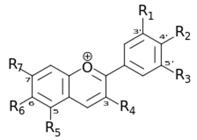
Structure of the flavylium ion characteristic of anthocyanins. Where R1, R2, R3, R4, R5, R6 and R7 can be hydrogen atoms, hydroxyl (OH) or methoxy (OMe) groups.Source:Moura et al. (2018).
According to Technical Regulations on the recommended daily intake of proteins, vitamins and minerals (Brasil, 2006), there is no recommendation for the consumption of anthocyanins as a source of antioxidants, however, as a comparison factor, the recommended daily intake of vitamin C for adults is 45 mg/day. In Europe, the anthocyanin intake ranges from 18.4 (Spain) to 44.1 mg/day (Italy) in women and 19.8 (the Netherlands) to 64.9 mg/day (Italy) in men. However, 50 mg/day of daily anthocyanin intake in China is recommended (Gonçalves et al., 2021). Also, according to an exposure estimate, for an average adult weight of 70 kg, anthocyanin intake of 49-133 mg/day could be well-tolerated (Saini et al., 2024)
Anthocyanins extracts are extensively used as natural colorants in diverse foods, including confectioneries, preserves such as jams and jellies, and sausages. They are also prominently utilized in several beverages, ranging from dairy products like yogurts to fruit juices. This widespread utilization underscores the versatility and significance of anthocyanins in the food and beverage industry (Saini et al., 2024).
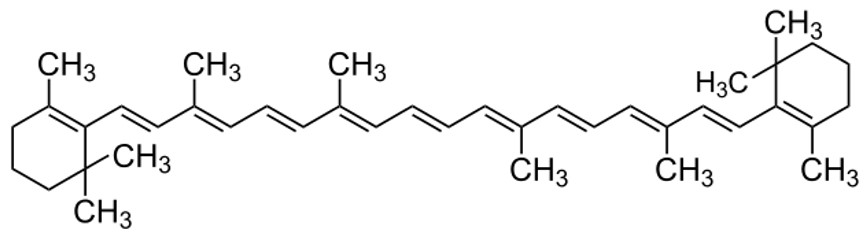
Carotenoids (Figure 2) are widely distributed in nature. Lycopene (C40H56) is considered the first colored carotenoid in the biosynthesis of many other natural carotenoids and is linear. Carotenoids are characterized by being fat-soluble and having oxidizable molecules. Its chemical structure is tetraterpenoids, made up of forty carbon atoms, having the property of absorbing visible light at different wavelengths.

Lycopene currently appears as one of the most potent antioxidants, being suggested for the prevention of carcinogenesis and atherogenesis by protecting molecules such as lipids, low-density lipoproteins (LDL), proteins and DNA. According to Rao et al. (1998), a value of 35 mg/day would be an appropriate average daily intake of this antioxidant for adults.
Betalains (Figure 3) occur in 13 plant families of the Caryophyllales and have never been found to occur concomitantly with anthocyanins in the same plant. They can be found in opuntia flowers (from the Cactaceae family), beets, chard, pink dragon fruit, red, pink and orange bougainvillea, as well as red amaranth flowers.

Betalain and its resonance structures. (A) example of betacyanin and (B) of betaxanthin. Source:Mohamad et al. (2019).
Natural colorings exert biological activities with health benefits, including antioxidant properties, protection against oxidative damage to cellular components, anti-inflammatory activity, and prevention of chronic non-communicable diseases. Most of the evidence of benefits, however, has been verified in vitro, thus studies are required to confirm the physiological and pharmacological effects of natural colorings on the human body. The factors that influence bioavailability, absorption, and distribution in tissues and organs should be studied, as well as structural transformations, pH changes in the formation and degradation of products, among others.
Restrictions on the use of certain synthetic colors have greatly reduced the palette of colors available to the food industry, with the greatest impact on the red tone. The Food and Drug Administration (FDA) has banned FD&C Red 2 (amaranth) in the USA, scarlet GN and ponceau GR in France, and orange RN in the UK, which has led to an increase in demand for natural sources of red pigments (Cisse et al., 2009). Natural reds used successfully in food include betanin, cochineal, carotenoids, and mainly anthocyanins. It is worth mentioning that the use of natural colorants requires detailed knowledge of the processing and storage conditions that can affect the stability and lead to degradation of the pigments (Moura et al., 2019a).
The search for healthier products requires the industry to make available natural colorings that can be used in food products, with a wide pH range and that are stable to thermal processing and during storage in ambient, refrigerated and frozen conditions (Nachay, 2017a). Encapsulation is an alternative to improve the stability and bioavailability of natural colorings (Silveira et al., 2023). The use of natural colorings in the form of extracts containing encapsulated polyphenols, rather than free compounds, can overcome the disadvantages of their instability, alleviate unpleasant tastes or flavors, as well as improve the bioavailability and half-life of the compound in vivo and in vitro (Budin et al., 2023; Silveira et al., 2023).
Several strategies have been developed to protect polyphenols from adverse environmental conditions, which include the following: (1) changing its structure by chemical structural modification (glycosylation, acylation); (2) combining them with biological macromolecules such as proteins and polysaccharides to form stable complexes; (3) micro-/nano-encapsulation to provide a physical barrier that shields the anthocyanins from environmental factors; and (4) co-pigmentation. Moreover, these strategies help minimize degradation and preserve the structural integrity and functional properties of anthocyanins over extended periods, enhancing their stability during storage and processing. However, some encapsulation methods are not widely used in food industries due to their high production cost (Saini et al., 2024).
2.7 Natural flavorings
Recently, new aroma extraction techniques have been used to replace conventional techniques (steam distillation or the use of solvents) to reduce environmental impact, energy consumption, and processing time, as well as avoiding the use of organic solvents and improving environmental sustainability by using agro-industrial waste and adding value to co-products (Tylewicz et al., 2017). Although conventional extraction techniques using heat treatment provide safety for aromatic ingredients, they accelerate chemical reactions (Maillard reaction, caramelization, lipid oxidation) and lead to losses of aromatic compounds. Thus, emerging technologies such as supercritical fluid extraction, ultrasound, microwave or enzyme-assisted extraction, ohmic-assisted hydrodistillation (OAHD), high pressure, and nanotechnology have been studied and used by some industries. A practical example is the use of flavoring compounds such as essential oils (EOs) extracted from leaves, fruits and seeds and preserved through nanoencapsulation technology (Nair et al., 2022). Another example is innovative strategies for biocatalytic flavor generation taking advantage of the immense progress currently being made in the emerging fields of functional genomics, proteomics, protein engineering and metabolic engineering (Schrader et al., 2004).
The safety assessment of aromatic ingredients for classification as a Generally Recognized As Safe (GRAS) ingredient must be rigorous. Several factors are considered in this assessment, including the history of use as a food, forms of use, daily intake, extraction method, the chemical composition of essential oils and natural flavoring extracts, and safety assessment. This last item considers exposure, the potential toxicity of the identified constituents, the genotoxicity of unidentified constituents, and global safety, considering the safety of consumption by children and individuals with low body weight (Gooderham et al., 2021).
Natural flavorings include extracts from different plants, such as fruits, coffees, teas, herbs, spices, and other botanicals. The use of different extraction technologies allows for the production of different forms of presentation (liquids and powders), and preservation of the natural aroma. Yeast extract is a flavoring agent widely used because it is natural and contains aromatic notes suitable for use in vegan products and meat analogs. This extract is made up of non-volatile substances, consisting of peptides, nucleotides, B vitamins, and amino acids (Liu et al., 2008 2015), in addition to the volatiles and aromatic compounds generated during the heating of these substances. Sourdough can also contribute to the formation of distinctive aromas during baking, which leads to the hydrolysis of proteins with the release of free amino acids, and the formation of organic acids, alcohols, and esters when used during the prolonged fermentation of bakery products. Flavors from sourdough can vary depending on the fermentation conditions (time, temperature, pH), product composition, and the type of starter culture used during baking (Hansen & Schieberle, 2005).
Flavor is characterized as the mixture of aroma and taste perceptions. Flavor can also be classified based on the parameters of mouthfeel and flavor richness. Aroma compounds are very volatile molecules and are mainly perceived through the nose. Taste receptors are in the mouth and, when food is chewed, flavors are perceived.
Flavorings are used in the processed food and beverage industries. These additives strengthen taste properties and mask undesirable flavors and aromas. Consumers seem to prefer products that do not contain artificial ingredients and are willing to pay high prices for them. Several authors point out that artificial flavors are harmful and contribute to the majority of cancer and health conditions worldwide. The flavors are characterized by the sensorial analysis of the material. Natural flavorings usually come from essential oils. Artificial flavorings, on the other hand, are made from various compounds that react and form a specific concentrated flavor (Mosia et al., 2022).
All flavors, including those intrinsically present in foods, as well as natural and artificial flavoring additives, are small chemical compounds or mixtures of compounds. The well-defined structures of these compounds allow them to interact with each other during the chewing process and bind to taste receptors in our mouth, thus creating distinct flavors.
Artificial sweet flavorings have a complex composition consisting of several classes of chemical compounds that are not specified or not permitted by regulatory bodies and industries responsible for their production and the amount of chemical formulation that may cause adverse effects some of examples are I. Cytotoxic and genotoxic potential II. Hyperactivity, anxiety and depression effects (Singh & Sudha, 2024)
The term artificial flavorings means any substance whose function is to impart aroma, which is not derived from spices, fruit or fruit juice, vegetable or vegetable juice, edible yeast, herb, bark, bud, root, leaf or plant material similar, meat, fish, poultry, eggs, dairy products or fermentation products thereof.
Most of the natural flavoring compounds are produced from the oils of plant products. These oils contain alkaloids which dissolve in organic solvents like alcohols. The flavorings that are extracted from fruits and spices are often synthesized using special processes and are manufactured in such a way that they remain unchanged in their aroma and flavorings at the end of the extraction process (Singh & Sudha, 2024). Table 1 presents examples of artificial and natural flavorings.
Artificial flavoring agents, their applications in the bakery industry and the type of flavors they induce. Natural flavors and their respective substrates.
According to Singh & Sudha (2024), natural flavorings can also be said as artificial flavorings because they are not created only from the food but are replicating and mixed with other products to create a flavor. Whereas artificial flavorings are made solely from chemicals combined to mimic a flavor. FDA does not require food labels to say what is in their “natural flavorings” unless the ingredients include a common allergen like milk, egg, fish, shellfish, tree nuts, wheat, peanuts or soy.
2.8 Vegetable sources for nitrite alternatives
Meat and poultry curing is one of the oldest forms of food preservation still in use today. Before the advent of refrigeration, fish and meat were preserved by methods found effective in controlling spoilage after animal harvest and extending food supplies during times of scarcity. Although lost in antiquity, the curing process for meats is believed to have derived from preservation methods with salt as early as 3,000 B.C. (Romans et al., 2001). Meat curing originated due to the generation of pink color in salted meat. Subsequently, potassium nitrate contamination in salt was identified as the causative agent of meat curing (Honikel, 2008). Over time, the realization that salt contaminated with saltpeter (potassium nitrate) was responsible for curing, would unknowingly provide the basis for the beginnings of unraveling the mystery of curing (Honikel, 2008; Sindelar & Milkowski, 2012).
Currently, meat curing is used to improve the quality, safety, and shelf life of meat products using various ingredients and additives such as salt, nitrite, nitrate, phosphate, etc. (Sebranek, 2009). Nitrite is an essential component of the additives that are used for meat curing and imparts a unique pink color and flavor to the meat (Parthasarathy & Bryan, 2012). Also, nitrite acts as an antioxidant against lipid oxidation and inhibits the growth of spoilage and pathogenic bacteria including Clostridium botulinum and Listeria monocytogenes (Sebranek, 2009). Synthetic nitrite, such as sodium nitrite and potassium nitrite, is commonly used in the meat industry. Nevertheless, consumers’ concerns about synthetic additives and their preferences for the consumption of natural and organic food have considerably increased in recent times. Therefore, various studies have been conducted to replace synthetic additives with natural products (Flores&Toldrá, 2021; Shakil et al., 2022; Jo et al., 2020).
Color of cured meat is one of the most noticeable effects of nitrite in meat products. Meat color is highly variable and is influenced by a variety of factors. When nitrite is added to meat, it is converted to nitric oxide (NO) via the reactions listed below (Skibsted, 2011; Shakil et al., 2022):
Nitrite reacts with hydrogen ions (H+) of water to produce nitrous acid. After that, nitrous acid progressively decomposes into water molecules (H2O) and di-nitrogen trioxide (Equations 1 and 2). Then, nitric oxide and nitrogen dioxide are generated from dinitrogen trioxide (N2O3) (Equation 3). The major component responsible for nitrite’s apparent function in cured meat products is nitric oxide (Shakil et al., 2022).
Nitric oxide combines with the iron of both myoglobin (Fe2+) and metmyoglobin (Fe3+) to produce a cured pink color in meat (Skibsted, 2011). Myoglobin is the sarcoplasmic protein responsible for the red color in meat, and metmyoglobin (brown in color) is the oxidized form of myoglobin (Mb). When nitric oxide (NO) reacts with myoglobin (Fe2+) nitrosyl myoglobin is formed. The bright red nitrosyl-myoglobin complex is responsible for the distinct color of cured meat. This complex is extremely unstable, and it turns into a stable, brilliant reddish-pink pigment (nitroso-hemochrome) during heat treatment (Sebranek & Fox Junior, 1985). Furthermore, myoglobin may react with HNO2. Myoglobin (Fe2+) combines with nitrous acid and forms metmyoglobin (Fe3+) by oxidation. Metmyoglobin (Fe3+) then reacts with NO to produce NO-metmyoglobin. NO-metmyoglobin is also produced from the reduction of metmyoglobin. As a result, the meat becomes brown in color. NO-metmyoglobin can be converted to NO-myoglobin by a reductant, causing the formation of the cured color (pink) again when heated. The presence of other additives in cured meats also affects the color development. Antioxidants including erythorbate, ascorbic acid and polyphenols stimulate the production of NO by allowing the N2O3 reduction. Ascorbic acid reduces Fe3+ to Fe2+ effectively and enhances the reduction process of NO-metmyoglobin. Thus, antioxidants with reducing activity aid in the cured meat color development by raising NO production and lowering NO-metmyoglobin levels. NaCl, generally added to meat for curing, reacts with HNO2 to generate nitrosyl chloride, which is more sensitive than N2O3 in terms of generating nitric oxide (NO) and initiating the formation of NO-myoglobin. The rate of nitrosyl myoglobin production has been found to increase with increased salt concentration (Sebranek & Fox Junior, 1985). The pH also controls nitric oxide formation from nitrite. Nitrous acid (HNO2) and nitrite reactivity increase as pH decreases. A very small quantity of nitrite is required for the development of the cured color in meats, usually approximately 2-14 ppm (Tarté, 2009). The recommended residual nitrite to function as a reservoir for the cured meat color regeneration is usually, 10-15 ppm (Honikel, 2008).
The meat and poultry industry has greatly benefited from the use of sodium nitrite by allowing for the production of products with unique colors, textures, and flavors; improved food safety; and an extended shelf life with excellent storage stability. The use of sodium nitrite for curing, however, has not been without controversy. In 1970, Lijinsky & Epstein (1970) published a critical report in Nature entitled “Nitrosamines as Environmental Carcinogens”, which showed that nitrosamines were potent and specific carcinogenic compounds. Further, the authors concluded the most appropriate means to address the problem was to eliminate one or the other of nitrosamine precursors (nitrite and secondary amines). This particular paper brought widespread public attention to the question of the safety of nitrite and was followed by an intense survey and study of potential public health risks due to food and environmental exposure to nitrite. Since all cured meats were viewed as containing both precursors, consumption of cured meat was considered a potential public health hazard. Due to a strong public debate in the 1970s concerning the potential to yield carcinogenic nitrosamines, the use of nitrite for curing was nearly banned (IARC, 2010). Since then, several steps have been taken by both industry and government to significantly reduce the risk of nitrosamine formation and alleviate potential human health concerns. Since that time, health concerns involving risks related to cancer believed to be directly related to the consumption of nitrite-cured meat and poultry products, have periodically resurfaced (Sindelar & Milkowski, 2012). However, research conducted since the mid-1980s has suggested that nitrite is a significant molecule important for human health. New scientific discoveries are now providing a better understanding of the important role nitrite plays in human physiology. Dietary nitrate from vegetable consumption, for example, has been shown to serve as a significant source for the endogenous production of nitrite and nitric oxide in the human body (Bryan & Ivy, 2015).
Although it is generally recognized that nitrite influences the meat flavor, the reactions involved are not completely understood. The antioxidant activity of nitrite against lipid oxidation is assumed to be one of the methods which might alter the flavor of meat products by suppressing the “warmed-over” flavor. Aldehydes such as pentanal, hexanal, etc., which are the products of lipid oxidation, are suppressed in cured meat when lipid oxidation is inhibited by nitrite. The use of nitrite inhibits the formation of aldehydes (hexanal), masking the sulfur-containing chemicals that give cured meat its flavor (Shahidi, 2002). S-nitroso thiol production and disulfide bond breakdown during meat curing are likely to cause increases in sulfur compounds. The antioxidant effect of nitrite explains why oxidation products, such as hexanal, are reduced in cured meats. Also, a nitrite may prevent rancidity during storage and the formation of “warmed-over” flavors. More research is needed to completely understand the mechanism, reactions and volatile compounds responsible for the aroma and flavor of cured meat (Shahidi, 2002).
For cured meat products, nitrite is recognized for its antimicrobial effects against pathogenic bacteria, even though the specific inhibitory mechanisms are not well known. Nitrite contributes to oxidative stress by being the precursor of peroxynitrite (ONOO−), which is the major strong oxidant. Thus, bacterial stress is enhanced by the nitrate-nitrite-peroxynitrite system which is also highly pH- and low partial pressure of oxygen-dependent. Nitrite is a hurdle technology whose effectiveness depends on several other hurdle technologies including sodium chloride (accelerating the autoxidation of oxymyoglobin and promoting peroxynitrite formation), ascorbate (increasing ONOO− synthesis), and water activity (Aw). Depending on the environment, certain species are more resistant than others to acidic, oxidative, and nitrite bacteriostatic effects (Shakil et al., 2022). The most resistant species are gram-negative aerobic/facultative anaerobic bacteria (Escherichia coli, Salmonella), and the most fragile are gram-positive anaerobic bacteria (Clostridium botulinum). There are two effects of nitrite found in controlling the growth of Cl. botulinum. The first effect is inhibiting vegetative cells developing from surviving spores. The second effect is the prevention of vegetative cell division. In addition, numerous studies have found that nitrite inhibits the development of Listeria monocytogenes, Bacillus cereus, Cl. perfringens in various meat products. The impact of nitrite and inhibitory mechanisms varies with several bacterial species. The effectiveness of antimicrobial activity is dependent on various factors including pH, residual nitrite level, salt concentration, Fe content, reductant presence, and storage temperature. The antibacterial activity of nitrite may be due to the peroxynitrite (ONOO-) formation and nitric oxide formation from nitrite (Majou & Christieans, 2018). Acid catalysis may cause oxymyoglobin to be autoxidized, generating superoxide radicals. The interaction of nitric oxide with superoxide radicals as well as the reaction of nitrite with hydrogen peroxide can produce peroxynitrite. Under physiological environments, peroxynitrite and peroxynitrous acid (ONOOH) stay in equilibrium. These two compounds are strong oxidants as well as nitrating agents. They penetrate the bacterial cells by passive anionic diffusion and disrupt the microorganisms by causing protein and lipid oxidation or by damaging DNA. Nitric oxide (NO) can also inhibit microbial growth by forming protein-bound dinitrosyl iron complexes (DNICs) when it reacts with iron-sulfur proteins, which are engaged in critical physiological activities including energy metabolism and DNA synthesis. Various kinds of microorganisms have various metabolic pathways and antioxidant defense strategies, and certain microorganisms are found to be resistant to the oxidative stress of peroxynitrite and peroxynitrous acid. Furthermore, the antibacterial action of nitrite in Gram-positive anaerobic bacteria has been shown to be more effective than in Gram-negative aerobic bacteria. The level of added nitrite is thought to have a greater influence on inhibiting Cl. botulinum than that of the residual nitrite during storage, implying that the production of antimicrobial compounds as a consequence of nitrite-related reactions might be noteworthy (Majou & Christieans, 2018).
Sodium nitrite is essential in the production of meat products. Its preservative effect and its contribution to the development of the characteristic taste and pink color of cured products are widely known, as well as its ability to delay oxidation and the appearance of undesirable aromas. However, despite all the technological benefits of nitrite at the safe levels allowed (150 ppm in most products), there is pressure from the market to reduce or exclude this ingredient from meat products since many consumers perceive nitrite-free products as more natural and healthier (Tarté, 2009).
The alternative available to replace synthetic nitrite is the addition of a nitrate source that is converted into nitrite by the action of reductase enzymes present in microorganisms such as Staphylococcus carnosus, which is very common in starter cultures used to make fermented products. Dehydrated concentrated vegetables (celery, beet, spinach, and carrots, among others) and sea salt can be used as a source of nitrate. In this case, the label should state “No nitrates added or nitrites except naturally occurring nitrates” (Flores & Toldrá, 2021).
Antimicrobial compounds of natural origin can also be used to replace or complement the effect of nitrite in meat products. These compounds are naturally present in certain spices that contain essential oils rich in terpenes, coumarins, and flavonoids. There are also compounds of microbial origin (nisin, for example) or animal origin (lysozyme and some polypeptides). The total replacement of nitrite with a single antimicrobial agent of natural origin is not always possible, thus the addition of combinations of different compounds has proven to be more effective (Rivera et al., 2019).
The first studies on the use of fermented plant compounds as a source of nitrate were carried out to meet the needs of the organic product segment, which needed to produce cured products with no addition of synthetic preservatives (Sebranek et al., 2012). The use of nitrate-rich plant extracts together with starter cultures of bacteria-producing nitrate-reducing enzymes has been proposed, emphasizing the need to control the nitrite content formed to levels that guarantee the microbiological safety of the product (Sindelar, 2006; Sebranek&Bacus, 2007). The use of acerola extract as a source of ascorbic acid to replace sodium erythorbate as a cure accelerator has also been recommended, as this extract reduces the residual nitrite content without affecting the pH, thus providing an alternative curing process (Sullivan et al., 2012a).
The conversion of nitrate into nitrite during the processing of the meat product requires adjustments that include changes in pH and the incubation time, among other parameters. The bacteria that make up the starter cultures require incubation between 38 and 42 °C for around two hours to promote the reduction of nitrate, which requires adjustments to both the formulation and heat treatment, especially in small-caliber products (e.g., sausages), which are subjected to a rapid thermal process. This alternative curing process with the addition of concentrated vegetable juices from nitrate-rich plants has been used by different industries at the beginning of this century, mainly in the United States of America (USA) (Sullivan et al., 2012b; Ko et al., 2017). To better control alternative curing, these concentrates were fermented before their addition to products, which also created many inconveniences for the meat industry. Therefore, flavoring suppliers produced dehydrated fermented plant concentrates, a source of pre-converted nitrite, to replace synthetic nitrite, with no significant process modifications. This technological evolution has led to an increase in the supply of alternative cured meat products, as can be seen in some markets mainly in the USA and Canada. In these countries, manufacturing volumes have been growing since the mid-2000s to meet the consumers’ demand for products free from chemical additives. The first fermented or non-fermented plant concentrates were made with celery; today different sources are used in commercial products, such as beet, spinach, and recently chard, which, unlike celery, is not classified as an allergen (Flores & Toldrá, 2021).
Recently, many studies have focused on the production of different meat products using an alternative curing method with plant extracts (Yong et al., 2021; Flores & Toldrá, 2021). In the search for other synthetic coadjuvant compounds in the curing process, various ingredients of natural origin have been evaluated, such as concentrated lemon juice and acerola powder (sources of vitamin C, ascorbic acid) to replace cure accelerators such as sodium erythorbate, as well as the use of other natural bacteriostatic agents, such as fermented sugar and buffered vinegar. These implementations aim to intensify the microbiological safety of this category of products, which is achieved with compounds such as sodium lactate and diacetate, among others (Golden et al., 2017; Rasmussen, 2018).
In meat products, the plant substitutes for synthetic nitrite provide a similar amount of nitrite, thus the microbiological safety of the product is not affected (Rasmussen, 2018). On the other hand, depending on the product category, it is not always possible to achieve the same concentration of added nitrite. In such cases, the formulation must be altered to include other antimicrobial compounds that have a synergistic effect with nitrite, so that the product remains microbiologically safe for consumption. These antimicrobial agents include buffered vinegar and fermented sugar (King et al., 2015; Golden et al., 2017; Sullivan et al., 2012a).
It is known that the addition of 90 ppm nitrite prevents the germination of Cl. botulinum, a sporulated microorganism whose toxin can be lethal for most meat products except for long-cured meats (Tarté, 2009). On the other hand, there are other pathogens of public health importance, such as Cl. perfringens, Listeria monocytogenes, S.aureus, and others. Thus, Cl. perfringens, in particular, is very relevant in ready-to-eat baked goods sold under refrigeration, once other barriers such as Aw and pH are not sufficient to guarantee safety. Cl. perfringens grows in the temperature range between 12 and 50 °C and has a high multiplication capacity in the range of 45 to 47 °C, thus preventive measures must be established from the time of cooling after heat treatment, especially when the product has a large caliber (McMinn et al., 2018). Different studies using synthetic nitrite have shown that the addition of at least 100 ppm of nitrite is sufficient to prevent the germination of Cl. perfringens spores (Fraqueza et al., 2020; Gipe, 2012), which is possible when using concentrated fermented plant extracts (pre-converted nitrite). In turn, initial levels are generally lower when using nitrate-rich plant concentrate with a culture of nitrate-reducing bacteria (e.g., S. xylosus), leading to a need to use bacteriostatic agents (Jackson, 2010; King et al., 2015). Studies have also shown that the effects on preventing Clostridium germination are similar whether the cure accelerator is synthetic or of natural origin (acerola powder) when used in equivalent concentrations (Gipe, 2012; Sebranek et al., 2012).
The nitrite concentration of the nitrate-rich plant concentrate should be considered when using it as a nitrite source, as the technical data sheet usually provides information as nitrite and/or sodium nitrite, informing the equivalent content based on molecular weight for comparison purposes. The nitrite concentration varies according to the type of plant and the production process. Concerning the cure accelerator, traditional products use sodium erythorbate, while a plant extract rich in ascorbic acid is often chosen in the category of clean-label products (King et al., 2015). The concentration of ascorbic acid in these ingredients (e.g., acerola powder) is variable and calculations must be made to ensure that the content added corresponds to the synthetic product, considering that ascorbic acid promotes faster nitrite depletion when compared to sodium erythorbate when used at the same concentrations.
Concerning the legislative aspects, the USA was the first country to regulate this category of meat products made with plant concentrates as alternative curing agents (United States Department of Agriculture, 2018). These ingredients are considered natural once the manufacturing processes (concentration and drying or fermentation) meet the regulatory requirements. To be labeled as natural, all the ingredients in the formulation must be of natural origin. It is worth noting that Brazil does not have a regulated definition for the use of the term “natural” in food labeling. On the other hand, US legislation authorizes the term “preservative-free” when the product has a plant concentrate added, even if it is an additive. The use of the terms “uncured” and “with no nitrite and nitrate addition” is permitted, despite being controversial because the product contains nitrite. This nomenclature should be revised at the request of consumer associations and academic representatives, since the products still contain nitrite, which is the active compound in the curing process, even if it comes from a plant source. The legislation also establishes criteria for marketing this category of product, as well as cooling requirements. Products cured with plant extracts must be stored at temperatures of up to 4 °C unless they are frozen or sterilized. The addition of nitrite is not necessary for products with a maximum Aw of 0.92 (Fraqueza et al., 2020).
Although the USA and Canada have allowed the use of plant extracts as a source or precursor of nitrite for many years and classify these ingredients as flavoring agents, their use is not permitted in Europe, as they are considered to have a technological function as preservatives and should therefore meet the relevant regulations, including purity criteria (Flores & Toldrá, 2021).
Numerous studies have been carried out since 2010 to assess the safety of products made with the replacement of synthetic nitrite with nitrite from natural sources, especially concerning the pathogens Cl. botulinum, Cl. Perfringens, and L. monocytogens (Flores & Toldrá, 2021).
Pathogenic microorganisms are isolated from meat products, however, they may not represent a danger, once the products do not always meet all requirements for bacterial growth. In this case, challenge tests with the product can be very effective. For that, pathogens are inoculated under process and marketing conditions similar to real conditions, and their growth potential and toxin formation are assessed. When bacterial growth is detected in the product, protective barriers established by intrinsic and extrinsic factors must be adopted to guarantee the microbiological safety of the product. However, in practice, there is not always evidence of growth and/or toxin production (National Advisory Committee on Microbiological Criteria for Foods, 2010).
Jackson (2010) evaluated the microbiological safety of sausages, cooked ham, and bacon made with synthetic nitrite substitution by inoculating Cl. perfringens in commercial products and observed a wide variation in growth between brands. The author also evaluated different bacteriostatic compounds in sausages and cooked ham and concluded that vinegar and fermented sugar prevented growth in products cured with plant extracts. Regarding the germination and growth of Cl. botulinum in sausages and cooked ham, the products showed no growth of the pathogen at the storage temperatures evaluated (22 °C, 10 °C, and 4 °C) when fermented sugar and vinegar were added to products made with pre-converted nitrite source (concentrated fermented celery juice). In turn, the bacteriostats lemon, acerola, and vinegar only prevented growth at temperatures of 4 °C and 10 °C, while the pre-converted nitrite source, without the addition of a bacteriostatic agent, only prevented growth when the product was stored at 4 °C.
The use of natural alternatives to nitrate and nitrite or natural sources of nitrite and nitrate such as vegetable extracts may have relevant benefits since it allows the launch of clean label meat products. However, the risk for the generation of N-nitrosamines remains because some nitrite is present in the meat product. Anyway, such risk is low if the amount of added nitrite is controlled and remains very low in the meat product. Other risks might be associated with the presence of other contaminants such as mycotoxins, heavy metals, organic pollutants that may be present in the vegetables used as sources and the allergenic potential from the vegetable (i.e. celery) (Flores & Toldrá, 2021).
The use of plant concentrates or extracts as nitrate sources has not yet been regulated in Brazil, which should be evaluated by Agência Nacional de Vigilância Sanitária (ANVISA) to define the regulatory guidelines.
The safety of meat products depends on several factors, including pH, Aw, preservatives, type of packaging (redox potential), and mainly storage temperature. These different factors act synergistically and the greatest impact depends on the product category, composition, and form of marketing, among other characteristics.
2.9 Challenges of replacing sodium, sugar, and fat in food
The global prevalence of diabetes can reach 700 million people by 2045. According to the International Diabetes Federation (IDF), 79% of diabetics live in developing countries, and 63% of this total is of working age (up to 60 years) (International Diabetes Federation, 2019). Obesity has been identified as a risk factor for diabetes and several other diseases and has been associated with an inadequate diet, especially the consumption of salt, sugar, and fat, among other factors.
Reducing the salt content and replacing all or part of the sugar and fat in food is a challenge for manufacturers, due to their important technological, sensory, and preservation properties. These ingredients are determining factors not only in enhancing flavor and texture but also in controlling microbial growth. Sugar also plays a fundamental role in the texture of some products, as a body and viscosity agent (Costa et al., 2021). In the search for substitutes for these ingredients, it is necessary to consider consumer preferences for certain sensory properties, as well as ensure the quality and safety of the food during storage (Guerra et al., 2021).
Technologies using AI to develop digital devices in the area of personalized nutrition have emerged on the market. This technology uses biomarkers that, by tracking the user's metabolic health, help them manage their health and propose lifestyle changes that take into account individual specificities (Nutrition Insight, 2021). This market is expected to grow in the coming years, especially due to the rise in obesity-related chronic non-communicable diseases (NCDs), such as diabetes.
2.10 Sodium reduction
Sodium is an essential nutrient necessary for the maintenance of plasma volume, acid-base balance, transmission of nerve impulses, normal cell function and regulating physiological functions (World Health Organization, 2023; Nie et al., 2024). However, excess dietary sodium has been associated with some chronic non-communicable diseases. According to the World Health Organization (2023), a maximum daily intake of 2,000 mg of sodium is recommended, which corresponds to around 5 g of sodium chloride or table salt.
Reducing sodium chloride in food can influence different aspects of food processing, quality, and preservation. In bakery products, the reduction affects the rheology of wheat flour dough, with a consequent impact on the technological and sensory quality, shelf life, and microbiological safety of the products (Silow et al., 2016).
In wheat flour pasta, NaCl promotes a more stable, less extensible, and less sticky gluten network. In addition, sodium ions affect the yeast cell wall, controlling fermentation and reducing gas production, thus reducing NaCl can result in breads with a more fragile texture and more open crumb structure, as well as affecting Aw and decreasing product stability (Cauvain, 2007; Silow et al., 2016).
The reformulation of bakery and meat products involves different approaches, including the replacement of sodium chloride by different salts or its mixture, such as potassium chloride, magnesium chloride, calcium chloride, magnesium sulfate, potassium lactate, calcium lactate, potassium phosphate, and others (Kaur et al., 2011; Israr et al., 2016; Nie et al., 2024), or modification of the salt structure (particle size reduction, encapsulation, porosity and morphology) (Silow et al., 2016; Nie et al., 2024); addition of flavor enhancers, such as amino acids (monosodium glutamate and L-alanine), nucleotides (disodium inosinate and disodium guanylate), organic acids (disodium succinate), plant compounds (allicin and gingerol) and peptides that increase salinity (Maillard peptides and extracts of yeast) (Nakagawa et al., 2014; Nie et al., 2024).
The halophyte plants, which due to their health benefits and salty flavor have been presented as an option to sodium chloride (Sarcocornia spp. and Salicornia spp) (Louçano et al., 2024).
In meat products, sodium chloride also plays an important role, conferring salty taste and improving the flavor perception of other ingredients. It also acts as a preservative, and promotes the solubilization of myofibrillar proteins, with an effect on the water retention capacity and emulsification.
The most common way of reducing sodium in meat products is to replace up to 50% of NaCl with KCl, combined with the addition of flavor enhancers to mask the bitter taste of KCl. Another alternative is to reduce the particle size of the salt, which increases the perception of the salty taste and allows for a reduction in the salt content without impacting the sensory characteristics of the product.
The main barriers to be faced in the manufacture of low-sodium meat products include texture, process yield, exudation during storage, and microbiological stability. The antimicrobial activity of salt is largely related to its effect in reducing Aw. Salt is part of a multiple barrier system for food preservation; therefore, salt reduction requires adjusting the intrinsic or extrinsic properties of the food to guarantee effective preservation. Any reformulation requires an investigation of the hazards arising from the changes and appropriate action must be taken in the face of new hazards (Stringer & Pin, 2005).
The addition of other compounds to compensate for the loss of functionality associated with salt reduction must be monitored against associated changes in the microbiological flora. Although reducing salt concentrations generally does not alter the number or species of bacteria initially present, it can affect their survival and growth. The magnitude of an increase in pathogen growth associated with salt reduction depends on the contribution of salt to the safety of that product. For many food groups, such as frozen, sterilized, acidic (pH < 3.8), and low Aw foods (<0.86) there is no implication of salt reduction in microbiological safety.
One of the main strategies to reduce sodium is the replacement of sodium chloride with other salts, especially KCl, as mentioned above. However, according to Nie et al. (2024) , additional randomized clinical trials should be carried out to better understand the effect of potassium in chronic kidney disease patients and normal populations, as well as its independent effects on cardiovascular diseases.
However, replacing sodium with all properties, whether technological, sensorial, microbial stability, as well as physiological effects, is a challenge for the food industry, and often requires the combination of substitutes due to the complexity of the food system and its processing.
2.11 Sugar reduction
Currently, there is a wide variety of ingredients used as sucrose substitutes. Table 2 shows the intensive sweeteners responsible for giving a sweet taste. This category includes aspartame, acesulfame-K, sucralose, saccharin, cyclamate, stevia, neotame, thaumatin, monk fruit (luo han guo), and others (Barreiros, 2012). According to Table 2, the advantage stands out, which has an Acceptable Daily Intake (ADI) of 500 mg/kg and a high energy value, close to that of glucose (3.8 kcal/g), however, the amount needed to sweeten is small due to its sweetening power be high (20,000 to 37,000 times). As for natural products, thaumatina stands out, which has a greater sweetening power (1,300 to 3,500 times), and zero kcal/g, however, its ADI has not yet been established. Regarding the use of stevia, it should be noted that this natural sweetener has a sweetening power of 300 times, but with a small ADI, of only 4 mg/kg, which somewhat limits its use, and the strategy is to combine it with other sweeteners or use high purity stevia.
Composition, sweetening power, cariogenic potential, ADI, thermal stability, nature, and energy value of sweeteners.
Although each non-sugar sweetener (NSS) interacts with the same sweet-taste receptor to elicit sweet taste and likely results in the same physiological effects to some extent, they are not a homogeneous class of compounds, each NSS has a unique chemical structure, resulting in different sweetness intensities, organoleptic properties and routes of processing by the body (Agyapong et al., 2020; World Health Organization, 2023).
However, the safety of artificial sweeteners is questioned, and their role in the aetiology of various diseases is debated. In particular, their carcinogenicity has been suggested by several experimental studies, but robust epidemiological evidence is lacking (Debras et al.,2022 2024), especially in humans, therefore it is important (Agence Nationale de Sécurité Sanitaire de l’Alimentation, de l’Environnement et du Travail, 2015) a re-evaluation by public health authorities of aspartame’s role in cancer development (Landrigan Landrigan, Straif , 2021; Debras et al., 2022). In the guidance report prepared by the World Health Organization (2023), the long-term NSS use was associated with increased risk of type 2 diabetes, cardiovascular diseases (CVDs) and mortality in prospective cohort studies conducted in adults. However, there is no clear consensus on whether NSS are effective for long-term weight control or if they are linked to other long-term health effects at habitual intakes within the ADI, besides significant effects were not observed or inconsistent concerning preterm births, asthma, excessive gestational weight gain, infants with allergies, etc.
According to Miao et al. (2022), there was scarce information about the structure of sweet taste receptors, thus there was an insufficient understanding of the mechanism and a paucity of methods to theoretically evaluate sweeteners receptor interactions. These authors evaluated 28 natural and artificial sweeteners by molecular docking. The contribution of hydrophobic interactions was highlighted in artificial high-intensity sweeteners. Eight representative sweetener – T1R2 – membrane systems were constructed to investigate the mechanisms of various sweetener intensities. These results provide a deeper understanding of the mechanisms of sweetener function and offer a new direction for the design of sweeteners.
Xylitol and other polyols, on the other hand, in high doses can cause gastrointestinal discomfort, including irritable bowel syndrome, flatulence, and diarrhea. Arabitol is associated with ribose-5-phosphate isomerase deficiency and Alzheimer's disease. Lactitol can cause diarrhea, cramps, and flatulence in some individuals (Paiva et al., 2020).
According to the European Food Safety Authority (European Union, 2010), Regulation (EU) No. 257/2010, regarding the program for the re-evaluation of food additives, it could be noted they have already been permitted in the European Union before 20 January 2009. This regulation also provides that food additives are reevaluated whenever necessary given the evolution of conditions of use and new scientific information.
About the natural sweeteners, the genetic and purification improvements have been performed. A typical example of these improvements is shown through stevia, which originally had a bitter aftertaste, which was reduced after improvement, as well as purification processes that minimized bitterness, making stevia much more palatable.
Another important aspect is the use of sweetener blends to improve sensory perception, providing greater synergy between sweeteners, improving their characteristics, enhancing and increasing their sweetness, and therefore contributing to the reduction of daily intake (ADI).
Products called 100% fruit are a natural alternative to added sugar since sugar has been replaced by concentrated juices, presenting a sweetening power similar to fructose, due to the sucrose molecules naturally present in the juices. The most common bases used for these juices are apple, pear, grape, melon, pineapple, citrus, and others. Other natural sources are Agave syrup, coconut sugar, and honey. Natural agave syrup is produced by extracting concentrated blue agave juice, which has high concentrations of fructose and inulin, and a low glycemic index. Coconut sugar is extracted from the sap of coconut palm flowers and does not undergo refinement.
It is common to find high-intensity sweeteners in conjunction with bulk sweeteners in food products to complete the sugar replacement and produce appropriate texture (Hutchinson et al., 1999; Siefarth et al., 2011). Common bulking agents or sweeteners used in food products include hydrogenated starch hydrolysates, isomalt, lactitol, maltitol, mannitol, sorbitol, xylitol, and polydextrose (Hutchinson et al., 1999).
Table 3 shows the bulking agents used as sucrose substitutes. These compounds are low in calories (< 4 cal/g) with no pronounced sweet taste, thus their function is to replace sucrose solids. Some agents also act as a source of fiber, such as polydextrose, inulin, fructooligosaccharides (FOS), and L-sugars, which aid digestion, contribute to the feeling of satiety, and have a positive impact on reducing blood sugar levels. Depending on the amount added, they can be claimed as a “source of fiber” on the label, which makes them even more attractive on the market (Abud & Silva, 2020).
Method of production, sweetening power, application in food products and energy value of polyols.
2.12 Fat reduction
Trans fatty acids (TFA), obtained mainly through the process of partial hydrogenation oils (PHOs), was widely used in food products to increase the stability and extend the shelf life of foods (Zhou et al., 2024), and can be found in margarine, vegetable shortening, ghee, fried foods, and baked goods (crackers, biscuits and pies) etc. Trans fat can also be found naturally, in smaller quantities, in meat and dairy foods from ruminant animals (e.g. cows, sheep, goats) (World Health Organization, 2024).
However, epidemiological studies correlating the adverse effects of consuming foods containing TFA and coronary heart disease, obesity or type 2 diabetes have become more evident (Temkov & Muresan, 2021), being considered more harmful than saturated fats, as these increase LDL content, while trans fats increase LDL (low-density lipoproteins) and decrease HDL (high-density lipoproteins) (Benjamin et al., 2017).
In light of this evidence, since 2007, the WHO has recommended the elimination of trans fats from food, and in 2008 commitments to action were made, established in the Rio de Janeiro Declaration in June 2008. In 2018, the “REPLACE” action package, was carried out with guiding measures aimed at the global elimination of industrially produced trans fats by 2023 (World Health Organization, 2018). These six strategic action areas refer to the following actions (Table 4):
REPLACE action package and its six strategic actions to ensure the rapid, complete and sustainable elimination of industrially produced trans fats acid (TFA).
The REPLACE actions have roadmap developed by WHO for countries to help accelerate actions, offering six practical steps to promote the use and consumption of healthier fats and oils and the elimination of industrially produced trans fats, to be achieved through regulatory actions, also establishes solid monitoring and awareness systems for policymakers, producers, suppliers and the public (World Health Organization, 2024).
The WHO recommends the following two best-practice alternatives, the mandatory national limit of 2 g of industrially produced trans fat /100 g of total fat in all foods; and the mandatory national ban on the production or use of partially hydrogenated oils as an ingredient in all foods (Organização Pan-Americana da Saúde, 2021). In Brazil, these recommendations are carried out through RDC 632 of 2022 (Brasil, 2022).
The Pan American Health Organization (PAHO), which works with the countries of the Americas to improve the health and quality of life of their populations, proposed an action plan to eliminate PHOs from industrial production 2020-2025 to complete the elimination of TFAs and implementation of IP-TFA elimination policies in the Americas (Organização Pan-Americana da Saúde, 2021).
Several high-income countries have virtually eliminated industrially produced trans fats through legally imposed limits on the amount that can be contained in packaged foods. In low- and middle-income countries, where control over the use of industrially produced trans fats is often weaker, action is needed to ensure that the benefits are experienced equally across the world.
According to the World Health Organization (2020), the recommendations for PHO replacement can be carried out through the following alternatives. It should be considered that the lower the saturated fatty acid (SFA) content and the higher the Polyunsaturated Fatty Acids (PUFA) with omega-3 and omega-6 are, the healthier the replacement will be. However, according to this same document, depending on the substitute used, oxidative stability may be limiting for some food applications.
-
Stable plant oils: liquid at room temperature, e.g., naturally stable oils; trait-enhanced oils (high oleic oils), oils with antioxidants and emulsifiers;
-
Natural hardstocks: fats that are naturally high in SFA and solid at room temperature, e.g., animal fats; tropical oils and fats (palm, coconut, palm kernel);
-
Fully hydrogenated hardstocks: full hydrogenation turns oils into 100% SFA waxy fats, e.g., fully hydrogenated soy oil or other oils;
-
Fractionated oils and fats: use slow cooling to separate more solid and more liquid fat fractions, e.g., low melting (liquid) palm olein; high melting (solid) palm stearin;
-
Rearranged fats: fatty acids are reshuffled (“interesterified”) within the triglycerides, e.g., chemically or enzymatically rearranged hardstocks;
-
Blending of oils and fats, e.g., mix of soy oil and palm oil, which gives a viscous liquid;
-
Combinations of approaches 1-6, e.g., liquid oil interesterified with a specific hardstock or fractionated oil.
3 Final remarks
The search for healthy food is a growing trend, with major challenges for the clean label market, which is looking for alternative technologies for the development of new products, combined with ethical and sustainability aspects.
From the food industry approach, each type of product has a specific characteristic that must be studied before selecting a substitute. Most of the time, a combination of substitutes is indicated since there is no multifunctional clean-label substitute. Not every natural ingredient can be considered safe, just as not every artificial ingredient can be considered worse than a natural ingredient.
For the consumer, the label is a tool to manage their food choices. Individuals who are allergic, intolerant, or have diet-related diseases can access the information on the label to avoid consumption or contact (traces). The label is also a facilitator for selecting foods that are free of additives, sodium, fat, or sugar for people with chronic NCDs or those looking for a healthier diet.
Regulatory bodies and food industries play a fundamental role in the process of raising consumer awareness about the importance of their food choices. Making healthy foods available on consumers' tables is also the responsibility of these bodies, concerning both the health aspects established by legislation and the nutritional aspects.
-
Cite as:
Nabeshima, E. H., Tavares, P. E. R., Lemos, A. L. S. C., & Moura, S. C. S. R. (2024). Emerging ingredients for clean label products and food safety. Brazilian Journal of Food Technology, 27, e2023160. https://doi.org/10.1590/1981-6723.016023
-
Funding:
None.
References
-
Abdelmoteleb, M., Zhang, C., Furey, B., Kozubal, M., Griffiths, H., Champeaud, M., & Goodman, R. E. (2021). Evaluating potential risks of food allergy of novel food sources based on comparison of proteins predicted from genomes and compared to. Food and Chemical Toxicology, 147, 111888. PMid:33276067. http://doi.org/10.1016/j.fct.2020.111888
» http://doi.org/10.1016/j.fct.2020.111888 - Abud, A. C. S., & Silva, M. G. D. (2020). Prospective study of food and prebiotic ingredients patents. Revista Indicação Geográfica e Inovação, 4(4), 994-109.
-
Aditivos e Ingredientes. (2012) Plantas e extratos vegetais na indústria alimentícia Retrieved in 2024, September 15, from https://aditivosingredientes.com.br/upload_arquivos/201604/2016040796980001460664679.pdf
» https://aditivosingredientes.com.br/upload_arquivos/201604/2016040796980001460664679.pdf -
Aditivos Ingredientes. (2023). A nova era dos extratos botânicos. Retrieved in 2023, September 15, from https://aditivosingredientes.com/artigos/052023-artigos-editoriais/092023-a-nova-era-dos-extratos-botanicos?utm_campaign=newsletter_ai_396&utm_medium=email&utmsource=RD+Station
» https://aditivosingredientes.com/artigos/052023-artigos-editoriais/092023-a-nova-era-dos-extratos-botanicos?utm_campaign=newsletter_ai_396&utm_medium=email&utmsource=RD+Station -
Agence Nationale de Sécurité Sanitaire de l’Alimentation, de l’Environnement et du Travail – ANSES. (2015). Evaluation des bénéfices et des risques nutritionnels desédulcorants intenses. Maisons-Alfort: ANSES. Retrieved in 2024, June 15, from https://www.anses.fr/fr/system/files/NUT2011sa0161Ra.pdf
» https://www.anses.fr/fr/system/files/NUT2011sa0161Ra.pdf -
Agyapong, N. A. F., Annan, R. A., Apprey, C., & Aduku, L. N. E. (2020). Body weight, obesity perception, and actions to achieve desired weight among rural and urban Ghanaian adults. Journal of Obesity, 2020, 7103251. PMid:32257427. http://doi.org/10.1155/2020/7103251
» http://doi.org/10.1155/2020/7103251 -
Ahmed, M. A., Al-Khalifa, A. S., Al-Nouri, D. M., & El-din, M. F. S. (2021). Dietary intake of artificial food color additives containing food products by school-going children. Saudi Journal of Biological Sciences, 28(1), 27-34. PMid:33424279. http://doi.org/10.1016/j.sjbs.2020.08.025
» http://doi.org/10.1016/j.sjbs.2020.08.025 -
Asioli, D., Aschemann-Witzel, J., Caputo, V., Vecchio, R., Annunziata, A., Næs, T., & Varela, P. (2017). Making sense of the “clean label” trends: A review of consumer food choice behaviour and discussion of industry implications. Food Research International, 99(Pt 1), 58-71. PMid:28784520. http://doi.org/10.1016/j.foodres.2017.07.022
» http://doi.org/10.1016/j.foodres.2017.07.022 - Aziz, M., & Karboune, S. (2018). Natural antimicrobial/antioxidant agents in meat and poultry products as well as fruits and vegetables: A review. Critical Reviews in Food Science and Nutrition, 58(3), 486-511. PMid:27437876.
-
Barbeș, L., Barbulescu, A., & Dumitriu, C. S. (2023). Human health risk assessment to the consumption of medicinal plants with melliferous potential from the Romanian South-Eastern region. Toxics, 11(6), 520. PMid:37368620. http://doi.org/10.3390/toxics11060520
» http://doi.org/10.3390/toxics11060520 - Barreiros, R. C. (2012). Adoçantes nutritivos e não-nutritivos. Revista da Faculdade de Ciências Médicas de Sorocaba, 4(1), 5-7.
-
Benjamin, E. J., Blaha, M. J., Chiuve, S. E., Cushman, M., Das, S. R., Deo, R., de Ferranti, S. D., Floyd, J., Fornage, M., Gillespie, C., Isasi, C. R., Jiménez, M. C., Jordan, L. C., Judd, S. E., Lackland, D., Lichtman, J. H., Lisabeth, L., Liu, S., Longenecker, C. T., Mackey, R. H., Matsushita, K., Mozaffarian, D., Mussolino, M. E., Nasir, K., Neumar, R. W., Palaniappan, L., Pandey, D. K., Thiagarajan, R. R., Reeves, M. J., Ritchey, M., Rodriguez, C. J., Roth, G. A., Rosamond, W. D., Sasson, C., Towfighi, A., Tsao, C. W., Turner, M. B., Virani, S. S., Voeks, J. H., Willey, J. Z., Wilkins, J. T., Wu, J. H., Alger, H. M., Wong, S. S., & Muntner, P., and the American Heart Association Statistics Committee and Stroke Statistics Subcommittee (2017). Heart Disease and Stroke Statistics—2017 Update: A Report From the American Heart Association. Circulation, 135(10), e146-e603. PMid:28122885. http://doi.org/10.1161/CIR.0000000000000485
» http://doi.org/10.1161/CIR.0000000000000485 -
Brasil. Agência Nacional de Vigilância Sanitária – ANVISA. (2006, outubro 3). Regulamento técnico sobre ingestão diária recomendada (IDR) para proteínas, vitaminas e minerais (Resolução RDC n° 182, de 3 de outubro de 2006). Diário Oficial [da] República Federativa do Brasil, Brasília. Retrieved in 2024, May 10, from https://bvsms.saude.gov.br/bvs/saudelegis/anvisa/2005/rdc0269_22_09_2005.html
» https://bvsms.saude.gov.br/bvs/saudelegis/anvisa/2005/rdc0269_22_09_2005.html - Brasil. Agência Nacional de Vigilância Sanitária – ANVISA. (2021, abril 22). Dispõe sobre os requisitos de composição e rotulagem dos alimentos contendo cereais para classificação e identificação como integral e para destaque da presença de ingredientes integrais (Resolução n° 493, de 15 de abril de 2021). Diário Oficial [da] República Federativa do Brasil, Brasília.
- Brasil. Agência Nacional de Vigilância Sanitária – ANVISA. (2022, março 30). Dispõe sobre a restrição de uso de gorduras trans industriais em alimentos (Resolução RDC n° 632, de 24 de março de 2022). Diário Oficial [da] República Federativa do Brasil, Brasília.
-
Bryan, N. S., & Ivy, J. L. (2015). Inorganic nitrite and nitrate: Evidence to support consideration as dietary nutrients. Nutrition Research, 35(8), 643-654. PMid:26189149. http://doi.org/10.1016/j.nutres.2015.06.001
» http://doi.org/10.1016/j.nutres.2015.06.001 - Budin, A. C. (2022) Microencapsulation of yerba mate (Ilex paraguariensis) extract by ionic gelation: Stability assessment and fruit and cereal bar application (Master's thesis). Campinas: Instituto de Tecnologia de Alimentos.
-
Budin, A. C., Takano, L. V., Alvim, I. D., & Moura, S. C. S. R. (2023). Stability of yerba mate extract, evaluation of its microencapsulation by ionic gelation and fluidized bed drying. Heliyon, 9(6), e16611. PMid:37287610. http://doi.org/10.1016/j.heliyon.2023.e16611
» http://doi.org/10.1016/j.heliyon.2023.e16611 -
Campos-González, N., Gómez-Salazar, J. A., Cerón-García, A., Ozuna, C., Saldaña-Robles, A., Sáyago-Ayerdi, S. G., & Sosa-Morales, M. E. (2024). Valorization of avocado (Persea americana) residual paste: Microwave-assisted extraction, optimization and addition to an artisanal pork ham. CYTA: Journal of Food, 22(1), 2333889. http://doi.org/10.1080/19476337.2024.2333889
» http://doi.org/10.1080/19476337.2024.2333889 -
Cappelli, A., & Cini, E. (2021). Challenges and opportunities in wheat flour, pasta, bread, and bakery product production chains: A systematic review of innovations and improvement strategies to increase sustainability, productivity, and product quality. Sustainability, 13(5), 2608. http://doi.org/10.3390/su13052608
» http://doi.org/10.3390/su13052608 - Cargill. (2017). Transparency and simplicity: The new normal in product development. Cargill.
-
Carvalho, R. S., Silva, M. A., Borges, M. T. M. R., & Forti, V. A. (2022). Plant extracts in agriculture and their applications in the treatment of seeds. Ciência Rural, 52(5), e20210245. http://doi.org/10.1590/0103-8478cr20210245
» http://doi.org/10.1590/0103-8478cr20210245 -
Cauvain, S. P. (2007) Breadmaking Processes. In S.P. Cauvain & L. S. Young (Eds.), Technology of breadmaking (184 p.). London: Blackie Academic & Professional. http://doi.org/10.1007/0-387-38565-7_2
» http://doi.org/10.1007/0-387-38565-7_2 -
Chattopadhyay, S., Raychaudhuri, I. U., & Chakraborty, R. J. (2014). Artificial sweeteners: A review. Journal of Food Science and Technology, 51(2), 611-621. PMid:24741154. http://doi.org/10.1007/s13197-011-0571-1
» http://doi.org/10.1007/s13197-011-0571-1 -
Cisse, M., Vaillant, F., Acosta, O., Dhuique-Mayer, C., & Dornier, M. (2009). Thermal degradation kinetics of anthocyanins from blood orange, blackberry, and roselle using the Arrhenius, Eyring, and Ball models. Journal of Agricultural and Food Chemistry, 57(14), 6285-6291. PMid:19545116. http://doi.org/10.1021/jf900836b
» http://doi.org/10.1021/jf900836b -
Costa, M. L., Moraes, R. B., Vaz, D. W. N., Santos, G. A., Duarte, R. C. C., Santos Junior, J. A. B., Menezes, T. X. F., & Teixeira, R. S. (2021). Evaluation of patients with diabetes and hypertension in a family health strategy located in the countryside of the interior of the state of Pará. Research, Society and Development, 10(3), e2610313025. http://doi.org/10.33448/rsd-v10i3.13025
» http://doi.org/10.33448/rsd-v10i3.13025 -
Costa, Y. D. (2024). Carotenoides InfoEscola. Retrieved in 2024, September 15, from www.infoescola.com/bioquimica/carotenoides/
» www.infoescola.com/bioquimica/carotenoides/ -
Daou, R., Joubrane, K., Maroun, R. G., Khabbaz, L. R., Ismail, A., & Khoury, A. E. (2021). Mycotoxins: Factors influencing production and control strategies. AIMS Agriculture and Food, 6(1), 416-447. http://doi.org/10.3934/agrfood.2021025
» http://doi.org/10.3934/agrfood.2021025 -
Das, S., Chatterjee, A., & Pal, T. K. (2020). Organic farming in India: A vision towards a healthy nation. Food Qual. Saf, 4(2), 69-76. http://doi.org/10.1093/fqsafe/fyaa018
» http://doi.org/10.1093/fqsafe/fyaa018 -
De Angelis, D., Pasqualone, A., Allegretta, I., Porfido, C., Terzano, R., Squeo, G., & Summo, C. (2021). Antinutritional factors, mineral composition and functional properties of dry fractionated flours as influenced by the type of pulse. Heliyon, 7(2), e06177. PMid:33644466. http://doi.org/10.1016/j.heliyon.2021.e06177
» http://doi.org/10.1016/j.heliyon.2021.e06177 -
Debras, C., Chazelas, E., Srour, B., Druesne-Pecollo, N., Esseddik, Y., Edelenyi, F. S., Agaësse, C., De Sa, A., Lutchia, R., Gigandet, S., Huybrechts, I., Julia, C., Kesse-Guyot, E., Allès, B., Andreeva, V. A., Galan, P., Hercberg, S., Deschasaux-Tanguy, M., & Touvier, M. (2022). Artificial sweeteners and cancer risk: results from the NutriNet-Santé population-based cohort study. PLoS Medicine, 19(3), e1003950. PMid:35324894. http://doi.org/10.1371/journal.pmed.1003950
» http://doi.org/10.1371/journal.pmed.1003950 -
Deng, X., Cao, S., & Horn, A. L. (2021). Emerging applications of machine learning in food safety. Annual Review of Food Science and Technology, 12(1), 513-538. PMid:33472015. http://doi.org/10.1146/annurev-food-071720-024112
» http://doi.org/10.1146/annurev-food-071720-024112 - España. Ministerio de la Presidencia. (2019, mayo 11). Relaciones con las Cortes e Igualdad, 6994 Real Decreto 308/2019, de 26 de abril, por el que se aprueba la norma de calidad para el pan. Boletín Oficial del Estado, sec. I, p. 50168.
- European Union. European Food Safety Authority – EFSA. (2010, march 26). Commission Regulation (EU) No 257/2010 of 25 March 2010 setting up a programme for the re-evaluation of approved food additives in accordance with Regulation (EC) No 1333/2008 of the European Parliament and of the Council on food additives. Official Journal of the European Union, Brussels.
-
Flores, M., & Toldrá, F. (2021). Chemistry, safety, and regulatory considerations in the use of nitrite and nitrate from natural origin in meat products. Meat Science, 171, 108272. PMid:32777687. http://doi.org/10.1016/j.meatsci.2020.108272
» http://doi.org/10.1016/j.meatsci.2020.108272 - Food and Agriculture Organization – FAO. (2020). Transforming food systems for affordable healthy diets food security and nutrition in the world Rome: FAO.
- Food Ingredients Brasil. (2010). Adoçantes calóricos e não calóricos: Parte II. Food Ingredients Brasil, 15, 22-35.
-
Food Ingredients Brasil. (2016). Dossiê antioxidantes. Retrieved in 2023, March 15, from https://revista-fi.com.br/upload_arquivos/201606/2016060122772001464801324.pdf
» https://revista-fi.com.br/upload_arquivos/201606/2016060122772001464801324.pdf - France. (2019, mayo 16). Décret n°93-1074 du 13 septembre 1993 pris pour l’application de la loi du 1eraoût 1905 en ce qui concerne certaines catégories de pains. NOR: ECOC9300130D. Journal Officiel de la République Française, France.
-
Fraqueza, M. J., Laranjo, M., Alves, S., Fernandes, M. H., Agulheiro-Santos, A. C., Fernandes, M. J., Potes, M. E., & Elias, M. (2020). Dry-cured meat products according to the smoking regime: Process optimization to control polycyclic aromatic hydrocarbons. Foods, 9(1), 91. PMid:31952356. http://doi.org/10.3390/foods9010091
» http://doi.org/10.3390/foods9010091 -
Fraser, R. Z., Shitut, M., Agrawal, P., Mendes, O., & Klapholz, S. (2018). Safety evaluation of soy leghemoglobin protein preparation derived from pichia pastoris, intended for use as a flavor catalyst in plant-based meat. International Journal of Toxicology, 37(3), 241-262. PMid:29642729. http://doi.org/10.1177/1091581818766318
» http://doi.org/10.1177/1091581818766318 -
Galanakis, C. M. (2020). The food systems in the era of the coronavirus (COVID-19) pandemic crisis. Foods, 9(4), 1-10. PMid:32331259. http://doi.org/10.3390/foods9040523
» http://doi.org/10.3390/foods9040523 -
Geeraerts, W., Vuyst, L., & Leroy, F. (2020). Ready-to-eat meat alternatives, a study of their associated bacterial communities. Food Bioscience, 37, 1-23. http://doi.org/10.1016/j.fbio.2020.100681
» http://doi.org/10.1016/j.fbio.2020.100681 - Geraldo, A. P. G. (2014). Adoçantes dietéticos e excesso de peso corporal em adultos e idosos do Estado de São Paulo (Doctoral dissertation). Universidade Estadual de São Paulo, São Paulo.
-
Gipe, A. N. (2012). Investigation of quality attributes and inhibition of foodborne pathogens in “nonitrate mor nitrite-added” bacon (Doctoral dissertation). The Pennsylvania State University, State College, PA. Retrieved in 2024, May 10, from https://etda.libraries.psu.edu/files/final_submissions/7844
» https://etda.libraries.psu.edu/files/final_submissions/7844 -
Golden, M. C., Wanless, B. J., David, J. R. D., Kottapalli, B., Lineback, D. S., Talley, R. J., & Glass, K. A. (2017). Effect of cultured celery juice, temperature, and product composition on the inhibition of proteolytic clostridium botulinum toxin production. Journal of Food Protection, 80(8), 1259-1265. PMid:28686493. http://doi.org/10.4315/0362-028X.JFP-17-011
» http://doi.org/10.4315/0362-028X.JFP-17-011 -
Gonçalves, A. C., Nunes, A. R., Falcão, A., Alves, G., & Silva, L. R. (2021). Dietary effects of anthocyanins in human health: A comprehensive review. Pharmaceuticals, 14(7), 690. PMid:34358116. http://doi.org/10.3390/ph14070690
» http://doi.org/10.3390/ph14070690 -
Gonçalves, N. D., Pena, F. L., Sartoratto, A., Derlamelina, C., Duarte, M. C. T., Antunes, A. E. C., & Prata, A. S. (2017). Encapsulated thyme (Thymus vulgaris) essential oil used as a natural preservative in bakery product. Food Research International, 96, 154-160. PMid:28528094. http://doi.org/10.1016/j.foodres.2017.03.006
» http://doi.org/10.1016/j.foodres.2017.03.006 - Gooderham, N. J., Cohen, S. M., Eisenbrand, G., Fukushima, S., Guengerich, F. P., Hecht, S. S., Rietjens, I. M. C. M., Rosol, T. S., Davidsen, J. M., Harman, C. L., Guerra, L. C., Costa, B. R. L., & Araujo, R. M. (2021). Consumidores supermercadistas no e-commerce: Drive-thru ou entrega em domicílio. Revista Vianna Sapiens, 12(1), 1-26.
-
Guerra, C. L., Costa, R. L. B., & Araujo, M. R. (2021). Consumidores supermercadistas no e-commerce: Drive-thru ou entrega em domicílio. Revista Vianna Sapiens, 12(1), 26. http://doi.org/10.31994/rvs.v12i1.698
» http://doi.org/10.31994/rvs.v12i1.698 -
Hansen, A., & Schieberle, P. (2005). Generation of aroma compounds during sourdough fermentation: Applied and fundamental aspects. Trends in Food Science & Technology, 16(1-3), 85-94. http://doi.org/10.1016/j.tifs.2004.03.007
» http://doi.org/10.1016/j.tifs.2004.03.007 -
Henrique, B. (2021). Corantes artificiais em alimentos. Retrieved in 2024, May 13, from https://manner-jr.webnode.page/l/a-quimica-dos-corantes-artificiais-em-alimentos/
» https://manner-jr.webnode.page/l/a-quimica-dos-corantes-artificiais-em-alimentos/ -
Hoek, A. C., Luning, P. A., Weijzen, P., Engels, W., Kok, F. J., & Graaf, C. (2011). Replacement of meat by meat substitutes. A survey on person- and product-related factors in consumer acceptance. Appetite, 56(3), 662-673. PMid:21315123. http://doi.org/10.1016/j.appet.2011.02.001
» http://doi.org/10.1016/j.appet.2011.02.001 -
Hoffman, S. R., Stallings, S. F., Bessinger, R. C., & Brooks, F. T. (2013). Differences between health and ethical vegetarians. Strength of conviction, nutrition knowledge, dietary restriction, and duration of adherence. Appetite, 65, 139-144. PMid:23416470. http://doi.org/10.1016/j.appet.2013.02.009
» http://doi.org/10.1016/j.appet.2013.02.009 -
Honikel, K.-O. (2008). The use and control of nitrate and nitrite for the processing of meat products. Meat Science, 78(1-2), 68-76. PMid:22062097. http://doi.org/10.1016/j.meatsci.2007.05.030
» http://doi.org/10.1016/j.meatsci.2007.05.030 -
Hutchinson, S. A., Ho, G. S., & Ho, C.-T. (1999). Stability and degradation of the high‐intensity sweeteners: Aspartame, Alitame, and Sucralose. Food Reviews International, 15(2), 249-261. http://doi.org/10.1080/87559129909541189
» http://doi.org/10.1080/87559129909541189 -
International Agency for Research on Cancer – IARC. (2010). Ingested nitrate and nitrite, and cyanobacterial peptide toxins (IARC Working Group on the Evaluation of Carcinogenic Risk to Humans, No. 94, 611 p.). Lyon: WHO Press. Retrieved in 2023, March 25, from https://monographs.iarc.fr/wp-content/uploads/2018/06/mono94.pdf
» https://monographs.iarc.fr/wp-content/uploads/2018/06/mono94.pdf - International Diabetes Federation – IDF. (2019) Diabetes atlas (9ª ed.). Bruxelas: IDF.
-
International Food Information Council – IFIC. (2020). Food & health survey. Retrieved in 2023, March 15, from https://foodinsight.org/wp-content/uploads/2020/06/IFIC-Food-and-Health-Survey-2020.pdf
» https://foodinsight.org/wp-content/uploads/2020/06/IFIC-Food-and-Health-Survey-2020.pdf -
Israr, T., Rakha, A., Sohail, M., Rashid, V., & Shehzad, A. (2016). Salt reduction in baked products: strategies and constraints. Trends in Food Science & Technology, 51, 98-105. http://doi.org/10.1016/j.tifs.2016.03.002
» http://doi.org/10.1016/j.tifs.2016.03.002 -
Jackson, A. L. (2010). Investigating the microbiological safety of uncured no nitrate or nitrite added processed meat products. Retrieved in 2023, December 15, from https://lib.dr.iastate.edu/etd/1121
» https://lib.dr.iastate.edu/etd/1121 -
Jo, K., Lee, S., Yong, H. I., Choi, Y.-S., & Jung, S. (2020). Nitrite sources for cured meat products. Lebensmittel-Wissenschaft + Technologie, 129, 109583. http://doi.org/10.1016/j.lwt.2020.109583
» http://doi.org/10.1016/j.lwt.2020.109583 -
Kaur, A., Bala, R., Singh, B., & Rehal, J. (2011). Effect of replacement of sodium chloride with mineral salts on rheological characteristics of wheat flour. American Journal of Food Technology, 6(8), 674-684. http://doi.org/10.3923/ajft.2011.674.684
» http://doi.org/10.3923/ajft.2011.674.684 -
King, A. M., Glass, K. A., Milkowski, A. L., & Sindelar, J. J. (2015). Comparison of the effect of curing ingredients derived from purified and natural sources on inhibition of Clostridium perfringens outgrowth during cooling of deli-style turkey breast. Journal of Food Protection, 78(8), 1527-1535. PMid:26219366. http://doi.org/10.4315/0362-028X.JFP-14-491
» http://doi.org/10.4315/0362-028X.JFP-14-491 -
Ko, Y. M., Park, J. H., & Yoon, K. S. (2017). Nitrite formation from vegetable sources and its use as a preservative in cooked sausage. Journal of the Science of Food and Agriculture, 97(6), 1774-1783. PMid:27469979. http://doi.org/10.1002/jsfa.7974
» http://doi.org/10.1002/jsfa.7974 -
Landrigan, P. J., & Straif, K. (2021). Aspartame and cancer – new evidence for causation. Environmental Health, 20(1), 42. PMid:33845854. http://doi.org/10.1186/s12940-021-00725-y
» http://doi.org/10.1186/s12940-021-00725-y - Lijinsky, W., & Epstein, S. S. (1970). Nitrosamines are environmental carcinogens. Nature, 225(5227), 21-30. PMid:5409687.
-
Lima, G. P. P., & Vianello, F. (2011). Review on the main differences between organic and conventional plant-based foods. International Journal of Food Science & Technology, 46(1), 1-13. http://doi.org/10.1111/j.1365-2621.2010.02436.x
» http://doi.org/10.1111/j.1365-2621.2010.02436.x -
Lin, J., Li, T., & Guo, J. (2021). Factors influencing consumers’ continuous purchase intention on fresh food e-commerce platforms: An organic foods-centric empirical investigation. Electronic Commerce Research and Applications, 50, 101103. http://doi.org/10.1016/j.elerap.2021.101103
» http://doi.org/10.1016/j.elerap.2021.101103 -
Liu, D., Shi, J., Ibarra, A. C., Kakuda, Y., & Xue, S. J. (2008). The scavenging capacity and synergistic effects of lycopene, vitamin E, vitamin C, and β-carotene mixtures on the DPPH free radical. LWT, 41(7), 1344-9. https://doi.org/10.1016/j.lwt.2007.08.001
» https://doi.org/10.1016/j.lwt.2007.08.001 -
Liu, R. H. (2007). Whole grain phytochemicals and health. Journal of Cereal Science, 46(3), 207-219. http://doi.org/10.1016/j.jcs.2007.06.010
» http://doi.org/10.1016/j.jcs.2007.06.010 -
Louçano, B., Maletti, S., Timóteo, H., Figueiredo, J. P., Osório, N., Barroca, M. J., Silva, A. M., Pereira, T., & Caseiro, A. (2024). Assessing sarcocornia as a salt substitute: Effects on lipid profile and gelatinase activity. Nutrients, 16(7), 929. PMid:38612961. http://doi.org/10.3390/nu16070929
» http://doi.org/10.3390/nu16070929 -
Majou, D., & Christieans, S. (2018). Mechanisms of the bactericidal effects of nitrate and nitrite in cured meats. Meat Science, 145, 273-284. PMid:30005374. http://doi.org/10.1016/j.meatsci.2018.06.013
» http://doi.org/10.1016/j.meatsci.2018.06.013 -
Maruyama, S., Streletskaya, N. A., & Lim, J. (2021). Clean label: Why this ingredient but not that one? Food Quality and Preference, 87, 1-9. http://doi.org/10.1016/j.foodqual.2020.104062
» http://doi.org/10.1016/j.foodqual.2020.104062 -
McMinn, R. P., King, A. M., Milkowski, A. L., Hanson, R., Glass, K. A., & Sindelar, J. J. (2018). Processed meat thermal processing food safety-generating D-values for Salmonella, Listeria monocytogenes, and Escherichia coli. Meat and Muscle Biology, 2(1), 168-179. http://doi.org/10.22175/mmb2017.11.0057
» http://doi.org/10.22175/mmb2017.11.0057 -
Miao, Y., Ni, H., Zhang, X., Zhi, F., Ling, X., Yang, X., He, X., & Zhang, L. (2022). Investigating mechanism of sweetener-T1R2- membrane systems. Food Chemistry, 374, 121807. http://doi.org/10.1016/j.foodchem.2021.131807
» http://doi.org/10.1016/j.foodchem.2021.131807 -
Michel, F., Hartmann, C., & Siegrist, M. (2021). Consumers’ associations, perceptions and acceptance of meat and plant-based meat alternatives. Food Quality and Preference, 87, 1-30. http://doi.org/10.1016/j.foodqual.2020.104063
» http://doi.org/10.1016/j.foodqual.2020.104063 - Misra, N. N., Dixit, Y., Al-Mallahi, A., Bhullar, M. S., Upadhyay, R., & Martynenko, A. (2020). IoT, big data and artificial intelligence in agriculture and food industry. IEEE Internet of Things Journal, 9(9), 6305-6324.
-
Mohamad, M. F., Dailin, D. J., Gomaa, S. E., Nurjayadi, M., & El Enshasy, H. (2019). Natural colorant for food: A healthy alternative. International Journal of Scientific & Technology Research, 8(11), 3161-3166. Retrieved in 2024, May 10, from https://www.researchgate.net/publication/337441655_Natural_Colorant_For_Food_A_Healthy_Alternative
» https://www.researchgate.net/publication/337441655_Natural_Colorant_For_Food_A_Healthy_Alternative -
Montemurro, M., Pontonio, E., Coda, R., & Rizzello, C. G. (2021). Plant-based alternatives to yogurt: State-of-the-art and perspectives of new biotechnological challenges. Foods, 10(2), 316. PMid:33546307. http://doi.org/10.3390/foods10020316
» http://doi.org/10.3390/foods10020316 - Mosia, S., Nita Sukdeo, N., & Pradhan, A. (2022). A comparative analysis of natural and artificial flavorings through analytical methods and flavor additive regulations. In Proceedings of the 7th North American International Conference on Industrial Engineering and Operations Management, Orlando, Florida, USA. Southfield: IEOM Society.
-
Moskowitz, H. R., Beckley, J. H., & Resurreccion, A. V. A. (2012) Sensory and consumer research in food product design and development (2nd ed.). Ames: Wiley-Blackwell. http://doi.org/10.1002/9781119945970
» http://doi.org/10.1002/9781119945970 -
Moura, S. C. S. R., Berling, C. L., Garcia, A. O., Queiroz, M. B., Alvim, I. D., & Hubinger, M. D. (2019a). Release of anthocyanins from the hibiscus extract encapsulated by ionic gelation and application of microparticles in jelly candy. Food Research International, 121, 542-552. PMid:31108779. http://doi.org/10.1016/j.foodres.2018.12.010
» http://doi.org/10.1016/j.foodres.2018.12.010 -
Moura, S. C. S. R., Berling, C. L., Germer, S. P. M., Alvim, I. D., & Hubinger, M. D. (2018). Encapsulating anthocyanins from Hibiscus sabdariffa L. calyces by ionic gelation: Pigment stability during storage of microparticles. Food Chemistry, 241, 317-327. PMid:28958534. http://doi.org/10.1016/j.foodchem.2017.08.095
» http://doi.org/10.1016/j.foodchem.2017.08.095 -
Moura, S. C. S. R., Schettini, G. N., Garcia, A. O., Gallina, D. A., Alvim, I. D., & Hubinger, M. D. (2019b). Stability of hibiscus extract encapsulated by ionic gelation incorporated in yogurt. Food and Bioprocess Technology, 12(9), 1500-1515. http://doi.org/10.1007/s11947-019-02308-9
» http://doi.org/10.1007/s11947-019-02308-9 -
Nachay, K. (2017a). Ingredient development takes cues from research insights. Food Technology, 71(6), 83-98. Retrieved in 2024, May 10, from https://www.ift.org/news-and-publications/food-technology-magazine/issues/2017/june/columns/ingredients-ingredient-development-and-research-insights
» https://www.ift.org/news-and-publications/food-technology-magazine/issues/2017/june/columns/ingredients-ingredient-development-and-research-insights - Nachay, K. (2017b). Clean label approaches to food safety. Food Technology, 71(11), 1-7.
-
Nair, A., Mallya, R., Suvarna, V., Khan, T. A., Momin, M., & Omri, A. (2022). Nanoparticles: Attractive carriers of antimicrobial essential oils. Antibiotics, 11(1), 108. PMid:35052985. http://doi.org/10.3390/antibiotics11010108
» http://doi.org/10.3390/antibiotics11010108 -
Nakagawa, T., Kohori, J., Koike, S., Katsuragi, Y., & Shoji, T. (2014). Sodium aspartate as a specific enhancer of salty taste perception: Sodium aspartate is a possible candidate to decrease excessive intake of dietary salt. Chemical Senses, 39(9), 781-786. PMid:25305761. http://doi.org/10.1093/chemse/bju051
» http://doi.org/10.1093/chemse/bju051 -
National Advisory Committee on Microbiological Criteria for Foods. (2010). Parameters for determining inoculated pack/challenge study protocols. Journal of Food Protection, 73(1), 140-202. PMid:20051217. http://doi.org/10.4315/0362-028X-73.1.140
» http://doi.org/10.4315/0362-028X-73.1.140 - Nie, T., Huang, S., Yang, Y., Hu, A., Wang, J., Cheng, Z., & Liu, W. (2024). A review of the world's salt reduction policies and strategies–preparing for the upcoming year 2025.Food & Function, 15(6), 2836-2859
-
Nutrition Insight. (2021). Retrieved in 2024, September 15, from www.nutritioninsight.com
» www.nutritioninsight.com -
Ogrodowczyk, A. M., Dimitrov, I., & Wróblewska, B. (2021). Two faces of milk proteins peptides with both allergenic and multidimensional health beneficial impact- integrated. In Vitro/In Silico Approach. Foods, 10(1), 1-23. PMid:33466712. http://doi.org/10.3390/foods10010163
» http://doi.org/10.3390/foods10010163 -
Organização Pan-Americana da Saúde – OPAS. (2021). Brasil e Peru se juntam a um número crescente de países nas Américas que estão eliminando gorduras trans produzidas industrialmente Trans. Retrieved in 2023, March 10, from https://www.paho.org/pt/noticias/13-8-2021-brasil-e-peru-se-juntam-um-numero-crescente-paises-nas-americas-que-estao
» https://www.paho.org/pt/noticias/13-8-2021-brasil-e-peru-se-juntam-um-numero-crescente-paises-nas-americas-que-estao - Ortiz, D. (2020). Biological contamination of grains intransportatiom farm to fork. Cereal Foods World, 65(1), 1-5.
-
Paiva, A. K., Gomes, A. C., & Mota, J. F. (2020). Edulcorantes, outros substitutos do açúcar e microbiota. Retrieved in 2023, March 10, from nutritotal.com.br
» nutritotal.com.br -
Parthasarathy, D. K., & Bryan, N. S. (2012). Sodium nitrite: The “cure” for nitric oxide insufficiency. Meat Science, 92(3), 274-279. PMid:22464105. http://doi.org/10.1016/j.meatsci.2012.03.001
» http://doi.org/10.1016/j.meatsci.2012.03.001 -
Pihlanto, A., Mattila, P., Mäkinen, S., & Pajari, A. M. (2017). Bioactivities of alternative protein sources and their potential health benefits. Food & Function, 8(10), 3443-3458. PMid:28804797. http://doi.org/10.1039/C7FO00302A
» http://doi.org/10.1039/C7FO00302A - Plessas, S. (2021). Innovations in sourdough bread making. Fermentation, 7(2), 9.
-
Rao, A. V., Waseem, Z., & Agarwal, S. (1998). Lycopene contents of tomatoes and tomato products and their contribution to dietary lycopene. Food Research International, 31(10), 737-741. http://doi.org/10.1016/S0963-9969(99)00053-8
» http://doi.org/10.1016/S0963-9969(99)00053-8 -
Rasmussen, F. (2018). Comparison of traditional and alternative ingredients on meat curing reactions using a model system (Master’s Thesis). Retrieved in 2024, September 15, from http://digitalcommons.unl.edu/animalscidiss/176
» http://digitalcommons.unl.edu/animalscidiss/176 - Rego, R. A., Vialta, A., & Madi, L. F. C. (2020). Pães industrializados: Nutrição e praticidade com segurança e sustentabilidade (1ª ed., 32 p.). São Paulo: ABIMAPI/ITAL.
-
Rivera, N., Bunning, M., & Martin, J. (2019). Uncured-labeled meat products produced using plant-derived nitrates and nitrites: Chemistry, safety, and regulatory considerations. Journal of Agricultural and Food Chemistry, 67(29), 8074-8084. PMid:31299152. http://doi.org/10.1021/acs.jafc.9b01826
» http://doi.org/10.1021/acs.jafc.9b01826 - Romans, J. R., Costello, W. J., Carlson, W. J., Grease, M. L., & Jones, K. (2001). The meat we eat (14th ed., 1128 p.). Danville: Interstate Publishers.
-
Roobab, U., Khan, A. W., Lorenzo, J. M., Arshad, R. N., Chen, B.-R., Zeng, X.-A., Bekhit, A. E.-D., Suleman, R., & Aadil, R. M. (2021). A systematic review of clean-label alternatives to synthetic additives in raw and processed meat with a special emphasis on high-pressure processing (2018-2021). Food Research International, 150(Pt A), 110792. PMid:34865807. http://doi.org/10.1016/j.foodres.2021.110792
» http://doi.org/10.1016/j.foodres.2021.110792 -
Rosenfeld, D. L., & Burrow, A. L. (2017). The unified model of vegetarian identity: A conceptual framework for understanding plant-based food choices. Appetite, 112, 78-95. PMid:28109732. http://doi.org/10.1016/j.appet.2017.01.017
» http://doi.org/10.1016/j.appet.2017.01.017 -
Rota, M. C., Herrera, A., Martínez, R. M., Sotomayor, J. A., & Jordán, M. J. (2008). Antimicrobial activity and chemical composition of Thymus vulgaris, Thymus zygis and Thymus hyemalis essential oils. Food Control, 19(7), 681-687. http://doi.org/10.1016/j.foodcont.2007.07.007
» http://doi.org/10.1016/j.foodcont.2007.07.007 -
Saini, R. K., Khan, M. I., Shang, X., Kumar, V., Kumari, V., Kesarwani, A., & Ko, E.-Y. (2024). Dietary sources, stabilization, health benefits, and industrial application of anthocyanins: A review. Foods, 13(8), 1227. PMid:38672900. http://doi.org/10.3390/foods13081227
» http://doi.org/10.3390/foods13081227 -
Salehi, F., & Aghajanzadeh, S. (2020). Effect of dried fruits and vegetables powder on cakes quality: A review. Trends in Food Science & Technology, 95, 162-172. http://doi.org/10.1016/j.tifs.2019.11.011
» http://doi.org/10.1016/j.tifs.2019.11.011 - Santa Catarina. (1987, fevereiro 20). Regulamenta os artigos 30 e 31 da lei n° 6.320, de 20 de dezembro de 1983, que dispõem sobre alimentos e bebidas (Decreto n° 31.455, de 20 de fevereiro de 1987). Diário Oficial do estado, Florianópolis.
-
Schrader, J., Etschmann, M. M. W., Sell, D., Hilmer, J.-M., & Rabenhorst, J. (2004). Applied biocatalysis for the synthesis of natural flavor compounds: Current industrial processes and future prospects. Biotechnology Letters, 26(6), 463-472. PMid:15127786. http://doi.org/10.1023/B:BILE.0000019576.80594.0e
» http://doi.org/10.1023/B:BILE.0000019576.80594.0e -
Sebranek, J. G. (2009). Basic curing ingredients: Ingredients in meat products (pp. 1-23). New York: Springer. http://doi.org/10.1007/978-0-387-71327-4_1
» http://doi.org/10.1007/978-0-387-71327-4_1 -
Sebranek, J. G., & Bacus, J. N. (2007). Cured meat products without direct addition of nitrate or nitrite: What are the issues? Meat Science, 77(1), 136-147. PMid:22061404. http://doi.org/10.1016/j.meatsci.2007.03.025
» http://doi.org/10.1016/j.meatsci.2007.03.025 -
Sebranek, J. G., & Fox Junior, J. B. (1985). A review of nitrite and chloride chemistry: Interactions and implications for cured meats. Journal of the Science of Food and Agriculture, 36(11), 1169-1182. http://doi.org/10.1002/jsfa.2740361122
» http://doi.org/10.1002/jsfa.2740361122 -
Sebranek, J., Jackson-Davis, A. L., Myers, K. L., & Lavieri, N. A. (2012). Beyond celery and starter culture: Advances in natural/organic curing processes in United States. Meat Science, 92(3), 267-273. PMid:22445489. http://doi.org/10.1016/j.meatsci.2012.03.002
» http://doi.org/10.1016/j.meatsci.2012.03.002 -
Shahidi, F. (2002). Lipid-derived flavors in meat products. In J. Kerry (Ed.), Meat processing: Improving quality (pp. 105-121). Cambridge: Woodhead Publishing. http://doi.org/10.1533/9781855736665.1.105
» http://doi.org/10.1533/9781855736665.1.105 -
Shakil, M. H., Trisha, A. T., Rahman, M., Talukdar, S., Kobun, R., Huda, N., & Zzaman, W. (2022). Nitrites in cured meats, health risk issues, alternatives to nitrites: A review. Foods, 11(21), 3355. PMid:36359973. http://doi.org/10.3390/foods11213355
» http://doi.org/10.3390/foods11213355 - Shelke, K. (2020). Clearing up clean label confusion. Food Technology Magazine., 74(2), 1-14.
-
Siefarth, C., Tyapkova, O., Beauchamp, J., Schweiggert, U., Buettner, A., & Bader, S. (2011). Influence of polyols and bulking agent on flavor release from low-viscosity solutions. Food Chemistry, 129(4), 1462-1468. http://doi.org/10.1016/j.foodchem.2011.05.115
» http://doi.org/10.1016/j.foodchem.2011.05.115 -
Silow, C., Axel, C., Zannini, E., & Arendt, E. K. (2016). Current status of salt reduction in bread and bakery products: A review. Journal of Cereal Science, 72, 135-145. http://doi.org/10.1016/j.jcs.2016.10.010
» http://doi.org/10.1016/j.jcs.2016.10.010 -
Silveira, M. P., Almeida, F. L. C., Alvim, I. D., & Prata, A. S. (2023). Encapsulation of pomegranate polyphenols by ionic gelation: Strategies for improved retention and controlled release. Food Research International, 174(Pt 1), 113590. PMid:37986529. http://doi.org/10.1016/j.foodres.2023.113590
» http://doi.org/10.1016/j.foodres.2023.113590 -
Sindelar, J. J., & Milkowski, A. L. (2012). Human safety controversies surrounding nitrate and nitrite in the diet. Nitric Oxide, 26(4), 259-266. PMid:22487433. http://doi.org/10.1016/j.niox.2012.03.011
» http://doi.org/10.1016/j.niox.2012.03.011 -
Singh, N., & Sudha, M. L. (2024). Natural food flavors: A healthier alternative for bakery industry. A review. Journal of Food Science and Technology, 61(4), 642-650. PMid:38410266. http://doi.org/10.1007/s13197-023-05782-4
» http://doi.org/10.1007/s13197-023-05782-4 -
Skibsted, L. H. (2011). Nitric oxide and quality and safety of muscle based foods. Nitric Oxide, 24(4), 176-183. PMid:21605822. http://doi.org/10.1016/j.niox.2011.03.307
» http://doi.org/10.1016/j.niox.2011.03.307 -
Stănciuc, N., Turturică, M., Oancea, A. M., Barbu, V., Ioniţă, E., Aprodu, I., & Râpeanu, G. (2017). Microencapsulation of anthocyanins from grape skins by whey protein isolates and different polymers. Food and Bioprocess Technology, 10(9), 1715-1726. http://doi.org/10.1007/s11947-017-1938-8
» http://doi.org/10.1007/s11947-017-1938-8 -
Stringer, S. C., & Pin, C. (2005). Microbial risks associated with salt reduction in certain foods and alternative options for preservation. London: ACMSF. Retrieved in 2023, May 10, from https://acmsf.food.gov.uk/sites/default/files/mnt/drupal_data/sources/ files/multimedia/pdfs/acm740a.pdf
» https://acmsf.food.gov.uk/sites/default/files/mnt/drupal_data/sources/ -
Sullivan, G. A., Jackson-Davis, A. L., Niebuhr, S. E., Xi, Y., Schrader, K. D., Sebranek, J. G., & Dickson, J. S. (2012a). Inhibition of Listeria monocytogenes using natural antimicrobials in no-nitrate-or-nitrite-added ham. Journal of Food Protection, 75(6), 1071-1076. PMid:22691474. http://doi.org/10.4315/0362-028X.JFP-11-511
» http://doi.org/10.4315/0362-028X.JFP-11-511 -
Sullivan, G. A., Jackson-Davis, A. L., Schrader, K. D., Xi, Y., Kulchaiyawat, C., Sebranek, J. G., & Dickson, J. S. (2012b). Survey of naturally and conventionally cured commercial frankfurters, ham, and bacon for physio-chemical characteristics that affect bacterial growth. Meat Science, 92(4), 808-815. PMid:22857852. http://doi.org/10.1016/j.meatsci.2012.07.005
» http://doi.org/10.1016/j.meatsci.2012.07.005 -
Tarté, R. (2009). Ingredients in meat products: Properties, functionality and applications (419 p.). New York: Springer. http://doi.org/10.1007/978-0-387-71327-4
» http://doi.org/10.1007/978-0-387-71327-4 -
Temkov, M., & Muresan, V. (2021). Tailoring the structure of lipids, oleo gels and fat replacers by different approaches for solving the trans-fat issue: A review. Foods, 10(6), 29-33. PMid:34198688. http://doi.org/10.3390/foods10061376
» http://doi.org/10.3390/foods10061376 -
Thangaiah, A., Gunalan, S., Rathnasamy, V. K., Aruliah, R., AlSalhi, M. S., Devanesan, S., Rajamohan, R., & Malik, T. (2024). Optimization of ultrasound-assisted phytomolecules extraction from moringa leaves (Moringa oleifera Lam) using response surface methodology. Cogent Food & Agriculture, 10(1), 2309834. http://doi.org/10.1080/23311932.2024.2309834
» http://doi.org/10.1080/23311932.2024.2309834 -
Tibola, C. S., Lorini, I., & Miranda, M. Z. (2009). Boas práticas e sistema APPCC na pós-colheita de trigo (Documentos, No. 105). Passo Fundo: Embrapa Trigo. Retrieved in 2021, February 15, from https://ainfo.cnptia.embrapa.br/digital/bitstream/CNPT-2010/40764/1/p-do105.pdf
» https://ainfo.cnptia.embrapa.br/digital/bitstream/CNPT-2010/40764/1/p-do105.pdf -
Trewavas, A. (2004). A critical assessment of organic farming-and-food assertions with particular respect to the UK and the potential environmental benefits of no-till agriculture. Crop Protection, 23(9), 757-781. http://doi.org/10.1016/j.cropro.2004.01.009
» http://doi.org/10.1016/j.cropro.2004.01.009 -
Tso, R., & Forde, C. G. (2021). Unintended consequences: Nutritional impact and potential pitfalls of switching from animal- to plant-based foods. Nutrients, 13(8), 2527. PMid:34444686. http://doi.org/10.3390/nu13082527
» http://doi.org/10.3390/nu13082527 -
Tylewicz, U., Inchingolo, R., & Rodriguez-Estrada, M. T. (2017). Food aroma compounds. In C. M. Galanakis (Ed.), Nutraceutical and functional food components (Chap. 9, pp. 297-334). Amsterdam: Academic Press. http://doi.org/10.1016/B978-0-12-805257-0.00009-0
» http://doi.org/10.1016/B978-0-12-805257-0.00009-0 -
Ullah, H., De Filippis, A., Baldi, A., Dacrema, M., Esposito, C., Garzarella, E. U., Santarcangelo, C., Tantipongpiradet, A., & Daglia, M. (2021). Beneficial effects of plant extracts and bioactive food components in childhood supplementation. Nutrients, 13(9), 3157. PMid:34579034. http://doi.org/10.3390/nu13093157
» http://doi.org/10.3390/nu13093157 -
United States Department of Agriculture – USDA. (2018). Part 1 of 3: Use of celery powder and other natural sources of nitrite as curing agents, antimicrobials or flavorings. Retrieved in 2023, March 15, from https://askfsis.custhelp.com/app/answers/detail/a_id/2029/~/part-1-of-3%3A-use-of-celery-powder-and-othernatural-sources-of-nitrite-as
» https://askfsis.custhelp.com/app/answers/detail/a_id/2029/~/part-1-of-3%3A-use-of-celery-powder-and-othernatural-sources-of-nitrite-as - van der Fels-Klerx, H. J., Rijk, T. C., Booij, C. J. H., Goedhart, P. W., Boers, E. A. M., & Zhao, C. (2012). Occurrence of Fusarium Head Blight species and Fusarium mycotoxins in winter wheat in the Netherlands in 2009.Food Additives & Contaminants: Part A,29(11), 1716-1726.
-
Vogelsang-O’Dwyera, M., Zannini, E., & Arendt, E. K. (2021). Production of pulse protein ingredients and their application in plant-based milk alternatives. Trends in Food Science & Technology, 110, 364-374. http://doi.org/10.1016/j.tifs.2021.01.090
» http://doi.org/10.1016/j.tifs.2021.01.090 - Wensing, C. S. (2024). Antioxidant and antimicrobial activity of yerba mate extract (Ilex paraguariensis) in sausages (Master's thesis). Campinas: Instituto de Tecnologia de Alimentos.
-
World Health Organization – WHO. (2018). Guideline: Sodium intake for adults and children. Geneva: WHO. Retrieved in 2023, March 15, from https://www.who.int/teams/nutrition-and-food-safety/replace-trans-fat
» https://www.who.int/teams/nutrition-and-food-safety/replace-trans-fat - World Health Organization – WHO. (2020). Replace trans fat: An action package to eliminate industrially produced trans-fatty acids. Module 2: Promote. How-to guide for determining the best replacement oils and interventions to promote their use. Geneva: WHO.
-
World Health Organization – WHO. (2023). Guideline: Use of non-sugar sweeteners. Geneva: WHO. Retrieved in 2024, June 15, from https://www.who.int/publications/i/item/9789240073616
» https://www.who.int/publications/i/item/9789240073616 -
World Health Organization – WHO. (2024). Trans fat. Geneva: WHO. Retrieved in 2024, June 15, from https://www.who.int/news-room/fact-sheets/detail/trans-fat
» https://www.who.int/news-room/fact-sheets/detail/trans-fat - World Health Organization – WHO. Food and Agriculture Organization. (2003).Vitamin and mineral requirements in human nutrition WHO/FAO.
-
Yong, H. I., Kim, T. E., Choi, H. D., Jang, H. W., Jung, S., & Choi, Y. S. (2021). Clean label meat technology: Pre-converted nitrite as a natural curing. Food Science of Animal Resources, 41(2), 173-184. PMid:33987541. http://doi.org/10.5851/kosfa.2020.e96
» http://doi.org/10.5851/kosfa.2020.e96 -
Zhang, K., Sun, J., Fan, M., Qian, H., Ying, H., Li, Y., & Wang, L. (2021). Functional ingredients present in whole-grain foods as therapeutic tools to counteract obesity: Effects on brown and white adipose tissues. Trends in Food Science & Technology, 109, 513-526. http://doi.org/10.1016/j.tifs.2021.01.055
» http://doi.org/10.1016/j.tifs.2021.01.055 - Zhou, Z. Q., Wei, M., Tan, C. L., Deng, Z. Y., & Li, J. (2024). Low intake of ruminant trans fatty acids ameliorates the disordered lipid metabolism in C57BL/6J mice fed a high-fat diet.Food & Function, 15(3), 1539-1552.
Edited by
-
Associate Editor:
Juliano Lemos Bicas.