
 Epidemiology and determinants of bee stings in Tocantins
Abstract
Bees form a diverse group that with approximately 3,000 native species in Brazil. This study investigated the associations between bee, particularly Africanized honey bees, stings and environmental, social, and epidemiological factors in the state of Tocantins, using a retrospective, quantitative approach. We analyzed data from the Notifiable Diseases Information System (SINAN) from 2012 to 2022. During this period, Tocantins recorded the highest incidence of bee Apis mellifera stings in the country, with 275.8 cases per 100,000 inhabitants. This elevated incidence was associated with agricultural expansion and climatic conditions, with stings occurring more frequently during periods of high temperatures. Most cases were classified as mild (95.6%) and primarily affected men and individuals of mixed race, aged 15 to 59 years. Older adults showed the highest case-fatality rate. We conclude that bee stings in Tocantins follow patterns observed nationwide and are linked to environmental and social factors.
Keywords:
epidemiology; bee stings; social factors; environmental factors
Resumo
As abelhas formam um grupo diverso com aproximadamente 3.000 espécies nativas no Brasil. Este estudo investigou as associações entre picadas de abelhas, particularmente abelhas africanizadas, e fatores ambientais, sociais e epidemiológicos no estado do Tocantins, utilizando uma abordagem retrospectiva e quantitativa. Analisamos dados do Sistema de Informação de Agravos de Notificação (SINAN) de 2012 a 2022. Durante esse período, o Tocantins registrou a maior incidência de picadas de abelha Apis mellifera no país, com 275,8 casos por 100.000 habitantes. Essa elevada incidência foi associada à expansão agrícola e às condições climáticas, com picadas ocorrendo com maior frequência durante períodos de altas temperaturas. A maioria dos casos foi classificada como leve (95,6%) e afetou principalmente homens e indivíduos pardos, com idade entre 15 e 59 anos. Os idosos apresentaram a maior taxa de letalidade. Concluímos que as picadas de abelha no Tocantins seguem padrões observados em todo o país e estão ligadas a fatores ambientais e sociais.
Palavras-chave:
epidemiologia; picadas de abelhas; fatores sociais; fatores ambientais
1. Introduction
Bees are insects (class Insecta) classified in the order Hymenoptera and the superfamily Apoidea. This group includes several bee species of medical and ecological importance (Nogueira-Neto, 1997; Aguiar and Gonçalves, 2019; Coutinho et al., 2025). More than 20,000 bee species are currently known worldwide (Orr et al., 2021). Bees form a diverse group with approximately 3,000 native species in Brazil. In South and Central America, as well as parts of North America, hybrid populations predominate, resulting from crosses between African bees (Apis mellifera scutellata) and European subspecies (Apis mellifera ligustica and Apis mellifera mellifera). In Brazil, these subspecies and their hybrids are the primary agents involved in medically important bee sting cases (Kerr, 1967; Santos and Mendes, 2016; Orr et al., 2021). Such cases are medical emergencies, as they can cause anaphylactic reactions, acute pain, bronchospasms, edema, dehydration, and kidney injury (Rigonato et al., 2021). Due to their potential for severe clinical outcomes and even death, bee stings have become a growing public health concern (Kono et al., 2021).
Souza et al. (2017) investigated the epidemiology of bee stings in Brazil and found that the North and Northeast regions had the highest incidence rates, followed by the Central-West, Southeast, and South. In 2023, the national average of bee stings was 16.4 cases per 100,000 inhabitants, but the rate in the state of Tocantins was substantially higher, reaching 60.2 cases per 100,000 inhabitants (Brasil, 2023; IBGE, 2022). This high incidence is partly attributed to agricultural expansion, which increases contact between bees and individuals working in rural and forest-extraction activities (Rodrigues et al., 2020; IBGE, 2022; Brasil, 2023). Approximately 75.6% of Tocantins is covered by Cerrado vegetation. Agricultural and livestock expansion has been identified as the primary cause of deforestation in this biome. Currently, about 42% of Brazil’s agricultural land is located in these areas, leading to the loss of millions of hectares of native vegetation (Embrapa, 2021). Moreover, the conversion of natural areas near urban centers into agricultural land has been linked to the increased migration of social insects into urban environments, and consequently, an increase in bee stings (Witter et al., 2014; Silva et al., 2019). Their presence in urban areas has become a significant contributing factor to these incidents, underscoring the need for public awareness campaigns to promote safe coexistence and the implementation of effective management strategies (Zaluski et al., 2014; Santos and Mendes, 2016; Barbosa et al., 2017; Sánchez-Bayo and Wyckhuys, 2019).
Recently, Tocantins has reported a higher incidence of bee stings than other states in the country (Brasil, 2023). Therefore, identifying the health determinants associated with bee stings is crucial for developing effective prevention strategies and interventions. These determinants may include environmental, political, economic, social, and cultural factors, which must be investigated through epidemiological studies. In this context, a detailed analysis of the incidence and risk factors associated with bee stings in Tocantins is of utmost importance. This investigation is recommended, since the significant increase in occurrences and fatalities in Brazil reinforces the need for prevention and monitoring strategies in urban areas subject to anthropogenic transformations (Brasil, 2001; Klein et al., 2007; Barreto, 2009). This study examines the relationship between bee stings and environmental, social, and epidemiological factors in Tocantins, based on data recorded between 2012 and 2022.
2. Materials and Methods
2.1. Study design and data sources
This is a retrospective epidemiological study with a quantitative approach. We analyzed data on all bee stings in the state of Tocantins from 2012 to 2022, as recorded on the SINAN platform. SINAN (Sistema de Informação de Agravos de Notificação) is the national information system that compiles data on diseases and health conditions requiring mandatory reporting in Brazil, as outlined in Ordinance GM/MS No. 5,201 of August 15, 2024, issued by the Brazilian Ministry of Health. The choice of this time frame is justified by the availability of consolidated data at the beginning of the research, which allowed a comprehensive statistical analysis and the identification of epidemiological trends over a decade. The data used in this study were obtained from the public DATASUS (Department of Information and IT of the Unified Health System) platform and classified as secondary data, exempting us from the requirement for ethical review board approval.
2.2. Area of study
According to the 2022 census by the Brazilian Institute of Geography and Statistics (IBGE), Tocantins has a population of 1,584,306 and a demographic density of 4.9 inhabitants per km2. Located in northern Brazil, Tocantins covers 277,720.52 km2 and borders the states of Maranhão (north and northeast), Piauí (east), Bahia (east and southeast), Goiás (south), Mato Grosso (west and southwest), and Pará (northwest). The climate is predominantly tropical, with two distinct seasons: a wet season from October to April, and a dry season from May to September. The vegetation is diverse, with the Cerrado biome covering approximately 75.6% of the territory, along with a small transitional area with Amazonian influence in the far north of the state (Ratter et al., 1997; Roldão and Ferreira, 2020; Rodrigues, 2011).
2.3. Epidemiological characterization
The variables examined in relation to individuals affected by bee stings included age group, sex, race/skin color, hospital care (case severity and outcome), anatomical site of the sting, location of occurrence (municipality), educational level, and whether the incident was work-related. Quantitative data were tabulated in Microsoft Excel 2013 and summarized in graphs and tables expressed as absolute numbers and frequencies. Age group, sex, and case outcome were specifically evaluated in relation to one another.
2.4. Environmental and socioeconomic determinants
The annual incidence rate of bee stings was calculated by dividing the number of cases recorded each year (2012-2022) by the estimated state population (IBGE, 2022) and multiplying the result by 100,000 inhabitants. To assess temporal variations and identify trends associated with the year of highest occurrence, we performed a linear regression analysis using GraphPad Prism software (version 5.03). We analyzed socioeconomic and environmental factors to identify potential determinants of incidence rates and understand how these variables may influence the risk of occurrence. To test for correlations between demographic and socioeconomic variables, we used Pearson’s correlation also in GraphPad Prism, quantifying the strength and direction of the associations. Finally, we investigated the influence of climatic and agricultural factors on bee sting incidence using data on rainfall, temperature, and agricultural production in Tocantins.
2.5. Climatic variables
The relationship between bee sting incidence and climatic variables was analyzed for the state of Tocantins, Brazil. Incidence data were organized by month to assess seasonal patterns (dry or rainy season) and by year. To correlate monthly and annual averages of air temperature and rainfall across the state, we obtained data from one automatic and six conventional meteorological stations: Araguaína (82659), Palmas (A009 and 83033), Peixe (83228), Pedro Afonso (82863), Porto Nacional (83064), and Taguatinga (83235). Climatic data were retrieved from the Instituto Nacional de Meteorologia (INMET) database, covering the period from 2012 to 2022, and results were presented graphically.
2.6. Agricultural variable
According to the Instituto Brasileiro de Geografia e Estatística (IBGE, 2022), we calculated annual cumulative means using data from SIDRA (IBGE Automatic Recovery System). The variables analyzed included: planted area (in hectares) of temporary crops, harvested area (in hectares) of permanent crops, cattle herd size (head), soybean planted area (in hectares), value of honey production (in Brazilian reais, R$), and the gross value added (GVA) of agriculture at the municipal level.
2.7. Statistical analyses
We analyzed the relationship between the monthly frequency of bee stings and seasonal periods—dry (May to September) and wet (October to April). To determine whether the distributions differed significantly between these two periods, we applied the non-parametric Mann-Whitney U test, which assesses whether one period tends to exhibit higher values than the other. We assessed the correlation between bee sting incidence and climatic variables (rainfall and air temperature) and agricultural using Pearson’s correlation test in GraphPad Prism (version 5.03). We assumed the data followed an approximately normal distribution and displayed a linear relationship, enabling both the identification of statistically significant correlations and robust estimates of their strength and direction. The interpretation of correlation coefficients followed the guidelines of Dancey and Reidy (2006): r = 0.10-0.30 (weak correlation), r = 0.40-0.60 (moderate correlation), and r = 0.70-1.00 (strong correlation). The closer the value is to 1 (positive or negative), the stronger the linear dependence between variables. Conversely, values near zero indicate a weak or nonexistent relationship.
3. Results
3.1. Incidence and temporal distribution of bee stings
Between 2012 and 2022, approximately 183,000 bee stings were reported in Brazil, with a mean annual incidence of 85 cases per 100,000 inhabitants, according to data from SINAN (Brasil, 2023). During this period, Tocantins recorded the highest incidence in the country, with 275.8 cases per 100,000 inhabitants, totaling 4,162 cases and 12 deaths. The mortality rate, defined as the number of deaths relative to the total population, was 0.1 per 100,000 inhabitants, whereas the case fatality rate, which indicates the proportion of deaths among recorded cases, was 0.3%.
The year 2019 had the highest number of cases, with an incidence of 39 per 100,000 inhabitants. Despite year-to-year variations during the study period, a general upward trend in bee stings was observed, particularly from 2016 onward (Figure 1). The analysis of the relationship between the annual number of bee stings and the year yielded a coefficient of determination (R2) of 0.81, indicating a strong relationship between these variables. This trend was statistically significant (p < 0.0001; Figure 1).

Linear trend of the annual number of bee stings in Tocantins (2012-2022), with fitted regression line. Source: Brasil (2023); IBGE (2022).
3.2. Sociodemographic and clinical profile of bee sting victims
Most bee sting victims were male (64.8%), with a predominance among individuals of working age (15-59 years), who accounted for 65.3% of all cases. In this age group, the case fatality rate was 0.2%. Children and adolescents aged 0 to 14 years represented 25.1% of the victims; this group showed a high recovery rate of 95.9% and no deaths were recorded. In contrast, individuals aged 60 or older, while representing a smaller portion of total cases (9.6%), accounted for 41.7% of the reported deaths. This elderly group exhibited the lowest recovery rate (92.5%) and the highest proportion of severe clinical outcomes (4.3%). Overall, while 95.6% of victims recovered, the actual case fatality rate was 0.3% (representing 12 deaths out of 4,162 cases), with the remaining 4.1% of cases consisting of unknown outcomes (Table 1). In terms of sting locations, the head was the most frequently affected area (39.3%), followed by the hands (15.8%), whereas the trunk was the least affected (11.7%; Figure 2).
Classification and severity progression of bee sting envenomation by age group in the state of Tocantins, northern Brazil (2012-2022).
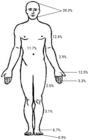
Anatomical region of bee stings reported in the state of Tocantins, northern Brazil (2012-2022). Source: Brasil (2023).
Most bee sting cases involved individuals who self-identified as mixed race (pardo; 74.3%), had not completed primary education (59.0%), and were not engaged in work-related activities at the time of the sting (80.6%; Table 2). Work-related bee stings accounted for 11.2% of cases, representing 33.3% of the total fatalities in the state. Deaths were more frequent among mixed-race (pardo) individuals (50%) and those with incomplete primary education (33.2%), primarily linked to delays in receiving medical care exceeding three hours after the sting.
Absolute and relative frequency of bee sting cases by race, education level, time to medical care, and whether the case was work-related in the state of Tocantins, northern Brazil (2012-2022).
3.3. Seasonality and climate patterns
The climate in Tocantins is tropical, with wet summers and dry winters. The highest rainfall levels occur in January (272.4 mm) and December (260.0 mm), whereas the lowest are recorded in August (1.8 mm) and July (3.0 mm) (Figure 3A). The hottest months are September (29 °C) and August (28.5 °C), and the coolest are January and February (26.1 °C; Figure 3B).

Monthly averages of precipitation (A) and temperature (B); annual averages of precipitation (C) and temperature (D) in the state of Tocantins, northern Brazil (2012-2022), displayed alongside bee sting incidence. Source: Brasil (2023); INMET (2023).
The incidence of bee stings was highest during the dry season, particularly in August and September, both with 4.5 cases per 100,000 inhabitants. A strong positive correlation was found between average monthly temperature and bee sting incidence (r = 0.9; Figure 3B), whereas a moderate negative correlation was observed with average monthly rainfall (r = –0.5; Figure 3A). No significant correlation was found between precipitation (r = 0.3; Figure 3C) or temperature (r = 0.1; Figure 3D) and the annual average incidence of bee stings.
3.4. Socioeconomic and production factors associated with bee sting incidence
The intensification of agricultural and livestock activities was correlated with an increase in bee stings. Incidence showed a positive correlation with total planted area (r = 0.9; p=0.0015), corn planted area (r = 0.9; p=0.0008), soybean planted area (r = 0.8; p=0.0015), harvested area of permanent crops (r = 0.7; p=0.0305), with all variables defined as land area and measured in hectares (ha). Furthermore, statistically significant positive correlations were observed with cattle herd size (r = 0.6; p = 0.0020), measured in head, and the economic value of honey production (r = 0.7; p = 0.0314), expressed in Brazilian reais (R$). In addition, significant correlations were found between bee sting incidence and socio-economic indicators. The incidence of accidents was positively correlated with the HDI (r = 0.7; p = 0.0128), and negatively and correlated the Gini index (r = -0.4; p = 0.0020).
4. Discussion
The state of Tocantins has the highest incidence of bee stings in Brazil, with 275.8 cases per 100,000 inhabitants. This high rate is associated with both environmental and socioeconomic factors (Martins et al., 2021). The diversity of bee species in the Cerrado of Tocantins plays an important ecological role in pollination and the maintenance of local ecosystems (Witter et al., 2014) but also increases interactions between bees and humans, increasing the risk of accidents (Aguiar and Gonçalves, 2019; Barros, 2022).
Tocantins is a major agricultural center in Brazil, currently ranking second in soybean production in the MATOPIBA (Maranhão, Tocantins, Piauí, and Bahia) region (Embrapa, 2023). Beekeeping has gained prominence among agricultural activities in the state, with the monetary value of honey production increasing significantly—an overall growth of 47.1% (in Brazilian reais, R$) from 2017 to 2022 (IBGE, 2022). Human-bee interactions are particularly intense in rural areas, where intensive agricultural practices may impose chronic stress on bee colonies, a factor that can be associated with an increase in their defensive responses. This situation can be further aggravated by practices such as the indiscriminate use of pesticides, deforestation, and climate change (Imperatriz-Fonseca and Nunes-Silva, 2010; Martins et al., 2021; Coutinho et al., 2025).
Between 2012 and 2022, the state of Tocantins recorded a total of 4,162 bee sting incidents. The year 2019 was particularly noteworthy, with the incidence rate peaking at 39 cases per 100,000 inhabitants. These data reflect a concerning trend that reflects the nationwide increase in bee stings, which rose by 126% over the past decade (APM, 2023; Agência Brasil, 2023; Silva et al., 2023).
The expansion of beekeeping in Tocantins has attracted more small-scale and family farmers, potentially contributing to the rise in sting cases. Silva et al. (2024) note that intensified apicultural practices and the proximity of colonies to urban areas have led to an increase in bee stings in Brazil. Cruz et al. (2022) emphasizes that attempts to remove or exterminate Africanized bee colonies can cause severe injuries. Moreover, Africanized bees are highly defensive and may pursue perceived threats over long distances, further increasing the risk of stings (Aguiar and Gonçalves, 2019; Sá and Sousa, 2019).
Our epidemiological analysis of bee stings in Tocantins revealed a predominance of male victims, may reflect greater male involvement in outdoor activities and beekeeping. This pattern aligns with findings from other regions of Brazil (Chippaux, 2015; Silva et al., 2019; Marques et al., 2020; Silva et al., 2024), particularly among economically active age groups (Linard et al., 2014; Marques et al., 2020). Costa Neto et al. (2020) reported that apiculture associations in Tocantins are mainly composed of men, which reinforces the gender-specific risks associated with this activity.
Although bee stings are frequent, deaths are rare. However, case fatality rates vary considerably depending on the victim's age and circumstances of the incident (Silva et al., 2024). Kono et al. (2021) found a direct correlation between advanced age and increased risk of death. This pattern was confirmed in the present study, which recorded a high number of fatalities among individuals aged 60 and older—a group that also showed the lowest recovery rate (92.5%) and the highest incidence of severe cases (4.3%). The higher fatality rate among the elderly may be partially attributed to preexisting comorbidities, which increase the risk of complications (Silva et al., 2019; Martins et al., 2021). Moreover, immunosenescence—the progressive decline in immune function with aging—compromises the physiological response to bee venom, potentially worsening clinical outcomes (Agondi et al., 2012; Linard et al., 2014).
In this study, most affected individuals (95.6%) recovered. Data from the Brazilian Ministry of Health (Brasil, 2022) indicate that, of the 100,000 bee stings reported between 2018 and 2022, most resulted in mild reactions, though moderate and severe cases were also noted. In Tocantins, of the 4,162 recorded cases, 679 (16.3%) developed moderate symptoms, and 46 (1.1%) progressed to severe conditions, with 12 fatalities documented. A comprehensive study on the epidemiological profile of envenomation by venomous animals in northern Brazil reported an overall case fatality rate of 0.4% between 2012 and 2015 (Lopes et al., 2017). According to data from SINAN, bee stings had a case fatality rate of 0.3% between 2012 and 2022. This rate underscores the seriousness of such events, indicating that bee stings pose a risk of fatal outcomes similar to those of snake and scorpion envenomation (Silva et al., 2024).
The head (39.3%) was the most affected anatomical site by bee stings, followed by the hands (12.4%). The prevalence of head stings align with previous studies (Linard et al., 2014; Diniz et al., 2016; Kono et al., 2021) and may be related to the defensive behavior of Africanized bees, which tend to show increased aggression toward dark surfaces (Abramson and Aquino, 2002; Diniz et al., 2016; Aguiar and Gonçalves, 2019). Because hair is usually darker than exposed skin, it becomes a preferred target during attacks.
Our data revealed a predominance of individuals self-identified as mixed race (pardo) among the recorded bee stings (74.3%), supporting the findings of Rodrigues et al. (2020). Importantly, the distribution of fatalities mirrored the overall incidence across racial groups, suggesting that ethnicity no clear evidence the clinical progression. The analysis of the correlation between HDI and bee sting incidence showed a positive association (r = 0.7), indicating that regions with higher socioeconomic development tend to report more bee stings. This trend may be largely due to higher population density in urban areas, where case reporting is more frequent (Santos and Mendes, 2016). Similarly, Feitosa et al. (2020) found a positive correlation between HDI and occupational exposure to snakes (coefficient = 2.99) in Tocantins, attributing this pattern to the agricultural economy and population density in rural areas. However, this finding should be interpreted with caution, as it may also reflect differences in reporting capacity and population density across more developed municipalities rather than a direct causal effect of development on risk.
The correlation between bee sting incidence and average monthly temperature was also strong and positive (r = 0.9), suggesting that drought and high temperatures are linked to an increased risk of bee stings. This finding supports previous studies on the impact of climate on bee activity and behavior (Abramson and Aquino, 2002; Diniz et al., 2016). Evidence shows that Africanized bees become more defensive in adverse weather conditions (Kono et al., 2021; Maciel et al., 2024). Moreover, agricultural activities create favorable conditions for interactions between rural workers and bees, particularly during drought periods (Alburaki et al., 2017).
The intensification of agricultural and livestock activities in Tocantins was directly associated with the increasing frequency of bee stings. The analysis of the correlation between bee sting frequency and agricultural activity revealed strong positive correlations, indicating that agricultural expansion is directly linked to increased human-bee interactions. Notably, correlations were found with total planted area (r = 0.9; ha), corn planted area (r = 0.9; ha), soybean planted area (r = 0.8; ha), harvested area of permanent crops (r = 0.7; ha), cattle herd size (r = 0.6; head), and honey production (r = 0.7; R$). These results suggest that agricultural expansion—particularly monoculture farming and extensive cattle ranching—significantly increases the risk of bee stings. Moreover, the growth of cropland promotes the degradation and fragmentation of natural habitats, forcing bees to forage in agricultural areas near urban environments, thus intensifying contact with humans (Witter et al., 2014).
According to Rosanova et al. (2022), between 2001 and 2017, Tocantins underwent a significant conversion of natural areas into agricultural land, with over 5 million hectares transformed for farming. Soybeans, in particular, emerged as the state's primary crop. An analysis of soybean cultivation expansion in the MATOPIBA region identified favorable climatic conditions and fertile land as key drivers of increased agricultural production (Gamba and Collicchio, 2018). However, state-specific characteristics may influence the intensity of this impact, including biodiversity loss and increased human-bee interactions.
Our findings show that the rising frequency of bee stings in Tocantins is associated with the intensification of agricultural and livestock activities, as well as the expansion of croplands. Adverse climatic conditions, such as high temperatures and lower rainfall, may increase the defensiveness of Africanized bee colonies, potentially contributing to the risk of attacks.
5. Conclusion
This study provides a solid foundation for evidence-based public policies to prevent and reduce risk in the context of environmental change and agricultural expansion. Our findings reveal a concerning scenario/trend, with public health implications.
Additionally, the correlation between rising temperatures and the increased number of bee stings represents an observed association that serves as a hypothesis for future work that should explore the impacts of environmental stressors on bee distribution and behavior, assess the effectiveness of preventive strategies, and develop early warning systems based on environmental and socioeconomic factors.
We recommend implementing educational programs on bee sting prevention, adopting sustainable agricultural practices to mitigate human-bee conflict, and training healthcare professionals in appropriate case management. Strengthening epidemiological surveillance is also vital for improving data quality.
Acknowledgements
The authors wish to express their profound gratitude to the Government of the State of Tocantins and the Federal University of Tocantins for their essential contributions to this research. Special appreciation is also extended to CAPES for the financial support received via the PROAP/PGCiamb call for proposals (21/2023) the (20/2024).
Data Availability Statement
The datasets analyzed during the current study are publicly available from the following sources:
• Bee sting incidence data were obtained from the National Notifiable Diseases Information System (Sistema de Informação de Agravos de Notificação - SINAN), publicly accessible via the Brazilian Ministry of Health's Department of Informatics (DATASUS) website.
• Climatic data (rainfall and air temperature) were acquired from the Meteorological Database of the National Institute of Meteorology (Instituto Nacional de Meteorologia - INMET), available through their official portal.
• Agricultural and socioeconomic data were sourced from the IBGE's Automatic Recovery System (Sistema IBGE de Recuperação Automática - SIDRA), comprising information from the Agricultural Censuses and other publications of the Brazilian Institute of Geography and Statistics (Instituto Brasileiro de Geografia e Estatística - IBGE). All these datasets are publicly accessible through the respective official websites of the aforementioned institutions.
References
-
ABRAMSON, C. and AQUINO, I.S., 2002. Behavioral studies of learning in the Africanized honey bee (Apis mellifera L.). Brain, Behavior and Evolution, vol. 59, no. 1-2, pp. 68-86. https://doi.org/10.1159/000063734 PMid:12097861.
» https://doi.org/10.1159/000063734 -
AGÊNCIA BRASIL, 2023 [viewed 5 August 2025]. Bee sting incidents in Brazil: a decade of growth [online]. Available from: https://agenciabrasil.ebc.com.br
» https://agenciabrasil.ebc.com.br - AGONDI, R.C., RIZZO, L.V., KALIL, J. and BARROS, M.T., 2012. Imunossenescência. Revista Brasileira de Alergia e Imunopatologia, vol. 35, no. 5, pp. 169-176.
- AGUIAR, C.M.L. and GONÇALVES, R.B., 2019. Abelhas do Brasil: sistemática e diversidade Curitiba: Editora da Universidade Federal do Paraná.
-
ALBURAKI, M., STECKEL, S.J., WILLIAMS, M.T., SKINNER, J.A., TARPY, D.R., MEIKLE, W.G., ADAMCZYK, J. and STEWART, S.D., 2017. Agricultural landscape and pesticide effects on honey bee (Hymenoptera: Apidae) biological traits. Journal of Economic Entomology, vol. 110, no. 3, pp. 835-847. https://doi.org/10.1093/jee/tox111 PMid:28398581.
» https://doi.org/10.1093/jee/tox111 - ASSOCIAÇÃO PAULISTA DE MEDICINA – APM, 2023. Epidemiological analysis of hymenoptera stings in Brazil São Paulo: APM.
-
BARBOSA, D.B., CRUPINSKI, F., SILVEIRA, R.N. and LIMBERGER, C.H., 2017. As abelhas e seu serviço ecossistêmico de polinização. Revista Eletrônica Científica da UERGS, vol. 3, no. 4, pp. 694-703. https://doi.org/10.21674/2448-0479.34.694-703
» https://doi.org/10.21674/2448-0479.34.694-703 - BARRETO, M.L., 2009. Epidemiologia: bases científicas do conhecimento médico Rio de Janeiro: Guanabara Koogan.
- BARROS, S.S.O., 2022. Biodiversidade de abelhas (Hymenoptera: Anthophila) em três regiões no Estado do Tocantins, Brasil Palmas: Universidade Federal do Tocantins. Tese de Doutorado.
- BRASIL. Ministério da Saúde, 2001. Acidentes por animais peçonhentos e venenosos Brasília: Ministério da Saúde.
-
BRASIL. Ministério da Saúde, 2022 [viewed 5 August 2025]. Acidentes por abelhas: nos últimos cinco anos, cerca de 100 mil casos foram registrados no Brasil [online]. Available from: https://www.gov.br/saude/pt
» https://www.gov.br/saude/pt - BRASIL, 2023. Sistema de Informação de Agravos de Notificação (SINAN) Brasília: Ministério da Saúde.
-
CHIPPAUX, J.P., 2015. Epidemiology of envenomations by terrestrial venomous animals in Brazil based on case reporting: from obvious facts to contingencies. The Journal of Venomous Animals and Toxins Including Tropical Diseases, vol. 21, no. 1, pp. 13. https://doi.org/10.1186/s40409-015-0011-1 PMid:26042152.
» https://doi.org/10.1186/s40409-015-0011-1 - COSTA NETO, D.J., COSTA, E.S.D. and OLIVEIRA, D.P., 2020. A meliponicultura no Estado do Tocantins: aspectos ambientais, econômicos e sociais. Revista de Patologia do Tocantins, vol. 7, no. 4, pp. 1-10.
-
COUTINHO, J.S., COSTA, E.M., ANDRADE, A.B.A., CARDOSO, T.A.L., ARAUJO, E.L., SILVA, E.K.S., SILVA, R.P., ALMEIDA, F.A., ROCHA, V.H.M. and COSTA, J.A.M.A., 2025. Survival and flight ability of Apis mellifera after exposure to anthranilic diamide insecticides. Brazilian Journal of Biology = Revista Brasileira de Biologia, vol. 85, pp. e293845. https://doi.org/10.1590/1519-6984.293845 PMid:41417764.
» https://doi.org/10.1590/1519-6984.293845 - CRUZ, V.R.R., CABRAL, G.H. and SILVA, S.J.R., 2022. Characterization and prediction of accidents with Africanized bees in Roraima, Brazil. Gaia Scientia, vol. 16, no. 2, pp. 95-109. http://doi.org/10.22478/ufpb.1981-1268.2022v16n2.62775.
- DANCEY, C. and REIDY, J., 2006. Estatística sem matemática para psicologia: usando SPSS para Windows Porto Alegre: Artmed Editora.
-
DINIZ, A.G.Q., BELMINO, J.F.B., ARAÚJO, K.A.M.D., VIEIRA, A.T. and LEITE, R.D.S., 2016. Epidemiology of honeybee sting cases in the state of Ceará, Northeastern Brazil. Revista do Instituto de Medicina Tropical de São Paulo, vol. 58, pp. 40. https://doi.org/10.1590/S1678-9946201658040 PMid:27253742.
» https://doi.org/10.1590/S1678-9946201658040 -
EMPRESA BRASILEIRA DE PESQUISA AGROPECUÁRIA – EMBRAPA, 2021 [viewed 5 August 2025]. Territorial dimension of areas dedicated to native vegetation preservation in rural Brazil (CAR 2021) [online]. Campinas: Embrapa Territorial. Available from: https://www.embrapa.br/car-2021/conclusoes
» https://www.embrapa.br/car-2021/conclusoes - EMPRESA BRASILEIRA DE PESQUISA AGROPECUÁRIA – EMBRAPA, 2023. Agricultural production and indicators for the MATOPIBA region Brasília: Embrapa.
-
FEITOSA, S.B., MISE, Y.F. and MOTA, E.L.A., 2020. Ofidismo no Tocantins: análise ecológica de determinantes e áreas de risco, 2007-2015. Epidemiologia e Serviços de Saúde : Revista do Sistema Unico de Saúde do Brasil, vol. 29, no. 4, pp. e2020033. https://doi.org/10.5123/S1679-49742020000400016 PMid:32876095.
» https://doi.org/10.5123/S1679-49742020000400016 -
GAMBA, F. and COLLICCHIO, E., 2018. Cultivo da soja em áreas de entorno do Mosaico das Unidades de Conservação do Jalapão, na região do Matopiba. Revista Liberato, vol. 19, no. 32, pp. 179-190. https://doi.org/10.31514/rliberato.2018v19n32.p179
» https://doi.org/10.31514/rliberato.2018v19n32.p179 -
IMPERATRIZ-FONSECA, V.L. and NUNES-SILVA, P., 2010. As abelhas, os serviços ecossistêmicos e o Código Florestal Brasileiro. Biota Neotropica, vol. 10, no. 4, pp. 59-62. https://doi.org/10.1590/S1676-06032010000400008
» https://doi.org/10.1590/S1676-06032010000400008 -
INSTITUTO BRASILEIRO DE GEOGRAFIA E ESTATÍSTICA – IBGE, 2022 [viewed 5 August 2025]. Mapa de biomas e de vegetação [online]. Available from: https://www.ibge.gov.br
» https://www.ibge.gov.br -
INSTITUTO NACIONAL DE METEOROLOGIA – INMET [online], 2023 [viewed 5 August 2025]. Available from: https://portal.inmet.gov.br/
» https://portal.inmet.gov.br/ - KERR, W.E., 1967. A história da introdução das abelhas africanas no Brasil. South African Bee Journal, vol. 39, no. 2, pp. 3-5.
-
KLEIN, A.M., VAISSIÈRE, B.E., CANE, J.H., STEFFAN-DEWENTER, I., CUNNINGHAM, S.A., KREMEN, C. and TSCHARNTKE, T., 2007. Importance of pollinators in changing landscapes for world crops. Proceedings. Biological Sciences, vol. 274, no. 1608, pp. 303-313. https://doi.org/10.1098/rspb.2006.3721 PMid:17164193.
» https://doi.org/10.1098/rspb.2006.3721 -
KONO, I.S., FREIRE, R.L., CALDART, E.T., RODRIGUES, F.S., SANTOS, J.A., FREIRE, L.G.D. and FACCIN, T.C., 2021. Bee stings in Brazil: epidemiological aspects in humans. Toxicon : Official Journal of the International Society on Toxinology, vol. 201, pp. 59-65. https://doi.org/10.1016/j.toxicon.2021.08.014 PMid:34419508.
» https://doi.org/10.1016/j.toxicon.2021.08.014 -
LINARD, A.T., BARROS, R.M., SOUSA, J.A. and LEITE, R.S., 2014. Epidemiology of bee stings in Campina Grande, Paraíba state, Northeastern Brazil. The Journal of Venomous Animals and Toxins Including Tropical Diseases, vol. 20, no. 1, pp. 13. https://doi.org/10.1186/1678-9199-20-13 PMid:24694193.
» https://doi.org/10.1186/1678-9199-20-13 - LOPES, K.S., SEIBERT, C.S. and MARQUES, R.O., 2017. Epidemiological profile of accidents by venomous animals in the North region of Brazil, from 2012 to 2015. Revista de Patologia do Tocantins, vol. 4, no. 2, pp. 34-42.
-
MACIEL, E.S., SILVA, S.J.R. and CRUZ, V.R.R., 2024. Análise das ocorrências com abelhas africanizadas de 2020 a 2023 em Roraima, Brasil. Contribuciones a Las Ciencias Sociales, vol. 17, no. 3, pp. e5639. https://doi.org/10.55905/revconv.17n.3-160
» https://doi.org/10.55905/revconv.17n.3-160 -
MARQUES, M.R.D.V., ARAÚJO, K.A.M.D., TAVARES, A.V., VIEIRA, A.A. and LEITE, R.D.S., 2020. Epidemiology of envenomation by Africanized honeybees in the state of Rio Grande do Norte, Northeastern Brazil. Revista Brasileira de Epidemiologia = Brazilian Journal of Epidemiology, vol. 23, pp. e200005. https://doi.org/10.1590/1980-549720200005 PMid:32130394.
» https://doi.org/10.1590/1980-549720200005 -
MARTINS, R.L., ALMEIDA, R.A.M.S., OLIVEIRA, J.S. and SANTOS, A.C., 2021. Acidentes por picadas de abelhas: uma análise da mortalidade e fatores associados. Revista Brasileira de Epidemiologia = Brazilian Journal of Epidemiology, vol. 24, no. 1, pp. E210014. https://doi.org/10.1590/1980-549720210014
» https://doi.org/10.1590/1980-549720210014 - NOGUEIRA-NETO, P., 1997. Vida e criação de abelhas indígenas sem ferrão São Paulo: Nogueirapis.
-
ORR, M.C., HUGHES, A.C., CHESTERS, D., PICKERING, J., ZHU, C.D. and ASCHER, J.S., 2021. Global patterns and drivers of bee distribution. Current Biology: CB, vol. 31, no. 3, pp. 451-458.e4. https://doi.org/10.1016/j.cub.2020.10.053 PMid:33217320.
» https://doi.org/10.1016/j.cub.2020.10.053 -
RATTER, J.A., RIBEIRO, J.F. and BRIDGEWATER, S., 1997. The Brazilian Cerrado vegetation and threats to its biodiversity. Annals of Botany, vol. 80, no. 3, pp. 223-230. https://doi.org/10.1006/anbo.1997.0469
» https://doi.org/10.1006/anbo.1997.0469 -
RIGONATO, R.M., MAIOLO, R.M.R., ANGELUCCI, M.G., BICHOFFE, G.C., MESQUITA, G.N., DE SOUZA, V.F.B.M. and GAGGINI, M.C.R., 2021. Acidente com abelhas, e tratamento estabelecido: relato de caso. The Brazilian Journal of Infectious Diseases : an Official Publication of the Brazilian Society of Infectious Diseases, vol. 25, pp. 101514. https://doi.org/10.1016/j.bjid.2020.101514
» https://doi.org/10.1016/j.bjid.2020.101514 -
RODRIGUES, A.E.P., BARBOSA, P.S., BITENCOURT, E.L., BATISTA, K.C., COSTA, K.D., RIBEIRO, S.M.G., SILVA, J.M.R. and REIS JUNIOR, P.M., 2020. Perfil epidemiológico dos acidentes por animais peçonhentos no Tocantins no ano de 2019. Revista de Patologia do Tocantins, vol. 7, no. 4, pp. 47-53. https://doi.org/10.20873/uft.2446-6492.2020v7n4p47
» https://doi.org/10.20873/uft.2446-6492.2020v7n4p47 - RODRIGUES, J.C., 2011. Experiência, identidade e a criação do Tocantins. Revista Formação Online, vol. 18, no. 1, pp. 24-38.
- ROLDÃO, A.F. and FERREIRA, V., 2020. Climatologia do Estado do Tocantins - Brasil Berlin: ResearchGate.
-
ROSANOVA, C., DIAS, D.R., GONÇALVES, A.C., JESUS, L.F., SOUSA, D.B.V., ROCHA, A.S., REBOUCAS, G.F., GONÇALVES, A.C.S. and CABRAL NETO, O., 2022. A expansão do agronegócio da soja no Tocantins: contextualização dos impactos e mudanças no desenvolvimento regional. In: R. CARDOSO and J.B. QUINTELA, eds. Open Science Research IV Guarujá: Editora Científica Digital. p. 158-167. https://doi.org/10.37885/220609176
» https://doi.org/10.37885/220609176 - SÁ, F.A. and SOUSA, P.H.A., 2019. Defensividade de abelhas Apis mellifera L. Africanizadas. MEDVEP. Revista Científica de Medicina Veterinária. Pequenos Animais e Animais de Estimação, vol. 16, no. 32, pp. 19-27.
-
SÁNCHEZ-BAYO, F. and WYCKHUYS, K.A., 2019. Worldwide decline of the entomofauna: a review of its drivers. Biological Conservation, vol. 232, pp. 8-27. https://doi.org/10.1016/j.biocon.2019.01.020
» https://doi.org/10.1016/j.biocon.2019.01.020 -
SANTOS, A.M.M. and MENDES, E.C., 2016. Abelha africanizada (Apis mellifera L.) em áreas urbanas no Brasil: necessidade de monitoramento de risco de acidentes. Revista Sustinere, vol. 4, no. 1, pp. 117-143. https://doi.org/10.12957/sustinere.2016.24635
» https://doi.org/10.12957/sustinere.2016.24635 - SILVA, H.R.D.S., CASTRO, T.M.G., BATISTA NETO, J.B.D.S., VALE, J.K.L. and BORBA-PINHEIRO, C.J., 2023. Epidemiological characterization of accidents involving venomous animals between 2012-2021: systematic review. Revista Science Plural, vol. 9, no. 1, pp. 115-131. http://doi.org/10.26843/scienceplural.v9i1.554.
-
SILVA, L.O.P., MENDONÇA, P.M., CORTINHAS, L.B.C., RIBEIRO, P.C., NORBERG, A.N., NORBERG, P.R.B.M. and QUEIROZ, M.M.C., 2024. Increasing incidence of bee stinging in Brazil: an epidemiological study. Journal of Advances in Medicine and Medical Research, vol. 36, no. 8, pp. 188-203. https://doi.org/10.9734/jammr/2024/v36i85538
» https://doi.org/10.9734/jammr/2024/v36i85538 - SILVA, W.N.T., CARMO, D.M., MARQUES, A.S., NAKAJIMA, N.R., SILVA FILHO, A.G., OLIVEIRA, C.J.B., SANTO, M.H.C. and OLIVEIRA, S.V., 2019. Perfil epidemiológico dos acidentes causados por picadas de abelhas no estado de Minas Gerais, Brasil. Revista Saúde e Meio Ambiente, vol. 9, no. 3, pp. 50-63. http://doi.org/10.24281/resma.2019.v9i3.50-63.
- SOUZA, M.F., SANTOS, J.A., LIMA, R.T., PEREIRA, L.C., FERREIRA, A.P., OLIVEIRA, G.M. and SILVA, R.J., 2017. Epidemiology of Hymenoptera stings in a densely populated urban center in Northeastern Brazil. Revista da Sociedade Brasileira de Medicina Tropical, vol. 50, no. 6, pp. 837-842. http://doi.org/10.1590/0037-8682-0197-2017.
- WITTER, S., NUNES-SILVA, P., BLOCHTEIN, B., LISBOA, B.B. and IMPERATRIZ-FONSECA, V.L., 2014. As abelhas e a agricultura Porto Alegre: EDIPUCRS.
-
ZALUSKI, R., KADRI, S.M., SOUZA, E.A., SILVA, V.M., SILVA, J.R., RODRIGUES-ORSI, P. and ORSI, R.D.E., 2014. Africanized honeybees in urban areas: a public health concern. Revista da Sociedade Brasileira de Medicina Tropical, vol. 47, no. 5, pp. 659-662. https://doi.org/10.1590/0037-8682-0254-2013 PMid:25467271.
» https://doi.org/10.1590/0037-8682-0254-2013
*
e-mail: deizecq@uft.edu.brEditor:


