 Gender determination of date palm (Phoenix dactylifera) seedlings through phenotypic characteristics and SRY gene with ISSR marker as positive control
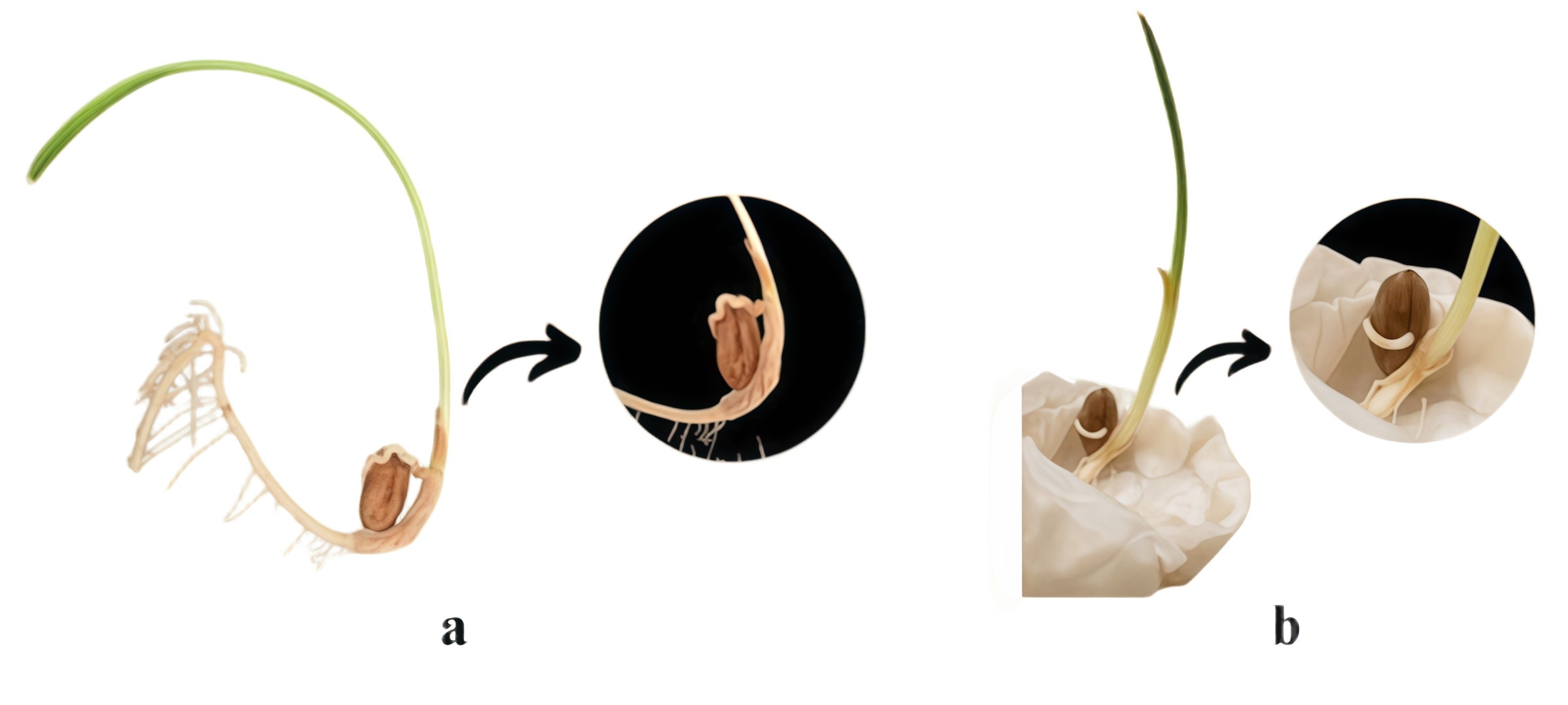
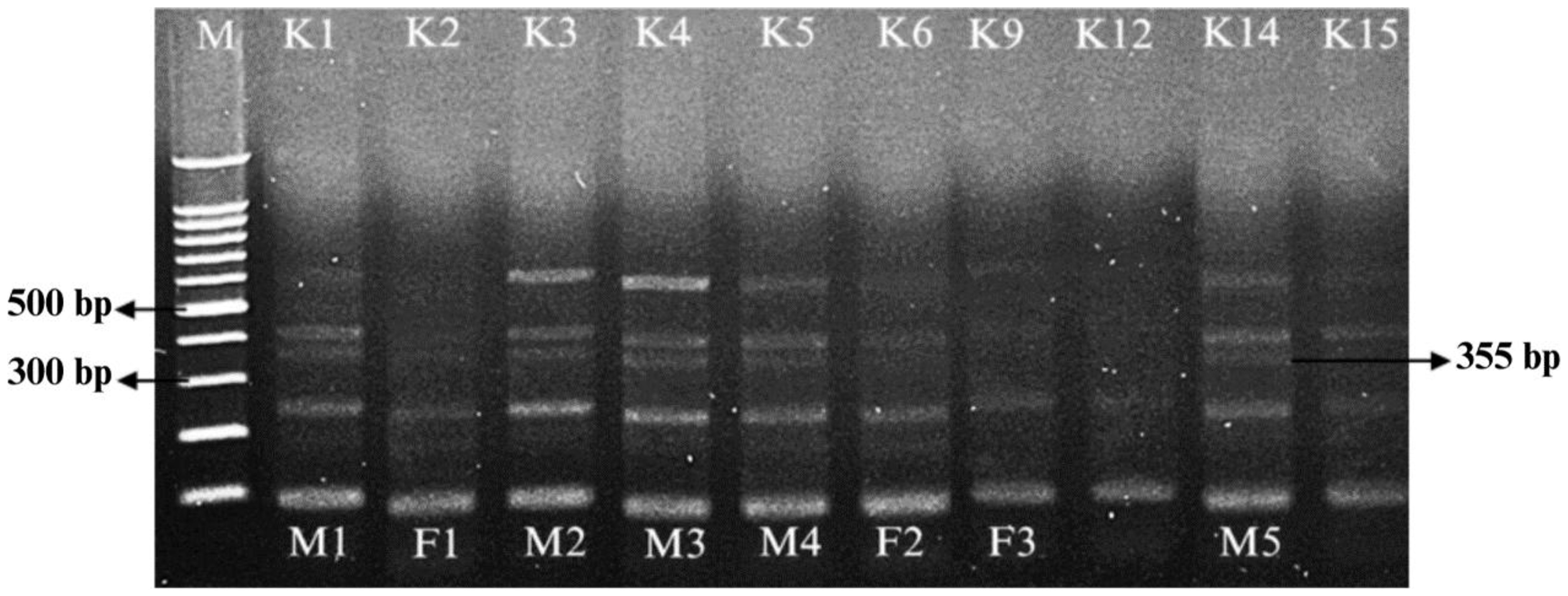
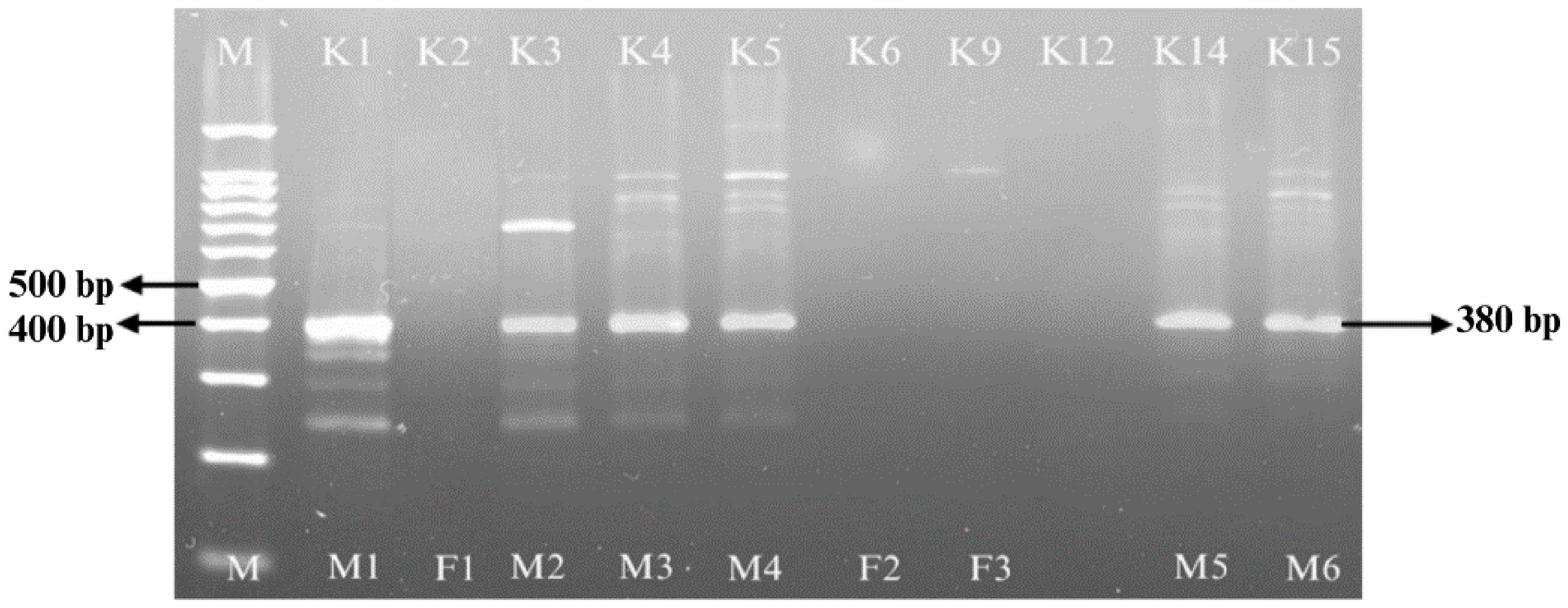
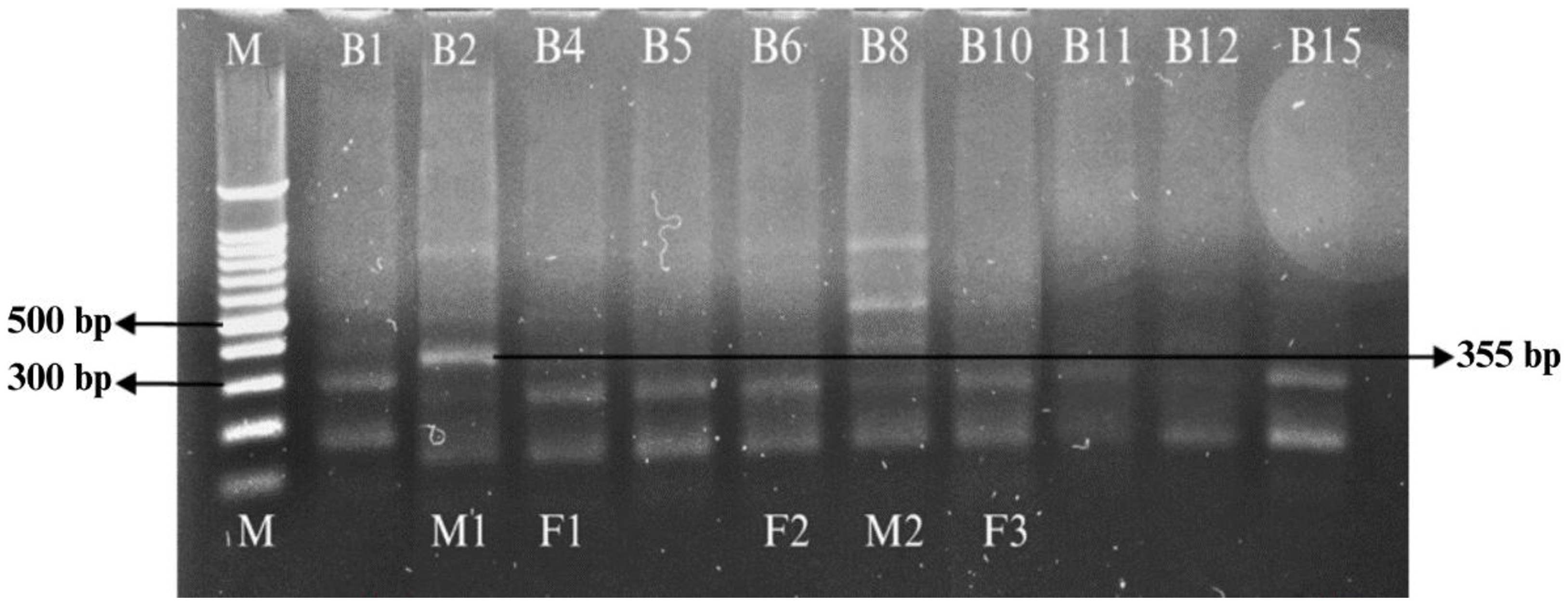
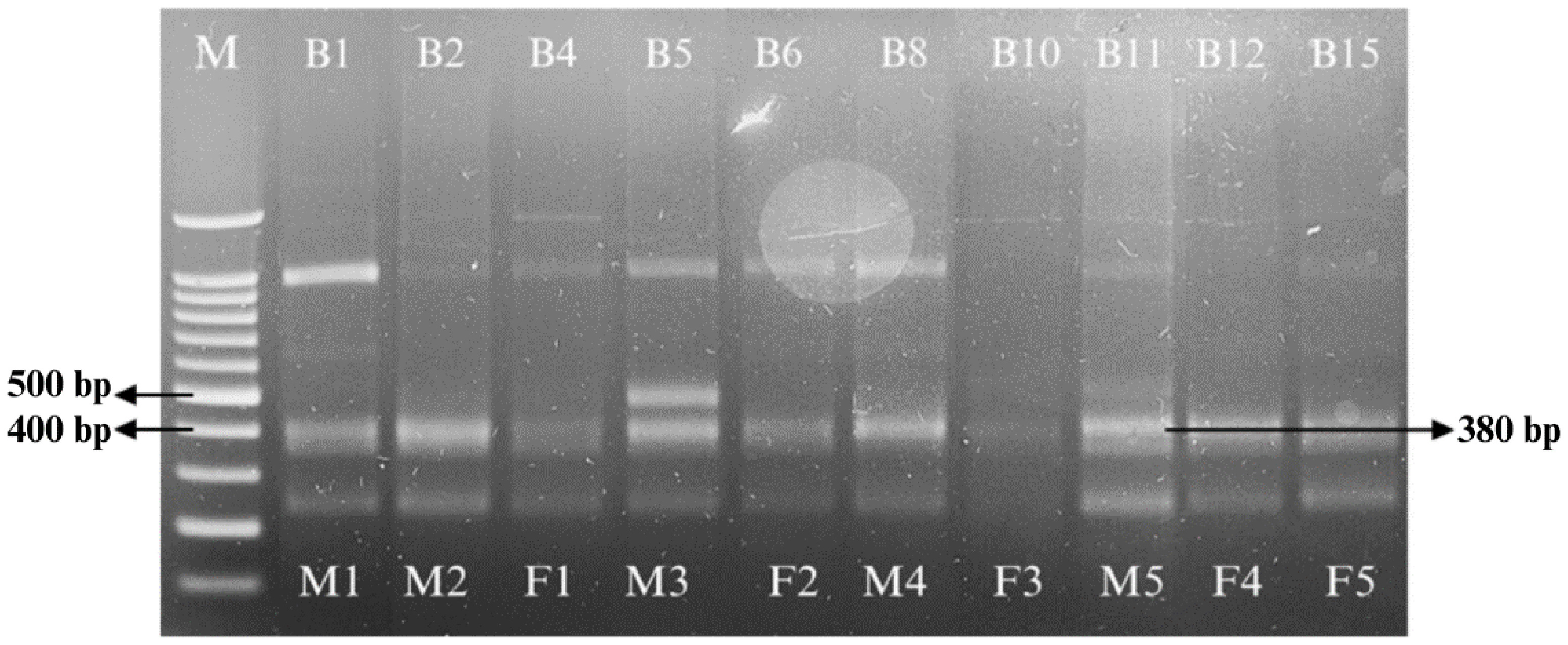
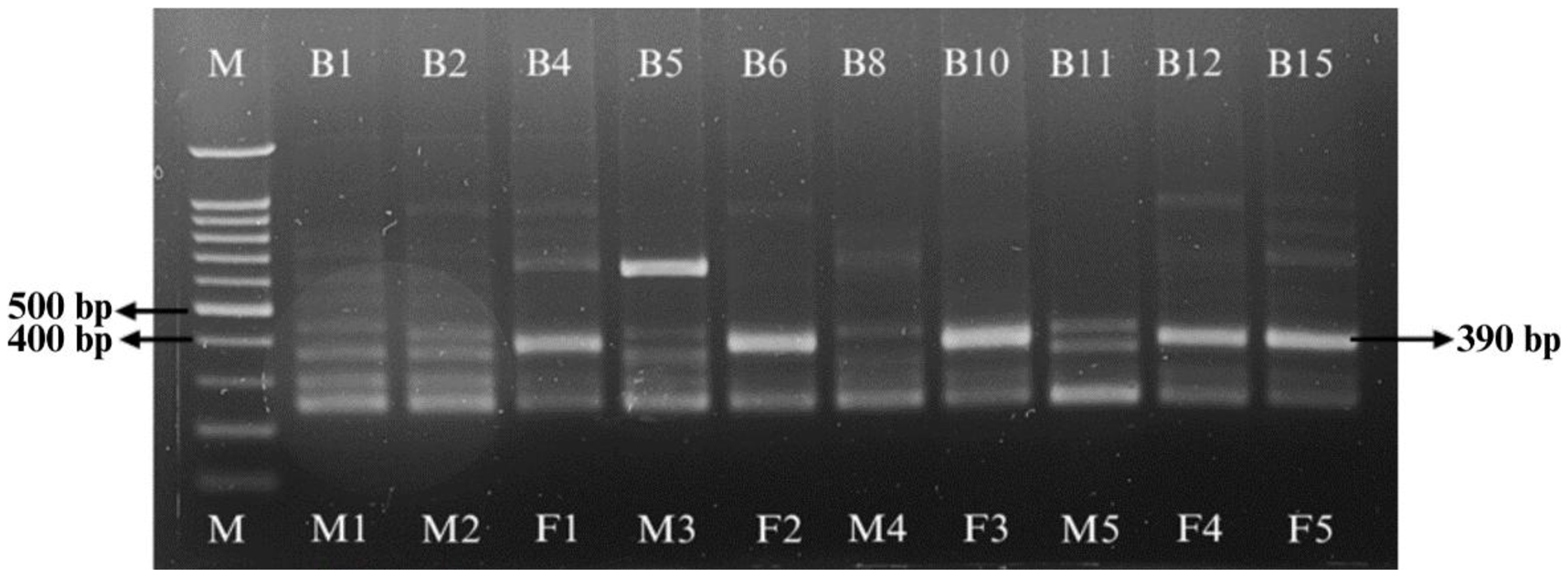
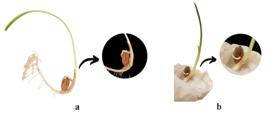
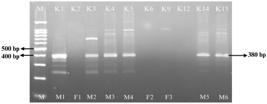
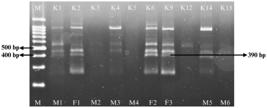
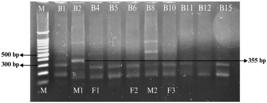
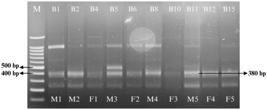
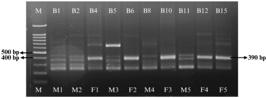
The date palm (Phoenix dactylifera), a member of the family Arecaceae, is a dioecious plant in which male and female flowers occur on separate individuals. Sex determination in date palms is typically possible only at the flowering stage, which occurs at reproductive maturity between four and five years. Consequently, sex cannot be determined at the early seedling stage. This study aimed to determine the sex of date palm seedlings through phenotypic characterization and molecular analysis of the SRY gene, validated using ISSR markers. A total of 10 seedlings from each of two cultivars—KL.1 and Barhee—were used. In vivo propagation method enabled phenotypic characterization based on radicle structure (spiraled or non-spiraled) and leaf primordium morphology (curved or straight). Molecular determination of sex was conducted using SRY gene-specific primers (SRY-date F-R) and ISSR markers (IS_A02 and IS_A71). Phenotypic characterization of KL.1 resulted in the identification of seven male seedlings (K1, K3, K4, K5, K12, K14, K15) and three female seedlings (K2, K6, K9). For Barhee, phenotypic analysis indicated seven male seedlings (B1, B2, B5, B8, B11, B12, B15) and three female seedlings (B4, B6, B10). Molecular analysis of KL.1 validated the phenotypic results, with identical sex indications. In Barhee, molecular analysis identified five male and five female seedlings, showing discrepancies with the phenotypic results for two seedlings (B12 and B15). Despite these inconsistencies, Chi-square and Cramer’s V tests revealed that the p-values for KL.1 (0.012) and Barhee (0.048) indicated strong and statistically significant associations between phenotypic and molecular sex determination.
Keywords:
ISSR marker; phenotypic; Phoenix dactylifera; SRY gene
 Thumbnail
 Thumbnail
 Thumbnail
 Thumbnail
 Thumbnail
 Thumbnail
 Thumbnail