 Development and validation of a digital health application to support tuberculosis treatment adherence
Abstract
Tuberculosis remains a serious public health challenge in Brazil, particularly among socially vulnerable populations. This study presents the development and content validation of“Controlling the TB”, a digital prototype designed to support treatment adherence among patients undergoing tuberculosis therapy within the Brazilian Unified Health System. The tool was developed based on the Theory of Planned Behavior and User-Centered Design principles, comprising four modules: sociodemographic data, disease history, clinical guidelines, and treatment adherence. Content validation was conducted by expert professionals using a structured instrument and descriptive analysis. All modules met the minimum acceptability criteria, with notable highlights for applicability, accessible language, and clinical coherence. The results demonstrate the prototype’s potential as a supportive technology for continuity of care, with national scalability and international adaptability in settings facing similar challenges in treatment adherence and digital monitoring for neglected diseases.
Keywords:
tuberculosis; treatment adherence; mobile technology
Resumo
A tuberculose ainda representa um grave problema de saúde pública no Brasil, particularmente entre populações em situação de vulnerabilidade social. Este estudo descreve o processo de desenvolvimento e validação de conteúdo do“Controlando a TB”, um protótipo digital criado para apoiar a adesão terapêutica de pacientes em tratamento no Sistema Único de Saúde. A ferramenta foi elaborada com base na Teoria do Comportamento Planejado e em princípios de design centrado no usuário, contemplando quatro módulos: dados sociodemográficos, histórico da doença, condutas clínicas e adesão ao tratamento. A validação de conteúdo foi realizada por especialistas da área, utilizando instrumento estruturado e análise descritiva. Todos os módulos atingiram os critérios mínimos de aceitabilidade, com destaque para os itens relacionados à aplicabilidade, linguagem acessível e coerência clínica. Os resultados demonstram o potencial do protótipo como tecnologia de suporte à continuidade do cuidado, com perspectivas de ampliação nacional e adaptação internacional em cenários com desafios semelhantes de adesão terapêutica e monitoramento digital em doenças negligenciadas.
Palavras-chave:
tuberculose; adesão terapêutica; tecnologia móvel
1. Introduction
Tuberculosis (TB) remains a significant global public health challenge, accounting for 1.3 million deaths among HIV-negative individuals and an additional 167,000 deaths among people living with HIV, according to the World Health Organization (WHO, 2023). With 10.6 million new cases reported in 2022, TB reflects deep structural and social inequalities, particularly in low- and middle-income countries (Tavares-Cohén et al., 2025). In Brazil, the disease burden remains high, with an incidence rate of 71.7 cases per 100,000 inhabitants, predominantly affecting socially vulnerable communities and urban areas characterized by marked socioeconomic disparities (Brasil, 2025).
Despite the availability of an effective and free treatment regimen provided by the Brazilian Unified Health System (SUS), treatment adherence continues to represent a persistent barrier. Factors such as limited health literacy, social stigma, barriers to healthcare access, adverse drug reactions, and limited understanding of therapeutic regimens directly undermine treatment outcomes, contributing to drug resistance and the perpetuation of the transmission chain (Cola et al., 2020; Carmo et al., 2022). These challenges call for innovative, patient-centered solutions that transcend traditional models of care.
In recent years, mobile health (mHealth) technologies have emerged as promising strategies for managing both chronic and infectious diseases. Mobile applications have the potential to enhance treatment adherence, facilitate real-time communication, and broaden access to reliable health information—especially when designed using user-centered design principles and accessible language (Sholikhah et al., 2019; Almeida et al., 2021). Systematic reviews and meta-analyses have demonstrated that mHealth interventions, when aligned with users’ sociocultural contexts, can significantly improve adherence to TB treatment (DiStefano and Schmidt, 2016; Huda et al., 2024).
However, in the Brazilian context, there remains a critical gap in the development and rigorous validation of digital solutions specifically designed to support treatment adherence for TB within the SUS framework. Many existing tools lack robust theoretical foundations and do not adhere to standardized methodological guidelines. Moreover, they rarely incorporate the perspectives of patients and healthcare professionals in their development processes.
In this context, the Theory of Planned Behavior (TPB), proposed by Ajzen, offers a relevant theoretical framework by addressing determinants such as attitudes, subjective norms, and perceived behavioral control, which directly influence the intention to adhere to treatment (DiStefano and Schmidt, 2016). When combined with user-centered design principles, TPB enables the creation of digital solutions that not only inform but also engage, empower, and support patients throughout their therapeutic journey.
Therefore, this study aims to develop and validate the content of a digital prototype—Controlling the TB—designed to support treatment adherence among TB patients within the SUS. Grounded in TPB and guided by participatory design principles, this initiative constitutes a pioneering effort in Brazil. It is methodologically structured and anchored in real-world clinical practice. To the best of our knowledge, this is the first digital tool in the country designed for TB that integrates a theoretical framework and undergoes a structured methodological validation process.
2. Methods
2.1. Type of study
This is a methodological study with a descriptive qualitative approach, aimed at the development and content validation of a digital prototype designed to support treatment adherence among patients with TB. The study was conducted remotely between January and June 2024, involving participants working in healthcare services in the state of Pará, Brazil. The development process was based on the incremental prototyping model described by Pressman (2020), integrated with the TPB and the principles of User-Centered Design. These theoretical and methodological foundations guided the design of the content and structure of the tool, with a focus on promoting self-care and fostering therapeutic behavioral change.
2.2. Prototype development stages
2.2.1. Team composition and requirements Gathering
Initially, a multidisciplinary team was formed, comprising professionals with clinical and academic experience in TB. The inclusion criteria were: (i) a higher education degree in a health-related field; (ii) direct involvement in TB management for a minimum of five years; and (iii) affiliation with academic institutions or public healthcare services. Participants were selected intentionally and by convenience sampling. Fifteen professionals were invited, of whom three agreed to participate (a pharmacist, a biologist, and a nurse). After signing the informed consent form, semi-structured interviews were conducted via videoconference in January 2024, using an interview guide grounded in the literature on therapeutic adherence and health technologies. The guide was submitted for face and content validation by two independent reviewers. The interviews addressed participants’ sociodemographic characteristics, barriers to adherence, care strategies, and desirable features for a mobile application aimed at supporting TB treatment.
2.2.2. Data analysis and content development
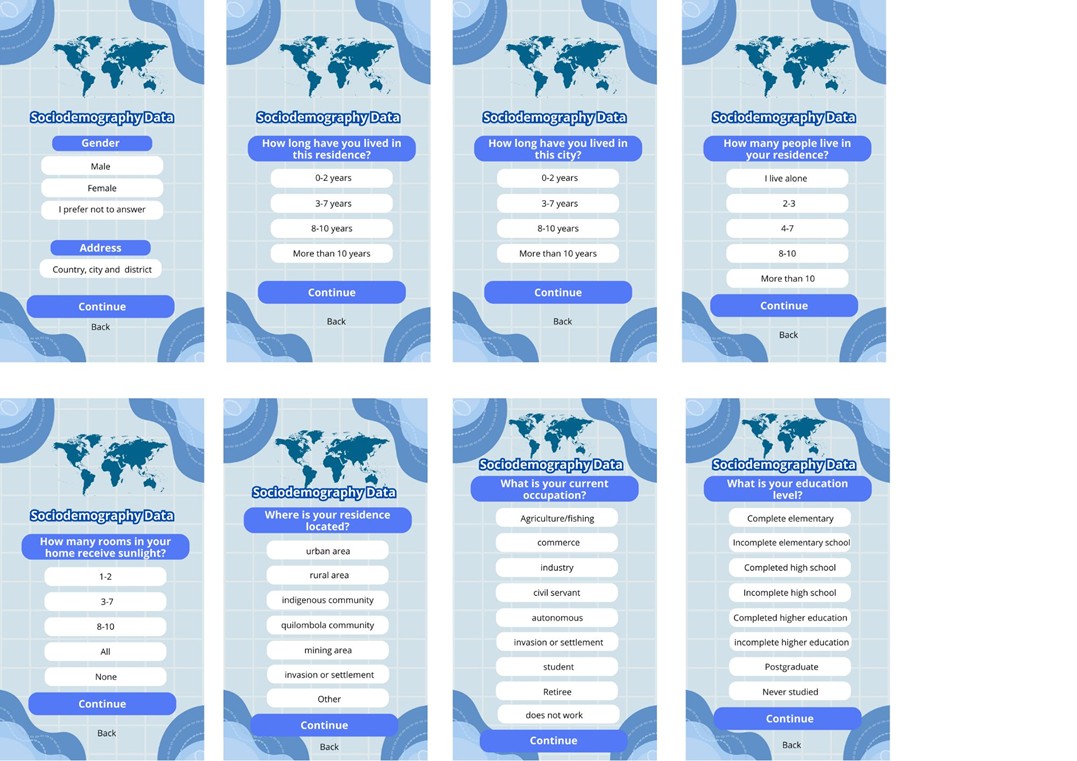
Sociodemographic data were analyzed descriptively using Microsoft Excel®. Interviews were fully transcribed and subjected to thematic analysis as proposed by Braun and Clarke (2006), which involves the following steps: data familiarization, coding, theme identification, thematic review, and interpretation. The analysis was conducted manually by two independent researchers, followed by cross-checking and consensus. The resulting themes guided the design of the application's modules and functionalities, which were structured into four main axes: (i) sociodemographic data; (ii) tuberculosis history; (iii) therapeutic guidelines and clinical management; and (iv) treatment adherence. All interface screens were written in accessible language, and their content was grounded in official sources.
2.2.3. Graphic prototyping
The initial prototyping was conducted using the Canva® platform, with an emphasis on readability, navigability, and visual aesthetics. Although Canva® is not a tool specifically designed for user experience prototyping, its use was justified by its flexibility and accessibility for preliminary development purposes. The graphical structure was informed by principles of usability and digital accessibility. A systematic usability evaluation involving end-users will be carried out in subsequent phases, preferably employing specialized tools such as Figma® and the administration of the System Usability Scale.
2.3. Content validation
Content validation was carried out between May and June 2024 with the same specialists who participated in the requirements elicitation phase. A structured instrument adapted from Guimarães et al. (2021) was employed, comprising three sections: (i) general concept and visual aesthetics; (ii) clinical content and applicability; and (iii) clarity and relevance by module. Each item was rated using a five-point Likert scale (1 = very poor to 5 = excellent). Content validity was considered satisfactory when at least 70% of the items received ratings of “good” or “excellent.” Data collection was conducted via Google Forms®, which also included open-ended fields for qualitative feedback. Although the Content Validity Index (CVI) was not calculated at this stage, this metric will be applied in future phases involving external reviewers and larger samples.
2.4. Ethical aspects
The study was approved by the Research Ethics Committee for Human Subjects of the Institute of Health Sciences at the Federal University of Pará (Approval number: 69698223.4.0000.0018), in accordance with Resolution No. 466/2012 of the Brazilian National Health Council and the Declaration of Helsinki. All data were handled confidentially and protected in compliance with the principles of the Brazilian General Data Protection Law (Law No. 13,709/2018).
3. Results
The content development and validation team for the digital prototype consisted of three female professionals with academic backgrounds in Pharmacy, Biology, and Nursing, all affiliated with public or private higher education institutions in the state of Pará, Brazil. The average age of participants was 39.1 years, with over 15 years since graduation and more than eight years of professional experience in TB, including both direct patient care and scientific research (Table 1).
Based on the semi-structured interviews conducted during the requirements elicitation phase, informational and functional needs were identified to guide the app’s design. The resulting prototype, entitled Controlling TB, was structured into four main modules: (i) sociodemographic data, (ii) TB history, (iii) therapeutic guidelines and clinical management, and (iv) treatment adherence. The clinical and educational content was developed based on official sources and national guidelines, presented in accessible language, and organized into thematic screens. The visual identity was developed with a focus on usability and readability, incorporating intuitive design elements. The interface included welcome screens with the app name and logo, registration and login pages, and navigable module-specific screens, as illustrated in Figures 1 to 5.


Content validation was performed by the same three specialists involved in the development phase, using an instrument adapted from Guimarães et al. (2021), structured into three evaluative domains: (i) general concept and visual aesthetics, (ii) clinical content and applicability, and (iii) clarity and relevance by module. Criteria were assessed using a five-point Likert scale ranging from “very poor” (1) to “excellent” (5). A cutoff threshold of 70% of responses rated as “good” or “excellent” was established to indicate satisfactory content validity (Table 2).
Overall analysis indicated high content acceptability. Regarding visual aspects and color scheme, 66.6% of the evaluators rated them as “good” or “excellent,” while all participants (100%) rated the content’s suitability for the target population as “excellent.” Items related to language, information layout, and font size also received predominantly positive evaluations, mostly rated as “good.” With respect to clinical aspects of the application, all evaluators rated language, applicability, and proposed functions as “good” or “excellent,” demonstrating alignment with the tool’s clinical-educational objectives (Table 3).
Consultants' Feedback on Sociodemographic Characteristics, TB History, Therapeutic Management, and Treatment Adherence.
When analyzed individually, the modules achieved satisfactory performance. The “Sociodemographic” module was unanimously deemed appropriate, with 100% of responses rating the language, content, applicability, and functionalities as “excellent.” This result reinforces the relevance of collecting such information for risk stratification and contextual analysis of TB patients.
The “TB History” module received mostly positive ratings: two evaluators rated all criteria as “good,” and one as “excellent.” Despite variation in scoring, 100% of responses met the predefined methodological threshold for acceptability. Qualitative comments, however, indicated a need to reorganize the questions and simplify the technical language—particularly in sections concerning family history and disease notification practices.
The “Therapeutic Guidelines and Clinical Management” module received “excellent” ratings for language and applicability, while content and functionalities were rated as “good” by all participants. This finding suggests an opportunity to enhance clinical details, particularly regarding proper medication use and self-care guidance.
The “Treatment Adherence” module achieved unanimous “excellent” ratings for language and applicability, highlighting the tool’s strong potential for practical implementation. The content and proposed functionalities were rated as “good” by all reviewers, reflecting the relevance of addressing factors influencing treatment continuity, such as adverse effects, use of alternative therapies, family support, and forgetfulness in medication intake.
Among the open-ended comments provided by the specialists, a key recommendation was to revise the technical language in certain modules to improve accessibility for users with low literacy levels. Suggestions also included the future incorporation of multimedia elements, such as explanatory videos and interactive audiovisual resources, to enhance content comprehension and user engagement. Another relevant suggestion was to integrate the application with public health information systems, such ase-SUS ABand the Notifiable Diseases Information System (SINAN), which could significantly expand its clinical applicability within the SUS.
In summary, all modules met the minimum threshold for content validity, indicating that theControlling the TB prototype possesses a functional structure, appropriate language, and clinically relevant content to support the care of patients with TB. Despite this overall approval, the “TB History” module will be revised based on the feedback received, with the aim of enhancing clarity and standardizing terminology. It is important to note that, as a preliminary phase, this validation was limited to a small, convenience sample of experts directly involved in content development. Future stages will include validation by external reviewers and end-users, as well as usability testing and studies evaluating the tool’s clinical effectiveness in improving TB treatment adherence within the SUS.
4. Discussion
This study resulted in the development and preliminary content validation of the digital prototypeControlling the TB, designed to support care and promote treatment adherence for TB within the context of the SUS. The tool was developed based on the TPB, principles of User-Centered Design, and current clinical guidelines, incorporating contributions from a multidisciplinary team with extensive clinical and academic experience in TB.
The content validation phase revealed high levels of acceptability among expert reviewers, particularly in relation to language clarity, content appropriateness, and applicability across diverse healthcare settings. These findings align with the literature emphasizing the importance of functional design, accessible language, and patient-centered approaches for the success of digital health tools (Sholikhah et al., 2019; Silva et al., 2024).
In the “Sociodemographic” module, unanimous classification as appropriate underscores the tool’s strategic value for the structured collection of social data, which are essential for risk stratification and public health surveillance. Recent studies have highlighted that mapping social determinants of health—such as inadequate housing, low educational attainment, and informal employment—should be systematically integrated into TB care protocols (Moreira et al., 2020; Brasil, 2025). By embedding these variables into the app's initial module, the prototype supports more contextualized and vulnerability-sensitive care.
In the “TB History” module, although all criteria were rated as “good” or “excellent,” qualitative feedback suggested improvements in the organization of questions and simplification of technical language, especially in sections addressing family history and disease notification. This limitation is widely recognized in the literature on health technologies aimed at populations with low health literacy, which recommend the use of plain language, multimodal support, and explanatory visual resources (Hou et al., 2018; Oliveira et al., 2020). Thus, revisions to this module should prioritize communicative equity without compromising technical accuracy.
The “Therapeutic Guidelines and Clinical Management” module received positive evaluations regarding language and applicability, although suggestions were made to enhance the detail of the clinical content. Experts emphasized the importance of explicitly presenting therapeutic pathways and evidence-based clinical decisions, recommending the inclusion of interactive visual elements such us flowcharts and explanatory videos. The literature suggests that the effectiveness of mHealth interventions in TB care is directly linked to their ability to translate complex clinical information into actionable and comprehensible steps (Sona et al., 2022).
The “Treatment Adherence” module was widely validated, with particular recognition of its content relevance and practical applicability across multiple settings. This dimension is critical, considering that TB remains one of the infectious diseases with the highest rates of treatment abandonment in Brazil, particularly in the North region (Sousa et al., 2021; WHO, 2023). International evidence suggests that mHealth solutions featuring reminders, symptom tracking, and bidirectional communication are effective in mitigating treatment discontinuity in hard-to-reach populations (Huda et al., 2024; Mudzengi et al., 2024).
From a theoretical standpoint, the app's structure aligns directly with the three constructs of TPB: (i) attitude, through educational content reinforcing the benefits of treatment; (ii) subjective norms, by including motivational messages and reinforcing ties with the healthcare team; and (iii) perceived behavioral control, by offering functionalities that foster patient autonomy in monitoring their treatment. This integration provides internal coherence to the technology's development and reinforces its scientific foundation.
The use of a previously validated instrument, authorized for adaptation, for content evaluation adds methodological rigor to the study, in accordance with international protocols for the validation of educational health technologies (Purves et al., 2019; Sousa et al., 2021). The content validity threshold of ≥70% is also consistent with similar methodological studies, enabling comparability of findings.
Another important aspect concerns the profile of the expert reviewers: all had over eight years of experience in TB, combining direct patient care and academic teaching. This profile contributed to the development of technically sound and educational content aligned with the realities of the SUS and the specificities of the Amazon region. The participation of professionals from different municipalities in the state of Pará enhanced the territorial representativeness of the study, incorporating sociocultural diversity as a guiding principle of the proposal (Silva et al., 2019; Santos et al., 2024).
Among the open-ended comments, the need to improve technical language in some modules was emphasized, in accordance with health literacy and communication guidelines (Cho et al., 2022). Additional suggestions included the incorporation of multimedia features and the integration of the app with national health information systems such ase-SUS AB, theElectronic Citizen Health Record, and the SINAN, which could significantly enhance its clinical and epidemiological utility.
A key limitation of the study lies in the small number of evaluators (n=3), all of whom were involved in the content development phase, which may introduce confirmation bias. Although such an approach is acceptable in exploratory methodological studies, generalization of the results should be undertaken with caution. Thus, external validation with independent experts, TB patients, and the application of formal usability scales (e.g., the System Usability Scale – SUS) is strongly recommended.
In conclusion,Controlling the TBemerges as a relevant and theoretically grounded digital innovation to support TB treatment adherence. Its modular structure, cultural adaptability, and behavioral foundation make it a promising tool not only for use in the Amazon or Brazil but also in other low- and middle-income countries facing similar challenges. Future research should investigate its clinical efficacy and impact on continuity of care, aiming for its consolidation as a support tool for TB surveillance and control at national and international levels.
5. Conclusion
This methodological study resulted in the development and preliminary content validation ofControlling the TB, a theoretically grounded digital prototype designed to support TB treatment adherence within Brazil’s SUS. Anchored in the TPB and User-Centered Design principles, the prototype demonstrated high acceptability among expert reviewers in terms of content clarity, clinical coherence, and practical applicability.
Structured into thematic modules with accessible language and an intuitive interface, the application shows promising potential to enhance continuity of care, particularly among socially vulnerable populations. Although the findings are encouraging, this study phase was limited by a small, non-probabilistic sample composed exclusively of experts who were directly involved in content development, which may introduce confirmation bias. Additionally, usability testing with end-users and clinical trials to assess the tool’s real-world effectiveness remain pending.
For large-scale implementation, it will be essential to incorporate multimedia resources and ensure interoperability with public health information systems, such ase-SUS ABand the SINAN. At the national level, the tool may contribute to reducing treatment abandonment and strengthening TB surveillance, in alignment with Brazil’s National Plan to End TB. Internationally, the prototype represents a replicable and scalable digital solution for low- and middle-income countries facing similar challenges in therapeutic adherence and the monitoring of neglected diseases.
-
Data Availability Statement
The entire data set that supports the results of this study was published in the article itself.
References
-
ALMEIDA, T.C.F., SOUSA, M.M., GOUVEIA, B.L.A., ALMEIDA, A.A.M. and OLIVEIRA, S.H.S., 2021. Protótipo de aplicativo móvel motivacional para pessoas com hipertensão arterial sistêmica.Acta Paulista de Enfermagem, vol. 34, pp. eAPE001055.http://doi.org/10.37689/acta-ape/2021AO001055
» http://doi.org/10.37689/acta-ape/2021AO001055 -
BRASIL. Ministério da Saúde. Secretaria de Vigilância em Saúde. Departamento de Doenças de Condições Crônicas e Infecções Sexualmente Transmissíveis, 2025 [viewed 25 April 2025]. Boletim Epidemiológico. Tuberculose 2025 [online]. Brasília: Ministério da Saúde. Available from:https://www.gov.br/aids/pt-br/central-de-conteudo/boletins-epidemiologicos/2025/boletim-epidemiologico-tuberculose-2025
» https://www.gov.br/aids/pt-br/central-de-conteudo/boletins-epidemiologicos/2025/boletim-epidemiologico-tuberculose-2025 -
BRAUN, V. and CLARKE, V., 2006. Using thematic analysis in psychology. Qualitative Research in Psychology, vol. 3, no. 2, pp. 77-101. http://doi.org/10.1191/1478088706qp063oa
» http://doi.org/10.1191/1478088706qp063oa -
CARMO, I.A., MAIA, J.C., NOVAES, J.V.C., ALMEIDA, L.S., PEREIRA, N.A.C. and COSTA, G.V.R., 2022. Os desafios para o controle da tuberculose no Brasil. Brazilian Journal of Health Review, vol. 5, no. 6, pp. 23969-23978. http://doi.org/10.34119/bjhrv5n6-168
» http://doi.org/10.34119/bjhrv5n6-168 -
CHO, H., KEENAN, G., MADANDOLA, O.O., DOS SANTOS, F.C., MACIEIRA, T.G.R., BJARNADOTTIR, R.I., PRIOLA, K.J.B. and DUNN LOPEZ, K., 2022. Assessing the usability of a clinical decision support system: heuristic evaluation. JMIR Human Factors, vol. 9, no. 2, pp. e31758. http://doi.org/10.2196/31758 PMid:35536613.
» http://doi.org/10.2196/31758 -
COLA, J.P., PRADO, T.N., SALES, C.M.M. and MACIEL, E.L.N., 2020. Estratégia Saúde da Família e determinantes para o tratamento diretamente observado da tuberculose no Brasil: estudo transversal com dados do sistema de vigilância, 2014-2016. Epidemiologia e Serviços de Saúde : Revista do Sistema Unico de Saúde do Brasil, vol. 29, no. 5, pp. e2020284. http://doi.org/10.1590/s1679-49742020000500010 PMid:33295589.
» http://doi.org/10.1590/s1679-49742020000500010 -
DISTEFANO, M.J. and SCHMIDT, H., 2016. mHealth for tuberculosis treatment adherence: a framework to guide ethical planning, implementation, and evaluation. Global Health, Science and Practice, vol. 4, no. 2, pp. 211-221. http://doi.org/10.9745/GHSP-D-16-00018 PMid:27353615.
» http://doi.org/10.9745/GHSP-D-16-00018 -
GUIMARÃES, C.M.S., FONSECA, L.M.M. and MONTEIRO, J.C.S., 2021. Desenvolvimento e validação de um protótipo de aplicativo sobre aleitamento materno para profissionais de saúde. Revista da Escola de Enfermagem da USP, vol. 55, pp. e20200329. http://doi.org/10.1590/1980-220x-reeusp-2020-0329 PMid:34516600.
» http://doi.org/10.1590/1980-220x-reeusp-2020-0329 -
HOU, C., XU, Q., DIAO, S., HEWITT, J., LI, J. and CARTER, B., 2018. Mobile phone applications and self-management of diabetes: a systematic review with meta-analysis, meta-regression of 21 randomized trials and GRADE. Diabetes, Obesity & Metabolism, vol. 20, no. 8, pp. 2009-2013. http://doi.org/10.1111/dom.13307 PMid:29582538.
» http://doi.org/10.1111/dom.13307 -
HUDA, M.H., RAHMAN, M.F., ZALAYA, Y., MUKMININ, M.A., PURNAMASARI, T., HENDARWAN, H., SU’UDI, A., HASUGIAN, A.R., YUNIAR, Y., HANDAYANI, R.S., PUTRANTO, R.H., YULIANTO, A., SURYATMA, A., DESPITASARI, M. and SIREGAR, R.N., 2024. A meta-analysis of technology-based interventions on treatment adherence and treatment success among TBC patients. PLoS One, vol. 19, no. 12, pp. e0312001. http://doi.org/10.1371/journal.pone.0312001 PMid:39621611.
» http://doi.org/10.1371/journal.pone.0312001 -
MOREIRA, A.D.S.R., KRITSKI, A.L. and CARVALHO, A.C.C., 2020. Social determinants of health and catastrophic costs associated with the diagnosis and treatment of tuberculosis. Jornal Brasileiro de Pneumologia, vol. 46, no. 5, pp. e20200015. http://doi.org/10.36416/1806-3756/e20200015 PMid:33237130.
» http://doi.org/10.36416/1806-3756/e20200015 -
MUDZENGI, D.L., CHOMUTARE, H., NAGUDI, J., NTSHIQA, T., DAVIS, J., CHARALAMBOUS, S. and VELEN, K., 2024. Using mHealth technologies for case finding in tuberculosis and other infectious diseases in Africa: systematic review. JMIR mHealth and uHealth, vol. 12, pp. e53211. http://doi.org/10.2196/53211 PMid:39186366.
» http://doi.org/10.2196/53211 -
OLIVEIRA, L.B., VILHENA, B.J., FREITAS, R.N., BASTOS, Z.R.G., TEIXEIRA, E., MENEZES, E.G., DINIZ, C.X. and SICSÚ, A.N., 2020. Aplicativos móveis no cuidado em saúde: uma revisão integrativa. Revista Enfermagem Atual In Derme, vol. 93, no. 31, pp. e-02004. http://doi.org/10.31011/reaid-2020-v.93-n.31-art.760
» http://doi.org/10.31011/reaid-2020-v.93-n.31-art.760 - PRESSMAN, R.S., 2020.Engenharia de software: uma abordagem profissional 8. ed. Porto Alegre: AMGH. Tradução da obra original: Software Engineering: A Practitioner’s Approach.
-
PURVES, K.L., CONSTANTINOU, E., MCGREGOR, T., LESTER, K.J., BARRY, T.J., TREANOR, M., SUN, M., MARGRAF, J., CRASKE, M.G., BREEN, G. and ELEY, T.C., 2019. Validating the use of a smartphone app for remote administration of a fear conditioning paradigm. Behaviour Research and Therapy, vol. 123, pp. 103475. http://doi.org/10.1016/j.brat.2019.103475 PMid:31639526.
» http://doi.org/10.1016/j.brat.2019.103475 -
SANTOS, A.M.D., RESENDE, E.B., OLIVEIRA, L.V., SILVA, C.R.D.V., LOPES, R.H., DANTAS, D.V. and SALVADOR, P.T.C.O., 2024. Validação de tecnologias educacionais na área da saúde: uma revisão de escopo. EaD em Foco, vol. 14, no. 1, pp. e2091. http://doi.org/10.18264/eadf.v14i1.2091
» http://doi.org/10.18264/eadf.v14i1.2091 -
SHOLIKHAH, D.U., SARI, G.M., NARENDRI, C.M., SARIATI, S. and PURWANTI, N.D., 2019. The use of health technology to enhance the adherence of tuberculosis treatment: a systematic review. Jurnal Ners, vol. 14, no. 3, pp. 65-70. http://doi.org/10.20473/jn.v14i3.16982
» http://doi.org/10.20473/jn.v14i3.16982 -
SILVA, L., DE, L.T., ANDRADE, A.Y.T. and POVEDA, V.B., 2024. Mobile applications for patient safety: a scoping review. Texto & Contexto Enfermagem, vol. 33, pp. e20230178. http://doi.org/10.1590/1980-265x-tce-2023-0178pt
» http://doi.org/10.1590/1980-265x-tce-2023-0178pt -
SILVA, R.M., BRASIL, C.C.P., BEZERRA, I.C. and QUEIROZ, F.F.S.N., 2019. Mobile health technology for gestational care: evaluation of the GestAção’s app.Revista Brasileira de Enfermagem, vol. 72, suppl. 3, pp. 266-273.https://doi.org/10.1590/0034-7167-2018-0641
» https://doi.org/10.1590/0034-7167-2018-0641 -
SONA, L., BUENO, R.K., BUENO, J.R., EBLING, S.B.D., STUDZINSKI, A.L.M. and EVALDT, R.C.F.S., 2022. Aplicativo de dispositivo móvel como estratégia de acesso à informação no contexto de promoção e educação em saúde. Brazilian Journal of Health Review, vol. 5, no. 2, pp. 4549-4567. http://doi.org/10.34119/bjhrv5n2-046
» http://doi.org/10.34119/bjhrv5n2-046 -
SOUSA, G.J.B., MARANHÃO, T.A., LEITÃO, T.M.J.S., SOUZA, J.T., MOREIRA, T.M.M. and PEREIRA, M.L.D., 2021. Prevalência e fatores associados ao abandono do tratamento da tuberculose. Revista da Escola de Enfermagem da U S P., vol. 55, pp. e03767. http://doi.org/10.1590/s1980-220x2020039203767 PMid:34320115.
» http://doi.org/10.1590/s1980-220x2020039203767 -
TAVARES-COHÉN, G.A., SIMÕES-CASTRO, A.P., ANDRADE-SALES, C., MENDOÇA-CAVALCANTE, P., MOREIRA-SENA, M.P., BRITO-ALVES, B.C., EL-AWAR, U.G., ARAÚJO-SARDINHA, A.W., AZEVEDO-RIBEIRO, C.H.M., FERNANDES-VIEIRA, J.L. and PEREIRA-SENA, L.W., 2025. Impact of climate change and social determinants on the spatial and epidemiological distribution of tuberculosis in the state of Pará: a perspective for COP 30. Brazilian Journal of Biology = Revista Brasileira de Biologia, vol. 85, pp. e293623. http://doi.org/10.1590/1519-6984.293623 PMid:40243877.
» http://doi.org/10.1590/1519-6984.293623 -
WORLD HEALTH ORGANIZATION – WHO, 2023 [viewed 25 April 2025]. Global tuberculosis report 2023 [online]. Geneva: WHO. Available from:https://www.who.int/publications/i/item/9789240071887
» https://www.who.int/publications/i/item/9789240071887
Edited by
-
Editor:
Marcelo A.M. Esquisatto
The entire data set that supports the results of this study was published in the article itself.