 Analysis of the innovation system in the adoption of IR-43 (NIR) and Tinajones rice varieties by farmers of the Camaná Valley
Abstract
In the last 30 years, rice production in Peru has grown 4.88 times. Rice in the Camaná Valley of the department of Arequipa is one of the most important food crops in the regional economy with a world record in yield for paddy rice. The objective was to analyze the innovation system in the adoption of IR-43 (NIR) and Tinajones rice varieties by rice farmers in the Camaná Valley and determine the impacts on improvements in the quality of life of farmers. This study used the innovation systems framework to explore four key aspects of innovation systems: Actors, the roles they play and the activities in which they are involved, attitudes and practices of the main actors, patterns of interaction between the main actors and the enabling environment. It was determined that the adoption of IR-43 (NIR) and Tinajones varieties was facilitated by the existence of a diversity of collective intelligence mechanisms to organize interactions for innovation, government actors have been identified (INIA, SENASA, Agrarian Agencies); private companies (CORDESA Camaná, commercial houses, phytosanitary companies), media, rice producers, a sociotechnical regime that constitutes the mills, financing entities, market information and marketing agents, forming a network of social and economic actors, which interact with each other for the adoption of rice varieties. The livelihoods of producers have been favored by human, social, natural, financial and political capital. The increase in yields and a better price of the product allows them to improve their economies.
Keywords:
innovation system; technology adoption; Oryza sativa L.; NIR; tinajones; actor entanglement
Resumo
Nos últimos 30 anos, a produção de arroz no Peru cresceu 4,88 vezes. O arroz no Vale do Camaná, no departamento de Arequipa, é uma das culturas alimentares mais importantes da economia regional, com um recorde mundial em rendimento de arroz em casca. O objetivo foi analisar o sistema de inovação na adoção das variedades de arroz IR-43 (NIR) e Tinajones pelos agricultores do Vale do Camaná e determinar os impactos nas melhorias na qualidade de vida desses produtores. Este estudo utilizou a estrutura de sistemas de inovação para explorar quatro aspectos principais dos sistemas de inovação: atores, os papéis que desempenham e as atividades em que estão envolvidos, atitudes e práticas dos principais atores, padrões de interação entre os principais atores e o ambiente propício. Foi determinado que a adoção das variedades IR-43 (NIR) e Tinajones foi facilitada pela existência de uma diversidade de mecanismos de inteligência coletiva para organizar interações para inovação. Foram identificados atores governamentais (INIA, SENASA, Agências Agrárias); empresas privadas (CORDESA Camaná, casas comerciais, empresas fitossanitárias), mídia, produtores de arroz, um regime sociotécnico que constitui as usinas, entidades financiadoras, agentes de informação de mercado e marketing, formando uma rede de atores sociais e econômicos que interagem entre si para a adoção de variedades de arroz. Os meios de subsistência dos produtores foram favorecidos pelo capital humano, social, natural, financeiro e político. O aumento dos rendimentos e um melhor preço do produto lhes permitem melhorar suas economias.
Palavras-chave:
sistema de inovação; adoção de tecnologia; Oryza sativa L.; NIR; tinajones; envolvimento de atores
1. Introduction
Rice is the staple food of almost half of the world's more than 7 billion people, grown in more than 100 countries with a total harvested area of 161 million hectares, producing more than 700 million tons in 2013/14 (Yamano et al., 2016). Among rice-producing regions, Asia accounts for almost 90 percent of total rice production and consumption, while Africa and Latin America share the remaining 10 percent. However, its importance has increased in both Africa and Latin America, where annual per capita consumption in Africa has increased by 40% over the last two decades, from 16.7 kg in 1990 to 23.3 kg in 2011, and in Latin America it has increased by 7.1 kg in 1990 to 10.4 kg in the same period (Yamano et al., 2016). According to Seck et al. (2012), global rice production should increase by 116 Mt by 2035 compared to 2010 production levels to meet growing demand. The introduction of new short-growing, high-yielding rice varieties was considered as a strategy to increase and maintain the level of rice production in the region. As a result, research programs and extension projects have focused on the development and dissemination of improved rice varieties through on -farm trials and adoption. Despite the potential importance of these research programs and extension projects in increasing production, little is known about farm-level attitudes and adoption of improved rice varieties. This information can help rice breeders from the National Institute of Agrarian Innovation (INIA) to increase the effectiveness of their programs by applying selection criteria that will increase the probability of adoption of varieties by a large number of rice farmers in the region.
The present analysis study on the innovation system of adoption of rice cultivars was carried out in the producing province of Camaná. The crop is considered the most important economic activity, where a new world record for rice production was reported, recognizing more than 700 rice farmers from Majes, Camaná, Ocoña and Tambo; where the variety IR-43 (NIR), for the fourth consecutive year, established a world production record with 15,967 kg/ha. Thanks to the introduction of two varieties of rice, Tinajones and IR-43 (NIR), Camaná yields an average of 13.9 tons / ha, compared to the national average of 8 tons/ha and the world average of 4 tons/ha (Carrera Torres et al., 2017). In the last 30 years, rice production in Peru has increased 4.88 times, going from 587,269 tons (1979-1981 MINAG average) to 2,867,176 tons (2008-2017 MINAG average) (Santa et al., 2021).
The increase in production is due to the increase in planted areas, as well as the productivity of the crop. Currently there are 417,597 harvested hectares, compared to 131,000 hectares at the end of the 1970s, almost quadrupling the productive area. The average agricultural productivity of the country maintained a positive trend during this period, increasing from around 4.5 MT/ha in the late 1970s to 8.2 MT/ha three decades later (INEI, 2023). The National Institute of Agrarian Innovation (INIA) works to solve the technical challenges of rice cultivation, to develop improved varieties and methods for better crop management. Since the 1960s, almost all rice varieties have been developed and/or introduced by the public sector through the INIA, often in collaboration with international research centres, such as the International Rice Research Institute (IRRI). and the International Center for Tropical Agriculture in Agriculture (CIAT); The rice varieties and management methods published by INIA during the last 20 years are listed in Table 1. Rice in Arequipa is one of the most important food crops in the region, in 2021 the planting purposes of 18,699 hectares were completed and, According to the Agricultural Information Subdirectorate of the Regional Agricultural Management of Arequipa, the distribution is as follows: 7,960 hectares in the province of Camaná; 5,520 hectares in the province of Castilla; 5,134 hectares in the province of Islay and in Condesuyo about 85 hectares, the Arequipa region registers an increase in average surface area of 7,960 hectares between 2014 and 2021 (INEI, 2023). Quality seeds are a fundamental input for agricultural productivity, as they significantly influence farmers' ability to meet their production goals while adapting to varying environmental conditions, social contexts, and market access. High-quality seeds are designed to align with farmers’ specific needs, addressing factors such as soil type, climate variability, and local pest and disease pressures. One of the most effective strategies for increasing agricultural productivity is through the introduction of modern technologies, particularly in the improvement of rice seed varieties. These improved varieties are meticulously bred to achieve several objectives: increasing yield potential, enhancing grain quality, accelerating maturity rates, and developing resistance mechanisms to pests and diseases. For example, modern rice hybrids are engineered to be drought-resistant, allowing farmers to sustain yields even under challenging climatic conditions. Additionally, these varieties often exhibit enhanced nutritional profiles, contributing to food security and better health outcomes in communities that rely heavily on rice as a staple. The Food and Agriculture Organization of the United Nations (FAO, 2006) underscores the importance of these advancements, highlighting their potential to significantly boost productivity and profitability for farmers, thereby supporting rural economic development and ensuring a stable food supply amid the challenges of population growth and climate change.
Farmers in the Arequipa region currently achieve an average rice yield of 13,248 kg per hectare. However, the effectiveness of government initiatives aimed at designing, developing, and distributing improved modern rice varieties hinges on the successful adoption of these varieties by farmers. Therefore, it is crucial to understand how the interlacing process—the collaboration among various stakeholders—has benefited those who adopted the IR-43 and Tinajones varieties, the latest releases from the National Institute of Agrarian Innovation (INIA) in 2007. This study aims to evaluate the impact of these varieties on the livelihoods of farmers in the Camaná Valley and addresses several key questions: To what extent does the quality of participation among actors in the production system influence the adoption rate of the IR-43 (NIR) and Tinajones rice varieties among rice producers in the Camaná Valley? Furthermore, how does the adoption of these improved varieties affect the overall livelihood and economic stability of rice producers in this region? By investigating these questions, the study seeks to provide valuable insights into the dynamics of agricultural innovation and its implications for farmer welfare in the area.
Given the problematic situation, the work hypotheses are:
-
The adoption of the IR-43 and Tinajones rice varieties by farmers in the Camaná Valley depends on the quality of the entanglement of actors;
-
The adoption of rice varieties did not have positive effects on the livelihoods of rice producers in the Camaná Valley;
The general objective is to determine the adoption of new varieties of IR-43 and Tinajones rice by farmers in the Camaná Valley, and as specific objectives:
-
Analyze the quality of entanglement of the actors in the adoption of the IR-43 (NIR) and Tinajones rice varieties by rice farmers in the Camaná Valley;
-
Determine the impacts of the adoption of the IR-43 (NIR) and Tinajones rice varieties on the improvements in the quality of life of rice farmers in the Camaná Valley.
The analytical approach in the current work involves the use of innovative theories ranging from linear models to innovative systems approaches. We refer to Rogers (1983) when we talk about innovation adoption, and describes that the innovation development process begins with the recognition of a problem or need, which stimulates R&D activities aimed at creating innovations that solve the problem. The needs state that technology is an instrumental design of behavior that reduces uncertainty in the causal relationships involved in achieving desired outcomes. Technology has hardware and software components. A tool has a material aspect (equipment, product, etc.) and a software aspect that consists of knowledge, skills, procedures and/or principles that serve as the information base for the tool and its subsequent development, defined as the creation of a new idea that promises to satisfy a potential, the needs of the adoptive audience. The next stage, innovation commercialization, is defined as the production, manufacturing, packaging, marketing and distribution of products that incorporate the innovation, their distribution and adoption by users.
At the heart of the concept is a linear model based on technology transfer, which emphasizes technological innovation, where the main actor is the individual, as if acting in isolation. One of the research focus directions is the communication of innovation in rural areas, proposed by Leeuwis (2013), who states that agricultural decisions are not made by a single person, but are the result of interaction with other members. of the family, local communities and market chains. The authors highlight the issue of actors ' perception of trust in the social environment (in networks, institutions and organizations) to adopt innovations, that is, they will decide to adopt a particular innovation if they perceive that the social environment supports them. In the current study, rice farmers are supported by factories that supply and purchase their products and the prices will be the best. HE have analyzed two models: Rogers (1995) and Leeuwis (2013), and it is also proposed to take into account in the analysis the model of Engel (1995), who maintains that agricultural innovation must be understood as a complex social and It should not be understood as technology, transfer and dissemination of knowledge and ideas, where we must focus on “knowing” before knowledge, on competent performance rather than on the use of new technologies. The term “engagement” defines what social actors do to achieve innovation, which means establishing and maintaining relationships with actors that align with their goals. He maintains that the learning process is one of the most important aspects of the innovation process and that the quality of commitment is directly related to the outcome of the innovation process. Hall et al. (2003) proposed an approach to understanding innovation processes using the concept of innovation systems, where these are considered more systematic, interactive, rapidly evolving and where agents and institutions play an important role (rules, laws and policy). From this point of view, agents prioritize the innovation process over the result of the innovation. Emphasizes that research, science and technology should not be confused with innovation, innovation is the application of knowledge. It is considered that innovation systems are more focused on:
(1). Organizations such as companies, research institutes and government agencies are considered institutional influence. (2). It includes all relevant organizations outside the agricultural research and extension system (Leeuwis and van den Ban, 2004).
2. Materials and Methods
This study uses the innovation systems framework (World Bank, 2006) to examine four key aspects of innovation systems:
-
Actors, the roles they played and the activities in which they participated;
-
Attitudes and practices of key actors;
-
Patterns of interaction between key actors;
-
Favorable environment.
Using these aspects, we formulate a series of research questions derived from the original framework. We used a narrative -based qualitative research approach in which we collected primary data through semi-structured interviews using an interview protocol and a series of guiding questions based on the four elements of the innovation framework.
The objective of this study was to analyze the agricultural innovation system that influences the adoption of improved rice varieties in the Camaná region of Arequipa, Peru. Special emphasis was placed on the adoption of the improved varieties IR-43 and Tinajones. For the purposes of this study, 58 production units They were selected at random using the probability proportional to size method. The factors identified are: establishment of crops, linking of units, sociotechnical systems and access to markets and agricultural credit. It is therefore crucial to find ways to improve smallholder farmers' access to inputs, technologies and information and improve incentives for their use and implementation within a highly heterogeneous agroecology.
2.1. Description of the innovation
2.1.1. Origin
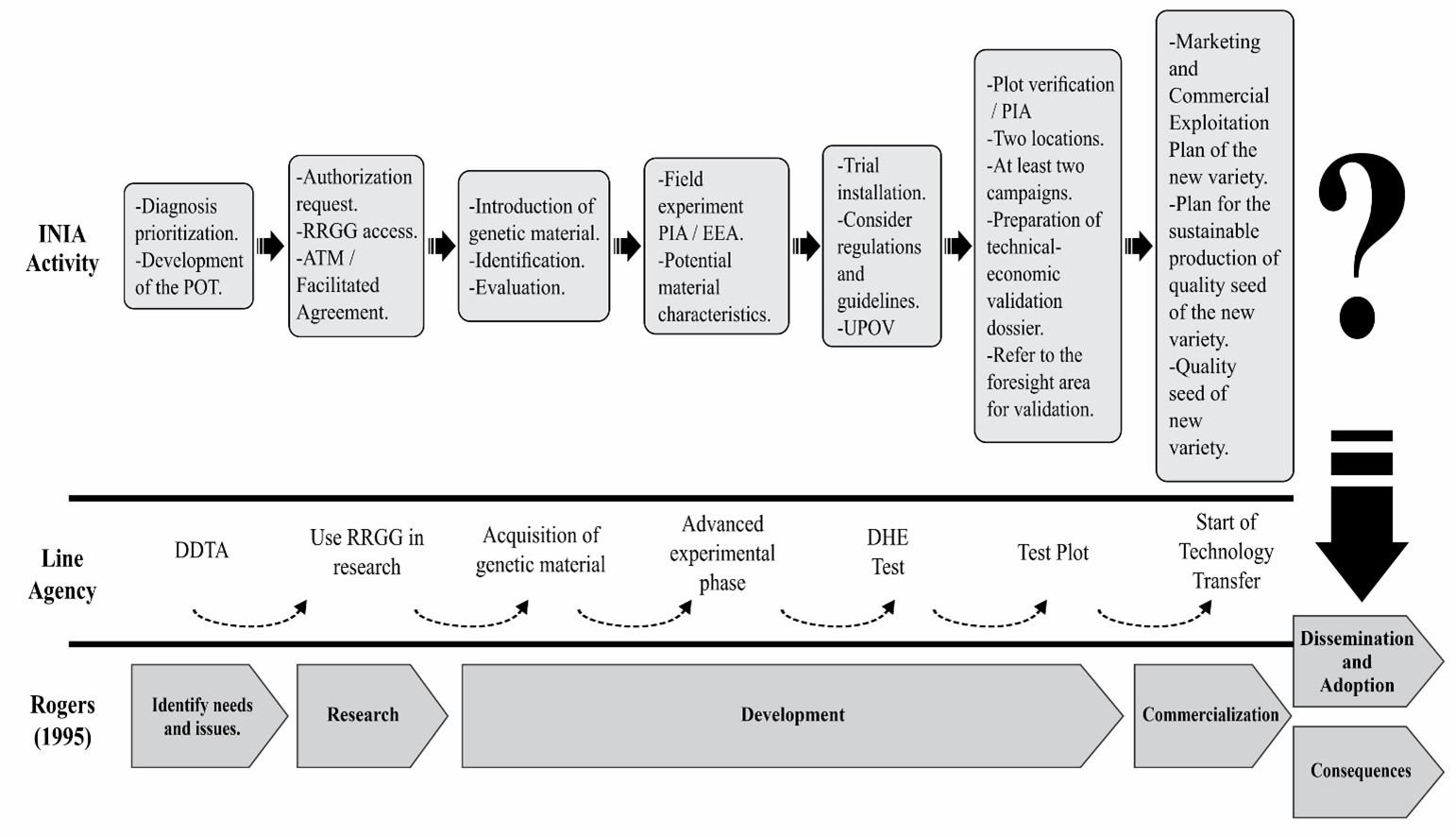
According to INIA (2016) the procedures to be developed by the Directorate of Agrarian Technological Development (DDTA), the operational mechanics for the generation and launch of a new variety or cultivar by the INIA is established in identifying the technological demand, which defines it as the technological need for crops and breeding by small and medium-sized farmers, technological demands are subsequently grouped in the “Technological Demands Bag”, these demands are usually analyzed and filtered to determine their priority, Subsequently, the national strategy for research, technological transfer and technical assistance is designed and proposed, as well as its implementation, the analysis of the DDTA procedures in the generation of new variety determines an important question in which it does not consider the diffusion, adoption and determination of consequences in its scheme, as established by Rogers (1995), which is not considered important in the framework of the provision of new varieties by the INIA.
The applied concept is centered on a linear model based on technology transfer with emphasis on technological innovation and where the main actor is the individual as if he will act in an isolated manner as established in Figure 1.
Procedures to be developed in the Technological Development Directorate (DDTA) for the generation of a new variety in relation to the process of development and diffusion of innovations from Rogers (1995). POT: Operational Transfer Plan; RRGG: Genetic Resources; ATM: Material Transfer Agreement; PIA: Agricultural Research Program; EEA: Agrarian Experimental Station; UPOV: International Union for the Protection of New Varieties of Plants; DDTA: Directorate of Agrarian Technological Development; DUS: Distinguishability; Homogeneity and Stability.Source: self-made.
2.2. Varieties
2.2.1. Rice 508-Tinajones
It is a semi-early variety, of high milling quality released by the INIA for producers on the Peruvian coast, which will reduce their water consumption and marginally reduce their production costs, thanks to its shorter growing cycle, without sacrificing its productivity. On the other hand, its milling quality superior to the most planted variety allows coastal producers to be more competitive in the demanding national and international rice market (INIA, 2007).
2.2.2. IR 43 or NIR rice
Developed by International Rice Research Institute (IRRI), adapted to the conditions of the Peruvian coast, used in direct sowing and transplanting. This cultivar is the most planted in the coastal valleys, being planted from Tumbes, Chira, Chancay, Jequetepeque, and the Camaná and Majes valleys in Arequipa. It is a semi-dwarf cultivar with good yield potential. The disadvantage of this and other cultivars grown in Peru is the susceptibility to the white leaf virus (HBV), which is transmitted by the Tagosodes insect. orizicolus, and “burning” caused by Pyricularia grisea. The yield potential of this cultivar is 10-12.5 tons/ha and it has 70 percent total pile yield and 55-60 percent whole grains (Pinazo Caldas, 2017).
3. Results and Discussion
3.1. Analysis of the quality of entanglement of the actors in the adoption of the IR-43 (NIR) and Tinajones rice varieties by rice farmers in the Camaná Valley
The adoption rate of the IR-43 and Tinajones rice varieties by farmers in the Camaná Valley was favored by the quality of the actors' entanglement.
In the 2019-2020 campaign, 87.23% corresponded to the IR-43 variety known locally as NIR, followed by the Tinajones variety with 10.64% and few cases used the Tacuarí variety, 2.13%, which was favored by the quality of entanglement of actors. The networks are established in four fundamental aspects.
3.1.1. Establishment of rice cultivation of the IR-43 and Tinajones varieties
Rice farmers consider that the most important process in rice production is the quality of the seed, the farmer articulates the seed acquired for sowing in the 2019-2020 campaign in Camaná with the seed farmers with 53.19%, 12.77% was from the agricultural stores, 4.26% was its own and 2.13% was from the INIA. Farmers have limited access to seeds of improved high-yielding varieties due to problems in production and distribution; despite funding from seed supply organizations, the formal sector supplies a small proportion of the seed that is planted. The majority is supplied in the “seed farmers” market, this system is made up of a network of farmers and small merchants, who despite the fact that the cultivation of rice is fundamental in the crop system, there is no production company and sustainable seed marketing at the local level that is supported by the producers themselves, these results agree with those of (Witcombe et al., 2010) who mention that the origin of seeds from the public sector constitutes a maximum of 10%, the main Source of seeds for the majority is from seed farmers (around 60-70%).
The reasons they state as causes for planting rice on their properties or rented land are the abundance of water, custom, crop rotation, profitability of the crop and the type of land, which agrees with what was stated by Engel (1997), who maintains that agricultural innovation should be understood as a complex social process and should not be understood as a transfer and dissemination of technologies, knowledge and ideas, we must focus on “knowing” before knowledge, in competent performance rather than in the use of new technologies.
The entanglement of the actors goes much further in the innovation system of the adoption of IR-43 rice and Tinajones, determining a second aspect.
3.1.2. Institutional factors
The farmer is also articulated by government entities (INIA, SENASA, Agricultural Agencies) who provide services of seed inputs, information, technical assistance and certification of fields of seed farmers within the framework of the General Seed Law No. 27262 modified by Legislative Decree No. 1080; With private companies within them we mention CORDESA Camaná, commercial houses and phytosanitary companies that are linked to the farmer by providing training, technical assistance, information and research services; It has been determined that 63.83% of farmers did not receive training, one training 6.38%, two trainings 14.89%, three 6.38% and more than three 8.51%, the training of farmers focused on increasing yield With the application of the recommended “technological package” of inputs and cultivation practices, its objective was to demonstrate to farmers that the set of practices produced high yields, a weak entanglement of technical assistance by government entities is observed, the scarce efforts They are developed by INIA and MINAGRI through the Agrarian Agencies; The assistance provided to farmers in the area has been provided by non-governmental organizations and by companies for the marketing of agrochemicals and fertilizers.
3.1.3. Sociotechnical regime
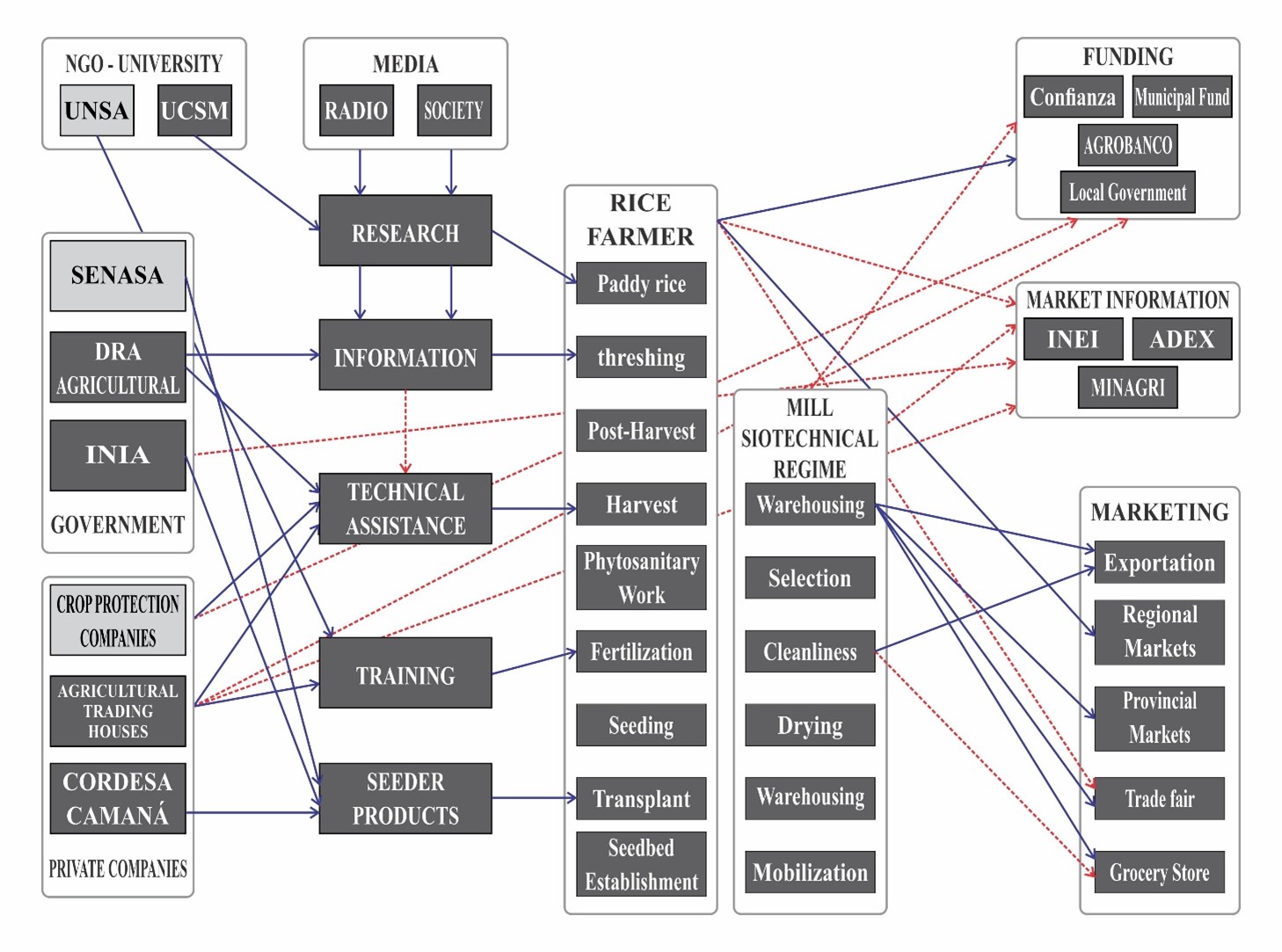
The production chain of rice, is organized around milling businessmen who provide a set of services to farmers, such as maquila and packing of piled rice, money lending, supply of fertilizers, machinery and seed supply as can be determined in the Figure 2 of the innovation system, the sociotechnical regime determines an entanglement with producers providing services, which favors the adoption of IR-43 and Tinajones varieties.
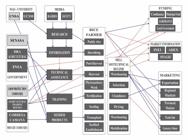
Innovation system in the adoption of IR-43 (INR) Rice varieties and tinajones in the Camaná Valley. UNSA: National University of San Agustín de Arequipa; UCSM: Catholic University of Santa María de Arequipa; SENASA: National Agrarian Health Service of Peru; DRA: Regional Agrarian Directorate; INIA: National Institute of Agrarian Innovation; CORDESA: Arequipa Regional Seed Committee; AGROBANCO: Agrarian Bank; INEI: National Institute of Statistics and Informatics; ADEX: Association of Exporters; MINAGRI: Ministry of Agrarian Development and Irrigation. Source: self made.
3.1.4. Access to the market and agricultural credit
Access to the market and agricultural credit is crucial for rice farmers to improve productivity and profitability. Reliable market access ensures fair prices for their harvest, while agricultural credit provides the necessary funds for seeds, fertilizers, and modern farming techniques. Without these resources, small-scale rice farmers struggle with low yields and financial instability. Strengthening these systems can boost food security and rural development.
The rice farmers of Camaná are mostly small producers who do not have their own economic resources. For planting and other cultivation tasks, they coordinate with financial entities such as CONFIANZA, Municipal Banks, AGROBANCO and the Local Government's Procompite program; as well as the mills who provide money for planting, machinery, seed and fertilizers (Figure 3).
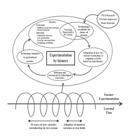
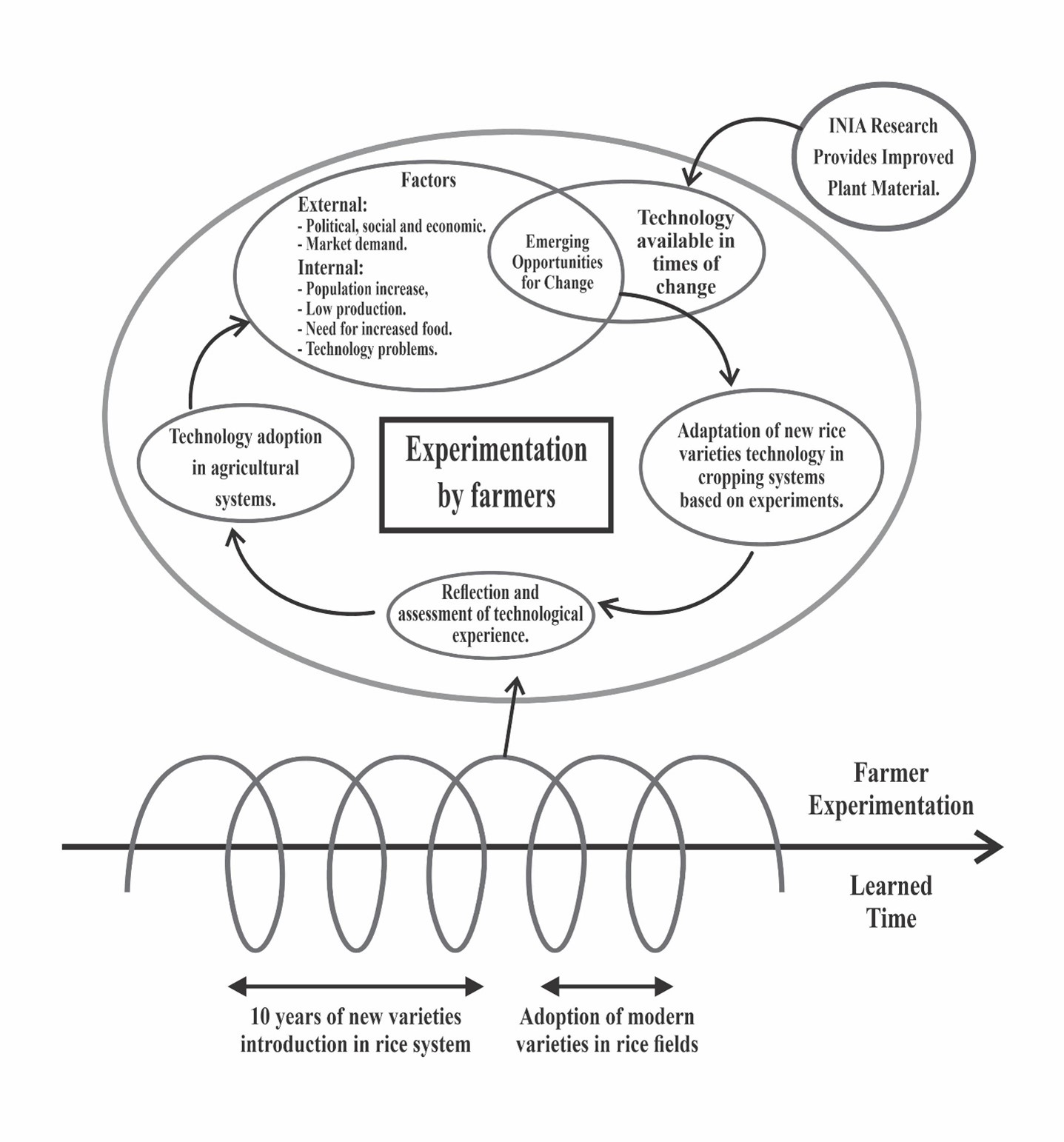
Continuous innovation in a rice-based cropping system in Camaná. Experimentation by farmers and recombination of new elements according to Kolb (2014, cited by Mak, 2001). INIA: National Institute of Agrarian Innovation; MV: Plant Material. Own elaboration.
Food systems are complex and multidimensional, and require a systems approach to sustainability and improvement, as well as an inclusive and place-based approach to change, where a range of actors form innovation systems or networks to generate change, particularly in response to the shocks, stresses and risks experienced by these production systems (Clarke et al., 2018).
We can determine based on the analysis that private companies, the government through its institutions, universities, NGOs and the media are actors that facilitate access for farmers, their organizations and other members of the value chain and from the market to knowledge, information and technologies; that facilitate their interaction with partners in research, education, agribusiness and other relevant institutions; and that help allows you to develop your own technical, organizational and management skills and practices, as well as improve the management of your agricultural activities (Birner et al., 2009).
Several challenges arise when trying to achieve a significant impact on the adoption of rice varieties in Camaná. Some of these challenges are (1) poor access of farmers to improved seed varieties to improve productivity at the farmer level; (2) the lack of sustainable mechanisms to provide better agronomic skills and better farmer organizations; (3) weak trade and marketing links with members of the private sector (i.e., agro-processors) and the input industry (seeds and fertilizers); and (4) lack of synergies and cooperation with other members who play a facilitating role in the rice sector (Figure 3).
The Agricultural Innovation System (AIS) perspective was developed to focus on complex systems, the importance of combining multiple sources of knowledge, and the recognition of institutional and contextual challenges (Makini et al., 2013). This approach is used as an analytical framework for this study, because it offers a way to analyze and identify options to address complex challenges in agricultural systems. This approach focuses on the idea that innovations (implementing new ways of doing something) emerge from systems or networks of actors, rather than individual entities working alone (World Bank, 2006). It also contrasts with the idea of transfer, which implies linear flows of knowledge, as well as a “top-down” approach (Lamprinopoulou et al., 2014). The SIA approach recognizes that change comes from both human (individual, organizational, institutional) and non-human actions (e.g., machines, environmental and social conditions); occurs at different levels; and is influenced by interactions between different stakeholders (Schut et al., 2015). Sources of agricultural innovation include researchers, farmers, NGOs, development agencies, private companies and entrepreneurs, each of whom have their own agendas (Hall et al., 2003), and who are immersed in an institutional context.
In the SIA framework, innovation is seen as a product of the process of networking and learning among a diverse set of stakeholders (Klerkx et al., 2010) and therefore methods to facilitate these activities are key to focus. These tend to focus on bringing together multiple stakeholders operating at a variety of levels, and integrating knowledge and understanding, to solve complex problems.
It is important to recognize that networks generally exist and the challenge is not to create something new, but to understand, support and reinforce the strengths of these networks and potentially facilitate the inclusion of missing elements, so that there can be strategies for the participation of actors normally “outside.” of the network. Therefore, obtaining information about the experiences of farmers and extension agents, and the interactions between them and other stakeholders, are important steps in understanding and supporting positive change. The innovation systems framework offers a way to understand and analyze the Innovation System in the adoption of IR-43 and Tinajones varieties in the Camaná Valley.
3.2. Impacts of the adoption of IR-43 (NIR) and Tinajones rice varieties on improvements in the quality of life of rice farmers in the Camaná Valley
A now standard approach within the livelihood’s framework, which we follow, is to evaluate the following five “capitals” or “assets” employed to develop a livelihoods strategy:
-
Human capital; skills, knowledge, education, good health and physical capacity;
-
Share capital; social networks, social claims, relationships, affiliations, relationships and associations;
-
Natural capital; reserves of natural resources (such as land and water) and other environmental services;
-
Physical capital; infrastructure, housing, tools, and equipment; and
-
Financial capital; salaries, cash reserves, savings, access to credit.
The livelihoods framework is particularly useful for evaluating sustainability programs at the household and individual level, as it provides a people-centered approach that recognizes the myriad ways in which various asset classes are combined and transformed to meet outcomes. desirable life (Bebbington, 1999).
The adoption of rice varieties had positive effects on the livelihoods of producers by strengthening their assets or community capital. Human capital was strengthened by continuous innovation, by the continuous learning acquired throughout the process, which can be represented by Kolb's learning cycle (Kolb, 2014), taken from the approach of Mak (2001). This model emphasizes the cyclical nature of learning processes and its relationship with the progressive adaptation and adoption of new technologies. A wide range of factors influence community health, such as drinking water, diet and nutrition, sanitation, gender equity, wealth and income, place of residence, age and genetics. The quality of health care is often dictated by government policies and programs rather than by cooperative arrangements or within an innovation. It is difficult to determine the specific impact of sustainability programs on those services, including health, education and infrastructure, which are widely considered public goods, and it is probably unrealistic to expect a significant impact in these areas. Unsurprisingly, it is rare that significant improvements in healthcare delivery or health outcomes can be attributed to the adoption of new varieties by Camaná Valley farmers (Jena et al., 2012).
capital, adoption studies have focused on individual attributes as factors that contribute to the successful adoption and diffusion of agricultural technologies. Human behavior, however, is the result of interrelationships and interactions between people, so the concept of social capital improves the approach to understanding the adoption and diffusion of technology, in the sense that it makes it more unified, holistic and comprehensive by looking beyond the individual (Mariano et al., 2012; Utting, 2009) reported positive impacts on the functioning of the producer organization. The training received in the last two years in Camaná is 36.17% and among the institutions that provide it, the agrochemical company stands out with 23%; followed by INIA with 18%; the MINAGRI with 4%, the Regional Government of Arequipa, the NGOs and the Municipality with 2%; Respondents have indicated that the main source of information to manage their rice cultivation is family and friends, which represents 30%; agrochemical sellers 23%; training courses 6%; radio 2%, which are part of participation and training mechanisms.
Cultural capital, as the technology was available at the right time, an adaptation of the technology was carried out, this innovation process led by farmers based on sequential learning and continuous adjustment, reflection and assessment of technological experience, they adapted the technology to their original agricultural systems, and in doing so, they changed their agricultural system, it is worth valuing the years dedicated to rice production, 40% of the producers dedicate themselves from 21 to 40 years. Natural capital, with the variety IR-43 and Tinajones, it was possible to reduce water consumption as they are earlier varieties. In the face of climate change, higher temperatures and greater demand for water by crops are expected, which their adoption favors conservation. of natural resources, especially water, the use of organic fertilizers is relevant, in Camaná 44% of producers use organic fertilizer.
Consequently, in financial capital, the technological innovation of incorporating new varieties of rice improved their productivity and with it the economic income of the producers, which is why they are subject to credit. Finally, political capital, Camaná has only one rice production campaign, and no matter how much the supply is, demand will always require greater production. Price management occurs with a greater positioning of the mill in the market, since, by gaining greater coverage with the brand, you can gain greater knowledge, which, for marketing is a point in favor, because the minimum prices will be imposed by the market, but you will generate the value through the brand that markets it.
3.3. Effects or consequences of innovation
As a final part of the analysis of the effects or consequences of innovation, the methodology of Ortiz and Pradel (2009) is proposed in its guide for impact evaluation, measuring the impacts generated by the adoption of drip irrigation technology from the point of view of human capital, social and environmental capital.
3.3.1. Impact on human capital
It becomes effective that the IR-43 and Tinajones rice varieties are planted by farmers in the Camaná Valley, in the 2019-2020 campaign, 87.23% corresponds to the IR-43 variety known locally as NIR, then the Tinajones variety with 10.64%. In addition, the effect of custom, crop rotation, crop profitability and the type of land for the adoption of the varieties is determined.
3.3.2. Impact on social capital
It is determined that the rice farmer increases his participation and training mechanisms.
3.3.3. Economic impact
It is represented by the difference in average yield between the varieties adopted, the IR-43 variety has a yield of 15 MT/ha, Tinajones 14.5 MT/ha, in relation to other varieties such as Tacuarí with average yields. of 11MT/ha. The sale price of paddy rice from both the field and the mill is the same, but it changes depending on the variety. The Tacuarí variety rice obtains the best price, followed by the Tinajones variety and finally the IR-43 variety. The investment costs per hectare amount to S/ 10,120.16; The maintenance cost per Ha is S/. 2,338.87 and the investment cost per 1Kg of rice amounts to S/. 0.72, with a loss of 6% when entering the mill with respect to yields.
3.3.4. Environmental impact
One of the factors mentioned is that the IR-43 and Tinajones varieties manage to reduce water consumption as they are earlier varieties. In the face of climate change, higher temperatures and greater demand for water by crops are expected, which their adoption favors the conservation of natural resources, especially water.
4. Conclusions
The adoption of IR-43 (NIR) and Tinajones varieties by farmers in the Camaná Valley was facilitated by the existence of a diversity of collective intelligence mechanisms to organize interactions for innovation, government actors have been identified (INIA, SENASA, Agrarian Agencies); private companies (CORDESA Camaná, commercial houses, phytosanitary companies), media, rice producers, a sociotechnical regime that constitutes the mills, financing entities, market information and marketing agents, forming a network of social and economic actors, which interact with each other for the adoption of rice varieties. From what has been stated, the hypothesis is confirmed that indicates that the adoption of the IR-43 and Tinajones rice varieties by the farmers of the Camaná Valley depends on the quality of the entanglement of actors.
The livelihoods of the producers of the Camaná Valley, due to the adoption of the IR-43 and Tinajones rice varieties, have benefited from human, social, natural, financial and political capital. The increase in yields and a better price for the product allows them to improve their economies, which rejects the hypothesis that the adoption of rice varieties did not have positive effects on the livelihoods of rice producers in the region of Camana Valley.
References
-
BEBBINGTON, A., 1999. Capitals and capabilities: a framework for analyzing peasant viability, rural livelihoods and poverty. World Development, vol. 27, no. 12, pp. 2021-2044. http://doi.org/10.1016/S0305-750X(99)00104-7
» http://doi.org/10.1016/S0305-750X(99)00104-7 -
BIRNER, R., DAVIS, K., PENDER, J., NKONYA, E., ANANDAJAYASEKERAM, P., EKBOIR, J., MBABU, A., SPIELMAN, D.J., HORNA, D., BENIN, S. and COHEN, M., 2009. From best practice to best fit: a framework for designing and analyzing pluralistic agricultural advisory services worldwide. Journal of Agricultural Education and Extension, vol. 15, no. 4, pp. 341-355. http://doi.org/10.1080/13892240903309595
» http://doi.org/10.1080/13892240903309595 -
CARRERA TORRES, O., PRASSHAK QUIZA, E.J. and QUISPE VERGARAY, K., 2017 [viewed 7 June 2023]. Strategic planning of the Province of Camaná [online]. Available from: https://tesis.pucp.edu.pe/repositorio/handle/20.500.12404/8207
» https://tesis.pucp.edu.pe/repositorio/handle/20.500.12404/8207 -
CLARKE, E., JACKSON, T.M., KEOKA, K., PHIMPHACHANVONGSOD, V., SENGXUA, P., SIMALI, P. and WADE, L.J., 2018. Insights into adoption of farming practices through multiple lenses: an innovation systems approach. Development in Practice, vol. 28, no. 8, pp. 983-998. http://doi.org/10.1080/09614524.2018.1504890
» http://doi.org/10.1080/09614524.2018.1504890 - ENGEL, P., 1997. The social organization of innovation. Focusing on/on the interaction of the agents involved Santiago de Chile: KIT Press, Royal Tropical Institute.
- ENGEL, P.G., 1995. Facilitating innovation: an action-oriented approach and participatory methodology to improve innovative social practice in agriculture Wageningen: Wageningen University and Research.
- FOOD AND AGRICULTURE ORGANIZATION OF THE UNITED NATIONS – FAO, 2006. Declared quality seed system. Rome: FAO. FAO Plant Production and Protection Studies.
-
HALL, A., RASHEED SULAIMAN, V., CLARK, N. and YOGANAND, B., 2003. From measuring impact to learning institutional lessons: an innovation systems perspective on improving the management of international agricultural research. Agricultural Systems, vol. 78, no. 2, pp. 213-241. http://doi.org/10.1016/S0308-521X(03)00127-6
» http://doi.org/10.1016/S0308-521X(03)00127-6 -
INSTITUTO NACIONAL DE ESTADÍSTICA E INFORMÁTICA – INEI, 2023 [viewed 6 June 2023]. Statistical compendium: Peru 2021 [online]. Available from: https://www.gob.pe/institucion/inei/informes-publicaciones/3000248-compendio-estadistico-peru-2021
» https://www.gob.pe/institucion/inei/informes-publicaciones/3000248-compendio-estadistico-peru-2021 -
INSTITUTO NACIONAL DE INNOVACIÓN AGRARIA – INIA, 2007 [viewed 7 June 2023]. Rice INIA 508 - Tinajones: new early-maturing variety with high milling quality [online]. Available from: https://repositorio.inia.gob.pe/handle/20.500.12955/649
» https://repositorio.inia.gob.pe/handle/20.500.12955/649 -
INSTITUTO NACIONAL DE INNOVACIÓN AGRARIA – INIA, 2016 [viewed 7 June 2023]. Directive for the generation and launch of new varieties or cultivars at the National Institute of Agrarian Innovation – INIA [online]. Available from: https://repositorio.inia.gob.pe/handle/20.500.12955/1636
» https://repositorio.inia.gob.pe/handle/20.500.12955/1636 -
JENA, P.R., CHICHAIBELU, B.B., STELLMACHER, T. and GROTE, U., 2012. The impact of coffee certification on small-scale producers’ livelihoods: a case study from the Jimma Zone, Ethiopia. Agricultural Economics, vol. 43, no. 4, pp. 429-440. http://doi.org/10.1111/j.1574-0862.2012.00594.x
» http://doi.org/10.1111/j.1574-0862.2012.00594.x -
KLERKX, L., AARTS, N. and LEEUWIS, C., 2010. Adaptive management in agricultural innovation systems: the interactions between innovation networks and their environment. Agricultural Systems, vol. 103, no. 6, pp. 390-400. http://doi.org/10.1016/j.agsy.2010.03.012
» http://doi.org/10.1016/j.agsy.2010.03.012 - KOLB, D.A., 2014.Experiential learning: experience as the source of learning and development. New Jersey: FT Press.
-
LAMPRINOPOULOU, C., RENWICK, A., KLERKX, L., HERMANS, F. and ROEP, D., 2014. Application of an integrated systemic framework for analyzing agricultural innovation systems and informing innovation policies: comparing the Dutch and Scottish agrifood sectors. Agricultural Systems, vol. 129, pp. 40-54. http://doi.org/10.1016/j.agsy.2014.05.001
» http://doi.org/10.1016/j.agsy.2014.05.001 -
LEEUWIS, C. and VAN DEN BAN, A., 2004. Communication for Rural Innovation: rethinking agricultural extension Chichester: Wiley-Blackwell. http://doi.org/10.1002/9780470995235
» http://doi.org/10.1002/9780470995235 - LEEUWIS, C., 2013. Communication for rural innovation: rethinking agricultural extension. Chichester: John Wiley & Sons.
-
MAK, S., 2001. Continued innovation in a Cambodian rice-based farming system: farmer testing and recombination of new elements. Agricultural Systems, vol. 69, no. 1-2, pp. 137-149. http://doi.org/10.1016/S0308-521X(01)00022-1
» http://doi.org/10.1016/S0308-521X(01)00022-1 - MAKINI, F.W., KAMAU, G.M., MAKELO, M.N., ADEKUNLE, W., MBURATHI, G.K., MISIKO, M., PALI, P. and DIXON, J., 2013. Operational field guide for developing and managing local agricultural innovation platforms Nairobi, Kenya: KARI and ACIAR.
-
MARIANO, M.J., VILLANO, R. and FLEMING, E., 2012. Factors influencing farmers’ adoption of modern rice technologies and good management practices in the Philippines. Agricultural Systems, vol. 110, pp. 41-53. http://doi.org/10.1016/j.agsy.2012.03.010
» http://doi.org/10.1016/j.agsy.2012.03.010 -
ORTIZ, O. and PRADEL, W., 2009 [viewed 7 June 2023]. Introductory guide for evaluating impacts in integrated pest management [IPM] programs [online]. Available from: https://cipotato.org/wp-content/uploads/2014/08/004734.pdf
» https://cipotato.org/wp-content/uploads/2014/08/004734.pdf -
PINAZO CALDAS, M.V., 2017 [viewed 7 June 2023]. Comparison of three manual transplant systems in rice (Oryza sativa L.) in the Jequetepeque valley [online]. Available from: http://repositorio.lamolina.edu.pe/handle/20.500.12996/2863
» http://repositorio.lamolina.edu.pe/handle/20.500.12996/2863 - ROGERS, E.M., 1983. Diffusion of innovations 3rd ed. New York: Free Press.
- ROGERS, E.M., 1995. Diffusion of innovations 4th ed. New York: Free Press.
- SANTA, M.A.L.P., CARDOZO, I.I.M. and NINAQUISPE, J.C.M., 2021. Behavior of rice production and importation in Peru 2016-2020. Tzhoecoen, vol. 13, no. 2, pp. 76-83.
-
SCHUT, M., RODENBURG, J., KLERKX, L., KAYEKE, J., VAN AST, A. and BASTIAANS, L., 2015. RAAIS: Rapid Appraisal of Agricultural Innovation Systems (Part II). Integrated analysis of parasitic weed problems in rice in Tanzania. Agricultural Systems, vol. 132, pp. 12-24. http://doi.org/10.1016/j.agsy.2014.09.004
» http://doi.org/10.1016/j.agsy.2014.09.004 -
SECK, P.A., DIAGNE, A., MOHANTY, S. and WOPEREIS, M.C.S., 2012. Crops that feed the world: rice. Food Security, vol. 4, no. 1, pp. 7-24. http://doi.org/10.1007/s12571-012-0168-1
» http://doi.org/10.1007/s12571-012-0168-1 -
UTTING, K., 2009. Assessing the impact of fair trade coffee: towards an integrative framework. Journal of Business Ethics, vol. 86, no. 1, pp. 127-149. http://doi.org/10.1007/s10551-008-9761-9
» http://doi.org/10.1007/s10551-008-9761-9 - WITCOMBE, J.R., JOSHI, K.D., GYAWALI, S., MUSA, A.M., JOHANSEN, C., STHAPIT, B.R. and BAGING, J.P., 2010. Plant breeding can be made more efficient by having fewer, better crosses. Agricultural Systems, vol. 103, no. 3, pp. 171-178.
-
WORLD BANK, 2006 [viewed 7 June 2023]. Enhancing agricultural innovation: How to go beyond the strengthening of research systems [online]. Available from: https://documents.worldbank.org/en/publication/documents-reports/documentdetail/864351468325269468/enhancing-agricultural-innovation-how-to-go-beyond-the-strengthening-of-research-systems
» https://documents.worldbank.org/en/publication/documents-reports/documentdetail/864351468325269468/enhancing-agricultural-innovation-how-to-go-beyond-the-strengthening-of-research-systems -
YAMANO, T., AROUNA, A., LABARTA, R.A., HUELGAS, Z.M. and MOHANTY, S., 2016. Adoption and impacts of international rice research technologies. Global Food Security, vol. 8, pp. 1-8. http://doi.org/10.1016/j.gfs.2016.01.002
» http://doi.org/10.1016/j.gfs.2016.01.002