
 Comprehensive mitochondrial genome profile of New Zealand white rabbit (Oryctolagus cuniculus) using Nanopore sequencing technology
Abstract
This study was aimed to discover, identify, and comprehensively explore the characteristics of the complete mitochondrial DNA genomes of the NZW rabbit (Oryctolagus cuniculus). This study utilized genomic DNA (gDNA) which was extracted from New Zealand White (NZW) rabbit’s liver tissue. The extracted gDNA was rigorously evaluated for both quality and quantity to ensure optimal suitability for mitochondrial DNA enrichment. The sequencing process was carried out using whole genome sequencing (WGS) analysis with Nanopore technology, employing the Oxford Nanopore Technologies GridION platform and bioinformatic tools. Data analysis was carried out using the MEGA11 software to uncover potential mutations, assess genetic diversity, genetic distance and visualize the phylogenetic relationships. The NZW rabbit mtDNA genome spans 17,374 bp, with adenine (31.5%) and thymine (28.3%) as the dominant nucleotides. Leucine is the most abundant amino acid (15.82%), while cysteine is the least abundant (0.61%). The s-rRNA and l-rRNA genes are 957 bp and 1,581 bp long, respectively. The 2,000 bp D-loop region contains two repetitive elements: a 20-bp sequence repeated 14 times and a 153-bp sequence repeated 5 times, which differs from that previously reported in other rabbit mtDNA genomes, thus becoming a specific characteristic and a novel finding of this study.
Keywords:
genome; MtDNA; NZW; Nanopore; rabbit
Resumo
Este estudo teve como objetivo descobrir, identificar e explorar de forma abrangente as características do genoma completo do DNA mitocondrial do coelho branco da Nova Zelândia (Oryctolagus cuniculus). Para isso, utilizou-se DNA genômico (DNAg) extraído do tecido hepático do coelho branco da Nova Zelândia. O DNAg extraído foi rigorosamente avaliado quanto a qualidade e quantidade para garantir a adequação ideal para o enriquecimento do DNA mitocondrial. O processo de sequenciamento foi realizado utilizando a análise de sequenciamento de genoma completo (WGS) com a tecnologia Nanopore, empregando a plataforma GridION da Oxford Nanopore Technologies e ferramentas bioinformáticas. A análise dos dados foi realizada utilizando o software MEGA11 para descobrir possíveis mutações, avaliar a diversidade e a distância genéticas, e visualizar as relações filogenéticas. O genoma do mtDNA do coelho NZW abrange 17.374 pb, com adenina (31,5%) e timina (28,3%) como os nucleotídeos dominantes. A leucina é o aminoácido mais abundante (15,82%), enquanto a cisteína é o menos abundante (0,61%). Os genes do rRNA s e l têm 957 pb e 1.581 pb de comprimento, respectivamente. A região do laço D de 2.000 pb contém dois elementos repetitivos: uma sequência de 20 pb repetida 14 vezes e uma sequência de 153 pb repetida cinco vezes, o que difere do relatado anteriormente em outros genomas de mtDNA de coelho, tornando-se assim uma característica específica e uma descoberta inédita deste estudo.
Palavras-chave:
genoma; MtDNA; NZW; Nanopore; coelho
1. Introduction
The New Zealand White rabbit (NZW) is one of the most popular breeds of domestic rabbits. Developed in the early 20th century by W. S. Preshaw, NZW rabbit emerged later and rapidly gained popularity due to its utility in commercial meat production and laboratory research (Verhoef-Verhallen, 1998). The NZW rabbit is characterized by its albino coat, white fur, and pink eyes due to the lack of pigmentation (Naff and Craig, 2012). The presence of NZW rabbit in Indonesia, primarily introduced for meat production and research purposes, has been significant. However, a significant issue with rabbit development programs in Indonesia is that the rabbits are primarily imported from the United States and Europe. This reliance on imported breeds presents challenges in terms of adaptation, genetic diversity, and long-term sustainability. As a result, imported rabbit breeds may undergo genetic divergence due to founder effects, breeding history, and adaptation to tropical environmental conditions. Many of these rabbits struggle to adapt successfully to tropical conditions, limiting their effectiveness in local farming systems (Setiaji et al., 2022a, b). As Indonesia seeks to diversify its agricultural and livestock sectors, rabbit farming has gained attention as a viable alternative source of protein. Furthermore, due to its rapid growth rate, fertility, and well-adapted nature in tropical environments, NZW rabbit has become one of the most popular rabbit breeds in Indonesia (Marhaeniyanto et al., 2015; Setiaji et al., 2021).
Although the development of NZW rabbits has gained significant traction in Indonesia, comprehensive information remains scarce, particularly when it comes to the genetic exploration of this breed. Specifically, when it comes to genetic characterization through molecular techniques, research has predominantly been confined to analyzing mitochondrial DNA (mtDNA) segments, such as the D-loop region (Ahmed et al., 2022; Lestari et al., 2025); 12S rRNA gene (Allam et al., 2024); leaving much of the broader genetic landscape unexplored. Mitochondria are a driving force in the evolution process of eukaryotes because this organelle can produce ATP as an essential product for this step (Friedman and Nunnari, 2014a, b). Proteins encoded by mitochondrial DNA contribute to OXPHOS and directly impact the metabolic process pressure operating on these proteins, which can reveal information about their evolution. A mutation in mitochondrial DNA can be beneficial, neutral, or detrimental. Due to mitochondria's reliance on genetic information found in their little genome (mtDNA), these functions could be carried out (Chial and Craig, 2008). Unlike nuclear DNA, which is inherited from both parents, the mtDNA is inherited maternally. This unique inheritance pattern makes it useful for studying maternal lineage and population genetics (Xia et al., 2021; Mustafa et al., 2022).
Furthermore, conducting comprehensive genetic characterization of the complete mitochondrial genome is essential to not only supplement the findings of previous studies but also to significantly enhance the body of knowledge surrounding the genetic diversity, evolutionary history, and overall existence of NZW rabbit. This research will provide a more detailed genetic framework that could support conservation, breeding, and improvement of the breed. Therefore, this study was aimed to discover, identify, and comprehensively explore the characteristics of the complete mitochondrial DNA genomes of the NZW rabbit (Oryctolagus cuniculus). Those findings can provide valuable insights into its genetic makeup and contribute to a deeper understanding of its unique traits, which can be used to support breeding programs, conservation efforts, and further scientific studies.
2. Materials and Methods
This study was conducted in accordance with the principles of animal welfare and ethical standards for scientific research. All procedures involving animals were approved by the Ethics Committee of Universitas Diponegoro, under approval number: 59-01/A-01/KEP-FPP. Animal handling was carried out with care to minimize stress, pain, and discomfort, following standard guidelines for the care and use of laboratory animals.
This study utilized genomic DNA (gDNA) which was extracted from liver tissue. A total of 15 grams of liver tissue were collected from a NZW rabbit that had been slaughtered and dissected previously. The liver tissue then was preserved in Falcon tubes containing ethanol to ensure sample stability and were then processed to extract gDNA following the standard protocol provided by the gSYNC DNA Extraction Kit (Geneaid, New Taipei, Taiwan). The extracted gDNA was rigorously evaluated for both quality and quantity to ensure optimal suitability for further analysis. Subsequently, mitochondrial DNA enrichment was performed using the REPLI-g Mitochondrial DNA Kit (Qiagen, Hilden, Germany) to enhance the yield of mtDNA. This enriched mtDNA was then used in the library preparation process for downstream genetic analysis by combining End Prep and Nick Repair and Ligation of sequencing adapters (Head et al., 2014). The sequencing process was carried out using whole genome sequencing (WGS) analysis with nanopore technology, employing the Oxford Nanopore Technologies GridION platform (Zascavage et al., 2019; Zascavage et al., 2018), that was facilitated by Genetika Science Ltd., Indonesia. Following the sequencing, bioinformatics analysis was conducted to process and interpret the data.
The sequencing run was managed using the MinKNOW (v21.11.17). Base calling, essential for converting raw electrical signals into nucleotide sequences, was performed with Guppy (v5.1.13) in high-accuracy mode, ensuring the fidelity of the sequencing results (Wick et al., 2019). To visualize the quality of the reads, NanoPlot (v1.40.0) was utilized, offering an insightful overview of the dataset (De Coster et al., 2018). The alignment of all sequencing reads to the reference mitochondrial sequence from GenBank was performed using Minimap2 (v2.24), ensuring precise mapping to the known mitochondrial genome (Li, 2018; White and Hesselberth, 2022). The assembly of the genome was then executed with Flye (v2.8.3), leveraging the filtered mapped reads to construct a high-quality mitochondrial genome assembly (Kolmogorov et al., 2019). Quality control was meticulously applied throughout the process, with NanoPlot (v1.40.0) being employed once more to assess the quality of both mapped and filtered reads (De Coster et al., 2018). The polishing of the constructed sequence was performed using Racon (v1.5.0), which was run four times to refine the accuracy of the assembly. Further polishing was completed using Medaka (v1.5.0), which was applied three times to ensure optimal sequence correction (https://github.com/nanoporetech/medaka) (Vaser et al., 2017). The final sequences were annotated and visualized using MitoZ (v2.4), a tool specifically designed for mitochondrial genome analysis (Meng et al., 2019), while the overall quality of the constructed sequences was evaluated with Quast (v5.0.2), providing a comprehensive assessment of the accuracy and completeness of the assembled mitochondrial genome (Gurevich et al., 2013). A detailed workflow for WGS, mtDNA sequencing, and bioinformatics analysis is presented in Figure 1.

Data analysis was carried out using the MEGA11 software (Tamura et al., 2021), where the complete mitochondrial DNA (mtDNA) genome sequences of NZW rabbit were aligned to comprehensively examine its genetic characteristics. This analysis included identifying key elements such as gene sequences, their positions, sizes, amino acid lengths, amino acid alterations, and overall nucleotide composition. Additionally, these mtDNA sequences were compared against 16 complete sequence from Leporidae family consisting of Oryctolagus, Lepus and Brachylagus (Table 1). This comparative analysis aimed to uncover potential mutations, assess genetic diversity, and visualize the phylogenetic relationships among the samples through the construction of a phylogenetic tree, utilizing the Maximum Likelihood method for accurate evolutionary inference (Tamura and Nei, 1993).
3. Result and Discussion
3.1. Genetic characteristic based on mtDNA genome sequence
The sequencing result of the NZW rabbit revealed that this breed's mitochondrial genome spans a total length of 17,374 base pairs (bp) which descripted by green, red and blue color in Figure 2. This genome is composed of 13 Protein Coding Genes (PCGs) responsible for key mitochondrial functions, which are ND1 (NADH dehydrogenase subunit 1), ND2 (NADH dehydrogenase subunit 2), ND3 (NADH dehydrogenase subunit 3), ND4 (NADH dehydrogenase subunit 4), ND4L (NADH dehydrogenase subunit 4L), ND5 (NADH dehydrogenase subunit 5), ND6 (NADH dehydrogenase subunit 6), COX1 (Cytochrome Oxidase 1), COX2 (Cytochrome Oxidase 2), COX3 (Cytochrome Oxidase 3), ATP6 (ATP synthase membrane subunit 6), ATP8 (ATP synthase membrane subunit 8), CYTB (Cytochrome B); 22 transfer RNA (tRNA) genes involved in protein synthesis (trnR, trnH, trnS, trnL, trnE, trnT, trnP, trnF, trnV, trnL, trnl, trnQ, trnM, trnW, trnA, trnN, trnC, trnY, trnS, trnD, trnK, trnG), and two ribosomal RNA (rRNA) genes essential for the formation of ribosomes (l-rRNA and s-rRNA). Additionally, the mtDNA genome contains a control region known as the Displacement Loop (D-loop), which is characterized by a long non-coding sequence that plays a critical role in the regulation of mitochondrial DNA replication and transcription and also a replication origin. This detailed structural organization highlights the complex genetic machinery that underpins mitochondrial function in the NZW rabbit. This structural information is relevant to NZW rabbits because their frequent use as laboratory models in metabolic and reproductive studies makes mitochondrial function a key determinant of experimental outcomes. As the D-loop regulates mtDNA replication and transcription, its features may influence mitochondrial efficiency and thereby affect physiological traits commonly assessed in NZW rabbits

The nucleotide composition of the NZW rabbit mtDNA genome in this study is characterized by specific percentages: 31.50% adenine (A), 28.30% thymine (T), 26.60% cytosine (C), and 13.6% guanine (G), resulting in a sequential order of A > T > C > G (Table 2). This distribution of nucleotides reflects the AT-rich nature of the mitochondrial genome, a common feature in many animal species, which may have implications for mitochondrial stability and replication efficiency. The AT-rich nature of mitochondrial genomes has been shown to affect replication fidelity and promote strand-specific mutational biases (Gomes-Dos-Santos et al., 2023). Comparative studies of mtDNA genome across various rabbit breeds have revealed differences not only in nucleotide composition but also in the overall length of the mitochondrial genome. This suggest potential breed-specific variations in mitochondrial function and genetic regulation. These differences could be linked to evolutionary adaptations, energy metabolism, or other biological factors unique to each breed. Comparative analyses indicate breed-specific differences in mitogenome length among Oryctolagus cuniculus. For example, the Yimeng wool rabbit mitogenome is 16,740 bp (Yao et al., 2019; Accession number MN296708), while reported lengths for Chuanbai Rex rabbits is 17,174 bp (Wang et al., 2021; Accession number MN953621). In previous study the Indonesian local rabbit showed a mitogenome length of 17,469 bp and a notably longer D-loop region (Setiaji et al., 2023). These quantitative differences likely reflect variation and small insertion/deletion events among breeds, and may underlie breed-specific mitochondrial regulation. Such length variation is most commonly attributed to differences within the D-loop, which is known to harbor repeat expansions, indels, and highly mutable motifs that contribute disproportionately to overall mitogenome size variation in comparative studies.
The DNA duplex strand can be differentiated based on its GC (guanine-cytosine) content, as regions with higher GC content tend to have greater buoyant density due to the triple hydrogen bonds between guanine and cytosine, compared to the double hydrogen bonds between adenine and thymine. This difference in GC content results in contrasting buoyant densities for each strand, often referred to as the 'heavy' (GC-rich) and 'light' (AT-rich) strands. The heavy strand encodes 12 PCGs (ND3, ND4L, ND4, ND5, CYTB, ND1, ND2, COX1, COX2, ATP8, ATP6, COX3), 2 rRNAs (s-rRNA and l-rRNA), and 14 tRNAs (trnR, trnH, trnS, trnL, trnT, trnF, trnV, trnL, trnI, trnM, trnW, trnD, trnK, trnG), while the light strand encodes remains (Table 2).
3.2. PCGs and amino acid profile
The sequence lengths of the 13 PCGs in the NZW rabbit mitochondrial genome (Table 2), arranged from longest to shortest, are as follows: ND5 (1.812 bp), COX1 (1.542 bp), ND4 (1.375 bp), CYTB (1.140 bp), ND2 (1.044 bp), ND1 (957 bp), COX3 (804 bp), COX2 (684 bp), ATP6 (681 bp), ND6 (525 bp), ND4L (297 bp), ND3 (273 bp), and ATP8 (204 bp). The majority of these genes are initiated by the ATG, with exceptions observed for ND2 and ND5, which initiated by ATT and ND3 which which initiated by ATC. The termination codons are predominantly TAG, followed by TAA for ND4L, ND2, ATP8, and ATP6; AGG for ND6 and CYTB; and TAT for ND4.
The amino acid sequence lengths of the 13 PCGs in the NZW rabbit mitochondrial genome, arranged from longest to shortest, are as follows: ATP8 gene encodes amino acid sequence consisting of 67 residues, followed by ND3 (90 residues), ND4L (98 residues), ND6 (174 residues), ATP6 (226 residues), COX2 (227 residues), COX3 (267 residues), ND1 (318 residues), ND2 (347 residues), CYTB (379 residues), ND4 (458 residues), COX1 (513 residues), ND5 (603 residues). Overall amino acid composition reveals notable variations (Figure 3), with Leucine being the most abundant at 15.82%, highlighting its significant presence in the structure or function of proteins in the analyzed genes. The high proportion of leucine is consistent with patterns observed in vertebrate mitochondrial proteins, which typically exhibit leucine enrichment due to the presence of two dedicated leucine codon families (UUR and CUN) and the availability of corresponding tRNAs. In addition, many mtDNA-encoded proteins form hydrophobic transmembrane helices within the respiratory chain complexes, where leucine residues are favored for stabilizing membrane-embedded structures (Liu et al., 2002; Gurezka et al., 1999). In contrast, Cysteine is the least represented, accounting for only 0.61%, which may reflect its limited role or specific functional constraints. Meanwhile, other amino acid compositions range from 1.88% to 8.10% (Table 3).

Fluctuation curve of amino acid composition (%) encoded by PCGs in the NZW rabbit MtDNA genome in this study.
Interestingly, certain amino acids are entirely absent in specific genes, indicating potential differences in the functional requirements or structural properties of the proteins they encode. For example, Histidine is absent in the ND3 and ND6 genes, while Cysteine is missing from ND2 and ATP6. Similarly, Glycine is not found in ATP8, Lysine is absent in ND4L, Glutamine is missing from ND6, Arginine is absent in ATP8, and Tryptophan is not found in ND4L. These patterns suggest a complex interplay between gene-specific coding requirements and the functional characteristics of the proteins these genes produce. These absences align with well-established structural constraints of mitochondrially encoded membrane proteins, which require hydrophobic residues for stabilizing multi-pass transmembrane helices. Consequently, amino acids such as cysteine and histidine—often involved in metal-binding or catalytic motifs—are typically underrepresented or absent in ND2, ND3, ND6, and ATP6. Comparative inspection of other rabbit mitogenomes (Chuanbai Rex rabbit, Yimeng wool rabbit) shows similar amino-acid loss patterns within the same genes, supporting the view that these absences are conserved structural features rather than NZW-specific anomalies (Wang et al., 2021; Yao et al., 2019)
3.3. tRNA
The sequence lengths of the 22 transfer RNA (tRNA) genes in the NZW rabbit mitochondrial genome exhibit a range of variability when arranged from longest to shortest. These genes play critical roles in protein synthesis by transporting specific amino acids to the ribosome during translation. The longest tRNA gene is trnL, with a length of 75 base pairs (bp), followed by trnN at 73 bp and trnQ at 72 bp. Several genes, including trnL, trnl, and trnG, share a length of 70 bp, reflecting a degree of uniformity in certain sequences. Other tRNA genes, such as trnS, trnD, trnK, trnM, trnF, trnC, trnH, and trnE, display lengths of 69 bp, suggesting a common structural feature. Shorter tRNA genes include trnR, trnW, trnA (67 bp), and trnT, trnP, trnV, trnY (66 bp). The shortest gene in this set is trnS, measuring only 59 bp. This variability in sequence length among tRNA genes reflects their diverse structural and functional adaptations within the mitochondrial genome. According to Suzuki et al. (2020), in the mitochondrial genome, tRNA functions are vital for translating the mitochondrial mRNA into proteins necessary for energy production. Mitochondrial tRNAs (mt-tRNAs) differ structurally from cytosolic tRNAs, often showing truncated sequences but still supporting protein synthesis. They play a key role in the translation of the 13 essential proteins encoded by the mitochondrial genome, which are primarily components of the oxidative phosphorylation system. Mutations in mt-tRNAs are linked to various mitochondrial diseases (Lauber et al., 1991). These fact that highlighting the tRNA functional importance in organism.
3.4. rRNA
In this study, the NZW rabbit mitochondrial genome reveals that the s-rRNA gene sequence spans a length of 957 bp, while the l-rRNA gene sequence is notably longer at 1,581 bp. When compared with other rabbit breeds, these lengths fall within the expected range: the Yimeng wool rabbit by Yao et al. (2019) exhibits s-rRNA and l-rRNA lengths of 956 bp and 1,575 bp, respectively (Accession number MN296708); the Chuanbai Rex rabbit shows 956 bp and 1,579 bp (Wang et al., 2021; Accession number MN953621); and the Indonesian local rabbit presents 957 bp and 1,581 bp (Setiaji et al., 2023). These similarities indicate that the rRNA genes of NZW rabbits are structurally conserved and consistent with patterns observed across other Oryctolagus cuniculus mitogenomes.
Both genes, s-rRNA and l-rRNA play essential roles in the mitochondrial translation process, with s-rRNA contributing to the formation of the small ribosomal subunit and l-rRNA forming a core component of the large ribosomal subunit, both of which are crucial for protein synthesis within mitochondria. The s-rRNA gene is strategically positioned between the trnF and trnV genes, suggesting its integration within a highly conserved region of the mitochondrial genome that supports efficient transcription and processing. Similarly, the l-rRNA gene is located between the trnV and trnI genes, underscoring its close association with tRNA genes that likely facilitate coordinated expression and maturation of mitochondrial RNAs. The arrangement and lengths of these rRNA genes highlight the compact and efficient organization typical of mitochondrial genomes, emphasizing their functional importance in maintaining mitochondrial protein synthesis and overall cellular energy production.
3.5. Displacement Loop (D-loop)
The D-loop sequence of the NZW rabbit in this study was positioned between the trnF and trnP genes. This sequence spanned 2,000 bp and contained two distinct repetitive elements: a 20-bp segment (GCACGTACACCCGTACGCAC) repeated 14 times and a 153-bp segment (TAAACCCCCTTTCCCACCCCAAGTCAGACAGCTCAGGGCATCTAAATTTTGAAATTTAAAACGCACCTTTACAATACTGACATAGCACTCTAGCCCTTTTTTTCCTTTTAACAGGTTTAACTCAATTAAATACAAATTGTATAATATTTGGAC) repeated five times. Based on Kozhukhar et al. (2020) and Sbisa et al. (1997), tandem repeats in the D-loop region may play roles in regulating replication by affecting the stability and structure of the D-loop as well as the interactions of proteins required for replication initiation. In addition, variation in repeat copy number has also been associated with differences in mtDNA copy number. This study is different with study by Setiaji et al. (2023), reported a longer D-loop sequence in the Indonesian local rabbit, measuring 2023 bp. This sequence contained the same 20 bp segment but with a lower repetition frequency, appearing 11 times instead of 14. Additionally, a 151 bp segment, slightly shorter than the one found in the NZW rabbit, was also present and repeated five times. Moreover, a comparison with other references reveals that the 20-bp repetition with the same pattern as in NZW in this study was also found in Chuanbai Rex, Yimeng Wool, Fujian Yellow, and Jiuyi Mountain rabbits, with repetition counts of 8, 3, 12, and 22, respectively (Wang et al., 2021; Yao et al., 2019; Zhou et al., 2021; Li and Guo, 2024). A similar trend was observed for the 153-bp repetition with a similar pattern was also identified in Chuanbai Rex (Wang et al., 2021) and Jiuyi Mountain (Li and Guo, 2024) rabbits, with 4 and 3 repetitions, respectively. These differences in D-loop sequence length and repetition frequency may be associated with variations in mitochondrial activity, energy metabolism, or evolutionary adaptation (Liu et al., 2018).
3.6. Genetic distance and phylogenetic study
The analysis results revealed a significant pattern in the genetic relationships of the NZW rabbit. This study identified that the NZW rabbit shares the closest genetic distance with the Chuanbai Rex rabbit 0.0022 (Wang et al., 2021), followed by the Yimeng Wool rabbit 0.0024 (Yao et al., 2019) and the Indonesian Local rabbit 0.0026 (Setiaji et al., 2023) (Table 4). Notably, all these rabbits belong to the same species, Oryctolagus cuniculus, indicating their close evolutionary ties and possible similarities in their genetic makeup. As stated by Larson and Fuller (2013), domestication — both in its early stages and through subsequent selective breeding — often results in relatively small genetic divergence among newly developed breeds, because domesticated populations typically originate from a limited ancestral stock (founder effect) and gene exchange (gene flow) frequently occurs among populations or breeds.
The genetic distance between the NZW rabbit in this study and other species within the order Lagomorpha based on the mtDNA genome.
In contrast, the genetic analysis showed that the NZW rabbit exhibits the greatest genetic divergence from L. timidus 0.1953 (Fu, 2015), L. sinensis 0.1955 (Ding et al., 2016b), and L. capensis 0.1993 (Wang and Yang, 2010). These species, while classified under a different genus, Lepus, remain within the same family, Leporidae, as the NZW rabbit (Alves et al., 2008; Chapman and Flux, 1990). This considerable genetic distance highlights the evolutionary divergence between the genera Oryctolagus and Lepus, despite their shared familial lineage. Such findings provide valuable insights into the genetic distinctions and evolutionary relationships among species within the Leporidae family. This fact is also consistent with the phylogenetic tree shown in Figure 4, which was constructed using the Maximum Likelihood method (Felsenstein, 1985).
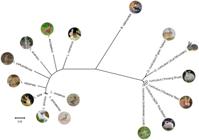
Phylogenetic tree of NZW rabbit in this study and other Lagomorph species based on MtDNA genome sequences.
The phylogeny tree branch representing Oryctolagus cuniculus provides a detailed illustration of the genetic relationships among various populations of domestic rabbits that are present today. This close clustering of Oryctolagus cuniculus populations highlights their shared evolutionary history and relatively minor genetic differences, suggesting a common ancestry within the genus. In contrast, the genus Lepus occupies a branch that is notably distant from Oryctolagus cuniculus, reflecting a much greater degree of genetic divergence and emphasizing the distinct evolutionary paths taken by these two genera. This separation underscores the substantial genetic differences between the domestic rabbits of Oryctolagus and the hares of Lepus, despite their shared classification within the family Leporidae which is consistent with findings reported in previous studies (Alves et al., 2008; Chapman and Flux, 1990). At the outermost edge of the phylogenetic tree, a separate branch is occupied by species from a different genus, such as Brachylagus idahoensis. This branch serves as an outgroup, providing a reference point for rooting the tree and enhancing the interpretation of evolutionary relationships among the species within the Leporidae family. The inclusion of an outgroup like Brachylagus idahoensis helps to contextualize the genetic distances and clarify the broader evolutionary framework depicted in the phylogenetic tree.
4. Conclusion
The New Zealand White (NZW) rabbit (Oryctolagus cuniculus) in this study spans 17,374 bp. The genome is AT-rich and exhibits gene-specific features in sequence length, codon usage, and amino acid composition, highlighting functional adaptations. The D-loop region in NZW rabbits contains repetitive elements that differ in length and frequency compare to other rabbit breeds, which may influence mitochondrial gene regulation and replication. Phylogenetic analysis showed a close genetic relationship between the NZW rabbit and other Oryctolagus cuniculus breeds, distinct from Lepus species. These findings provide important genetic insights that support breeding, conservation, and further scientific studies.
Acknowledgements
We gratefully acknowledge the support and contributions of all parties involved in this work.
Data Availability Statement
The research data are only available upon request to the corresponding author.
References
-
AHMED, S.S.E., ALI, N.I., ABDELHAFEZ, M.A., DARWISH, H.R. and EL-KEREDY, A., 2022. Mitochondrial d-loop sequences and haplotypes diversity in egyptian rabbit breeds. World Rabbit Science, vol. 30, no. 3, pp. 201-207. https://doi.org/10.4995/wrs.2022.17235
» https://doi.org/10.4995/wrs.2022.17235 -
ALLAM, M., AL-FARGA, A. and WLSON, M. 2024. Molecular genetic variations of some rabbit breeds using small mitochondrial rRNA sequences. Research square, pp. 1-15. https://doi.org/10.21203/rs.3.rs-3905831/v1
» https://doi.org/10.21203/rs.3.rs-3905831/v1 -
ALVES, P.C., FERRAND, N. and HACKLÄNDER, K., 2008. Lagomorph biology: evolution, ecology, and conservation Berlin: Springer. https://doi.org/10.1007/978-3-540-72446-9
» https://doi.org/10.1007/978-3-540-72446-9 -
ARNASON, U., ADEGOKE, J.A., BODIN, K., BORN, E.W., ESA, Y.B., GULLBERG, A., NILSSON, M., SHORT, R.V., XU, X. and JANKE, A., 2002. Mammalian mitogenomic relationships and the root of the eutherian tree. Proceedings of the National Academy of Sciences of the United States of America, vol. 99, no. 12, pp. 8151-8156. https://doi.org/10.1073/pnas.102164299 PMid:12034869.
» https://doi.org/10.1073/pnas.102164299 - CHAPMAN, J.A. and FLUX, J.E.C., 1990. Rabbits, hares and pikas: status survey and conservation action plan Gland, Switzerland: IUCN.
- CHIAL, H. and CRAIG, J., 2008. mtDNA and mitochondrial diseases. Nature Education, vol. 1, no. 1, pp. 217.
-
DE COSTER, W., D’HERT, S., SCHULTZ, D.T., CRUTS, M. and VAN BROECKHOVEN, C., 2018. NanoPack: visualizing and processing long-read sequencing data. Bioinformatics, vol. 34, no. 15, pp. 2666-2669. https://doi.org/10.1093/bioinformatics/bty149 PMid:29547981.
» https://doi.org/10.1093/bioinformatics/bty149 -
DING, L., CHEN, C., WANG, H. and ZHANG, B., 2016a. Complete mitochondrial DNA sequence of Lepus tolai (Leporidae: lepus). Mitochondrial DNA. Part A, DNA Mapping, Sequencing, and Analysis, vol. 27, no. 3, pp. 2085-2086. https://doi.org/10.3109/19401736.2014.982568 PMid:25391036.
» https://doi.org/10.3109/19401736.2014.982568 -
DING, L., CHEN, M., PAN, T., ZHANG, B., ZHOU, Y. and WANG, H., 2016b. Complete mitochondrial DNA sequence of Lepus sinensis (Leporidae: lepus). Mitochondrial DNA. Part A, DNA Mapping, Sequencing, and Analysis, vol. 27, no. 3, pp. 1711-1712. https://doi.org/10.3109/19401736.2014.961134 PMid:25242179.
» https://doi.org/10.3109/19401736.2014.961134 -
FELSENSTEIN, J., 1985. Confidence limits on phylogenies: an approach using the bootstrap. Evolution; International Journal of Organic Evolution, vol. 39, no. 4, pp. 783-791. https://doi.org/10.1111/j.1558-5646.1985.tb00420.x PMid:28561359.
» https://doi.org/10.1111/j.1558-5646.1985.tb00420.x - FRIEDMAN, J.R. and NUNNARI, J., 2014a. Mitochondria and evolution. Nature, vol. 505, pp. 325-333.
-
FRIEDMAN, J.R. and NUNNARI, J., 2014b. Mitochondrial form and function. Nature, vol. 505, no. 7483, pp. 335-343. https://doi.org/10.1038/nature12985 PMid:24429632.
» https://doi.org/10.1038/nature12985 -
FU, Y., 2015 [viewed 9 July 2025]. The complete mitochondrial genome of Lepus timidus’s genetic structure, genetic diversity and phylogenetic evolution (Direct access in NCBI Genbank with accession number KR030072) [online]. Available from: https://www.ncbi.nlm.nih.gov/nuccore/KR030072
» https://www.ncbi.nlm.nih.gov/nuccore/KR030072 -
GIANNOULIS, T., STARNATIS, C., TSIPOURLIANOS, A. and MAMURIS, Z., 2018. Mitogenome analysis in European brown hare (Lepus europaeus) proposes genetic and functional differentiation between the distinct lineages. Mitochondrial DNA. Part A, DNA Mapping, Sequencing, and Analysis, vol. 29, no. 3, pp. 353-360. https://doi.org/10.1080/24701394.2016.1278540 PMid:28129721.
» https://doi.org/10.1080/24701394.2016.1278540 -
GOMES-DOS-SANTOS, A., VILAS-ARRONDO, N., MACHADO, A.M., ROMÁN-MARCOTE, E., DEL RÍO IGLESIAS, J.L., BALDÓ, F., PÉREZ, M., FONSECA, M.M., CASTRO, L.F.C. and FROUFE, E., 2023. Mitochondrial replication’s role in vertebrate mtDNA strand asymmetry. Open Biology, vol. 13, no. 12, pp. 230181. https://doi.org/10.1098/rsob.230181 PMid:38113934.
» https://doi.org/10.1098/rsob.230181 -
LARSON, G. and FULLER, D.Q., 2013. The evolution of animal domestication. Annual Review of Ecology, Evolution, and Systematics, vol. 45, no. 1, pp. 115-136. https://doi.org/10.1146/annurev-ecolsys-110512-135813
» https://doi.org/10.1146/annurev-ecolsys-110512-135813 -
GUREVICH, A., SAVELIEV, V., VYAHHI, N. and TESLER, G., 2013. Quast: quality assessment tool for genome assemblies. Bioinformatics, vol. 29, no. 8, pp. 1072-1075. https://doi.org/10.1093/bioinformatics/btt086 PMid:23422339.
» https://doi.org/10.1093/bioinformatics/btt086 -
GUREZKA, R., LAAGE, R., BROSIG, B. and LANGOSCH, D.A., 1999. Heptad motif of leucine residues found in membrane proteins can drive self-assembly of artificial transmembrane segments. The Journal of Biological Chemistry, vol. 274, no. 14, pp. 9265-9270. https://doi.org/10.1074/jbc.274.14.9265 PMid:10092601.
» https://doi.org/10.1074/jbc.274.14.9265 -
HEAD, S.R., KOMORI, H.K., LAMERE, S.A., WHISENANT, T., NIEUWERBURGH, F.V., SALOMON, D.R. and ORDOUKHANIAN, P., 2014. Library construction for next-generation sequencing: overviews and challanges. BioTechniques, vol. 56, no. 2, pp. 61-81, 66, 68 passim. https://doi.org/10.2144/000114133 PMid:24502796.
» https://doi.org/10.2144/000114133 -
HU, S., ZHOU, J., CHEN, Y. and WU, X., 2018 [viewed 9 July 2025]. Mitochondrial DNA sequence of New Zealand white rabbit (Direct access in NCBI GenBank with accession number MH985853) [online]. Available from: https://www.ncbi.nlm.nih.gov/nuccore/MH985853
» https://www.ncbi.nlm.nih.gov/nuccore/MH985853 -
HUANG, Y.L., CHEN, Y.X., GUO, H.T., XU, Y.H., LIU, H.Y. and LIU, D.W., 2019. The complete mitochondrial genome sequence of Yarkand hare (Lepus yarkandensis). Mitochondrial DNA. Part B, Resources, vol. 4, no. 2, pp. 3727-3728. https://doi.org/10.1080/23802359.2019.1681321 PMid:33366162.
» https://doi.org/10.1080/23802359.2019.1681321 -
KOLMOGOROV, M., YUAN, J., LIN, Y. and PEVZNER, P.A., 2019. Assembly of long, errorprone reads using repeat graphs. Nature Biotechnology, vol. 37, no. 5, pp. 540-546. https://doi.org/10.1038/s41587-019-0072-8 PMid:30936562.
» https://doi.org/10.1038/s41587-019-0072-8 -
KOZHUKHAR, N., MITTA, S. and ALEXEYEV, M.F., 2020. Unusual mtDNA control region length heteroplasmy in the COS-7 cell line. Genes, vol. 11, no. 6, pp. 607. https://doi.org/10.3390/genes11060607 PMid:32486194.
» https://doi.org/10.3390/genes11060607 -
LAUBER, J., MARSAC, C., KADENBACH, B. and SEIBEL, P., 1991. Mutations in mitochondrial tRNA genes: a frequent cause of neuromuscular diseases. Nucleic Acids Research, vol. 19, no. 7, pp. 1393-1397. https://doi.org/10.1093/nar/19.7.1393 PMid:1709275.
» https://doi.org/10.1093/nar/19.7.1393 -
LESTARI, D.A., LATIFA, A.P., SUTOPO, S., KURNIANTO, E., SETIATIN, E.T., AGUSTINE, A.D., NABILAH, Z., KAMILA, F.T., PRAHARA, P.G., KAMALLUDIN, M.H. and SETIAJI, A., 2025. Genetic diversity and phylogenetic analysis of Indonesian local anda commercial rabbit breeds based on mitochondrial D-loop. Journal of The Indonesian Tropical Animal Agriculture, vol. 50, no. 3, pp. 189-198. https://doi.org/10.14710/jitaa.50.3.189-198
» https://doi.org/10.14710/jitaa.50.3.189-198 -
LI, C. and GUO,Y., 2024 [viewed 9 July 2025]. Mitochondrion Oryctolagus cuniculus (Jiuyi Mountain rabbit) [online]. Available from: https://www.ncbi.nlm.nih.gov/nuccore/PP357264.1a
» https://www.ncbi.nlm.nih.gov/nuccore/PP357264.1a -
LI, H., 2018. Minimap 2: pairwise alignment for nucleotide sequences. Bioinformatics, vol. 34, no. 18, pp. 3094-3100. https://doi.org/10.1093/bioinformatics/bty191 PMid:29750242.
» https://doi.org/10.1093/bioinformatics/bty191 -
LIU, R., JIN, L., LONG, K., TANG, Q., MA, J., WANG, X., ZHU, L., JIANG, A., TANG, G., JIANG, Y., LI, X. and LI, M., 2018. Analysis of mitochondrial DNA sequence and copy number variation across five high-altitude species and their low-altitude relatives. Mitochondrial DNA. Part B, Resources, vol. 3, no. 2, pp. 847-851. https://doi.org/10.1080/23802359.2018.1501285 PMid:33474342.
» https://doi.org/10.1080/23802359.2018.1501285 -
LIU, Y., ENGELMAN, D.M. and GERSTEIN, M., 2002. Genomic analysis of membrane protein families: abundance and conserved motifs. Genome Biology, vol. 3, no. 10, pp. research0054. https://doi.org/10.1186/gb-2002-3-10-research0054 PMid:12372142.
» https://doi.org/10.1186/gb-2002-3-10-research0054 - MARHAENIYANTO, E., RUSMIWARI, S. and SUSANTI, S., 2015. Pemanfaatan daun kelor untuk meningkatkan produksi ternak kelinci New Zealand White. Buana Sains, vol. 15, no. 2, pp. 119-126.
-
MELO-FERREIRA, J., VILELA, J., FONSECA, M.M., DA FONSECA, R.R., BOURSOT, P. and ALVES, P.C., 2014. The elusive nature of adaptive mitochondrial DNA evolution of an arctic lineage prone to frequent introgression. Genome Biology and Evolution, vol. 6, no. 4, pp. 886-896. https://doi.org/10.1093/gbe/evu059 PMid:24696399.
» https://doi.org/10.1093/gbe/evu059 -
MENG, G., LI, Y., YANG, C. and LIU, S., 2019. MitoZ: a toolkit for animal mitochondrial genome assembly, annotation and visualization. Nucleic Acids Research, vol. 47, no. 11, pp. e63. https://doi.org/10.1093/nar/gkz173 PMid:30864657.
» https://doi.org/10.1093/nar/gkz173 - MUSTAFA, S.I., HESLOP-HARRISON, J.S. and SCHWARZACHER, T., 2022. The complete mitochondrial genome from Iraqi Meriz goats and the maternal lineage using whole genome sequencing data. Iranian Journal of Applied Animal Science, vol. 12, no. 2, pp. 321-328.
-
NAFF, K.A. and CRAIG, S., 2012. The domestic rabbit, Oryctolagus cuniculus. the laboratory rabbit, guinea pig, hamster, and other rodents. In: M.A. SUCKOW, K.A. STEVENS and R.P. WILSON, eds. American college of laboratory animal medicine: the laboratory rabbit, guinea pig, hamster, and other rodents San Diego: Academic Press, pp. 157-163. https://doi.org/10.1016/B978-0-12-380920-9.00006-7
» https://doi.org/10.1016/B978-0-12-380920-9.00006-7 -
NILSSON, M.A., GULLBERG, A., SPOTORNO, E., ARNASON, U. and JANKE, A., 2003. Radiation of extant marsupials after k/t boundary: evidence from complete mitochondrial genomes. Journal of Molecular Evolution, vol. 57, suppl. 1, pp. S3-S12. https://doi.org/10.1007/s00239-003-0001-8 PMid:15008398.
» https://doi.org/10.1007/s00239-003-0001-8 -
SAHA, A., BACA, M., POPOVIC, D., MOHAMMADI, Z., OLSSON, U. and FOSTOWICZ-FRELIK, L., 2022. The first complete mitochondrial genome data of the pygmy rabbit Brachylagus idahoensis, the world’s smallest leporid. Data in Brief, vol. 42, pp. 108314. https://doi.org/10.1016/j.dib.2022.108314 PMid:35928589.
» https://doi.org/10.1016/j.dib.2022.108314 -
SBISÀ, E., TANZARIELLO, F., REYES, A., PESOLE, G. and SACCONE, C., 1997. Mammalian mitochondrial D-loop region structural analysis: identification of new conserved sequences and their functional and evolutionary implications. Gene, vol. 205, no. 1-2, pp. 125-140. https://doi.org/10.1016/S0378-1119(97)00404-6 PMid:9461386.
» https://doi.org/10.1016/S0378-1119(97)00404-6 -
SETIAJI, A., KURNIANTO, E. and SUTOPO, S., 2022a. Partial diallel cross for assessing genetic merit of local rabbit breed. World Rabbit Science, vol. 30, no. 3, pp. 195-200. https://doi.org/10.4995/wrs.2022.14990
» https://doi.org/10.4995/wrs.2022.14990 - SETIAJI, A., LESTARI, D.A., KURNIANTO, E. and SUTOPO, S., 2022b. Morphometric traits of imported rabbits and their progenies. Journal of Advanced Veterinary and Animal Research, vol. 12, no. 3, pp. 217-220.
-
SETIAJI, A., LESTARI, D.A., PANDUPUSPITASARI, N.S., AGUSETYANINGSIH, I. and KHAN, F.A., 2023. Genetic characteristics of complete mtDNA genome sequence of Indonesian local rabbit (Oryctolagus cuniculus). Journal of Genetic Engineering and Biotechnology, vol. 21, no. 1, pp. 96. https://doi.org/10.1186/s43141-023-00546-1 PMid:37812313.
» https://doi.org/10.1186/s43141-023-00546-1 -
SETIAJI, A., LESTARI, D.A., SUTOPO, S., ONDHO, Y.S. and KURNIANTO, E., 2021. Gestation length and litter size of New Zealand white grade rabbit. Jurnal Sain Peternakan Indonesia, vol. 16, no. 3, pp. 288-291. https://doi.org/10.31186/jspi.id.16.3.288-291
» https://doi.org/10.31186/jspi.id.16.3.288-291 -
SHAN, W., 2019 [viewed 9 July 2025]. Mitochondrion Lepus yarkandensis (Yarkand hare) (Direct access in NCBI Genbank with accession number MN539747) [online]. Available from: https://www.ncbi.nlm.nih.gov/nuccore/MN539747
» https://www.ncbi.nlm.nih.gov/nuccore/MN539747 -
SHAN, W., TURSUN, M., ZHOU, S., ZHANG, Y. and DAI, H., 2020. The complete mitochondrial genome sequence of Lepus tolai in Xinjiang. Mitochondrial DNA. Part B, Resources, vol. 5, no. 2, pp. 1336-1337. https://doi.org/10.1080/23802359.2020.1735267
» https://doi.org/10.1080/23802359.2020.1735267 -
SUZUKI, T., YASHIRO, Y., KIKUCHI, I., ISHIGAMI, Y., SAITO, H., MATSUZAWA, I., OKADA, S., MITO, M., IWASAKI, S., MA, D., ZHAO, X., ASANO, K., LIN, H., KIRINO, Y., SAKAGUCHI, Y. and SUZUKI, T., 2020. Complete chemical structures of human mitochondrial tRNAs. Nature Communications, vol. 11, no. 1, pp. 4269. https://doi.org/10.1038/s41467-020-18068-6 PMid:32859890.
» https://doi.org/10.1038/s41467-020-18068-6 -
TAMURA, K. and NEI, M., 1993. Estimation of the number of nucleotide substitutions in the control region of mitochondrial DNA in humans and chimpanzees. Molecular Biology and Evolution, vol. 10, no. 3, pp. 512-526. https://doi.org/10.1093/oxfordjournals.molbev.a040023 PMid:8336541.
» https://doi.org/10.1093/oxfordjournals.molbev.a040023 -
TAMURA, K., STECHER, G. and KUMAR, S., 2021. MEGA11: molecular evolutionary genetics analysis version 11. Molecular Biology and Evolution, vol. 38, no. 7, pp. 3022-3027. https://doi.org/10.1093/molbev/msab120 PMid:33892491.
» https://doi.org/10.1093/molbev/msab120 -
VASER, R., SOVIC, I., NAGARAJAN, N. and SIKIC, M., 2017. Fast and accurate de novo genome assembly from long uncorrected reads. Genome Research, vol. 27, no. 5, pp. 737-746. https://doi.org/10.1101/gr.214270.116 PMid:28100585.
» https://doi.org/10.1101/gr.214270.116 - VERHOEF-VERHALLEN, E., 1998. Encyclopaedia of Rabbits and Rodents Rebo Productions Lisse, Netherlands: Rebo Productions Ltd.
-
WANG, J.L. and YANG, G., 2010 [viewed 9 July 2025]. Mitochondrion Lepus capensis (Brown hare) (Direct access in NCBI Genbank with accession number GU937113.1) [online]. Available from: https://www.ncbi.nlm.nih.gov/nuccore/GU937113.1
» https://www.ncbi.nlm.nih.gov/nuccore/GU937113.1 -
WANG, X., KONG, L. and LI, Y., 2011 [viewed 9 July 2025]. The content and structure of the complete mitochondrial genome sequences of Lepus hainanus and the phylogenetic position of Lepus hainanus according to the mitogenome (Direct access in NCBI Genbank with accession number JQ219662.1) [online]. Available from: https://www.ncbi.nlm.nih.gov/nuccore/JQ219662.1
» https://www.ncbi.nlm.nih.gov/nuccore/JQ219662.1 -
WANG, X., ZENG, H.M., WANG, Y., LUO, Y., YAO, X.P. and YANG, Z., 2021. The complete mitochondrial DNA sequence of Chuanbai Rex rabbit (Oryctolagus cuniculus). Mitochondrial DNA. Part B, Resources, vol. 6, no. 1, pp. 129-130. https://doi.org/10.1080/23802359.2020.1848476 PMid:33537420.
» https://doi.org/10.1080/23802359.2020.1848476 -
WHITE, L.K. and HESSELBERTH, J.R., 2022. Modification mapping by nanopore sequencing. Frontiers in Genetics, vol. 13, pp. 1037134. https://doi.org/10.3389/fgene.2022.1037134 PMid:36386798.
» https://doi.org/10.3389/fgene.2022.1037134 -
WICK, R.R., JUDD, L.M. and HOLT, K.E., 2019. Performance of neural network base calling tools for Oxford Nanopore sequencing. Genome Biology, vol. 20, no. 1, pp. 129-139. https://doi.org/10.1186/s13059-019-1727-y PMid:31234903.
» https://doi.org/10.1186/s13059-019-1727-y -
XIA, X.T., ACHILLI, A., LENSTRA, J.A., TONG, B., MA, Y., HUANG, Y.Z., HAN, J.L., SUN, Z.Y., CHEN, H., LEI, C.Z., HU, S.M. and CHEN, N.B., 2021. Mitochondrial genomes from modern and ancient Turano-Mongolian cattle reveal an ancient diversity of taurine maternal lineages in East Asia. Heredity, vol. 126, no. 6, pp. 1000-1008. https://doi.org/10.1038/s41437-021-00428-7 PMid:33782560.
» https://doi.org/10.1038/s41437-021-00428-7 -
YAO, C., LI, Y., LIU, L., MA, C., LIU, Y.G. and LIU, Y.H., 2019. The complete mitochondrial DNA sequence of Yimeng wool rabbit. Mitochondrial DNA. Part B, Resources, vol. 4, no. 2, pp. 3858-3859. https://doi.org/10.1080/23802359.2019.1687022 PMid:33366221.
» https://doi.org/10.1080/23802359.2019.1687022 -
YU, J.N. and KWAK, M., 2013 [viewed 9 July 2025]. The complete mitochondrial genome of Korean hare (Lepus coreanus, Thomas 1892) (Direct access in NCBI Genbank with accession number KF040450.1) [online]. Available from: https://www.ncbi.nlm.nih.gov/nuccore/KF040450.1
» https://www.ncbi.nlm.nih.gov/nuccore/KF040450.1 -
ZASCAVAGE, R.R., HALL, C.L., THORSON, K., MAHMOUD, M., SEDLAZECK, F.J. and PLANZ, J.V., 2019. Approaches to whole mitochondrial genome sequencing on the Oxford Nanopore MinION. Current Protocols in Human Genetics, vol. 104, no. 1, pp. e94. https://doi.org/10.1002/cphg.94 PMid:31743587.
» https://doi.org/10.1002/cphg.94 -
ZASCAVAGE, R.R., THORSON, K. and PLANZ, J.V., 2018. Nanopore sequencing: an enrichment-free alternative to mitochondrial DNA sequencing. Electrophoresis, vol. 40, no. 2, pp. 272-280. https://doi.org/10.1002/elps.201800083 PMid:30511783.
» https://doi.org/10.1002/elps.201800083 -
ZHOU, T., ZHOU, J., CHEN, Y. and WU, X., 2021 [viewed 9 July 2025]. Mitochondrion Oryctolagus cuniculus (Fujian yellow rabbit) [online]. Available from: https://www.ncbi.nlm.nih.gov/nuccore/MN518689.1
» https://www.ncbi.nlm.nih.gov/nuccore/MN518689.1
Edited by
-
Editor:
Takako Matsumura Tundisi


