 “Any profit is better than nothing”: power asymmetry in benefit sharing agreements in Amazon’s bioeconomy era
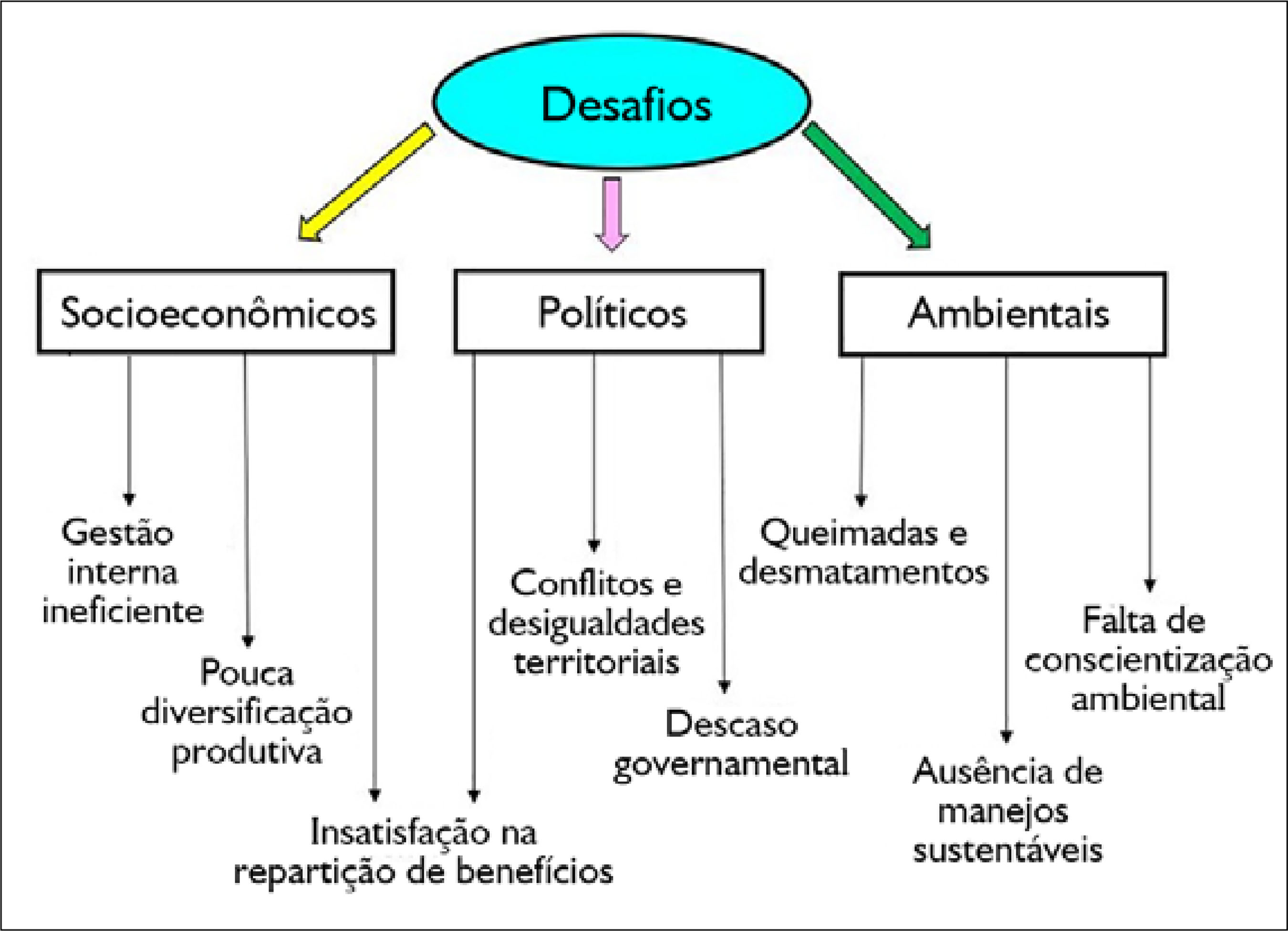
This study analyzes the perception of representatives of agroextractive cooperatives with regard to the effectiveness of their benefit-sharing agreements signed with cosmetics companies. It furthermore analyzes the main challenges from the perspective of Brazilian legislation on access to genetic heritage and the protection and access to the traditional knowledge associated with it (Law n. 13.123/2015, also known as the ‘Biodiversity Law’). Semi-structured questionnaires were applied to 13 representatives of agroextractive cooperatives in the state of Pará. The methodological procedures were based on a qualitative and quantitative analysis. The results showed that only five (38.5%) of the interviewed cooperatives have benefit-sharing agreements, involving three companies. The interviewees emphasized that the cooperatives do not have effective negotiating power, since the companies’ decision regarding the application of the resources from this agreement prevails over the real needs of the cooperatives and their members. Therefore, the analysis confirms that there is an imbalance of power that persists in the negotiation game of the current benefit-sharing established by law. This imbalance violates the principle of equity that would be essential to promote fair, collaborative and participatory sharing between companies and communities/cooperatives.
Keywords
Biodiversity Law; Agroextractive cooperatives; Associated traditional knowledge; Sociobioeconomics; Power relations
 Thumbnail
 Thumbnail
 Thumbnail