
 The curious case of the Parque Ecológico Estadual Lagoa da Jansen
Abstract
The reclassification of protected areas in Brazil remains a challenge for environmental management, particularly in urban zones. This study analyzes the Parque Ecológico Estadual Lagoa Jansen (PEE), in Maranhão, Brazil, whose legal uncertainty and socio-environmental dynamics hinder the development of an effective management plan. Through an integrative review of 16 documents, the historical, political, and environmental contexts of the park were examined from its creation to 2025, revealing issues such as irregular urban occupation and legal disputes regarding its category within the National System of Conservation Units (SNUC). As a solution, it is recommended to reclassify the area as an Area de Proteção Ambiental (APA), reconciling sustainable uses with biodiversity conservation. These conclusions provide a basis for future political and regulatory decisions, aiming to enhance environmental management effectiveness and strengthen social participation.
Keywords:
Protected areas; conservation; environmental management; recategorization; public use
Resumo
A recategorização de áreas protegidas no Brasil permanece um desafio para a gestão ambiental, principalmente em zonas urbanas. Este estudo analisa o Parque Ecológico Estadual (PEE) Lagoa da Jansen, no Maranhão, Brasil, cuja indefinição legal e dinâmica socioambiental dificultam a elaboração de um plano de manejo efetivo. Por meio de revisão integrativa de 16 documentos, examinaram-se contextos histórico, político e ambiental do parque desde sua criação até 2025, constatando-se problemas como ocupação urbana irregular e conflitos jurídicos quanto à sua categoria no Sistema Nacional de Unidades de Conservação (SNUC). Como solução, recomenda-se recategorizá-lo para Área de Proteção Ambiental (APA), compatibilizando usos sustentáveis com a conservação da biodiversidade. Essas conclusões subsidiam decisões políticas e normativas futuras, buscando maior efetividade na gestão ambiental e fortalecimento da participação social.
Palavras-chave:
Áreas protegidas; conservação; gestão ambiental; recategorização; uso público
Resumen
La recategorización de áreas protegidas en Brasil sigue siendo un desafío para la gestión ambiental, especialmente en zonas urbanas. Este estudio analiza el Parque Ecológico Estadual (PEE) Lagoa da Jansen en Maranhão, Brazil, cuya incertidumbre jurídica y dinámica socioambiental dificultan el desarrollo de un plan de gestión eficaz. Mediante una revisión integradora de 16 documentos, se examinaron los contextos histórico, político y ambiental del parque desde su creación hasta 2025, identificando problemas como la ocupación urbana irregular y conflictos legales en torno a su clasificación en el Sistema Nacional de Unidades de Conservación (SNUC). Como solución, se recomienda su recategorización como Área de Proteção Ambiental (APA), conciliando los usos sostenibles con la conservación de la biodiversidad. Estas conclusiones orientan futuras decisiones políticas y regulatorias, buscando una mayor eficacia en la gestión ambiental y fortaleciendo la participación social.
Palabras-clave:
Áreas protegidas; conservación; gestión ambiental; recategorización; uso público
Introduction
Protected areas are globally recognized as fundamental instruments for biodiversity conservation and sustainable development (DUDLEY, 2008; IUCN, 2025). In this context, the International Union for Conservation of Nature (IUCN) and the Convention on Biological Diversity (CBD) establish that each protected area must align with specific objectives of preservation, conservation, and sustainable use (UNEP-WCMC; IUCN, 2025). Since the initial proposals for the creation of protected area systems (DAVEY, 1998), several countries have developed their own models, encompassing different categories according to conservation purposes and the degree of human interference tolerated (MAXWELL et al., 2020). In areas of high biological value, with great diversity of endemic species and low anthropic pressure, more restrictive categories tend to be adopted, whereas in places already impacted or traditionally used by local communities, sustainable use categories are generally preferred (SALVIO; GOMES, 2018; IUCN, 2025).
In Brazil, the legal framework for protected areas was consolidated with the enactment of Federal Law No. 9.985/2000, which established the National System of Conservation Units (SNUC), complemented by Federal Decrees No. 4.340/2002 and 5.746/2006, and by the National Strategic Plan for Protected Areas (PNAP), instituted through Federal Decree No. 5.758/2006. Although the concept of a “Conservation Unit” (UC) as a protected area was formally introduced in Brazil with the SNUC, these units meet the criteria established by the IUCN for protected areas (DUDLEY, 2008; IUCN, 2025). From the 1980s onwards, driven by the growing global environmental agenda and reinforced by the creation of the SNUC, the country significantly expanded the extent of its protected areas to meet international conservation commitments (FONSECA et al., 2019). Currently, Brazil has 3,119 UCs, encompassing 1,631,125 km² of terrestrial areas and 968,290 km² of marine areas. Approximately 69% of these UCs were established after the SNUC came into force (MMA, 2025). Still, around 31% were created before the SNUC, which led to the establishment of Article 55 of Federal Law No. 9.985/2000, requiring the reassessment and, if necessary, the reclassification of these units to align them with the new conservation guidelines.
Despite the national legal framework defined by the SNUC, Brazilian UCs may also be regulated at local levels through state protected area systems, or, more rarely, municipal systems. Within this context lies the Parque Ecológico Estadual Lagoa da Jansen (PEE Lagoa da Jansen), currently considered a UC under the state protected area system, specifically the State System of Conservation Units (SEUC) of Maranhão, as established by State Law No. 9.413/2011. The PEE Lagoa da Jansen is an example of a UC created before the SNUC, whose primary purpose, described in its founding legislation (State Law No. 4.878 of June 23, 1988), included both the protection of mangrove remnants and public use, such as recreational and sports activities. In parallel, other categories exist, such as “Urban Parks,” which can be understood as public spaces in urban areas designed for environmental conservation as well as social and leisure purposes for the community (SAKATA; GONÇALVES, 2019). However, these do not fall under the SNUC and are not legally recognized as Conservation Units. It is important to note that, although the Urban Park does not constitute a legally regulated category, as does the “Park” category under the SNUC, there is currently a conceptual and functional conflict in the creation of such areas, especially at the municipal level, between “Urban Parks” and “Municipal Natural Parks.”
Since the consolidation of the SNUC, many parks (national, state, or municipal) have shown inconsistencies between their original objectives and the effective management guidelines required for conservation (FÉLIX; FONTGALLAND, 2021). In the case of PEE Lagoa da Jansen, these inconsistencies stem not only from the tension between preservation and public use but also from its legal classification, which predates current legislation. Furthermore, the designation “Lagoa” (lagoon) contrasts with the local geomorphological characteristics, highlighting the need for conceptual updates aligned with scientific and legal advances, as well as considerations regarding reclassification to better meet conservation and sustainable use goals.
The reclassification of protected areas in Brazil is, therefore, a critical issue for contemporary environmental management. Beyond addressing historical and legal gaps, reclassification is essential to align UCs with international standards, such as the IUCN Management Categories, and to promote conservation effectiveness in accordance with commitments under the Paris Agreement, the Aichi Targets, and, more recently, the Post-2020 Global Biodiversity Framework (CBD, 2022). In this regard, understanding the challenges faced by Brazilian UCs and the specificity of each case is crucial to inform public policies and future management practices (SALVIO; GOMES, 2018; FONSECA et al., 2019).
This study, by examining the PEE Lagoa da Jansen, seeks to contribute to this debate by providing technical and scientific insights for its appropriate reclassification and updating. To this end, we investigated the historical context of its creation, the dynamics of land use and occupation in the area, its environmental and geomorphological characteristics, as well as current management conflicts arising from its legal situation. The findings are expected not only to guide the reclassification of PEE Lagoa da Jansen but also to provide reflections applicable to other UCs in similar situations, thereby reinforcing Brazil’s alignment with international guidelines for the conservation and sustainable use of protected areas.
Methodology
Study Area
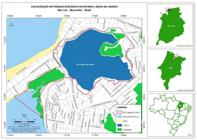
The PEE Lagoa da Jansen was established by State Law No. 4.878 of June 23, 1988. It currently encompasses an area of approximately 197.00 hectares, located at coordinates 2°29’58.82” S and 44°18’7.29” W (State Decree No. 28.690/2012), within the Praias sub-basin, in a prime region of the municipality of São Luís, Maranhão, Brazil (Figure 1). Within the total area, about 58% is occupied by a lagoon, partially surrounded by a gallery forest composed of remnants of mangrove vegetation mixed with secondary forest from the Amazon biome, while the remaining portions consist of urbanized areas, primarily recreational spaces such as squares, sports facilities, and other built structures (SEMA, 2012).
Data Collection
The study adopted the integrative review as its methodological strategy (DE SOUSA; BEZERRA; DO EGYPTO, 2023), as it enables a descriptive and exploratory synthesis encompassing different sources of evidence regarding the PEE Lagoa da Jansen. This methodology allowed the incorporation of theoretical studies, technical reports, and legal documents, thereby providing greater scope and flexibility to the analysis (SOUZA; SILVA; CARVALHO, 2010; DE SOUSA; BEZERRA; DO EGYPTO, 2023). The review was conducted online through the retrieval of scientific documents (articles, conference proceedings, books, dissertations, and theses) available in the CAPES Portal and Google Scholar databases, without excluding non-indexed publications, provided they had identified authorship and relevance to the topic. Non-scientific documents (laws, decrees, ordinances, reports, and technical opinions) obtained from official repositories (Planalto, LexML, Legislative Assembly of the State of Maranhão, and Maranhão State Department of Environment) were also analyzed. For the search of scientific and other documents, the keywords “Lagoa da Jansen,” “Laguna da Jansen,” and their combinations in Portuguese and English were used. The inclusion criteria adopted for document selection were: time frame (1975-2025), language (Portuguese or English), full-text availability with a focus on the PEE Lagoa da Jansen and verified authenticity. To ensure reliability, only documents with authenticity certified by recognized institutions were considered, in accordance with recommendations concerning the broad coverage of evidence (BOTELHO; CUNHA; MACEDO, 2011).
Data Analyses
The process of data analysis and synthesis was carried out descriptively through a qualitative evaluation of the selected documents. For this purpose, titles, abstracts, and keywords were examined in the case of scientific documents, while keyword searches were performed across the full text of non-scientific documents, followed by a complete analysis of potentially eligible sources to assess their relevance within the context of the reclassification of the study area. This process resulted in a table listing the selected documents, organized by title, year, publisher, database, and contextual dimension (Table 1; Supplementary Document). The documents were classified into two analytical dimensions (geoenvironmental/ecological and legal/political) to support the technical and scientific foundation for the reclassification of the Lagoa da Jansen State Ecological Park.
Results
The review, based on the use of combined keywords, initially identified 31 documents. After applying the eligibility criteria, only 16 documents were included in this study’s integrative review (Table 1). Of the total, 50% were published more than 10 years ago (prior to 2014), 68.7% were retrieved from the Google Scholar database, three of which were also available in the CAPES Journal Portal, and only two were found exclusively in the CAPES Journal Portal. Only three non-scientific documents were considered in the review: Law No. 4.878/1988 establishing the PEE Lagoa da Jansen, Decree No. 28.690/2012, which temporarily reclassified the PEE Lagoa da Jansen as the APA Lagoa da Jansen, and the technical report that supported the drafting of this decree (SEMA, 2012). Most of the reviewed documents (62.5%) focused on analyzing geoenvironmental or ecological aspects related to the area of PEE Lagoa da Jansen, while 37.5% addressed social and political aspects. Based on the analysis of the selected documents, a discussion is presented considering the historical and geoenvironmental context, as well as the main problems and threats that justify the need for reassessing the reclassification of PEE Lagoa da Jansen.
Discussion
Historical Context
In the mid-1970s, São Luís, in the state of Maranhão, underwent an intense process of urbanization driven by significant public investments in infrastructure. Among the main urban interventions were the construction of the Governador Newton Bello and Governador José Sarney bridges, which connected the old city to the new, stimulating the expansion of the urban fabric beyond the mouth of the Anil River (BRANCO, 2012). During this same period, the São Luís Transportation and Development Plan was approved, which included local zoning. The plan led to several land-use changes, such as deforestation, soil impermeabilization, and the filling of wetland areas. These actions included the construction of Colares Moreira Avenue (1969-1970), which blocked the Jaracati stream, and the creation of Maestro João Nunes Avenue, known as Ana Jansen Avenue, in 1974. The latter connected the São Francisco neighborhood to the northwestern seafront of São Luís, resulting in the damming of the Jansen stream and the formation of a lagoon, now called Lagoa da Jansen (BRANCO, 2012).
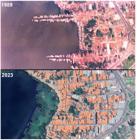
According to the urbanization plan for the Ponta d’Areia neighborhood, the construction of Ana Jansen Avenue and the damming of the Jansen stream were intended to transform the area into a high-standard tourist and residential hub, due to its proximity to the old city, then considered the urban center (COELHO, 2002). However, despite the planning, urbanization of the region was marked by disorderly occupation, leading to the construction of precarious housing, such as stilt houses, in ecologically sensitive areas, particularly mangroves and wetlands (Figure 2). This occurred mainly among low-income families seeking proximity to their livelihoods and workplaces.
About ten years after these events, the area known as Lagoa da Jansen was undergoing an ecological imbalance due to the high contamination of its waters by urban sewage discharge and the significant reduction of mangrove vegetation (COELHO, 2012). During this same period, the Superintendence of Urbanism of the Capital S/A began selling lots in wetland areas of the lagoon to private owners (BRANCO, 2012). This process of land parceling, combined with increased deforestation and the strong odor caused by domestic sewage pollution, generated considerable pressure to fill in the lagoon. However, thanks to popular resistance in São Luís, which opposed such actions, the landfilling was never carried out (COELHO, 2002).
In 1988, to prevent the filling of the lagoon and in response to public demands, a bill No. 37 of March 30, 1988, was submitted to the Legislative Assembly of Maranhão, proposing to designate the area as an “Reserva Ecológica”. After intense debate between opposing groups, the designation was changed to “Ecological Park.” In June of that year, the Parque Ecológico Estadual Lagoa da Jansen (PEE Lagoa da Jansen) was established by State Law No. 4.878 of June 23, 1988 (Figure 3), with the purpose of providing public use, recreation, sports activities, and green areas, as established in its Article 1.
In 2000, with the enactment of Federal Law No. 9.985, the need arose to reassess PEE Lagoa da Jansen within the categories established by the National System of Conservation Units (SNUC), within a maximum period of two years. The reassessment was meant to classify the park into one of two groups of Conservation Units (CUs): “Strict Protection” or “Sustainable Use.” According to item VI of Article 2 of the SNUC, Strict Protection CUs aim to “maintain ecosystems free from alterations caused by human interference, allowing only the indirect use of their natural attributes.” In such units, the main objective is nature preservation, generally permitting only indirect use of natural resources. Sustainable Use CUs, according to the same article, are characterized by the “exploitation of the environment in a way that ensures the perpetuity of renewable environmental resources and ecological processes, while maintaining biodiversity and other ecological attributes, in a socially just and economically viable manner.” Conservations Units in this group seek to reconcile nature conservation with the sustainable exploitation of part of their natural resources.
Even after the two-year deadline following the SNUC’s enactment, PEE Lagoa da Jansen remained classified as a “Parque Ecológico” a category not recognized within the SNUC. Thus, its classification remained undefined between the groups of Strict Protection or Sustainable Use. In 2011, the State System of Conservation Units (SEUC) was established in Maranhão by Law No. 9.413/2011, adapting the SNUC and Federal Decree No. 4.340/2002 to state and municipal CUs. Like the SNUC, the SEUC established, in its Chapter IV, the same categories of CUs within the Strict Protection and Sustainable Use groups, which left PEE Lagoa da Jansen without a defined categorization.
In 2012, based on Chapter XIII, Article 85 of the SEUC, which set a maximum period of two years for the reassessment of protected areas created under previous legislation, the Maranhão State Department of Environment (SEMA) initiated an administrative process. This process resulted in State Decree No. 28.690/2012, which reclassified the “Parque Ecológico” as an “Area de Proteção Ambiental” (APA), a category within the group of Sustainable Use CUs. About a year later, the Public Prosecutor’s Office of Maranhão (MPM), through a public civil action, requested the annulment of this reclassification, arguing that the State of Maranhão had violated the hierarchical principle of legal norms by revoking State Law No. 4.878/1988 through State Decree No. 28.690/2012. Approximately four years later, in 2017, the judicial decision was favorable to the MPM, reverting the APA Lagoa da Jansen back to its original designation as PEE Lagoa da Jansen, a category not provided for in either the SNUC or the SEUC (Figure 3).

Timeline of events within the geoenvironmental (green) and legal/political (blue) context of the PEE Lagoa da Jansen.
Geoenvironmental Context
The use of the term “laguna” to refer to the PEE Lagoa da Jansen throughout the text is due to the fact that the water body in question is an artificial impoundment that still maintains a connection to the sea through sluice gates. Lagoons are depressions in coastal zones, filled with brackish or salt water, that communicate with the marine environment through channels (KJERFVE, 1986; GUERRA; GUERRA, 2008). Another characteristic of this type of lagoon formation is its dependence on seawater contact and tidal influence (MACEDO, 2007). Although the official name remains “PEE Lagoa da Jansen,” several researchers who have worked in the region have employed the term “laguna” in their studies (SANTOS; MASULLO, 2009; SILVA, 2021; LIMA, 2023; PINHEIRO; AQUINO, 2024).
According to BRANCO (2012), about 50 years ago, before the construction of Colares Moreira and Ana Jansen Avenues, the area currently occupied by PEE Lagoa da Jansen was a natural zone composed mainly of mangroves and tidal creeks (igarapés), subject to tidal reflux (Figure 4). As in much of the island of São Luís, the park area is in a transitional zone, influenced by dynamic continental and marine processes, which host ecologically important ecosystems, including mangroves (LIMA, 2023). The gradual blocking of these creeks reduced water flow and led to the impoundment of areas formerly flushed by tides. This process resulted in the submersion of large areas of mangrove, tidal flats, and creeks. Moreover, the reduction in the extent of flooded areas favored the occupation of adjacent mangrove zones, highly sought after for real estate development.
The effective emergence of the lagoon dates back to the 1970s, when the Jansen and Jaracati creeks were dammed during the construction of Colares Moreira and Ana Jansen Avenues (BRANCO, 2012). This process created a lagoon with a water volume of 1,147,744 m³, an average depth of 1 m (maximum of 3.5 m), and subject to variations from tides and precipitation (SEMA, 2012). Although the region had suffered environmental degradation since the 1960s, including the installation of stilt houses and the formation of a small settlement in the 1980s, the lagoon emerged primarily through anthropogenic action, as mangrove and tidal flat areas became permanently submerged, covering approximately 56% of the total area of PEE Lagoa da Jansen (BRANCO, 2012).
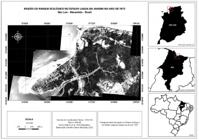
Location map of the PEE Lagoa da Jansen area, São Luís Maranhão, before the formation of the lagoon in 1975
Originally, PEE Lagoa da Jansen was created without a defined area or boundaries. Only in 2012, through State Decree No. 28.690, was a perimeter of 196.965 hectares established. Although the Public Prosecutor’s Office of Maranhão (MPM) questioned the validity of this decree, the absence of delimitation in the founding legislation led both park managers and subsequent studies to adopt this area as a reference. Between 1975 and 2011, analyses within the PEE area recorded a 587% increase in medium/high-standard housing and a 226% increase in low-standard housing, along with a 71.8% reduction in vegetation cover (MASULLO et al., 2014). From 1999 to 2019, urbanization expanded by 51%, mainly concentrated in the northwest and along the drainage channel, influenced by redevelopment works initiated in 2001 (MARTINS et al., 2020).
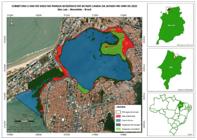
Currently, in addition to the 63% water body (124.53 ha, comprising 13.45 ha at the mouth of the Jansen stream and 111.08 ha corresponding to the lagoon), the PEE encompasses 17% mangrove vegetation (32.7 ha), 9% secondary vegetation (17.21 ha), and 11% urbanized area (22.52 ha), as shown in Figure 5. Regarding vegetation cover, the remaining mangroves are predominantly composed of Avicennia germinans (siriba mangrove), followed by Laguncularia racemosa (white mangrove). The secondary shrubby vegetation includes Orbignya martiniana (babaçu), a species protected at the state level, as well as invasive species such as Terminalia catappa (tropical almond). In total, 22 plant families have been identified in the area (SEMA, 2012; PINHEIRO; AQUINO, 2024).
Within the lagoon, there is a predominance of blue-green algae (Cyanophyceae), bioindicators of eutrophic environments (SEMA, 2012). Since 1991, the lagoon has been affected by eutrophication, with a daily sewage discharge volume estimated at 2,710 m³, considering only the resident population within its perimeter at the time (SILVA, 2021). These problems, combined with alterations in saltwater inflow, have caused environmental imbalances in the lagoon’s aquatic ecosystem, rendering it largely anoxic and eutrophic, with negative impacts on local flora and fauna. Despite these adverse environmental conditions, the lagoon hosts around 22 species of zooplankton, 13 benthic macrofauna species, and 23 fish species, which may use the environment as a seasonal refuge (SEMA, 2012). In addition, approximately 33 bird species have been recorded (SEMA, 2012), including seven migratory ones, such as the royal tern (Thalasseus maximus), currently classified as endangered (ICMBio, 2018).
At present, the entire lagoon and its remaining vegetation are surrounded by urbanized areas. To the northwest, it is separated from the beach strip by an urbanized area about 100 meters wide. To the southwest, Ana Jansen Avenue separates two sections of the PEE Lagoa da Jansen: the mouth of the Jansen stream, which contains the largest amount of remaining mangrove cover, and the lagoon area itself, while also providing tidal inflow through a sluice gate system. To the southeast, it is separated by an urbanized strip approximately 100 meters wide from another fragment of secondary vegetation and mangrove on the island of São Luís. To the northeast, it is bordered by the Lagoa da Jansen neighborhood and the pioneer settlement of the Lagoa da Jansen community, established in the 1980s (BRANCO, 2012).
Problems and Solutions
Throughout its existence, the PEE Lagoa da Jansen has faced complex problems arising from the intense urbanization process around it. A significant portion of these negative impacts initially stemmed from disorderly occupation, where irregular landfills and constructions along the lagoon shoreline caused the destruction of mangroves and the loss of natural habitats essential to local biodiversity (COELHO, 2002). These impacts were later exacerbated by attempts to address them through further urbanization and soil impermeabilization in various areas surrounding the park (MASULLO et al., 2014).
In addition, the insufficient sewage infrastructure in the area continues to result in the direct discharge of untreated wastewater, intensifying water pollution, foul odors, and the eutrophication of the lagoon. Over the past years, recurring fish mortality events have been reported in the local press (November 2016, 2018, 2022, and 2023). Although no specific studies have been conducted on these events, their probable causes are linked to oxygen depletion associated with increased eutrophication (SEMA, 2012).
In 2001, under the Lagoa da Jansen recovery program, 48 sewage discharge points were identified and redirected, in addition to the urbanization of 491,000 m² intended to provide public utility to areas of the park (BRANCO, 2012). In 2010, the Vinhais neighborhood wastewater treatment plant was inaugurated, reducing the volume of untreated domestic sewage discharged into the lagoon. However, despite this reduction, large volumes of sewage continued to be released, prompting the Federal Public Prosecutor’s Office, in 2018, to file a civil action against the Government of Maranhão and the Maranhão Environmental Sanitation Company (CAEMA), demanding a solution to sewage disposal in PEE Lagoa da Jansen. According to a survey of raw sewage discharge points conducted by SILVA (2021), 80 discharge points were identified in 2016, decreasing to 34 in 2017, 13 in 2018, and 8 in 2019. Although there was a 90% reduction in sewage discharge points between 2016 and 2018, the actual volume of sewage entering the lagoon remains unknown, and eutrophication continues to be a major environmental issue.
A critical factor hindering the resolution of these problems is the legal uncertainty surrounding PEE Lagoa da Jansen. Since it was created before the SNUC framework, it was excluded from many of the management and enforcement guidelines established by law. In practice, this legal gap generates insecurity regarding the effective enforcement of protective regulations, hindering land-use planning, the control of illegal discharges, and the regulation of tourism and leisure activities. Studies have shown that the absence of robust governance mechanisms and social participation in protected areas, combined with the lack of an updated management plan, worsens biodiversity loss, pollution, and landscape degradation, undermining both the ecological and social functions these spaces should fulfill (FGV-CeDHE; WWF-Brasil, 2020; SILVA, 2021).
Within this context, a possible solution would be the reclassification of the current PEE Lagoa da Jansen as the “Área de Proteção Ambiental - APA” Lagoa da Jansen, to better accommodate land-use and occupation needs without neglecting ecological conservation. Considering ongoing discussions on the reclassification of protected areas in Brazil, APAs emerge as an alternative by allowing greater flexibility in sustainable management within environments already subject to anthropogenic alteration. APAs also broaden local community participation through advisory councils, mechanisms of social participation established under SNUC and SEUC, which are particularly important in areas with conflicting land uses and the presence of low-income communities (BRANCO, 2012). This is possible because APAs permit the coexistence of strict protection zones with sustainable use zones through zoning, facilitating consensus-building and strategies to reduce pressures on sensitive areas and impacts on ecosystems (FGV-CeDHE; WWF-Brasil, 2020).
In Brazil, there are several cases of CU reclassification to align with SNUC or similar state systems. According to SILVA (2021), based on the CNUC database, 56 cases of CU reclassification for compliance with SNUC have been documented, including eight at the federal level and 48 at the state or district level. Categories not recognized by SNUC, such as Forest Gardens, Ecological Reserves, State Reserves, and Forest Parks, are examples that have undergone reclassification processes for alignment with current legislation. In all cases, the main motivation was the legal normalization of CUs within the SNUC framework, enabling effective management under the rights and duties specific to each official category.
Following reclassification, the development of a management plan and territorial zoning should be considered indispensable steps to guide environmental control and land-use actions. These instruments, provided for under SNUC and SEUC, allow for the creation of zones with different degrees of protection and permitted uses, ensuring that sensitive areas such as mangrove remnants receive special attention, while already urbanized sectors, such as the 11% of the PEE perimeter, are regulated by sanitation rules, waste collection, and infrastructure works compatible with sustainability. Moreover, the management plan and zoning foster participatory governance through advisory councils, in the case of APAs, where public authorities, local communities, and private initiatives can engage in dialogue, set conservation goals, and define monitoring and environmental compensation mechanisms. The legal definition of the area within current legislation, followed by the elaboration of a management plan, zoning, and the establishment of an advisory council, will allow for balancing biodiversity protection, providing leisure opportunities for the population, and ensuring the socioeconomic integration of residents and workers in the surrounding areas, thereby consolidating the socio-environmental importance of the site.
Conclusions
This study demonstrated that the PEE Lagoa da Jansen faces environmental, legal, and management challenges that undermine its effectiveness as a protected area. Its legal uncertainty, stemming from its creation prior to the SNUC, combined with the environmental impacts of accelerated urbanization, highlights the need for reclassification into a category more consistent with current socio-environmental dynamics, such as an “Área de Proteção Ambiental - APA”. This change would enable greater flexibility and social participation in decision-making, along with the possibility of implementing an effective management plan and zoning framework. In this way, the balance between conservation and the sustainable use of natural resources could be strengthened, ensuring benefits for both local biodiversity and surrounding communities.
Beyond pointing to pathways for addressing legal and historical gaps, this work makes a strategic contribution to informing future policy decisions for the management of protected areas in Brazil under similar circumstances. By demonstrating the relevance of aligning the legal category of the CU with its environmental and urban realities, it offers both practical and theoretical support for public policy formulation and for improving the legislative framework. It is recommended that future steps include the development of specific studies on local biodiversity and the continuous monitoring of impacts in the area, thereby allowing for a more precise assessment of the effects of a possible reclassification. This integrated approach reinforces the importance of collaborative initiatives bringing together government, the scientific community, civil society, and the private sector in the pursuit of effective conservation and sustainable use of natural resources in the Jansen Lagoon.
References
- BOTELHO, L. L. R.; CUNHA, C. C. A.; MACEDO, M. O método da revisão integrativa nos estudos organizacionais. Gestão & Sociedade, v. 5, n. 11, p. 121-136, 2011.
- BRANCO, W. L. C. R. Política e gestão ambiental em áreas protegidas em São Luís - Maranhão: o parque ecológico da Lagoa da Jansen. Tese (Doutorado em Geografia). Programa de Pós-graduação em Geografia. Universidade Estadual Paulista de Presidente Prudente, Presidente Prudente, 2012.
-
CBD - Convention on Biological Diversity. Decision adopted by the conference of the parties to the convention on biological diversity: Kunming-Montreal Global Biodiversity Framework Convention on Biological Diversity. Disponível em: < https://www.cbd.int/doc/decisions/cop-15/cop-15-dec-04-en.pdf>. Acesso em: 10 dez 2024.
» https://www.cbd.int/doc/decisions/cop-15/cop-15-dec-04-en.pdf - COELHO, M. T. D. M. Avaliação da eficácia da lei de uso e ocupação do solo em São Luís: O caso da Lagoa da Jansen. 2002. Dissertação (Mestrado em Desenvolvimento Urbano). Programa de Pós-Graduação em Desenvolvimento Urbano, Universidade Federal de Pernambuco, Pernambuco, 2022.
- DAVEY, A. G. National System Planning for Protected Areas: Best Practice Protected Area Guidelines Series. Gland and Cambridge: IUCN, 1998.
- DE SOUSA, M. N. A.; BEZERRA, A. L. D.; DO EGYPTO, I. A. S. Trilhando o caminho do conhecimento: o método de revisão integrativa para análise e síntese da literatura científica. Observatório de la economía Latinoamericana, v. 21, n. 10, p. 18448-18483, 2023.
- DUDLEY, N. Guidelines for Applying Protected Area Management Categories. Gland, Switzerland: IUCN, 2008, 86 p.
- FÉLIX, A. C. T.; FONTGALLAND, I. L. Áreas protegidas no Brasil e no mundo: quadro geral de sua implementação. Research, Society and Development, v. 10, n. 12, p. e187101219970, p.1-8, 2021.
-
FGV-CeDHE; WWF-Brasil. Recategorização, Redução e Extinção de Unidades de Conservação: critérios para a tomada de decisão legislativa para proteção do meio ambiente. Disponível em: < https://repositorio.fgv.br/items/7c2ea70b-99ba-4fd2-9927-fdb7e5f482cc>. Acesso em: 12 jan 2025.
» https://repositorio.fgv.br/items/7c2ea70b-99ba-4fd2-9927-fdb7e5f482cc - FONSECA, A. J. S.; SILVA, H. P. B.; ALBUQUERQUE, R. C. L. Reflexões sobre a criação das unidades de conservação no Brasil e o Sistema Nacional de Unidades de Conservação. Revista de Geografia, v. 36, n. 3, p. 97-111, 2019.
- GONÇALVES, M. M.; WETTERS, M. F. L. F.; FREATO, A. H. C.; XAVIER, T. da SILVA.; GAMA, C. F. B.; RODRIGUES, E. H. C.; OLIVEIRA, S. K. R.; SILVA, M. R. C. Análise da variação sazonal do estado trófico da água da Laguna da Jansen e sua relação com componentes ambientais em São Luís, MA. Caderno Pedagógico, v. 21, n. 11, p. 1-23, 2024.
- GUERRA, A. T.; GUERRA, A. J. T. Novo dicionário geológico-geomorfológico. Bertrand Brasil: Rio de Janeiro, 652 p, 2008.
- ICMBio - Instituto Chico Mendes de Conservação da Biodiversidade. Livro Vermelho da Fauna Brasileira Ameaçada de Extinção: Volume III - Aves. Ministério do Meio Ambiente: Brasília, 2018.
-
IUCN - International Union for Conservation of Nature. Effective protected areas. Disponível em: <https://iucn.org/our-work/topic/effective-protected-areas>. Acesso em: 18 fev. 2025.
» https://iucn.org/our-work/topic/effective-protected-areas - JÚNIOR, F. D. B. N. Urbanização da Lagoa da Jansen: as contradições do lazer nos diferentes segmentos. Dissertação (Mestrado em Desenvolvimento Socioespacial e Regional). Programa de Pós-Graduação em Desenvolvimento Socioespacial e Regional, Universidade Estadual do Maranhão, 2023.
- KJERFVE, B. Comparative Oceanography of Coastal Lagoons. In: Wolfe, D. A. Eastuarine Variability. Academic Press: New York, p. 63-81, 1986.
- LIMA, N. R. T. Indicadores de Sustentabilidade Ambiental Urbana: enfoque na urbanização da laguna da Jansen, São Luís - Maranhão. Dissertação (Mestrado Interdisciplinar em Cultura e Sociedade). Programa de Pós-Graduação em Cultura e Sociedade, Universidade Federal do Maranhão, 2023.
- MACEDO, S. S. Urbanização, litoral e ações paisagísticas à beira d´água. In: Tângari, V. R. et al. Águas urbanas: uma contribuição para regeneração ambiental como campo disciplinar integrado. Rio de Janeiro: UFRJ/Proarc. p. 286-29. 2007.
- MARTINS, B. R.; PIGA, F. G.; RODRIGUES, T. C. S.; AZEVEDO, R. R. Análise temporal da cobertura da terra em unidades de conservação de São Luís, Maranhão, Brasil. Revista Formação, v. 27, n. 51, p. 209-230, 2020.
-
MMA - Ministério do Meio Ambiente. Cadastro Nacional de Unidades de Conservação - CNUC. Disponível em: https://cnuc.mma.gov.br/. Acesso em: 18 de fev. 2025.
» https://cnuc.mma.gov.br - MASULLO, Y. A. G.; FERREIRA, A. R. F.; SANTOS, A. F.; SOARES, A. B. C.; FERREIRA, A. P. Análise multitemporal do uso e ocupação do solo na lagoa da Jansen - MA. V Congresso Brasileiro de Gestão Ambiental. 2014.
- MAXWELL, S. L.; CAZALIS, V. DUDLEY, N.; HOFFMANN, M.; RODRIGUES, A. S. L.; STOLTON, S.; VISCONTI, P.; WOODLEY, S.; KINGSTON, N.; LEWIS, E.; MARON, M.; STRASSBURG, B. B. N.; WENGER, A.; JONAS, H. D.; VENTER, O.; WATSON, J. E. M. Area-based conservation in the twenty-first century. Nature, v. 586, n. 7828, p. 217-227, 2020.
- PINHEIRO, C. U. B.; AQUINO, H. H. V. Ecossistemas (Trans)formados: Levantamento e Avaliação de Alterações Vegetacionais na Laguna da Jansen, Cidade de São Luís, Maranhão. Revista Brasileira de Geografia Física, v. 17, n. 4, p. 2711-2728, 2024.
- SAKATA, F. G.; GONÇALVES, F. M. Um novo conceito para parque urbano no Brasil do século XXI. Paisagem e Ambiente, v. 30, n. 43, p. 1-21, 2019.
- SALVIO, G. M. M.; GOMES, C. R. Protected Area Systems in South American Countries. Floresta e Ambiente, v. 25, n. 4, p.1-11, 2018.
- SANTOS, B. A. M. de O.; MASULLO, Y. A. G. Avaliação dos planos de revitalização no entorno da Laguna da Jansen. IV Jornada Internacional de Políticas Públicas, p. 1-10. 2009.
-
SEMA - Secretaria de Meio Ambiente e Recursos Naturais do Maranhão. Laudo Geoambiental e Biológico para reavaliação do Parque Ecológico da Lagoa da Jansen segundo a Lei Estadual n. 9.413/2011, Disponível em: < https://www.scribd.com/document/241375407/Laudo-Tecnico-Lagoa-Da-Jansen>. Acesso em: 05 de abr 2024.
» https://www.scribd.com/document/241375407/Laudo-Tecnico-Lagoa-Da-Jansen - SILVA, P. D. M.; SILVA, M. C.; LEITÃO, S. K. V.; MUNIZ, A. V. P. Caracterização socioambiental do Parque Ecológico da Lagoa da Jansen, São Luís/MA. Revista Acta Ambiental Catarinense, v. 17, n. 1, p. 122-132, 2020.
- SILVA, T. H. dos S. Levantamento dos pontos de lançamento de esgoto bruto na Laguna da Jansen, na cidade de São Luís, estado do Maranhão, Brasil. Revista Meio Ambiente e Sustentabilidade, v. 10, n. 21, p. 28-46, 2021.
- SOUZA, M. T.; SILVA, M. D.; CARVALHO, R. Revisão integrativa: o que é e como fazer. Einstein, v. 8, n. 1, p. 102-106, 2010.
-
UNEP-WCMC - UN Environment Programme World Conservation Monitoring Centre; IUCN - International Union for Conservation of Nature. Protected Planet Report 2024. Disponível em: <https://pp-digital-report-files.s3.us-east-1.amazonaws.com/Protected+Planet+Report+2024.pdf>. Acesso em: 25 jan. 2025.
» https://pp-digital-report-files.s3.us-east-1.amazonaws.com/Protected+Planet+Report+2024.pdf
-
Data Availability Statement:
The complete dataset supporting the results of this study is available on the Zenodo platform: https://doi.org/10.5281/zenodo.17266657.
The complete dataset supporting the results of this study is available on the Zenodo platform: https://doi.org/10.5281/zenodo.17266657.

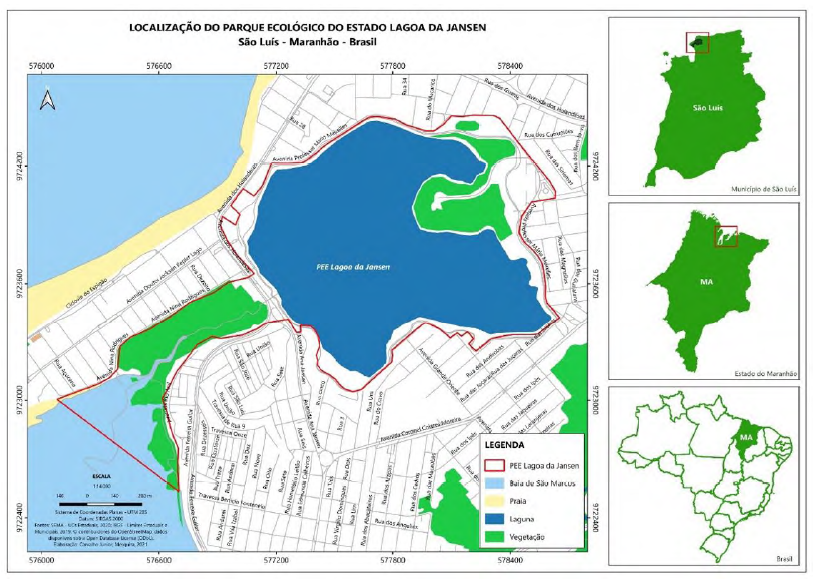 Source: Prepared by the author (2024).
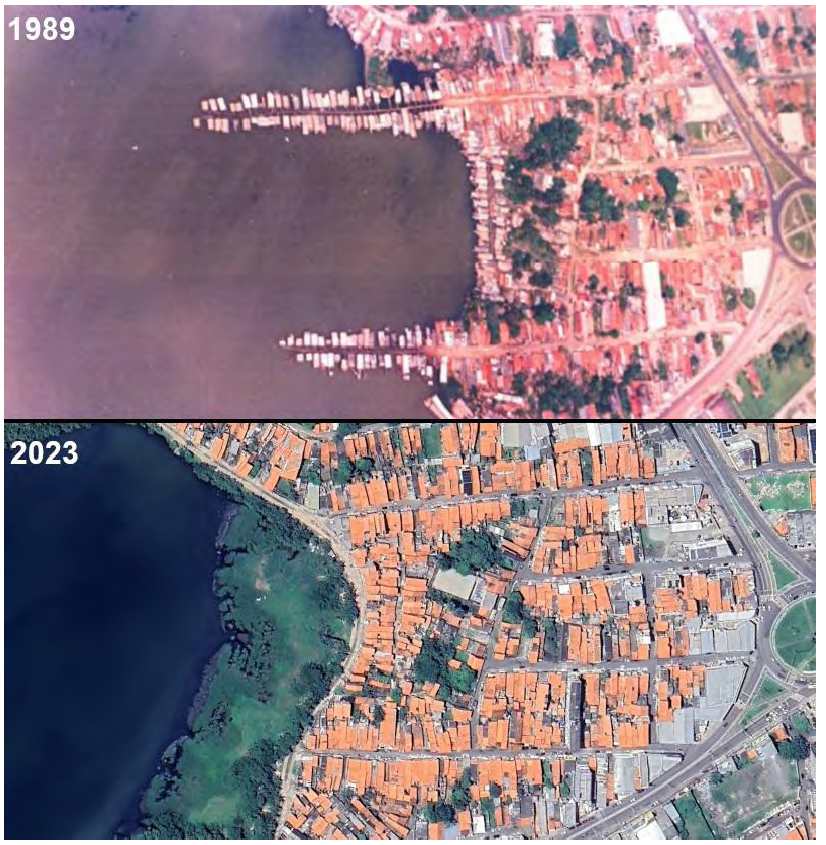 Fonte: Adapted from
  Source: Prepared by the author (2024).
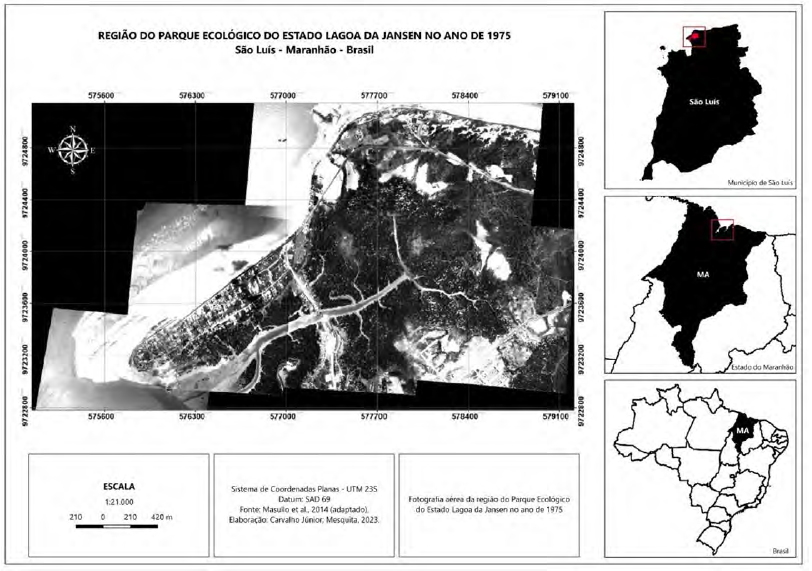 Source: Prepared by the author (2024).
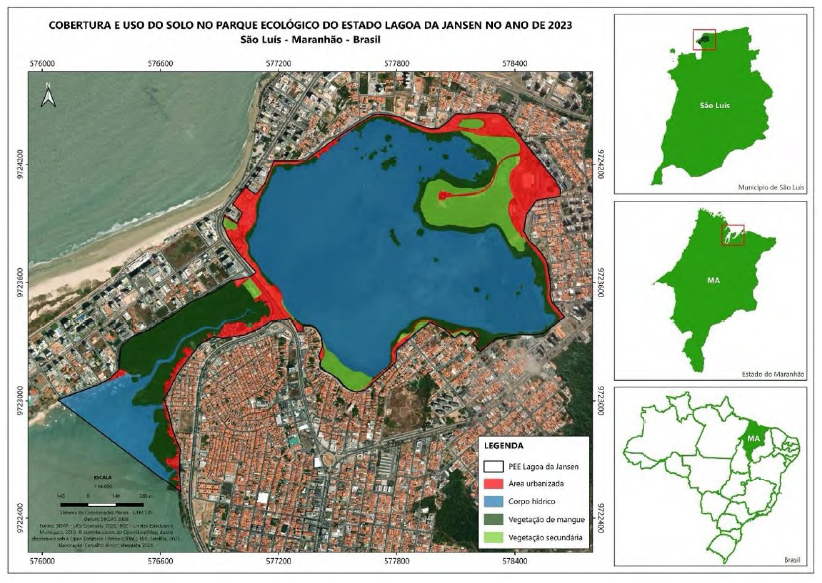 Fonte: elaborado pelo Autor (2024).