
 Spatial Lead Distribution in Mangifera indica and Syzygium malaccense in a Medium-Sized City, Colombia
Uncontrolled urban development driven by forced migration has heightened the need for strategies to mitigate food security in Latin America. This study aims to characterize the presence and spatial distribution of lead (Pb) concentrations in fruit-bearing tree species along public roads in Neiva, Colombia, a medium-sized city. A comprehensive census identified Mangifera indica and Syzygium malaccense as the most prevalent species. Fruit samples were collected and analyzed according to FAO standards. Spatial interpolation and Kriging methods were employed to map lead concentrations across the urban landscape. Results revealed detectable levels of lead in all samples, with five samples exceeding the permissible limit of 0.1 mg/kg. The highest concentrations were observed in industrial areas, suggesting significant contamination from vehicular and industrial activities. These findings underscore the importance of urban agroforestry strategies in areas with lower contamination levels and highlight the need for further research to identify safer urban agriculture zones.
Keywords::
Ecosystem Services; Edible landscape; Heavy metal; Sustainability; Urban food forest
 Thumbnail
 Thumbnail
 Thumbnail
 Thumbnail
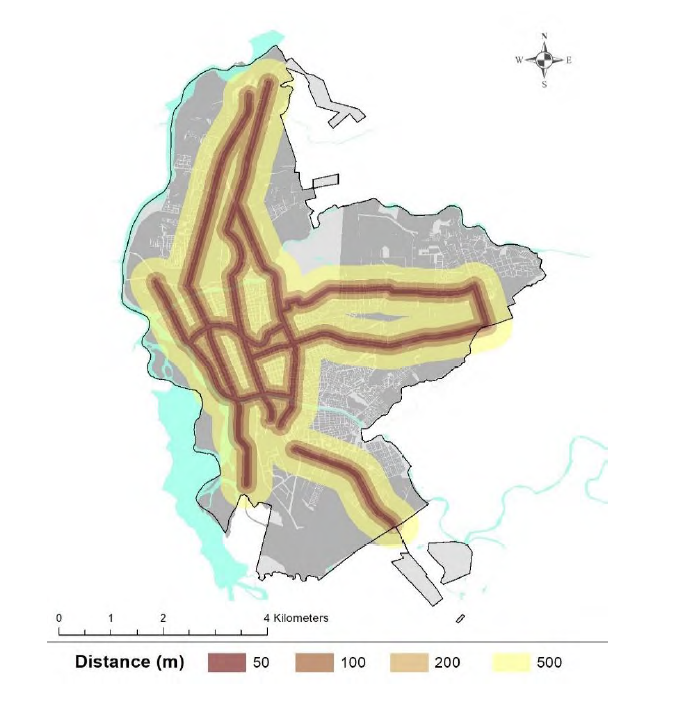 Font: Authors, 2024
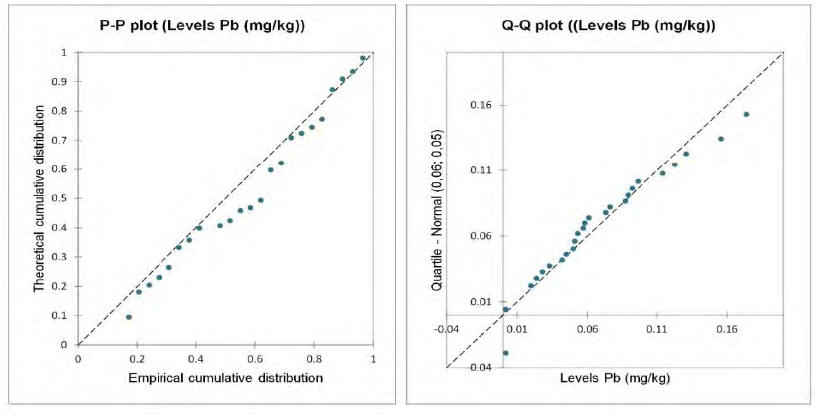 Font: Authors, 2024
 Font: Authors, 2024
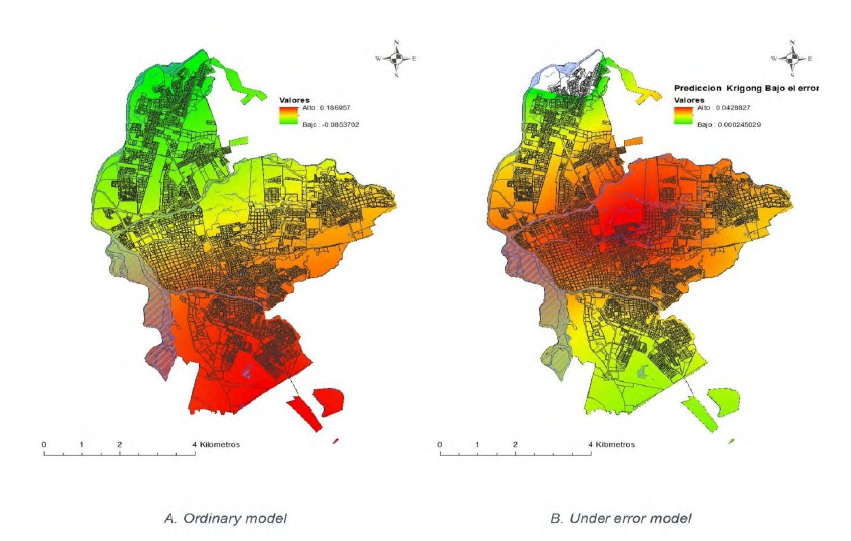 Font: Authors, 2024