 Effects of thyroid-stimulating hormone and sensitivity to thyroid hormones on the risk of hyperuricemia in euthyroid adults
Objective: The current study was conducted to investigate whether thyroid-stimulating hormone (TSH) and thyroid hormone sensitivity are associated with hyperuricemia probability in euthyroid population.
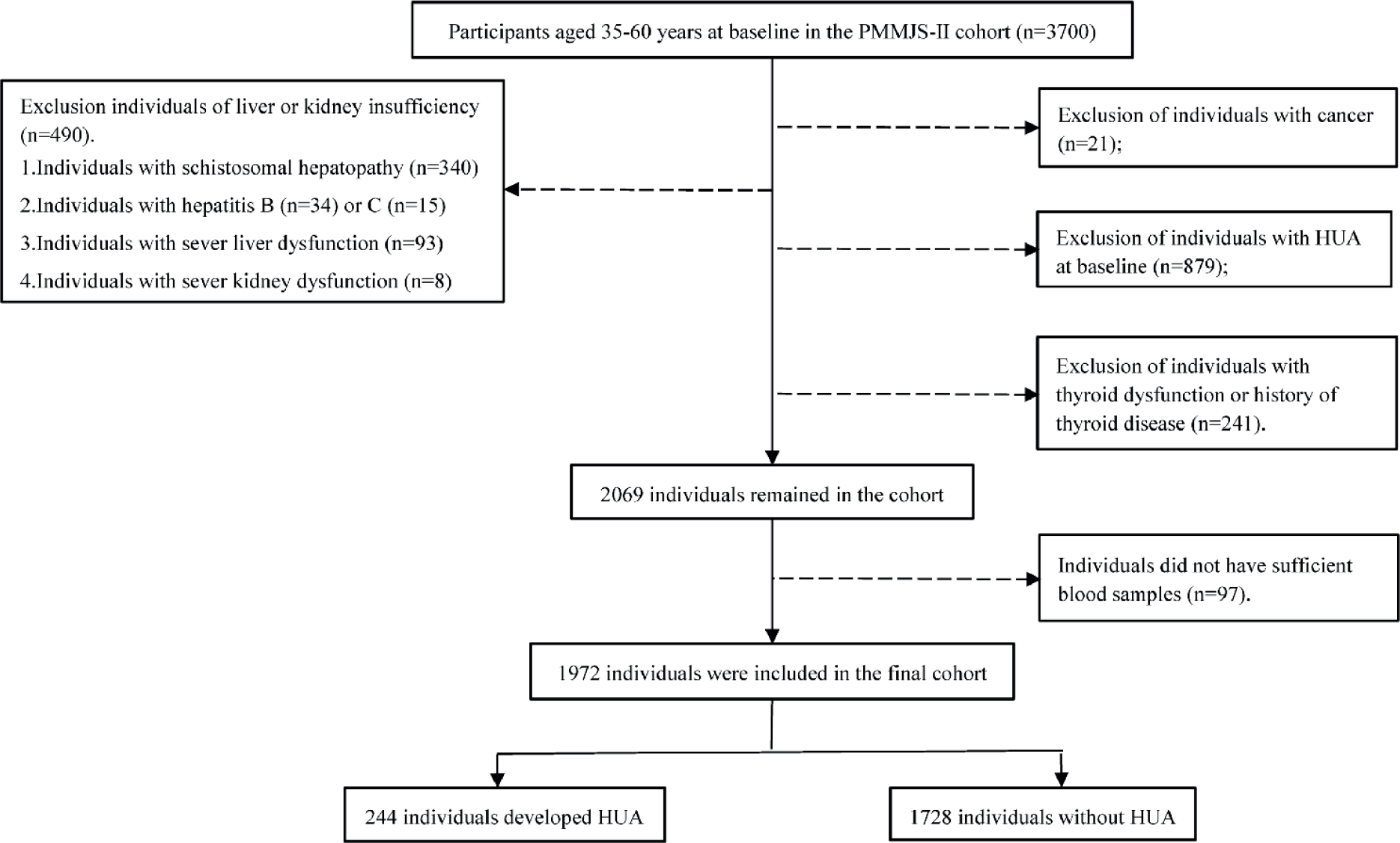
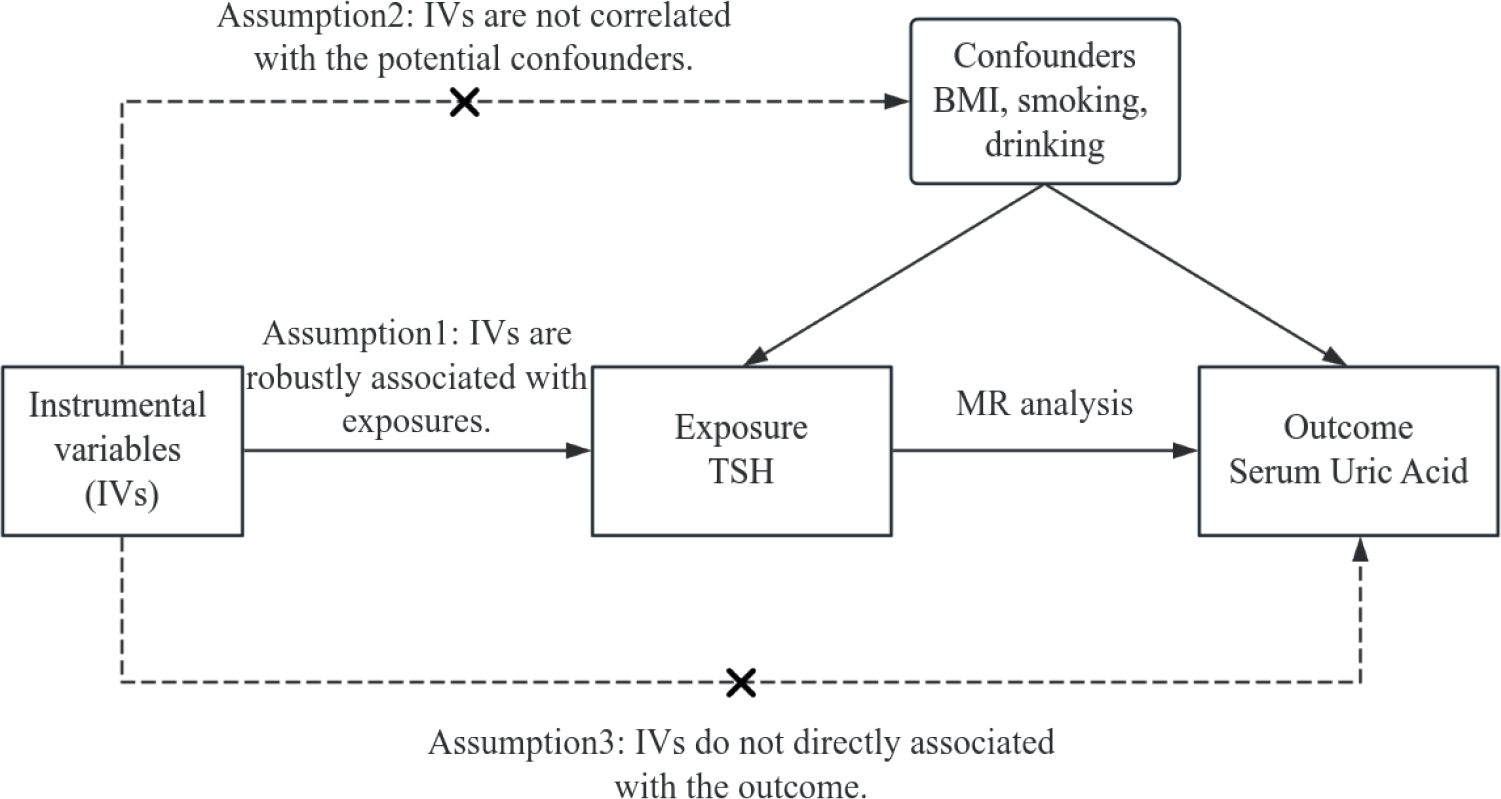
Materials and methods: The observational analysis was based on a Chinese community-based cohort (n = 1,972). The prospective associations of TSH levels, TSH index (TSHI), thyrotrophic thyroxine resistance index (TT4RI), thyroid feedback quantile-based index (TFQI) and free triiodothyronine to free thyroxine (FT3/FT4) ratio with the risk of hyperuricemia were examined. Two-sample Mendelian randomization (MR) analysis was then used to test the causal effects of TSH on serum uric acid (SUA) levels and gout.
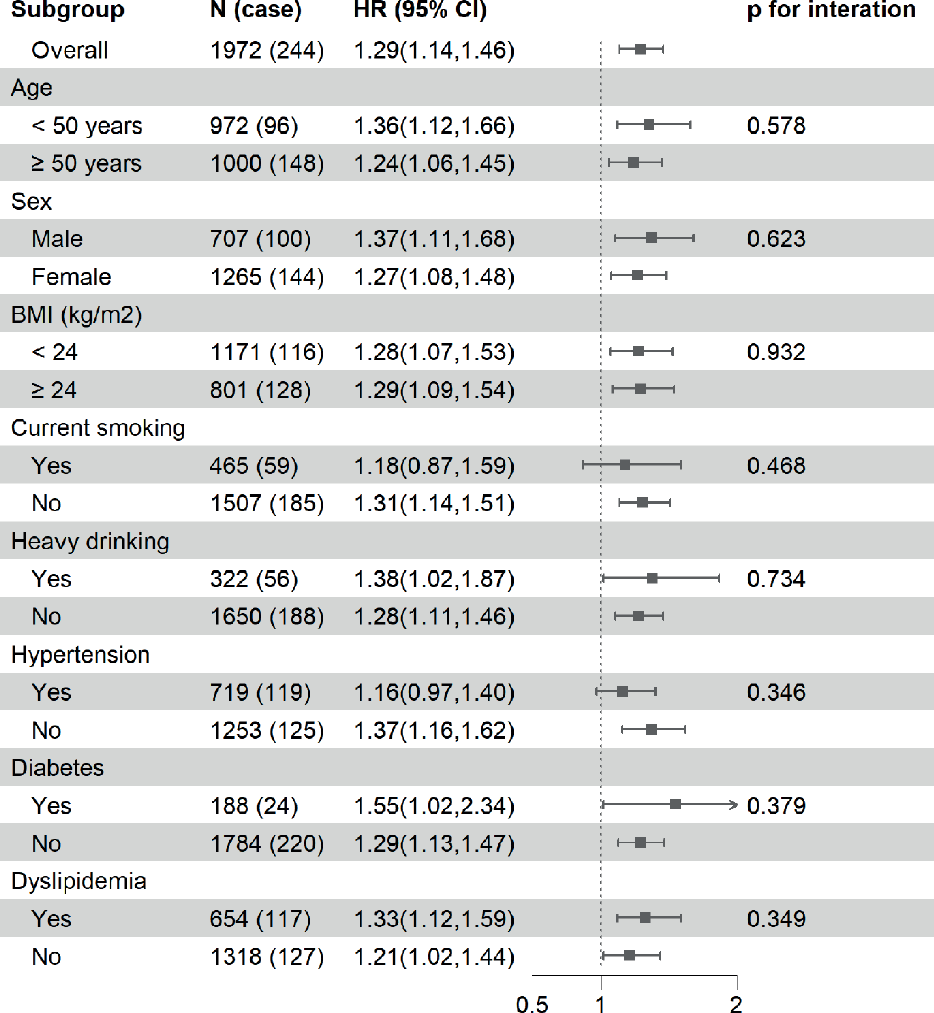
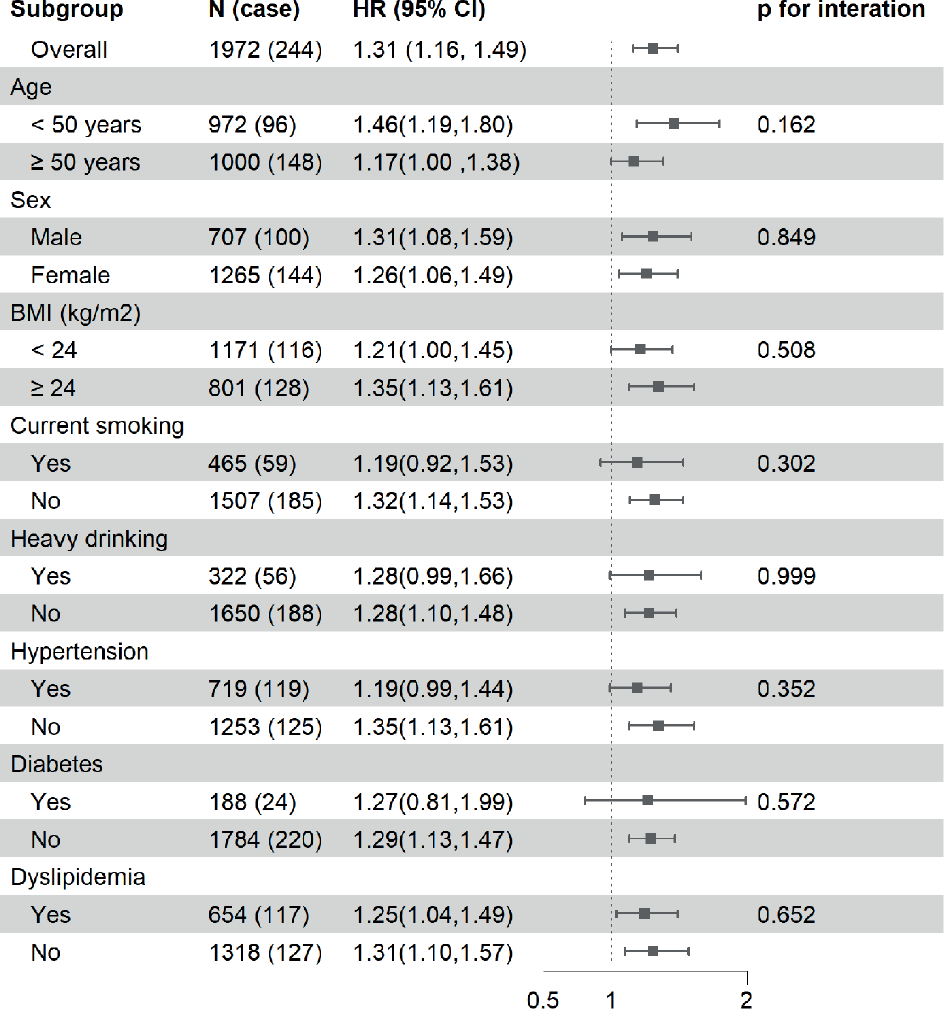
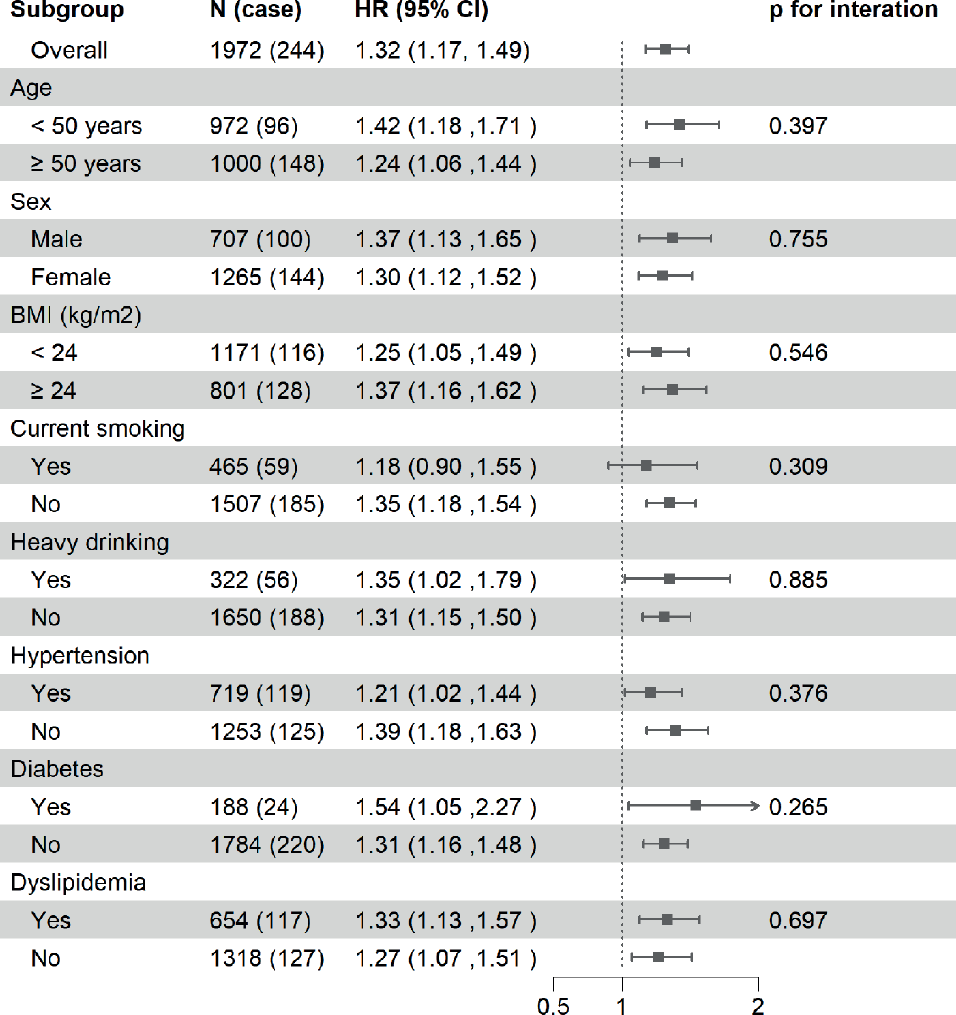
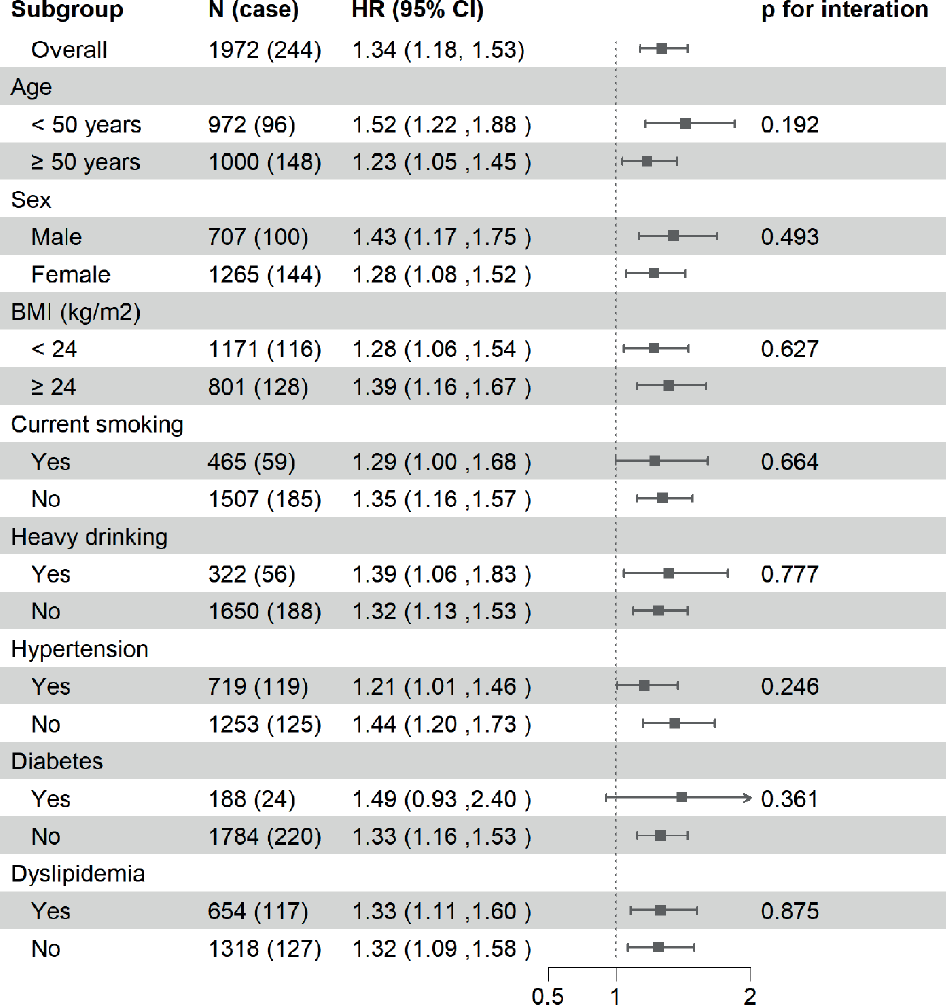
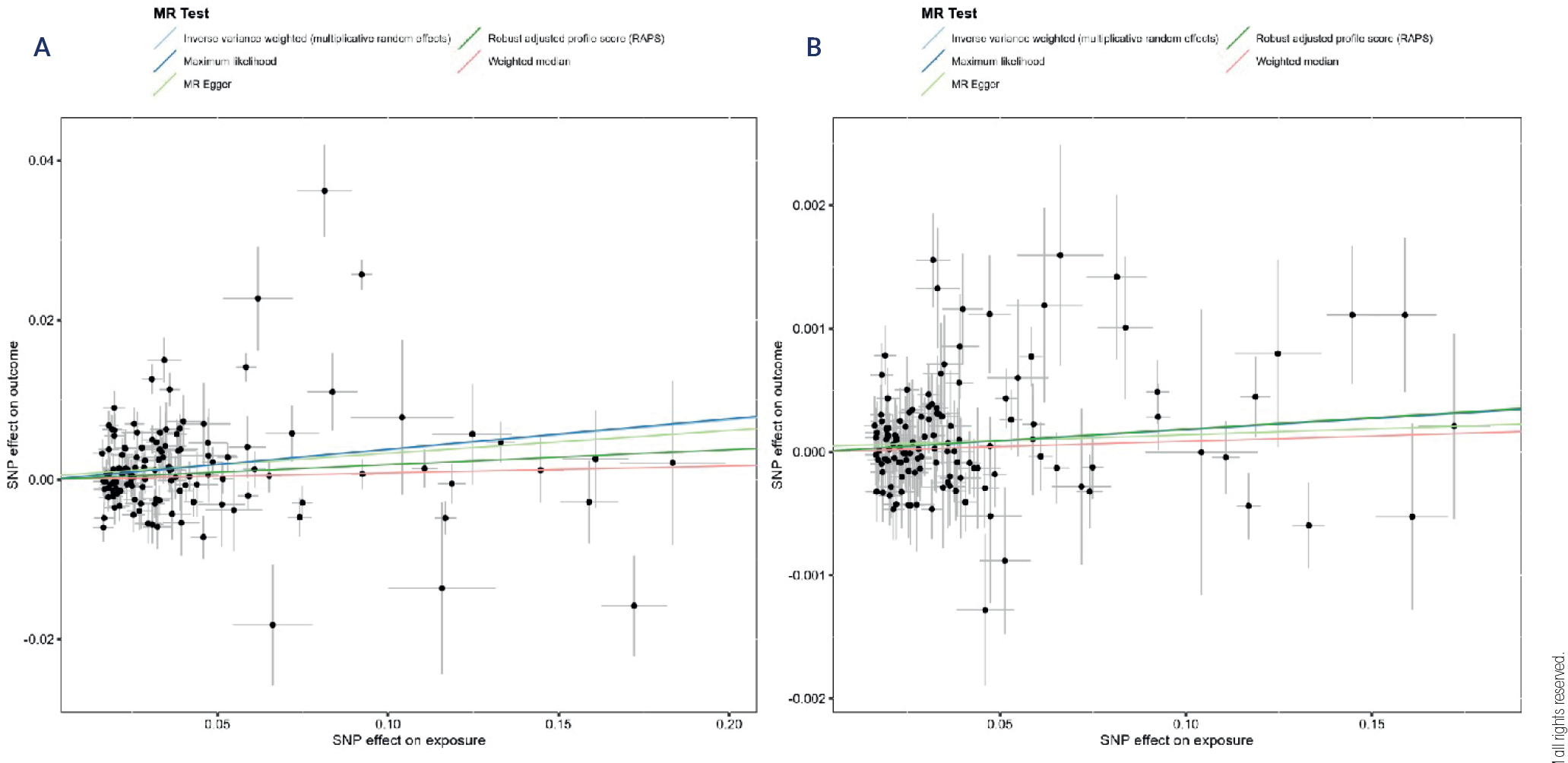
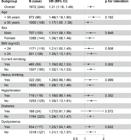
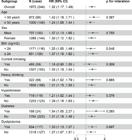
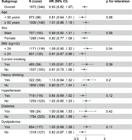
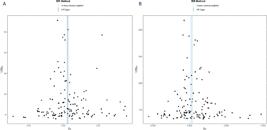
Results: Among 1,972 participants with normal thyroid function, 244 new hyperuricemia cases were identified during follow-up. The results suggested that the higher levels of TSH (HR = 1.87, 95% CI: 1.28-2.73, p-value < 0.01), TSHI (HR = 2.02, 95% CI: 1.38-2.95, p-value < 0.01), TFQI (HR = 1.92, 95% CI: 1.33-2.76, p-value < 0.01) and TT4RI (HR = 1.93, 95% CI: 1.34-2.80, p-value < 0.01) were significantly associated with hyperuricemia incidence. The MR results further indicated causal effects of TSH on SUA levels (inverse variance weighting [IVW] β = 0.037, 95% CI: 0.017-0.057) and gout (IVW OR = 1.0018, 95% CI: 1.0004-1.0032).
Conclusion: The higher levels of TSH, TSHI, TFQI and TT4RI are significantly associated with the risk of hyperuricemia in euthyroid population. The MR analysis supports the causal effects of TSH on SUA levels and gout.
Keywords:
Thyroid-stimulating hormone; thyroid hormone sensitivity; hyperuricemia; gout; Mendelian randomization
 Thumbnail
 Thumbnail
 Thumbnail
 Thumbnail
 Thumbnail
 Thumbnail
 Thumbnail
 Thumbnail
 Thumbnail
 Thumbnail
 Thumbnail
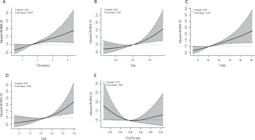
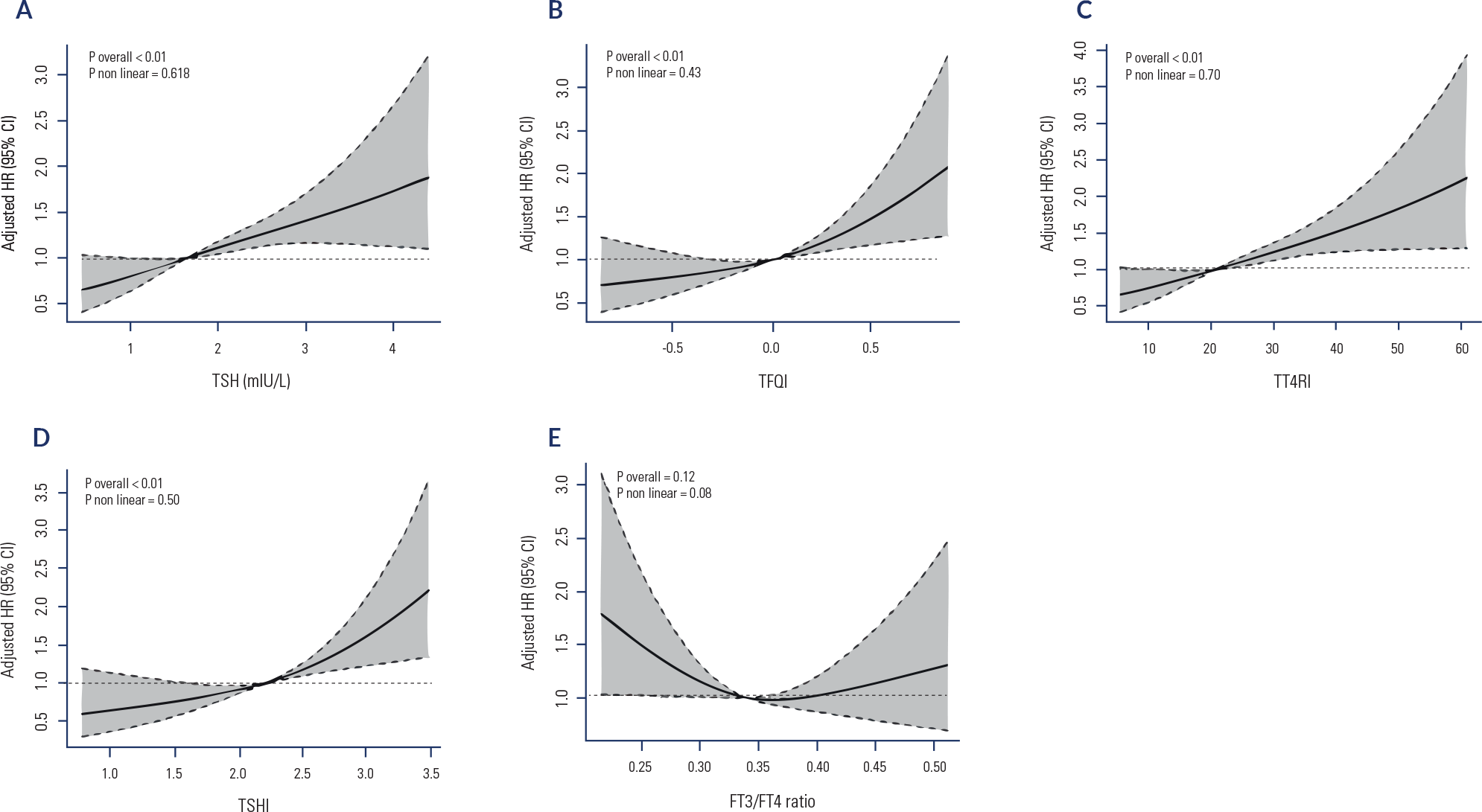 A. The dose-response relationships between TSH and the risk of hyperuricemia; B. The dose-response relationships between TFQI and the risk of hyperuricemia; C. The dose-response relationships between TT4RI and the risk of hyperuricemia; D. The dose-response relationships between TSHI and the risk of hyperuricemia; E. The dose-response relationships between FT3/FT4 ratio and the risk of hyperuricemia. The results were adjusted for age, sex, BMI, current smoking, heavy drinking, hypertension, diabetes, dyslipidemia, ALT, AST, and eGFR.Abbreviations: RCS, restricted cubic spline; TSH, thyroid-stimulating hormone; TFQI, thyroid feedback quantile-based index; TT4RI, thyrotrophic thyroxine resistance index; TSHI, thyroid-stimulating hormone index; FT3/FT4 ratio, free triiodothyronine to free thyroxine ratio.