 Brazilian Society of Rheumatology – 2025 recommendations on vaccination in immune-mediated rheumatic diseases
Abstract
Background Patients with immune-mediated rheumatic diseases (IMRD) are at increased risk for infections due to both disease-related immune dysregulation and immunosuppressive therapy. Despite the benefits of vaccination, immunization rates in this population remain suboptimal, often due to concerns about safety, efficacy, and their potential for inducing disease flare. Regional-specific guidelines are necessary to address the particular epidemiological issues and aspects of the healthcare systems, especially in countries like Brazil.
Objective To provide updated, evidence-based, and nationally relevant recommendations on vaccination in adult patients with IMRD in Brazil, focusing on immunogenicity, safety and disease activity outcomes.
Methods A multidisciplinary task force from the Brazilian Society of Rheumatology conducted a systematic review and meta-analysis of studies addressing eleven clinical questions related to vaccine safety and efficacy in IMRD. Studies were selected using predefined PICO criteria. Risk of bias was assessed using JBI tools, and the certainty of evidence was evaluated with the GRADE approach. Statements were developed and submitted to a Delphi-based voting process; consensus was achieved if ≥80% of the panelists voted "agree" or "strongly agree" for all the statements.
Results Eleven recommendations were developed based on a systematic review of the literature, with meta-analyses conducted when appropriate. Inactivated vaccines demonstrated a favorable safety profile, with low flare rates and no significant increase in disease activity, even under immunosuppression. Live attenuated vaccines, including yellow fever, were considered safe when administered according to timing protocols. Immunogenicity may be reduced in patients receiving methotrexate, mycophenolate, corticosteroids, rituximab, and JAK inhibitors, although this does not appear to compromise clinical protection in most cases. Temporary treatment interruption was associated with improved immunogenicity in selected contexts, but without consistent evidence of clinical benefit and with potential risks related to disease control. Specific guidance was provided for influenza and hepatitis B vaccination, as well as for prioritizing vaccination before initiating immunosuppression whenever feasible. Statements also addressed the approach to revaccination and post-vaccination serologic testing. Despite the overall very low to moderate certainty of evidence, most recommendations reached strong consensus (≥80% agreement). Shared decision-making and individualized strategies were emphasized across all scenarios.
Conclusion These recommendations offer tailored guidance for improving vaccination strategies in IMRD patients in Brazil. Given the heterogeneity of evidence, clinical decisions should be individualized, considering disease activity, treatment regimen, vaccine availability, and patient preferences. Shared decision-making is essential in all scenarios to enhance vaccine uptake and align preventive care with patient-centered management.
Introduction
Patients with immune-mediated rheumatic disease (IMRD) are at increased risk of infections due not only to immunological dysregulation of the disease itself, but also to the frequent use of immunosuppressive therapies. Infectious complications remain a leading cause of morbidity and mortality in this population. Indeed, studies have shown that patients with rheumatic diseases are significantly more susceptible to developing severe infections than the general population, which often leads to increased hospitalization rates, emphasizing the need for effective preventive measures. Vaccination plays a critical role in reducing the incidence and severity of vaccine-preventable infections [1].
Despite the clear benefits of immunization, vaccine uptake among IMRD patients remains suboptimal. Several barriers contribute to low vaccination rates, concerns about the safety and efficacy of vaccines, and limited awareness of immunization guidelines for immunosup-pressed individuals. Addressing these barriers requires a proactive approach by rheumatologists and other specialists, integrating vaccination assessments into routine clinical practice and engaging patients in shared decision-making [2].
The immune response to vaccines in patients with IMRD may be reduced or impaired by the immunosuppressive therapies. These agents, including glucocorticoids, conventional synthetic disease-modifying antirheumatic drugs (csDMARDs), biologic DMARDs (bDMARDs), and targeted synthetic DMARDs (tsDMARDs), which are essential for disease activity control, but may impair the development of an adequate vaccine-induced immune response [3].
The extent of vaccine response impairment varies according to the type and duration of immunosuppression. Methotrexate (MTX) and leflunomide (LEF), commonly used in IMRD treatment management, have been associated with a low to moderate reduction in antibody titers post-vaccination. In contrast, high-dose glucocorticoids and CD20-targeted therapies can lead to high impairment of immunogenicity, necessitating alternative strategies to optimize vaccine efficacy [4].
Given these challenges, appropriate timing of vaccination is critical. Ideally, patients should complete recommended vaccinations before initiating immunosuppressive therapy to maximize immune response. When this is not feasible, strategies such as booster doses, modified vaccine schedules, or temporary suspension of specific immunosuppressants in stable patients may improve immunogenicity. A patient-centered approach, involving shared decision-making between rheumatologists and patients, is essential to balancing vaccination efficacy with disease control [5].
Although general vaccination guidelines exist for the overall population, patients with IMRD require tailored recommendations that consider the impact of immunosuppression on vaccine safety and immunogenicity. While international guidelines from European Alliance of Associations for Rheumatology (EULAR) and American College of Rheumatology (ACR) provide a solid foundation, they are largely based on data from Europe and North America and may not fully address regional epidemiological patterns or healthcare infrastructure. [6] In Brazil, the development of national recommendations is especially relevant due to the high burden of vaccine-preventable infections, widespread use of immunosuppressive therapies, and endemic diseases such as tuberculosis and hepatitis B, which demand context-specific vaccination strategies [7].
Furthermore, disparities in vaccine implementation and accessibility, underscore the need for standardized national recommendations. Studies indicate that adherence to vaccination guidelines is often inconsistent among healthcare providers, leading to missed immunization opportunities. Establishing a structured, evidence-based national framework can improve vaccination coverage, ensuring optimal protection of IMID patients against preventable infections [8].
Over the past decade, international guidelines for vaccination in patients with IMRD - such as those issued by EULAR (2019) and ACR (2022) - have expanded their scope, incorporating evidence from observational studies, clinical trials, and expert consensus. These recommendations have progressively addressed the heterogeneity of immunosuppressive regimens, timing of vaccine administration, and specific vaccine platforms, including mRNA and recombinant vaccines. Nonetheless, important gaps remain regarding optimal vaccination strategies for patients under a high degree of immunosuppression, those with rare IMRD, and populations underrepresented in clinical studies, underscoring the need for continued research and regional adaptation [9–11].
Another critical barrier to vaccination adherence in IMRD patients is the inconsistent implementation of immunization guidelines by healthcare providers. Surveys indicate that rheumatologists and other specialists may hesitate to recommend certain vaccines due to uncertainties about immunogenicity in immunosup-pressed patients or fears of adverse effects [12]. This lack of standardization, combined with logistical challenges— such as limited vaccine availability in specialized settings and the need for coordination with primary care—leads to missed opportunities for preventive care. Addressing these gaps requires a multifaceted approach, including educational initiatives for both patients and physicians, systematic integration of vaccination assessments into routine rheumatologic care, and improved communication between specialists and primary care providers. Shared decision-making is key to overcoming vaccine hesitancy, allowing individualized discussions about risks, benefits, and timing [13].
Given the complexity of vaccination in patients with IMRD, an updated, evidence-based consensus is essential to guide clinical practice. While international guidelines provide a strong foundation, the epidemiological profile, healthcare infrastructure, and vaccine availability, it is necessary to develop tailored recommendations to the Brazilian scenario. This document synthesizes the latest scientific evidence with expert consensus opinion to offer practical guidance on optimizing immunization strategies in this population. The main objective was to outline specific recommendations, focusing on vaccine efficacy, safety, and administration strategies to enhance protection while maintaining disease control.
Methods
Task force
The Committee of Endemic and Infectious Diseases of the Brazilian Society of Rheumatology conducted this project. The task force consisted of 19 rheumatologists.
These members drafted the clinical questions (CQ) that guided the literature review, selected the studies, extracted the data, analyzed the results, and drew up the recommendations. They also constituted the voting panel (VP), that comprised all the experts involved in the task force who evaluated the proposed recommendations and voted according to their experience. The systematic review protocol was not prospectively registered in a public database; however, all methodological steps were predefined and conducted in accordance with PRISMA and GRADE recommendations.
Establishing key principles and clinical questions development
Initially, the task force established the following CQ that should guide the literature review, as follows:
CQ1. What is the risk of symptom flare-up or worsening of patients with IMRD after vaccination with inactivated vaccines?
CQ2. What is the risk of symptom flare-up or worsening of patients with IMRD after vaccination with live attenuated vaccines?
CQ3. What is the impact of the cs-DMARDs (MTX, LEF, sulfasalazine (SSZ), hydroxychloroquine (HCQ)) use on the response to inactivated vaccine in patients with IMRD?
CQ4. What is the impact of the immunosuppressants (azathioprine (AZA), mycophenolate mofetil (MMF), cyclosporine (CsA), cyclophosphamide (CYC)) use on the response to inactivated vaccines in patients with IMRD?
CQ5. What is the effect of DMARDsb use (except rituximab) on the response to inactivated vaccines in patients with IMRD?
CQ6. What is the impact of rituximab (RTX) use on the response to inactivated vaccines in patients with IMRD?
CQ7. What is the impact of corticosteroids use on the response to inactivated vaccines in patients with IMRD?
CQ8. What is the impact of janus kinase inhibitors (JAKi) use on the response to inactivated vaccines in patients with IMRD?
CQ9. Is there a benefit to vaccine response by temporarily stopping MTX, mycophenolate, JAKi before or after vaccination?
CQ10. Is there a difference in the immune response between conventional (tri- and tetravalent) and high-dose influenza vaccines in patients with IMRD)?
CQ11. Is there a difference in the immune response between conventional (tri- and tetravalent) and high-dose hepatitis B vaccines in patients with IMRD)?
Literature search
To gather relevant evidence for the 11 clinical questions (CQs), literature search strategies were designed based on acronyms PICO: (P) population of interest for this study, (I) the specific focus of each question (intervention, treatment or complementary investigation), (C) appropriate comparators, and (O) the most relevant outcomes.
Eligibility criteria and study selection
The eligibility criteria varied according to the CQ, involving patients > 18 years, with a diagnosis of an IMRD, mainly chronic inflammatory arthritis (rheumatoid arthritis and spondyloarthritis), systemic lupus erythematosus, systemic sclerosis, autoimmune myopathies, Sjogren's disease, mixed connective tissue disease and systemic vasculitis. The medications included (Table 1) glucocorticoids, immunosuppressive drugs, synthetic, biological or targeted synthetic disease-modifying anti-rheumatic drugs (DMARDs), comparing exposed and unexposed populations. We included cross-sectional, cohort and case-control, randomized or non-randomized clinical trials.
Immunosuppressive agents available In Brazil for the treatment of patients with immune-mediated rheumatic diseases
Exclusion criteria encompassed studies involving pediatric populations (< 18 years), non-IMRD autoimmune conditions, case reports, narrative reviews, conference abstracts, or studies with insufficient data for analysis.
Flare or worsening was defined as the onset or intensification of clinical symptoms, laboratory markers of inflammation, or the need for treatment escalation, as reported by the original studies included in the review. Definitions varied slightly across studies but typically encompassed increased joint pain or swelling, elevated acute-phase reactants, and/or the requirement for dose adjustment or initiation of immunosuppressive therapy.
The impact of the cs-DMARDs use on the response to inactivated vaccine in patients with IMRD was evaluated based on immunogenicity outcomes. Vaccine response was defined as seroconversion, seroprotection, or a significant increase in antibody titers post-vaccination, according to the criteria established in each individual study. Most studies considered a ≥ 4-fold increase in antibody levels or reaching protective antibody thresholds as indicative of an adequate response.
The present recommendations evaluated immunogenicity, safety, and potential impact on disease activity of inactivated and attenuated vaccines in patients with IMRD. Among the inactivated vaccines, were assessed influenza (seasonal and pandemic A/H1N1), pneumococcal (both polysaccharide and conjugate formulations), hepatitis B, Human papillomavirus vaccine (HPV vaccine) and the recombinant adjuvanted herpes zoster vaccine. Regarding live attenuated vaccines, only the yellow fever vaccine (17DD strain) was systematically analyzed. Each recommendation considered vaccine-specific evidence and stratified outcomes by immunosuppressive therapy and disease subtype, when applicable.
Table 1 provides a classification of immunosuppressive drugs available in Brazil for treating immune-mediated rheumatic diseases (IMRD), grouped by class (conventional synthetic, biological, and targeted synthetic DMARDs). Source: adapted from Gasparin AA, et al., 2023.
This systematic review and meta-analysis were based on recommendations from the Cochrane Guidelines for Systematic Reviews and was written according to Preferred Reporting Items for Systematic Reviews and Meta-Analyses (PRISMA) [14, 15].
Search strategy
In order to identify the studies, we searched four independent databases to perform the sensitive literature search: MEDLINE, EMBASE; Central (by Cochrane Library) and Latin American and Caribbean Health Science Information (LILACS). Additionally, we searched for ongoing reference lists of included studies and systematic reviews.
There was no language, date, document type, publication status or geographic restriction for inclusion of records. The last search was conducted in July, 2024. Descriptors were identified in Medical Subject Headings (MeSH), Descriptors em Ciências da Saúde (Decs) and Embase Subject Headings (Emtree). The search strategy was adapted based on descriptors in each database and are presented in the supplementary material.
Eligibility criteria
We included studies that evaluated patients with IMRD that have been vaccinated with inactivated or attenuated live vaccines, according to the CQ, and assessed the outcomes.
Study selection and data extraction
Electronic search results from defined databases were uploaded to the Rayyan Qatar Computing Research Institute [16].
A separate PRISMA flowchart was developed for each clinical question, reflecting independent search strategies and study selection processes, as detailed in the supplementary material.
Study selection and data extraction
Were independently performed by two investigators. A third reviewer resolved any disagreements. For duplicate records, only the most recent one was included. Authors initially screened titles and abstracts. Subsequently, they assessed each study to determine whether it met inclusion criteria.
We extracted data on study design (reference, location, title, journal, study design), participant characteristics (disease, drugs used, number, sex), intervention (inactivated vaccine, follow-up) and outcomes characteristics (type evaluation, symptom flare-up and worsening of IMRD disease activity in each group: vaccine use and not and/or control).
Quality assessment
Two investigators independently assessed the risk of bias in the selected studies according to the Joanna Briggs Institute (JBI) checklist 14. The percentage of risk of bias was calculated using the number of "yes" (Y) answers selected in the checklist. Questions with "not applicable" (NA) answers were not considered in the calculation. Methodological quality was classified using the following categories: low (scores up to 49.0%), moderate (scores between 50.0% and 70.0%), and high (scores above 70.0%) [17].
The overall certainty of the body of evidence was rated by using the Grading of Recommendations Assessment, Development and Evaluation (GRADE) approach, considering overall risk of bias, consistency of effect, imprecision, indirectness and publication bias to assess the certainty of the body of evidence [18]. If there were serious concerns in any of these domains, we rated down the quality of evidence.
Statistical analysis
Forest plots were used to visually assess the combined estimates and their corresponding 95% confidence intervals. Heterogeneity was evaluated using the Q statistic (with a significance level of p < 0.1) and the I2 statistic, with values above 50% indicating substantial heterogeneity and above 75% indicating high heterogeneity. A random-effects model was applied in the presence of moderate to high heterogeneity.
In a meta-analysis of prevalence, when the estimate for a study tends toward either 0% or 100%, the variance for that study moves toward zero. As a result, its weight is overestimated in the meta-analysis. Therefore, we conducted the meta-analysis with prevalence estimates that had been transformed using the raw proportions (PRAW) method with random effect. The final combined result and 95% confidence intervals were back transformed for ease of interpretation. Subgroup analyses were performed by type study.
For comparison groups, we opted to summarize the evidence using rheumatic disease and control. Treatment effects were expressed as risk ratios (RRs), as all outcomes were binary. Pooled RR were calculated using random effects models with the Dersimonian and Laird estimator and the Mantel-Haenszel method, as clinical heterogeneity was expected.
Furthermore, Hedge's g standardized mean difference (SMD) was used as a simple measure to estimate the differences in the mean antibody concentrations before and after vaccination. The SMD and confidence interval were obtained using the random-effects model according to the heterogeneity among the studies (HIGGINS; THOMPSON, 2002).
Analyses were performed in the R studio software, version 4.1.0 (R: A Language and Environment for Statistical Computing, Vienna, Austria), by using the ‘Meta’ packages, versions 5.0–0. P-value < 0.05 was defined as statistically significant.
The supplementary material (Appendix 1) provides details on the search strategy for each CQ, the selection and inclusion stages of the studies following the recommendations of the Preferred Reporting Items for Systematic reviews and Meta-Analyses (PRISMA), the included and excluded studies and the risk of bias for each of them.
Consensus building
After analyzing the evidence presented in the 11 CQ, the task force drew up the 11 recommendations.
Following the Delphi Method, these statements were sent by email to each member of the VP via a Google® Form for individual and anonymous voting [19].
For each of the 11 recommendations, members should indicate their level of agreement (Table 2): 1. Strongly disagree; 2. Disagree, 3. Neither agree nor disagree (neutral); 4. Agree; and 5. Strongly agree [20].
Consensus was reached when the VP voted 4—agree— or 5—strongly agree at least 80% of all scenarios.
To support their decisions, all members of the VP also received an evidence report that summarized the entire process of collecting and analyzing the evidence obtained in the literature review.
After the voting process, the task force drafted the manuscript with the relevant recommendations. The drafted manuscript was sent to all task force members for approval before submission.
Additional details on search strategies, individual study characteristics, risk of bias assessments (using JBI tools), and specific PICO formulations for each clinical question are available in the supplementary material. Tables summarizing the included studies and risk of bias assessments can be found in the Supplementary Tables and Appendix documents.
Table 2 describes the GRADE approach (Grading of Recommendations, Assessment, Development, and Evaluation) used in this document to assess the certainty of the evidence. Ratings include: high, moderate, low, and very low. These reflect the authors’ confidence that the effect estimate is accurate. Factors that may lower the quality include risk of bias, inconsistency, indirectness, imprecision, and publication bias.
Results
Statements and recommendations
The present document provides recommendations on vaccination in patients with immune-mediated rheumatic diseases (IMRD), based on a comprehensive synthesis of evidence from systematic reviews and meta-analyses (Table 3). Given the variable quality of the studies—many being observational, heterogeneous in design, and conducted across different geographic and clinical contexts, most recommendations are conditional. Clinical decisions must therefore be individualized, considering the patient's specific characteristics, underlying disease, epidemiological settings, immunosuppressive treatment and access to vaccines.
Summary of the recommendations issued by the Brazilian Society of Rheumatology on vaccination in immune-mediated rheumatic diseases (IMRD)
In all cases, at least 80% of the panelists expressed agreement (4 – agree or 5 – strongly agree), indicating a high level of consistency in the recommendations provided, and consensus was reached.
A summary of the 11 recommendations is presented in Table 1. A complete listing of the references and the main characteristics of the included studies can be found in the supplementary material.
Each recommendation is accompanied by the certainty of the evidence, rated using the Grading of Recommendations, Assessment, Development and Evaluation (GRADE) approach, and the Level of Agreement (LOA) among the panelists. The certainty of evidence was classified into four levels (High, Moderate, Low, and Very Low) based on the GRADE methodology, considering factors such as risk of bias, inconsistency, indirectness, imprecision, and publication bias. The LOA reflects the consensus level reached by the voting panel members through a Delphi process. It is presented as the sum of responses marked as "Strongly agree" and "Agree" on a 5-point Likert scale (1 = Strongly disagree, 2 = Disagree, 3 = Neutral, 4 = Agree, 5 = Strongly agree). A LOA of ≥80% was required for a recommendation to be approved.
RECOMMENDATION 1. The risk of flare or worsening of disease activity after inactivated vaccine administration in patients with IMRD is low. Vaccination should not be postponed due to concerns about disease exacerbation.
A systematic review was performed to evaluate the safety profile of inactivated vaccines in individuals with IMRD, focusing specifically on the frequency of symptom flares or increased disease activity that occurred following immunization. A ‘flare’ was defined as either a relapse of previously controlled/remitted disease or an exacerbation (worsening/aggravation) of a preexisting disease with lower activity [1–88].
A systematic review was conducted, identifying 91 eligible studies, including 1467 patients with IMRD. A total of 1467 individuals were analyzed. Twelve studies specifically evaluated flare symptoms following inactivated vaccination. The overall frequency of post-vaccine flares was 12.5%, with cohort studies reporting slightly higher flare rates (17.5%) than randomized controlled trials (10.8%) [22–33]. Importantly, most reported flares were mild and self-limited. These findings are supported by the meta-analysis shown in Fig. 1, which demonstrates a low pooled frequency of flares after inactivated vaccination across different study designs.
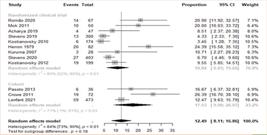
Pooled frequency of disease flare or worsening after inactivated vaccination in patients with immune-mediated rheumatic diseases, according to study design
Disease activity was assessed using validated clinical indices. For patients with radiographic axial spondyloarthritis (r-axSpA) two studies evaluated changes in BASDAI, with a mild increase observed after vaccination: mean difference of 0.57 (95% CI 0.28–0.87) in randomized trials and 0.18 (95% CI −0.38 to 0.74) in observational cohorts [34, 35]. Among patients with rheumatoid arthritis, no significant change in DAS28 scores was found, and remission rates remained stable. Similarly, in systemic lupus erythematosus, vaccination was not associated with a significant increase in SLEDAI scores (SMD −0.10; 95% CI −0.81 to 0.60).
In addition to post-vaccine outcomes, disease activity at the time of vaccination was also described in eight studies. Among 552 patients with available data, 23.7% were in remission at the time of vaccination, 31.3% had low disease activity, 12.0% had moderate activity, and 8.0% were in a poorly controlled state [32]. These data reinforce the real-world applicability of the evidence, as they reflect a typical clinical spectrum of disease activity.
Although subgroup analyses did not reveal a higher flare risk associated with particular diagnoses or disease activity levels, the limited number of studies and heterogeneity in outcome reporting suggest that rare or severe flares cannot be definitively excluded. Nevertheless, the consistency observed across studies supports a favorable safety profile for inactivated vaccines in this population.
In summary, these findings show that inactivated vaccines do not significantly raise the risk of flares or disease worsening in this population. Vaccination should thus be encouraged routinely, including when disease activity is low or moderate, based on clinical judgment and patient-centered discussions.
LOA: 50.0% Strongly agree; 50.0% Agree.
Sum of the percentage of "Strongly agree" and "Agree": 100%.
Overall quality of evidence across all critical outcomes: Very Low.
Forest plot showing the pooled frequency of disease flare or worsening after administration of inactivated vaccines in patients with immune-mediated rheumatic diseases (IMRD), stratified by study design (randomized clinical trials and cohort studies). A random-effects model was applied to estimate pooled proportions and corresponding 95% confidence intervals. Overall heterogeneity was assessed using the I2 statistic. The diamond represents the pooled estimate.
RECOMMENDATION 2: Live attenuated vaccines (LAVs) appear to be safe in patients with IMRD. Flare rates and vaccine-related infection rates were low. Whenever possible, immunization should be scheduled prior to initiating immunosuppressive therapy or during periods when temporary withdrawal of these medications is feasible. A shared decision-making process is strongly recommended.
A systematic review was conducted, identifying 18 eligible studies evaluating the safety of yellow fever, herpes zoster (live), measles, mumps, and rubella (MMR), and varicella vaccines, including a total of 47,133 patients with IMRD.
Flare rates after LAVs were low: 5.18% with herpes zoster vaccine and 0% with yellow fever vaccine. Infections caused by the vaccine virus were rare, with only 0.4% for herpes zoster and 0% for yellow fever [36, 37]. These findings are consistent across multiple observational cohorts and interventional studies.
Disease activity remained stable following vaccination. No worsening in 28-joint Disease Activity Score (DAS28) was observed in rheumatoid arthritis patients. Similarly, no increases in Bath Ankylosing Spondylitis Disease Activity Index (BASDAI) scores were seen in r-axSpA. In systemic lupus erythematosus, no increase in Systemic Lupus Erythematosus Disease Activity Index (SLEDAI) was detected—even in patients vaccinated during active disease or using immunosuppressive therapies [38, 39]. The safety of LAVs is further supported by post-vacci-nation surveillance data, where adverse events remained rare and predominantly mild. Most flares, when reported, were transient and did not lead to therapeutic changes [40].
All studies respected safety intervals for immunosuppressive drug withdrawal, including at least 3 months for conventional synthetic DMARDs, 5.5 half-lives for biologics, and 6 months after the last rituximab dose. These parameters align with Brazilian national recommendations for yellow fever vaccination in immunocompromised patients [6].
The risk of flare or worsening of disease activity following LAV in patients with IMRD is low. Immunization should be planned before starting immunosuppressants or during periods that allow temporary drug suspension, following a shared decision-making approach.
LOA: 60.0% Strongly agree; 35.0% Agree;
Sum of "Strongly agree" and "Agree": 95%
Overall quality of evidence across all critical outcomes: Moderate
RECOMMENDATION 3. Whenever possible, vaccination should be completed before initiating therapy with conventional synthetic DMARDs, including methotrexate, leflunomide, hydroxychloroquine, and sulfasalazine. However, inactivated vaccines are considered safe and can be administered during treatment with these agents, with low risk of adverse events or disease flare. Patient education and shared decision-making are recommended.
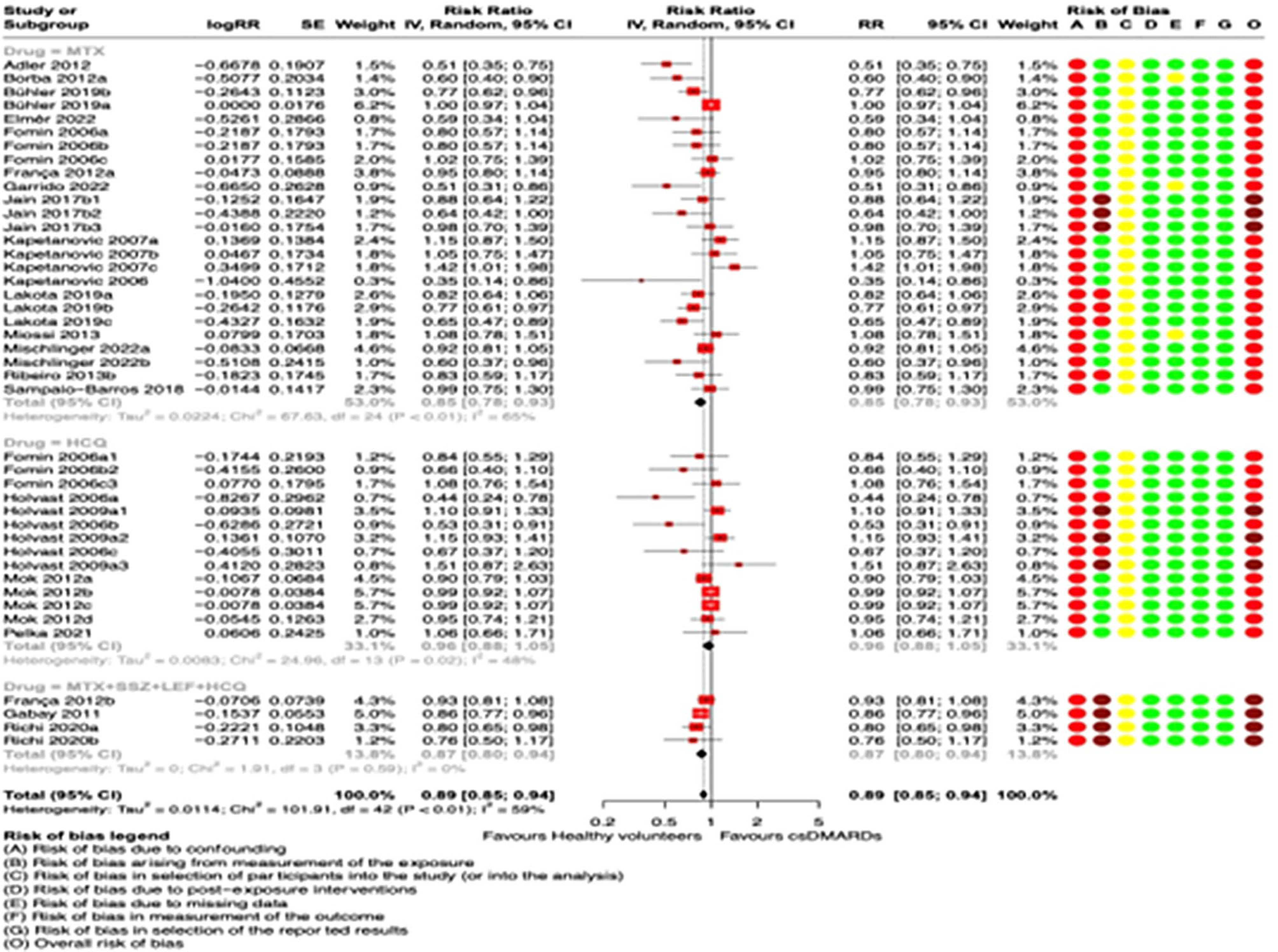
A systematic review and meta-analysis was conducted, identifying 23 eligible studies evaluating the impact of csDMARDs on vaccine response, including a total of 2408 patients with IMRD. Among these, 15 studies assessed MTX, 5 evaluated HCQ, and 3 involved multiple csDMARDs (MTX, LEF, SSZ and HCQ). The analysis covered various inactivated vaccines: diphtheria-tetanus (dT, 2 studies), human papillomavirus (HPV, 1 study), H1N1 influenza (13 studies), influenza B (6 studies), H3N2 (5 studies), and pneumococcal vaccines (4 studies). The inverse variance method was employed to combine multiple study arms, ensuring that the number of healthy controls in the comparative analysis was not duplicated [41–61].
The pooled analysis showed an 11% reduction in vaccine response (95% CI 5%-15%) in patients receiving MTX compared to healthy individuals. These findings are supported by the meta-analysis shown in Fig. 2. Subgroup analyses considering disease type and specific vaccines did not reveal significant differences. These findings suggest that, while MTX may slightly attenuate vaccine immunogenicity, this reduction does not reach a clinically meaningful threshold, supporting continued vaccination in patients undergoing csDMARD therapy.

Effect of conventional synthetic DMARDs on vaccine immunogenicity in patients with immune-mediated rheumatic diseases
Vaccination is recommended for patients using csDMARDs, even if already under treatment, as the potential reduction in immunogenicity does not outweigh the benefits of immunization. Individualized strategies, such as temporary discontinuation of MTX before vaccination in selected cases, may be considered to optimize vaccine response.
LOA: 77.8% Strongly agree; 22.2% Agree.
Sum of the percentage of "Strongly agree" and "Agree": 100%.
Overall quality of evidence across all critical outcomes: Very Low.
Forest plot showing the effect of conventional synthetic disease-modifying antirheumatic drugs (csDMARDs) on vaccine immunogenicity in patients with immune-mediated rheumatic diseases (IMRD). Risk ratios (RRs) compare vaccine responses in patients receiving csDMARDs versus healthy controls. Pooled estimates were calculated using a random-effects model with the inverse variance method. Subgroup analyses are presented according to the csDMARD used (methotrexate, hydroxychloroquine, and combined csDMARDs). Between-study heterogeneity was assessed using the I2 statistic. The diamond represents the pooled effect estimate.
RECOMMENDATION 4. Ideally, vaccination should be offered before initiating immunosuppressive therapy with agents such as azathioprine, mycophenolate mofetil, cyclosporine A, or cyclophosphamide. When this is not feasible, inactivated vaccines may still be administered, with careful assessment of timing, immunogenicity, and individual risk-benefit balance through shared decision-making.
A systematic review and meta-analysis was conducted, identifying 11 eligible studies evaluating the impact of AZA, MMF, or both on vaccine response, including a total of 1367 patients with IMRD. Of these, 5 studies assessed both drugs together, 6 focused specifically on AZA, and 3 on MMF. The vaccines assessed comprised diphtheria-tetanus (2 studies), HPV (1 study), influenza (6 studies: H1N1, B, H3N2), and pneumococcal vaccines (3 studies) [62–72].
The overall vaccine response was slightly reduced in immunosuppressed patients compared to healthy controls, with variability depending on the drug used:
-
AZA: 7% reduction (range: 1%–16%)
-
MMF: 37% reduction (range: 21%–50%)
-
AZA + MMF + CYC: 10% reduction (range: 1%–22%)
Although subgroup analyses by underlying disease type revealed no statistically significant differences, stratification by vaccine type showed a 42% reduction (range: 20%–58%) in response to pneumococcal vaccines. However, this finding is limited by the small sample size across studies.
The safety profile of vaccination in this population was favorable. No serious adverse events (SAEs), such as Guillain-Barré syndrome or infections requiring hospitalization, were identified. The most reported adverse effects were mild and included fever, injection site pain, fatigue, and arthralgia, occurring at similar frequencies to those observed in the general population.
In conclusion, despite immunosuppressants (notably MMF) possibly dampening vaccine immunogenicity, inactivated vaccines are still advised during treatment.
LOA: 50% Strongly agree; 50% Agree.
Sum of the percentage of "Strongly agree" and "Agree": 100%.
Overall quality of evidence across all critical outcomes: Very Low.
RECOMMENDATION 5. The use of biologic disease-modifying antirheumatic drugs (excluding rituximab) has a minimal impact on the immune response to inactivated vaccines in patients with IMRD. Vaccination is recommended even during treatment with these agents, with decisions guided by individualized assessment and shared decision-making.
The systematic review included 17 studies, with a total of 888 patients, evaluating inactivated vaccine responses in IMRD patients receiving bDMARDs. The analysis included TNF inhibitors (infliximab, etanercept, adalimumab, certolizumab pegol, golimumab) and nonTNF inhibitors (belimumab, anifrolumab, tocilizumab, secukinumab, ixekizumab, guselkumab, risankizumab, and vedolizumab).
A total of 17 studies were included in the meta-analysis: 12 involving TNF inhibitors, 3 with IL-17 inhibitors, and 2 with abatacept. Vaccine response was evaluated based on the type of vaccine: adult diphtheria-tetanus, hepatitis B, influenza (H1N1, influenza B, H3N2), recombinant herpes zoster, and pneumococcal vaccines [73–90].
Results showed a modest reduction in vaccine response compared to healthy individuals, with variability depending on the bDMARD class. These findings are supported by the meta-analysis shown in Fig. 3.

Effect of biologic disease-modifying antirheumatic drugs (excluding rituximab) on the immunogenic response to inactivated vaccines in patients with immune-mediated rheumatic diseases
-
TNF inhibitors: 8% reduction (range: 1%-13%)
-
IL-17 inhibitors: 5% reduction (range: 0%-12%)
-
Abatacept: inconclusive results due to high variability and a limited number of studies. One study reported a 60% reduction based on a sample of 11 patients, while another found no significant impact on vaccine response.
Although several subgroup analyses were performed based on disease type and vaccine type, no statistically significant differences were observed. Only one study evaluating the hepatitis B vaccine showed a statistically significant reduction in response, but this finding was limited by a small sample size.
The immunosuppressive effects of bDMARDs (excluding rituximab) do not significantly impair the response to inactivated vaccines, with reductions ranging from 5% to 8% (0%-12%). Therefore, inactivated vaccines are recommended even during treatment with these agents, with decisions guided by individualized assessment and shared decision-making.
LOA: 66.7% Strongly agree; 33.3% Agree.
Sum of the percentage of "Strongly agree" and "Agree": 100%.
Overall quality of evidence across all critical outcomes: Very Low.
Forest plot showing the effect of biologic disease-modifying antirheumatic drugs (bDMARDs), excluding rituximab, on vaccine immunogenicity in patients with immune-mediated rheumatic diseases (IMRD). Risk ratios (RRs) compare vaccine responses in patients receiving bDMARDs versus healthy controls. Pooled estimates were calculated using a random-effects model with the inverse variance method. Subgroup analyses are presented according to bDMARD class (TNF inhibitors, IL-17 inhibitors, and abatacept). Between-study heterogeneity was assessed using the I2 statistic. The diamond represents the pooled effect estimate.
RECOMMENDATION 6. In patients with immune-mediated rheumatic diseases (IMRD), rituximab (RTX) significantly reduces the humoral response to inactivated vaccines. Whenever possible, immunization should be completed prior to initiating RTX therapy. For patients who have already received RTX and are not at imminent risk of infection, inactivated vaccines should preferably be administered at least six months after the last RTX dose.
A total of 41 studies were identified, with a total of 1750 patients, including 35 through database searches and 6 through manual search. These studies evaluated the immunogenicity of various inactivated vaccines in IMRD patients treated with RTX. Most of the evidence is related to influenza vaccine studies, which consistently showed reduced seroconversion and seroprotection rates, particularly when the vaccine was administered within the first 4 to 12 weeks after RTX infusion. In contrast, antibody titers were significantly higher when vaccination occurred beyond 24 weeks after RTX administration [91–107].
Data regarding other vaccines such as pneumococcal, hepatitis B, and dT vaccines confirm a similar trend of reduced humoral response. Seroconversion to hepatitis B vaccine was as low as 25%–29% among RTX users, and the proportion of patients achieving protective titers for pneumococcal and dT vaccines was also lower. T-cell mediated responses, however, appeared to be less affected and were preserved in several studies.
Although the evidence is heterogeneous in terms of population, vaccine type, and methodology, the overall findings consistently support a significant attenuation of antibody response to inactivated vaccines following RTX exposure. Timing of vaccination relative to RTX infusion plays a critical role in optimizing vaccine efficacy.
LOA: 88.9% Strongly agree; 11.1% Agree.
Sum of the percentage of "Strongly agree" and "Agree": 100%.
Overall quality of evidence across all critical outcomes: Very Low.
RECOMMENDATION 7. The use of inactivated vaccines is recommended for patients with IMRD receiving corticosteroids, even during treatment. Although corticosteroids may reduce vaccine immunogenicity, their use should not preclude vaccination. Patients should be informed about the possibility of a reduced immune response, and shared decision-making is advised.
A systematic review was conducted, identifying 21 eligible studies, including 3896 patients with IMRD and 2373 healthy controls. A total of 9269 individuals were analyzed. Vaccines assessed included influenza (16 studies), pneumococcal (3 studies), HPV (1 study), and dT (1 study) [108–118].
Overall, corticosteroid use was associated with an 18% reduction in vaccine response compared to healthy controls (risk ratio 0.82; 95% CI 0.77–0.87). These findings are supported by the meta-analysis shown in Fig. 4. Subgroup analyses based on disease type or specific vaccine platform revealed no statistically significant differences, except for one small study on pneumococcal vaccines that showed a marked reduction in response. However, the limited sample size precluded definitive conclusions.

Effect of corticosteroid use on the immunogenic response to inactivated vaccines in patients with immune-mediated rheumatic diseases
Due to the lack of consistent data on corticosteroid dosage across studies, a dose–response analysis could not be performed. Although the reduction in immunogenicity was statistically significant, its clinical relevance regarding vaccine efficacy remains uncertain.
LOA: 72.2% Strongly agree; 27.8% Agree.
Sum of the percentage of "Strongly agree" and "Agree": 100%.
Overall quality of evidence across all critical outcomes: Very Low.
Forest plot showing the effect of corticosteroid use on vaccine immunogenicity after administration of inactivated vaccines in patients with immune-mediated rheumatic diseases (IMRD). Risk ratios (RRs) compare vaccine responses in patients receiving corticosteroids versus healthy controls. Pooled estimates were calculated using a random-effects model with the inverse variance method. Subgroup analyses are presented according to vaccine type. Between-study heterogeneity was assessed using the I2 statistic. The diamond represents the pooled effect estimate.
RECOMMENDATION 8. Inactivated vaccines are recommended for patients with IMRD receiving Janus kinase inhibitors (JAKi). Vaccination should preferably be administered before initiating treatment, especially for vaccines preventing severe infections such as herpes zoster. If that is not feasible, vaccination may be performed during JAKi monotherapy, provided that shared decision-making and individualized assessment are ensured.
This recommendation was based on a narrative review that summarized available evidence on vaccine immunogenicity in patients receiving JAK inhibitors. Although the data are limited and heterogeneous, the available study suggest that inactivated vaccines are generally safe and may induce a modest immune response in this population. Several studies have evaluated the immunogenicity of vaccines in patients using JAKi. One study assessed the response to the 13-valent pneumococcal conjugate vaccine (PCV13) and tetanus toxoid in patients with rheumatoid arthritis treated with baricitinib, a selective JAK1/2 inhibitor. The results showed that 68% of patients achieved an adequate response to the pneumococcal vaccine, and 43% to the tetanus toxoid. Notably, concomitant corticosteroid use did not reduce the response to the pneumococcal vaccine, although the tetanus response was suboptimal [119].
Another study investigated the impact of tofacitinib on the response to pneumococcal and influenza vaccines. The pneumococcal vaccine response was significantly reduced, particularly in patients on combination therapy with methotrexate. Temporary interruption of tofacitinib slightly improved immunogenicity, although the difference was not statistically significant. The influenza vaccine response remained largely preserved.
The recombinant herpes zoster vaccine (RZV) demonstrated good immunogenicity and tolerability in patients treated with JAK inhibitors. Post-vaccination IgG levels were similar to those observed in healthy individuals, and no major safety concerns were identified [120, 121].
An additional study comparing PCV13 response in patients on JAKi monotherapy, JAKi combined with methotrexate, and methotrexate monotherapy showed that monotherapy groups had better immunogenicity than the combination group [122].
A systematic review also supported that JAK inhibitors may impair vaccine immunogenicity, especially in combination with other immunosuppressive agents [123]. Furthermore, one observational study suggested a reduction in respiratory infections among JAKi users who had received pneumococcal vaccination [124].
Taken together, these findings indicate that JAK inhibitors may reduce immune response to certain vaccines, particularly those requiring a primary immune response. However, responses may still be satisfactory, especially when used as monotherapy and when corticosteroids are not co-administered.
LOA: 83.3% Strongly agree; 5.6% Agree.
Sum of the percentage of "Strongly agree" and "Agree": 89%.
Overall quality of evidence across all critical outcomes: Very Low.
RECOMMENDATION 9. There is insufficient evidence to support the systematic interruption of immunosuppressive therapy—such as methotrexate (MTX), mycophenolate mofetil (MMF), or Janus kinase inhibitors (JAKi)—exclusively to improve the immune response to vaccination in patients with IMRD. Shared decision-making should guide individualized approaches, taking into account disease activity and the risks associated with treatment interruption.
This systematic review identified two randomized clinical trials that evaluated the temporary suspension of MTX or JAKi: both conducted in South Korea. No eligible studies were found addressing MMF discontinuation in this context. While both trials reported increased seropositivity among patients who temporarily suspended treatment, this advantage was not sustained in the pooled analysis. The meta-analysis revealed no statistically significant difference in vaccine response between those who interrupted therapy and those who continued: RR 1.16 (95% CI 0.81–1.66) [125, 126].
Furthermore, existing EULAR recommendations highlight the risk of disease flare or worsening activity associated with temporary withdrawal of immunomodulatory therapies for vaccination purposes. Given the very limited number of studies, the modest and nonsignificant effect size, and the potential harm from disease reactivation, the routine suspension of MTX, MMF, or JAKi for vaccination purposes is not recommended.
Vaccination should ideally occur during periods of disease remission or low disease activity and under the lowest possible level of immunosuppression. Any decision to interrupt therapy must be carefully balanced with the risk of disease flare and guided by individualized, shared decision-making with the patient.
LOA: 61.1% Strongly agree; 27.8% Agree.
Sum of the percentage of "Strongly agree" and "Agree": 88.9%.
Overall quality of evidence across all critical outcomes: Very Low.
RECOMMENDATION 10. The use of the available influenza vaccine is recommended as a general rule. When both conventional and high-dose formulations are accessible, high-dose influenza vaccines may be considered for older adults and patients with a high degree of immunosuppression, following shared decision-making.
Although no study has directly compared the efficacy or effectiveness of conventional versus high-dose influenza vaccines specifically in patients with IMRD, indirect evidence suggests a potential benefit of high-dose formulations in individuals with higher degrees of immunosuppression [127–129].
In pooled data, patients vaccinated with conventional-dose formulations had a 13% lower seropositivity rate and a 22% lower seroprotection rate compared to those receiving high-dose vaccines. These findings indicate a modest immunogenic advantage for the high-dose formulations, although the evidence remains indirect and based on a limited number of studies, mostly in populations that include, but are not restricted to, IMRD patients [127–129].
Until further studies specifically focused on IMRD populations are available, the preferred strategy is to use the influenza vaccine that is most readily accessible. When high-dose vaccines are available, their use may be prioritized in older adults or individuals under intense immunosuppression, especially those with suboptimal vaccine responses, after appropriate clinical discussion and shared decision-making.
LOA: 72.2% Strongly agree; 27.8% Agree.
Sum of the percentage of "Strongly agree" and "Agree": 100%.
Overall quality of evidence across all critical outcomes: Very Low.
RECOMMENDATION 11. In patients with IMRD, the decision regarding the use of double-dose or four-dose hepatitis B vaccination regimens should be individualized and made through shared decision-making with the patient.
The immune response to hepatitis B virus (HBV) vacci-nation may be suboptimal in patients with IMRD, particularly those receiving immunosuppressive therapies. This recommendation was informed by a narrative review of the literature, as no systematic reviews or meta-analyses specific to IMRD populations were identified. The available evidence includes studies conducted in IMRD and extrapolated data from patients with inflammatory bowel disease (IBD), due to similarities in immunosuppressive treatment and immune response patterns. These studies suggest that alternative strategies, such as increased antigen doses or additional vaccine doses, may enhance immunogenicity in this population [130–132].
Studies in patients with inflammatory bowel disease (IBD), which share immunological characteristics with IMRD, indicate that dose escalation or an additional booster dose may improve seroconversion rates. A meta-analysis demonstrated that immune response rates were comparable between standard-dose and double-dose regimens, as well as among different vaccination schedules. However, immunosuppressive therapy was consistently identified as a predictor of reduced serological response [130].
International guidelines, such as those from the Canadian Association of Gastroenterology, underscore the inconsistency in available data regarding the effectiveness of double-dose regimens in patients with autoimmune diseases. While some analyses suggest an improved sero-logical response, others report no statistically significant difference compared to the standard regimen [131].
A study by Solay et al. assessed the immunogenicity of hepatitis B vaccination in individuals undergoing immunobiological therapy. Among the 109 patients evaluated, the seroconversion rate was 49.3% in the standard-dose group (three doses of 20 μg/ml) and 61.1% in the high-dose group (40 μg/ml), with no statistically significant difference between groups (p = 0.246) [132].
Currently, there is no robust evidence confirming the superiority of double-dose or four-dose regimens over the conventional hepatitis B vaccination schedule in patients with IMRD. Moreover, safety should be considered, particularly given potential reports of increased adverse events associated with double-dose schedules. Therefore, vaccination decisions must be highly individualized, carefully weighing patient-specific factors, predictors of reduced immune response, immunization benefits, and these safety aspects through shared decision-making with the patient.
LOA: 66.7% Strongly agree; 27.8% Agree; 5.6% Neutral.
Sum of the percentage of "Strongly agree" and "Agree": 95%.
Overall quality of evidence across all critical outcomes: Very Low.
Conclusions
This consensus document, developed by an expert task force of the Brazilian Society of Rheumatology, provides evidence-based recommendations regarding the use of vaccines in adult patients with IMRD, considering both, safety and response. These recommendations were grounded in systematic reviews and meta-analyses of the available literature and reflect the Brazilian epidemiological setting and clinical context. The inclusion of quantitative syntheses and forest plots from the meta-analyses strengthens the robustness of these recommendations by providing clearer estimates of vaccine safety and immunogenicity across different immunosuppressive therapies.
It is important to recognize the methodological limitations and heterogeneity of the included studies, which resulted in low to moderate certainty of evidence in most outcomes. Therefore, the task force highlights the urgent need for further high-quality studies in the field of immunization in patients with IMRD to guide the development and improvement of future guidelines.
These recommendations aim to support healthcare professionals in the decision-making process for the vaccine-preventable infections in patients with IMRD. Nevertheless, the interpretation and application of these recommendations should consider the patient's disease activity level, comorbidities, immunosuppressive regimen, vaccine access, and patient preferences. Shared decision-making is essential in all clinical scenarios [133].
Funding
Declarations
Human Ethics and Consent to Participate declarations
Publisher's Note
Data Availability
No datasets were generated or analysed during the current study.
Supplementary Information
The online version contains supplementary material available at https://doi.org/10.1186/s42358-026-00520-8.
Supplementary Material 1
Supplementary Material 2
Supplementary Material 3
References
-
1 Brenol CV, Mota LMH, Cruz BA, Pileggi GS, Pereira IA, Rezende LS, et al. Consenso 2012 da Sociedade Brasileira de Reumatologia sobre vacinação em pacientes com artrite reumatoide. Rev Bras Reumatol. 2013;53(1):4–23. Available from: https://www.scielo.br/j/rbr/a/zYMVHYNN9vbMLy7TYSNYMSJ/?format=pdf⟨=pt
» https://www.scielo.br/j/rbr/a/zYMVHYNN9vbMLy7TYSNYMSJ/?format=pdf⟨=pt -
2 Bass AR, Chakravarty E, Akl EA, Bingham CO, Calabrese L, Cappelli LC, et al. American College of Rheumatology guideline for vaccinations in patients with rheumatic and musculoskeletal diseases. Arthritis Care Res (Hoboken). 2022. 2023;75(3):449–64. https://doi.org/10.1002/acr.25045
» https://doi.org/10.1002/acr.25045 -
3 Furer V, Rondaan C, Heijstek MW, Agmon-Levin N, van Assen S, Bijl M, et al. 2019 update of EULAR recommendations for vaccination in adult patients with autoimmune inflammatory rheumatic diseases. Ann Rheum Dis. 2020;79(1):39–52. https://doi.org/10.1136/annrheumdis-2019-215882
» https://doi.org/10.1136/annrheumdis-2019-215882 -
4 Winthrop KL, Bingham CO 3rd, Komocsar WJ, Ciorba P, Ruby J, Amaravadi L, et al. Influenza vaccination in patients with autoimmune diseases: does methotrexate alter vaccine immunogenicity? Ann Rheum Dis. 2018;77(6):898–900. https://doi.org/10.1136/annrheumdis-2017-212612
» https://doi.org/10.1136/annrheumdis-2017-212612 -
5 Curtis JR, Winthrop KL. Vaccination for rheumatic diseases: current challenges and future prospects. Nat Rev Rheumatol. 2021;17(8):483–94. https://doi.org/10.1038/s41584-021-00624-8
» https://doi.org/10.1038/s41584-021-00624-8 -
6 Rondaan C, Furer V, Heijstek MW, Agmon-Levin N, Bijl M, van Assen S, et al. The impact of immunosuppressive therapy on vaccine immunogenicity in patients with autoimmune inflammatory rheumatic diseases: a systematic literature review. Autoimmun Rev. 2020;19(2):102472. https://doi.org/10.1016/j.autrev.2019.102472
» https://doi.org/10.1016/j.autrev.2019.102472 -
7 Winthrop KL, Wouters AG, Choi D, Saag KG, Curtis JR. Tuberculosis and other opportunistic infections in the setting of biologic therapy. Nat Rev Rheumatol. 2021;17(4):228–41. https://doi.org/10.1038/s41584-021-00606-w
» https://doi.org/10.1038/s41584-021-00606-w -
8 Duarte C, Ferreira RJO, Leandro MJ, Winthrop K, Fonseca JE. Vaccination in rheumatology: current practice and future prospects. Ann Rheum Dis. 2021;80(2):151–61. https://doi.org/10.1136/annrheumdis-2020-218115
» https://doi.org/10.1136/annrheumdis-2020-218115 -
9 Winthrop KL, Curtis JR. The 2022 American College of Rheumatology guideline for vaccinations in patients with rheumatic and musculoskeletal diseases: a needed step forward. Arthritis Rheumatol. 2023;75(3):365–69. https://doi.org/10.1002/art.42245
» https://doi.org/10.1002/art.42245 -
10 Müller-Ladner U, Georgiakodis F, Fliedner G, Krause A, Schoo U, Kleinert S. Vaccination in patients with autoimmune rheumatic diseases: current practice and barriers in daily clinical practice. Rheumatol (Oxford). 2021;60(3):1280–89. https://doi.org/10.1093/rheumatology/keaa774
» https://doi.org/10.1093/rheumatology/keaa774 -
11 McCarthy EM, de Barra E, Bergin C, Cormican S, Doran M. Knowledge, attitudes, and beliefs about vaccination among patients with autoimmune inflammatory diseases: a mixed-methods study. J Clin Rheumatol. 2020;26(4):151–57. https://doi.org/10.1097/RHU.0000000000000974
» https://doi.org/10.1097/RHU.0000000000000974 -
12 Van Assen S, Agmon-Levin N, Elkayam O, Cervera R, Doran MF, dos M D, et al. Challenges in implementing vaccination guidelines for patients with autoimmune diseases in real-world settings. Autoimmun Rev. 2021;20(7):102897. https://doi.org/10.1016/j.autrev.2021.102897
» https://doi.org/10.1016/j.autrev.2021.102897 -
13 Moola S, Munn Z, Tufanaru C, et al. Chapter, 7: Systematic reviews of etiology and risk. in: Aromataris, E, Munn, Z, Editors. JBI Manual for evidence Synthesis JBI,. 2020. Available from: https://synthesismanual.jbi.global
» https://synthesismanual.jbi.global -
14 Page MJ, McKenzie JE, Bossuyt PM, et al. The PRISMA, 2020 statement: an updated guideline for reporting systematic reviews. BMJ. 2021;372:n71. https://doi.org/10.1136/bmj.n71
» https://doi.org/10.1136/bmj.n71 - 15 Higgins JPT, Thomas J, Chandler J, et al. Cochrane Handbook for systematic reviews of interventions. Version 6.2. Cochrane; 2021.
-
16 Ouzzani M, Hammady H, Fedorowicz Z, Elmagarmid A. Rayyan-a web and mobile app for systematic reviews. Syst Rev. 2016;5(1):210. https://doi.org/10.1186/s13643-016-0384-4
» https://doi.org/10.1186/s13643-016-0384-4 -
17 Munn Z, Moola S, Lisy K, Riitano D, Tufanaru C. JBI manual for evidence synthesis. 2020. Available from: https://synthesismanual.jbi.global.TheJoannaBriggsInstitute
» https://synthesismanual.jbi.global.TheJoannaBriggsInstitute -
18 Guyatt GH, Oxman AD, Vist GE, Kunz R, Falck-Ytter Y, Alonso-Coello P, et al. GRADE: an emerging consensus on rating quality of evidence and strength of recommendations. BMJ. 2008;336(7650):924–26. https://doi.org/10.1136/bmj.39489.470347.AD
» https://doi.org/10.1136/bmj.39489.470347.AD -
19 Hasson F, Keeney S, McKenna H. Research guidelines for the Delphi survey technique. J Adv Nurs. 2000;32(4):1008–15. https://doi.org/10.1046/j.1365-2648.2000.t01-1-01567.x
» https://doi.org/10.1046/j.1365-2648.2000.t01-1-01567.x - 20 Likert R. A technique for the measurement of attitudes. Arch Psychol. 1932;22(140):1–55.
-
21 Huisinga K, Patel TS, Winthrop KL, Curtis JR. Barriers to vaccination among patients with autoimmune diseases and strategies for improving immunization rates. Curr Opin Rheumatol. 2022;34(2):152–59. https://doi.org/10.1097/BOR.0000000000000882
» https://doi.org/10.1097/BOR.0000000000000882 - 22 Acharya S, Raza S, Pattanaik D, Howard A. Safety of adjuvanted herpes zoster subunit vaccine (Hz/su, Shingrix) among patients with autoimmune inflammatory diseases. Am Coll Of Rheumatol. 2019.
- 23 Crowe SR, Merrill JT, Vista ES, Dedeke AB, Thompson DM, Stewart S, et al. Influenza vaccination responses in human systemic lupus erythematosus: impact of clinical and demographic features. Arthritis Rheumatism. 2011, Aug;63(8):2396–406.
-
24 Herron A, Dettleff G, Hixon B, Brandwin L, Ortbals D, Hornick R, et al. Influenza vaccination in patients with rheumatic diseases [Internet]. JAMA - The latest medical research, reviews, and guidelines. 1979. Available from: http://jama.jamanetwork.com/
» http://jama.jamanetwork.com/ - 25 Kostianovsky A, Goulet M, Alves J, Le Guern V, Pagnoux G, Cohen P, et al. Arthritis and Rheumatism. Arthritis And Rheumatism. 2010;62.
- 26 Kostianovsky A, Charles P, Alves JF, Goulet M, Pagnoux C, Le Guern V, et al. Immunogenicity and safety of seasonal and 2009 pandemic A/H1N1 influenza vaccines for patients with autoimmune diseases: a prospective, monocentre trial on 199 patients. Clin And Exp Rheumatol. 2012;30(70):83–89.
- 27 Kuruma KAM, Borba EF, Lopes MH, de Carvalho JF, Bonfá E. Safety and efficacy of hepatitis B vaccine in systemic lupus erythematosus. Lupus. 2007, May;16(5):350–54.
- 28 Lenfant T, Jin Y, Kirchner E, Hajj-Ali RA, Calabrese LH, Calabrese C. Safety of recombinant zoster vaccine: a retrospective study of 622 Rheumatology patients. Rheumatology. 2021, Feb, 9;60.
- 29 Mok C, Chan P, Ho L, Yu K, To C. Safety of a quadrivalent human papillomavirus (HPV) vaccine in patients with systemic lupus erythematosus. Annu Sci Meet Of The Am Coll Of Rheumatol And Assoc Of Rheumatol Health Professionals 2011. 2011;63(10).
- 30 Pasoto SG, Ribeiro AC, Viana VST, Leon EP, Bueno C, Neto ML, et al. Short and long-term effects of pandemic unadjuvanted influenza A(H1N1)pdm09 vaccine on clinical manifestations and autoantibody profile in primary Sjögren's syndrome. Vaccine. 2013;31(14):1793–98.
- 31 Romão VC, Ávila-Ribeiro P, Gonçalves MJ, Cruz-Machado AR, Guerreiro A, Teixeira V, et al. Poor response to hepatitis B vaccination in rheumatic patients treated with biologic therapy - implications for clinical practice. Annals of the rheumatic diseases - AB1149. 2020, Jun 1;79(Suppl 1):1865.1–1865.
- 32 Setti M, Fenoglio D, Ansaldi F, Filaci G, Bacilieri S, Sticchi L, et al. Flu vaccination with a virosomal vaccine does not affect clinical course and immunological parameters in scleroderma patients. Vaccine. 2009, May 26;27(25–26):3367–72.
- 33 Stevens E, Weinblatt ME, Massarotti E, Griffin F, Desai S. Safety of the zoster recombinant adjuvanted vaccine in rheumatoid arthritis patients: a single Center's experience with 300 patients. Annals of the rheumatic diseases -FRI0068. 2019, Jun, 1.
- 34 Caso F, Ramonda R, Puente A, Darda M, Cantarini L, Peluso R, et al. Influenza vaccine with adjuvant on disease activity in psoriatic arthritis patients under anti-TNF-α therapy. Clin And Exp Rheumatol. 2016;34:507–12.
- 35 Elkayam O, Yaron M, Caspi D. Safety and efficacy of vaccination against hepatitis B in patients with rheumatoid arthritis. Ann Of Rheumatic Dis. 2002, Jul, 1;61(7):623–25.
-
36 Pileggi GS, Maciel AT, Brito FA, et al. Recomendações para a vacinação contra febre amarela em pacientes com doenças reumáticas imunomediadas: uma posição conjunta de sociedades médicas brasileiras. Adv Rheumatol. 2023;63:33. https://doi.org/10.1186/s42358-023-00322-0
» https://doi.org/10.1186/s42358-023-00322-0 - 37 Mok CC, Ho LY, Fong LS, et al. Safety of the herpes zoster vaccine in patients with autoimmune diseases: a population-based study. Ann Rheum Dis. 2012;71(11):1831–33.
- 38 França FO, Saad CGS, Aikawa NE, et al. Safety and efficacy of yellow fever vaccination in patients with autoimmune rheumatic diseases. J Rheumatol. 2021;48(1):107–15.
- 39 Costa NV, Macedo BR, Sá KSG, et al. Safety of yellow fever vaccination in patients with autoimmune rheumatic diseases using immunosuppressive therapy: a prospective cohort. Clin Rheumatol. 2023;42(3):783–92.
- 40 Elkayam O, Paran D, Burke M, et al. Pneumococcal and influenza vaccine safety and efficacy in patients with autoimmune inflammatory rheumatic diseases. Clin Infect Dis. 2002;34(2):147–53.
- 41 Adler S, Krivine A, Weix J, Rozenberg F, Launay O, Huesler J, et al. Protective effect of A/H1N1 vaccination in immune-mediated disease-a prospectively controlled vaccination study. Rheumatol (Oxford, Engl) [Internet]. 2012, Apr, 1;51(4):695–700.
- 42 Borba E, Saad C, Pasoto S, Calich A, Aikawa N, Ribeiro A, et al. Influenza A/H1N1 vaccination of patients with SLE: can antimalarial drugs restore diminished response under immunosuppressive therapy? Rheumatology. 2012, Jun, 1;51(6):1061–69.
- 43 Bühler S, Jaeger VK, Adler S, Bannert B, Brümmerhoff C, Ciurea A, et al. Safety and immunogenicity of tetanus/diphtheria vaccination in patients with rheumatic diseases-a prospective multi-centre cohort study. Rheumatology. 2019, Mar, 15;58(9):1585–96.
- 44 Elmér E, Nived P, Pettersson Å, Skattum L, Hellmark T, Kapetanovic MC, et al. Methotrexate treatment suppresses monocytes in nonresponders to pneumococcal conjugate vaccine in rheumatoid arthritis patients. J Immunol Res. 2022, 2022, Jul, 28;1–11.
- 45 Fomin I, Caspi D, Levy V, Varsano N, Shalev Y, Paran D, et al. Vaccination against influenza in rheumatoid arthritis: the effect of disease modifying drugs, including TNF blockers. Ann Of The Rheumatic Dis. 2006, Feb, 1;65(2):191–94.
- 46 França ILA, Ribeiro ACM, Aikawa NE, Saad CGS, Moraes JCB, Goldstein-Schainberg C, et al. TNF blockers show distinct patterns of immune response to the pandemic influenza a H1N1 vaccine in inflammatory arthritis patients. Rheumatology. 2012, Nov, 1.
- 47 Garcia Garrido HM, Vollaard A, D’Haens, Spuls PI, Bemelman FJ, Tanck MW, de Bree Gj, Meek B, Grobusch MP, Goorhuis A. Immunogenicity of the 13-valent pneumococcal conjugate vaccine (PCV13) followed by the 23-valent pneumococcal polysaccharide vaccine (PPSV23) in adults with and without immunosuppressive therapy. Vaccines (Basel). 2022, May, 17;10(5):795.
- 48 Jain VK, Bhashini N, Balajee L K, Sistla S, Parija SC, Negi V S. Effect of disease-modifying antirheumatic drug therapy on immune response to trivalent influenza vaccine in rheumatoid arthritis. The Indian J Med Res. 2015;145(4):464.
- 49 Kapetanovic MC, Saxne T, Sjöholm AG, Truedsson L, Jönsson G, Geborek P. Influence of methotrexate, TNF blockers and prednisolone on antibody responses to pneumococcal polysaccharide vaccine in patients with rheumatoid arthritis. Rheumatology. 2006, Jan, 1;45(1):106–11.
- 50 Kapetanovic MC, Saxne T, Nilsson JA, Geborek P. Influenza vaccination as model for testing immune modulation induced by anti-TNF and methotrexate therapy in rheumatoid arthritis patients. Rheumatology. 2007, Oct, 13;46(4):608–11.
- 51 Lakota K, Šubelj V, Čučnik S, Perdan-Pirkmajer K, Sodin-Šemrl S, Prosenc K, et al. The Influence of seasonal influenza vaccination on immunogenicity in patients with rheumatoid arthritis. Ann Of The Rheumatic Dis. 2015, Jun;1(74):249.2–249.
- 52 Miossi R, Fuller R, Moraes JC, Ribeiro AC, Saad CG, Aikawa NE, et al. Immunogenicity of influenza H1N1 vaccination in mixed connective tissue disease: effect of disease and therapy. Clinics (Sao Paulo). 2013.
- 53 Mischlinger J, Jaeger VK, Ciurea A, Gabay C, Hasler P, Mueller RB, et al. Long-term persistence of antibodies after diphtheria/tetanus vaccination in immunosuppressed patients with inflammatory rheumatic diseases and healthy controls. Vaccine. 2022, Aug, 5;40(33).
- 54 Ribeiro AC, Magalhães M, Noronha K, Reinaldo C, Silva CA, et al. Abatacept and reduced immune response to pandemic 2009 influenza A/H1N1 vaccination in patients with rheumatoid arthritis. Arthritis Care Res. 2013, Feb, 26;65(3):476–80.
- 55 Sampaio-Barros PD, Andrade DCO, Seguro LCP, Pasoto SG, Viana VST, Ribeiro ACM, Aikawa NE, Timenetsky MDCS, Precioso AR, Silva CA, Bonfa E. Pandemic non-adjuvanted influenza a H1N1 vaccine in a cohort of patients with systemic sclerosis. Rheumatol (Oxford). 2018, Oct, 1;57(10):1721–25.
- 56 Holvast A, Huckriede A, Wilschut J, Horst G, De Vries JJ, Benne CA, Kallenberg CG, Bijl M. Safety and efficacy of influenza vaccination in systemic lupus erythematosus patients with quiescent disease. Ann Rheum Dis. 2006, Jul;65(7):913–18.
- 57 Holvast A, van Assen S, de Haan A, Huckriede A, Benne CA, Westra J, Palache A, Wilschut J, Kallenberg CG, Bijl M. Studies of cell-mediated immune responses to influenza vaccination in systemic lupus erythematosus. Arthritis Rheum. 2009, Aug;60(8).
- 58 Mok CC, Ho LY, Fong LS, To CH. Immunogenicity and safety of a quadrivalent human papillomavirus vaccine in patients with systemic lupus erythematosus: a case-control study. Ann Rheum Dis. 2013, May;72(5).
- 59 Pełka K, Matyja-Bednarczyk A, Wojas-Pelc A, Pastuszczak M. Hydroxychloroquine does not impair antibody response to 13-valent pneumococcal conjugate vaccine in patients with cutaneous lupus erythematosus-A pilot study. Dermatologic Ther. 2021, Jun, 7;34(4).
- 60 Gabay C, Bel M, Combescure C, Ribi C, Meier S, Posfay-Barbe KM, et al. Impact of synthetic and biologic disease-modifying antirheumatic drugs on antibody responses to the AS03-adjuvanted pandemic influenza vaccine: a prospective, open-label, parallel-cohort, single-center study. Arthritis Rheumatism. 2011, Jun, 1;63(6):1486–96.
- 61 Richi P, Martín MD, Andreu-Vázquez C, Jiménez-Diaz A, Steiner M, MuñozFernández S. Serological response to influenza vaccine in patients with autoimmune inflammatory diseases: results of RIER study. Med Clin (Barc). 2021, Feb, 12;156(3):118–22.
- 62 Tarasova O, Sokolova M, Kozlovskaia LV, Ivanova O, Petrov A, Smirnov I, et al. Tolerability and safety of 23-valent polysaccharide pneumococcal vaccine in patients with systemic vasculitis receiving immunosuppressive therapy. Ann Rheum Dis
- 63 Garrido P, Adán A, Fernández A, López J, Martínez B, Sánchez C, et al. Immunogenicity of the 13-valent pneumococcal conjugate vaccine in patients with autoimmune inflammatory diseases treated with mycophenolate mofetil. Vaccines.
- 64 Furer V, Zisman D, Kivity S, Eyal R, Lahad A, Paul M, et al. Safety and immunogenicity of tetanus/diphtheria vaccine in patients with autoimmune diseases receiving immunosuppressants. Rheumatology.
- 65 Zvyagin A, Kozlovskaia LV, Kozlova TN, Ivanov D, Petrova E, Smirnova I, et al. Use of 23-valent pneumococcal vaccine in patients with connective tissue diseases under immunosuppressive treatment. Ann Rheum Dis
- 66 Kapetanovic MC, Roseman C, Jonsson G, Svensson B, Engström M, RantapääDahlqvist S, et al. Immunogenicity and safety of pneumococcal vaccine in patients with autoimmune rheumatic diseases treated with immunosuppressants. Rheumatology (Oxford)
- 67 Lu MC, Tsai TY, Hsiao MJ, Chen YH, Tsai CY, Wu YJ, et al. A/H1N1 influenza vaccination in patients with autoimmune rheumatic diseases: effect of immunosuppressive therapy. Vaccine.
- 68 Tani C, Bruni C, Vagnani S, Carli L, Mattioli I, Cagnoni M, et al. Anti-influenza vaccination in systemic lupus erythematosus patients: immunogenicity and safety profile. Clin Rheumatol.
- 69 Reddy PN, Singh M, Aggarwal A, Gupta R, Kumar A, Sharma N, et al. Effect of disease-modifying antirheumatic drugs on response to pneumococcal and influenza vaccines in patients with autoimmune diseases. Indian J Med Res.
- 70 Subesinghe S, Bechman K, Rutter M, Kassimos D, Kumar K, Galloway J, et al. Association of low B cell count and IgG levels with reduced vaccine response in immunosuppressed patients with autoimmune disease. Arthritis Care Res (Hoboken)
- 71 Popkova T, Novikova D, Kovrigina A, Ivanova O, Petrov A, Smirnov I, et al. Efficacy and safety of 23-valent pneumococcal vaccine in immunosuppressed patients with connective tissue disease. Ann Rheum Dis.
- 72 Hellgren K, Bengtsson K, de Faire U, Alfredsson L, Klareskog L, Askling J, et al. Immune response to pneumococcal conjugate vaccine in patients using azathioprine and mycophenolate mofetil: a prospective cohort. Vaccine.
-
73 Bühler C, Lauper K, Wuillemin N, Kodjabachian M, Warnatz K, Erard V, et al. Impact of biologic DMARDs on vaccine response in patients with rheumatic diseases: a systematic review and meta-analysis. Rheumatol (Oxford). 2019;58(6):987–95. https://doi.org/10.1093/rheumatology/kez005
» https://doi.org/10.1093/rheumatology/kez005 - 74 Elkayem A, Paran D, Caspi D, Litinsky I, Kaufman I, Wigler I, et al. Immune response to influenza vaccination in patients with autoimmune diseases on biologic therapy. Clin Exp Rheumatol. 2010;28(4):580–86. PMID: 20586837.
- 75 Fomin I, Caspi D, Levy V, Varsano N, Shalev Y, Paran D, et al. Seroprotection after pneumococcal and influenza vaccinations in patients with rheumatoid arthritis receiving TNF inhibitors and methotrexate. J Rheumatol. 2006;33(2):142–47. PMID: 16395753.
-
76 França FO, Ribeiro AC, Araujo L, Silva CA, Silva MG, Andrade LEC, et al. Immunogenicity of yellow fever vaccine in patients with rheumatic diseases on immunosuppressive therapy. Clin Rheumatol. 2012;31(7):1059–63. https://doi.org/10.1007/s10067-012-1972-7PMID:22446847.
» https://doi.org/10.1007/s10067-012-1972-7 -
77 Gelinck LB, van der Bijl AE, Beyer WE, Visser LG, Huizinga TW, van Hogezand RA, et al. The effect of anti-TNF therapy on the antibody response to influenza vaccination. Ann Rheum Dis. 2008;67(5):713–16. https://doi.org/10.1136/ard.2007.079121PMID:17890674.
» https://doi.org/10.1136/ard.2007.079121 -
78 Kapetanovic MC, Saxne T, Sjöholm A, Truedsson L, Jonsson G. Antibody response to pneumococcal conjugate vaccine in patients with rheumatoid arthritis treated with methotrexate and anti-TNF therapy. Arthritis Res Ther. 2007;9(6):R134. https://doi.org/10.1186/ar2320PMID:18036232.
» https://doi.org/10.1186/ar2320 -
79 Kubota T, Horiuchi T, Kanda Y, Kuwabara S, Yamada A, Tsukamoto H, et al. Effect of biologic DMARDs on immunogenicity of hepatitis B vaccination in patients with inflammatory arthritis. Mod Rheumatol. 2007;17(3):195–200. https://doi.org/10.3109/s10165-007-0585-7PMID:17646734.
» https://doi.org/10.3109/s10165-007-0585-7 -
80 Lakota K, Tomsic M, Sodin-Semrl S, Perdan-Pirkmajer K, Hocevar A, Rotar Z, et al. Vaccination response in rheumatoid arthritis patients treated with biologics: a cohort study. BMC Musculoskelet Disord. 2019;20(1):123. https://doi.org/10.1186/s12891-019-2527-8PMID:30832645.
» https://doi.org/10.1186/s12891-019-2527-8 - 81 Mischlinger M, Grabmeier-Pfistershammer K, Rizzi M, Blaschke V, Wutte N, Schmuth M, et al. Immunogenicity of herpes zoster vaccine in patients receiving biologic therapies for autoimmune diseases: a systematic review. JAM.
-
82 Dermatol. 2022;158(4):375–82. https://doi.org/10.1001/jamadermatol.2021.6303PMID:35182526.
» https://doi.org/10.1001/jamadermatol.2021.6303 -
83 Polachek A, Li S, Cohen AD, Ziv M, Feldhamer I, Bitan DT, et al. Safety and efficacy of vaccines in patients with autoimmune diseases receiving biologic therapies. Autoimmun Rev. 2020;19(2):102507. https://doi.org/10.1016/j.autrev.2019.102507PMID:31881456.
» https://doi.org/10.1016/j.autrev.2019.102507 -
84 Richi P, Martin MD, de Ory F, González MJ, Borras-Bermejo B, Sánchez-Tarjuelo R, et al. Serologic response to pneumococcal and influenza vaccines in patients with inflammatory bowel disease treated with biologic therapy. Vaccine. 2019;37(3):391–98. https://doi.org/10.1016/j.vaccine.2018.11.047PMID:30528147.
» https://doi.org/10.1016/j.vaccine.2018.11.047 - 85 Romão VC, Bernardes M, Canhão H, Fonseca JE. Effectiveness of pneumococcal vaccination in patients with autoimmune inflammatory diseases: a systematic review and meta-analysis. Clin Exp Rheumatol. 2020;38(5):938–48. PMID: 32722398.
-
86 Furer V, Rondaan C, Heijstek MW, Agmon-Levin N, van Assen S, Bijl M, et al. The impact of IL-17 inhibitors on vaccine response in patients with autoimmune diseases: a systematic review. Ann Rheum Dis. 2020;79(10):1272–80. https://doi.org/10.1136/annrheumdis-2020-217632PMID:32665382.
» https://doi.org/10.1136/annrheumdis-2020-217632 -
87 Garrido P, Lopes MJ, Silva C, Costa JM, Vasconcelos C, Romeu JC, et al. Immune response to influenza and pneumococcal vaccines in patients treated with IL-17 inhibitors: a prospective study. Rheumatol (Oxford). 2020;59(8):1857–63. https://doi.org/10.1093/rheumatology/kez673PMID:31755893.
» https://doi.org/10.1093/rheumatology/kez673 -
88 Bilec C, Aydın SZ, Küçükşahin O, Kasifoğlu T, Özgül A, Yazıcı A, et al. The effects of abatacept therapy on vaccine immunogenicity in patients with autoimmune diseases: a meta-analysis. Autoimmun Rev. 2013;12(8):792–800. https://doi.org/10.1016/j.autrev.2013.01.001PMID:23313239.
» https://doi.org/10.1016/j.autrev.2013.01.001 -
89 Venerito V, Lopalco G, Lisi L, Scioscia C, Borgia G, Olivieri I, et al. Safety and immunogenicity of SARS-CoV-2 vaccines in patients with autoimmune diseases treated with biologics: a prospective study. Lancet Rheumatol. 2023;5(2):e122–33. https://doi.org/10.1016/S2665-9913(22)00314-1PMID:36701321.
» https://doi.org/10.1016/S2665-9913(22)00314-1 -
90 Ribeiro AC, Laurindo IMM, Guedes LK, Saad CGS, Moraes JCB, Silva CA, et al. Abatacept and reduced immune response to pandemic 2009 influenza A/H1N1 vaccination in patients with rheumatoid arthritis. Arthritis Care Res (Hoboken). 2013;65(12):476–80. https://doi.org/10.1002/acr.21938PMID:23281204.
» https://doi.org/10.1002/acr.21938 - 91 Arad U, Tzadok S, Amir S, Mandelboim M, Mendelson E, Wigler I, et al. The cellular immune response to influenza vaccination is preserved in rheumatoid arthritis patients treated with rituximab. Vaccine. 2011;29(8):1643–48.
- 92 Bingham CO, Looney RJ, Deodhar A, Halsey N, Greenwald M, Codding C, et al. Immunization responses in rheumatoid arthritis patients treated with rituximab: results from a controlled clinical trial. Arthritis Rheum. 2010;62(1):64–74.
- 93 Intongkam S, Samakarnthai P, Pakchotanon R, Narongroeknawin P, Assavatanabodee P, Chaiamnuay S. Immunogenicity and safety of influenza vaccination in patients with systemic lupus erythematosus: a prospective study. J Clin Rheumatol. 2018;24(6):297–303.
- 94 Kostianovsky A, Charles P, Alves JF, Goulet M, Pagnoux C, Le Guern V, et al. Immunogenicity and safety of seasonal and 2009 pandemic A/H1N1 influenza vaccines in systemic necrotizing vasculitides. Vaccine. 2012;30Suppl,1):A83–9.
- 95 Lakota K, Perdan-Pirkmajer K, Sodin-Šemrl S, Čučnik S, Šubelj V, Prosenc K, et al. The impact of influenza vaccination on disease activity in patients with autoimmune inflammatory rheumatic diseases: a prospective study. Clin Rheumatol. 2019;38(5):1277–92.
- 96 Nagel J, Jönsson G, Nilsson J, Manuswin C, Englund M, Saxne T, et al. Protective effect of influenza vaccination in patients with rheumatoid arthritis: a population-based cohort study. Vaccine. 2023;41(2):504–10.
- 97 Nguyen MTT, Lindegaard H, Hendricks O, Jørgensen CS, Kantsø B, FriisMøller N. The impact of rituximab on the immunogenicity of vaccines and infection rate in patients with autoimmune diseases. J Rheumatol. 2017;44(12):1794–803.
- 98 Nived P, Nagel J, Saxne T, Geborek P, Jönsson G, Skattum L, et al. Immune response to pneumococcal conjugate vaccine in patients with systemic lupus erythematosus. Vaccine. 2017;35(29):3639–46.
- 99 Oren S, Mandelboim M, Braun-Moscovici Y, Paran D, Ablin JN, Litinsky I, et al. Vaccination against influenza in rheumatoid arthritis: the effect of rituximab on the humoral response. Ann Rheum Dis. 2008;67(7):937–41.
- 100 Park JK, Lee YJ, Shin K, Ha YJ, Lee EY, Song YW, et al. Impact of methotrexate discontinuation on the immunogenicity of seasonal influenza vaccination in patients with rheumatoid arthritis: a randomised clinical trial. Ann Rheum Dis. 2018;77(6):898–904.
- 101 Rehnberg M, Brisslert M, Amu S, Zendjanchi K, Håwi G, Bokarewa MI. Vaccination response to protein and carbohydrate antigens in patients with rheumatoid arthritis after rituximab treatment. Arthritis Res Ther. 2010;12(3):R111.
- 102 Tarasova GM, Belov BS, Cherkasova M, Solovyev SK, Aseeva E, Reshetnyak TM, et al. Pneumococcal vaccination in patients with autoimmune inflammatory rheumatic diseases: a prospective study. Antibiot Khimoter. 2020;65(5–6):35–40.
- 103 Van Assen S, Holvast A, Benne CA, Posthumus MD, van Leeuwen MA, Voskuyl AE, et al. Humoral responses after influenza vaccination are severely reduced in patients with rheumatoid arthritis treated with rituximab. Arthritis Rheum. 2009;62(1):75–81.
- 104 Westra J, van Assen S, Wilting KR, Land J, Horst G, de Haan A, et al. Effect of methotrexate and anti-tumour necrosis factor α therapy on the antibody response to the 7-valent pneumococcal conjugate vaccine in patients with rheumatoid arthritis. Clin Exp Immunol. 2014;178(1):40–47.
- 105 Bühler S, Jaeger VK, Adler S, Bannert B, Brümmerhoff C, Ciurea A, et al. Safety and immunogenicity of the human papillomavirus vaccine in patients with autoimmune diseases: a prospective open-label study. Rheumatol (Oxford). 2019;58(9):1585–96.
- 106 Gabay C, Bel M, Combescure C, Ribi C, Meier S, Posfay-Barbe KM, et al. Impact of synthetic and biologic disease-modifying antirheumatic drugs on antibody responses to the pandemic H1N1 influenza vaccine: a prospective, open-label, parallel-cohort, single-center study. Arthritis Rheum. 2011;63(6):1486–96.
- 107 Garrido GHM, Vollaard A, D’Haens GR, Spuls PI, Bemelman FJ, Tanck MW, et al. Immunogenicity and safety of influenza vaccination in patients with inflammatory bowel disease: a systematic review and meta-analysis. Vaccines (Basel). 2022;10(5):795.
- 108 Hua C, Barnetche T, Combe B, Morel J. Effect of methotrexate, anti-tumor necrosis factor α, and rituximab on the immune response to influenza and pneumococcal vaccines in patients with rheumatoid arthritis: a systematic review and meta-analysis. Arthritis Care Res (Hoboken). 2014;66(7):1016–26.
- 109 Leticia PR, Tanaka T, Marques C, Aikawa NE, Yuki EFN, Silva CA, et al. Humoral immune response after seasonal influenza vaccine in young patients with autoimmune rheumatic diseases. Rev Bras Reumatol. 2016;56(1):1–7.
- 110 Elkayam O, Paran D, Caspi D, Litinsky I, Yaron M, Charboneau D, et al. Immunogenicity and safety of pneumococcal vaccination in patients with rheumatoid arthritis or systemic lupus erythematosus. Clin Infect Dis. 2002;34(2):147–53.
- 111 Vencovský J, Kolarova A, Senolt L, Mann H, Pavelka K. Immunogenicity and safety of HPV vaccine in patients with systemic autoimmune diseases. Lupus. 2020;29(2):134–42.
- 112 Migliore A, Sorvillo C, Marocco C, Massafra U, Rotundo S, Gigliucci G, et al. Vaccination against seasonal flu in patients affected by inflammatory arthritis: the effect of corticosteroids. Clin Exp Rheumatol. 2020;38(5):1004–08.
- 113 Ribeiro AC, Laurindo IM, Guedes LK, Saad CGS, Moraes JCB, Silva E, et al. Reduced seroprotection after pandemic H1N1 influenza adjuvant-free vaccination in patients with autoimmune rheumatic diseases. Arthritis Care Res (Hoboken). 2013;65(3):454–60.
- 114 Gupta V, Pogue JM. Vaccinations in autoimmune disease: review of immunogenicity and safety. Infect Dis Ther. 2019;8(4):543–66.
- 115 Abreu C, Magro F, Vilas-Boas F, Morato M, Baía C, Lago P, et al. Influenza vacci-nation and immunosuppressive therapy: data from the Portuguese IBD study group. GE Port J Gastroenterol. 2016;23(6):292–98.
- 116 Chotiyaputta W, Hess G, Guo J, Fontana RJ. Humoral immune response to influenza a vaccination in chronic hepatitis C patients receiving pegylated interferon and ribavirin. J Viral Hepat. 2010;17(12):912–20.
- 117 Kaur K, Chowdhury M, Gupta S. Vaccine response in children with nephrotic syndrome receiving immunosuppressive therapy. Pediatr Nephrol. 2014;29(10):2077–83.
- 118 Więsik-Szewczyk E, Felis-Giemza A, Kłak A, Olesińska M. Efficacy of influenza vaccination in patients with systemic autoimmune diseases under immunosuppressive therapy: a prospective observational study. Lupus. 2016;25(11):1187–94.
-
119 Zhilyaev SY, Moiseev SA, Klyasova GA, Kovalevskaya NV, Kovaleva EM, Zavalishina LE, et al. Pneumococcal vaccination reduces the risk of respiratory infections in patients with inflammatory arthritis receiving targeted anti-inflammatory drugs. Ann Rheum Dis. 2022;81(Suppl 1):1744. https://doi.org/10.1136/annrheumdis-2022-eular.4578
» https://doi.org/10.1136/annrheumdis-2022-eular.4578 -
120 Winthrop KL, Silverfield J, Racewicz AJ, Neal JS, Lee EB, Tawa M, et al. Herpes zoster vaccine in rheumatoid arthritis patients receiving tofacitinib or placebo: a randomized clinical trial. Arthritis Rheumatol. 2017;69(10):1960–68. https://doi.org/10.1002/art.40163PMID:28586103.
» https://doi.org/10.1002/art.40163 -
121 Winthrop KL, Bingham CO, Komocsar WJ, Curtis JR. The immunogenicity of vaccines in patients with chronic inflammatory conditions on immunosuppressive therapy: a systematic review. J Rheumatol. 2016;43(3):512–20. https://doi.org/10.3899/jrheum.150379PMID:26773193.
» https://doi.org/10.3899/jrheum.150379 -
122 Schmiedel S, Diessner G, Rieke H, von Kalle C, Horneff G. Immunogenicity and safety of the recombinant zoster vaccine in immunosuppressed patients with immune-mediated inflammatory diseases: a real-world cohort study. Vaccines (Basel). 2021;9(12):1429. https://doi.org/10.3390/vaccines9121429PMID:34943357.
» https://doi.org/10.3390/vaccines9121429 -
123 Subesinghe S, Bechman K, Rutherford AI, Goldblatt D, Galloway JB. A systematic review and meta-analysis of antirheumatic drugs and vaccine immunogenicity in rheumatoid arthritis. J Rheumatol. 2018;45(6):733–44. https://doi.org/10.3899/jrheum.170884PMID:29500297.
» https://doi.org/10.3899/jrheum.170884 -
124 Kaine JL, Kivitz AJ, Birbara CA, Luo AY, Roschmann RA, Takiya L, et al. Immune responses following administration of the influenza and pneumococcal vaccines to patients with rheumatoid arthritis receiving baricitinib. Rheumatol Ther. 2020;7(3):639–54. https://doi.org/10.1007/s40744-020-00222-0PMID:32676908.
» https://doi.org/10.1007/s40744-020-00222-0 -
125 Park JK, Lee YJ, Shin K, Ha YJ, Lee EY, Song YW, et al. Impact of temporary methotrexate discontinuation for 2 weeks on immunogenicity of seasonal influenza vaccination in patients with rheumatoid arthritis: a randomised clinical trial. Ann Rheum Dis. 2018, Jun;77(6):898–904. https://doi.org/10.1136/annrheumdis-2018-213222
» https://doi.org/10.1136/annrheumdis-2018-213222 -
126 Park JK, Lee YJ, Shin K, Kang EH, Ha YJ, Park JW, et al. A multicenter, prospective, randomized, parallel-group trial on the effects of temporary methotrexate discontinuation for one week versus two weeks on seasonal influenza vaccination in patients with rheumatoid arthritis. Arthritis Rheumatol. 2023, Feb;75(2):171–77. https://doi.org/10.1002/art.42318
» https://doi.org/10.1002/art.42318 -
127 Rasmussen SL, Kumar P, Trebbien R, Leutscher P, Rasmussen C. Influenza vaccine type-dependent antibody response in patients with autoimmune inflammatory rheumatic diseases. Eur J Rheumatol. 2023;10(4):122–29. https://doi.org/10.5152/eurjrheum.2023.23053
» https://doi.org/10.5152/eurjrheum.2023.23053 -
128 Bosaeed M, Kumar D. Seasonal influenza vaccine in immunocompromised persons. Hum Vaccin Immunother. 2018;14(6):1311–22. https://doi.org/10.1080/21645515.2018.1445446
» https://doi.org/10.1080/21645515.2018.1445446 -
129 DiazGranados CA, Dunning AJ, Jordanov E, Landolfi V, Denis M, Talbot HK. High-dose trivalent influenza vaccine compared to standard-dose vaccine in elderly adults: safety, immunogenicity, and relative efficacy during the 2009–2010 season. Vaccine. 2013;31(6):861–66. https://doi.org/10.1016/j.vaccine.2012.12.013
» https://doi.org/10.1016/j.vaccine.2012.12.013 -
130 Singh AK, Jena A, Mahajan G, Mohindra R, Suri V, Sharma V. Meta-analysis: hepatitis B vaccination in inflammatory bowel disease. Aliment Pharmacol Ther. 2022, Apr;55(8):908–20. https://doi.org/10.1111/apt.16880.Epub2022Mar8PMID:35261057.
» https://doi.org/10.1111/apt.16880.Epub2022Mar8 -
131 Jones JL, Tse F, Carroll MW, DeBruyn Jc, McNeil SA, Pham-Huy A, Seow CH, Barrett LL, Bessissow T, Carman N, Melmed GY, Vanderkooi OG, Marshall JK, Benchimol EI. Canadian Association of Gastroenterology clinical practice guideline for immunizations in patients with inflammatory bowel disease (IBD)-part, 2: inactivated vaccines. Gastroenterology. 2021, Aug;161(2):681–700. https://doi.org/10.1053/j.gastro.2021.04.034PMID:34334167.
» https://doi.org/10.1053/j.gastro.2021.04.034 -
132 Haykir Solay A, Eser F. High dose hepatitis B vaccine is not effective in patients using immunomodulatory drugs: a pilot study. Hum Vaccin Immunother. 2019;15(5):1177–82. https://doi.org/10.1080/21645515.2019.1574151.Epub2019Mar19PMID:30676860;PMCID:PMC6605832.
» https://doi.org/10.1080/21645515.2019.1574151.Epub2019Mar19 -
133 Mori S, Ueki Y. Impact of Janus kinase inhibitors on antibody response to pneumococcal and tetanus toxoid vaccines in patients with rheumatoid arthritis. Mod Rheumatol. 2023;33(2):348–56. https://doi.org/10.1093/mr/roac062PMID:35834990.
» https://doi.org/10.1093/mr/roac062