
 Transcatheter Aortic Valve Implantation vs. Aortic Valve Surgery in a Brazilian Public Health System (SUS) Hospital: Periprocedural Outcomes and Costs
Abstract
Background Transcatheter aortic valve implantation (TAVI) has emerged as a preferred treatment for severe, symptomatic aortic stenosis (AS). However, comparative data with surgical aortic valve replacement (SAVR) within the Brazilian public health system (SUS) remain limited.
Objective To compare clinical outcomes and perform a cost-analysis of TAVI versus SAVR in SUS patients.
Methods This retrospective, single-center study evaluated clinical outcomes and direct medical costs, using a statistical significance threshold of 5%.
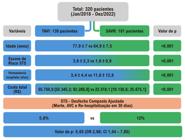
Results Between 01/2018 and 12/2022, 320 patients (139 TAVI, 181 SAVR) were included. TAVI patients were older (77.9 vs. 64.9 years, p<0.001) and had higher surgical risk (STS 3.62% vs. 1.64%, p<0.001). Mortality (2.9% vs. 5.0%) and stroke rates (1.4% vs. 3.3%) were numerically lower for TAVI, but not statistically significant. In a risk-adjusted composite outcome (death, stroke, re-hospitalization), TAVI showed potential superiority (5.8% vs. 12%, OR 2.68, 95% CI 1.04-7.65, p=0.05), though not statistically significant. TAVI was associated with a shorter hospital stay (2.0 vs. 8.0 days, p<0.001). TAVI’s total cost was significantly higher than SAVR’s (R$ 55,750.90 [52,345.30; 92,286.80] vs R$ 22,518.10 [19,130.60; 25,875.10, - p<0.001]).
Conclusions In this study, TAVI displayed similar clinical outcomes compared to SAVR, while being performed on older patients with higher surgical risk. From an economic perspective, costs of TAVI treatment were significantly higher than SAVR, driven mainly by device costs, while in-hospital length of stay was significantly lower. With extended follow-up and reduced procedural costs, TAVI may become a cost-effective option in the SUS.
Keywords:
Aortic Valve Stenosis; Heart Valve Prosthesis Implantation; Transcatheter Aortic Valve Replacement; Costs and Cost Analysis

Resumo
Fundamento O implante transcateter de válvula aórtica (TAVI) surgiu como o tratamento preferencial para estenose aórtica (EA) grave e sintomática. No entanto, dados comparativos com a substituição cirúrgica da válvula aórtica (SAVR) no sistema público de saúde brasileiro (SUS) ainda são limitados.
Objetivo Comparar os resultados clínicos e realizar uma análise de custo de TAVI versus SAVR em pacientes do SUS.
Métodos Este estudo retrospectivo, de centro único, avaliou os resultados clínicos e os custos médicos diretos, usando um limite de significância estatística de 5%.
Resultados Entre 01/2018 e 12/2022, 320 pacientes (139 TAVI, 181 SAVR) foram incluídos. Os pacientes TAVI eram mais velhos (77,9 vs. 64,9 anos, p < 0,001) e tinham maior risco cirúrgico (STS 3,62% vs. 1,64%, p < 0,001). A mortalidade (2,9% vs. 5,0%) e as taxas de acidente vascular cerebral (AVC) (1,4% vs. 3,3%) foram numericamente menores para TAVI, mas não estatisticamente significativas. Em um desfecho composto ajustado ao risco (morte, AVC, re-hospitalização), TAVI mostrou potencial superioridade (5,8% vs. 12%, OR 2,68, IC 95% 1,04-7,65, p = 0,05), embora não estatisticamente significativa. TAVI foi associado a menor tempo de internação hospitalar (2,0 vs. 8,0 dias, p<0,001). O custo total do TAVI foi significativamente maior que o do SAVR (R$ 55.750,90 [52.345,30; 92.286,8] vs. R$ 22.518,10 [19.130,60; 25.875,10, - p<0,001]).
Conclusões Neste estudo, o TAVI apresentou desfechos clínicos semelhantes ao SAVR, embora tenha sido realizado em pacientes mais idosos e com maior risco cirúrgico. Do ponto de vista econômico, os custos do tratamento com TAVI foram significativamente maiores do que com SAVR, impulsionados principalmente pelos custos dos dispositivos, enquanto o tempo de internação hospitalar foi significativamente menor. Com acompanhamento prolongado e custos de procedimento reduzidos, o TAVI pode se tornar uma opção custo-efetiva no SUS.
Palavras-chave:
Estenose da Valva Aórtica; Implante de Prótese de Valva Cardíaca; Substituição da Valva Aórtica Transcateter; Custos e Análise de Custo
Introduction
Calcific aortic stenosis (AS) is a condition of high prevalence and lethality,1primarily affecting elderly individuals. Surgical aortic valve replacement (SAVR) was the first curative treatment for this condition and remained the sole definitive therapy for several years. In 2002, transcatheter aortic valve implantation (TAVI) was performed for the first time,2 and since then, this technique has seen its indications expanded, supported by a series of randomized clinical trials in various surgical risk populations.3-9
Today, TAVI receives a level IA recommendation from major international and national cardiology guidelines10-12 for correcting AS in elderly patients, regardless of surgical risk. Since 2019, TAVI has also become the primary therapy for AS in the United States of America, according to the STS/TVT (Society of Thoracic Surgeons–American College of Cardiology Transcatheter Valve Therapy Registry) registry.13
Regarding the costs associated with TAVI - a concern with every new medical technology introduced in clinical practice -, several contemporary international studies corroborate its safety, efficacy, and cost-effectiveness in various settings.14-25 However, national data comparing TAVI outcomes with SAVR in Brazil are scarce, as are evaluations of the direct costs of both procedures in the scenario of the Brazilian Unified Health System (SUS).
Objectives
We aimed to evaluate the clinical outcomes of TAVI versus SAVR and conduct an economic analysis of the direct costs of both procedures, performed at a tertiary hospital within the Brazilian Unified Health System (SUS).
Methods
This is an observational, single-center, retrospective study. From January 1, 2018, to December 31, 2022, all patients undergoing TAVI and SAVR at a tertiary-level hospital specializing in Cardiology were evaluated. Patients over 50 years old with symptomatic, severe AS according to echocardiographic criteria12 were included. Patients with any of the following criteria were excluded: SAVR combined with coronary artery bypass graft (CABG); SAVR and associated surgical procedures involving mitral, tricuspid, or pulmonic apparatus, myectomy, or ascending aortic replacement; SAVR for isolated aortic insufficiency; patients in cardiogenic shock; patients with prior SAVR; TAVI performed via non-transfemoral access; and infective endocarditis in the last 6 months.
A free and informed consent form (FICF) was prepared requesting authorization for data collection, and the institutional Ethics and Research Committee approved the project - CAAE 59420922.0.0000.5462.
Clinical outcomes were defined according to recommendations from the Valve Academic Research Consortium (VARC-3)26 and assessed during the in-hospital period and up to 30 days post-discharge. Major clinical endpoints included all-cause death, cardiovascular death, stroke, acute kidney injury, major bleeding, vascular complications, infection, permanent pacemaker (PPM) implantation, and re-hospitalization. Data were collected from physical or digital medical records.
The economic analysis was based on direct medical costs. Regarding TAVI and SAVR procedures, we estimated material costs based on hospital data. Human resource costs per procedure were estimated through the remuneration of the professionals involved according to the average time of their participation in the procedures, as per a direct questionnaire applied to professionals and electronic medical record data. Hospitalization costs were based on estimated daily-bed values forward and ICU patients, according to individual length of stay in each sector. The length of hospitalization considered the initial day (D0) as the date of the procedure and the final day as the date of hospital discharge. A complete explanation of economic data collection is presented in supplementary document 1. All economic data will be presented in Brazilian Reais (BRL – R$). For reference, as of December 2022, 1 BRL was equivalent to 0,19 US Dollars (USD - $) and 0,18 Euros (EUR - €).
Statistical analysis
Continuous clinical and demographic variables were described by their means and standard deviations or medians and interquartile ranges. Categorical variables were described by their absolute and relative frequencies. To assess the normality of the sample data, a histogram was generated for visual inspection of the distribution.
Comparisons of variables of interest were made using hypothesis tests, with the unpaired Student’s t-test used (in cases where the data had a normal distribution) and the Mann-Whitney U test (when normal distribution was not met) for continuous variables. For categorical variables, the Chi-square test was used for association evaluation and Fisher’s test for independence analysis. The statistical significance level adopted was 5%.
Considering the main clinical outcomes of interest evaluated in contemporary international studies,6-9 univariate and multivariate Cox proportional hazards regression models were used to compare outcomes (mortality, stroke, and re-hospitalization) between the TAVI and SAVR groups. The univariate analysis assessed the association between procedure type and each outcome. The multivariate model was adjusted for STS Risk Score.27 All assumptions of the Cox model were verified.
Statistical analyses were performed using R Software version 4.1.2.
Results
Between January 2018 and December 2022, 470 patients underwent SAVR procedures, and 289 patients were excluded because they met the predefined exclusion criteria (Figure 1). During the same period, 142 TAVI procedures were performed at the institution, and 139 patients were selected for this study; only three (3) patients were excluded due to the application of alternative access routes for TAVI (2 procedures performed via subclavian access and 1 via transcarotid surgical access). Therefore, the total study population comprised 320 patients (n=139 in the TAVI group and n=181 in the SAVR group). Clinical data was available for all patients during the in-hospital period; missing data was very low (2 patients -1.1%- in the SAVR group and 3 patients -2.1%- in the TAVI group) in 30 days.

Baseline characteristics
TAVI and SAVR groups showed significant differences in their clinical and demographic profile (Table 1). As compared to SAVR patients, individuals who underwent TAVI were significantly older (77.9 ± 7 vs. 64.9 ± 7.5 years, p <0.001), with higher surgical risk as verified by STS score25 and by EuroScore II28 and with a higher prevalence of associated comorbidities such as previous stroke, chronic kidney disease - CKD, and frailty. In terms of baseline transthoracic echocardiographic characteristics, the TAVI group presented with greater indexed left atrial volume and reduced aortic valve area. Conversely, individuals treated with SAVR exhibited a higher proportion of moderate or severe aortic insufficiency prior to aortic valve replacement.
Procedural characteristics
A dedicated protocol for a minimalist TAVI procedure was implemented and has been followed since 2020 in the hospital, and whenever feasible, TAVI was performed using a fully percutaneous access route, with conscious sedation and transthoracic echocardiography instead of general anesthesia and transesophageal echocardiogram to guide the procedure. Considering those definitions, it was found that TAVI was conducted under a minimalist strategy in 89.9% of selected patients.
Regarding transcatheter heart valves (THV) types, balloon-expandable valves (BEV) were implanted in 115 (82.5%) patients, with 17.5% of patients undergoing implantation of self-expanding valves (SEV). In the SAVR group, bioprosthesis were used in 90% of cases, and only 10% of patients received a mechanical aortic valve. After the procedure, patients undergoing TAVI were transferred to the ward in more than half of the cases (57.2%), without the need to stay in the intensive care unit (ICU). The above data are presented in Table 2.
Clinical and echocardiographic outcomes
Considering the main clinical outcomes as defined by VARC-3 criteria, no significant differences were observed between TAVI and SAVR regarding all-cause mortality (2.8 vs 5.0%, p=0.353), stroke (1.4 vs 3.3%, p=0.300), and re-hospitalization at 30 days (1.4 vs 5.0%, p=0.106), respectively. Patients undergoing TAVI had a significantly lower incidence of major bleeding complications, infectious complications, and acute kidney injury. Conversely, patients undergoing SAVR had a lower incidence of vascular complications. The need for permanent pacemaker (PPM) implantation was similar between TAVI and SAVR (Table 3).
When evaluating the composite outcome of all-cause death, stroke, and re-hospitalization adjusted for the STS score of both groups (Table 4), a potential superiority of TAVI compared to SAVR was indicated. However, it did not reach statistical significance (5.8% vs. 12%, OR 2.68, 95% CI 1.04 - 7.65, p = 0.05) – Central Illustration.
Regarding the post-procedural transthoracic echocardiographic assessment, patients undergoing TAVI had a higher effective orifice area (EOA) and lower maximum and mean gradient values, as compared to SAVR patients. Additionally, patients who underwent TAVI had a significantly higher rate of moderate or severe aortic regurgitation (Table 5).
Length of index hospitalization and economic analysis
Length of hospital stay after the procedures was significantly shorter in the TAVI group as compared to the SAVR group (2.0 [1.0; 4.0] days vs. 8.0 [7.0; 12.0] days, p < 0,001), both considering the ICU and the ward length of stay (table 6).
The costs of materials required for the two types of procedures were significantly higher in the TAVI group (R$ 52,752.70 [48,865.4; 90,063.20] vs. R$ 5,635.4 [4,638.9; 7,688.00], p < 0.001). When multiplying the average hourly wage of the professionals involved in the procedures by the number of hours reported by each professional group, the average labor cost was R$ 1,464.23 for TAVI procedures and R$ 3,426.49 for SAVR procedures. In the TAVI group, the mean daily costs of ICU and ward stay were R$ 1,588.57 and R$ 717.54, respectively. On the other hand, the mean daily costs of ICU were R$ 2,585.34 in the SAVR group. The estimation of these values is presented in Supplementary Document. 1.
The analysis of procedural costs, including materials, devices, and professional fees, revealed that TAVI had a significantly higher cost compared to SAVR (R$ 54,322.6 [50,329.60; 91,529.20] for TAVI vs. R$ 9,061.9 [8,065.40; 11,114.50] for SAVR, p < 0,001). Hospitalization costs, however, were lower in the TAVI group (R$ 1,076.30 [717.50; 2,170.70]) compared to the SAVR group (R$ 12,494.00 [9,457.9; 16,799.20]). When combining both procedure and hospitalization costs, the total average cost was significantly higher for TAVI (R$ 55,750.90 [52,345.30; 92,286.80]) as compared to SAVR (R$ 22,518.10 [19,130.60; 25,875.10]), with a p-value of <0.001 (see Table 6).
Further breakdown of the cost components revealed that for TAVI, the procedural costs comprised 96.6% ± 3.5% of the total cost. Conversely, for SAVR, hospitalization costs accounted for 59.3% ± 13.8% of the total procedure cost (Table 6).
Discussion
In this observational study with patients with severe, symptomatic AS treated with SAVR in a public, tertiary referral hospital from the Brazilian unified health system, TAVI resulted in similar occurrence of safety and efficacy clinical outcomes as compared to SAVR, despite significant differences in baseline patients’ clinical characteristics such as age, comorbidities, and surgical risk. In most patients, it was possible to use a minimalist TAVI strategy, allowing discharge with a shorter hospital stay. From an economic perspective, TAVI was more expensive than SAVR, mainly due to the high costs related to the THV and its adjunctive devices.
Individuals undergoing TAVI were elderly (mean age 77.9 years) and stratified as low to intermediate surgical risk patients. Nineteen (19) % of these individuals were considered frail after multidisciplinary discussion in the Heart Team, with frailty being an important predictor of mortality not considered in traditionally used surgical risk scores. Hence, the indication for TAVI in our hospital was in accordance with current recommendations from national and international guidelines for the treatment of valvular heart disease.
Clinical results observed in our series can be analyzed comparatively to important registries published in the literature. Regarding TAVI, data from the STS-ACC TVT Registry13 (n= 68.000, the largest registry available) demonstrated that the median age and STS score of patients treated in the United States were 80 years and 4.38%, respectively – comparable to our population. Indeed, all-cause mortality was 2.5% and stroke rate was 2.3% - close to the mortality of 2.8% and stroke incidence of 1.4% observed in our study. Evidence from the Brazilian Registry of Transcatheter Aortic Valve Implantation and New Technologies (RIBAC-NT)29 revealed a higher in-hospital death rate (8.2%): the long-term nature of the national registry (14 years) and the inclusion of lower-volume and less-experienced centers may explain this discrepancy. Furthermore, patients selected for TAVI in our series were treated with newer, contemporary iterations of THVs, which enhance the safety and efficacy of TAVI procedures.
TAVI resulted in lower rates of hemorrhagic events, infectious complications, and acute kidney injury as compared to SAVR. Often, comparative studies revealed that permanent pacemaker implantation is more frequently observed after TAVI than SAVR:30 conversely, a low occurrence of PPM (4.3%) was observed in our population. The high percentage (82.5%) of BEV utilization and the shallow implantation technique of the THV relative to the aortic valve annulus may be related to this finding. Significantly better valve hemodynamics were noted in the TAVI group, with higher EOA and lower maximum and mean gradients as compared to the SAVR group, which may potentially impact the occurrence of major clinical endpoints at long-term follow-up.
Regarding SAVR, our results can be analyzed from the perspective of the Brazilian Registry of Cardiovascular Surgeries in Adults (BYPASS Registry, 2014 to 2018):31 in this study, the observed mortality of isolated SAVR was 5.1%, stroke rate was 1% and mean length of hospital stay was of 12.5 days (in line with rates of 5%, 3.3% and 11.6 days in our series, respectively). The occurrence of infectious complications in the SAVR group was unexpectedly high in our experience, mainly due to surgical site infection; thus, the prolonged hospitalization observed can be related to this finding. The latest data from The Society of Thoracic Surgeons Adult Cardiac Surgery Database32 reported an operative mortality rate of 2.3%, stroke of 1.3% and hospital length of stay of 5 days.
One of the benefits of TAVI is its less invasive nature, which allows for shorter hospitalization times as compared to SAVR. In this regard, the development and implementation of an institutional protocol for a streamlined TAVI treatment – minimizing costs related to the procedure, allocating patients in non-ICU beds whenever feasible and optimizing patient care after the procedure – cannot be overemphasized. This definitely represents a positive impact considering the public health system, as it allows greater turnover of hospital beds and more patients to be admitted and treated in ICUs and in the wards. Thereby, 63% of patients undergoing TAVI in our study were discharged within 48 hours after the procedure. In comparison, patients undergoing SAVR had an average of 5 days of ICU hospitalization and an average total hospitalization time of 11.6 days. Only 35% of patients were discharged within 7 days after surgery. The impact of TAVI following the streamlined approach can be seen in Figure 2, which shows the gradual reduction in hospitalization times following the minimalist protocol implementation since 2020, and its comparison with the surgical group.
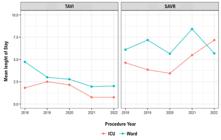
– Annual evolution of mean hospitalization time. TAVI: transcatheter aortic valve implantation; SAVR: surgical aortic valve replacement.
Regarding the economic findings of the study, the higher cost of TAVI as compared to surgery is primarily attributable to the cost of the transcatheter bioprosthesis. In the TAVI group, more than 95% of the total hospitalization costs are related to materials and devices. Because it is a less invasive procedure, TAVI entails shorter hospitalization times in the ICU and ward. Conversely, SAVR costs were mainly related to in-hospital stay (over 55% of the total costs). In other words, considering the reality of our public health system, TAVI still has a significantly higher cost when compared to SAVR, which is not fully offset by its significantly shorter hospital stay. Therefore, material price reduction is paramount to allow the less invasive treatment to be more widely available - considering cost-restraints relative to the public health system – and allowing the treatment of older, sicker patients that might not be the best candidates for SAVR treatment, with a favorable safety profile.
As a pioneering study that has contemporarily evaluated TAVI costs in the Brazilian unified public health system, we believe that our data can serve as a reference for future studies on the subject. As TAVI continues to be more broadly applicable to younger and low-risk patients and with the expected availability of different THVs in the market - with a consequent reduction in device costs -, studies with long-term follow-up (such as the prospective, randomized TEAM-Br - Treatment of Aortic Stenosis in Brazil, NCT04067089) are eagerly awaited to truly evaluate the cost-effectiveness and cost-utility of TAVI as compared to SAVR in our country.
Limitations
This study has several limitations. The observational nature of the study and the inclusion of consecutive patients resulted in groups with very different clinical characteristics. Patients with associated significant coronary artery disease in whom a combined SAVR-CABG procedure was performed were not included; in this subgroup, surgical mortality tends to be higher than for isolated SAVR, and TAVI combined with percutaneous coronary intervention (PCI) may be advantageous. Due to unavailability or unreliable data, economic costs were not evaluated in 81 patients from the TAVI group and in 112 patients from the SAVR group. In addition, some significant costs potentially associated with complications (e.g., dialysis, blood transfusions) were not included in this analysis due to the unavailability of values for incorporation. A significant portion of procedures was conducted during the COVID-19 pandemic, potentially introducing confounding factors. Moreover, clinical outcomes and cost data were collected in a high-volume, well-experienced, specialized cardiology center, and results may not be extrapolated to every other hospital in Brazil. Finally, a long-term follow-up analysis and quality-of-life measurements were not performed; therefore, a cost-effectiveness comparison of both modalities was not possible.
Conclusion
In this study, performed at a public, tertiary referral hospital from the Brazilian unified health system (SUS), TAVI resulted in similar clinical outcomes as compared to SAVR - albeit being performed on older patients with higher surgical risk. A multiparametric evaluation of a composite outcome of all-cause death, stroke, and re-hospitalization at 30 days indicated a potential superiority of TAVI, which, however, did not reach statistical significance. From an economic perspective, the costs of TAVI treatment were significantly higher than SAVR, driven mainly by the transcatheter heart valves and adjunctive devices costs, while in-hospital length of stay was significantly lower.
Prospective studies with long-term follow-up and quality-of-life assessments are needed to accurately assess the cost-effectiveness and cost-utility of the procedure in our country.
Supplemental Materials
SUPPLEMENTARY DOCUMENT
References
-
1 Ross J Jr, Braunwald E. Aortic Stenosis. Circulation. 1968;38(1 Suppl):61-7. doi: 10.1161/01.cir.38.1s5.v-61.
» https://doi.org/10.1161/01.cir.38.1s5.v-61 -
2 Cribier A, Eltchaninoff H, Bash A, Borenstein N, Tron C, Bauer F, et al. Percutaneous Transcatheter Implantation of an Aortic Valve Prosthesis for Calcific Aortic Stenosis: First Human Case Description. Circulation. 2002;106(24):3006-8. doi: 10.1161/01.cir.0000047200.36165.b8.
» https://doi.org/10.1161/01.cir.0000047200.36165.b8 -
3 Leon MB, Smith CR, Mack M, Miller DC, Moses JW, Svensson LG, et al. Transcatheter Aortic-Valve Implantation for Aortic Stenosis in Patients Who Cannot Undergo Surgery. N Engl J Med. 2010;363(17):1597-607. doi: 10.1056/NEJMoa1008232.
» https://doi.org/10.1056/NEJMoa1008232 -
4 Smith CR, Leon MB, Mack MJ, Miller DC, Moses JW, Svensson LG, et al. Transcatheter versus Surgical Aortic-Valve Replacement in High-Risk Patients. N Engl J Med. 2011;364(23):2187-98. doi: 10.1056/NEJMoa1103510.
» https://doi.org/10.1056/NEJMoa1103510 -
5 Adams DH, Popma JJ, Reardon MJ, Yakubov SJ, Coselli JS, Deeb GM, et al. Transcatheter Aortic-Valve Replacement with a Self-Expanding Prosthesis. N Engl J Med. 2014;370(19):1790-8. doi: 10.1056/NEJMoa1400590.
» https://doi.org/10.1056/NEJMoa1400590 -
6 Leon MB, Smith CR, Mack MJ, Makkar RR, Svensson LG, Kodali SK, et al. Transcatheter or Surgical Aortic-Valve Replacement in Intermediate-Risk Patients. N Engl J Med. 2016;374(17):1609-20. doi: 10.1056/NEJMoa1514616.
» https://doi.org/10.1056/NEJMoa1514616 -
7 Reardon MJ, Van Mieghem NM, Popma JJ, Kleiman NS, Søndergaard L, Mumtaz M, et al. Surgical or Transcatheter Aortic-Valve Replacement in Intermediate-Risk Patients. N Engl J Med. 2017;376(14):1321-31. doi: 10.1056/NEJMoa1700456.
» https://doi.org/10.1056/NEJMoa1700456 -
8 Mack MJ, Leon MB, Thourani VH, Makkar R, Kodali SK, Russo M, et al. Transcatheter Aortic-Valve Replacement with a Balloon-Expandable Valve in Low-Risk Patients. N Engl J Med. 2019;380(18):1695-705. doi: 10.1056/NEJMoa1814052.
» https://doi.org/10.1056/NEJMoa1814052 -
9 Popma JJ, Deeb GM, Yakubov SJ, Mumtaz M, Gada H, O'Hair D, et al. Transcatheter Aortic-Valve Replacement with a Self-Expanding Valve in Low-Risk Patients. N Engl J Med. 2019;380(18):1706-15. doi: 10.1056/NEJMoa1816885.
» https://doi.org/10.1056/NEJMoa1816885 -
10 Otto CM, Nishimura RA, Bonow RO, Carabello BA, Erwin JP 3rd, Gentile F, et al. 2020 ACC/AHA Guideline for the Management of Patients with Valvular Heart Disease: A Report of the American College of Cardiology/American Heart Association Joint Committee on Clinical Practice Guidelines. Circulation. 2021;143(5):e72-e227. doi: 10.1161/CIR.0000000000000923.
» https://doi.org/10.1161/CIR.0000000000000923 -
11 Vahanian A, Beyersdorf F, Praz F, Milojevic M, Baldus S, Bauersachs J, et al. 2021 ESC/EACTS Guidelines for the Management of Valvular Heart Disease. Eur Heart J. 2022;43(7):561-632. doi: 10.1093/eurheartj/ehab395.
» https://doi.org/10.1093/eurheartj/ehab395 -
12 Tarasoutchi F, Montera MW, Ramos AIO, Sampaio RO, Rosa VEE, Accorsi TAD, et al. Update of the Brazilian Guidelines for Valvular Heart Disease - 2020. Arq Bras Cardiol. 2020;115(4):720-75. doi: 10.36660/abc.20201047.
» https://doi.org/10.36660/abc.20201047 -
13 Carroll JD, Mack MJ, Vemulapalli S, Herrmann HC, Gleason TG, Hanzel G, et al. STS-ACC TVT Registry of Transcatheter Aortic Valve Replacement. J Am Coll Cardiol. 2020;76(21):2492-516. doi: 10.1016/j.jacc.2020.09.595.
» https://doi.org/10.1016/j.jacc.2020.09.595 -
14 Reynolds MR, Lei Y, Wang K, Chinnakondepalli K, Vilain KA, Magnuson EA, et al. Cost-Effectiveness of Transcatheter Aortic Valve Replacement with a Self-Expanding Prosthesis versus Surgical Aortic Valve Replacement. J Am Coll Cardiol. 2016;67(1):29-38. doi: 10.1016/j.jacc.2015.10.046.
» https://doi.org/10.1016/j.jacc.2015.10.046 -
15 Baron SJ, Wang K, House JA, Magnuson EA, Reynolds MR, Makkar R, et al. Cost-Effectiveness of Transcatheter versus Surgical Aortic Valve Replacement in Patients with Severe Aortic Stenosis at Intermediate Risk. Circulation. 2019;139(7):877-88. doi: 10.1161/CIRCULATIONAHA.118.035236.
» https://doi.org/10.1161/CIRCULATIONAHA.118.035236 -
16 Lorenzoni V, Barbieri G, Saia F, Meucci F, Martinelli GL, Cerillo AG, et al. The Cost-Effectiveness of Transcatheter Aortic Valve Implantation: Exploring the Italian National Health System Perspective and Different Patient Risk Groups. Eur J Health Econ. 2021;22(9):1349-63. doi: 10.1007/s10198-021-01314-z.
» https://doi.org/10.1007/s10198-021-01314-z -
17 Tarride JE, Luong T, Goodall G, Burke N, Blackhouse G. A Canadian Cost-Effectiveness Analysis of SAPIEN 3 Transcatheter Aortic Valve Implantation Compared with Surgery, in Intermediate and High-Risk Severe Aortic Stenosis Patients. Clinicoecon Outcomes Res. 2019;11:477-86. doi: 10.2147/CEOR.S208107.
» https://doi.org/10.2147/CEOR.S208107 -
18 Goodall G, Lamotte M, Ramos M, Maunoury F, Pejchalova B, de Pouvourville G. Cost-Effectiveness Analysis of the SAPIEN 3 TAVI Valve Compared with Surgery in Intermediate-Risk Patients. J Med Econ. 2019;22(4):289-96. doi: 10.1080/13696998.2018.1559600.
» https://doi.org/10.1080/13696998.2018.1559600 -
19 Kuck KH, Leidl R, Frankenstein L, Wahlers T, Sarmah A, Candolfi P, et al. Cost-Effectiveness of SAPIEN 3 Transcatheter Aortic Valve Implantation versus Surgical Aortic Valve Replacement in German Severe Aortic Stenosis Patients at Low Surgical Mortality Risk. Adv Ther. 2023;40(3):1031-46. doi: 10.1007/s12325-022-02392-y.
» https://doi.org/10.1007/s12325-022-02392-y -
20 Mennini FS, Meucci F, Pesarini G, Vandoni P, Lettino M, Sarmah A, et al. Cost-Effectiveness of Transcatheter Aortic Valve Implantation versus Surgical Aortic Valve Replacement in Low Surgical Risk Aortic Stenosis Patients. Int J Cardiol. 2022;357:26-32. doi: 10.1016/j.ijcard.2022.03.034.
» https://doi.org/10.1016/j.ijcard.2022.03.034 -
21 Azraai M, Gao L, Ajani AE. Cost-Effectiveness of Transcatheter Aortic Valve Intervention (TAVI) Compared to Surgical Aortic Valve Replacement (SAVR) in Low- to Intermediate-Surgical-Risk Patients. Cardiovasc Revasc Med. 2020;21(9):1164-8. doi: 10.1016/j.carrev.2020.01.009.
» https://doi.org/10.1016/j.carrev.2020.01.009 -
22 Zhou JY, Liew D, Duffy SJ, Walton A, Htun N, Stub D. Cost-Effectiveness of Transcatheter versus Surgical Aortic Valve Replacement in Low-Risk Patients with Severe Aortic Stenosis. Heart Lung Circ. 2021;30(4):547-54. doi: 10.1016/j.hlc.2020.09.934.
» https://doi.org/10.1016/j.hlc.2020.09.934 -
23 Tchétché D, de Gennes CD, Cormerais Q, Geisler BP, Dutot C, Wilquin-Bequet F, et al. Cost-Effectiveness of Transcatheter Aortic Valve Implantation in Patients at Low Surgical Risk in France: A Model-Based Analysis of the Evolut LR trial. Eur J Health Econ. 2024;25(3):447-57. doi: 10.1007/s10198-023-01590-x.
» https://doi.org/10.1007/s10198-023-01590-x -
24 Mabin TA, Condolfi P. An Analysis of Real-World Cost-Effectiveness of TAVI in South Africa. Cardiovasc J Afr. 2014;25(1):21-6. doi: 10.5830/CVJA-2013-090.
» https://doi.org/10.5830/CVJA-2013-090 -
25 Shah KK, Elder D, Nguyen MTH, Turner L, Doyle M, Woldendorp K, et al. Transcatheter Aortic Valve Implantation (TAVI) versus Surgical Aortic Valve Replacement for Aortic Stenosis (SAVR): A Cost-Comparison Study. Heart Lung Circ. 2021;30(12):1918-28. doi: 10.1016/j.hlc.2021.05.088.
» https://doi.org/10.1016/j.hlc.2021.05.088 -
26 Généreux P, Piazza N, Alu MC, Nazif T, Hahn RT, Pibarot P, et al. Valve Academic Research Consortium 3: Updated Endpoint Definitions for Aortic Valve Clinical Research. Eur Heart J. 2021;42(19):1825-57. doi: 10.1093/eurheartj/ehaa799.
» https://doi.org/10.1093/eurheartj/ehaa799 -
27 O'Brien SM, Shahian DM, Filardo G, Ferraris VA, Haan CK, Rich JB, et al. The Society of Thoracic Surgeons 2008 Cardiac Surgery Risk Models: Part 2--Isolated Valve Surgery. Ann Thorac Surg. 2009;88(1 Suppl):S23-42. doi: 10.1016/j.athoracsur.2009.05.056.
» https://doi.org/10.1016/j.athoracsur.2009.05.056 -
28 Nashef SA, Roques F, Sharples LD, Nilsson J, Smith C, Goldstone AR, et al. EuroSCORE II. Eur J Cardiothorac Surg. 2012;41(4):734-44. doi: 10.1093/ejcts/ezs043.
» https://doi.org/10.1093/ejcts/ezs043 -
29 Ferreira MCM, Lemke VMG, Paiva MSMO, Nascimento EMD, Pereira BB, Oliveira GMM. In-Hospital Outcomes in the Brazilian Registry of Transcatheter Aortic Valve Implantation - 14-Year Analysis. Arq Bras Cardiol. 2024;121(5):e20230551. doi: 10.36660/abc.20230551.
» https://doi.org/10.36660/abc.20230551 -
30 Bisson A, Bodin A, Herbert J, Lacour T, Etienne CS, Pierre B, et al. Pacemaker Implantation after Balloon- or Self-Expandable Transcatheter Aortic Valve Replacement in Patients with Aortic Stenosis. J Am Heart Assoc. 2020;9(9):e015896. doi: 10.1161/JAHA.120.015896.
» https://doi.org/10.1161/JAHA.120.015896 -
31 Zilli AC, Guizilini S, Rocco IS, Santo JADE, Berwanger O, Kalil RAK, et al. Valve Heart Surgery in Brazil - The BYPASS Registry Analysis. Braz J Cardiovasc Surg. 2020;35(1):82-90. doi: 10.21470/1678-9741-2019-0408.
» https://doi.org/10.21470/1678-9741-2019-0408 -
32 von Ballmoos MCW, Kaneko T, Iribarne A, Kim KM, Arghami A, Fiedler A, et al. The Society of Thoracic Surgeons Adult Cardiac Surgery Database: 2023 Update on Procedure Data and Research. Ann Thorac Surg. 2024;117(2):260-70. doi: 10.1016/j.athoracsur.2023.11.016.
» https://doi.org/10.1016/j.athoracsur.2023.11.016
-
Study association:
This article is part of the thesis of master submitted by Gabriel Prado Saad, from Instituto Dante Pazzanese de Cardiologia/Universidade de São Paulo.
-
Ethics approval and consent to participate:
This study was approved by the Ethics Committee of the Instituto Dante Pazzanese de Cardiologia under the protocol number CAAE: 59420922.0.0000.5462. All the procedures in this study were in accordance with the 1975 Helsinki Declaration, updated in 2013. Informed consent was obtained from all participants included in the study.
-
Use of Artificial Intelligence:
The authors did not use any artificial intelligence tools in the development of this work.
-
Data Availability:
Data is available upon request for reviewers.
-
*Supplemental Materials
For additional information, please click here.
-
Sources of funding:
There were no external funding sources for this study.
Edited by
-
Editor responsible for the review:
Henrique Ribeiro
Data is available upon request for reviewers.


