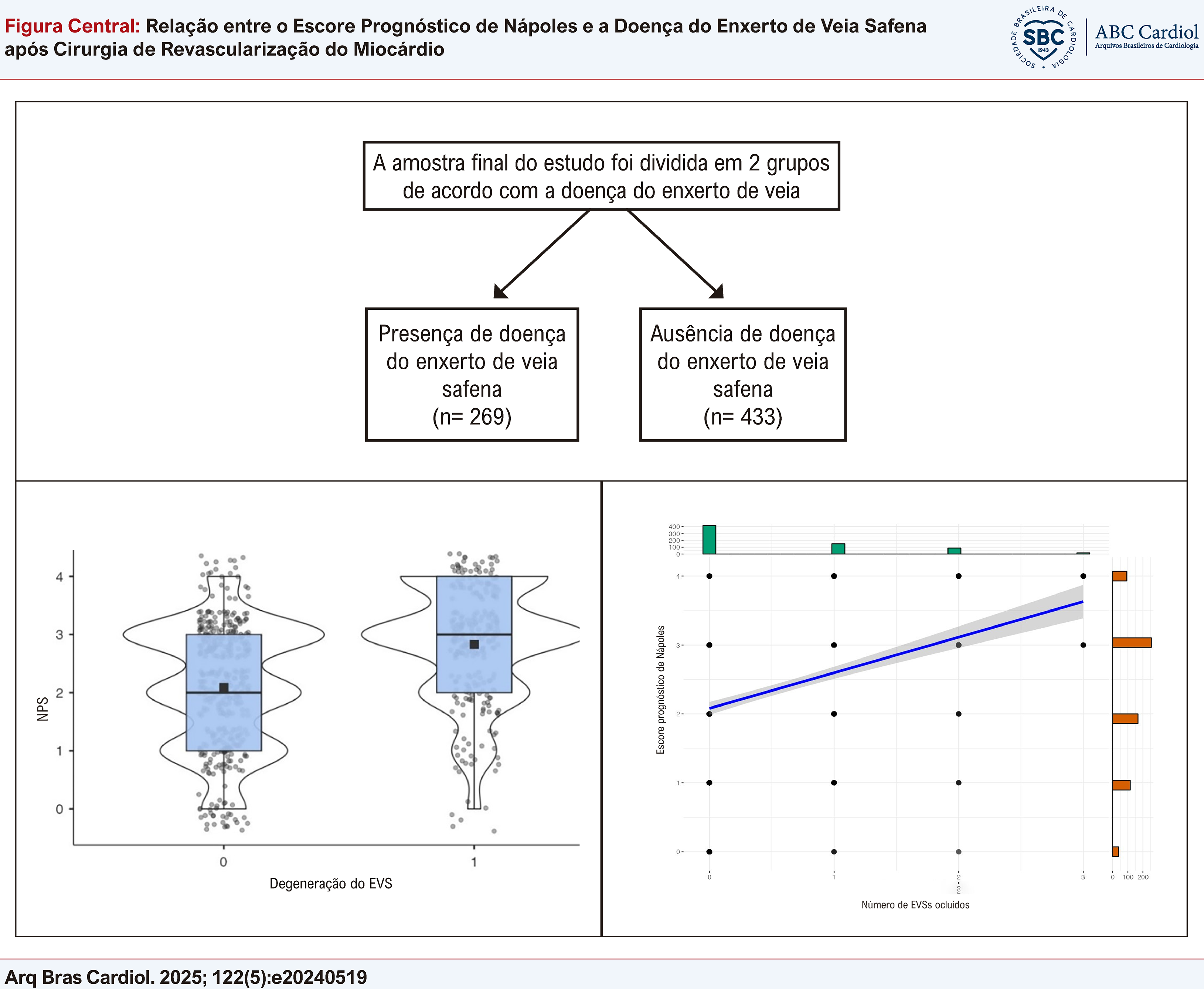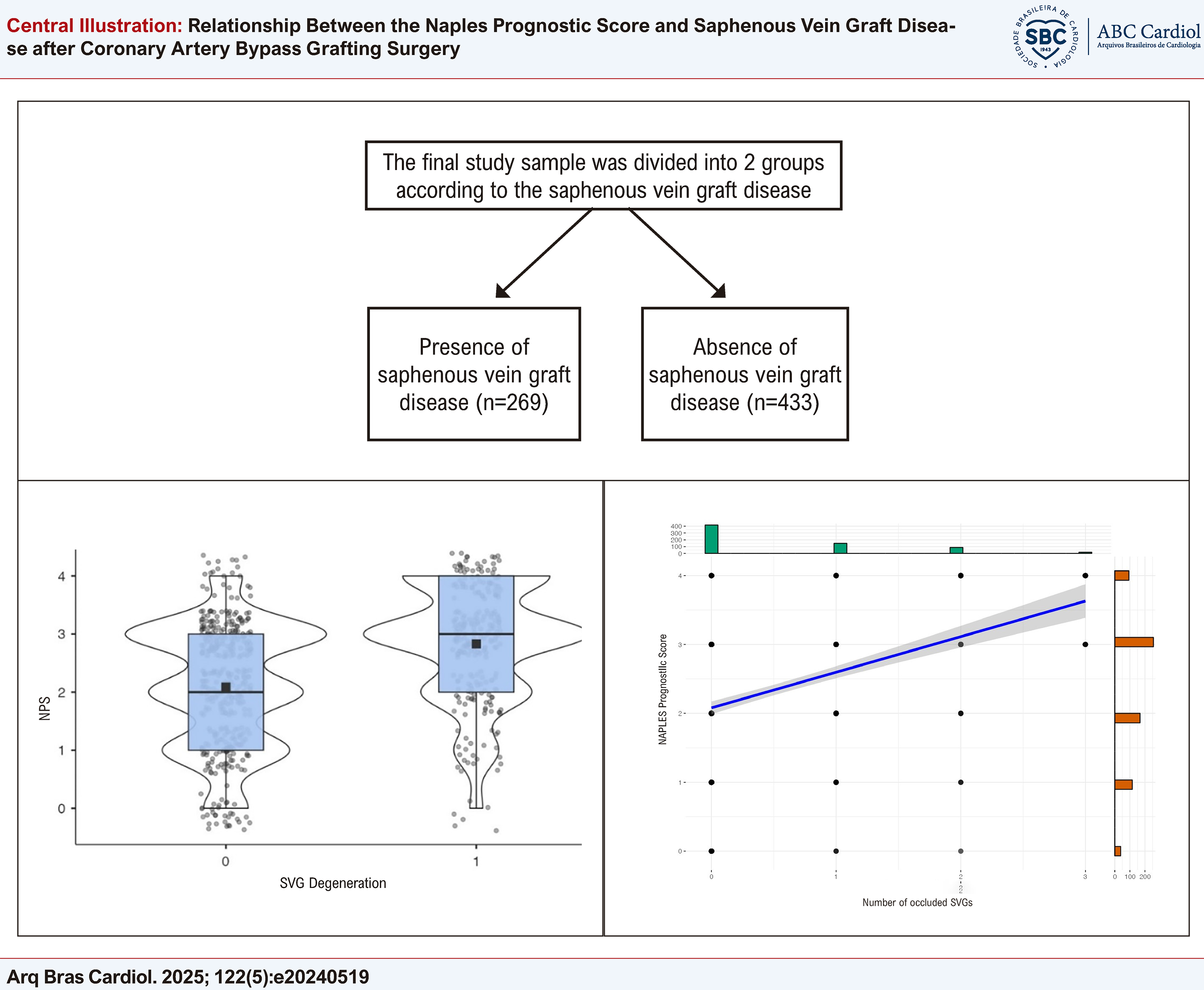
 Relationship Between the Naples Prognostic Score and Saphenous Vein Graft Disease after Coronary Artery Bypass Grafting Surgery
Background Saphenous vein graft (SVG) patency remains a challenge in cases of coronary artery disease following coronary artery bypass grafting (CABG) surgery. The Naples prognostic score (NPS) constitutes a novel scoring system designed to assess both nutritional status and inflammation.
Objectives Our study aimed to explore the association between the NPS and SVG disease in patients with a previous history of CABG surgery.
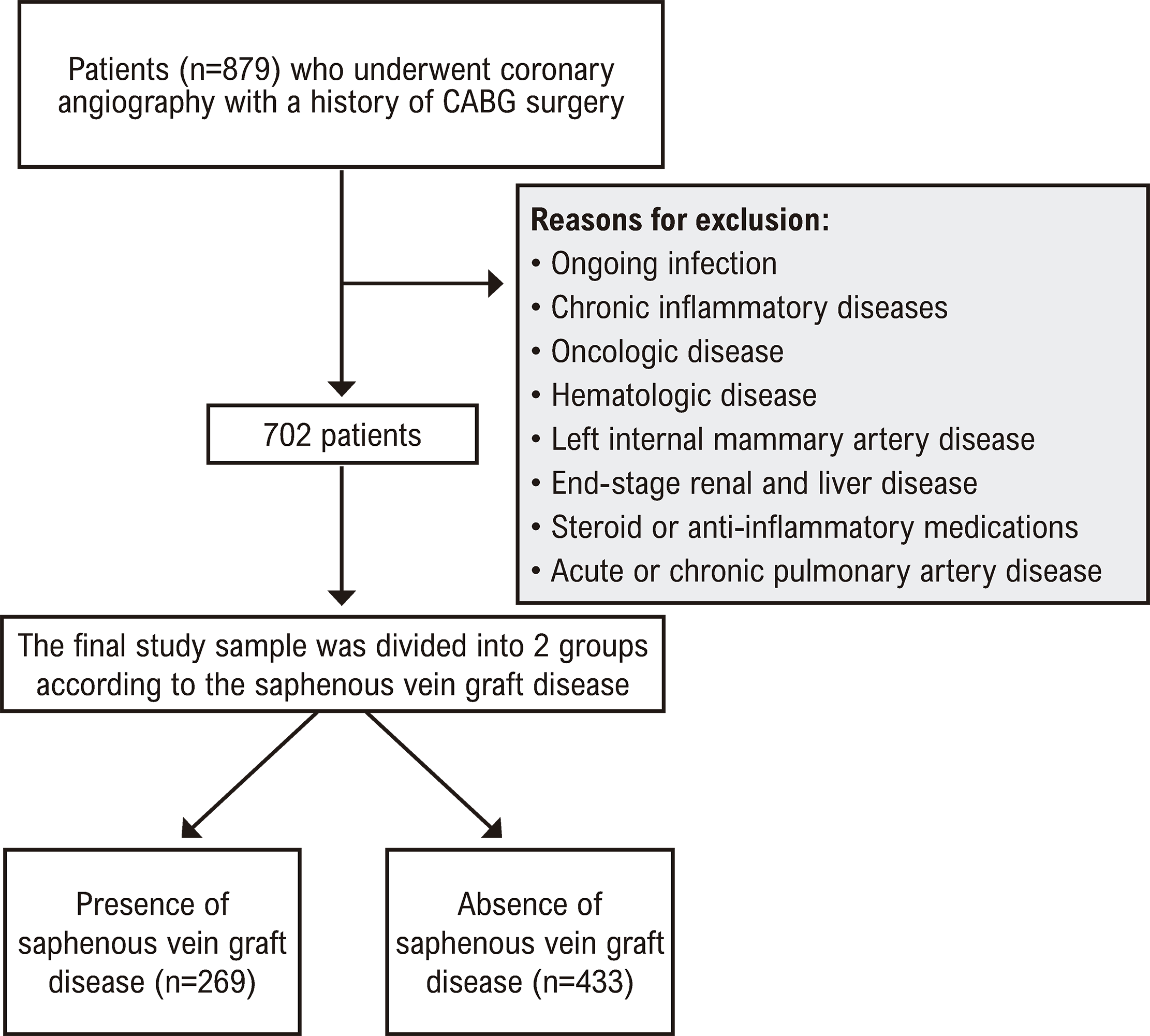
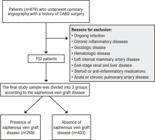
Methods A total of 702 patients who had undergone CABG surgery and underwent coronary angiography were reviewed retrospectively. SVG disease was defined as the presence of ≥50% stenosis in at least one SVG. Patients were categorized into two groups based on the presence or absence of SVG disease. Values of p<0.05 were accepted as statistically significant.
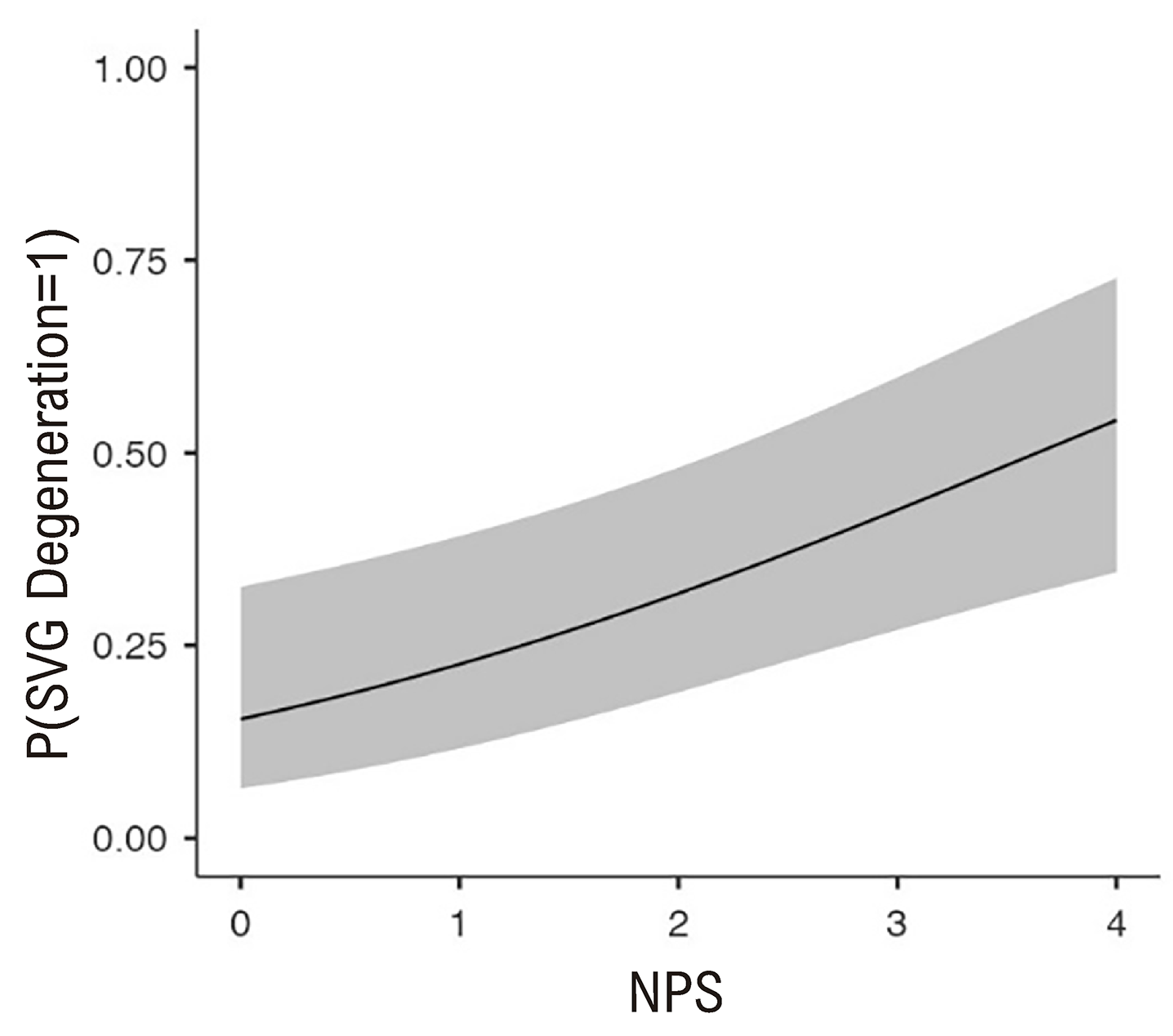
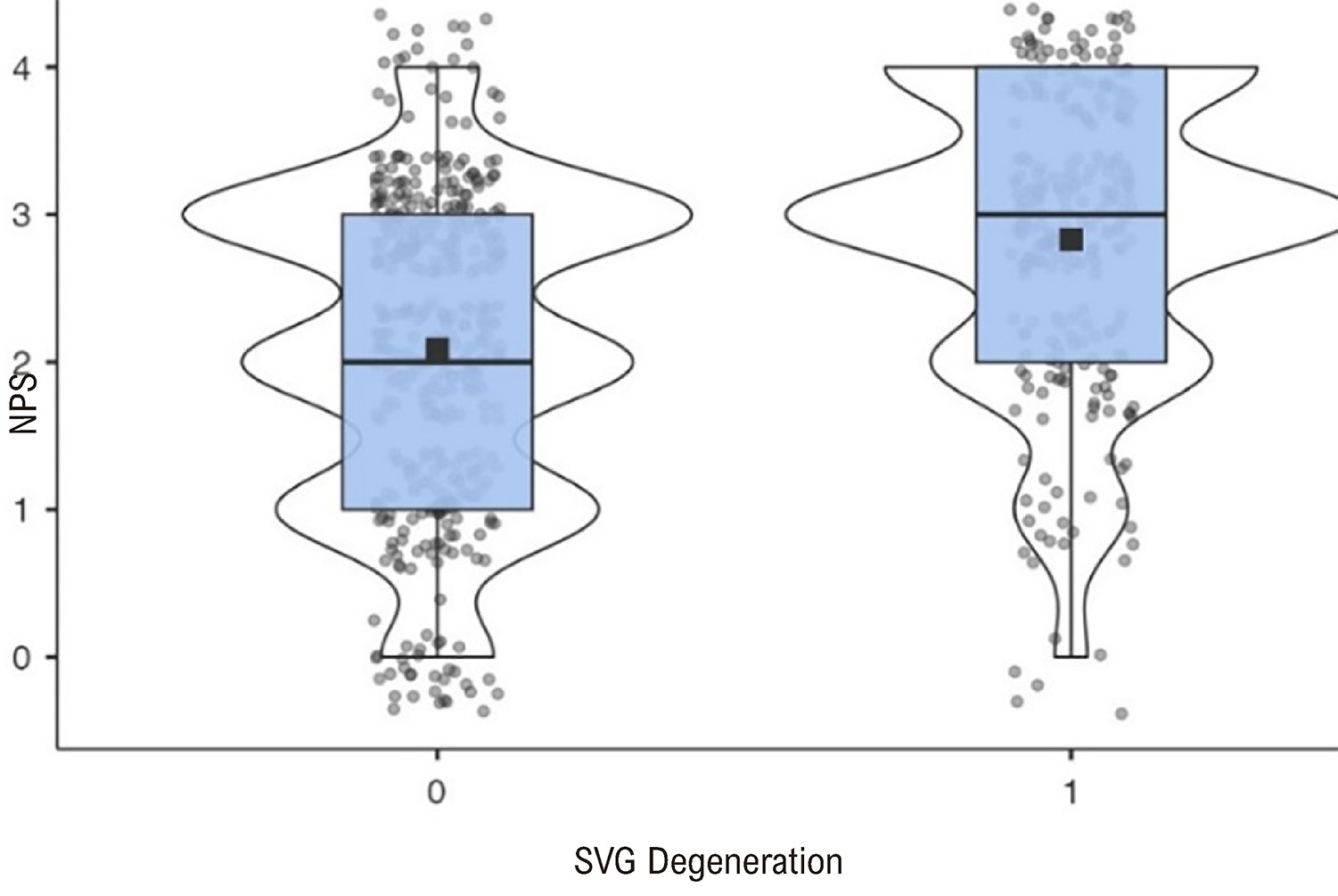
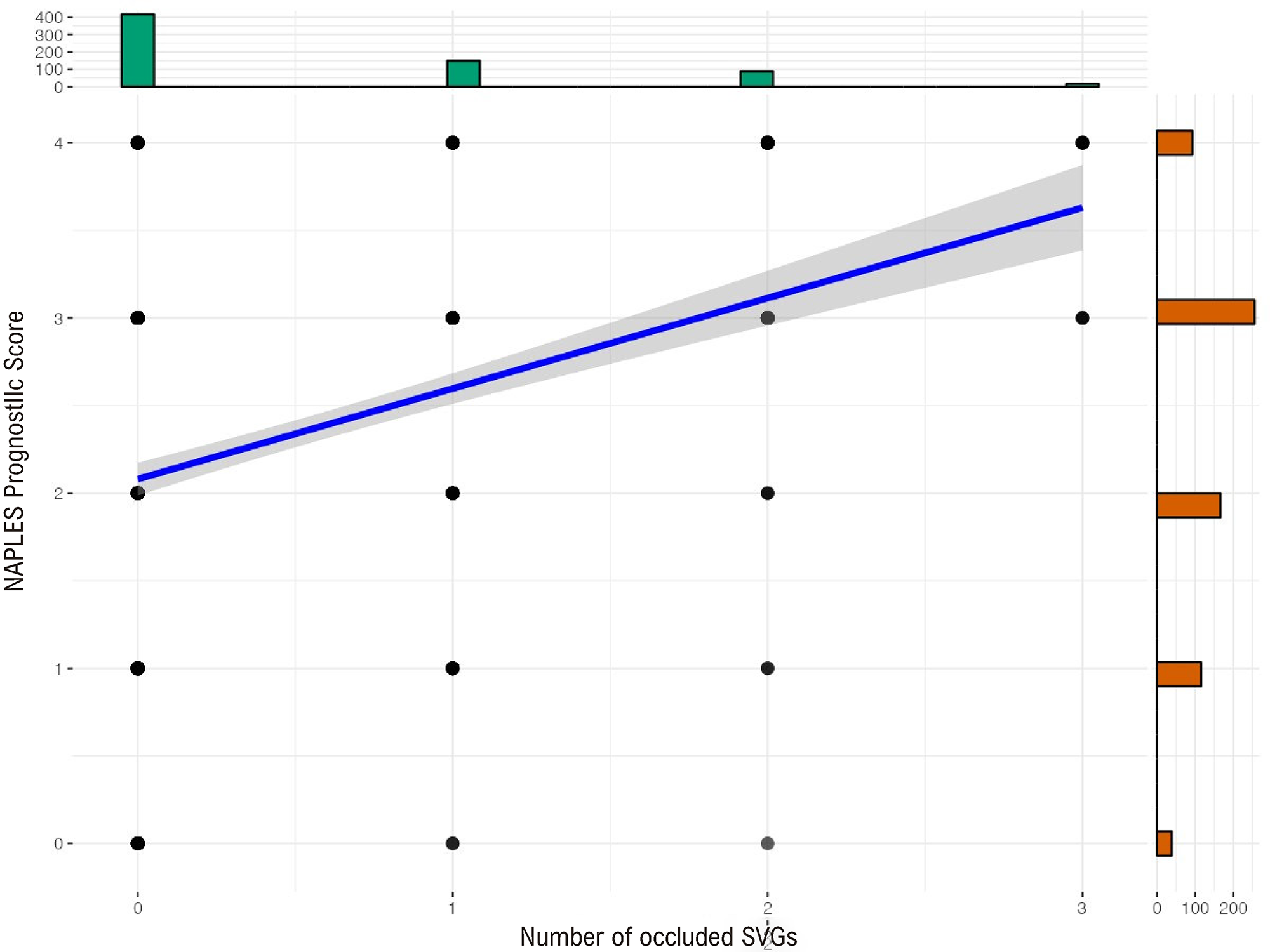
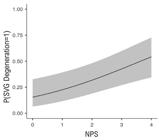
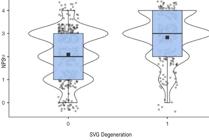
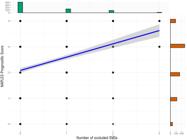
Results The study population consisted of 702 patients, with 269 (38.3%) having degenerative SVGs and 433 (61.7%) without degenerative SVGs. The NPS was higher in the group with saphenous vein degeneration and emerged as a significant predictor of SVG disease (OR: 1.596, 95% CI: 1.198-2.125, p=0.001). Additionally, hypertension (OR: 2.344, 95% CI: 1.137-4.833, p=0.02), chronic kidney disease (OR: 3.337, 95% CI: 1.554-7.168, p=0.002), statin usage (OR: 0.434, 95% CI: 0.239-0.789, p=0.006), time interval since CABG (OR: 1.138, 95% CI: 1.213-1.432, p<0.001), and number of SVGs (OR: 2.708, 95% CI: 1.902-3.855, p<0.001) were significant predictors of SVG disease.
Conclusion The NPS, a useful tool for assessing inflammation and nutritional status, could provide valuable information about the patency of SVGs following CABG surgery. Patients with elevated NPS after CABG should undergo careful monitoring for the development of SVG disease.
Myocardial Revascularization; Saphenous Vein; Inflammation; Atherosclerosis

 Thumbnail
 Thumbnail
 Thumbnail
 Thumbnail
 Thumbnail