 Attacking shortfalls of aquatic plant diversity in the São Francisco Basin, Brazil's fourth hydrological region
Abstract
Access to taxonomic and biogeographical information about aquatic plants at large spatial scales, such as river basins, poses challenges due to the temporal and spatial dynamics of ecosystems and human limitations in research. Here, we investigated the diversity, endemism, and distribution of aquatic plants in the São Francisco River Basin, which spans over 600,000 km² of Brazilian territory. We compiled data from digital repositories and collected data through floristic inventory associated with the Integration Project of the São Francisco River (PISF). We discovered 853 aquatic plant species in the basin, with 788 native and 138 endemic to Brazil. The highest record density, species numbers, and endemism index were recorded in areas with large hydraulic developments, such as hydroelectric power plants and PISF canals in the middle lower and lower São Francisco regions, as well as the upper region near an urban center. Field expeditions from the PISF contributed 16% of the total records and 32.9% of the total richness, documenting 16 exclusive species. Our results highlight the diversity and distribution of aquatic plants within a hydrographic basin covering over 8% of Brazil, emphasizing the importance of primary data obtained through environmental licensing linked to infrastructure works in addressing biodiversity shortfalls.
Keywords:
Caatinga Phytogeographic Domain; Environmental Licensing; Macrophyte; River Transposition; São Francisco River
Introduction
The complete understanding of taxonomic diversity at extensive spatial scales (e.g., Hydrological Region, Biome, Phytogeographic Domain, or Ecozone) presents a daunting task owing to the temporal and spatial dynamics of ecosystems and the limited human capacity for investigation (Ladle & Hortal, 2013). This limitation has an important impact on the quality and reliability of the available data (Gaston & Rodrigues, 2003), resulting in knowledge shortfalls regarding biodiversity (Hortal et al., 2015; Alahuhta et al., 2021). Two of these shortfalls point to inequality between the number of species described and the number of species that exist (Linnean) or to geographical biases in species distribution information (Wallacean), which turn taxonomic diversity hotspots into mere collection effort maps (Lomolino, 2004). These shortfalls impact our understanding of evolutionary and macroecological processes, including decisions related to biodiversity conservation (Hortal et al., 2015; Baattrup-Pedersen et al., 2019; Alahuhta et al., 2021).
Until now, data on diversity worldwide indicated that the Neotropical Ecozone, particularly Brazil, is a center of taxonomic diversity and endemism of aquatic plants, especially species with an amphibious or emergent life form (Murphy et al., 2019; 2020). An ecozone, as defined by Olson et al. (2001), represents one of the Earth's major biogeographic regions, characterized by distinct ecological, climatic, and evolutionary features. These zones encompass several ecosystems and are home to unique assemblages of species that have evolved in relative isolation. Brazil is a vast country that encompasses six Phytogeographic Domains (Amazon, Caatinga, Cerrado, Atlantic Forest, Pampa, and Pantanal), in addition to twelve Hydrographic Regions. A Phytogeographic Domain is a subcontinental geographical area that includes one or more biomes but has unique characteristics of topography, climate, and the dominance of specific plant taxa (IBGE, 2012; Queiroz et al., 2017). On the other hand, a hydrographic region is a geographical area whose water drainage flows into a major river (ANA, 2018). The geopolitical and environmental characteristics of the twelve hydrographic regions of Brazil can be viewed on the website (https://www.gov.br/ana/pt-br/assuntos/gestao-das-aguas/panorama-das-aguas/regioes-hidrograficas) of the Brazilian National Water Agency, (Agência Nacional de Águas, in Portuguese).
The hydrographic regions are divided into hydrographic sub-basins (referred to as Mesoregions), which can connect aquatic and terrestrial ecosystems belonging to biomes from different Phytogeographic Domains (ANA, 2018). For instance, the São Francisco River Basin (SFRB), the fourth largest in Brazil, is divided into four Mesoregions - Upper, Middle, Middle-lower, and Lower (CBHSF, 2023). These mesoregions of SFRB encompass ecosystems and biomes from the Phytogeographic Domains of Caatinga (which dominates in the Middle-lower and Lower Mesoregions), Cerrado (which dominates in the Upper and Middle Mesoregions), and Atlantic Forest at its source (Upper) and mouth (Lower) located on the country’s coast (IBGE, 2021). Due to the hydrological connections of Brazil's Hydrographic Regions or their Mesoregions, some aquatic plants are widely distributed throughout the country (Córdova et al., 2022). However, aquatic flora has significant endemism within the hydrographic regions (Pivari et al., 2019; Moura-Júnior et al., 2021a).
In the past two decades, discoveries regarding the diversity of aquatic plants in the Neotropics, particularly in Brazil, have experienced a great rate of growth compared to that observed in Europe and North America (Moura-Júnior et al., 2021a). The substantial amount of data collected and publications in the 21st century regarding aquatic plant diversity in the Neotropical Ecozone has largely been the result of collaborative efforts by researchers dedicated to compiling and organizing available data on these plants (Machado Filho et al., 2014; Murphy et al., 2019; Moura-Júnior et al., 2021a). The Group of Aquatic Plants Specialists of the Brazilian Botanical Society (Núcleo de Especialistas em Plantas Aquáticas da Sociedade Botânica do Brasil - NEPA/SBB, in Portuguese, https://www.botanica.org.br/diretorias-regionais/nepa/), for instance, has compiled, systematized, and made available taxonomic, ecological, and biogeographical data on aquatic plants from diverse geopolitical regions of Brazil (Moura-Júnior et al., 2013; 2015; Moura-Júnior & Cotarelli, 2019; Oliveira et al., 2019; Pivari et al., 2019). This dataset is available through the repository for the "Aquatic Plants of Brazil", which is available at: https://sites.icb.ufmg.br/plantasaquaticasbrasil/. The integration of data from digital repositories, such as GBIF, speciesLink, and Aquatic Plants of Brazil, in conjunction with primary data, is being utilized to address Linnean and Wallacean deficiencies and to evaluate ecological processes associated with biodiversity conservation. For instance, regionalism in the aquatic flora of the Phytogeographic Domains (Córdova et al., 2022) or the potential geographical distribution of endemic or native aquatic plant species within these Domains (Nascimento et al., 2020; Moura-Júnior et al., 2021b).
Despite the contribution of data repositories to the advancement of knowledge regarding the diversity of aquatic plant species in the Neotropical Ecozone, a significant portion of the taxonomic or biogeographical information about these species remains unknown due to limited access to the habitats where they occur (Machado Filho et al., 2014; Alahuhta et al., 2021; Córdova et al., 2022). In Brazil, expeditions aimed at obtaining primary data on plants or animals are predominantly associated with research within universities, mainly public ones (Shueb & Guk, 2023). The scenario of budget cuts in scientific research in Brazil after 2015 has hindered progress in the field of biodiversity knowledge in the country (Thomé & Haddad, 2019). In this context, the use of programs linked to environmental licensing (required by law) aimed at reducing socio-environmental impacts caused by large construction projects can serve as a viable strategy to access data on the taxonomic diversity of plants and/or animals (Moura et al., 2018). However, there is limited empirical data available to assess the feasibility of programs tied to environmental licensing in Brazil for accessing taxonomic information about plants and/or animals and addressing biodiversity shortfalls (Moura et al., 2018).
The Integration Project of the São Francisco River (PISF - Projeto de Integração do São Francisco, in Portuguese) is an infrastructure and human development initiative by the Brazilian federal government. Its goal is to channel water from the São Francisco River Basin and integrate it with other hydrographic regions in the northern part of the Northeast region of Brazil (ANA, 2023). As a result, the PISF will provide water to more than 12 million people in the Brazilian semiarid region, who currently have limited access to this resource (ANA, 2023). To comply with the requirements of the installation license for the PISF project (Installation License No. 438/2007 - DILIC/IBAMA), research teams from the Federal University of the São Francisco Valley (Universidade Federal do Vale do São Francisco - UNIVASF) have been implementing environmental programs in the region directly affected by the socio-environmental impacts of the PISF project for 15 years. These programs, funded by the Brazilian federal government (Castro & Cerezini, 2023), have been ongoing for 15 years. Among the research activities undertaken, a noteworthy focus is on the inventory of terrestrial and aquatic plants in the region directly impacted by the PISF project.
In this study, we present the results of a checklist of aquatic plants in the São Francisco River Basin. This checklist was compiled using data available in digital repositories and primary data collected through the floristic inventory, which is part of one of the environmental programs associated with the PISF. Through this list, we aim to: i) Classify the species based on their life form, origin, endemism, and extinction threat level; ii) Assess the spatial distribution of aquatic plant species in the SFRB by comparing species richness, identifying areas with the highest occurrence records, and highlighting regions of potential endemism. iii) Evaluate the similarity between the aquatic flora of the SFRB and the phytogeographic domains of the Caatinga, Cerrado, and Atlantic Forest; iv) Analyze the contribution of primary data collected during the environmental licensing for the Integration Project of the São Francisco River, to the previous taxonomic and distribution knowledge of aquatic plants in the SFRB and its Mesoregions.
Materials and Methods
Study Area
The São Francisco River Basin (SFRB) is the largest among exclusively national hydrographic regions. It encompasses a drainage area of over 639,219 km2, and its length (2,836 km) corresponds to approximately 8% of the Brazilian territory (ANA, 2024). This basin encompasses parts of the Southeast and Northeast regions of Brazil, including six states (Minas Gerais - MG, Goiás - GO, Bahia - BA, Pernambuco - PE, Alagoas - AL, and Sergipe - SE), and the Federal District (DF) (Fig. 1).

Location of the São Francisco River Basin (SFRB). The São Francisco River and its drainage basin are shown, along with the Mesoregions (Upper, Middle, Middle-Lower, and Lower), major hydroelectric power plants (HPPs), and the Integration Project of the São Francisco River (PISF). The map also highlights the Phytogeographic Domains and delineates the PISF field area. The geographic distribution of aquatic plant occurrences within the basin is shown, based on data from the PISF (red dots), as well as from GBIF and speciesLink (purple dots). Captions of states or federal district: (AL) Alagoas; (BA) Bahia; (CE) Ceará; (DF) Federal District; (ES) Espírito Santo; (GO) Goiás; (MA) Maranhão; (MG) Minas Gerais; (PB) Paraíba; (PE) Pernambuco; (PI) Piauí; (RJ) Rio de Janeiro; (RN) Rio Grande do Norte; (SE) Sergipe; (SP) São Paulo; (TO) Tocantins.
The São Francisco River Basin is divided into four Mesoregions: Upper, Middle, Middle-lower, and Lower (CBHSF, 2023), as can be seen in Figure 1. Along the São Francisco River, these Mesoregions exhibit contrasting population, socioeconomic, and environmental profiles. For example, Upper São Francisco has the highest population density and a Human Development Index (HDI) of 0.823. The HDI is a composite index that measures a region's overall development through health (life expectancy), education (mean years of schooling), and standard of living (gross national income per capita) (see https://hdr.undp.org/data-center/human-development-index#/indicies/HDI). This region includes the Belo Horizonte Metropolitan Area, contributing to its elevated HDI. In contrast, the average HDI in the other Mesoregions is significantly lower at 0.538, highlighting disparities in development and quality of life across the basin (CBHSF, 2023).
In 2023, the mean annual precipitation in the SFRB was 904 mm, with areas receiving less than 400 mm to over 1,500 mm (ANA, 2024). Furthermore, the hydrographic region exhibits significant environmental diversity and encompasses the Phytogeographic Domains of Caatinga, Cerrado, and Atlantic Forest (Fig. 1). The São Francisco River Basin plays a significant role in the country's electrical power generation, contributing 12% of the installed potential of hydroelectric power plants. Within this region, 40 hydroelectric plant powers (HPPs) are in operation, with notable ones in terms of energy generation potential like the Três Marias HPP, Sobradinho HPP, Luiz Gonzaga HPP, Paulo Afonso IV HPP, and Xingó HPP (ANEEL, 2023) (Fig. 1).
A portion of the Brazilian semi-arid region is in the SFRB. Due to its perennial nature, the São Francisco River plays a crucial role in this region, which experiences critical periods of prolonged drought (Santos & Ioris 2024). Water distribution systems among hydrographic micro-basins are common in the Brazilian semi-arid region and ensure water security and the supply of water to hundreds of municipalities (Santos & Ioris 2024). The primary project for water distribution among hydrographic regions of the Brazilian semi-arid region, including the Northeast Hydrographic Basins, is the Integration Project of the São Francisco River - PISF (Santos & Ioris 2024). The PISF consists of two water transfer canals (also referred to as Axes) located in the Middle-Lower Mesoregion of the São Francisco River (Santos & Ioris 2024). The Northern canal collects water from the São Francisco River in the municipality of Cabrobó (Pernambuco/PE state) and discharges it in the municipality of Jati (Ceará/CE state), which is 260 km from the water catchment (Fig. 1). The Eastern canal collects water from the São Francisco River in the municipality of Floresta (Pernambuco/PE state) and discharges it in the municipality of Monteiro (Paraíba/PB state), which is 217 km from the water catchment (MIDR, 2023). Along the length of these canals, there are 27 water reservoirs responsible for supplying 390 municipalities in the states of Pernambuco, Ceará, and Paraíba.
Primary data collection
We conducted field expeditions to collect specimens of aquatic plants in an area within the Middle-lower Mesoregion of the São Francisco River Basin, situated between the meridians 40°30’ W and 36°30’ W and the parallels 6°10’ S and 9°30’ S. To organize and systematize these field expeditions over time, the area where we conducted the fieldwork was divided into a grid consisting 116 grid cells, each measuring 22 × 22 km (approximately 484 km²), resulting in a total area of 56,144.00 km² (Fig. 1). The delimitation of this area was determined by the direct influence zone of the PISF. Our field expeditions were carried out between June 2008 and June 2023. Until 2011, our expeditions prioritized both temporary and perennial aquatic ecosystems, whether natural or artificial (e.g., reservoirs), within 1 km of the two PISF water transfer canals. Starting in 2012, we redirected our field expedition efforts toward wetland areas within the PISF grid cells that exhibited lower species richness and a smaller number of species records (exsiccatae or sets of exsiccatae with the same voucher) up to 2011. Occasionally, we conducted field expeditions in aquatic ecosystems outside the PISF grid cells, such as the Sobradinho HPP. Over the 15 years of collection, our field expeditions occurred at varying intervals. However, within each year, we covered the climatic seasonality of the study area, consequently encompassing the hydrological cycle of flood, ebb, and drought in perennial aquatic ecosystems.
We collected, preserved, and herborized fertile plants following the method outlined in Judd et al. (2009). We georeferenced the collected plants and obtained their geographical coordinates with the utmost precision at the collection site. The primary focus of our field expeditions was to access angiosperms. Nevertheless, we also collected green macroalgae, bryophytes (mosses, hornworts, and liverworts), and ferns and lycophytes. Taxonomic identification of the plants was carried out by the botanists involved in this work, aided by specialized references, photos of exsiccatae available in the speciesLink database (https://splink.cria.org.br), Flora and Funga of Brazil database (http://floradobrasil.jbrj.gov.br/), and Tropicos database from the Missouri Botanical Garden (https://www.tropicos.org/). Additionally, direct assistance was sought from experts in various taxonomic groups (genera, families, or orders) who contributed their determinations upon receiving duplicates. Team members frequently reviewed the nomenclature and identification of the collected plants as taxonomic updates were published. Vouchers are stored in the Herbarium of the São Francisco Valley (Herbário Vale São Francisco - HVASF) and the Reference Herbarium of the Northeastern Sertão (Herbário de Referência do Sertão Nordestino - HRSN), both affiliated to UNIVASF. Duplicates of these exsiccatae were donated to the following herbaria: ALCB, ASE, BHCB, BMA, CEN, CESJ, CGMS, CPAP, CSTR, CTBS, EAC, EAN, ESA, FLOR, FUEL, HCDAL, HEPH, HST, HTSA, HUEFS, HUESB, HUFABC, HUFRN, HUFSJ, HUFU, HURB, IAC, IPA, JPB, MAC, MAR, MBML, MOSS, NY, PACA-AGP, PEUFR, R, RB, SP, SPF, TEPB, UFG, UFP, UNOPA, UPCB. The names and details of these herbaria can be found through the following links (https://specieslink.net/search/or https://www.gbif.org/dataset/search).
Secondary data collection
To compile the list of aquatic species in the São Francisco River Basin, we accessed georeferenced species records from the speciesLink data repository (https://splink.cria.org.br) and the Global Biodiversity Information Facility (GBIF - https://www.GBIF.org) and incorporate it into our primary data (Fig. 2).
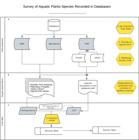
Flowchart illustrating the steps of our research and processing of the aquatic plant data.
To select the species for our checklist, we retrieved occurrence records from the speciesLink, GBIF, and PISF repositories for species identified as aquatic plants in the Aquatic Plants of Brazil Repository (https://sites.icb.ufmg.br/plantasaquaticasbrasil/), in the Flora and Funga of Brazil database (Flora e Funga do Brasil, 2024), in the preliminary survey of aquatic plant species in PISF (Campelo et al., 2012), or the checklist of aquatic plants in Northeast Brazil (Moura-Júnior & Cotarelli, 2019). Additionally, we used information found in the "collector's observations" field within the PISF database that contained keywords such as "Aquatic," "Macrophyte," "Emergent," "Submersed," "Floating," "Emersed," or "Amphibious" to assist in filtering aquatic species (Fig. 2). The definition of these keywords is shown in Irgang & Gastal Jr (1996) or Pott & Pott (2000).
With the assistance of QGIS software (QGIS version 3.22), we removed occurrence records from our database if their geographical coordinates fell outside the geographic boundaries of the São Francisco River Basin, as defined by the National Hydrographic Division (DHN250) (IBGE, 2021). Suspicious records were excluded when the information on the site location did not match the geographic coordinates. We also excluded records from our database for specimens identified only at the genus or family level or those requiring confirmation of the specific epithet as "cf." or "aff." [refer to Lucas (1986) for the application of these terms]. Duplicate records were also eliminated from our database, which included records with the same herbarium vouchers or collector numbers (Fig. 2). Finally, all records included have herbarium or collector information so that they can be traced. All records of aquatic plants in the São Francisco River Basin (SFRB), based on primary data obtained through field expeditions of the Integration Project of the São Francisco River (with specimens deposited in the HVASF and HRSN herbaria) or information from other herbaria, available through the GBIF/speciesLink databases can be accessed on Cruz et al. (2025).
Correction of scientific names and species classification
We verified the spelling of scientific names and author names for the species in our checklist and corrected them as needed, following the Flora and Funga of Brazil database (Flora e Funga do Brasil, 2024). To do this, we applied a routine in R software (R Core Team, 2022), version 4.2, using the Flora package (R Package version 0.3.4, Carvalho, 2020). For verifying and correcting the spelling of scientific names and author names of species not found in the Flora & Funga of Brasil database, we consulted the Plants of the World Online (POWO, 2023).
We also utilized the Flora and Funga of Brasil database (Flora e Funga do Brasil, 2024) to classify the species in our checklist according to their establishment (Naturalized, cultivated, non-native to Brazil, or Native to Brazil) and endemism in Brazil (Endemic or Non-endemic), habitat (quatic, Edaphic, Epiphyte, Hemiepiphyte, Hemiparasitic, Rupicolous and/or Terrestrial), and growth habitat (Aquatic-benthos, Herb, Liana| Twining| Climber, Palm, Shrub, SubShrub, Thallose and/or Tree), as well as their occurrence in the phytogeographical domains of Brazil (Amazonia, Atlantic Forest, Caatinga, Cerrado, Pampa and/or Pantanal) or vegetation types (e.g., Aquatic Vegetation, Campinarana, Carrasco, Deciduous Seasonal Forest, Evergreen Seasonal Forest, Flooded Forest, Floodplain Forest, Floodplain grassland, High-altitude grassland, Mangrove, Non-flooded Forest, Ombrophilous Forest = Rainforest, Mixed Ombrophilous Forest, Open grassland, Palm forest, Riparian Forest, Restinga, Seasonal Semideciduous Forest, Rupestrian Grassland and Rocky Outcrops). The classification of species in terms of the threat status of extinction (Data Deficient, Endangered, Little Concern, Near Threatened or Vulnerable), following the criteria of the National Center for Conservation of Flora (CNCFlora), using information available in the Flora and Funga of Brazil database (Flora e Funga do Brasil, 2024).
We used the definition of aquatic plants made by Pivari et al. (2019). According to these authors, aquatic plants are visible to the naked eye; they can inhabit freshwater or brackish environments or even waterlogged areas, even if these plants occur in these environments in a few months of the year. Thus, species from different taxonomic groups, belonging to Charophyta (macroalgae), Bryophyta, Lycopodiopsida, Polypodiopsida, and Magnoliophyta are considered aquatic plants, reflecting the broad circumscription of this ecological group (Pivari et al., 2019). The taxonomic classification in our checklist followed APG IV (Chase et al., 2016) concerning angiosperms, the Pteridophyte Phylogeny Group (PPG I, 2016) regarding ferns and lycophytes, Goffinet et al. (2008) for mosses, Crandall-Stotler et al. (2009) in the case of liverworts, and Lee (2018) for green macroalgae. We classified the species in our checklist based on their life form [Amphibious, Emergent, Rooted Floating, Free Floating, Free Submersed, Rooted Submersed, and Epiphyte, sensuIrgang & Gastal Jr (1996)], using information available in the Aquatic Plants of Brazil Repository or publications about the taxonomy and ecology of aquatic plants (e.g., Pott & Pott, 2000; Moura-Júnior et al., 2013, 2015; Oliveira et al., 2019; Pivari et al., 2019; Moura-Júnior & Cotarelli, 2019).
Data analysis
To compare the richness of aquatic plants among different Mesoregions, we conducted rarefaction analyses, considering the varying number of records for each Mesoregion. This was accomplished using the 'iNEXT' function from the iNEXT package (R Package version 3.0.0, Hsieh et al., 2022). We performed clustering analyses (UPGMA) based on a presence/absence matrix and the Jaccard similarity index to evaluate the floristic similarity between the São Francisco River Basin and the Phytogeographic Domains of Caatinga, Cerrado, and Atlantic Forest. These analyses were carried out using the 'hclust' function from the stats package (R Package version 4.2.2, R Core Team, 2022) and the 'fviz_dend' function from the factoextra package (R Package version 1.0.7, Kassambara & Mundt, 2020). The list of aquatic plant species from these domains was extracted based on the sensu published by Córdova et al. (2022).
The distribution patterns of species records in the São Francisco River Basin were analyzed using Kernel Density Estimation (KDE), Species Richness Interpolation (SRI), and the Weighted Endemism Index (WEI). All analyses were conducted within the R environment (R Development Core Team, 2024). For KDE, a radius of 150 km was applied, utilizing a Gaussian kernel to smooth the data by centering a Gaussian distribution (normal curve) at each data point. This was executed using the kde2d function from the MASS package (R Package version 7.3-61, Venables & Ripley, 2002).
The SRI was generated using the Inverse Distance Weighting (IDW) algorithm, with a hexagonal grid of sample units having a size of 1.5 (equivalent to 150 km) and a raster resolution set to 0.01. The WEI was calculated as an inverse function of species distribution, where species occupying smaller areas were assigned higher index scores. The index was computed per cell, representing the sum of all WEI values calculated independently for each species within hexagonal cells of 1.5 (equivalent to 150 km). Areas exhibiting the highest levels of endemism were identified through IDW interpolation with a raster resolution of 0.01.
Finally, we compared the PISF data and the databases used to infer the contribution of the aquatic plant inventory in the areas directly or indirectly affected by the Integration Project of the São Francisco River to the taxonomic and biogeographic knowledge of the flora in the São Francisco River Basin.
Results
Species checklist and occurrence records
Our data compilation brought together 853 species, among which 788 are native to Brazil (135 endemic to this country) and 65 non-native to Brazil (64 naturalized and one cultivated). Additionally, nine species are on the Red List of Threatened Species by CNCFlora (Supplementary Material, Table S1).
Most of these species exhibit an amphibious life form (462 spp.) or are emergent (135 spp.), with epiphytic species being less common (Supplementary Material, Table S1). The families Cyperaceae with 111 species, Poaceae (86), Fabaceae (59), and Asteraceae (43), along with the genera Cyperus (42), Eleocharis (28), and Rhynchospora (16), all Cyperaceae, were the most diverse in the aquatic flora of the four Mesoregions of the São Francisco River Basin (Supplementary Material, Table S1). These families and genera were also the most representative in terms of occurrence records. Other genera contributing to the richness of aquatic plants in the São Francisco River Basin were Echinodorus (Alismataceae) with 14 species, and Chara (Characeae), Bacopa (Plantaginaceae), and Cuphea (Plantaginaceae) each with 13 species.
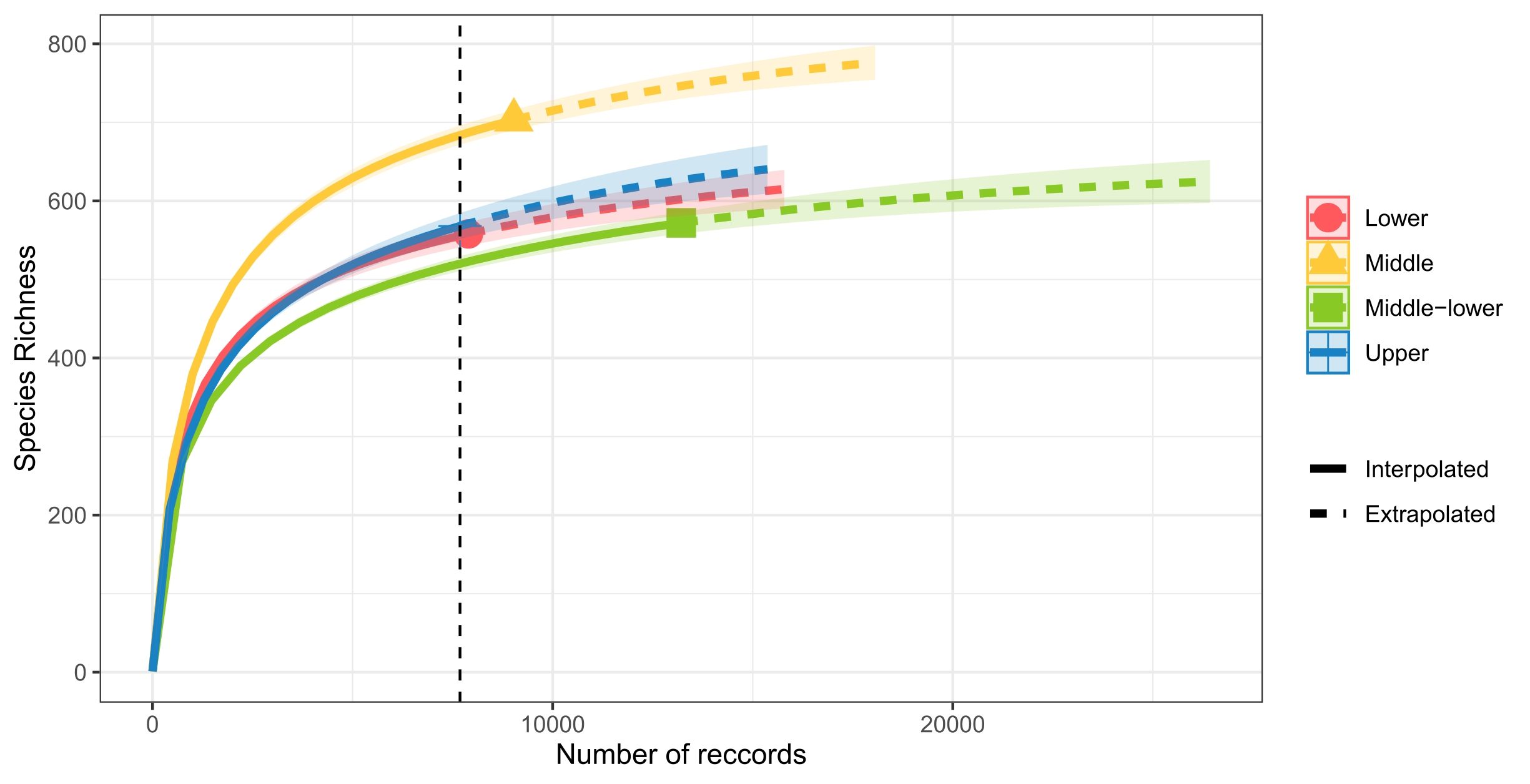
We found 37,512 occurrence records of aquatic plants in the São Francisco River Basin. The highest number of these records is in the Middle-lower Mesoregion (13,170), followed by the Middle (8,872), Lower (7,822), and Upper (7,648) Mesoregions. Rarefaction curves computed for the Mesoregions of the São Francisco River Basin revealed that the Middle mesoregion (with an observed richness of 696 species) has a richer aquatic flora compared to the other Mesoregions (Middle-lower 565 species, Lower 541 species, Upper 562 species), even when extrapolating the number of samples from the Mesoregions (Fig. 3).

Rarefaction curves based on the records of aquatic plants comparing species richness among the different Mesoregions of the São Francisco River Basin (SFRB).
The kernel density map (Fig. 4A) indicates areas of high species record density around Belo Horizonte (Upper São Francisco) and to a lesser extent, in the regions where large water projects are concentrated, such as the hydroelectric power plants and the Integration Project of the São Francisco River (PISF) in the Lower and Middle Lower Mesoregions. The species richness interpolation map (Fig. 4B) shows that species richness is also higher in the Upper mesoregion near Belo Horizonte, but extends into the Lower and Middle Lower São Francisco. Besides that, moderate richness in the Middle São Francisco suggests a more evenly distributed diversity in these areas compared to the highly concentrated richness in the Upper Mesoregion. The Weighted Endemism Index map (Fig. 4C) adds another layer of complexity, highlighting areas of greatest potential endemism, with the highest score surrounding Belo Horizonte city. There are also moderate levels of endemism in the Lower and Middle Lower São Francisco, although these are less prominent compared to the Upper region.
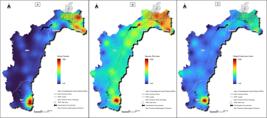
Spatial distribution of aquatic plant diversity in the São Francisco River Basin (SFRB). (A) Kernel Density estimation, highlighting areas of high aquatic plant density. Warmer colors indicate regions with high-density records. (B) Aquatic plant species richness estimated by interpolation. Warmer colors indicate regions with greater species diversity, while cooler colors indicate regions with lower diversity. (C) Weight Endemism Index map where areas with warmer colors indicate regions with a high concentration of species with restricted distribution and few species with widespread distribution.
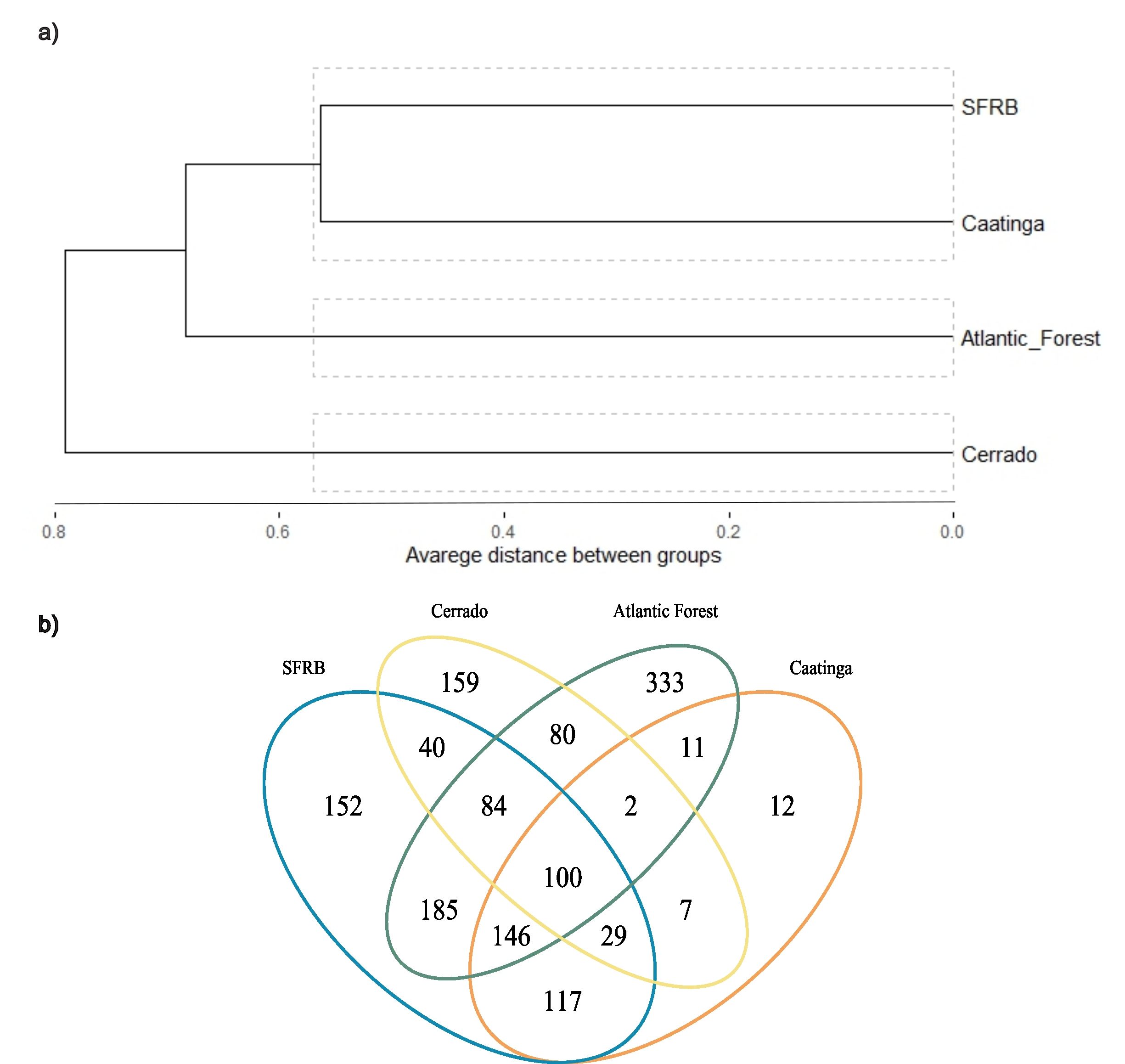
The floristic similarity analysis revealed that the aquatic plant flora of the São Francisco River Basin grouped with the known aquatic flora of the Caatinga Phytogeographic Domain. Both exclusively shared 117 species, which reflects the fact that a large part of the basin lies within this domain. Only 40 species are exclusively shared between SFRB and Cerrado, and 159 species are unique to Cerrado. The Atlantic Forest has 333 unique species, which is a much higher number than the other domains. The 152 species unique to the SFRB suggest an addition of our database to what is already known for the Caatinga, Cerrado, and Atlantic Forest domains (Fig. 5).
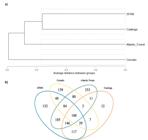
Comparison of aquatic plant species composition in the São Francisco River Basin (SFRB) across Phytogeographic Domains. (a) Cluster analysis dendrogram using UPGMA based on the Jaccard similarity index, showing the relationship between the SFRB and the domains (cophenetic correlation coefficient is 0.85); (b) Venn diagram illustrating the exclusive and shared aquatic macrophyte species between the SFRB and domains. Overlapping areas represent shared species between the groups, while non-overlapping sections highlight species unique to each group.
Expansion of taxonomic diversity knowledge in the Hydrographic Region
Out of the total occurrence records of aquatic plants gathered for the São Francisco River Basin, 6,023 (16.1%) were exclusively accessed through field expeditions of the Integration Project of the São Francisco River (PISF). These primary data show 411 species of aquatic plants for the São Francisco River Basin, which corresponds to 32.9% of the total richness in this basin, considering data from all available sources. Of this total species richness, 16 were accessed exclusively by PISF (Supplementary Material, Table S1). Photographs of some specimens accessed through field expeditions of the PISF are available in Figure 6.

Photographs of aquatic plant species taken during field expeditions conducted as part of the Integration Project of the São Francisco River (PISF): (A) Azolla pinnata R.Br.; (B) Eclipta prostrata (L.) L.; (C) Cabomba haynesii Wiersema; (D) Stemodia maritima L.; (E) Corchorus hirtus L.; (F) Ricciocarpos natans (L.) Corda and Salvinia auriculata Aubl.; (G) Wolffiella lingulata (Hegelm.) Hegelm.; (H) Pontederia crassipes Mart.; (I) Ludwigia helminthorrhiza (Mart.) H.Hara; (J) Schultesia guianensis (Aubl.) Malme; (K) Echinodorus palaefolius (Ness & Mart.) J.F.Macbr.; (L) Lemna aequinoctialis Welw. and Wolffia columbiana Karsten; (M) Ceratolacis pedunculatum C.T.Philbrick, Novelo & Irgang; (N) Heteranthera gardneri (Hook.f.) M.Pell.; (O) Heteranthera rotundifolia (Kunth) Griseb.; (P) Hydrolea spinosa L.; (Q) Alternanthera tenella Colla; (R) Ludwigia sericea (Cambess.) H.Hara; (S) Heteranthera seubertiana Solms; (T) Najas marina L.; (U) Pontederia azurea Sw.; (V) Nymphoides humboldtiana (Kunth) Kuntze; (W) Salvinia auriculata Aubl.; and (X) Bacopa gratioloides (Cham.) Edwall.

Cont. Photographs of aquatic plant species taken during field expeditions conducted as part of the Integration Project of the São Francisco River (PISF): (M) Ceratolacis pedunculatum C.T.Philbrick, Novelo & Irgang; (N) Heteranthera gardneri (Hook.f.) M.Pell.; (O) Heteranthera rotundifolia (Kunth) Griseb.; (P) Hydrolea spinosa L.; (Q) Alternanthera tenella Colla; (R) Ludwigia sericea (Cambess.) H.Hara; (S) Heteranthera seubertiana Solms; (T) Najas marina L.; (U) Pontederia azurea Sw.; (V) Nymphoides humboldtiana (Kunth) Kuntze; (W) Salvinia auriculata Aubl.; and (X) Bacopa gratioloides (Cham.) Edwall.
In the Middle-lower Mesoregion of the São Francisco River Basin, 5,668 occurrence records of aquatic plants were exclusively accessed through field expeditions of the PISF (Fig. 7a). This number corresponds to 43% of the total occurrence records of aquatic plants within the Mesoregion, considering data from all available sources. Primary data of the PISF accounts for 386 species of aquatic plants in the Middle-lower Mesoregion of the São Francisco River Basin, representing 42.9% of the observed richness within the Mesoregion (Fig. 7b). Out of this total number of species, 48 were exclusively accessed through field expeditions of the PISF (Supplementary Material, Table S1).

Absolute number of records and aquatic plant species in the São Francisco River Basin (SFRB), categorized by Mesoregions. (a) Total number of occurrence records from online databases GBIF/speciesLink and the Integration Project of the São Francisco River (PISF). (b) Number of species recorded in each Mesoregion, with the total species present in the GBIF/speciesLink database, and PISF collection.
We added 152 species to the checklist of aquatic plants in the Cerrado, Caatinga, and Atlantic Forest Phytogeographic Domains together (sensuCórdova et al., 2022). Within the extended taxonomic diversity of aquatic plants in the Caatinga, field expeditions of PISF exclusively accessed nine species (Supplementary Material, Table S2).
Discussion
Species checklist and occurrence records
We found more than 35 thousand records and 850 species of aquatic plants in a river basin in Brazil that covers more than 600 thousand km2, corresponding to around 8% of the country's territory. More than 130 of these species are endemic to Brazil and occur in the São Francisco River Basin. The remarkable richness of aquatic plants in the SFRB stands out, especially considering that most of it encompasses semiarid territory. The significant environmental variability found in the several types of ecosystems in the SFRB, such as reservoirs in cascade systems or temporary rock lakes with a high concentration of dissolved salts (Campelo et al., 2012; Moura-Júnior et al., 2020), may explain the high number of species and samples of aquatic plants we recorded for this basin. Additionally, the basin spans three distinct phytogeographic domains, creating a mosaic of vegetation types that further enhances environmental diversity (Queiroz et al., 2017).
The significant representation of Poaceae and Cyperaceae (especially Cyperus, Eleocharis, Rhynchospora, Paspalum, and Eragrostis) in the richness of aquatic plant species in Northeastern Brazil (Moura-Júnior & Cotarelli, 2019) or the Caatinga Phytogeographic (Córdova et al., 2022) helps us understand the high number of aquatic plant species and occurrence records in the São Francisco River Basin. For example, Cyperus is the second richest genus in the Cyperaceae family for Brazil, with 123 species, 58 of which are recorded in the Caatinga Phytogeographic Domain (Flora e Funga do Brasil, 2024). Most species of Poaceae and Cyperaceae have efficient vegetative propagation strategies and can colonize and thrive in both aquatic and terrestrial ecosystems, as well as in ecotonal areas between these ecosystems (Lobato-de-Magalhães et al., 2016). This explains the high number of amphibious life forms of these families in our checklist. The recent synonymization of species in the genera Pycreus P. Beauvois (1816: 48), Kyllinga Rottboll (1773: 4), and Oxycaryum Nees (1842: 90) into Cyperus may have also contributed to the high number of species in this genus in our checklist.
We expected that aquatic plant species with an amphibious life form would dominate our checklist, considering that worldwide, hydrophytes with this life form have a higher taxonomic diversity than that recorded for floating or submerged plants (Murphy et al., 2019). However, it is possible that the high number of amphibious aquatic plant species in our checklist, as well as the number of occurrences of these species, can also be explained by the systematic nature of our field expeditions. It is worth noting that over the 15 years of field expeditions, we made repeated collections of each documented aquatic ecosystem in the study area, allowing us to study these ecosystems at different times during a hydrological cycle. It is known that the more collections made in an aquatic ecosystem over a hydrological cycle, the greater the knowledge of the distribution limits of aquatic plant species along the depth gradient of that ecosystem (Moura-Júnior & Cotarelli, 2019). A plant species adapted to survive in the transition zone between terrestrial and aquatic environments needs to be observed at different times during a hydrological cycle to be classified as an amphibious aquatic plant or as a terrestrial plant occasionally observed in the water (Moura-Júnior & Cotarelli, 2019).
The high richness of the submerged plant Chara is a pattern rarely observed in other surveys of aquatic plants conducted within the Neotropical region (Machado Filho et al., 2014). The worldwide taxonomic diversity of amphibious or emergent aquatic plants is significantly greater than that recorded for submerged life forms (Murphy et al., 2019). The difficulty of accessing the deep zones of an aquatic ecosystem without the use of specific instruments and the limited capacity of the human eye to visualize the underwater environment while looking above the water surface are challenges in surveys of aquatic plant species that restrict the number of submerged specimens collected (Moura-Júnior & Cotarelli, 2019).
Spatial patterns in aquatic plant distribution across the SFRB were evident. The Kernel density map underscores the uneven distribution of collection records. It indicates a strong sampling bias in the area around Belo Horizonte and the Middle Lower and Lower Mesoregions (Fig. 4a). These areas correspond to more extensively surveyed key sampling hotspots. They could be driven by accessibility, water infrastructures, and research interests. As demonstrated by Amazon ecological studies, research probability tends to increase with closer proximity to transportation, research facilities, and human-modified landscapes (Carvalho et al., 2023). The high-richness areas correspond to the dense collection zone, suggesting that areas with greater sampling effort have recorded more species. However, moderate richness in the Middle São Francisco is going against the flow of sampling effort, since this mesoregion has good richness despite being a smaller survey zone. This suggests that this region may be under-sampled and that its true species richness may be higher, as indicated by rarefaction analysis. To address these biases, future field expeditions should prioritize under-sampled wetland areas in the Middle São Francisco region. Moderate endemism observed in the Middle-Lower and Lower regions also suggests that these areas, despite high sampling efforts, host fewer endemic species compared to the Upper São Francisco, where the concentration of unique species may be more significant.
When we compared the aquatic plant composition of SFRB with lists from different Phytogeographic domains, the strong relationship between the SFRB and the Caatinga domain became evident. This was expected given their geographic overlap. In contrast, the relatively low similarity with the Cerrado domain may be due to subsampling effort, as this domain is predominant in areas where record density is lower. Future studies targeting the Cerrado within the SFRB could improve our understanding of aquatic plant diversity and potentially reveal a closer relationship than currently observed. Meanwhile, the distinctiveness of the Atlantic Forest's aquatic flora, with its high number of unique species, underscores its status as a biodiversity hotspot and reinforces Upper São Francisco as a region of potential endemism.
Expanding knowledge about taxonomic diversity and conservation
The checklist of aquatic plants in the SFRB, along with the enhanced understanding of the distribution patterns of these species and the update of the hydrophyte checklist in three Phytogeographic Domains of Brazil, demonstrate that our primary and secondary data successfully addressed Linean and Wallacean biodiversity shortfalls. Deficiencies in the taxonomic and biogeographic data of aquatic plants inevitably impact all other deficiencies in biodiversity knowledge because they create knowledge gaps in species ecology and evolution (Alahuhta et al., 2021; Lobato-de-Magalhães et al., 2023). The absence of empirical data on the characteristics of an unknown species or the geographic coverage of the characteristics of a known species affects our understanding of how these species adapt to abiotic conditions (Hutchinsonian Shortfall) or the variation in their ecological and functional characteristics in space and time, as well as their relationships with the characteristics of other species (Raunkiaeran Shortfall) (Hortal et al., 2015). It has been demonstrated that plant checklists conducted before the installation of large work play a crucial role in investigating estimates or ecological processes of plant communities (Moura et al., 2018; Versieux, 2011). A fraction of the plant samples collected through the environmental programs of the PISF were used, for example, to estimate plant abundance in areas of the Caatinga Phytogeographic Domain (Oliveira et al., 2020a), assess plant functional diversity in those areas (Oliveira et al., 2020b), or evaluate the distribution of invasive plant species in those areas (Asth et al., 2021), including implications for biodiversity conservation (Oliveira et al., 2020a).
We observed that the regions with the highest concentration of aquatic plant records in the São Francisco Basin are those where environmental programs linked to the environmental licensing of waterworks within this basin are currently in progress (e.g., the Integration Project of the São Francisco River and the stretch of hydroelectric power plants in the Middle, Middle-lower, and Lower Mesoregions). This suggests that surveys of aquatic plant species associated with environmental programs aimed at reducing socio-environmental impacts caused by waterworks within the São Francisco River Basin are also crucial in addressing biodiversity shortfalls. This assertion is supported by the substantial number of studies on the taxonomy and/or ecology of aquatic plants in areas of the São Francisco River Basin (Moura-Júnior et al., 2010; 2011; 2020; 2021b; Araújo et al., 2012; Campelo et al., 2012; 2013; Santos et al., 2014; Sabino et al., 2015) funded by public or private companies that have installed waterworks within this basin.
Biodiversity studies that encompass a subcontinental scale of the investigated area can prevent partial or mistaken understandings regarding species distribution, thereby reducing the chances of false indications of rarity, endemism, or extinction threat (Whittaker, 1998). Our study reveals this. However, implementing and fostering multiple species surveys at this scale over extended periods can be challenging, both logistically and financially (Alahuhta et al., 2021). Thus, when the goal is to understand the composition of plant or animal species on large spatial scales, the debate focuses on two species survey strategies: a single survey conducted on a comprehensive geographic scale and over a long-term, or sets of local-scale surveys conducted over shorter durations. This debate is almost always associated with the paradigm of conservation biology known as the 'single large or several small' (SLOSS) debate, based on island biogeography theory (Yaynemsa, 2022). This debate has been assessing whether a single large protected area is a more efficient strategy for conserving local biodiversity than several small reserves in fragmented habitats (Yaynemsa, 2022). Our substantial contribution to the number of samples of aquatic plants from the São Francisco River Basin and the expansion of taxonomic knowledge of aquatic plants in the Phytogeographic Domains of Brazil, as presented in this manuscript, leads us to believe that the aforementioned first strategy is effective in reducing biodiversity data shortfalls. Moura-Júnior & Cotarelli (2019) had already observed that surveys of aquatic plant species conducted at the geographic scale of a hydrographic micro-basin in the Northeast region of Brazil revealed more taxonomic novelties (e.g., first records of species for one or more Phytogeographic Domains of Brazil) than checklists carried out at the ecosystem scale within a micro-basin in the same region.
However, for species surveys associated with the environmental licensing of large projects to effectively address biodiversity shortfalls and/or guide strategic decisions aimed at biodiversity conservation, careful planning in the execution of environmental programs is crucial (Oliveira et al., 2020a). For instance, the environmental program designed to mitigate the impacts of the installation of the PISF project concerning the flora of the Caatinga Phytogeographic Domain was delineated with specific objectives: Firstly, to uniformly access the aquatic and terrestrial flora across the entire direct or indirect influence area of this project. This involved collecting specimens in diverse habitats within each grid of the PISF over 15 years, at different times within these years for each habitat. Secondly, the inclusion of all life forms associated with aquatic plants in our environmental monitoring was essential for us to collect robust data on the taxonomic diversity of this ecological group. Thirdly, the precise identification of taxonomic entities required dedicated curation of samples in the herbarium, exchange of vouchers with other botanical collections, collaboration with dozens of specialists in specific taxonomic groups, and the availability of data and collected samples. Currently, our occurrence records of aquatic plants are accessible on speciesLink and GBIF.
Our results highlight the diversity and distribution of aquatic plants within a hydrographic basin covering over 8% of Brazil. We recorded 37,598 occurrence records of 853 species, among which 788 are native to Brazil. The highest record density, species richness (interpolation), and endemism index were in areas with large hydraulic developments, such as hydroelectric power plants and PISF transposition canals in the middle lower and lower São Francisco regions, as well as in the upper São Francisco near a large urban center (Belo Horizonte). In addition, we found that the composition of aquatic plants in the SFRB shows greater similarity to the aquatic flora of the Caatinga when compared to the other Phytogeographic Domains that occur in this Hydrographic Basin. We believe that this result is linked to the area of Caatinga within the SFRB and, consequently, to the number records of aquatic plants that were recorded in the humid areas within this Domain.
Finally, we observed that field collection expeditions at PISF, along with the donation of collected material (duplicates) to various herbaria across Brazil, accessed 16% of the total records and 32.9% of the richness of aquatic plants in the SFRB, documenting 16 unique species. Our results emphasize the importance of primary data obtained through environmental licensing linked to infrastructure works in addressing biodiversity shortfalls. The implementation of environmental licensing, backed by laws, is essential not only to ensure a minimum balance across the three pillars of environmental sustainability (economic, social, and environmental) but also to facilitate the acquisition and dissemination of data concerning the taxonomic diversity of plants and animals. When environmental licensing is dismantled or weakened, everyone suffers especially biodiversity. Therefore, it is imperative to maintain and enhance the environmental legislation in Brazil rather than pursue the opposite approach.
Supplementary Data
The following online material is available for this article:
Table S1.
Table S2.
Acknowledgments
References
- Alahuhta J, Lindholm M, Baastrup-Spohr L et al 2021. Macroecology of macrophytes in the freshwater realm: Patterns, mechanisms and implications. Aquatic Botany 168: 103325.
-
ANA. 2024. Conjuntura dos recursos hídricos no Brasil 2024: informe anual de 2024. https://www.snirh.gov.br/portal/centrais-de-conteudos/conjuntura-dos-recursos-hidricos/conjuntura2024_04122024.pdf 14 Jan. 2025.
» https://www.snirh.gov.br/portal/centrais-de-conteudos/conjuntura-dos-recursos-hidricos/conjuntura2024_04122024.pdf -
ANA. 2023. Plano de Gestão Anual do Projeto de Integração do Rio São Francisco para 2023 - Agência Nacional de Águas e Saneamento Básico (ANA). https://www.gov.br/ana/pt-br/assuntos/noticias-e-eventos/noticias/ana-publica-plano-de-gestao-anual-do-projeto-de-integracao-do-rio-sao-francisco-para-2023 11 Dec. 2023.
» https://www.gov.br/ana/pt-br/assuntos/noticias-e-eventos/noticias/ana-publica-plano-de-gestao-anual-do-projeto-de-integracao-do-rio-sao-francisco-para-2023 -
ANA. 2018. Mapas das Regiões Hidrográficas do Brasil. https://metadados.snirh.gov.br/geonetwork/srv/api/records/fa3edd5c-152e-4e69-91fb-26281bafc811 1 Oct. 2024.
» https://metadados.snirh.gov.br/geonetwork/srv/api/records/fa3edd5c-152e-4e69-91fb-26281bafc811 -
ANEEL. 2023. Quantidade de empreendimentos de geração de energia em operação - Conjunto de dados - Dados Abertos - Agência Nacional de Energia Elétrica. https://dadosabertos.aneel.gov.br/dataset/empreendimentos-em-operacao 5 Oct. 2023.
» https://dadosabertos.aneel.gov.br/dataset/empreendimentos-em-operacao - Araújo ES, Sabino JHF, Cotarelli VM, Filho JAS, Campelo MJA. 2012. Riqueza e diversidade de macrófitas aquáticas em mananciais da Caatinga. Diálogos e Ciência (Online) 10: 229-232.
- Asth MS, Rodrigues RG, Zenni RD. 2021. Canals as invasion pathways in tropical dry forest and the need for monitoring and management. Journal of Applied Ecology 58: 2004-2014.
- Baattrup-Pedersen A, Larsen SE, Rasmussen JJ, Riis T. 2019. The future of European water management: Demonstration of a new WFD compliant framework to support sustainable management under multiple stress. Science of the Total Environment 654: 53-59.
- Campelo MJ, Siqueira Filho JA, Cotarelli VM. 2013. Structure community of aquatic macrophytes in springs of the semiarid, northeast Brazil. International Journal of Scientific Knowledge 4: 14-22.
- Campelo MJA, Siqueira- JA Filho, Cotarelli VM, Souza EB, Pimenta WA, Pott JV. 2012. Macrófitas aquáticas nas áreas do projeto de integração do rio São Francisco. In: Siqueira- JAFilho (ed.). Flora das caatingas do rio São Francisco: história natural e conservação. Rio de Janeiro, Andrea Jakobsson Estúdio. p. 193-229.
-
Carvalho G. 2020. Flora: Tools for Interacting with the Brazilian Flora 2020_. R package version 0.3.4. https://CRAN.R-project.org/package=flora 5 Oct. 2023.
» https://CRAN.R-project.org/package=flora - Carvalho RL, Resende AF, Barlow J et al 2023. Pervasive gaps in Amazonian ecological research. Current Biology 33: 3495-3504.
- Castro CN, Cerezini MT. 2023. Impactos ambientais do projeto de integração do rio São Francisco sobre a área de influência. In: Castro CN, Cerezini MT (eds.). Impactos ambientais do projeto de integração do rio São Francisco sobre a área de influência. Transposição do São Francisco: Território, Potenciais, Impactos e Políticas Públicas Complementares. Brasília, Instituto de Pesquisa Econômica Aplicada (Ipea). p. 121-162.
-
CBHSF - Comitê da Bacia Hidrográfica do Rio São Francisco. 2023. A Bacia. https://cbhsaofrancisco.org.br/a-bacia/ 5 Oct. 2023.
» https://cbhsaofrancisco.org.br/a-bacia/ - Chase MW, Christenhusz MJM, Fay MF et al 2016. An update of the Angiosperm Phylogeny Group classification for the orders and families of flowering plants: APG IV. Botanical Journal of the Linnean Society 181: 12385.
- Córdova MO, Fernandes Keffer J, Giacoppini DR et al 2022. Aquatic Macrophytes in Southern Amazonia, Brazil: Richness, Endemism, and Comparative Floristics. Wetlands 42: 3.
- Crandall-Stotler B, Stotler RE, Long DG. 2009. Phylogeny and classification of the Marchantiophyta. Edinburgh Journal of Botany 66: 155-198.
-
Cruz LC, Moura- EG Júnior, Cotarelli VM, Padial AA, Pifano DS, Rodrigues RG. 2025. Replication data for: Attacking shortfalls of aquatic plant diversity in the São Francisco Basin, Brazil's fourth hydrological region. https://doi.org/10.48331/scielodataGTZRSA. 5 Jan. 2024.
» https://doi.org/10.48331/scielodata -
Flora e Funga do Brasil. 2024. Jardim Botânico do Rio de Janeiro. https://floradobrasil.jbrj.gov.br/reflora/listaBrasil/PrincipalUC/PrincipalUC.do;jsessionid=9DC6BD110D94BC79A6174498EB2C2E27#CondicaoTaxonCP 5 Jan. 2024.
» https://floradobrasil.jbrj.gov.br/reflora/listaBrasil/PrincipalUC/PrincipalUC.do;jsessionid=9DC6BD110D94BC79A6174498EB2C2E27#CondicaoTaxonCP - Gaston KJ, Rodrigues ASL. 2003. Reserve Selection in Regions with Poor Biological Data. Conservation Biology 17: 188-195.
- Goffinet B, Buck WR, Shaw AJ. 2008. Morphology, anatomy, and classification of the Bryophyta. Bryophyte Biology 2: 55-138.
- Hortal J, De Bello F, Alexandre J, Lewinsohn TM, Lobo JM, Ladle RJ. 2015. Seven Shortfalls that Beset Large-Scale Knowledge of Biodiversity. Annual Review of Ecology, Evolution, and Systematics 46: 523-572.
-
Hsieh TC, Ma KH, Chao A. 2022. iNEXT: iNterpolation and EXTrapolation for species diversity. R package version 3.0.0. https://chao.stat.nthu.edu.tw/wordpress/software-download/ 5 Jan. 2024.
» https://chao.stat.nthu.edu.tw/wordpress/software-download/ - IBGE. 2021. Divisão Hidrográfica Nacional DHN250 Documentação Técnica. Rio de Janeiro, Instituto Brasileiro de Geografia e Estatística.
- IBGE. 2012. Manual Técnico da Vegetação Brasileira. 2nd. ed. Rio de Janeiro, Instituto Brasileiro de Geografia e Estatística.
- Irgang BE, Gastal CVS Jr.. 1996. Macrófitas aquáticas da planície costeira do RS . Porto Alegre, Editora da UFRGS.
- Judd WS, Campbell CS, Kellogg EA, Stevens PF, Donoghue MJ. 2009. Sistemática vegetal. Um enfoque filogenético. 3rd. edn. Porto Alegre, Artmed.
-
Kassambara A, Mundt F. 2020. Factoextra: Extract and Visualize the Results of Multivariate Data Analyses_. R package version 1.0.7. https://CRAN.R-project.org/package=factoextra 5 Jan. 2024.
» https://CRAN.R-project.org/package=factoextra - Ladle R, Hortal J. 2013. Mapping species distributions: Living with uncertainty. Frontiers of Biogeography 5: 8-9.
- Lee RE. 2018. Phycology. 5th. edn. Cambridge, Cambridge University Press.
- Lobato-de-Magalhães T, Bortoluzzi RLC, Mantovani A. 2016. Plant distribution in freshwater wetlands of the Brazilian subtropical highland grasslands. Brazilian Journal of Botany39: 239-249.
- Lobato‑de-Magalhães T, Murphy K, Efremov A et al 2023. How on Earth did that get there? Natural and human vectors of aquatic macrophyte global distribution. Hydrobiologia 850: 1515-1542.
- Lomolino M. 2004. Conservation Biogeography. Frontiers of Biogeography 293: 1-3.
- Lucas SG. 1986. Proper syntax when using aff. and cf. in taxonomic statements. Journal of Vertebrate Paleontology6: 202.
- Machado HOFilho, Cabral LL, Melo JIM, Zickel CS, Moura AN. 2014. Macrófitas aquáticas da região neotropical: uma abordagem cientométrica. Revista Biociências 20: 90-106.
-
MIDR. 2023. Projeto de Integração do Rio São Francisco - Ministério da Integração e do Desenvolvimento Regional. https://www.gov.br/mdr/pt-br/assuntos/seguranca-hidrica/projeto-sao-francisco 5 Oct. 2023.
» https://www.gov.br/mdr/pt-br/assuntos/seguranca-hidrica/projeto-sao-francisco - Moura EO, de Sousa VF, Soares A de S, Versieux LM. 2018. Private environmental consultancy reveals five genera and ten species of angiosperms new to Rio Grande do Norte State, northeastern Brazil. Check List 14: 439-451.
- Moura- EGJúnior, Cotarelli VM. 2019. An update on the knowledge of aquatic macrophytes in Northeast Brazil. Rodriguésia70: e04452017.
- Moura- EGJúnior, Abreu MC, Severi W, Lira G. 2010. Macroflora aquática do Reservatório Sobradinho - BA, trecho submédio do Rio São Francisco. In: Moura AM, Araújo EL, Bittencourt-Oliveira MC et al (eds.). Reservatórios do Nordeste do Brasil: biodiversidade, ecologia e manejo. Recife, NUPEEA. p. 189-212.
- Moura- EGJúnior, Abreu MC, Severi W, Lira GADST. 2011. O gradiente rio-barragem do reservatório de Sobradinho afeta a composição florística, riqueza e formas biológicas das macrófitas aquáticas? Rodriguésia 62: 731-742.
- Moura- EGJúnior, Lima LF, Silva SSL et al 2013. Aquatic macrophytes of Northeastern Brazil: Checklist, richness, distribution and life forms [with erratum]. Check List 9: 298-312.
- Moura- EGJúnior, Paiva RMS, Ferreira AC et al 2015. Updated checklist of aquatic macrophytes from Northern Brazil. Acta Amazonica 45: 111-132.
- Moura- EGJúnior, Severi W, Kamino LHY, de Lemos- JP Filho. 2020. To what degree do spatial and limnological predictors explain the occurrence of a submerged macrophyte species in lotic and semi-lotic/lentic environments of a dammed river? Limnology22: 101-110.
- Moura- EG Júnior, Moreira SN, Lopes A et al 2021a. Advances in the knowledge of the natural history of aquatic plants in the Neotropics. Acta Botanica Brasilica 35: 1-8.
- Moura- EGJúnior, Do Nascimento FAO, de Lemos JPFilho, Severi W, Kamino LHY. 2021b. Limnological layers improve species distribution modeling of aquatic macrophytes at fine-spatial resolution. Acta Botanica Brasilica 35: 9-16.
- Murphy K, Efremov A, Davidson TA et al 2019. World distribution, diversity and endemism of aquatic macrophytes. Aquatic Botany 158: 103127.
- Murphy K, Carvalho P, Efremov A et al 2020. Latitudinal variation in global range-size of aquatic macrophyte species shows evidence for a Rapoport effect. Freshwater Biology 65: 1622-1640.
- Nascimento FAO, Moura-Júnior EG, Freitas ESN, Rodrigues RG. 2020. Modeling the potential distribution of Anamaria heterophylla (Giul. & V.C. Souza) V.C. Souza (Plantaginaceae) in the Caatinga. Oecologia 24: 76-87.
- Oliveira ACP, Nunes A, Pinho P, et al 2020a. From species presences to abundances: Using unevenly collected plant species presences to disclose the structure and functioning of a dryland ecosystem. Ecological Indicators 113: 106221.
- Oliveira ACP, Nunes A, Rodrigues RG, Branquinho C. 2020b. The response of plant functional traits to aridity in a tropical dry forest. Science of the Total Environment 747: 141177.
- Oliveira L dos S, Andrade BO, Boldrini II, Moço MC de C. 2019. Aquatic vascular plants of South Brazil: Checklist and a comparative floristic approach. Acta Botanica Brasilica 33: 709-715.
- Olson DM, Dinerstein E, Wikramanayake ED et al 2001. Terrestrial Ecoregions of the World: A New Map of Life on Earth: A new global map of terrestrial ecoregions provides an innovative tool for conserving biodiversity. BioScience 51: 933-938.
- Pivari MOD, Melo PHA, Souza FS et al 2019. New initiatives for Brazilian aquatic plant data management. Acta Botanica Brasilica 33: 78-87.
- Pott VL, Pott A. 2000. Plantas Aquáticas do Pantanal. Brasília, Embrapa Comunicação para Transferência de Tecnologia.
-
POWO. 2023. Plants of the World Online | Kew Science. https://powo.science.kew.org/ 5 Oct. 2023.
» https://powo.science.kew.org/ -
R Core Team. 2022. R: A language and environment for statistical computing. https://www.R-project.org/ 5 Oct. 2023.
» https://www.R-project.org/ - Queiroz LP, Cardoso D, Fernandes MF, Moro MF. 2017. Diversity and evolution of flowering plants of the Caatinga domain. In: Silva JMC, Leal IR, Tabarelli M (eds.). Caatinga: The largest tropical dry forest region in South America. Cham, Springer. p. 23-63.
- Sabino JHF, Araújo E da S, Cotarelli VM, Siqueira- JAFilho, Campelo MJA. 2015. Riqueza, composição florística, estrutura e formas biológicas de macrófitas aquáticas em reservatórios do semiárido nordestino, Brasil. Natureza Online4: 184-194.
- Santos JG, Ioris AA. 2024. Water conflicts and socioterritorial dynamics: The hydrosocial cycle after the Sao Francisco River transposition project in the northeast of Brazil. Land13: 2032.
- Santos VV, Barros ICL, Moura- AM Júnior, Severi W, Magalhães KM. 2014. Samambaias aquáticas da bacia do rio de Contas, Bahia, Brasil. Neotropical Biology and Conservation9: 42-48.
- Shueb S, Guk S. 2023. Measuring the research funding landscape: A case study of BRICS nations. Global Knowledge, Memory and Communication 74: 346-369.
- Thomé MTC, Haddad CFB. 2019. Brazil’s biodiversity researchers need help. Science364: 1144-1145.
- Venables WN, Ripley BD. 2002. Modern Applied Statistics with S. Fourth Edition. New York, Springer.
- Versieux LM. 2011. Brazilian plants urgently needing conservation: The case of Vriesea minarum (Bromeliaceae). Phytotaxa 28: 35-49.
- Whittaker RJ. 1998. Island Biogeography: Ecology, Evolution and Conservation. Oxford, Oxford University Press.
- Yaynemsa KG. 2022. Single Large or Several Small (SLOSS). In: Yaynemsa KG (ed.). Plant Biodiversity Conservation in Ethiopia. Cham, Springer. p. 69-91.
-
Data Availability Statement
The dataset generated and analyzed during the present study is available in Cruz et al. (2025), https://doi.org/10.48331/scielodata.GTZRSA.
The dataset generated and analyzed during the present study is available in Cruz et al. (2025), https://doi.org/10.48331/scielodata.GTZRSA.