 Microplastic in water and wastewater: occurrence, toxicity, analytical approach, and remediation
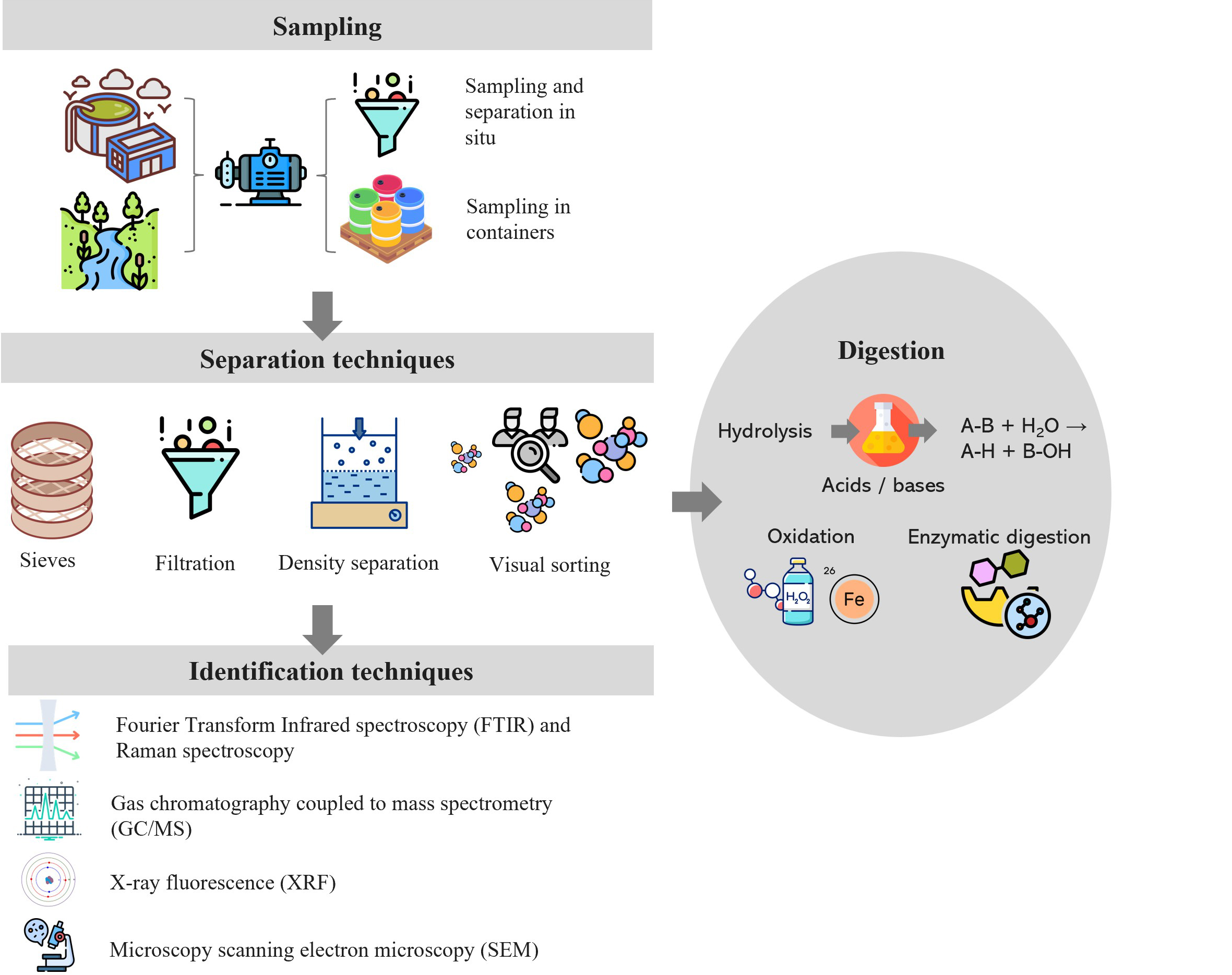
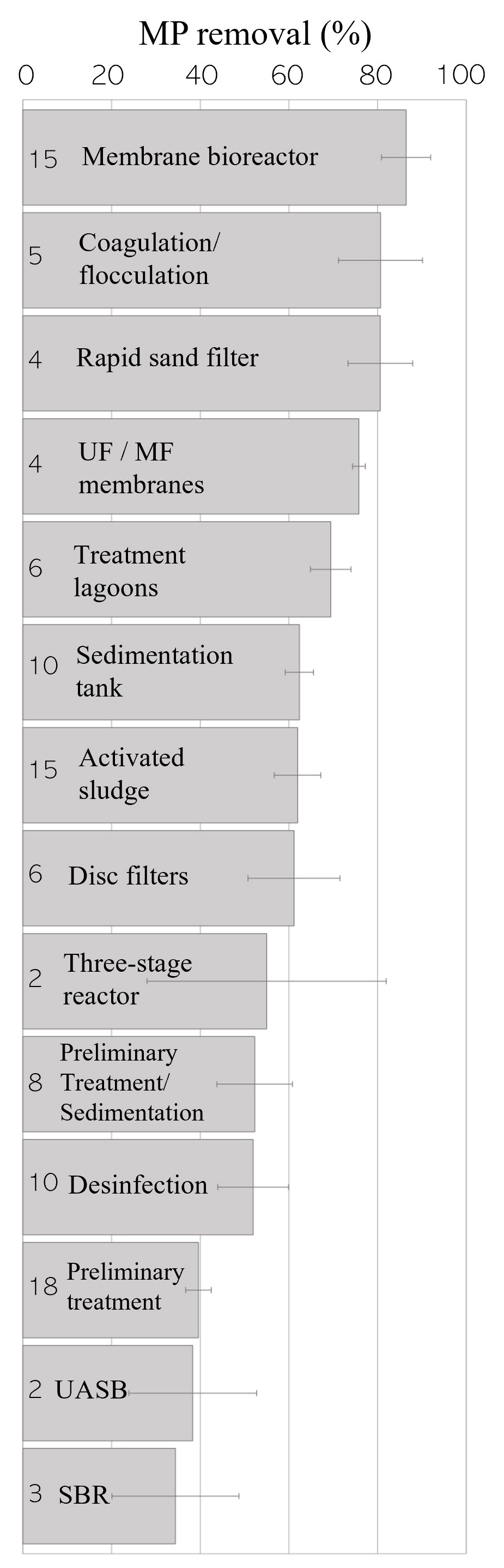
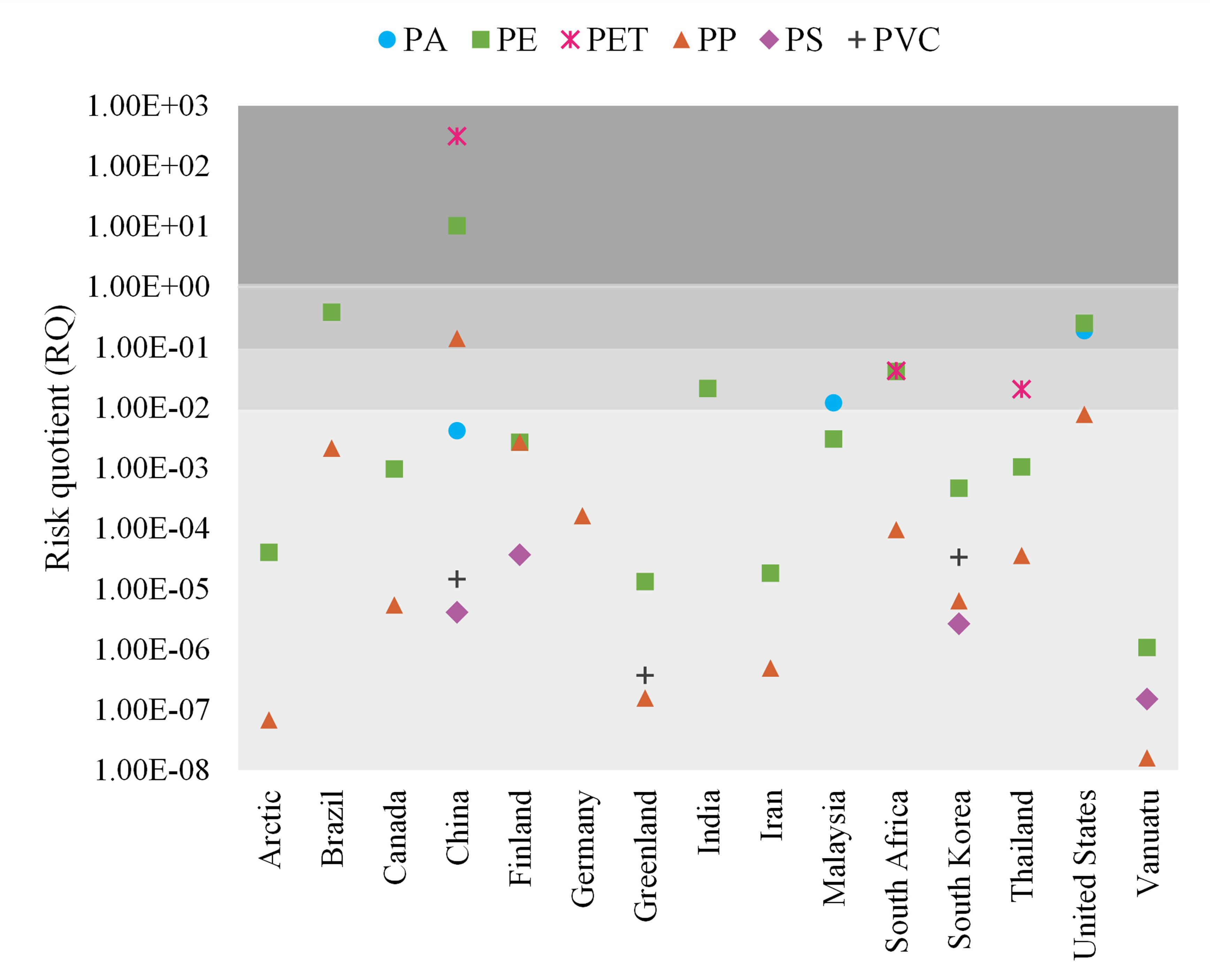
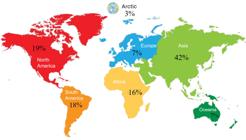
The occurrence of microplastics (MPs) in aquatic environments is constantly expanding. This paper aims to provide a comprehensive analysis of the concentrations, typologies, and fate of MPs in water and wastewater. Their occurrence and toxicity were examined, detailing an analytical approach for detection, quantification, and remediation. A diversity of studies that include countries of all continents was collected and compared to identify patterns of composition and size, in addition to analyzing the distribution of MPs. The study showed that polyethylene and polypropylene were the most common polymers in surface waters, being reported on all continents. PET and PE stood out as the polymers with the highest environmental risk. However, few studies were observed in developing countries. South America, both for water and wastewater, was the continent with the fewest studies reported in literature. MP presence was confirmed in countries such as Brazil and Bolivia, but few studies reported these identifications and quantifications. These gaps can impede the formulation and implementation of effective policies. Thus, developing robust legislation to identify, quantify, and regulate MPs is essential to protect the environment and public health.
Key words
plastic particles; risk assessment; quantification; occurrence; remediation
 Thumbnail
 Thumbnail
 Thumbnail
 Thumbnail
 Thumbnail
 Thumbnail
 Thumbnail