
 Probiotic effects on rumen ciliate community in dairy cows: A multi taxonomic assessment
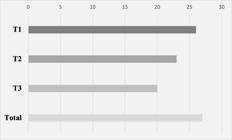
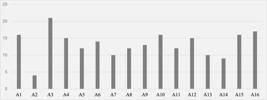
The rumen ciliate protozoa represent a significant component of the microbial ecosystem in ruminants, contributing to the degradation of complex carbohydrates, intra-ruminal nitrogen recycling, and interactions with methanogenic archaea. Despite their importance, the effects of probiotic supplementation on this community remain poorly understood. This study evaluated the impact of dietary yeast probiotics on the ruminal ciliate community in 16 Holstein × Jersey dairy cows. Animals were assigned to three treatments: a control with placebo (T1), a commercial probiotic yeast (T2), and a test probiotic yeast (T3). Rumen samples were collected and analyzed for ciliate density, diversity, and species composition. No significant differences were found in total or genus-level ciliate densities among treatments; however, species richness and community composition varied. A total of 27 ciliate species were identified. The control group (T1) exhibited the highest richness (26 species), while T3 showed the lowest (20 species). Some species were exclusive to specific treatments, and none were unique to T3, suggesting possible inhibitory effects. These findings highlight the importance of species-level resolution in evaluating probiotic effects and suggest that yeast supplementation may alter protozoal community structure without affecting overall density, with potential implications for rumen function and host productivity.
Key words
Ciliophora; probiotics; rumen microbiota; Litostomatea
 Thumbnail
 Thumbnail
 Thumbnail


