Diversification of eight-barbel loaches of Lefua (Cypriniformes: Nemacheilidae) inferred from mitochondrial DNA
ABSTRACT
Many freshwater organisms are threatened by human activities, requiring urgent biological data to support conservation. We investigated the diversification of the endangered eight-barbel loaches (genus Lefua) by analyzing mitochondrial cytochrome b and D-loop sequences. Phylogenetic reconstruction identified genetically distinct clades corresponding to all recognized species (excluding L. sayu, whose assignment to Lefua remains uncertain) and intraspecific populations. However, the phylogenetic position of the recently described L. nishimurai-originally the Reihoku population of L. torrentis-contradicts its original species description. Our data show L. nishimurai forming a highly supported clade with the Sanyo and Kii-Shikoku populations of L. torrentis. Diversification within the genus began with a primary divergence into two main lineages, followed by subsequent speciation and the differentiation of seven local populations of L. echigonia, two of L. tokaiensis, and two (or three if L. nishimurai is not valid) of L. torrentis. These results provide a refined evolutionary framework and clarify the taxonomic uncertainties surrounding L. nishimurai, facilitating the establishment of evolutionarily significant units (ESUs) and more effective conservation strategies for these endangered lineages.
KEYWORDS:
Biogeography; conservation; divergence time; molecular phylogeny; taxonomic status
INTRODUCTION
Eight-barbel loaches of the genus Lefua Herzenstein, 1888 are primary freshwater fish under 10 cm in total length. They exhibit unique biological aspects, such as the separation of intraspecific populations mainly by geological obstacles (Mihara et al. 2005), parallel ecological evolution (Miyazaki et al. 2011), and local introgression of mitochondrial DNA (Miyazaki et al. 2018). Because Lefua loaches have little commercial and ornamental value, the outline of their original distribution ranges remains largely intact. Hence, they are excellent models for studying biogeography, dispersal, and vicariance in the Japanese Archipelago and surrounding regions. They are also useful for studying the geographical development of Japan and East Asia because the biogeography of freshwater fishes is strongly associated with geological events.
Formerly almost all loaches were included in the family Cobitidae, but Sawada (1982) classified Lefua as belonging to Homalopteridae (a synonym of Balitoridae). Tang et al. (2006), in a molecular phylogenetic study, showed that Lefua was more closely related to members of the subfamily Nemacheilinae than to members of Balitorinae (both Nemacheilinae and Balitorinae were then included in Balitoridae). Thereafter, the genus was included in Nemacheilidae (Šlechtová et al. 2007, Kottelat 2012). Six valid species of Lefua are known from East Asia (Kottelat 2012). Lefua costata (Kessler, 1876) is widespread across northeastern Asia (Russia, Mongolia, China, and Korea) but has been introduced to restricted areas of Japan, whereas Lefua pleskei (Herzenstein, 1887) inhabits eastern Russia, northeastern China, and North Korea (Shedko et al. 2008, Wang et al. 2021). Lefua sayu (Herre & Lin, 1936) was described from the upper Qiantang River in China. This species has diagnostic characters of Lefua, but also features that differ significantly from other congeners (Ito 2025). Therefore, the generic assignment of L. sayu requires further investigation. Furthermore, no additional specimen of this species has been collected since its description; thus, it was not included in this study. In Kottelat (2012), Lefua hoffmanni Herre, 1932 was treated as a valid species. However, its generic position was problematic, and Ito (2024) recently demonstrated that this species is a junior synonym of Oreonectes platycephalus Günther, 1868.
The remaining two valid species in Kottelat (2012) are endemic to Japan. Lefua nikkonis (Jordan & Fowler, 1903) inhabits Hokkaido (Kuwahara 2014) and Aomori Prefecture in Honshu (Ooyagi et al. 2018), and Lefua echigonia Jordan & Richardson, 1907 is distributed from the Tohoku to Kinki districts in Honshu (Hosoya 2014). Three species endemic to Japan have been described since the review of Kottelat (2012). Lefua torrentis Hosoya, Ito & Miyazaki, 2018 (recognized as Lefua sp. 1 before formal description) is distributed from the Kinki to Chugoku districts in Honshu and in northern Shikoku (Hosoya 2014, Hosoya et al. 2018). Lefua tokaiensis Ito, Hosoya & Miyazaki, 2019 (recognized as Lefua sp. 2 before formal description) inhabits Aichi and Shizuoka prefectures in the Tokai region of Honshu (Miyazaki 2014, Ito et al. 2019). Recently, a fifth Japanese species, Lefua nishimurai Katayama, 2024, was described from the Reihoku district of Fukui Prefecture, though its validity remains controversial.
Our previous genetic studies showed that Lefua species, excluding L. sayu and L. nishimurai, formed independent clades (Sakai et al. 2003, Mihara et al. 2005, Miyazaki et al. 2011, 2017). We also demonstrated genetically that L. echigonia comprised seven intraspecific populations (Hokuriku, Tohoku, Yamagata, North-Kanto, South-Kanto, Kinki, and Tokai), whereas L. torrentis comprised two (Kii-Shikoku and Sanyo) and L. tokaiensis two (Toyo-Tenryu River and Yahagi River). These populations are separated by geological barriers such as mountain ranges, highlands, and seas, with limited range overlap. Based on preliminary genetic analysis of mitochondrial DNA, we reported that Lefua loaches in the Reihoku district were different from the Sanyo and Kii-Shikoku populations of L. torrentis. We therefore regarded them as another population of L. torrentis, designated as the Reihoku population (Nakajima et al. 2021). Thereafter, Katayama and Sawada (2024) described the Reihoku population as a new species through morphological and genetic investigations.
Many primary freshwater organisms in Japan and East Asia have experienced severe habitat loss and fragmentation due to human activities, such as revetments, pollution, eutrophication, and invasive species, leading to reduced distributions, population sizes, and genetic diversity. Four species, excluding the recently described L. nishimurai, are listed as endangered on the Japanese Red List. To effectively protect endangered organisms, information on their biological characteristics, such as genetic diversity and ecology, is required. Precise classification is also necessary because different protective measures should be implemented at the species and intraspecific levels. Information on the evolutionary process underlying diversification is also necessary to assign evolutionarily significant units (ESUs, as defined by Moritz 1994).
The main objective of this study is to provide a refined, up-to-date understanding of Lefua diversification by adopting new analyses and genetic data, sampling all currently recognized species and intraspecific populations (excluding L. sayu). In our previous works (e.g., Miyazaki et al. 2011, 2018), we established the fundamental phylogenetic framework for several Lefua lineages. However, those studies lacked comprehensive sampling. In contrast, the present study (1) includes newly discovered species and populations, (2) incorporates an expanded mitochondrial dataset, and (3) estimates divergence times using refined procedures. These data clarify evolutionary relationships, especially regarding the taxonomic status of L. nishimurai. Our results are inconsistent with those described by Katayama and Sawada (2024), raising the question of whether the Reihoku population is a valid species or a population of L. torrentis. Robust information on their phylogenetic relationships, divergence history, and genetic diversity can enhance clarity of the evolutionary process and contribute to effective conservation planning for these closely related lineages.
MATERIAL AND METHODS
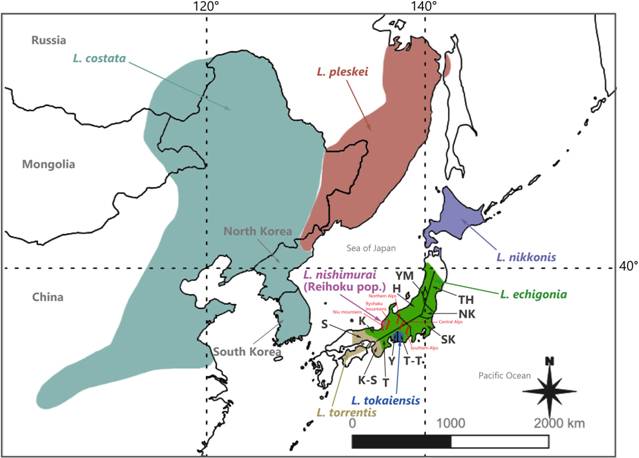
Specimens and sample abbreviations are listed in Table 1. Two specimens of L. nishimurai (Reihoku population) were collected from Echizen, Fukui Prefecture, while others were provided by T. Nishimura; these were used for mitochondrial D-loop and cytochrome b sequencing. Three specimens (Araogawa, Yahagi1, and Yahagi2) were collected from the Tokai district for cytochrome b sequencing. Remaining sequence data were retrieved from previous studies (Miyazaki et al. 2011, Sano et al. 2016) or cited from public databases. Distributions of Lefua species and populations are shown in Fig. 1. Range maps were drafted by outlining occurrence records based on literature (Aiki et al. 2009, Miyazaki et al. 2011, 2017, 2018, Takeuchi et al. 2015, Ooyagi et al. 2018, Hosoya et al. 2018, Ito et al. 2019, Katayama 2021 for Japanese species; Uchida 1939, Li 1981, Zhu 1989, Kottelat 2006, Shedko et al. 2008, Zhang et al. 2016, Guo et al. 2021, Cao 2024, Li 2025 for continental species; and Machida et al. 2021, Dyldin et al. 2023 for both) and unpublished data. Ranges for L. costata and L. pleskei are approximated due to limited information. Specific locality details are withheld to protect these endangered loaches from illegal collection. Experiments complied with Japanese laws. Most specimens were deposited in the Tokushima Prefectural Museum (TKPM-P 27485 to 27529), except for three Yamagata population fin clips (provided by H. Aiki; Aiki et al. 2009) deposited at College of Bioresource Sciences, Nihon University.
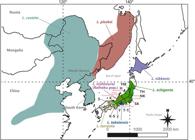
Distributions of Lefua species and intraspecific populations are roughly depicted: Brown, L. pleskei; bluish green, L. costata; purple, L. nikkonis; green, L. echigonia; blue, L. tokaiensis; yellowish brown, L. torrentis; reddish purple, L. nishimurai (Reihoku population). TH, YM, H, NK, SK, T, and K indicate Tohoku, Yamagata, Hokuriku, North Kanto, South Kanto, Tokai, and Kinki populations of L. echigonia, respectively. S and K-S indicate Sanyo and Kii-Shikoku populations of L. torrentis, respectively. Y and T-T indicate Yahagi River and Toyo-Tenryu River populations of L. tokaiensis, respectively. The positions of Japanese Alps and Niu and Ryouhaku mountains are also shown.
DNA sequencing
DNA extraction, PCR, and sequencing followed Miyazaki et al. (2011) and Sano et al. (2016). Total DNA was extracted from fin or muscle tissue using the DNeasy® Blood and Tissue Kit (QIAGEN GmbH, Hilden). Mitochondrial D-loop and cytochrome b were amplified using KOD dash (Toyobo Co., Ltd., Osaka) with primers listed in Table 2. D-loop PCR conditions included initial denaturation at 94 °C (2 min), 30 cycles of 94 °C (30 s), 62 °C (5 s), and 74 °C (30 s), with a final extension at 74 °C (7 min). For cytochrome b, a nested PCR approach followed Saka et al. (2003): the first PCR (initial denaturation at 98 °C for 2 min, 30 cycles of 98 °C [60 s], 55 °C [30 s], and 74 °C [30 s], final extension at 72 °C for 1 min) was followed by purification via QIAquick column (QIAGEN) and a second PCR (initial denaturation at 98 °C for 3 min, 40 cycles of 95 °C [60 s], 60 °C [30 s], and 72 °C [60 s], final extension at 72 °C for 7 min). D-loop products were sequenced by Microgen Japan Corp. using ABI BigDye™ Terminator v3.1 on an ABI 3730xl Analyzer. Cytochrome b products were sequenced using GenomeLab™ Dye Terminator on a CEQ™ 2000XL System. New sequences were deposited in the DNA Data Bank of Japan (LC872761-LC872784, LC894901, LC894902).
Phylogenetic analysis
Analyses followed Sano et al. (2016, 2017, 2020, 2022). Mitochondrial D-loop and cytochrome b sequences were aligned using MUSCLE v3.8 (Edgar 2004) and the alignments were verified through visual inspection in MEGA 6.0 (Tamura et al. 2013). A 1,627-bp concatenated dataset (D-loop: 642-bp; cytochrome b: 985-bp) was used for tree construction. Sequence files were converted from FASTA to PHYLIP via Phylogears v2-2.0.2016.09.06 (Tanabe 2008). Analyses were conducted with and without the Hokuriku population of L. echigonia. PartitionFinder identified HKY+I+G as the best-fit model for the D-loop, and GTR+G, K80+I+G, and HKY+I for the first, second, and third cytochrome b codon positions, respectively; these schemes remained unchanged regardless of the Hokuriku population’s inclusion. Barbatula oreas (Jordan & Fowler, 1903) (AB177653, GU583652) served as the outgroup, following its current valid status (Kottelat 2012).
Neighbor-joining (NJ) trees were built in MEGA 6.0 (Tamura et al. 2013) using Kimura’s two-parameter model (Kimura 1980) with 1,000 bootstrap replicates. Maximum-likelihood (ML) trees were generated in IQ-TREE (Nguyen et al. 2015) following model selection via PartitionFinder v2.1.1 (Lanfear et al. 2017) with 1,000 bootstrap replicates. Bayesian (BI) trees were generated in MrBayes5D v3.1.2.2012.12.13 (Tanabe 2008, Ronquist et al. 2012), also using PartitionFinder model selection (Lanfear et al. 2017). MCMC simulations ran for 1.0 × 10⁷ generations, sampling every 1,000 generations, with a 10% burn-in. Convergence was evaluated via the potential scale reduction factor and Tracer v1.6 (Rambaut et al. 2013).
Divergence times were estimated in BEAST2 v2.6.7 (Bouckaert et al. 2014) using an uncorrelated lognormal relaxed clock and a Yule process (ngen = 8.0 × 10⁸, samplefreq = 1,000) for both datasets (with and without the Hokuriku population). The node representing the divergence between the eastern and western populations of L. echigonia was constrained using an exponential prior (mean = 0.07, offset = 0.7). Substitution models were selected via PartitionFinder v2.1.1 (Lanfear et al. 2017) within BEAST2 v2.6.7 (Bouckaert et al. 2014). Effective sample size (ESS) and convergence were assessed in Tracer v1.6 (Rambaut et al. 2013).
Calibration was based on the uplift of the Japanese Central Alps (0.7-1 mya; Machida et al. 2006), which divided populations into western (L. torrentis, L. tokaiensis, and Kinki/Tokai populations of L. echigonia) and eastern groups (Tohoku, Yamagata, North-Kanto, and South-Kanto populations of L. echigonia) groups. This reference accounts for the central low-lands migration window prior to the uplift (Machida et al. 2006). As no Lefua fossils are known, this geological event serves as the primary calibration point.
Species delimitation analysis
To infer primary species hypotheses within Lefua, four independent delimitation methods were applied: Generalized Mixed Yule Coalescent (GMYC; Pons et al. 2006), Automatic Barcode Gap Discovery (ABGD; Puillandre et al. 2012), Assemble Species by Automatic Partitioning (ASAP; Puillandre et al. 2021), and Bayesian Poisson Tree Processes (bPTP; Zhang et al. 2013). GMYC analysis was performed using the GMYC-pyqt5 program (https://github.com/iTaxoTools/GMYC-pyqt5), while ASAP, ABGD, and bPTP analyses were conducted via iTaxoTools (https://itaxotools.org/download.html; Vences et al. 2021). All analyses utilized the 1,627-bp mitochondrial dataset (concatenated D-loop and cytochrome b) including the Hokuriku population, consistent with phylogenetic and divergence-time estimations. For each method, the most reliable partition was selected following author recommendations and tool manuals. Specifically, the ASAP partition with the lowest score (score = 3.0), corresponding to 14 Lefua groups and one outgroup, was adopted as the best-supported result. In the ABGD analysis, the partition obtained with a prior intraspecific divergence value of P = 0.001 yielded a stable clustering into 14 Lefua groups and one outgroup and was therefore selected.
RESULTS
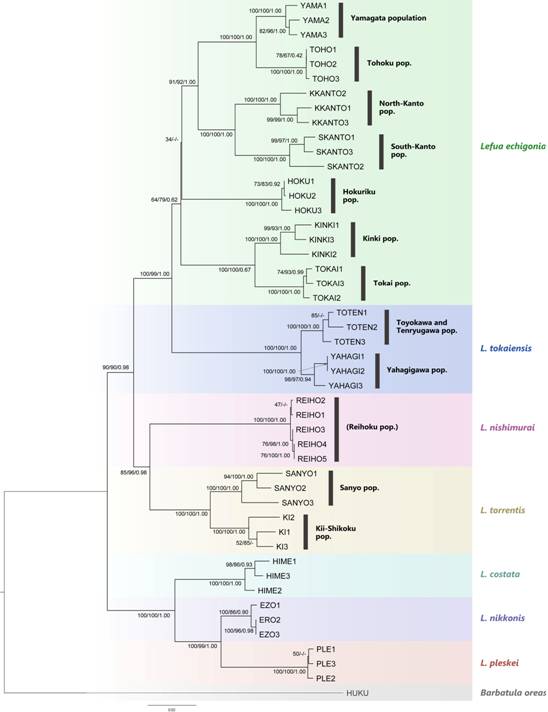
Phylogenetic trees based on concatenated mitochondrial D-loop and cytochrome b sequences (Fig. 2) were largely consistent with previous reports (Miyazaki et al. 2011). Lefua loaches were divided into two main groups: one comprising L. costata, L. nikkonis, and L. pleskei, and the other including L. echigonia, L. tokaiensis, and L. torrentis. Seven populations of L. echigonia, and two each of L. tokaiensis and L. torrentis, were well separated. Within L. echigonia, the Tohoku/Yamagata, North-Kanto/South-Kanto, and Kinki/Tokai populations formed closely related pairs, with the former four populations constituting a single clade. While previous work (Miyazaki et al. 2011) left the positions of L. tokaiensis and the Hokuriku population of L. echigonia unresolved, the present study resolved L. tokaiensis as a sister group to L. echigonia. The Reihoku population formed a clade with the Sanyo and Kii-Shikoku populations of L. torrentis. ML and BI trees shared a common topology but differed from the NJ tree regarding the Hokuriku population; in ML and BI trees, this population formed a poorly supported clade with the Kinki and Tokai populations (bootstrap = 54 in ML; posterior probability = 0.67 in BI), whereas in the NJ tree, it grouped with the other four L. echigonia populations (bootstrap = 34).
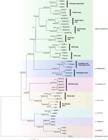
NJ tree of Lefua loaches including the Hokuriku population of L. echigonia. The NJ tree was constructed using a concatenated dataset (1,627 bp) of the mitochondrial D-loop and cytochrome b sequences. The Hokuriku population of L. echigonia was included in the analysis. Barbatula oreas served as the outgroup. Bootstrap values of NJ (left) and ML (middle), and posterior probabilities of BI (right) are specified near the relevant nodes. ‘Toyokawa and Tenryugawa pop.’ and ‘Yahagigawa pop.’ denote the Toyo-Tenryu River and Yahagi River populations, respectively.
Species delimitation methods yielded varying results: GMYC identified three entities, ABGD and ASAP both identified 14 (with differing profiles), and bPTP suggested 17 (Fig. S1).
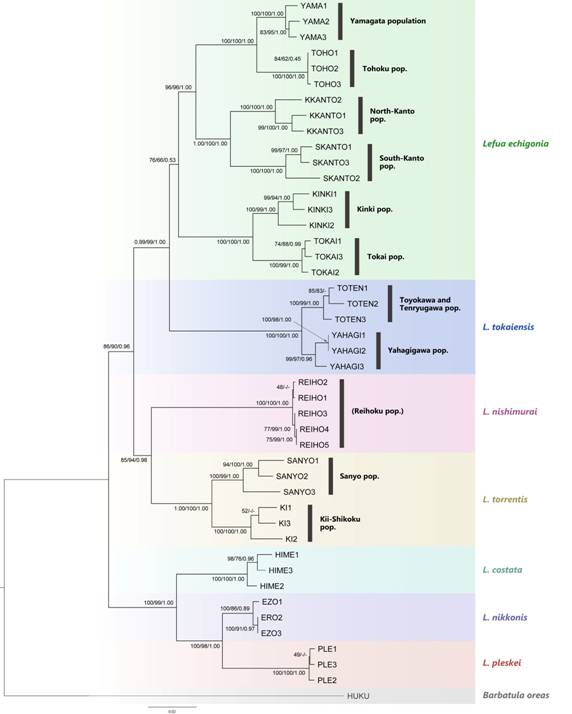
Divergence times (Fig. 3), calibrated using the Japanese Central Alps uplift (0.7-1 mya), indicate Lefua diversification began with the split of the two primary groups ca. 1.3 mya (Table 3). Lefua torrentis diverged from the L. tokaiensis+L. echigonia lineage ca. 1.1 mya, while L. tokaiensis and L. echigonia split ca. 0.8 mya. The Reihoku population diverged from other L. torrentis populations ca. 0.75 mya. Within the other group, L. costata diverged from L. nikkonis+L. pleskei ca. 0.55 mya, with the latter two splitting ca. 0.25 mya. These estimates are slightly more recent than those based on a fixed 0.8 mya reference (Mihara et al. 2005) using Multidivetime analysis (Thorne and Kishino 2002).
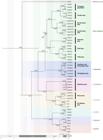
Diversification of Lefua loaches including the Hokuriku population of L. echigonia. Divergence times were estimated using a concatenated dataset (1,627 bp) of the mitochondrial D-loop and cytochrome b sequences, with the time of the uplift of the Central Alps of Japan (0.7-1 mya) as the calibration reference. Barbatula oreas was used as the outgroup. The Hokuriku population of L. echigonia was included in the analysis. (a) shows the calibration point. The numbers shown at the nodes indicate the estimated divergence times (mya). The gray bars at the nodes represent the 95% highest posterior density (HPD) intervals for the estimated divergence times. ‘Toyokawa and Tenryugawa pop.’ and ‘Yahagigawa pop.’ denote the Toyo-Tenryu River and Yahagi River populations, respectively.
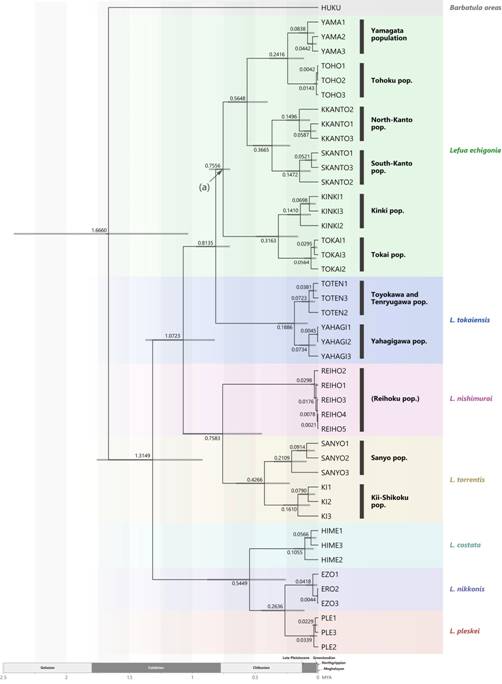
Due to insufficient genetic information, the Hokuriku population was excluded from a second set of analyses to avoid potential phylogenetic instability (Figs 4 and 5). In these reconstructed trees, NJ, ML, and BI topologies were identical, placing the Reihoku population in a well-supported clade with the Sanyo and Kii-Shikoku populations of L. torrentis. Divergence times excluding the Hokuriku population were congruent with the full dataset results (Table 3).
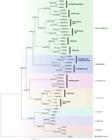
NJ tree of Lefua loaches excluding the Hokuriku population of L. echigonia. The NJ tree was constructed using a concatenated dataset (1,627 bp) of the mitochondrial D-loop and cytochrome b sequences. The Hokuriku population of L. echigonia was excluded from the analysis. Barbatula oreas served as the outgroup. Bootstrap values of NJ (left) and ML (middle), and posterior probabilities of BI (right) are specified near the relevant nodes. ‘Toyokawa and Tenryugawa pop.’ and ‘Yahagigawa pop.’ denote the Toyo-Tenryu River and Yahagi River populations, respectively.
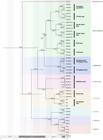
Diversification of Lefua loaches excluding the Hokuriku population of L. echigonia. Divergence times were estimated using a concatenated dataset (1,627 bp) of the mitochondrial D-loop and cytochrome b sequences, with the time of the uplift of the Central Alps of Japan (0.7-1 mya) as the calibration reference. Barbatula oreas was used as the outgroup. The Hokuriku population of L. echigonia was excluded from the analysis. (a) shows the calibration point. The numbers shown at the nodes indicate the estimated divergence times (mya). The gray bars at the nodes represent the 95% highest posterior density (HPD) intervals for the estimated divergence times. ‘Toyokawa and Tenryugawa pop.’ and ‘Yahagigawa pop.’ denote the Toyo-Tenryu River and Yahagi River populations, respectively.
DISCUSSION
Phylogenetic positions of the species and intraspecific populations were clearly presented in this study. Although the status of the Hokuriku population remains poorly understood, its exclusion during tree reconstruction resulted in divergence times nearly congruent with those from the full dataset (Table 3). This suggests that the Hokuriku population does not substantially affect the reliability of the calibration point based on the uplift of the Central Alps of Japan. Currently, Hokuriku loaches are distributed both east and west of the Japanese Alps, indicating their ancestors likely migrated through a narrow seaside corridor to reach their present locations.
Katayama and Sawada (2024) recently described the Reihoku population as a new species, L. nishimurai, based on nuclear ribosomal S7 subunit introns. While our results agree that the Reihoku population constitutes a unique clade independent of the Sanyo and Kii-Shikoku populations of L. torrentis, its phylogenetic position remains inconsistent. We demonstrated with high reliability (bootstrap values of 85 for NJ and 96 for ML; 0.98 posterior probability in Fig. 2) that the Reihoku population forms a clade with L. torrentis (see also Fig. 4). In contrast, Katayama and Sawada (2024) reported a trichotomy-like divergence between the Reihoku population, L. torrentis, and the L. echigonia+L. tokaiensis clade. Our preliminary analysis using concatenated D-loop, cytochrome b, and S7 sequences (2,137 bp) supported our topology, whereas S7 data showed previously poor resolution (Miyazaki et al. 2011). This inconsistency raises questions about whether the Reihoku population should be regarded as a valid species or as a population of L. torrentis. Additionally, we verified that the Reihoku population sequences differ from the Nihonkai population, which was tentatively described due to unique mitochondrial DNA introgression (Miyazaki et al. 2018).
This study cannot dismiss the validity of L. nishimurai as a species, given its unique clade (Figs 2 and 4), deep divergence (Figs 3 and 5), and distinct morphological traits (Katayama and Sawada 2024). However, our species delimitation analyses yielded mixed results (Fig. S1). GMYC suggested the Reihoku population represents the same species as L. torrentis, though it proposed only three species for the entire genus-an underestimation relative to morphological data. Conversely, ABGD, ASAP, and bPTP recognized L. nishimurai as a species, but also elevated most intraspecific populations of L. echigonia, L. tokaiensis, and L. torrentis to species rank. These methods often overestimate species (Lang et al. 2015, Luo et al. 2018). While L. torrentis, L. echigonia, and L. tokaiensis are distinct biological species, no hybridization has been reported where their distributions overlap (Hosoya et al. 2018, Ito et al. 2019), whereas L. nishimurai is allopatric and its reproductive isolation remains unconfirmed. Comprehensive nuclear genomic analyses (e.g., SNPs) are essential to resolve this taxonomic status.
Divergence times for Lefua species were determined using the Central Alps uplift as a reference (Table 3). The Reihoku population diverged from other L. torrentis lineages ca. 0.75 mya, while Sanyo and Kii-Shikoku populations split ca. 0.45 mya. Lefua echigonia, L. torrentis, and L. nikkonis were established by regression and transgression during the middle ice age, while L. tokaiensis speciation and other population divergences were likely driven by local orogenesis. Isolation of L. nishimurai is likely ascribed to the formation of the Niu and Ryouhaku mountains.
Ecologically, the Reihoku, Sanyo, and Kii-Shikoku populations of L. torrentis share similar montane stream habitats. Although morphological differences are reported (Katayama and Sawada 2024), the Sanyo and Kii-Shikoku populations exhibit high morphological variation (Ito et al. 2015) and genetic diversity across wider ranges. Further assessments are needed to determine if L. nishimurai traits fall outside this known variation.
Endemic Japanese Lefua are threatened by habitat destruction. Lefua nikkonis, L. echigonia, L. tokaiensis, and L. torrentis are already listed as endangered (Kuwahara 2014, Hosoya 2014, Miyazaki 2014). The Reihoku population has an extremely restricted distribution (Katayama 2021), and its protection is critical regardless of its taxonomic rank. Given its unique evolutionary background, it should be treated as an evolutionarily significant unit (ESU) (Moritz 1994, Nakajima et al. 2021). Further investigation into their genetic diversity and ecology (Miyazaki et al. 2024) is urgently required.
Our divergence estimates rely on a single geological calibration point (Machida et al. 2006) due to the lack of fossils. Future studies incorporating fossil records, genome-wide markers, or broader ecological data will be invaluable for refining these estimates and confirming the species status of the Reihoku population.
ACKNOWLEDGEMENTS
We sincerely thank T. Nishimura for providing specimens and information on the Reihoku population, and H. Aiki for specimens of the Yamagata population. We also thank J. Nakajima, K. Hosoya, H. Sugiyama, O. Inaba, K. Kirihara, S. Nakamura, M. Isono, and M. Yamada for their assistance in sample collection, biological information, and DNA sequencing.
References
-
Aiki H, Takayama K, Tamura T, Mano N, Shimada M, et al. (2009) Phylogeography of the Japanese eight-barbel loach Lefua echigonia from the Yamagata area of the Tohoku district, Japan. Fisheries Science 75: 903-908. https://doi.org/10.1007/s12562-009-0109-x
» https://doi.org/10.1007/s12562-009-0109-x -
Bouckaert R, Heled J, Kühnert D, Vaughan T, Wu CH, et al. (2014) BEAST 2: a software platform for Bayesian evolutionary analysis. PLOS Computational Biology 10: e1003537. https://doi.org/10.1371/journal.pcbi.1003537
» https://doi.org/10.1371/journal.pcbi.1003537 - Cao W (2024) Fauna Sinica. Osteichthyes Cypriniformes I. Science Press, Beijing, 401 pp.
-
Dyldin YV, Orlov AM, Hanel L, Romanov VI, Fricke R, Vasil’Eva ED (2023) Ichthyofauna of the fresh and brackish waters of Russia and adjacent areas: annotated list with taxonomic comments. 2. Order Cypriniformes, suborders Catostomoidei, Cobitoidei and Cyprinoidei. Journal of Ichthyology 63: 636-686. https://doi.org/10.1134/S0032945223040045
» https://doi.org/10.1134/S0032945223040045 -
Edgar RC (2004) MUSCLE: multiple sequence alignment with high accuracy and high throughput. Nucleic Acids Research 32: 1792-1797. https://doi.org/10.1093/nar/gkh340
» https://doi.org/10.1093/nar/gkh340 - Guo Y-S, Sun Z-Y, He X-H, Jin W, Chen Y-L (2021) Colored atlas of fishes in Sichuan. Science Press, Beijing, 973 pp.
- Hosoya K (2014) Lefua echigonia and Lefua sp. 1. In: Ministry of the Environment (Ed.) Red data book 2014, Threatened wildlife of Japan. Gyosei Corporation, Tokyo, 196-199.
-
Hosoya K, Ito T, Miyazaki JI (2018) Lefua torrentis, a new species of loach from western Japan (Teleostei: Nemacheilidae). Ichthyological Exploration of Freshwaters 28: 193-201. https://doi.org/10.23788/IEF-1078
» https://doi.org/10.23788/IEF-1078 -
Ito T (2024) Lefua hoffmanni Herre 1932, a junior synonym of Oreonectes platycephalus Günther 1868 (Cypriniformes: Nemacheilidae). Zootaxa 5448: 519-530. https://doi.org/10.11646/zootaxa.5448.4.5
» https://doi.org/10.11646/zootaxa.5448.4.5 -
Ito T (2025) Re-description of the holotype of Lefua sayu (Teleostei: Nemacheilidae), and comments on its generic attribution. Ichthyological Research 72: 459-465. https://doi.org/10.1007/s10228-024-01003-w
» https://doi.org/10.1007/s10228-024-01003-w -
Ito T, Hosoya K, Miyazaki JI (2019) Lefua tokaiensis, a new species of nemacheilid loach from central Japan (Teleostei: Nemacheilidae). Ichthyological Research 66: 479-487. https://doi.org/10.1007/s10228-019-00690-0
» https://doi.org/10.1007/s10228-019-00690-0 -
Ito T, Tanaka K, Hosoya K (2015) Geographical variations in morphological characters of the fluvial eight-barbel loach, Nagare-hotoke-dojo (Cobitidae: Nemacheilinae). Biogeography 17: 43-52. https://doi.org/10.11358/biogeo.17.43
» https://doi.org/10.11358/biogeo.17.43 - Katayama Y (2021) A survey of the distribution of the Reihoku population of the Lefua torrentis (Nemacheilidae) with a first record in Fukui city. Bulletin of the Fukui City Museum of Natural History 68: 53-56.
-
Katayama Y, Sawada N (2024) Integrative taxonomy revealed a new species of Lefua (Teleostei, Nemacheilidae) from Fukui Prefecture, Japan. Evolutionary Systematics 8: 247-260. https://doi.org/10.3897/evolsyst.8.131002
» https://doi.org/10.3897/evolsyst.8.131002 -
Kimura M (1980) A simple method for estimating evolutionary rates of base substitutions through comparative studies of nucleotide sequences. Journal of Molecular Evolution 16: 111-120. https://doi.org/10.1007/BF01731581
» https://doi.org/10.1007/BF01731581 - Kottelat M (2006) Fishes of Mongolia. A check-list of the fishes known to occur in Mongolia with comments on systematics and nomenclature. World Bank, Washington D.C., 103 pp.
- Kottelat M (2012) Conspectus cobitidum: an inventory of the loaches of the world (Teleostei: Cypriniformes: Cobitoidei). The Raffles Bulletin of Zoology 26: 1-199.
- Kuwahara T (2014) Lefua nikkonis In: Ministry of the Environment (Ed.) Red data book 2014. Threatened wildlife of Japan. Gyosei Corporation, Tokyo , 194-195.
-
Lang AS, Bocksberger G, Stech M (2015) Phylogeny and species delimitations in European Dicranum (Dicranaceae, Bryophyta) inferred from nuclear and plastid DNA. Molecular Phylogenetics and Evolution 92: 217-225. https://doi.org/10.1016/j.ympev.2015.06.019
» https://doi.org/10.1016/j.ympev.2015.06.019 -
Lanfear R, Frandsen PB, Wright AM, Senfeld T, Calcott B (2017) PartitionFinder 2: new methods for selecting partitioned models of evolution for molecular and morphological phylogenetic analyses. Molecular Biology and Evolution 34: 772-773. https://doi.org/10.1093/molbev/msw260
» https://doi.org/10.1093/molbev/msw260 - Li S (1981) Studies on zoogeographical divisions for freshwater fishes of China. Science Press, Beijing, 292 pp.
- Li F (2025) Freshwater fishes of China. The Straits Publishing & Distributing group, Fujian, 762 pp.
-
Luo A, Ling C, Ho SYW, Zhu C-D (2018) Comparison of methods for molecular species delimitation across a range of speciation scenarios. Systematic Biology 67: 830-846. https://doi.org/10.1093/sysbio/syy011
» https://doi.org/10.1093/sysbio/syy011 - Machida H, Matsuda T, Umitsu M, Koizumi T (2006) History of topographical development in the Chubu region. In: Machida H, Matsuda T, Umitsu M, Koizumi T (Eds) Japan’s Topography 5 Chubu Region. University of Tokyo Press, Tokyo, 323-349.
-
Machida Y, Kanaiwa M, Shedko SV, Matsubara H, Kobayashi H, et al. (2021) Morphologies and population genetic structures of the eightbarbel loach of the genus Lefua on southern Sakhalin. Ichthyological Research 68: 239-248. https://doi.org/10.1007/s10228-020-00783-1
» https://doi.org/10.1007/s10228-020-00783-1 -
Mihara M, Sakai T, Nakao K, Martins LO, Hosoya K, Miyazaki JI (2005) Phylogeography of loaches of the genus Lefua (Balitoridae, Cypriniformes) inferred from mitochondrial DNA sequences. Zoological Science 22: 157-168. https://doi.org/10.2108/zsj.22.157
» https://doi.org/10.2108/zsj.22.157 - Miyazaki JI (2014) Lefua sp. 2. In: Ministry of the Environment (Ed.) Red data book 2014, Threatened wildlife of Japan. Gyosei Corporation, Tokyo , 200-201.
-
Miyazaki JI, Dobashi M, Tamura T, Beppu S, Sakai T, et al. (2011) Parallel evolution in eight-barbel loaches of the genus Lefua (Balitoridae, Cypriniformes) revealed by mitochondrial and nuclear DNA phylogenies. Molecular Phylogenetics and Evolution 60: 416-427. https://doi.org/10.1016/j.ympev.2011.05.005
» https://doi.org/10.1016/j.ympev.2011.05.005 -
Miyazaki JI, Hida S, Ozaki T, Tabata Y, Iwata M, et al. (2017) Intraspecific relationships and variation of two Lefua species (Balitoridae, Cypriniformes) in the Tokai region, Honshu, Japan. Journal of Water Resource and Protection 9: 238-253. https://doi.org/10.4236/jwarp.2017.92016
» https://doi.org/10.4236/jwarp.2017.92016 -
Miyazaki JI, Tamura T, Hida S, Sakai T (2018) Local introgression of mitochondrial DNA in eight-barbel loaches of the genus Lefua (Balitoridae, Cypriniformes). Zoological Science 35: 140-148. https://doi.org/10.2108/zs170135
» https://doi.org/10.2108/zs170135 -
Miyazaki JI, Ogata K, Takano A, Hosaka Y, Gunji Y, et al. (2024) Ten-year ecological investigation into eight-barbel loach, Lefua tokaiensis (Nemacheilidae, Cypriniformes). Limnology 25: 317-325. https://doi.org/10.1007/s10201-024-00742-z
» https://doi.org/10.1007/s10201-024-00742-z -
Moritz C (1994) Defining ‘evolutionarily significant units’ for conservation. Trends in Ecology & Evolution 9: 373-375. https://doi.org/10.1016/0169-5347(94)90057-4
» https://doi.org/10.1016/0169-5347(94)90057-4 -
Nakajima J, Nishimura T, Ito T, Miyazaki JI, Ooi K, Hirakawa S (2021) Report of a genetic population of Lefua torrentis (Nemacheilidae) from Reihoku District, Fukui Prefecture, Honshu, Japan. Ichthy, Natural History of Fishes of Japan 6: 33-37. https://doi.org/10.34583/ichthy.6.0_33
» https://doi.org/10.34583/ichthy.6.0_33 -
Nguyen LT, Schmidt HA, von Haeseler A, Minh BQ (2015) IQ-TREE: a fast and effective stochastic algorithm for estimating maximum-likelihood phylogenies. Molecular Biology and Evolution 32: 268-274. https://doi.org/10.1093/molbev/msu300
» https://doi.org/10.1093/molbev/msu300 -
Ooyagi A, Mokodongan DF, Montenegro J, Mandagi IF, Koizumi N, et al. (2018) Phylogeography of the eight-barbel loach Lefua nikkonis (Cypriniformes: Nemacheilidae): how important were straits in northern Japan as biogeographical barriers? Ichthyological Research 65: 115-126. https://doi.org/10.1007/s10228-017-0597-0
» https://doi.org/10.1007/s10228-017-0597-0 -
Pons J, Barraclough TG, Gomez-Zurita J, Cardoso A, Duran DP, et al. (2006) Sequence-based species delimitation for the DNA taxonomy of undescribed insects. Systematic Biology 55: 595-609. https://doi.org/10.1080/10635150600852011
» https://doi.org/10.1080/10635150600852011 -
Puillandre N, Brouillet S, Achaz G (2021) ASAP: assemble species by automatic partitioning. Molecular Ecology Resources 21: 609-620. https://doi.org/10.1111/1755-0998.13281
» https://doi.org/10.1111/1755-0998.13281 -
Puillandre N, Lambert A, Brouillet S, Achaz G (2012) ABGD, Automatic Barcode Gap Discovery for primary species delimitation. Molecular Ecology 21: 1864-1877. https://doi.org/10.1111/j.1365-294X.2011.05239.x
» https://doi.org/10.1111/j.1365-294X.2011.05239.x -
Rambaut A, Drummond AJ, Suchard M (2013) Tracer v. 1.6. http://tree.bio.ed.ac.uk/software/tracer [Accessed: 17/02/2019]
» http://tree.bio.ed.ac.uk/software/tracer -
Ronquist F, Teslenko M, van der Mark P, Ayres DL, Darling A, et al. (2012) MrBayes 3.2: efficient Bayesian phylogenetic inference and model choice across a large model space. Systematic Biology 61: 539-542. https://doi.org/10.1093/sysbio/sys029
» https://doi.org/10.1093/sysbio/sys029 -
Saka R, Takehana Y, Suguro N, Sakaizumi M (2003) Genetic population structure of Lefua echigonia inferred from allozymic and mitochondrial cytochrome b variations. Ichthyological Research 50: 301-309. https://doi.org/10.1007/s10228-003-0172-8
» https://doi.org/10.1007/s10228-003-0172-8 -
Sakai T, Mihara M, Shitara H, Yonekawa H, Hosoya K, Miyazaki JI (2003) Phylogenetic relationships and intraspecific variations of loaches of the genus Lefua (Balitoridae, Cypriniformes). Zoological Science 20: 501-514. https://doi.org/10.2108/zsj.20.501
» https://doi.org/10.2108/zsj.20.501 -
Sano I, Kirikane M, Ogata K, Kobayashi K, Tojo K, Miyazaki JI (2016) Phylogeny in eight-barbel loaches of the genus Lefua (Balitoridae, Cypriniformes) based on nucleotide sequences of the mitochondrial cytochrome b gene. Bulletin of the Faculty of Education & Human Sciences of University of Yamanashi 25: 183-192. https://doi.org/10.34429/00001162
» https://doi.org/10.34429/00001162 -
Sano I, Shirai A, Kondo T, Miyazaki JI (2017) Phylogenetic relationships of Japanese Unionoida (Mollusca: Bivalvia) based on mitochondrial 16S rDNA sequences. Journal of Water Resource and Protection 9: 493-509. https://doi.org/10.4236/jwarp.2017.95032
» https://doi.org/10.4236/jwarp.2017.95032 -
Sano I, Saito T, Miyazaki JI, Shirai A, Uechi T, et al. (2020) Evolutionary history and diversity of unionoid mussels (Mollusca: Bivalvia) in the Japanese archipelago. Plankton and Benthos Research 15: 97-111. https://doi.org/10.3800/pbr.15.97
» https://doi.org/10.3800/pbr.15.97 -
Sano I, Saito T, Ito S, Ye B, Uechi T, et al. (2022) Resolving species-level diversity of Beringiana and Sinanodonta mussels (Bivalvia: Unionidae) in the Japanese archipelago using genome-wide data. Molecular Phylogenetics and Evolution 175: 107563. https://doi.org/10.1016/j.ympev.2022.107563
» https://doi.org/10.1016/j.ympev.2022.107563 - Sawada Y (1982) Phylogeny and zoogeography of the superfamily Cobitoidea (Cyprinoidei, Cypriniformes). Memoirs of the Faculty of Fisheries, Hokkaido University 28: 65-223.
-
Shedko SV, Miroshnichenko IL, Nemkova GA (2008) On the systematics and phylogeography of eight-barbel loaches of the genus Lefua (Cobitoidea: Nemacheilidae): mtDNA typing of L. pleskei Russian Journal of Genetics 44: 817-825. https://doi.org/10.1134/S1022795408070090
» https://doi.org/10.1134/S1022795408070090 -
Šlechtová V, Bohlen J, Tan HH (2007) Families of Cobitoidea (Teleostei; Cypriniformes) as revealed from nuclear genetic data and the position of the mysterious genera Barbucca, Psilorhynchus, Serpenticobitis and Vaillantella Molecular Phylogenetics and Evolution 44: 1358-1365. https://doi.org/10.1016/j.ympev.2007.02.019
» https://doi.org/10.1016/j.ympev.2007.02.019 - Takeuchi M, Isono M, Hida S, Maki N, Onikubo H, Miyazaki JI (2015) Phylogenetic position of Japanese eight-barbel loach Lefua echigonia (Balitoridae, Cypriniformes) discovered in Iwate Prefecture, Japan. Journal of the Natural History of Aomori 20: 71-78.
-
Tamura K, Stecher G, Peterson D, Filipski A, Kumar S (2013) MEGA6: molecular evolutionary genetics analysis version 6.0. Molecular Biology and Evolution 30: 2725-2729. https://doi.org/10.1093/molbev/mst197
» https://doi.org/10.1093/molbev/mst197 -
Tanabe AS (2008) MrBayes5D v. 3.1.2.2012.12.13. https://www.fifthdimension.jp/products/mrbayes5d [Accessed: 22/12/2018]
» https://www.fifthdimension.jp/products/mrbayes5d -
Tang Q, Liu H, Mayden R, Xiong B (2006) Comparison of evolutionary rates in the mitochondrial DNA cytochrome b gene and control region and their implications for phylogeny of the Cobitoidea (Teleostei: Cypriniformes). Molecular Phylogenetics and Evolution 39: 347-357. https://doi.org/10.1016/j.ympev.2005.08.007
» https://doi.org/10.1016/j.ympev.2005.08.007 -
Thorne JL, Kishino H (2002) Divergence time and evolutionary rate estimation with multilocus data. Systematic Biology 51: 689-702. https://doi.org/10.1080/10635150290102456
» https://doi.org/10.1080/10635150290102456 - Uchida K (1939) The fishes of Tyōsen (Korea) Part 1. Nematognathi, Eventognathi. Bulletin of the Fisheries Experiment Station of the Government-General of Tyōsen 6: 1-458.
-
Vences M, Miralles A, Brouillet S, Ducasse J, Fedosov A, et al. (2021) iTaxoTools 0.1: Kickstarting a specimen-based software toolkit for taxonomists. Megataxa 6(2): 77-92. https://doi.org/10.11646/megataxa.6.2.1
» https://doi.org/10.11646/megataxa.6.2.1 -
Wang M, Tan HM, Yang YP, Chen YX (2021) A novel record species of the genus Lefua from China and phylogenetic relationships of the genus Lefua Scientia Sinica Vitae 51: 1319-1327. https://doi.org/10.1360/SSV-2021-0264
» https://doi.org/10.1360/SSV-2021-0264 - Zhang C-G, Zhao Y-H, Xing Y-C, Zhou W, Tang W-Q (2016) Species diversity and distribution of inland fishes in China. Science Press, Beijing , 284 pp.
-
Zhang J, Kapli P, Pavlidis P, Stamatakis A (2013) A general species delimitation method with applications to phylogenetic placements. Bioinformatics 29: 2869-2876. https://doi.org/10.1093/bioinformatics/btt499
» https://doi.org/10.1093/bioinformatics/btt499 - Zhu S (1989) The loaches of the subfamily Nemacheilinae in China (Cypriniformes: Cobitidae). Jiangsu Science and Technology Publishing House, Nanjing, 150 pp.
ADDITIONAL NOTES
ZooBank register
Data Availability Statement
Funding
Ethical Statement
AI Statement
How to cite this article
Published by
Supplementary material 1
Figure S1
Authors: JIM, SH, TI, IS.
Data type: species data.
Copyright notice: This dataset is made available under the Open Database License - ODBbL (https://opendatacommons.org/licenses/odbl/1.0/). The ODbL is a license agreement intended to allow users to freely share, modify, and use this Dataset while maintaining this same freedom for others, provided that the original source and author(s) are credited. Link: https://doi.org/10.1590/S1984-4689.v43.e25041