Diversity and activity patterns of medium and large-sized terrestrial mammals from the Área Natural Única Los Estoraques, Colombia
ABSTRACT
The Área Natural Única Los Estoraques (ANULE) is part of the 65 national natural parks of Colombia. Although this protected area is included in the Sistema Nacional de Áreas Protegidas (SINAP-Colombia), contains unique geomorphological formations, and includes an endangered ecosystem such as tropical dry forest, it is subjected to constant anthropogenic pressures. To support biodiversity management and conservation processes, we obtained baseline data on the presence and activity patterns of medium and large-sized mammals through 10 camera-trap stations placed in 1.0 km2 from October 2017 to June 2018, supplemented by complementary monitoring methods. With a sampling effort of 2,770 camera-trap nights, we recorded 18 species. The species with the highest capture rates (CR) were Didelphis marsupialis Linnaeus, 1758, Dasypus fenestratus Peters, 1864, and Dasyprocta punctata Gray, 1842 (20.27, 18.21, and 14.43, respectively). Galictis vittata (Schreber, 1776) and Coendou longicaudatus Daudin, 1802 had the lowest capture rates (0.34 each) and exhibited a predominantly diurnal activity pattern. We found a nocturnal trend for the assemblage and low activity overlap among most species. This is the first assessment of the diversity of medium and large-sized mammals for ANULE and the second for the north-eastern Andes in the country. The predominantly nocturnal pattern observed could be due to the presence of cattle, dogs, and hunters during the diurnal period. Although a considerable number of species were recorded, several had low capture rates, suggesting that current management plans are not sufficient to safeguard the biodiversity they contain.
KEYWORDS:
Camera trap; coexistence; conservation; Eastern Cordillera; National Protected Areas
INTRODUCTION
The Área Natural Única Los Estoraques (ANULE) is classified as a unique natural protected area within the Sistema Nacional de Áreas Protegidas (SINAP-Colombia) due to its distinct geomorphology and biodiversity (Meneses et al. 2017). Within the categories established by the International Union for Conservation of Nature (IUCN), it is included in Category III: Natural Monument or Feature (UNEP-WCMC 2023). This area is characterized mainly by large and peculiar geomorphological formations that constitute rock towers of at least 30 meters, a product of erosion in a semi-desert landscape, distributed in a matrix of diverse plant associations (Suárez-Payares and Lizcano 2011). Declared a protected area in 1988 (Meneses et al. 2017), it is one of the smallest in Colombia with only 662.9 ha (approx. 6.6 km²), located in the municipality of La Playa de Belén, in the western part of the department of Norte de Santander on the Eastern Cordillera (Orozco and Pérez 2008).
This area has at least three types of vegetation associations. First, Tropical Dry Forest (Bs-T) at an altitude between 1,450-1,500 m, dominated by a dense shrubland that does not exceed 2.0 m in height, mixed with eroded or cultivated land (i.e., pastures and secondary vegetation). Second, Subhygrophytic Humid Forest (Bh-SubH) at an altitude between 1,500-1,650 m, dominated by gallery forests on the banks of the Quebrada La Teneria and partially bare soils. Finally, Low Montane Moist Forest (Bh-MB) at an altitude between 1,700-2,100 m, characterized by stands of oak (Quercus humboldtii) that do not exceed 30 m in height and remain covered in fog for much of the year (Orozco and Pérez 2008, Suárez-Payares and Lizcano 2011, Meneses et al. 2017). Although this protected area is included in SINAP-Colombia, it is under constant anthropogenic pressures, including selective timber extraction, illegal hunting, agricultural development, armed conflicts involving illegal groups, and a lack of human and financial resources for adequate management (Suárez-Payares and Lizcano 2011, Henao-Bañol & Meneses 2017). Consequently, the “Estoraque” (Styrax guianensis), a symbolic tree species, is virtually nonexistent in these areas due to extraction for medicine and fragrances (Meneses et al. 2017).
Due to the imminent affectation of natural ecosystems and the high rate of species extinction (Cowie et al. 2022), the challenges for conservation in the Eastern Cordillera include initiatives that prioritize both biodiversity protection (Cáceres-Martínez et al. 2017, 2019, Angarita-Yanes and Cáceres-Martínez 2019) and the facilitation of ecological field research (Baron-Prieto et al. 2023, Pabón et al. 2023). In Colombia, there is an urgent need to generate reliable information on the diversity and conservation status of terrestrial mammals, which is generally scarce but essential to promote successful management actions (Suárez-Castro et al. 2021).
Therefore, the effectiveness and sustainability of these conservation efforts are highly dependent on the models employed and financial considerations. Conservation strategies must be adapted to local environments and species to be effective, especially when considering anthropogenic pressures and the sustainable human use of resources (Hoffmann 2022, Zurell et al. 2022). For this, better documentation of the biodiversity of these particular and sensitive ecosystems-which are largely poorly understood, unexplored, or unknown-is required. Despite the extensive use of camera-traps (Moore et al. 2020, Bhatt et al. 2022, Gracanin et al. 2022), their application in long-term monitoring remains a challenge for the country.
Here we present the results of a survey using several complementary methods to monitor terrestrial mammals in ANULE. This area was chosen due to its strategic position in the northeast of Colombia, bordering Venezuela, making it likely that wildlife species move between the two countries. Additionally, Norte de Santander has four national protected areas and five regional natural parks, which represent only 13.4% of the department’s surface (SINAP 2019).
By providing a list of terrestrial mammals in ANULE, we establish the conservation value of this area and baseline data for future research. Our results also provide information on activity patterns, which may be valuable for comparative studies. We did not have specific predictions for activity patterns but expected to find diurnal and nocturnal species, some with antagonistic interactions (e.g., predator-prey or competitors) partially separated by non-overlapping activity.
MATERIAL AND METHODS
Study Area
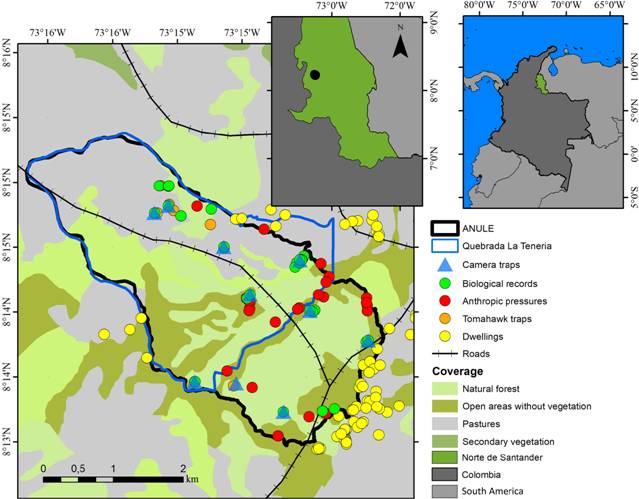
The study was conducted in the Área Natural Única Los Estoraques (ANULE) and its buffer zones (8°14’00”N, 73°11’00”W; WGS84), located in the department of Norte de Santander, northeastern Colombian Andes, near the Venezuelan border. ANULE and its buffer zone cover approximately 1,053 ha (recently expanded under Resolution no. 0850, August 5, 2022, Ministerio de Ambiente, Colombia). The area is predominantly composed of Low Montane Moist Forest (Bh-MB; 66.2%), Sub-Hygrophytic Moist Forest (Bh-SubH; 15.5%), and Tropical Dry Forest (Bs-T; 18.3%) (Holdridge 1987), within a transformed or degraded matrix dominated by secondary vegetation, pastures, and open areas (Meneses et al. 2017; Fig. 1).
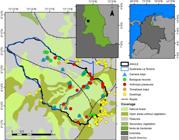
Study area. Location of Área Natural Única Los Estoraques and Reserva Forestal Protectora “Quebrada La Tenería”, in Colombia. The Natural Forest coverage corresponding at Bh-MB; Bh-SubH; and Bs-T; and, degraded or transformed coverage corresponding at Secondary Vegetation, Pastures and Open areas without vegetation. Distribution of medium and large-sized terrestrial mammals’ recorded are marked with blue triangles (camera traps) and circles of different colors (i.e., biological records - green).
Data Collection
Sampling was conducted from October 2017 to June 2018 in 10 quadrants of 1.0 km² each, covering approximately 640.6 ha (prior to the park expansion) and an elevational gradient from 1,450 to 2,100 m a.s.l. Four complementary methods were used: camera-traps, line transects, opportunistic observations, and interviews.
Camera-trapping
We deployed 10 Bushnell Trophy Cam HD Aggressor cameras (one per quadrant) for a total sampling effort of 2,770 camera-trap nights. Each camera operated continuously (24 h/day) in video mode, with the motion sensor set to automatic sensitivity. Three consecutive videos were recorded per detection event, with a 15-second interval between triggers. Cameras were mounted 30-50 cm above the ground. Stations were spaced ~500 m apart, depending on the terrain and the presence of signs of medium- and large-sized terrestrial mammals, following Cáceres-Martínez et al. (2016). Cameras were distributed across Tropical Dry Forest, Low Montane Moist Forest, Sub-Hygrophytic Moist Forest, and inside degraded or transformed matrix vegetation (i.e., secondary vegetation, pastures, and open areas; Fig. 1).
Species taxonomy follows Ramírez-Chaves et al. (2024), with Dasypus taxonomy based on Barthe et al. (2024). Capture rates were calculated as the number of independent records per 100 trap-nights (Mosquera-Muñoz et al. 2014).
Activity patterns
Activity patterns were analyzed only for species with ≥10 independent records. Independent events were defined as consecutive videos of the same species separated by at least two hours (González-Maya et al. 2009, Linkie and Ridout 2011). The temporal distribution of records was assessed using kernel density estimation (KDE) and a trigonometric series estimator for small sample sizes, implemented in the overlap package in R (Ridout and Linkie 2009, Meredith and Ridout 2014). Sunrise and sunset times were obtained using Moonphase software (version 3.4). To evaluate whether activity patterns were uniformly distributed over the 24-hour cycle, Kuiper tests were applied (González-Maya et al. 2015), which are suitable for detecting significant temporal clustering in circular (time-based) data.
Although temporal activity data are continuous, we included the Morisita-Horn index as an exploratory tool to compare discretized activity distributions in a standardized manner. To explore temporal niche overlap among key species, we discretized camera-trap detection times into 1-hour bins and computed species-specific activity frequencies within each bin. We then applied the Morisita-Horn similarity index using these relative frequency distributions to assess the degree of temporal overlap between species. This approach provides an exploratory measure of overlap, though we acknowledge its limitations in analyzing continuous time data (Ridout and Linkie 2009). We interpreted these results cautiously and complemented them with visual inspection of activity patterns and overlap estimates based on kernel density functions when data allowed.
Line transects
Three 1.0 km transects were established in each quadrant (30 transects total), walked once between 08:00 a.m. and 06:00 p.m. under similar environmental conditions. Survey effort totaled 190 days (~1,900 man-hours). Observations included feces, tracks, hair, carcasses, skeletal remains, feeding signs, trails, marking sites, and burrows (Guzmán-Lenis and Camargo-Sanabria 2004, Cáceres-Martínez et al. 2016). For each detection, location, type of evidence, coordinates, photographs, and elevation were recorded. Biological samples were collected in labeled plastic bags and processed at the Laboratory of Wildlife Ecology and Conservation (Universidad Nacional de Colombia, Medellín) and the Ecology and Biogeography Laboratory (Universidad de Pamplona). Processing included filtering with 0.5 mm strainers, drying at room temperature, and visual comparison with reference material from the mammal collections of the Instituto de Ciencias Naturales (UNAL Bogotá) and the José Celestino Mutis Museum (Universidad de Pamplona). All samples were deposited in the general mammal collection of the latter institution.
Opportunistic observations (e.g., direct sightings, tracks, feces) were recorded only as supplementary data for species presence and were not used for activity or abundance analyses.
Interviews
Semi-structured interviews were conducted with 23 local families using a participatory and interpretive community monitoring approach (White et al. 2005, Cáceres-Martínez et al. 2016). Respondents were encouraged to provide evidence (e.g., photos, local names, remains) to support their reports. Species identification was cross-referenced with field guides and national databases on Colombian mammal diversity (Ramírez-Chaves et al. 2024).
Data Analysis
Species richness and diversity were assessed using Hill numbers of order q = 0 (species richness), q = 1 (Shannon diversity), and q = 2 (Simpson diversity), based on presence-absence data converted into frequency matrices (Hsieh et al. 2016). Sampling completeness was evaluated through rarefaction and extrapolation according to Chao et al. (2014) using the iNEXT package and visualized with ggiNEXT in R (R Core Team 2018). Based on these analyses, we estimated that the sampling effort captured approximately 89% of the expected richness of medium- and large-sized mammals in the study area.
RESULTS
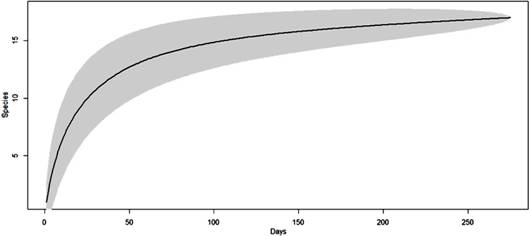
We recorded 18 species of medium and large-sized mammals, representing seven orders, 15 families, and 18 genera (Table 1). The species accumulation curve indicated a high level of sampling completeness for the camera-trap surveys (Fig. 2). According to Hill numbers, our sampling captured approximately 89% of the expected species richness. The estimated diversity was 2.386 ± 0.049 effective species for order q = 1 (Shannon diversity) and 0.882 ± 0.009 effective species for order q = 2 (Simpson diversity), indicating low evenness and high dominance in the community.

Sampling effort in a species accumulation curve for medium and large-sized terrestrial mammals detected at Área Natural Única Los Estoraques and Reserva Forestal Protectora “Quebrada La Tenería”, Colombia.
List of mammals; Medium and large-sized terrestrial mammals recorded at Área Natural Única Los Estoraques, Colombia. Methods: (CT) Camera-trap, (IR) Indirect Record, (DO) Direct Observation, (I) Interview. Type of hunting in the area: (CC) Hunting by conflict, (CD) Sport Hunting. Conservation Category: (NT) Near Threatened, (LC) Least Concern, (VU) Vulnerable. MCNUP-M: Museo de Historia Natural Universidad de Pamplona-Mamíferos. Activity period; Kuiper test estimator (*indicates significant differences from homogeneity p < 0.001), number of records and capture rates.
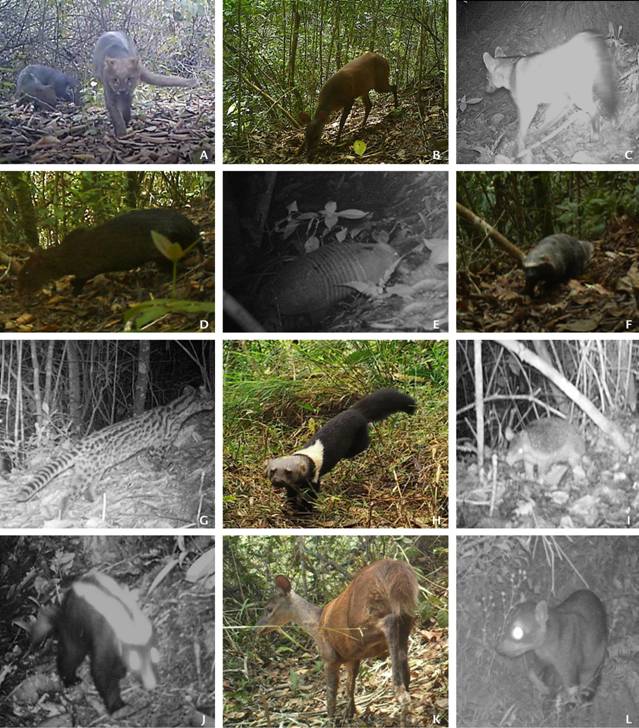
A total of 64,026 photographs were obtained, yielding 291 independent records of 16 species (Fig. 3). Additionally, introduced species such as domestic cattle, Bos taurus Linnaeus, 1758, and domestic dogs Canis familiaris Linnaeus, 1758, were recorded within the protected area. The species with the highest capture rates (CR, independent records per 100 trap-nights) were Didelphis marsupialis Linnaeus, 1758 (CR = 20.27), Dasypus fenestratus Peters, 1864 (CR = 18.21), and Dasyprocta punctata Gray, 1842 (CR = 14.43). In contrast, among the least frequently recorded species were Coendou longicaudatus (CR = 0.34), Galictis vittata (CR = 0.34), and Cerdocyon thous (CR = 0.68).
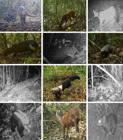
Mammals species; Medium and large-sized terrestrial mammals detected by camera traps at Área Natural Única Los Estoraques and Reserva Forestal Protectora “Quebrada La Tenería”, Colombia: Herpailurus yagouaroundi (A), Mazama americana (B), Cerdocyon thous (C), Dasyprocta punctata (D), Eira barbara (E), Cabassous centralis (F), Leopardus tigrinus (G), Galictis vittata (H), Procyon cancrivorus (I), M. americana (J), Dasypus fenestratus (K), and Conepatus semistriatus (L).
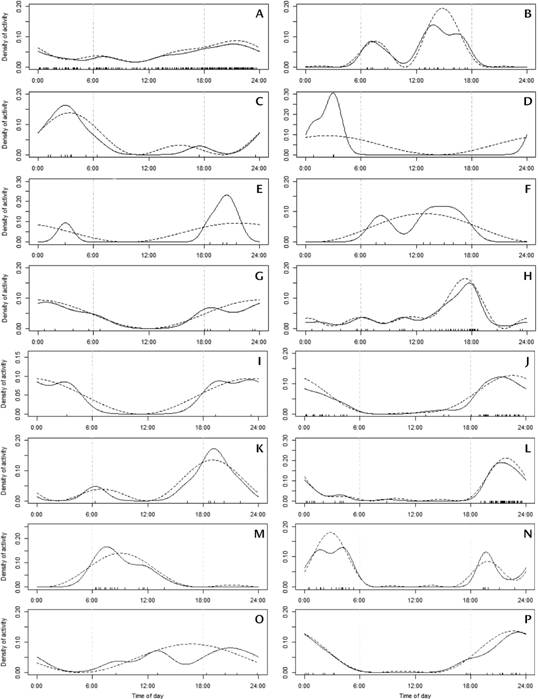
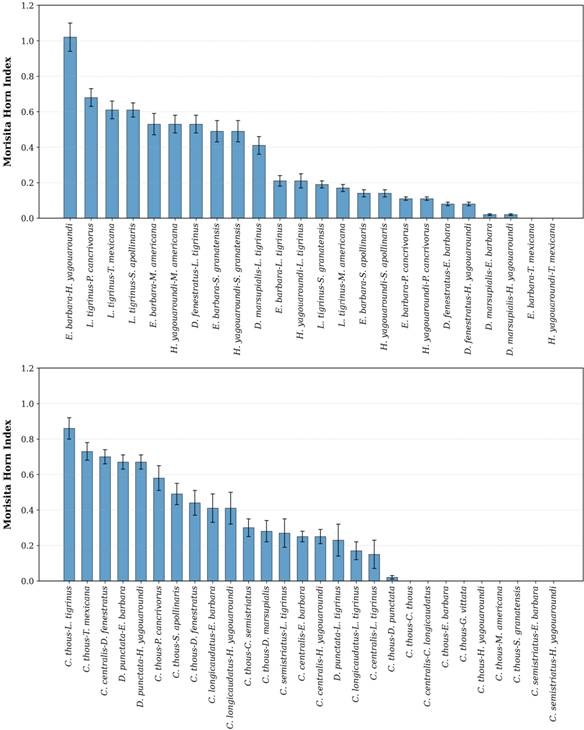
Activity patterns showed a dominant nocturnal trend for the entire assemblage (K = 4.18, p < 0.001), as also found for most species except C. longicaudatus, G. vittata, H. yagouaroundi (É. Geoffroy Saint-Hilaire, 1803), Sciurus granatensis Humboldt, 1811, Eira barbara (Linnaeus, 1758), and D. punctata. Species such as Mazama americana (Schreber, 1777) and Leopardus tigrinus (Schreber, 1775) showed cathemeral activity (Fig. 4). Mean temporal overlap based on the discretized Morisita-Horn index was low across all species (0.27 ± 0.03). The highest overlap values were observed between E. barbara and H. yagouaroundi (1.0 ± 0.0), C. thous and L. tigrinus (0.86 ± 0.04), and C. thous and Tamandua mexicana (Saussure 1860) (0.716 ± 0.05). These results represent exploratory estimates based on hourly activity bins and should be interpreted with caution, given the limitations of using the Morisita-Horn index on discretized time data. Notably, there was no overlap between several carnivorous species, such as C. thous-E. barbara, C. thous-G. vittata, C. thous-H. yagouaroundi, and C. semistriatus-H. yagouaroundi (Fig. 5).
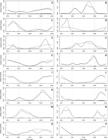
Activity patterns; 17 mammalian species density daily activity patterns in the ANULE. Kernel density (Solid line), trigonometric sum (dashed lines). Short vertical lines above the x-axis are the registers and the dashed vertical lines above the x-axis indicate the time of sunrise and sunset. The y-axis indicates the density of activity. (A) Assemblages, (B) Leopardus tigrinus, (C) Conepatus semistriatus, (D) Procyon cancrivorus, (E) Eira barbara, (F) Cerdocyon thous (G) Herpailurus yagouaroundi, (H) Dasyprocta punctata, (I) Tamandua mexicana, (J) Cabassous centralis, (K) Sciurus granatensis, (L) Mazama americana, (M) Dasypus fenestratus, (N) Didelphis marsupialis, (O) Marmosa robinsoni, (P) Sylvilagus apollinaris.
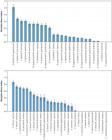
Pairwise activity overlap among medium- and large-sized terrestrial mammals recorded at Área Natural Única Los Estoraques and Reserva Forestal Protectora “Quebrada La Tenería”, Colombia, based on the Morisita-Horn similarity index (± SE). Temporal overlap was estimated using relative activity frequencies derived from 1-hour time bins. See Methods for details on the analysis.
We also obtained 37 indirect records, primarily tracks (28; 84.8%) and feces (5; 15.2%). Two species were identified from carcasses found within the protected area: M. americana (MCNUP-M-119) and Galictis vittata (Schreber, 1776). In a fecal sample from G. vittata, we identified remains of D. fenestratus, as along with undetermined hair and bone fragments. Four species directly observed in the field were D. marsupialis, H. yagouaroundi, G. vittata, and Sylvilagus apollinaris.
From corroborated interviews with 23 local families, we obtained evidence of the presence and harvest of 16 species (Table 1). Respondents ranged from 31 to 90 years of age; 56.0% had elementary education, 13.0% had completed middle-high school, and 31.0% had no formal education. Armadillos suffered the highest hunting pressure -D. fenestratus and Cabassous centralis (Miller, 1899): 35.0% each, followed by D. punctata and M. americana (26.0% each). Additionally, 26.0% of interviewees reported hunting birds in general. While all respondents were aware of the protected area, only 56.0% had a positive perception of it, 13.0% had a negative perception, and the remainder were neutral. A total of 95.0% of respondents acknowledged the existence of hunting within ANULE; most considered it negative for conservation, though a few justified it by cultural tradition or subsistence. Hunting methods included shotguns (43.0%) and dogs (30.0%). Hunting was primarily for sport (39.0%), consumption (34.0%), or retaliation (8.0%).
DISCUSSION
This study constitutes the first estimate of medium and large-sized ’mammal diversity for ANULE and its buffer areas (i.e., the Reserva Forestal Protectora de la Cuenca Alta de la Quebrada La Tenería, now included within the park due to recent expansion). Although the number of species recorded could be considered low, given the extensive sampling effort and the protected area’s size, these results represent a robust first approach to local mammal diversity (Lira-Torres and Briones-Salas 2012). The confirmed presence of large species currently considered threatened in much of the country (Minambiente 2024), alongside others whose ecology is little-known or lacks departmental records (e.g., G. vittata, H. yagouaroundi, M. americana), highlights the importance of ANULE and its buffer zones (Fig. 1) for regional and national mammal conservation.
This study characterizes the terrestrial mammal community in ANULE, revealing ecological patterns of diversity, activity, and coexistence with direct implications for conservation. Our findings fill a significant knowledge gap for northeastern Colombia, providing new departmental records for G. vittata and H. yagouaroundi, and confirming C. centralis with its fourth record in Norte de Santander. These results refine the known distribution of rare, elusive, or poorly documented species and underscore the conservation value of ANULE. Moreover, this work expands upon previous studies at higher elevations (e.g., Cáceres-Martínez et al. 2016) by providing baseline information for dry premontane forests and xerophytic shrublands-habitats underrepresented in Colombian mammalogy literature. The presence of threatened and data-deficient species, combined with anthropogenic pressures such as hunting and domestic animal interference, emphasizes the urgency of continued monitoring.
Interviews and anecdotal records indicate that the area has suffered intensive historical hunting, which may have caused dramatic declines in mammal populations and suggests that species like M. americana and L. tigrinus are threatened in northeastern Colombia. These pressures, combined with limited law enforcement and negative perceptions of wildlife, may lead to long-term population declines, local extirpations, and behavioral shifts such as increased nocturnality or avoidance of open areas. Additionally, since a significant proportion of respondents view hunting as a culturally accepted practice, conservation actions must incorporate community engagement and education to shift perceptions. Without addressing these social drivers, habitat protection and population recovery efforts may have limited success.
Our multi-method approach is appropriate, as combining survey types provided a reliable inventory (Sánchez et al. 2004, Norris et al. 2012, Cáceres-Martínez et al. 2016). Nevertheless, a more temporally extensive design and a higher number of camera-traps would likely record more species and provide deeper insights into distribution and habitat use. Based on our species accumulation curve, we estimate that a 25-30% increase in sampling effort would be required to detect additional rare or low-detection species. This highlights both current dataset limitations and the potential for future monitoring to capture greater biodiversity.
Although H. yagouaroundi occurs in various Colombian departments (Antioquia: Arias-Alzate et al. 2013, Pacheco and González-Maya 2013; Cundinamarca: Sánchez-Lalinde and Pérez-Torres 2008; Valle del Cauca: Ruiz-García and Pinedo-Castro 2013; Caldas: Escobar-Lasso et al. 2015; Vichada: Mosquera-Guerra et al. 2018; Guainía, Quindío: Palacios et al. 2019; and Meta: SIB 2023), our record is the first well-documented occurrence for Norte de Santander. Furthermore, our record of G. vittata is also the first for the department (SIB 2023), with previous confirmed records limited to César, Magdalena (García-Herrera et al. 2015), Caldas (Escobar-Lasso and Guzmán-Hernández 2014), Chocó, Antioquía, Meta, Sucre, Córdoba (González-Maya et al. 2019), Casanare, and Cauca (SIB 2023). Both records reinforce the importance of such studies and highlight the lack of information in areas like ANULE. These records do not represent range expansions, but the first confirmed documentation of species previously suspected but unverified. Their detection consolidates knowledge regarding distributional continuity in northeastern Colombia and highlights ANULE’s role as a potential corridor for elusive carnivores in fragmented ’landscapes.
The record of C. centralis represents the fourth confirmed occurrence for the department, following Angarita-Yanes (2022). This finding is relevant given the species’ cryptic behavior, which hinders detection through conventional techniques. Its presence reinforces ANULE’s value as a refuge for forest-dwelling mammals with low detection probabilities. In contrast, the presence of the nine-banded armadillo Dasypus fenestratus, recently validated and still lacking a national conservation assessment (Barthe et al. 2024), also illustrates the need for regional monitoring.
Overall, the mammalian assemblage in ANULE exhibited predominantly nocturnal activity, with fewer diurnal species and some showing cathemeral behavior. This pattern may reflect resource availability, competition, or anthropogenic pressures. Several species were mainly diurnal, as reported for D. punctata, E. barbara, G. vittata, H. yagouaroundi, and Sciurus granatensis (Smythe 1978, De Oliveira 1998, Jiménez et al. 2010, Cáceres-Martínez et al. 2016, Hernández-Hernández et al. 2018), including domestic cattle and dogs. Conversely, most species were more active at night: C. thous, C. semistriatus, D. fenestratus, D. marsupialis, P. cancrivorus, S. apollinaris, and T. mexicana (Gómez et al. 2005, Di Bitetti et al. 2009, González-Maya et al. 2009, Hayssen et al. 2013, Cáceres-Martínez et al. 2016). Some species showed cathemeral behavior, including C. centralis, D. punctata, L. tigrinus, and M. americana, contrasting with some previous descriptions (Roberts et al. 1985, Cortés-Marcial and Briones-Salas 2014).
Exploratory analyses suggest that predators such as Leopardus tigrinus and Herpailurus yagouaroundi exhibit partial temporal overlap with potential prey species (e.g., Sylvilagus apollinaris, Dasyprocta punctata and Dasypus fenestratus), consistent with patterns of co-occurrence reported by Mosquera-Muñoz et al. (2014). In contrast, a high degree of temporal niche overlap was observed among top predators (e.g., Eira barbara and H. yagouaroundi; Cerdocyon thous and L. tigrinus; Fig. 5). This pattern may reflect partitioning along the prey axis rather than direct interference or exploitative competition, as previously suggested (Arias-Alzate et al. 2022, Barrera-Vargas et al. 2023). It is important to note that our exploratory application of the Morisita-Horn index provides only a proxy for temporal overlap and does not constitute evidence of direct ecological interactions. Robust inference of predator-prey or competitive relationships would require complementary approaches, such as diet analyses or direct behavioral observations.
In systems with high prey availability, temporal co-occurrence among predators does not necessarily translate into strong competitive interactions. Instead, coexistence may be facilitated by functional niche differentiation across multiple axes (e.g., particularly diet and space) as suggested Arias-Alzate et al. (2022), where trait-mediated segregation reduces direct competition even under substantial temporal overlap. However, under resource-limiting conditions, competition may intensify (Jaksié et al. 1981, Reus et al. 2017), potentially constraining predator distributions and altering activity patterns (Glen and Dickman 2008). In our study, most species exhibited low temporal overlap alongside a general tendency toward nocturnality. While this pattern could partially reflect limited sample sizes (Blake et al. 2012), it is also consistent with regionally reported activity trends. For instance, in the Northern Colombian Andes, Barrera-Vargas et al. (2023) documented predominantly nocturnal behavior in several mesocarnivore species, supporting the idea that temporal segregation and flexible activity patterns contribute to coexistence in Andean assemblages.
Our results also align with Cáceres-Martínez et al. (2016), who reported nocturnal activity in Sciurus granatensis and Cabassous centralis, and cathemeral patterns in M. americana and Leopardus tigrinus, highlighting the plasticity of activity rhythms among both prey and predators. Additionally, anthropogenic pressures may further shape these dynamics. The presence of domestic species such as Bos taurus and Canis familiaris, particularly free-ranging or feral dogs, can induce shifts toward increased nocturnality in native mammals, likely as an avoidance strategy (Zapata-Ríos and Branch 2016, Arias-Alzate et al. 2025). These species may also exert ecological pressures through disturbance, interference competition, or pathogen transmission. Future research should explicitly quantify these effects by integrating spatial and temporal overlap metrics with displacement or occupancy-based modeling frameworks.
Overall, our findings highlight the ecological importance of ANULE as a refuge supporting complex trophic and temporal dynamics. At the same time, they underscore critical knowledge gaps that limit effective conservation planning at both local and regional scales. This is particularly relevant for wide-ranging species facing multiple anthropogenic threats, where insufficient ecological information can hinder management decisions (Payán-Garrido and Soto-Vargas 2012; Boron et al. 2018; Echavarria-Renteria et al. 2018; Arias-Alzate et al. 2019; Gonzalez-Maya et al. 2019). In this context, our study provides a necessary baseline to inform management actions, including hunting regulation and habitat management, and to guide the implementation of the updated Management Plan and its proposed expansion zone (Resolution 0850 of August 5, 2022).
Hunting pressure remains high in the buffer zone of ANULE, affecting key prey species such as S. apollinaris, D. punctata, D. fenestratus, and M. americana. This sustained offtake may have cascading effects on trophic dynamics, particularly by altering prey availability for meso- and top predators. In parallel, ongoing agricultural expansion and broader land-use transformation continue to reduce and fragment suitable habitats, further compromising mammal populations. These interacting pressures are especially concerning given the still considerable diversity harbored within the area, as previously documented (Orozco and Pérez 2008, Suárez-Payares and Lizcano 2011, Henao-Bañol and Meneses 2017). We expect that this documentation of mammalian diversity will provide a critical baseline for the conservation of this important protected area in Colombia. However, effective conservation will require moving beyond inventories toward a more integrative understanding of population ecology, including demographic trends, habitat use, and species interactions. Future efforts should prioritize the development and implementation of management tools that explicitly address hunting pressure and land-use change while maintaining the ecological integrity of ANULE and its buffer zone.
ACKNOWLEDGEMENTS
We acknowledge the support from Idea Wild (Fort Collins, USA), Ann Marie Cage, Universidad Nacional de Colombia sede Medellín and ProCAT Colombia. We especially thank the rangers (E. Bayona and V. Garcia) and the head of the protected area (Luis Meneses) for their help and contribution during fieldwork and the development of the investigation.
LITERATURE CITED
- Angarita-Yanes CE (2022) Registros del armadillo coletrapo norteño, Cabassous centralis (Cingulata: Chlamyphoridae), para el departamento de Norte de Santander, Colombia. Edentata 23: 9-13.
- Angarita-Yanes CE, Cáceres-Martínez CH (2019) Reportes de felinos silvestres (Carnívora: Felidae) en el área urbana de Cúcuta, Nororiente de Colombia. Mammalogy Notes 5(1-2): 2-5.
-
Arias-Alzate A, López-Jaramillo S, Delgado-V CA (2025) Patrón de actividad de Cerdocyon thous e interacción con humanos en áreas protegidas al norte de los Andes colombianos. Caldasia: Revista de Biodiversidad Tropical 47(1): e112528. https://doi.org/10.15446/caldasia.v47.112528
» https://doi.org/10.15446/caldasia.v47.112528 -
Arias-Alzate A, Arroyave FJ, Romero Goyeneche OY, Hurtado Heredia RG, González-Maya JF, et al. (2022) Functional niche constraints on carnivore assemblages (Mammalia: Carnivora) in the Americas: What facilitates coexistence through space and time? Journal of Biogeography 49: 497-510.https://doi.org/10.1111/jbi.14319
» https://doi.org/10.1111/jbi.14319 - Arias-Alzate A, Delgado-V CA, Ortega JC, Botero-Cañola S, Sanchez-Londoño JD (2013) Presencia de Puma yagouaroundi (Carnivora: Felidae) en el valle de Aburrá, Antioquia, Colombia. Brenesia 79: 83-84.
-
Arias-Alzate A, Sánchez-Londoño JD, Botero-Cañola S, González-Maya JF (2019) Recent confirmed records of the Oncilla (Leopardus tigrinus) in the department of Antioquia, Colombia. Mammalogy Notes 1(2): 4-5. https://doi.org/10.47603/manovol1n2.4-5
» https://doi.org/10.47603/manovol1n2.4-5 -
Baron-Prieto FA, Aya-Cuero CA, Correa-Hernández KL, Cáceres-Martínez CH (2023) Primer registro fotográfico de la guagua loba Dinomys branickii (Rodentia: Dinomyidae) en el departamento de Norte de Santander, Colombia. Mammalogy Notes 9(2): 393-393. https://doi.org/10.47603/mano.v9n2.393
» https://doi.org/10.47603/mano.v9n2.393 -
Barrera-Vargas J, Delgado-V CA, Arias-Alzate A (2023) Mesocarnivores activity patterns in the Northern Colombian Andes. Therya 14(3): 371-382. https://doi.org/10.12933/therya-23-1243
» https://doi.org/10.12933/therya-23-1243 -
Barthe M, Rancilhac L, Arteaga MC, Feijó A, Tilak MK, et al. (2024) Exon capture museomics deciphers the nine-banded armadillo species complex and identifies a new species endemic to the Guiana Shield. Systematic Biology 74(2): 177-197. https://doi.org/10.1093/sysbio/syae027
» https://doi.org/10.1093/sysbio/syae027 -
Bhatt U, Adhikari BS, Lyngdoh S (2022) Monitoring diversity and abundance of mammals with camera-traps: a case study of Manas National Park, Assam, India. Check List 18(5): 1023-1043. https://doi.org/10.15560/18.5.1023
» https://doi.org/10.15560/18.5.1023 - Blake JG, Mosquera D, Loiselle BA, Swing K, Guerra J, Romo D (2012) Temporal activity patterns of terrestrial mammals in lowland rainforest of eastern Ecuador. Ecotropica 18: 137-146.
-
Boron V, Xofis P, Link A, Payan E, Tzanopoulos J (2018) Conserving predators across agricultural landscapes in Colombia: habitat use and space partitioning by jaguars, pumas, ocelots and jaguarundis. Oryx 54(4): 554-563. https://doi.org/10.1017/S0030605318000327
» https://doi.org/10.1017/S0030605318000327 - Cáceres-Martínez C, Acevedo-Rincón A, Camargo-Pardo C, González-Maya J (2019) El oso andino y otros mamíferos del PNN Tamá: una guía ilustrada de los medianos y grandes mamíferos terrestres, la importancia del oso andino como especie clave. Universidad de Pamplona, Sello Editorial, Facultad de Ciencias Básicas, Biología y Ciencias Naturales, Pamplona, Colombia.
- Cáceres-Martínez CH, Acevedo-Rincón AA, González-Maya JF (2016) Terrestrial medium and large-sized mammal’s diversity and activity patterns from Tamá National Natural Park and buffer zone, Colombia. Therya 7(2): 285-298.
-
Cáceres-Martínez CH, Acevedo-Rincón AA, González-Maya JF (2017) A hundred years later: new record of the rare Cryptotis tamensis (Soricidae: Mammalia) from Tama National Natural Park, Colombia. Mammalogy Notes 4(1): 30-31. https://doi.org/10.47603/manovol4n1.30-31
» https://doi.org/10.47603/manovol4n1.30-31 -
Chao A, Gotelli NJ, Hsieh TC, Sander EL, Ma KH, et al. (2014) Rarefaction and extrapolation with Hill numbers: a framework for sampling and estimation in species diversity studies. Ecological Monographs 84: 45-67. https://doi.org/10.1890/13-0133.1
» https://doi.org/10.1890/13-0133.1 - Cortés-Marcial M, Briones-Salas M (2014) Diversidad, abundancia relativa y patrones de actividad de mamíferos medianos y grandes en una selva seca del Istmo de Tehuantepec, Oaxaca, México. Revista de Biología Tropical 62(4): 1433-1448.
- Cowie RH, Bouche P, Fontaine B (2022) The sixth mass extinction: fact, fiction or speculation? Biological Reviews 97(2): 640-663.
-
De Oliveira TG (1998) Herpailurus yagouaroundi Mammalian Species 578: 1-6. https://doi.org/10.2307/3504500
» https://doi.org/10.2307/3504500 -
Di Bitetti MS, Di Blanco YE, Pereira JA, Paviolo A, Pírez LJ (2009) Time partitioning favors the coexistence of sympatric crab-eating foxes (Cerdocyon thous) and pampas foxes (Lycalopex gymnocercus). Journal of Mammalogy 90(2): 479-490. https://doi.org/10.1644/08-MAMM-A-113.1
» https://doi.org/10.1644/08-MAMM-A-113.1 -
Echavarria-Renteria JD, Jiménez-Ortega AM, Palacios-Mosquera L (2018) New records of Galictis vittata (Schreber, 1776) for the western slope of the Andes, Pacific region of Colombia. Therya 9(2): 185-189. https://doi.org/10.12933/therya-18-582
» https://doi.org/10.12933/therya-18-582 -
Escobar-Lasso S, Cerón-Cardona J, Castaño-Salazar JH, Mendieta-Giraldo L, Ospina-Herrera O (2015) Los felinos silvestres del departamento de Caldas, en la región andina de Colombia: composición, distribución y conservación. Therya 5(2): 575-588. https://doi.org/10.12933/therya-14-170
» https://doi.org/10.12933/therya-14-170 -
Escobar-Lasso S, Guzmán-Hernández CF (2014) El registro de mayor altitud del Hurón Mayor Galictis vittata, con notas sobre su -presencia y conservación dentro del departamento de Caldas, en la región andina de Colombia. Therya 5(2): 567-574. https://doi.org/10.12933/therya-14-166
» https://doi.org/10.12933/therya-14-166 - García-Herrera LV, Ramírez-Fráncel LA, Flórez GR (2015) Mamíferos en relictos de bosque seco tropical del Tolima, Colombia. Mastozoología Neotropical 22(1): 11-21.
-
Glen AS, Dickman CR (2008) Niche overlap between marsupial and eutherian carnivores: does competition threaten the endangered spotted-tailed quoll? Journal of applied Ecology 45(2): 700-707. https://doi.org/10.1111/j.1365-2664.2007.01449.x
» https://doi.org/10.1111/j.1365-2664.2007.01449.x -
Gómez H, Wallace RB, Ayala G, Tejada R (2005) Dry season activity periods of some Amazonian mammals. Studies on Neotropical Fauna and Environment 40(2): 91-95. https://doi.org/10.1080/01650520500129638
» https://doi.org/10.1080/01650520500129638 - González-Maya JF, Pacheco JJ, Racero-Casarrubia J, Humanez-López E, Arias-Alzate AA, Schipper J (2019) Predicting Greater Grison Galictis vittata presence from scarce records in the department of Cordoba, Colombia. Small Carnivore Conservation 57: 34-44.
- González-Maya JF, Schipper J, Benítez A (2009) Activity patterns and community ecology of small carnivores in the Talamanca region, Costa Rica. Small Carnivore Conservation 41: 9-14.
- González-Maya JF, Zárrate-Charry D, Vela-Vargas IM, Jiménez-Alvarado JS, Gómez-Hoyos DA (2015) Activity patterns of Tayra Eira barbara populations from Costa Rica and Colombia: evidence of seasonal effects. Revista Biodiversidad Neotropical 5: 96-104.
- Gracanin A, Minchinton TE, Mikac KM (2022) Estimating the density of small mammals using the selfie trap is an effective camera trapping method. Mammal Research 67(4): 467-482.
- Guzmán-Lenis A, Camargo-Sanabria A (2004) Importancia de los rastros para la caracterización del uso de hábitat de mamíferos medianos y grandes en el bosque Los Mangos (Puerto López, Meta, Colombia). Acta Biológica Colombiana 9(1): 11-22.
-
Hayssen V, Ortega J, Morales-Leyva A, Martínez-Mendez N (2013) Cabassous centralis (Cingulata: Dasypodidae). Mammalian Species 45(898): 12-17. https://doi.org/10.1644/898.1
» https://doi.org/10.1644/898.1 -
Henao-Bañol ER, Meneses LH (2017) A new species of Pharneuptychia Forster, 1964 from The Estoraques Natural Area, North of Santander, Colombia (Lepidoptera: Nymphalidae: Satyridae). Boletín Científico, Centro de Museos, Museo de Historia Natural 21(2): 173-183. https://doi.org/10.17151/bccm.2017.21.2.11
» https://doi.org/10.17151/bccm.2017.21.2.11 -
Hernández-Hernández JC, Ruiz-Gutiérrez F, Vázquez-Arroyo E, Chávez C (2018) Registros del grisón (Galictis vittata), nutria de río neotropical (Lontra longicaudis) y conejo (Sylvilagus sp.) en la reserva de la Biosfera La Encrucijada, Chiapas, México. Revista Mexicana de Mastozoología 8(1): 8-12. https://doi.org/10.22201/ie.20074484e.2018.1.1.253
» https://doi.org/10.22201/ie.20074484e.2018.1.1.253 -
Hoffmann S (2022) Challenges and opportunities of area-based conservation in reaching biodiversity and sustainability goals. Biodiversity and Conservation 31(2): 325-352. https://doi.org/10.1007/s10531-021-02340-2
» https://doi.org/10.1007/s10531-021-02340-2 - Holdridge LR (1987) Ecología basada en zonas de vida. Instituto Interamericano de Cooperación para la Agricultura, San José, 216 pp.
-
Hsieh TC, Ma KH, Chao A (2016) iNEXT: an R package for rarefaction and extrapolation of species diversity (Hill numbers). Methods in Ecology and Evolution 7: 1451-1456. https://doi.org/10.1111/2041-210X.12613
» https://doi.org/10.1111/2041-210X.12613 -
Jaksié FM, Greene HW, Yáñez JL (1981) The guild structure of a community of predatory vertebrates in central Chile. Oecologia 49(1): 21-28. https://doi.org/10.1007/BF00376893
» https://doi.org/10.1007/BF00376893 - Jiménez CF, Quintana H, Pacheco V, Melton D, Torrealva J, Tello G (2010) Camera trap survey of medium and large mammals in a montane rainforest of northern Peru. Revista peruana de Biología 17(2): 191-196.
-
Linkie M, Ridout MS (2011) Assessing tiger-prey interactions in Sumatran rainforests. Journal of Zoology 284: 224-229. https://doi.org/10.1111/j.1469-7998.2011.00801.x
» https://doi.org/10.1111/j.1469-7998.2011.00801.x - Lira-Torres I, Briones-Salas M (2012) Abundancia relativa y patrones de actividad de los mamíferos de los Chimalapas, Oaxaca, México. Acta Zoológica Mexicana 28(3): 566-585.
- Meneses L, Tinjaca Z, Palacios H, Bayona E, Barrera G, et al. (2017) Plan de Manejo del Área Única Los Estoraques. Parques Nacionales Naturales de Colombia. La Playa de Belén, Colombia, 245 pp.
-
Meredith M, Ridout M (2014) Overview of the overlap package. R Project. https://doi.org/10.32614/CRAN.package.overlap
» https://doi.org/10.32614/CRAN.package.overlap - Minambiente (2024) Ministerio de Medio Ambiente y Desarrollo Sostenible. Resolución No. 0126 del 06 de febrero de 2024.
-
Moore JF, Pine WE, Mulindahabi F, Niyigaba P, Gatorano G, et al. (2020) Comparison of species richness and detection between line transects, ground camera traps, and arboreal camera traps. Animal Conservation 23(5): 561-572. https://doi.org/10.1111/acv.12569
» https://doi.org/10.1111/acv.12569 -
Mosquera-Guerra F, Trujillo F, Diaz-Pulido AP, Mantilla-Meluk H (2018) Diversidad, abundancia relativa y patrones de actividad de los mamíferos medianos y grandes, asociados a los bosques riparios del río Bita, Vichada, Colombia. Biota Colombiana 19(1): 202-218. https://doi.org/10.21068/c2018v19n01a13
» https://doi.org/10.21068/c2018v19n01a13 - Mosquera-Muñoz DM, Corredor G, Cardona P, Armbrecht I (2014) Fototrampeo de aves caminadoras y mamíferos asociados en el piedemonte de Farallones de Cali. Boletín Científico, Centro de Museos Museo de Historia Natural, Universidad de Caldas 18(2): 144-156.
-
Norris D, Ramírez JM, Zacchi C, Galetti M (2012) A survey of mid and large bodied mammals in Núcleo Caraguatatuba, Serra do Mar State Park, Brazil. Biota Neotropica 12(2): 127-133. https://doi.org/10.1590/S1676-06032012000200013
» https://doi.org/10.1590/S1676-06032012000200013 -
Orozco J, Pérez M (2008) Coprophagous scarab beetles (Coleoptera, Scarabaeoidea) of Los Estoraques National Park (Norte de Santander, Colombia). Revista Brasileira de Entomologia 52: 36-40. https://doi.org/10.1590/S0085-56262008000100007
» https://doi.org/10.1590/S0085-56262008000100007 - Pabón F, Cáceres-Martínez CH, Acevedo AA (2023) Chiropteran diversity and diet of fruit bats in a tropical dry forest of northern South America. Therya 14(3): 383-394.
-
Pacheco JJ, González-Maya JF (2013) Noteworthy record of subsistence hunting and meat consumption of jaguarundi (Puma yagouaroundi) in Colombia. Revista Mexicana de Mastozoología, Nueva Época 3(1): 10-13. https://doi.org/10.22201/ie.20074484e.2013.3.1.174
» https://doi.org/10.22201/ie.20074484e.2013.3.1.174 -
Palacios SV, Chica-Gálvis CA, Mantilla-Meluk H, Díaz-Giraldo V, Botero-Zuluaga M, Montilla SO (2019) Mamíferos en áreas de conservación de la Corporación Autónoma Regional del Quindío, Colombia. Biota Colombiana 20(2): 93-104. https://doi.org/10.21068/c2019.v20n02a07
» https://doi.org/10.21068/c2019.v20n02a07 - Payán-Garrido E, Soto-Vargas C (2012) Los Felinos de Colombia. Ministerio de Ambiente y Desarrollo Sostenible, Instituto de Investigaciones de Recursos Biológicos Alexander von Humboldt, Panthera Colombia, Bogotá, 48 pp.
- R Core Team (2018) R: A language and environment for statistical computing. R foundation for Statistical Computing, Vienna.
-
Ramírez-Chaves HE, Leuro Robles NG, Castaño Rivera A, Morales-Martínez DM, Suárez Castro AF, et al. (2024): Mamíferos de Colombia. Sociedad Colombiana de Mastozoología, Dataset/Checklist, v. 1.14. https://doi.org/10.15472/kl1whs
» https://doi.org/10.15472/kl1whs -
Reus ML, de los Ríos C, Peco B, Giannoni SM, Campos CM (2017) Relaciones tróficas entre mamíferos herbívoros nativos y exóticos del Parque Provincial Ischigualasto (San Juan, Argentina). Ecología Austral 27(3): 392-403. https://doi.org/10.25260/EA.17.27.3.0.545
» https://doi.org/10.25260/EA.17.27.3.0.545 -
Ridout MS, Linkie M (2009) Estimating overlap of daily activity patterns from camera trap data. Journal of Agricultural, Biological, and Environmental Statistics 14: 322-337. https://doi.org/10.1198/jabes.2009.08038
» https://doi.org/10.1198/jabes.2009.08038 -
Roberts M, Brand S, Maliniak E (1985) The biology of captive prehensile-tailed porcupines, Coendou prehensilis Journal of Mammalogy 66(3): 476-482. https://doi.org/10.2307/1380922
» https://doi.org/10.2307/1380922 - Ruiz-García M, Pinedo-Castro M (2013) Population genetics and phylogeographic analyses of the jaguarundi (Puma yagouaroundi) by means of three mitochondrial markers: the first molecular population study of this species. In: Ruiz-Garcia M, Shostell JM (Eds) Molecular population genetics, phylogenetics, evolutionary biology and conservation of the Neotropical carnivores. Nova Science Publishers, Hauppauge, 245-287.
- Sánchez F, Sánchez-Palomino P, Cadena A (2004) Inventario de mamíferos en un bosque de los andes centrales de Colombia. Caldasia 26(1): 291-309.
- Sánchez-Lalinde C, Pérez-Torres J (2008) Uso de hábitat de carnívoros simpátricos en una zona de bosque seco tropical de Colombia. Mastozoología Neotropical 15(1): 67-74.
-
SIB (2023) Sistema de Información sobre la Biodiversidad de Colombia. Bogotá, Colombia. https://cifras.biodiversidad.co/ [Accessed: 06/09/2024]
» https://cifras.biodiversidad.co/ -
SINAP (2019) Sistema Nacional de Áreas Protegidas. Bogotá, Colombia. http://www.parquesnacionales.gov.co/portal/es/sistema-nacional-de-areas-protegidas-sinap/
» http://www.parquesnacionales.gov.co/portal/es/sistema-nacional-de-areas-protegidas-sinap/ - Smythe N (1978) The natural history of the Central American agouti (Dasyprocta punctata). Smithsonian Contributions to Zoology 257: 1-52.
- Suárez-Castro AF, Ramírez-Chaves HE, Noguera-Urbano EA, Velásquez-Tibatá J, González-Maya JF, Lizcano DJ (2021) Vacíos de información espacial sobre la riqueza de mamíferos terrestres continentales de Colombia. Caldasia 43(2): 247-260.
- Suárez-Payares LM, Lizcano DJ (2011) Uso de refugios por tres especies de murciélagos filostómidos (Chiroptera: Phyllostomidae) en el Área Natural Única Los Estoraques, Norte de Santander, Colombia. Mastozoología Neotropical 18: 259-270.
-
UNEP-WCMC (2023) Annual Impact Report 2022-2023. United Nations Environment Programme World Conservation Monitoring Centre, Cambridge, UK. https://resources.unep-wcmc.org/products/WCMC_RT554
» https://resources.unep-wcmc.org/products/WCMC_RT554 -
White PC, Jennings NV, Renwick AR, Barker NH (2005) Review: questionnaires in ecology: a review of past use and recommendations for best practice. Journal of applied Ecology 42(3): 421-430. https://doi.org/10.1111/j.1365-2664.2005.01032.x
» https://doi.org/10.1111/j.1365-2664.2005.01032.x -
Zapata-Ríos G, Branch LC (2016) Altered activity patterns and reduced abundance of native mammals in sites with feral dogs in the high Andes. Biological Conservation 193: 9-16. https://doi.org/10.1016/j.biocon.2015.10.016
» https://doi.org/10.1016/j.biocon.2015.10.016 -
Zurell D, König C, Malchow AK, Kapitza S, Bocedi G, Travis J, Fandos G (2022) Spatially explicit models for decision-making in animal conservation and restoration. Ecography 2022(4): e05787. https://doi.org/10.1111/ecog.05787
» https://doi.org/10.1111/ecog.05787
ADDITIONAL NOTES
- ZooBank register
-
Data Availability Statement
Datasets generated or analyzed during this study are available from the corresponding author upon reasonable request.
-
Funding
This study was funded by Idea Wild, and the National University of Colombia, Medellín campus.
-
Ethical Statement
This investigation was conducted under the investigation permit provided by Parques Nacionales Naturales de Colombia (Memorandum #20182000007133 of April 4, 2018).
-
AI Statement
Artificial intelligence tools were used solely to assist with language editing and grammar. No AI tools were used to generate scientific content, data analysis, or interpretations.
-
How to cite this article
Cáceres-Martínez CH, Aya-Cuero CA, Ruedas RP, Arias-Alzate A, González-Maya JF, Zamora-Abrego JG (2026) Diversity and activity patterns of medium and large-sized terrestrial mammals from the Área Natural Única Los Estoraques, Colombia. Zoologia 43: e25010. https://doi.org/10.1590/S1984-4689.v43.e25010
-
Published by
Sociedade Brasileira de Zoologia at Scientific Electronic Library Online - https://www.scielo.br/zool
Datasets generated or analyzed during this study are available from the corresponding author upon reasonable request.
Data citations
Ramírez-Chaves HE, Leuro Robles NG, Castaño Rivera A, Morales-Martínez DM, Suárez Castro AF, et al. (2024): Mamíferos de Colombia. Sociedad Colombiana de Mastozoología, Dataset/Checklist, v. 1.14. https://doi.org/10.15472/kl1whs