
 Kinship, godparenthood, and marital and partnership strategies in the context of the 18th-century Andean rebellions
The present work analyses the importance of kinship in the organization of anticolonial upheavals during the XVIIIth century in the Andes. The study concerns kinship links, “compadrazgo” and marriage strategies in conjunctures of social unrest. It will be taken as a reference the social movements that took place in the southern Andes and particularly the great rebellion of Tupac Amaru in 1780. The documentation used to support this research is based on the declaration of the prisoners that were captured after the upheavals and also on the official correspondence. The central argument is to underlined the relevant role played by kinship as a cohesive element in the colonial rebellions and how this strategy was processed by the peninsular authorities in order to destroy the family networks.
KEYWORDS
rebellions; “compadrazgo”; strategic marriages
 Thumbnail
 Thumbnail
 Thumbnail
 Thumbnail
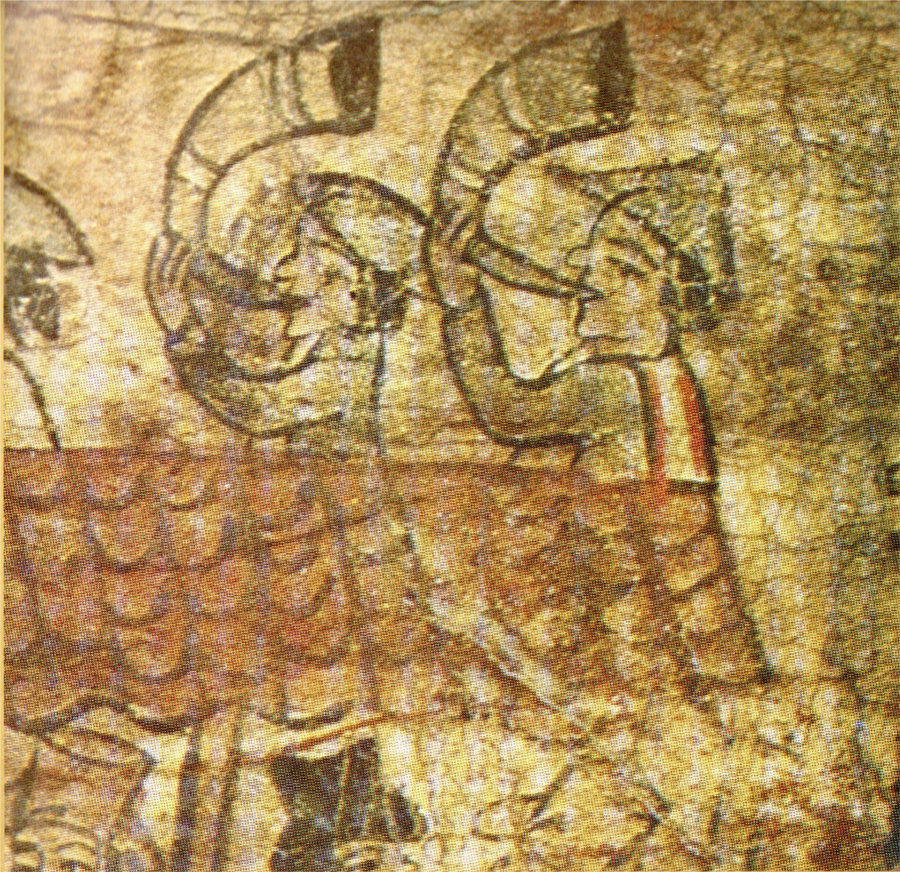 Fuente: Pablo Macera, Retrato de Túpac Amaru. Lima: UNMSM, 1975
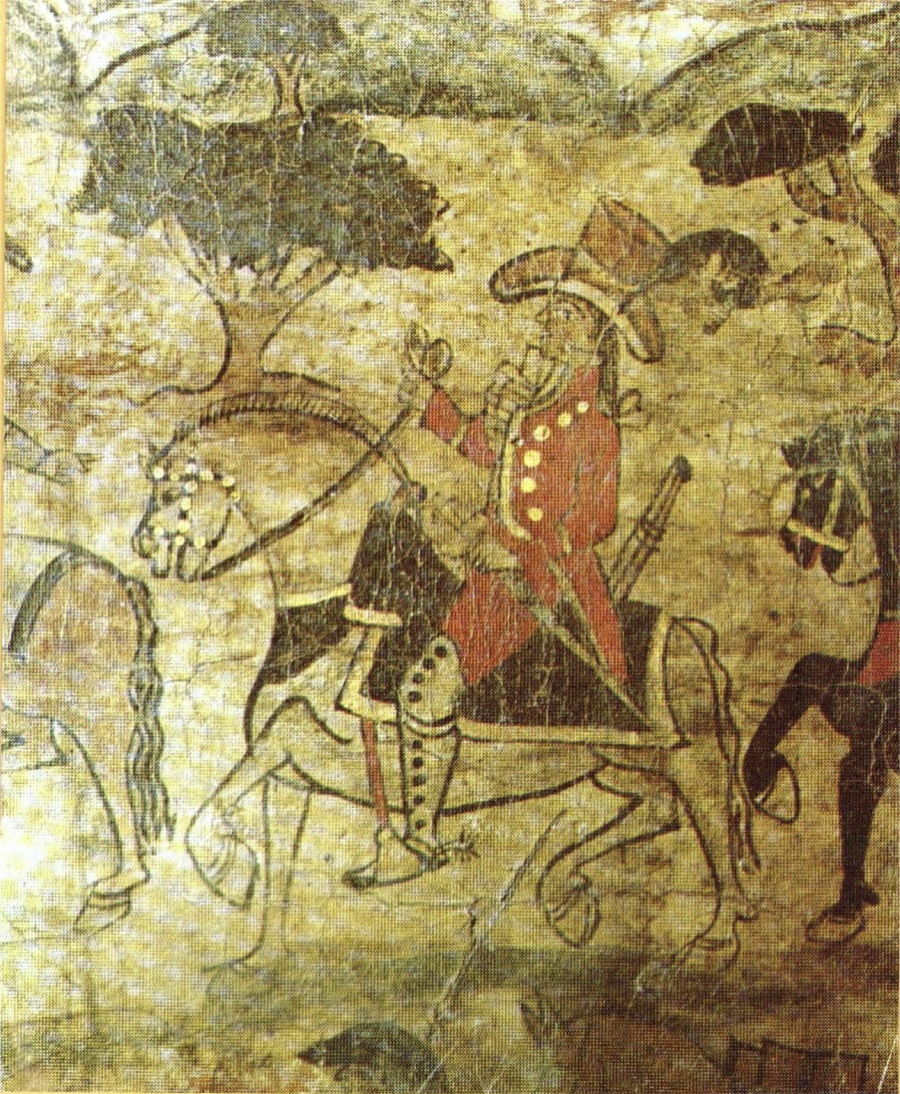 Fuente: Pablo Macera, Retrato de Túpac Amaru. Lima: UNMSM, 1975
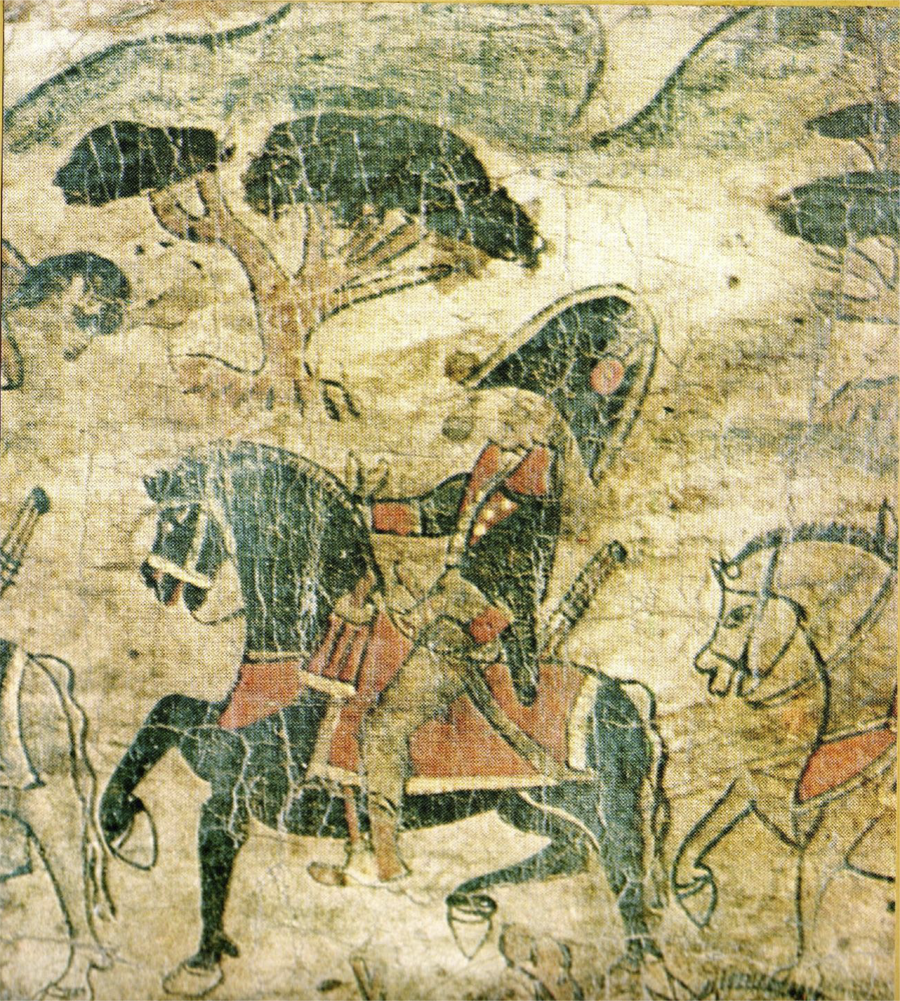 Fuente: Pablo Macera, Retrato de Túpac Amaru. Lima: UNMSM, 1975
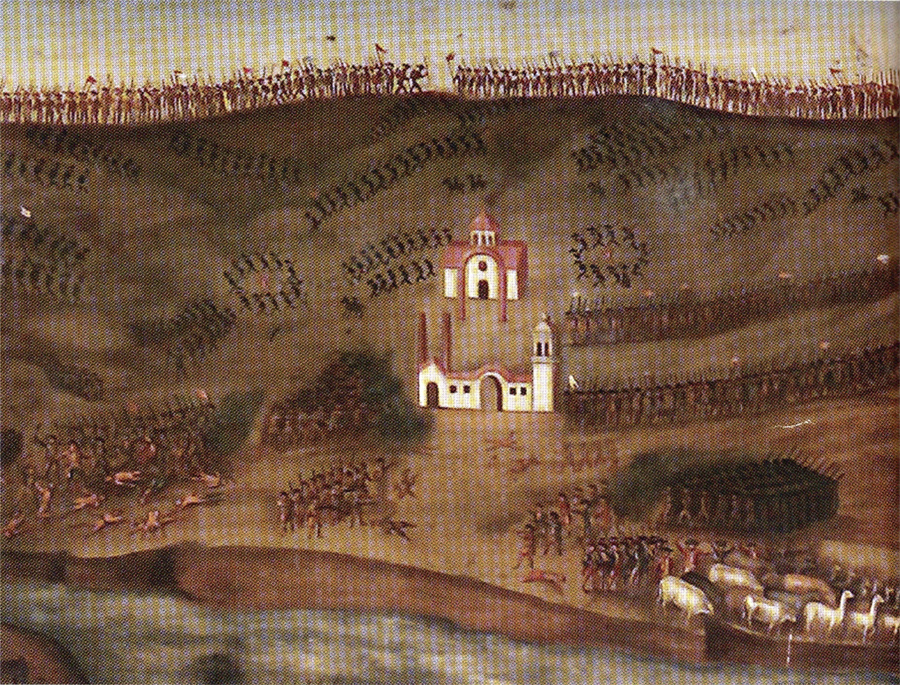 Fuente: Copia de Florentino Olivares de 1880 del original perdido. En Alcaldía Municipal de La Paz, Bolivia.