 Heterotopias of emancipation: from the Parque de los Deseos to the Parque de la Resistencia (Medellin, Colombia)
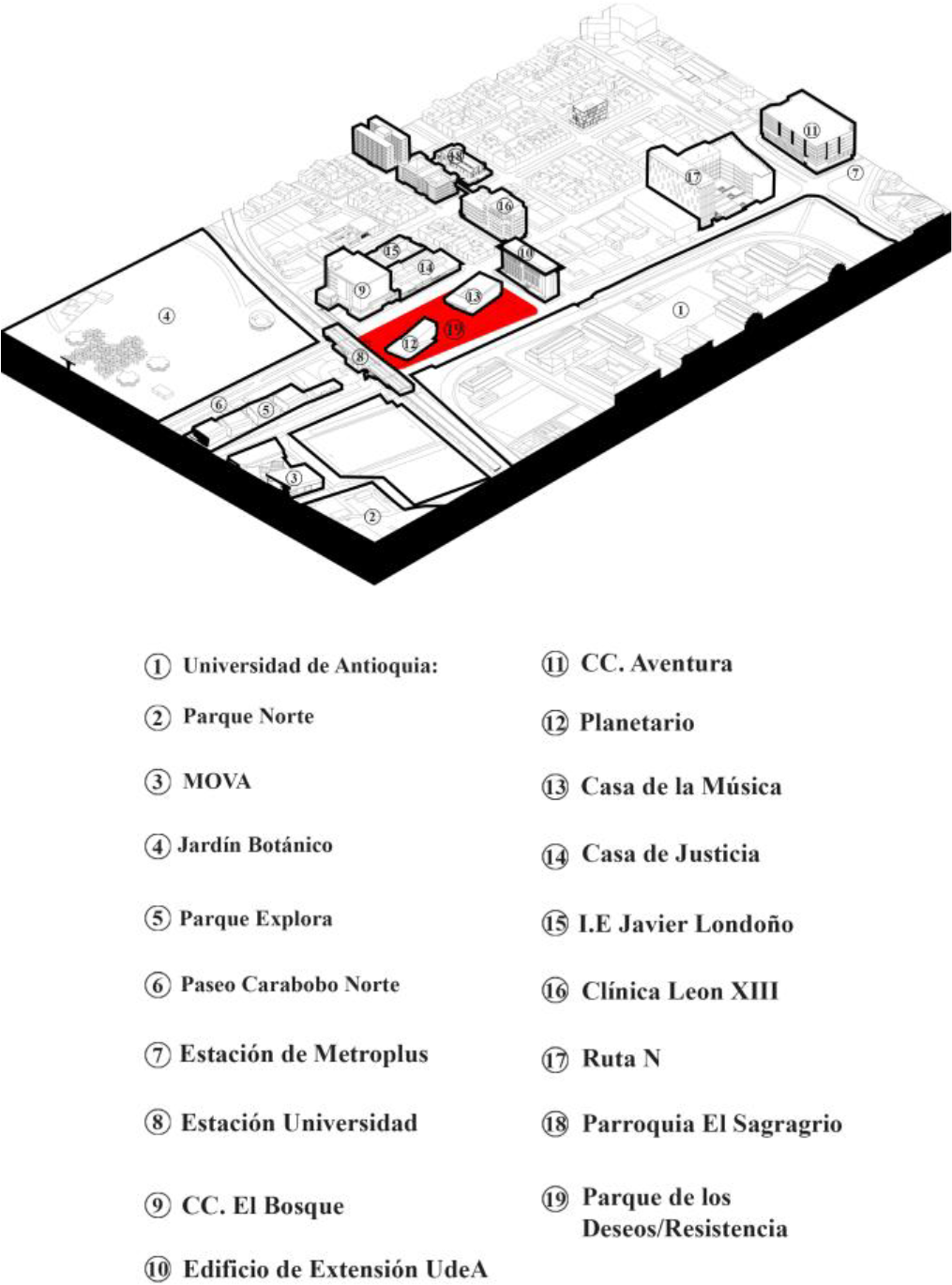
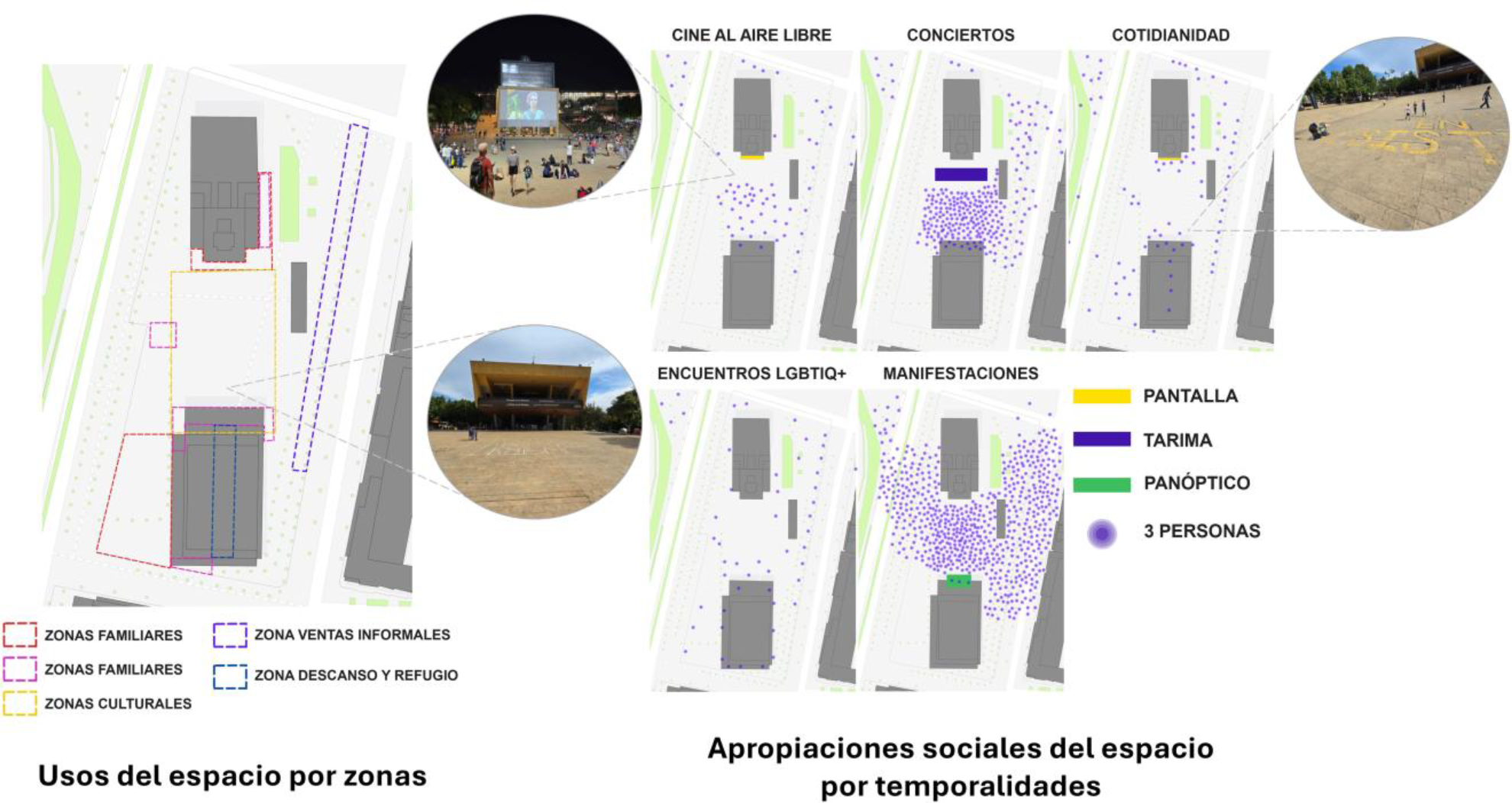
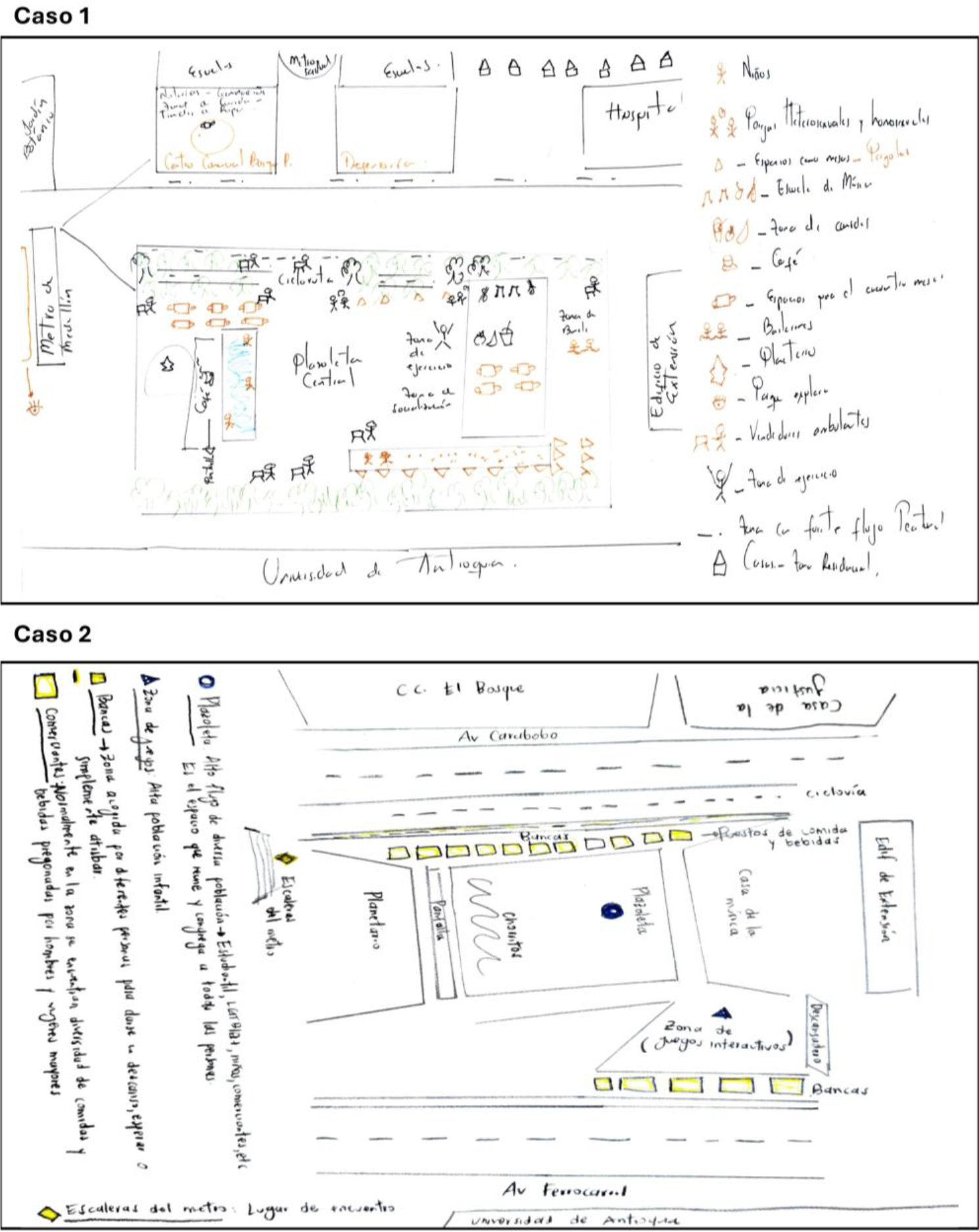
Parque de los Deseos is an emblematic example of how urban spaces can be reinterpreted and transformed by the communities that inhabit them, given that it was built for institutional purposes and surrounded by places that reinforce institutional normalization. However, minority social groups have appropriated it as a heterotopic space of resistance to institutionalism and normalized culture. Thus, this article aims to analyze the contradictory process between urban renewal led by the District and social appropriation by communities in the heterotopic configuration of Parque de los Deseos. It is based on qualitative research that uses the spatial hologram methodology to relate places that give meaning to spatial construction and uses techniques such as social cartography, territorial tours, and participant observation. It concludes that Parque de los Deseos, now known as Parque de la Resistencia, has been configured as a heterotopia of emancipation, as it has been a rebellious appropriation of the institutional impositions of the urban renewal in which it is located.
Keywords:
Public space; Heterotopias; Appropriation of space.
 Thumbnail
 Thumbnail
 Thumbnail
 Thumbnail
 Thumbnail
 Thumbnail