
 Favelas and the Visual Afterlives of Slavery’s Cities
This article uses examines how Black urbanity was represented from the 19th to the early 20th centuries. It considers how Black urbanity was lived, imagined, and visualized in the nineteenth-century city, focusing on the tense interdependence between the slave city (the city structured by slavery) and the cidade negra (the city created by and for Black people). It then analyzes how municipal photographers represented 20th century favelas and mocambos through the visual regimes of the slave city. But informal urbanism constituted its own visual practice, allowing Afro-descendants to indelibly inscribe the Black city onto the urban canvas.
Keywords
Favela; Photography; The Black City; Slavery; Racism
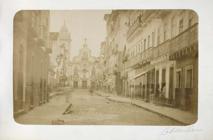 Thumbnail
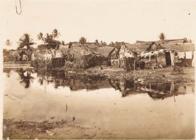 Thumbnail
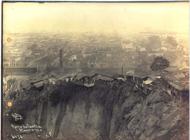 Thumbnail
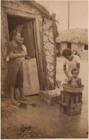 Thumbnail
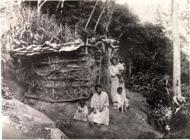 Thumbnail
 Thumbnail
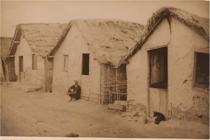 Thumbnail
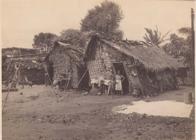 Thumbnail
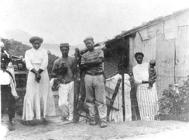 Thumbnail
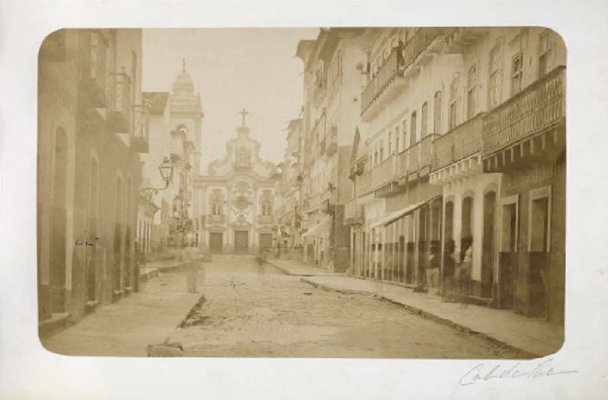 Fonte: LAMBERT, Moritz. [Vista de Rua em Recife]. [188-]. 1 fotografia, albumina/prata, 20,5 x 27,0 cm. Acervo Instituto Moreira Salles. Disponível em:
 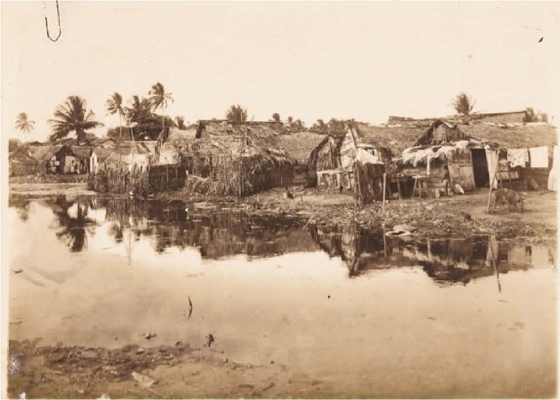 Fonte: ANÔNIMO. Recife. Arquivo Público Estadual Jordão Emerenciano, Recife, Pernambuco, Brasil, [193-]. 1 fotografia, sépia.
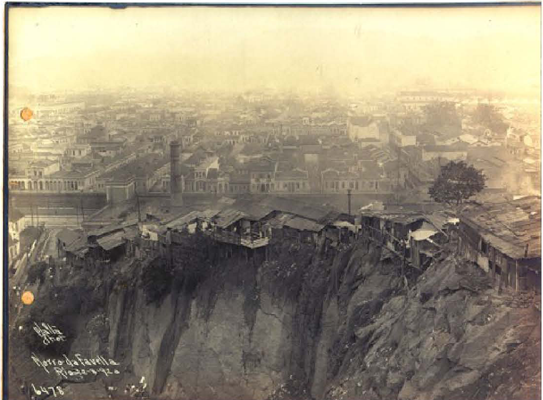 Fonte: MALTA, Augusto. Morro da Favela. Arquivo Geral da Cidade do Rio de Janeiro, Rio de Janeiro, Brasil, 22 ago. 1920. 1 fotografia, sépia.
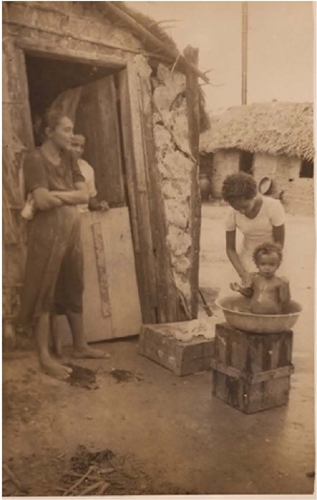 Fonte: ANÔNIMO. Recife. Arquivo Público Estadual Jordão Emerenciano, Recife, Pernambuco, Brasil, [193-]. 1 fotografia, sépia.
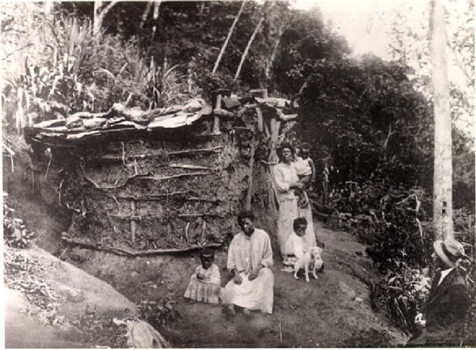 Fonte: ANÔNIMO. Morro da Babilônia. Arquivo Geral da Cidade do Rio de Janeiro, Rio de Janeiro, Brasil, [191-]. 1 fotografia, p&b.
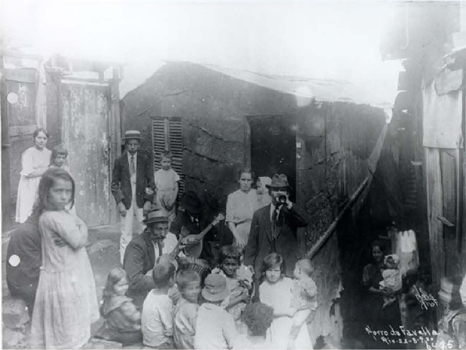 Fonte: MALTA, Augusto. Morro da Favela. Arquivo Geral da Cidade do Rio de Janeiro, Rio de Janeiro, Brasil, 1920. 1 fotografia, p&b.
 Fonte: ANÔNIMO. Recife. Arquivo Público Estadual Jordão Emerenciano, Recife, Pernambuco, Brasil, [193-]. 1 fotografia, sépia.
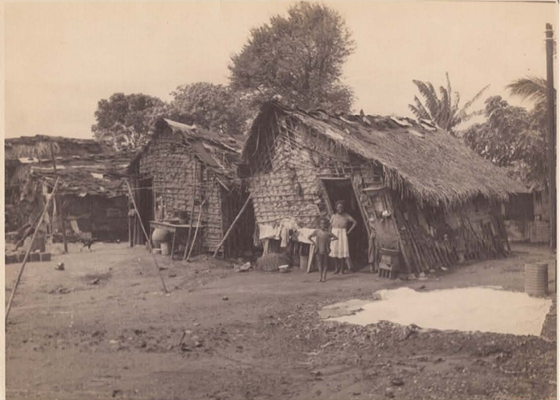 Fonte: ANÔNIMO. Recife. Arquivo Público Estadual Jordão Emerenciano, Recife, Pernambuco, Brasil, [193-]. 1 fotografia, sépia.
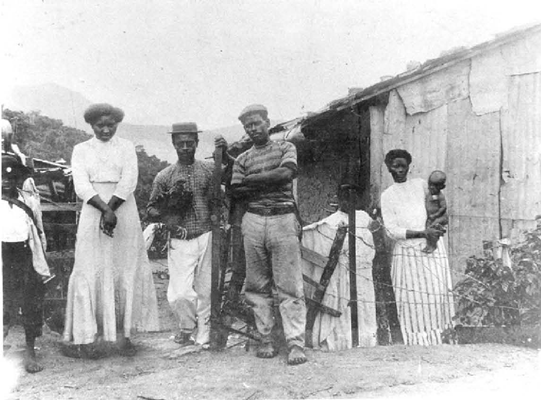 Fonte: ANÔNIMO. Morro da Babilônia. Arquivo Geral da Cidade do Rio de Janeiro, Rio de Janeiro, Brasil, [191-]. 1 fotografia, p&b.