 Experimental research of the effects of adding different chemical reagents to clayey soil on improving its physical and mechanical properties
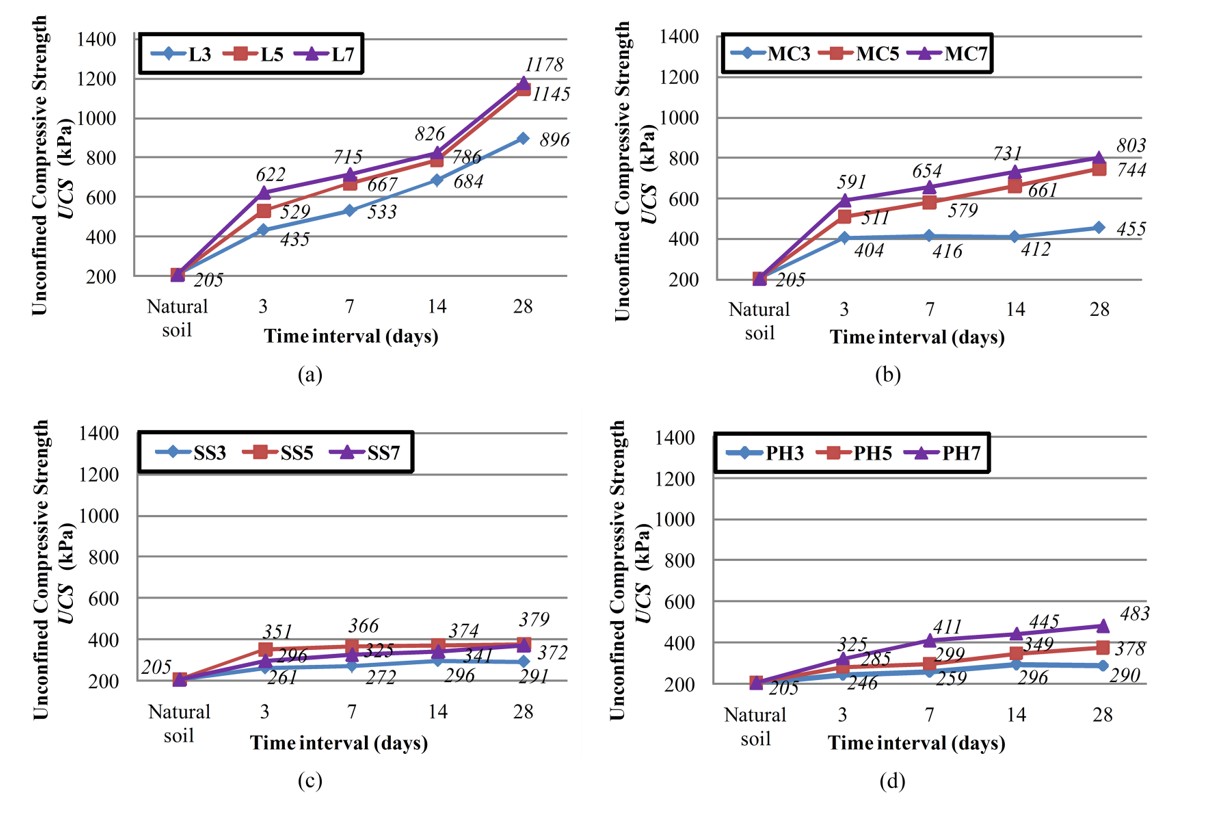
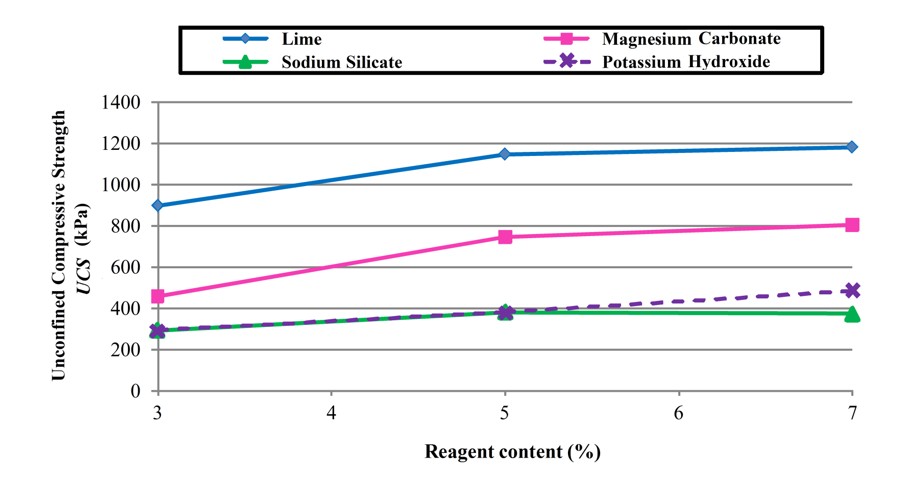
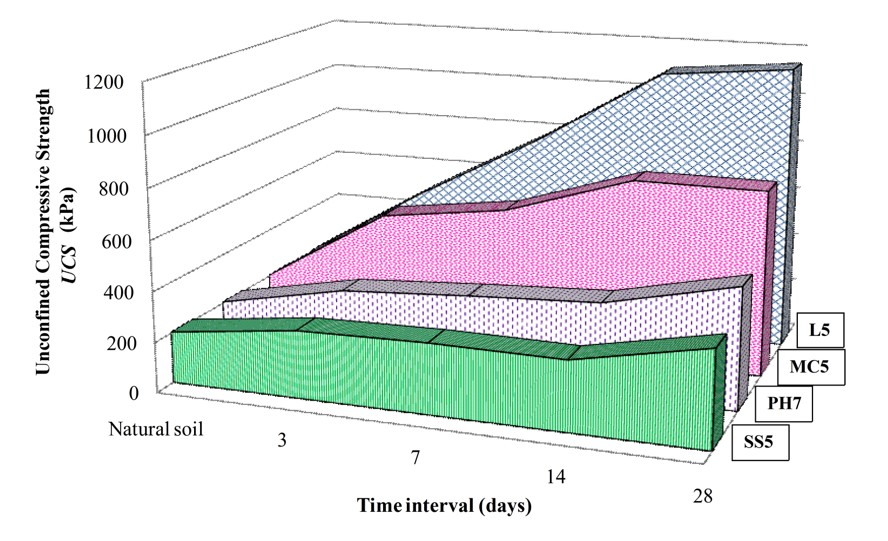
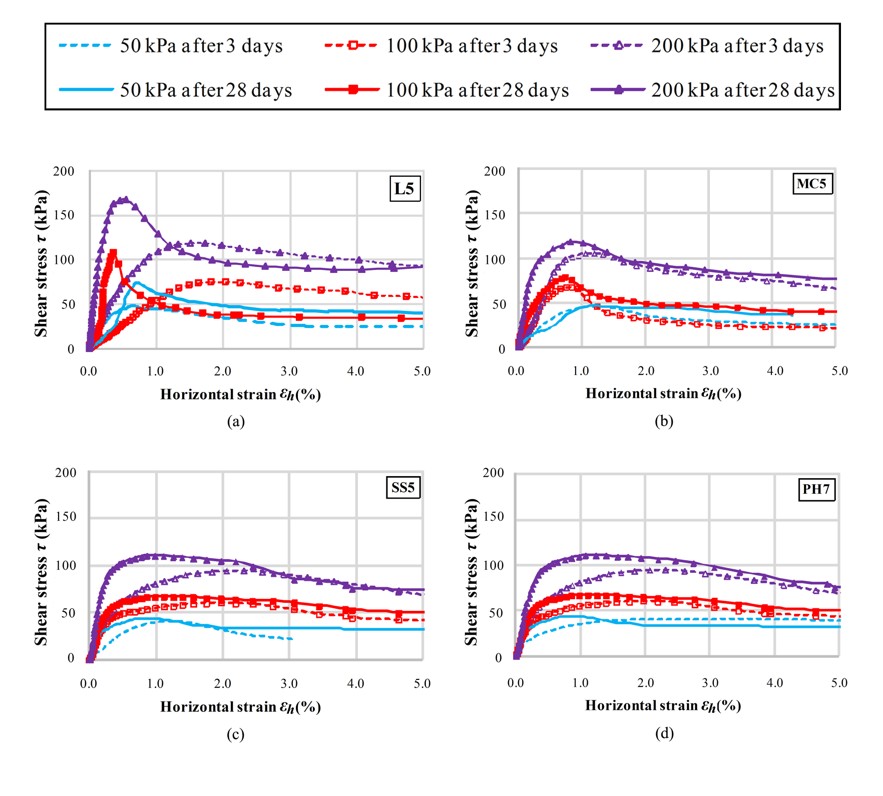
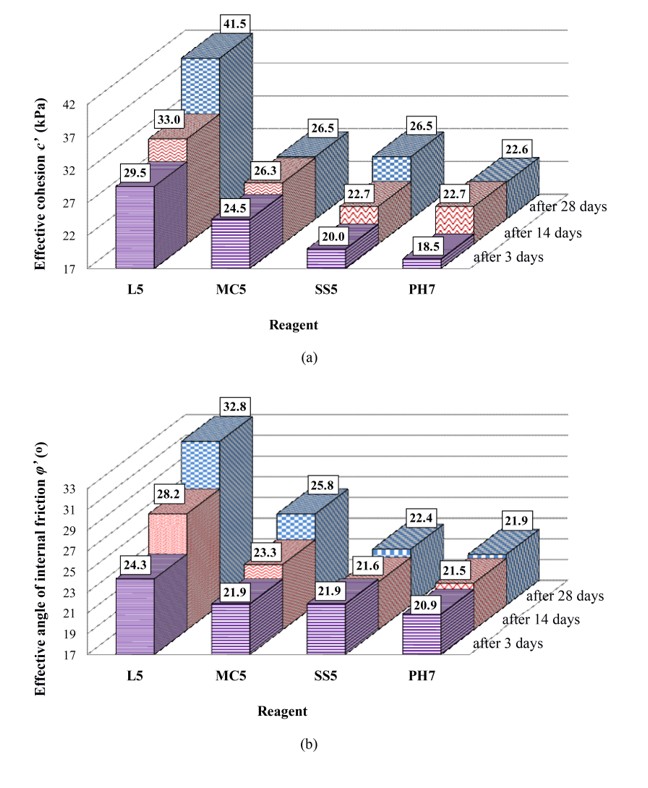
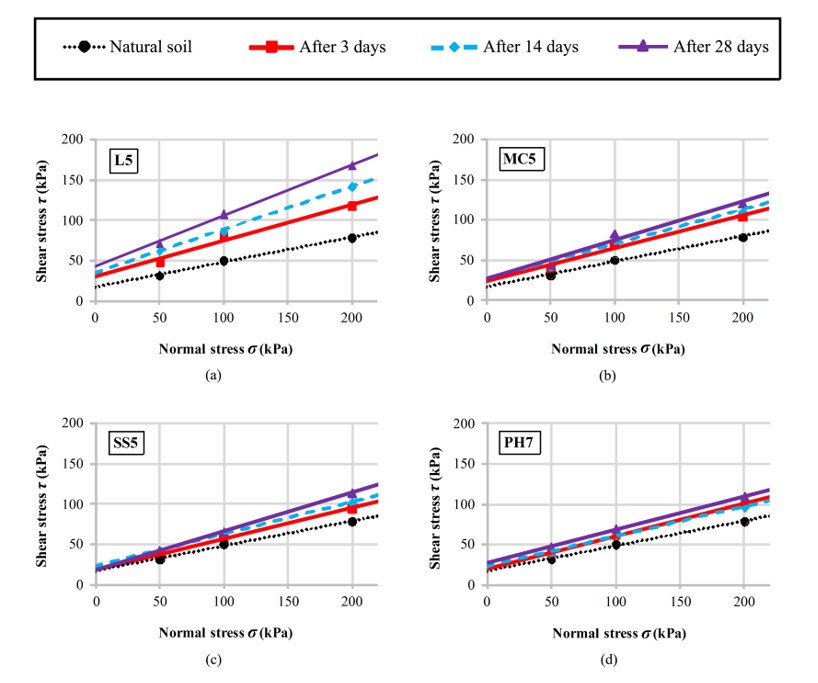
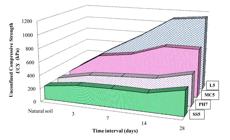
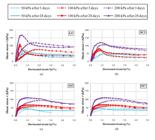
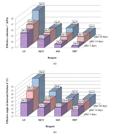
Clayey soil in its natural state usually has a low bearing capacity, high compressibility, and high sensitivity to changes in water content. These properties represent an obstacle to the use of this type of soil in construction industry projects, so it is necessary to stabilize it before its application for construction purposes. This paper presents the results of a comparative study of the effects of chemical stabilization of clayey soils on improving soil properties by considering a variety of chemical reagents. In addition to commonly used chemical reagents such as calcium carbonate (lime), alternative materials such as magnesium carbonate, sodium silicate, and potassium hydroxide were also considered. With an aim to determine the optimal content of reagent in a mixture with clayey soil, each of the selected chemical reagents was considered with three different percentage shares in the mixture. Given that the permanent improvement of soil properties is of utmost importance in geotechnical engineering, for this purpose, changes in the crucial physical and mechanical properties of the treated clayey soil (Atterberg limits, unconfined compressive strength, and shear strength) were also monitored over time after the chemical treatment. The research results revealed that the selected chemical reagents have different efficiencies on the considered physical and mechanical properties of clayey soil, whereby each of them contributed to the soil improvement. This opens up the possibility of applying the selected stabilizers within the framework of the chemical soil stabilization technique, primarily in the field of roadway construction.
Keywords:
Clayey soil; Chemical stabilization; Reagents; Atterberg limits; Unconfined compressive strength; Shear strength parameters
 Thumbnail
 Thumbnail
 Thumbnail
 Thumbnail
 Thumbnail
 Thumbnail