 O PCC na percepção judicial: normalização da ordem pública?
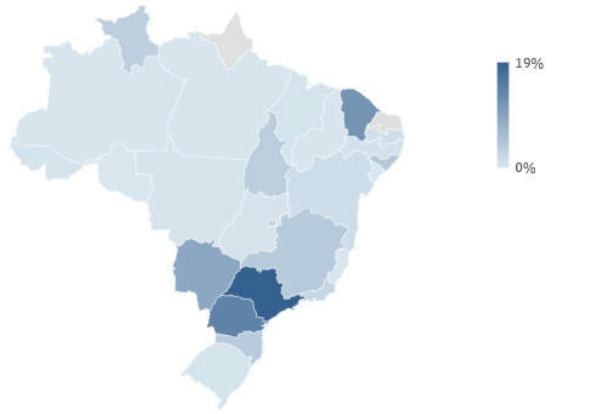
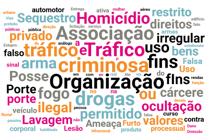
This study analyzes judicial perceptions of the Brazilian criminal collective Primeiro Comando da Capital (PCC), based on a census of all appellate decisions published between January 2020 and December 2021 by state courts, the Superior Court of Justice (STJ), and the Federal Supreme Court (STF) in Brazil, which mention the PCC in their summaries, totaling 856 cases. A semi-structured questionnaire with 44 questions was used to gather data on the full content of the rulings. The analysis reveals that the PCC is predominantly seen as a criminal organization focused on drug trafficking. The decisions also highlight the criminal collective´s role in normalizing behaviors and punishing specific offenses. In this context, incarceration (whether through pretrial detention or post-conviction imprisonment) is associated with the need to “normalize public order”, considered essential to ensure security and social peace in response to what is described as the PCC´s “bloodthirsty” actions.
Keywords:
PCC; criminal collective; appellate decision; criminal justice system; pretrial detention
 Thumbnail
 Thumbnail
 Thumbnail
 Thumbnail
 Thumbnail
 Thumbnail