 Intermediate ultimate pH compromises color stability in aged beef from Bos indicus cattle
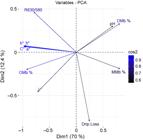
Beef with high and intermediate pHu (ultimate pH) levels can contribute to the occurrence of dark-cutting beef, resulting in economic losses for the industry. This study aimed to assess beef color and its stability by examining color parameters, including lightness (L*), redness (a*), yellowness (b*), Chroma (C*), hue angle (h*), global variations in color (∆E), metmyoglobin percentage (MMb %), deoxymyoglobin percentage (DMb %), oxymyoglobin percentage (OMb %), ratio of light reflectance (%) (R630/580), relative oxygen consumption rate (OCR %), relative metmyoglobin reducing activity (MRA %), and myoglobin concentration of fresh beef across three pHu ranges: normal (pH < 5.8), intermediate (5.8 ≤ pH < 6.20), and high (pH ≥ 6.20). Longissimus lumborum (LL) muscles from Nellore cattle were vacuum-packed, and analyses were conducted after refrigerated storage at 2 ± 2 °C for 3, 14, and 21 days post-mortem. The blooming effect of normal and intermediate pHu steaks during simulated retail exposure (vacuum-packaging) at 3, 14, and 21 days was higher (> OMb %) compared to high pHu steaks. However, wet aging (vacuum-packaging) did not prevent discoloration in intermediate pHu steaks after 14 days; these displayed higher MMb levels (%) than normal pHu steaks, similar to those observed in high pHu steaks. Notably, higher MRA values in both intermediate and high pHu samples across all aging periods evaluated aligned with the increased myoglobin concentrations in these samples. These findings suggest that the dark color of steaks with pH > 5.8 may be associated with an increase in oxidative metabolism and greater oxygen consumption (OC) by the mitochondria over time.
Keywords:
Nellore; meat quality; instrumental color; dark-cutting
 Thumbnail
 Thumbnail