 Molecular characterization of two inbred-lines population of Psidium guajava L.
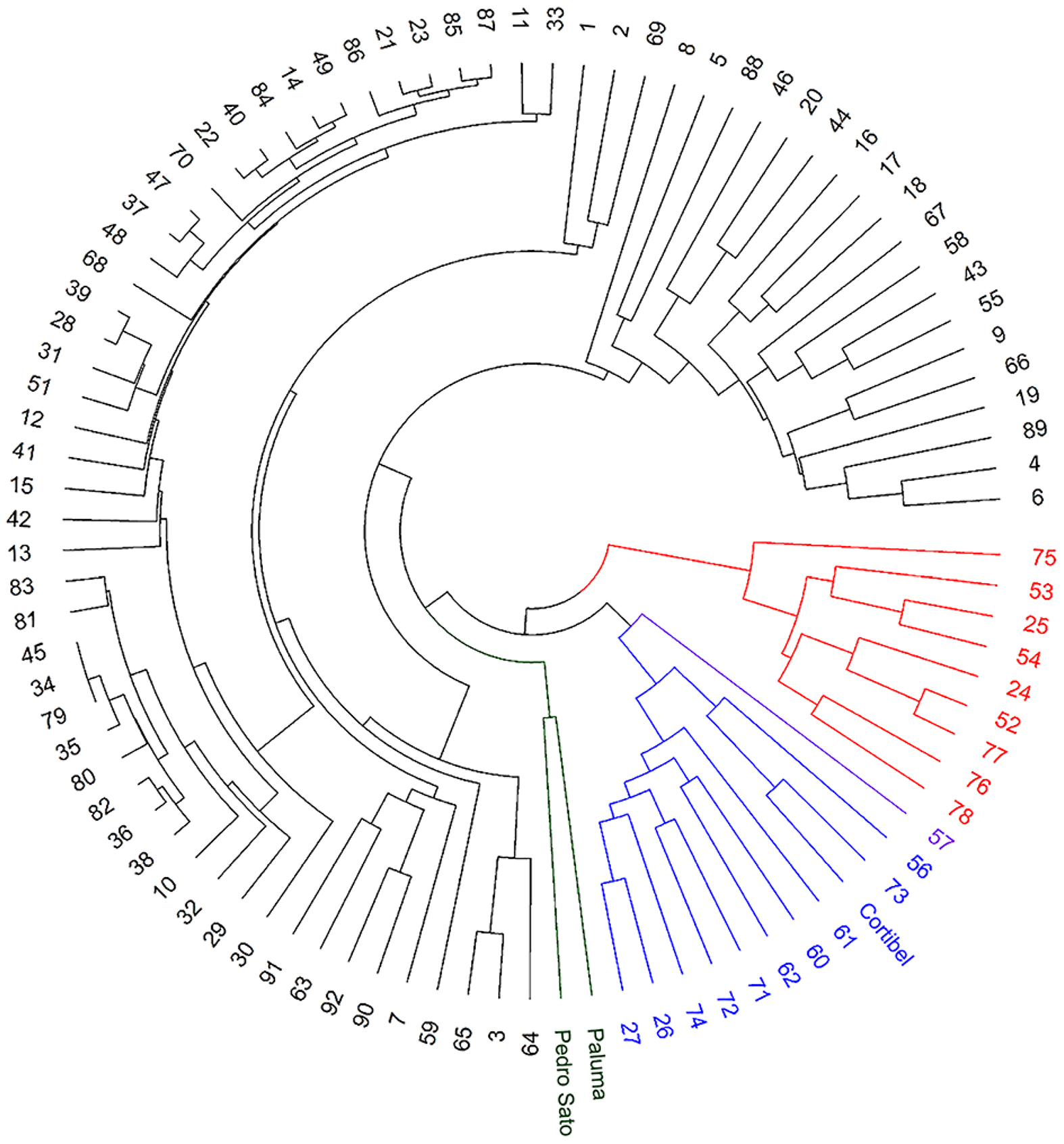
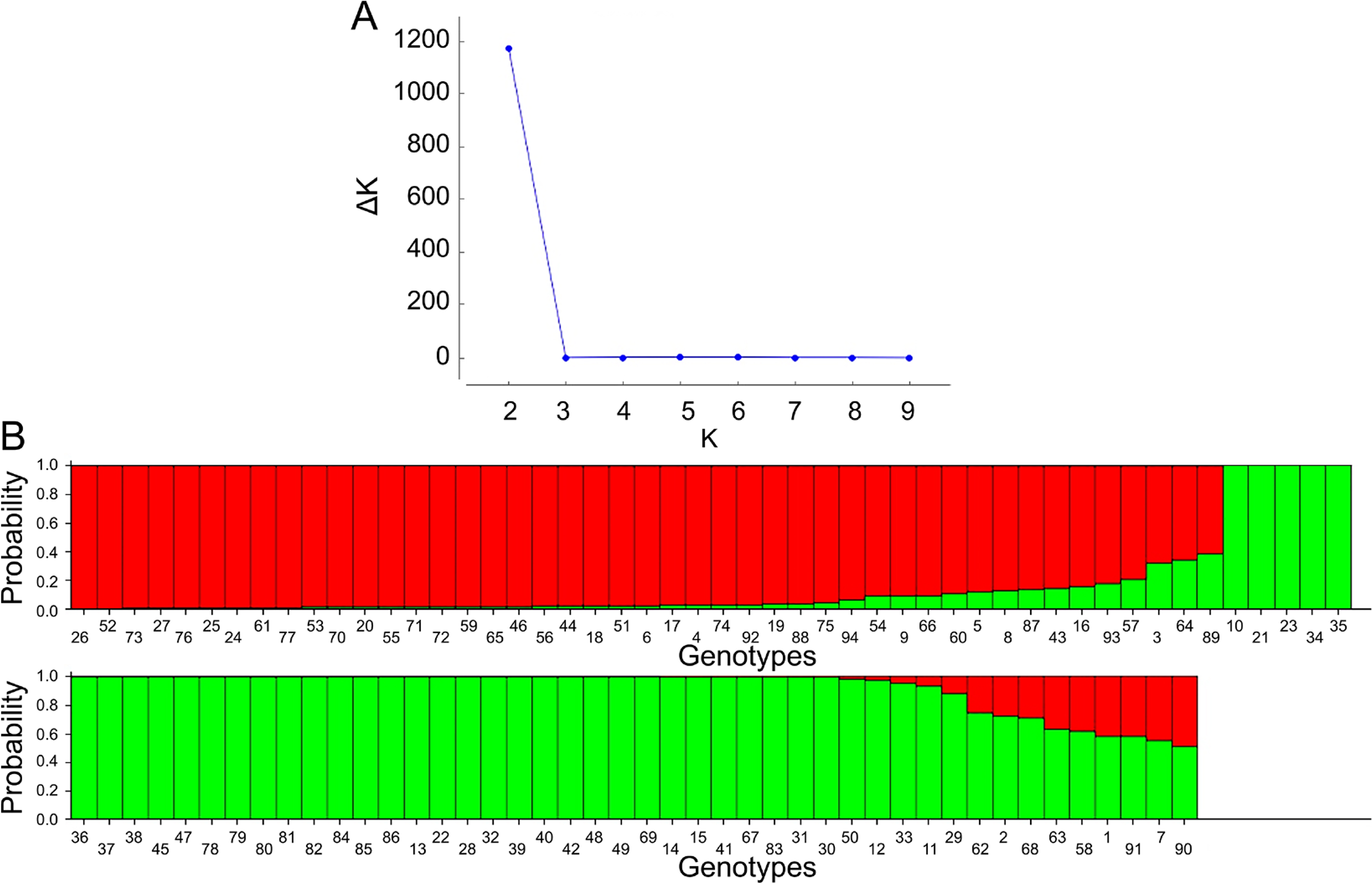
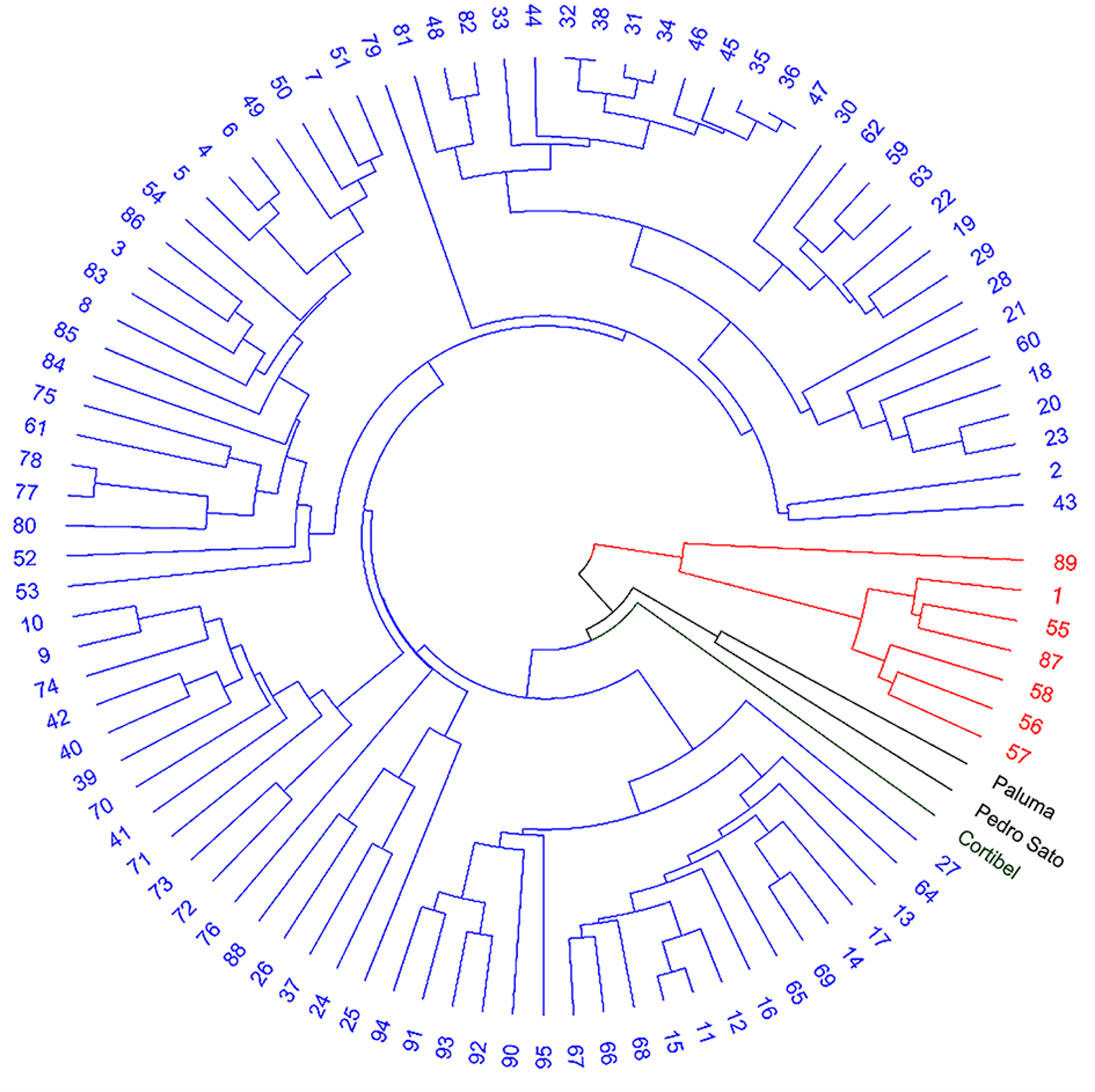
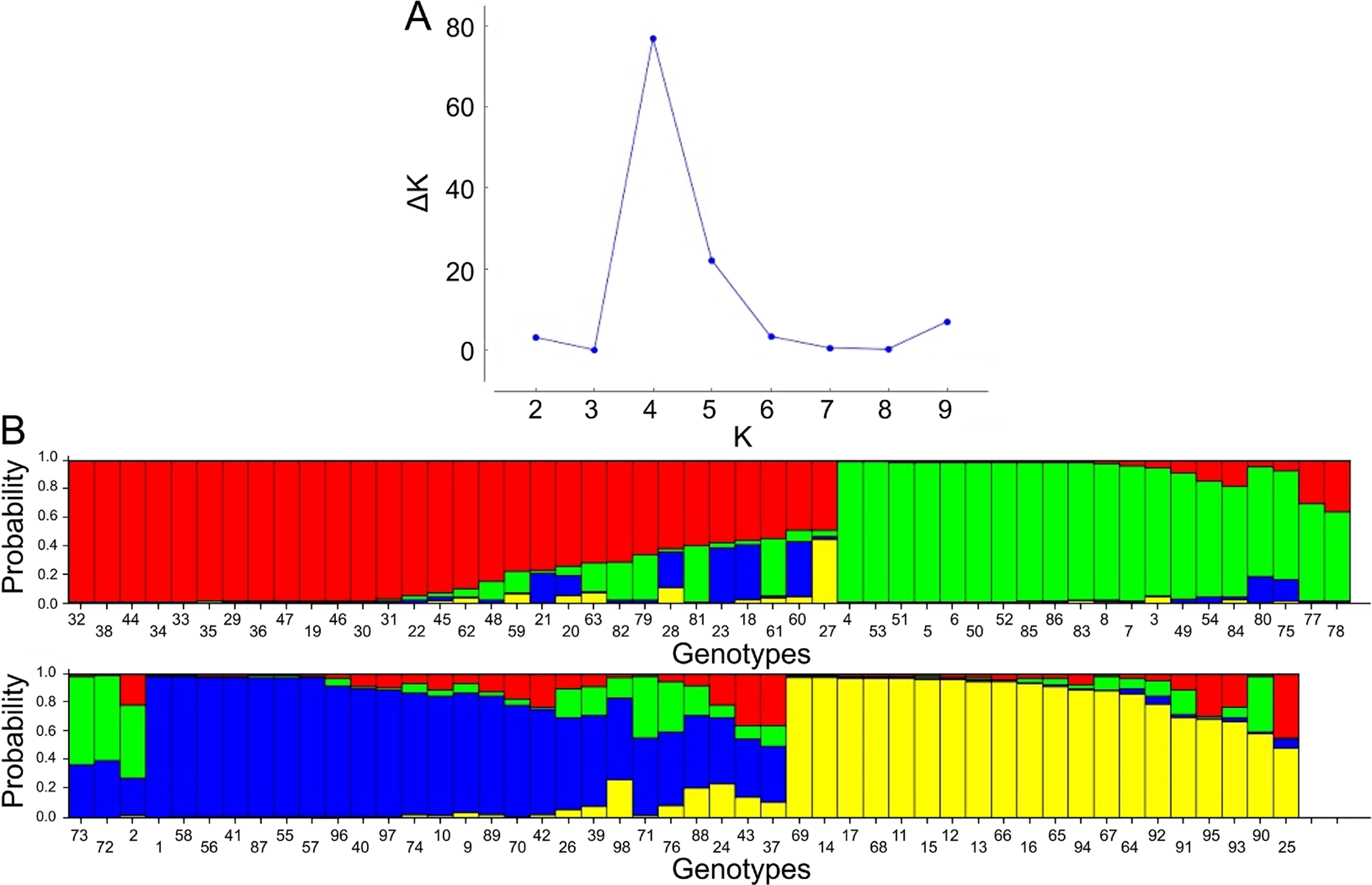
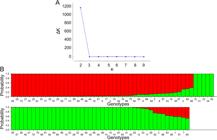
Guava, prized for its economic potential, is grown across Brazil. Addressing the challenge of limited cultivars, the Universidade Estadual do Norte Fluminense Darcy Ribeiro (UENF) launched a program to select promising genotypes, aiming to introduce new high-quality cultivars in the north and northwest Rio de Janeiro state. This study uses microsatellite markers to identify divergent genotypes for future crosses to assess the genetic diversity of guava genotypes from the first and second self-fertilization (S1 and S2) populations. From S1, 94 genotypes, and S2, 98 genotypes were selected across ten inbred lines based on morpho-agronomic traits. The molecular characterization utilized 21 polymorphic microsatellite markers to assess genetic parameters, calculate distances, analyze clustering, and determine the structure of each population. In S1, the average number of alleles (NA) per locus was 2.57, with higher expected heterozygosity (He) than observed heterozygosity (Ho), indicating more homozygous alleles. Unweighted Pair-Group Method with Arithmetic Mean (UPGMA) clustering formed five distinct groups, with Bayesian analysis identifying two groups. S2 had 2.23 alleles per locus, with lower genetic variability and four UPGMA groups. Simple sequence repeat (SSR) markers effectively discriminate genetic variability, which promotes guava breeding. Bayesian inference delineated clear genotype structures in both populations, highlighting potential advancements in breeding these inbred lines.
Keywords
SSR markers; genetic diversity; inbreeding
 Thumbnail
 Thumbnail
 Thumbnail
 Thumbnail