
 Descontinuidade do uso da prótese total inferior: fatores associados e implicações clínicas em serviços públicos de saúde
Introduction Edentulism is a highly prevalent public health problem.
Objective This study aimed to investigate factors associated with the discontinuation of mandibular complete denture (MCD) use and its clinical and subjective repercussions in older adults rehabilitated within the Brazilian Unified Health System (SUS).
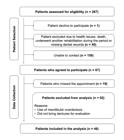
Material and method An observational, analytical, cross-sectional, and retrospective study was conducted with 46 edentulous patients rehabilitated with bimaxillary complete dentures between 2018 and 2024. The main outcome was the MCD use pattern (regular use vs. discontinuation), assessed through interviews and clinical examination. Sociodemographic, clinical, functional, and subjective domains were analyzed, including masticatory performance (CFQ), satisfaction (VAS), oral health-related quality of life (OHIP-EDENT), nutritional status (MNA), and cognition (MMSE).
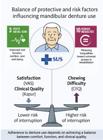
Result Discontinuation of MCD use was observed in 43.5% of patients and was associated with poorer masticatory performance and lower treatment satisfaction, but not with sociodemographic variables, oral health-related quality of life, nutritional, or cognitive status. Logistic regression analyses indicated that prosthetic instability, lower satisfaction, and impaired masticatory performance increased the likelihood of discontinuation.
Conclusion In conclusion, prosthetic instability and negative functional experiences are key determinants of MCD abandonment or irregular use, highlighting the need for structured follow-up and maintenance protocols within the SUS, to ensure effective denture use and optimize oral and general health outcomes.
Descriptors:
Dentures, complete; mandible; masticatory function; patient compliance; public health dentistry
 Thumbnail
 Thumbnail

