 Effect of rolling and tempering process on microstructure and mechanical properties along the thickness direction of HSLA steel plate
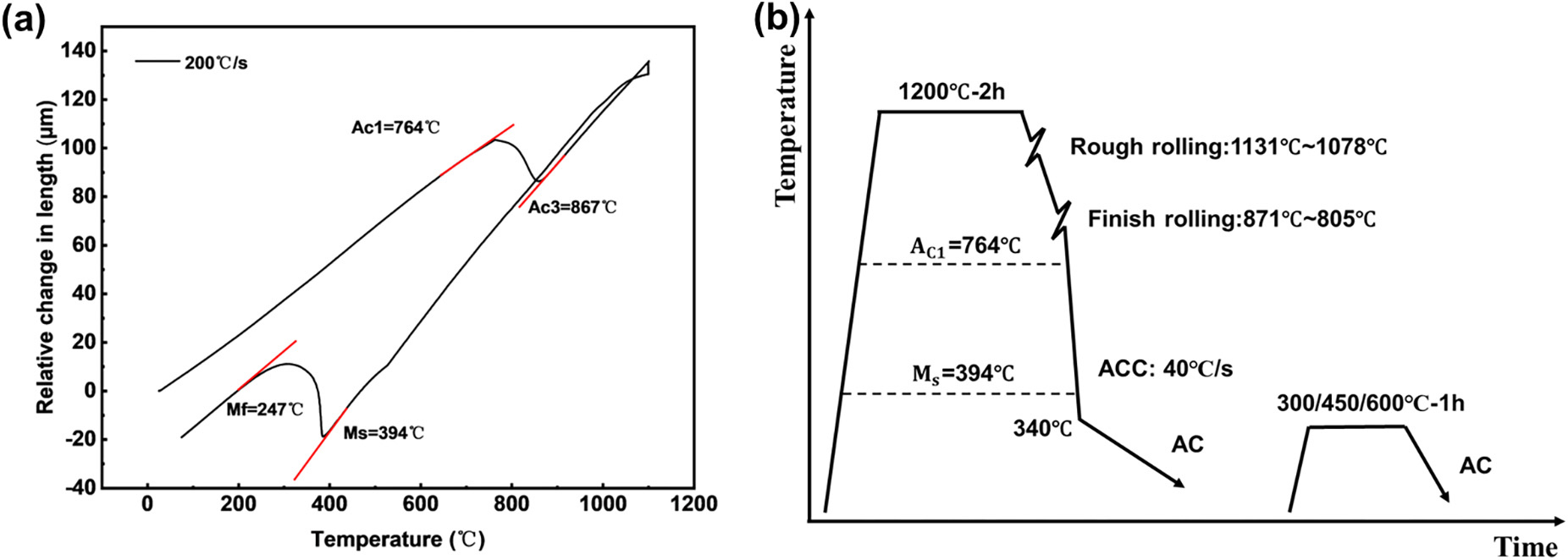
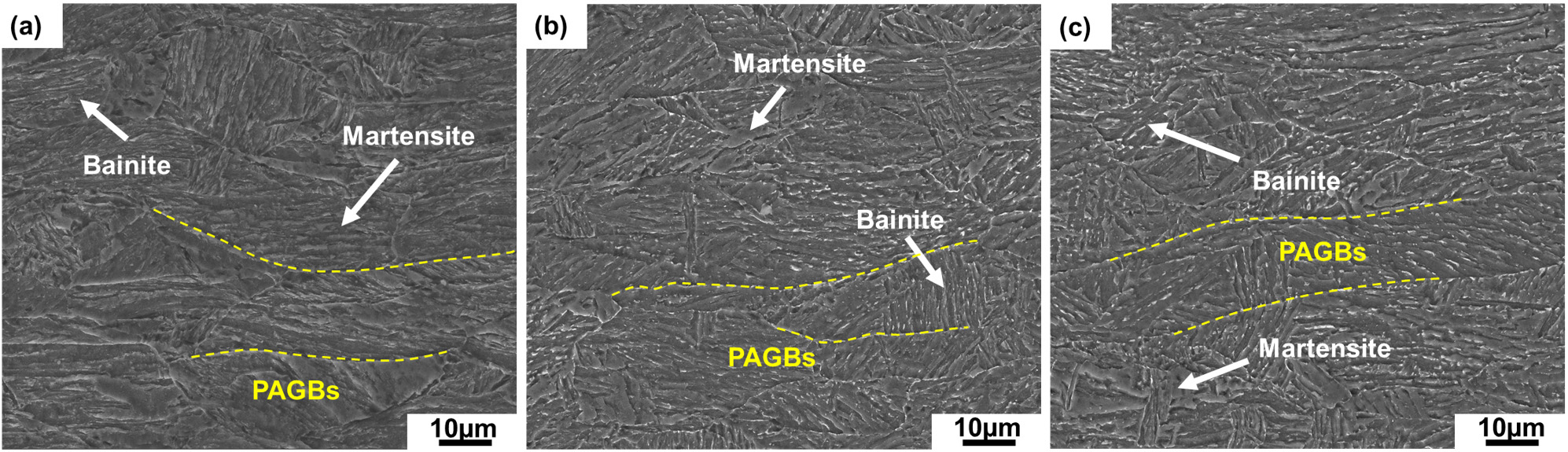
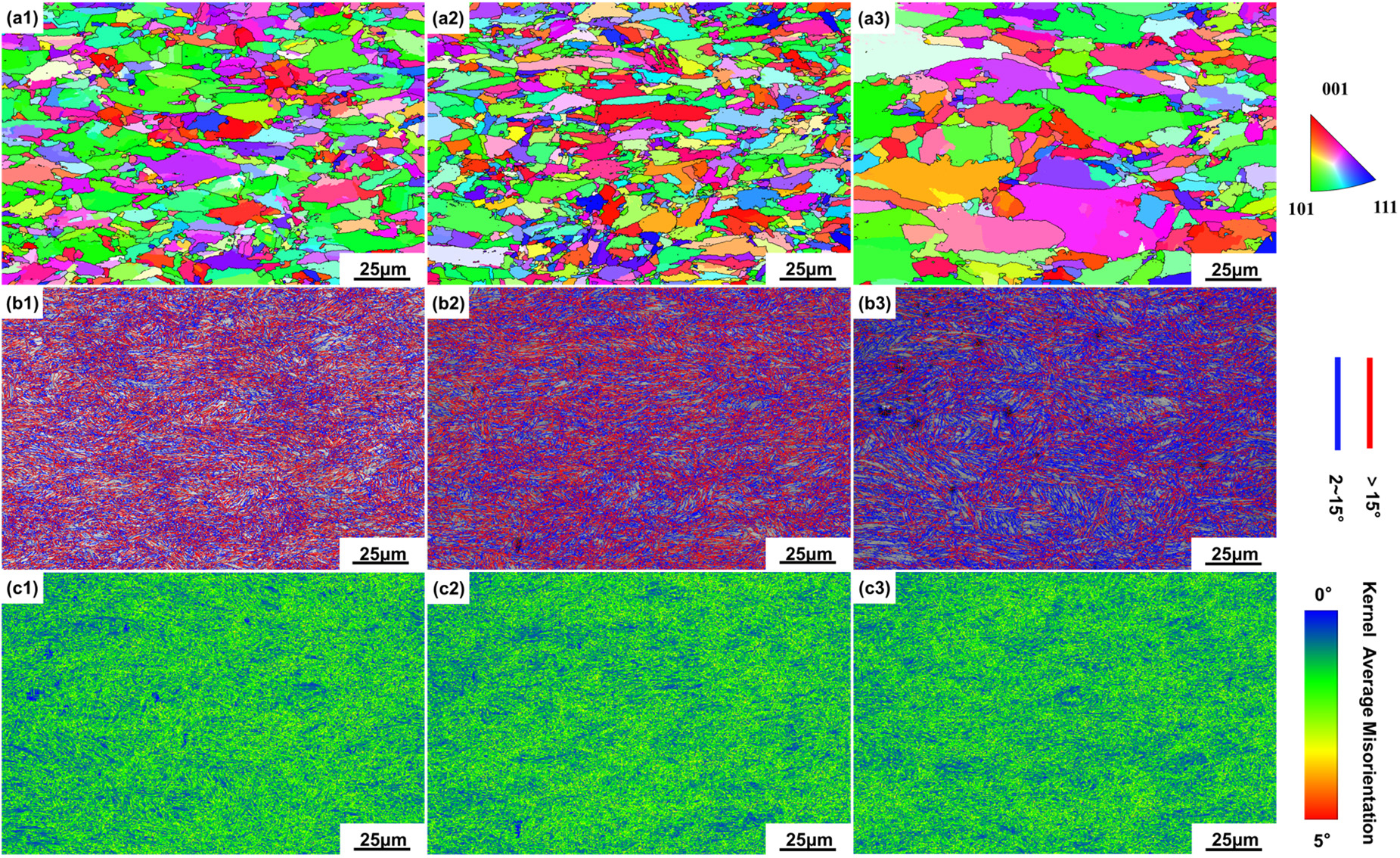
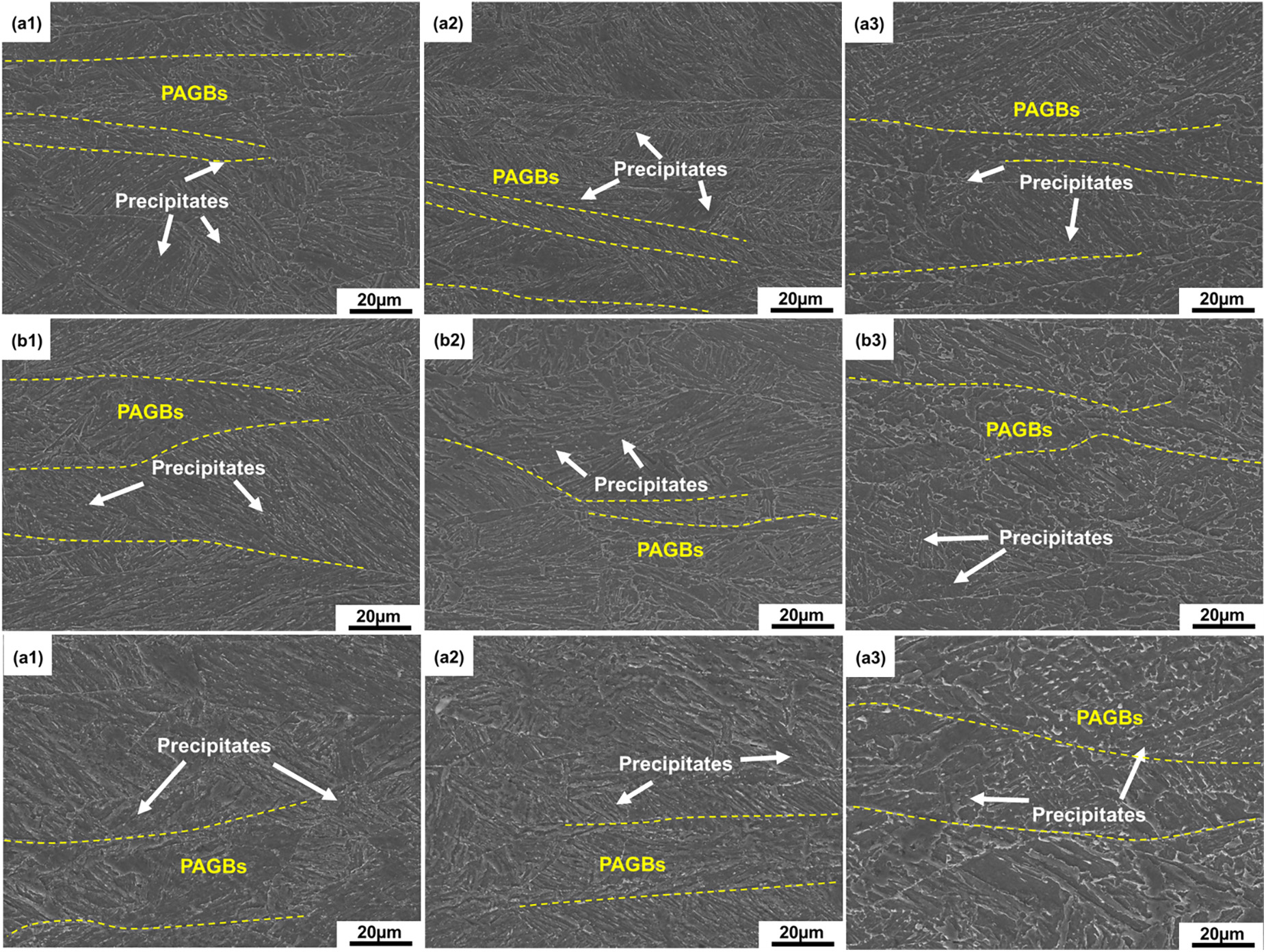
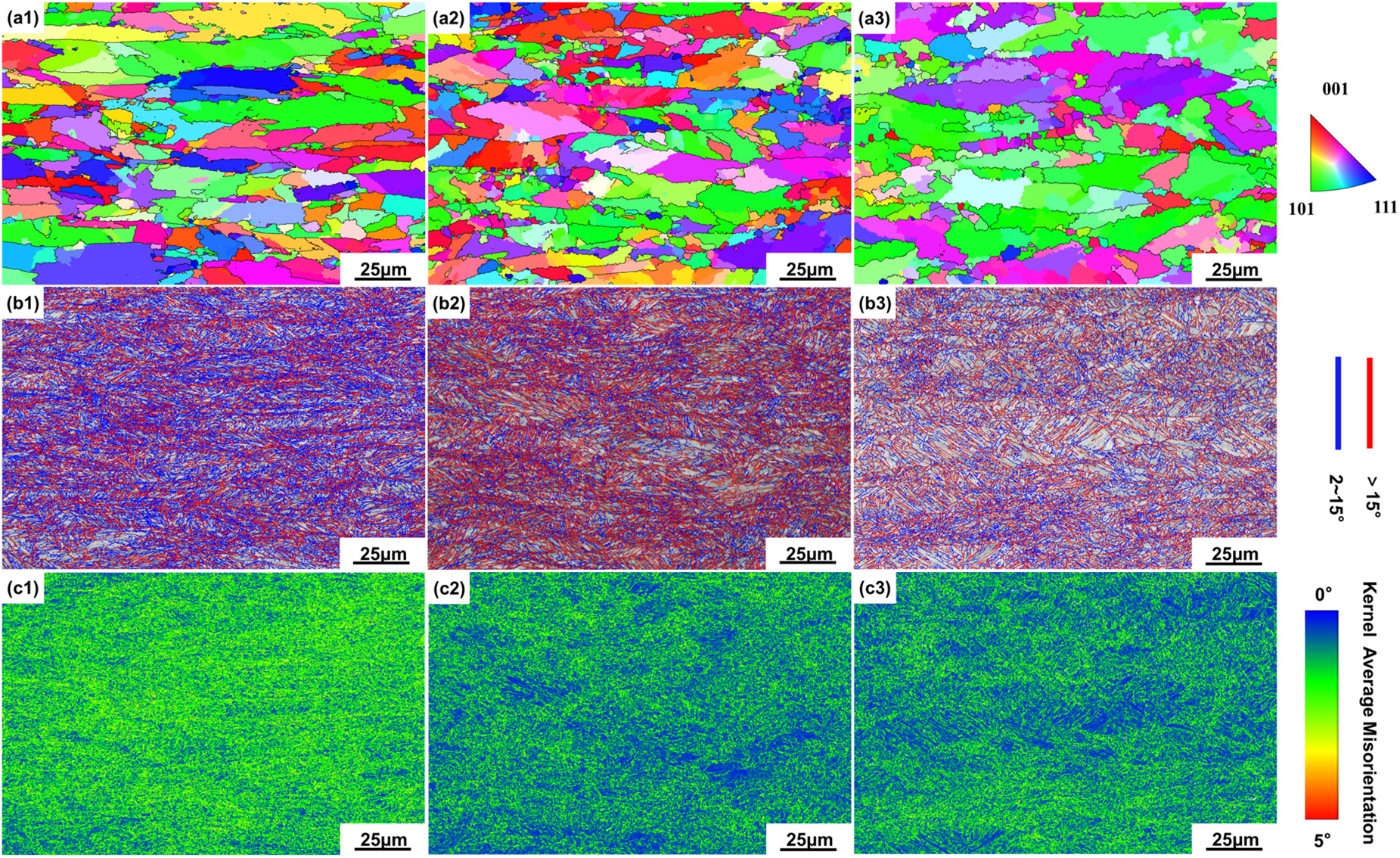
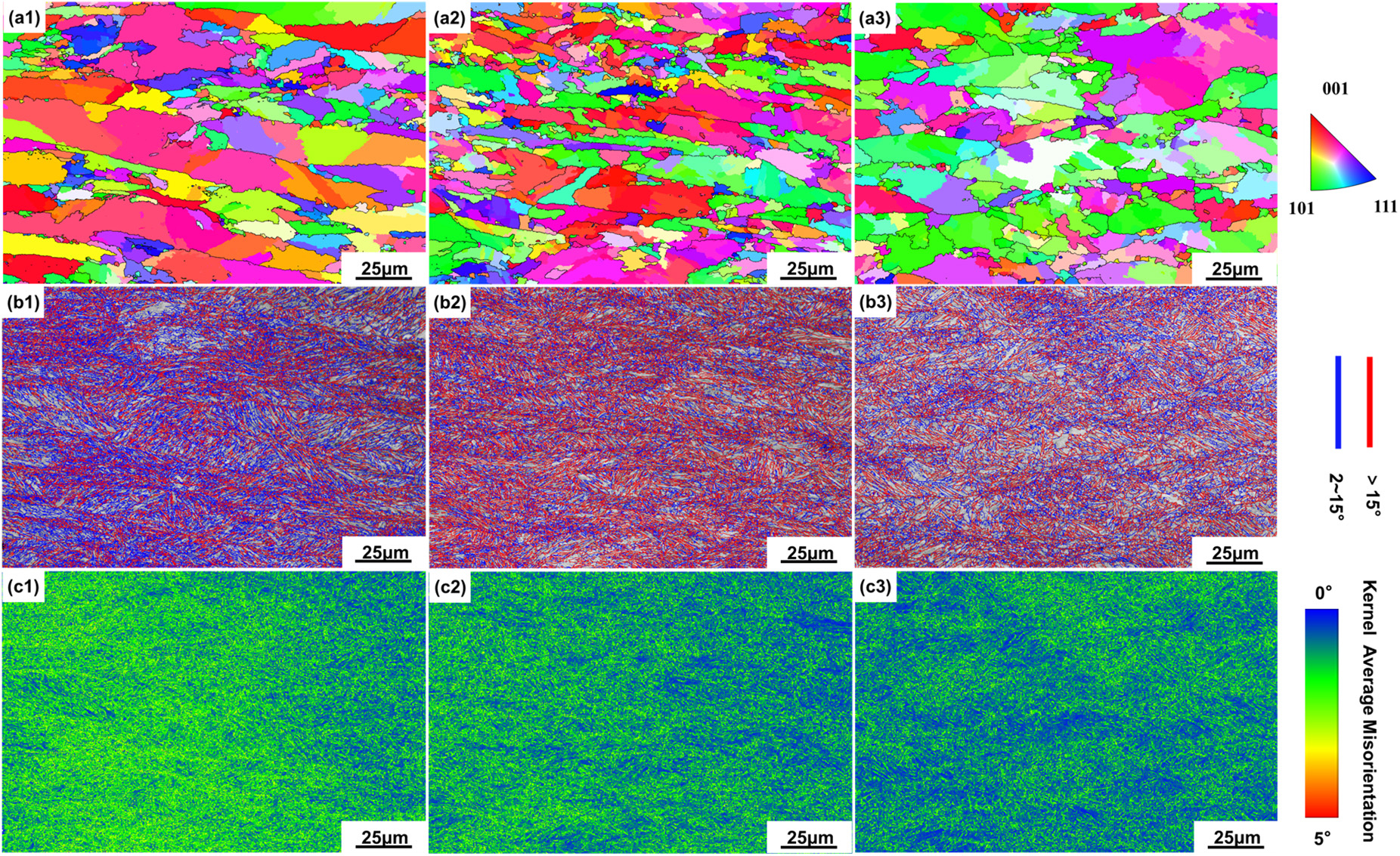
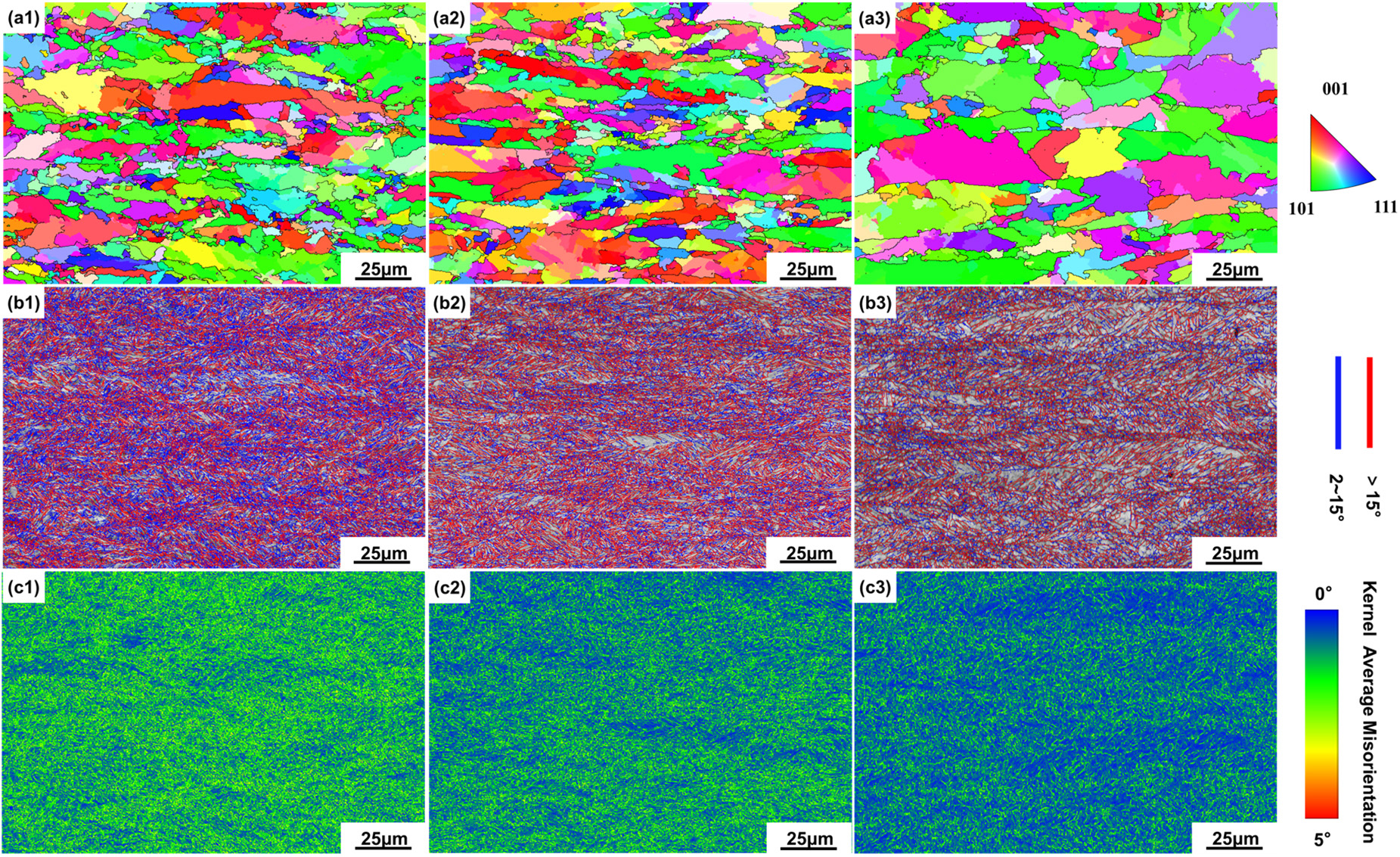
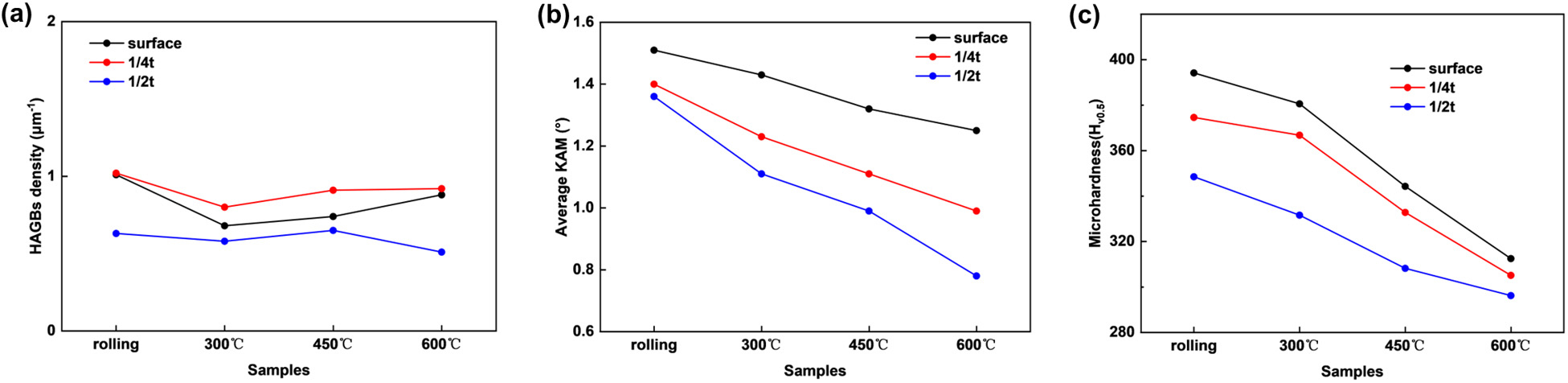
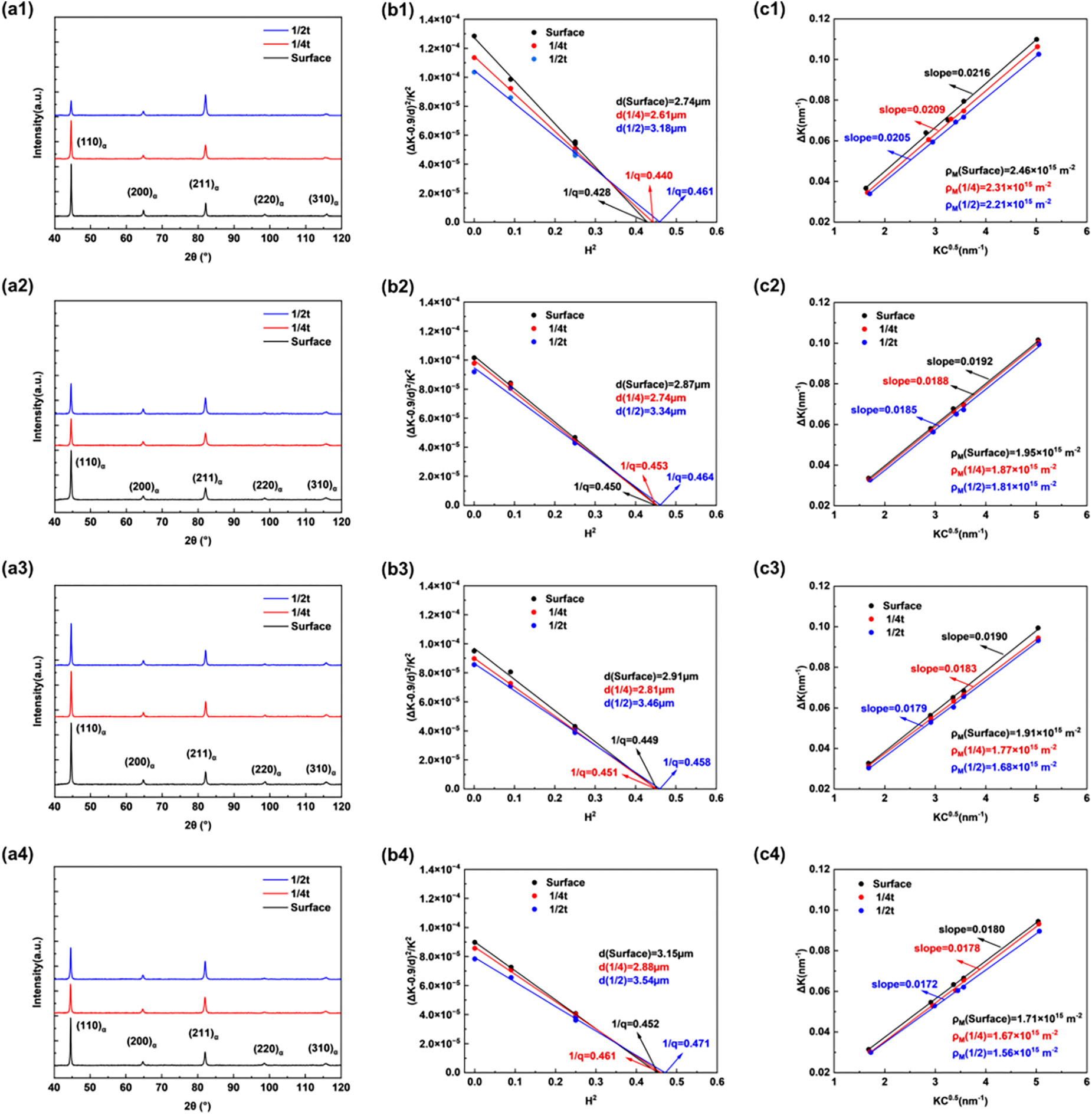
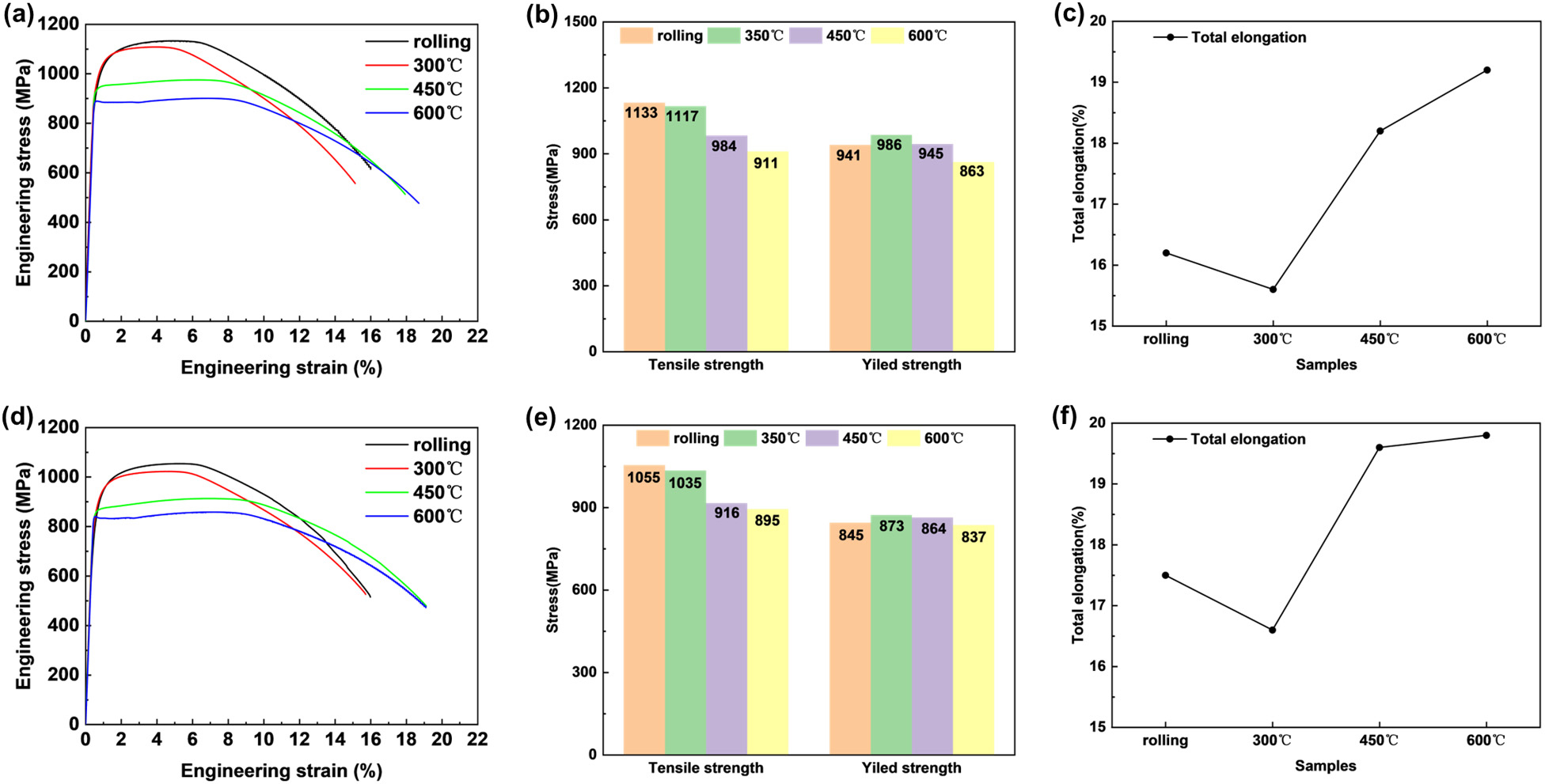
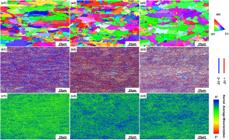
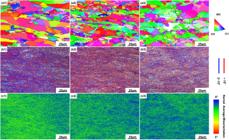
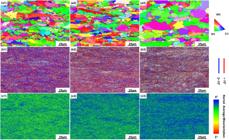
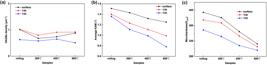
This study investigates the effects of thermo-mechanical controlled processing (TMCP) and tempering (T) on the microstructure and mechanical properties along the thickness direction of HSLA steel plates. The evolution of microstructure, dislocation density, and mechanical properties was analyzed at the surface, 1/4t, and 1/2t positions using optical microscopy (OM), scanning electron microscopy (SEM), electron backscatter diffraction (EBSD), X-ray diffraction (XRD) techniques and mechanical testing. The results show that the microstructure primarily consists of lath martensite and bainite, with the martensite fraction and dislocation density gradually decreasing from the surface to the center due to the cooling rate gradient. Tempering at 300~600 °C promotes recovery of dislocations and carbide precipitation. With increasing tempering temperature, the tensile strength gradually decreases, while the yield strength first increases and then decreases. In contrast, ductility and impact toughness exhibit an opposite trend. The optimal balance of strength and toughness is achieved after tempering at 450 °C, which is attributed to the formation of fine and spheroidized carbides, a moderate dislocation density, and a refined effective grain size. This study not only clarifies the evolution mechanism of microstructure and mechanical properties at different thickness under different tempering conditions, but also provides useful guidance for the industrial production of HSLA steel plates.
Keywords:
TMCP; HSLA steel plate; Microstructure; Mechanical properties
 Thumbnail
 Thumbnail
 Thumbnail
 Thumbnail
 Thumbnail
 Thumbnail
 Thumbnail
 Thumbnail
 Thumbnail
 Thumbnail
 Thumbnail