 Post-heat exposure residual mechanical properties of lightweight hybrid fibre-reinforced concrete
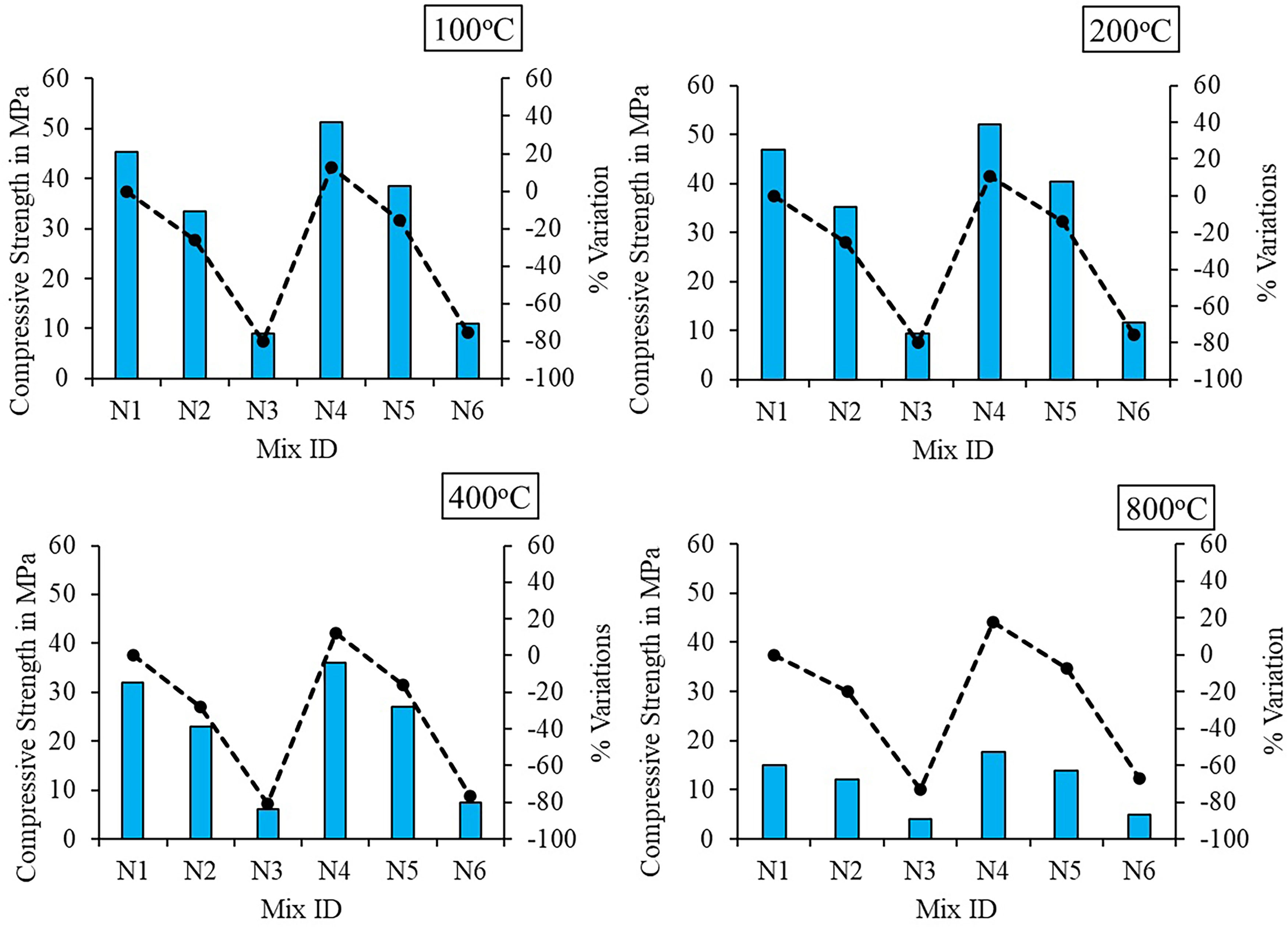
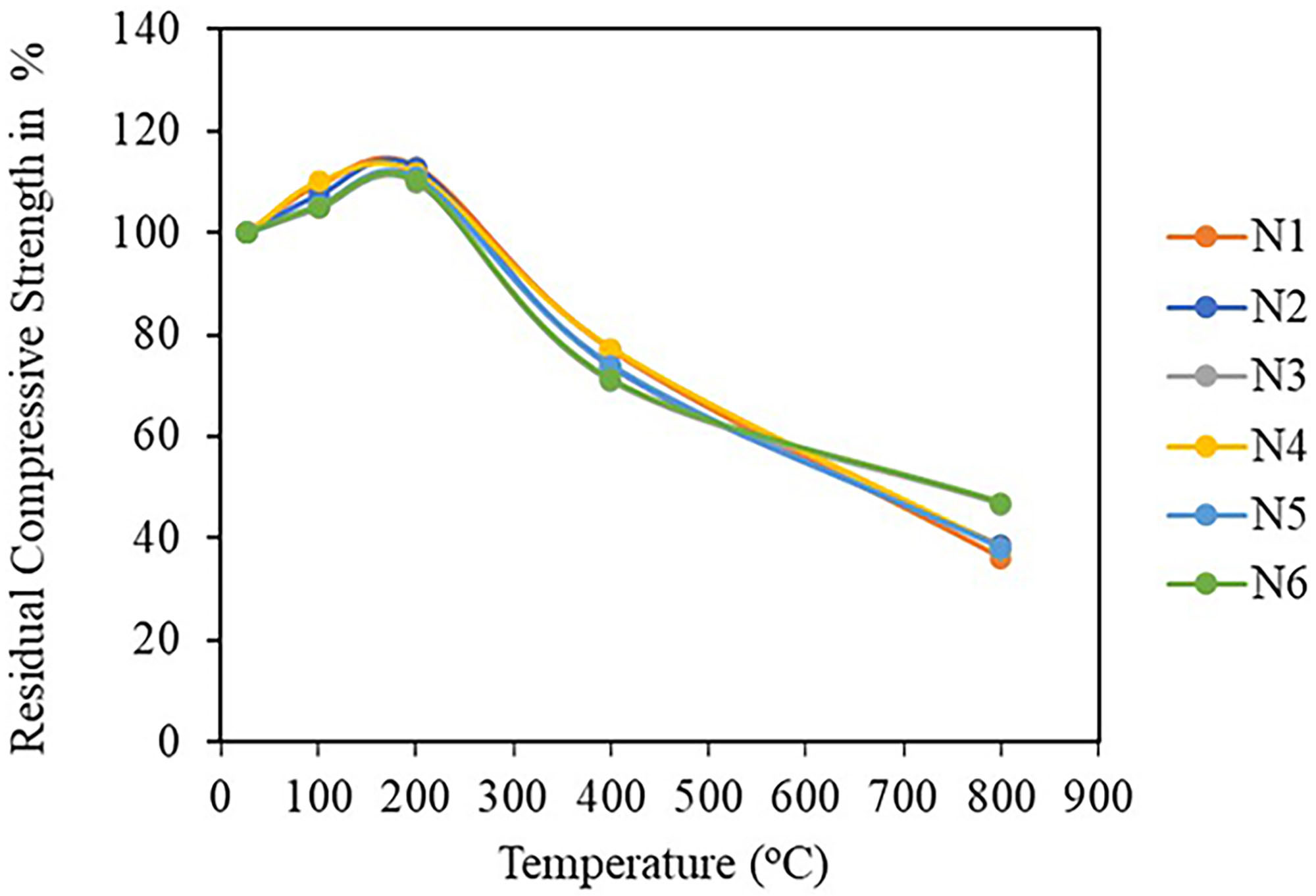
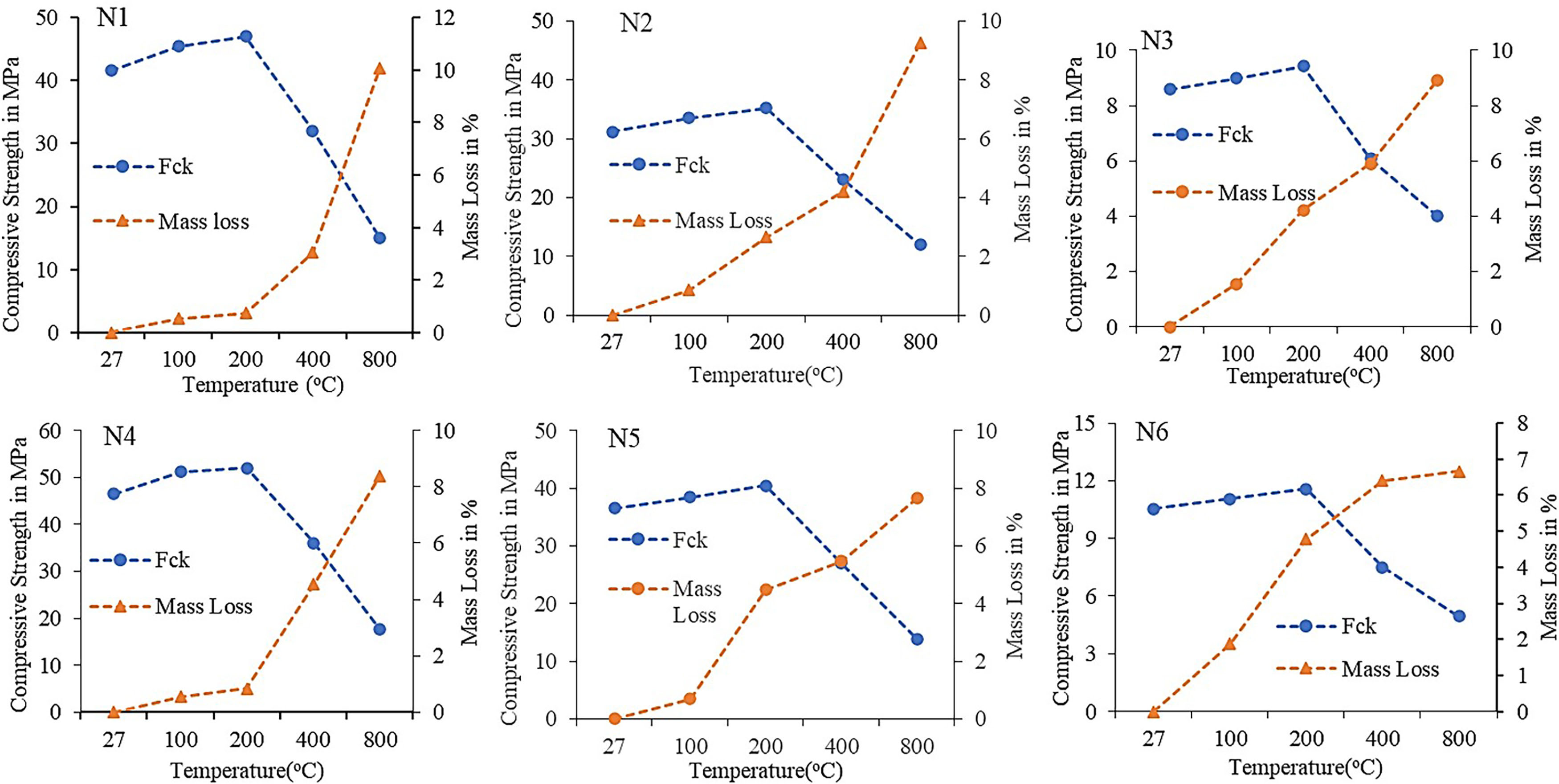
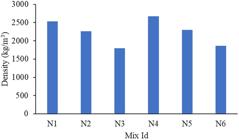
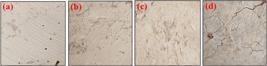
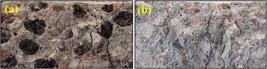
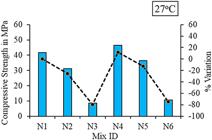
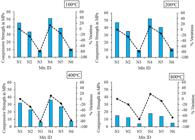
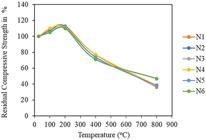
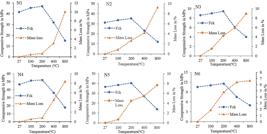
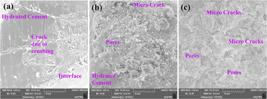
Low-density concretes made with lightweight aggregates are known for their enhanced thermal insulation properties. Though the temperature resistance is better than normal concretes, lightweight aggregate concrete (LWAC) experiences significant structural degradation when subjected to extreme conditions, especially those exceeding temperatures of 400°C. Encompassing the safety and durability of structures, auditing the strength of LWAC subject to elevated temperatures is crucial. The present research aims to analyse the density, strength, and microstructural morphology of expanded clay aggregate concrete when subjected to elevated temperatures, particularly 100°C, 200°C, 400°C, and 800°C. Concrete mixes were prepared with crushed stone aggregates replaced with ECA at 0%, 50%, and 100% by volume. The mixes were then further modified by reinforcing the matrix with hybrid fibres at 1.5% (1% steel and 0.5% polypropylene) by volume. The cured specimens were exposed to elevated temperatures and then tested for their mass and strength properties. Notable mass loss was observed for all the mixes post-thermal exposure, and improvement in strength was observed for the mixes when exposed up to 200°C. Further exposure led to a strength degradation. The observed degradation is potentially connected to the complete disintegration of the microstructure, as seen in the Scanning Electron Microscopy (SEM) images.
Keywords:
Low-density concrete; Expanded Clay Aggregates; Heat exposure
 Thumbnail
 Thumbnail
 Thumbnail
 Thumbnail
 Thumbnail
 Thumbnail
 Thumbnail
 Thumbnail
 Thumbnail
 Thumbnail
 Thumbnail
 Thumbnail
 Thumbnail
 Thumbnail
 Thumbnail
 Thumbnail
 Thumbnail
 Thumbnail