 Effect on AI-driven Ant Lion Optimization framework using fibre reinforced concrete with dual-stage building crack for structural applications
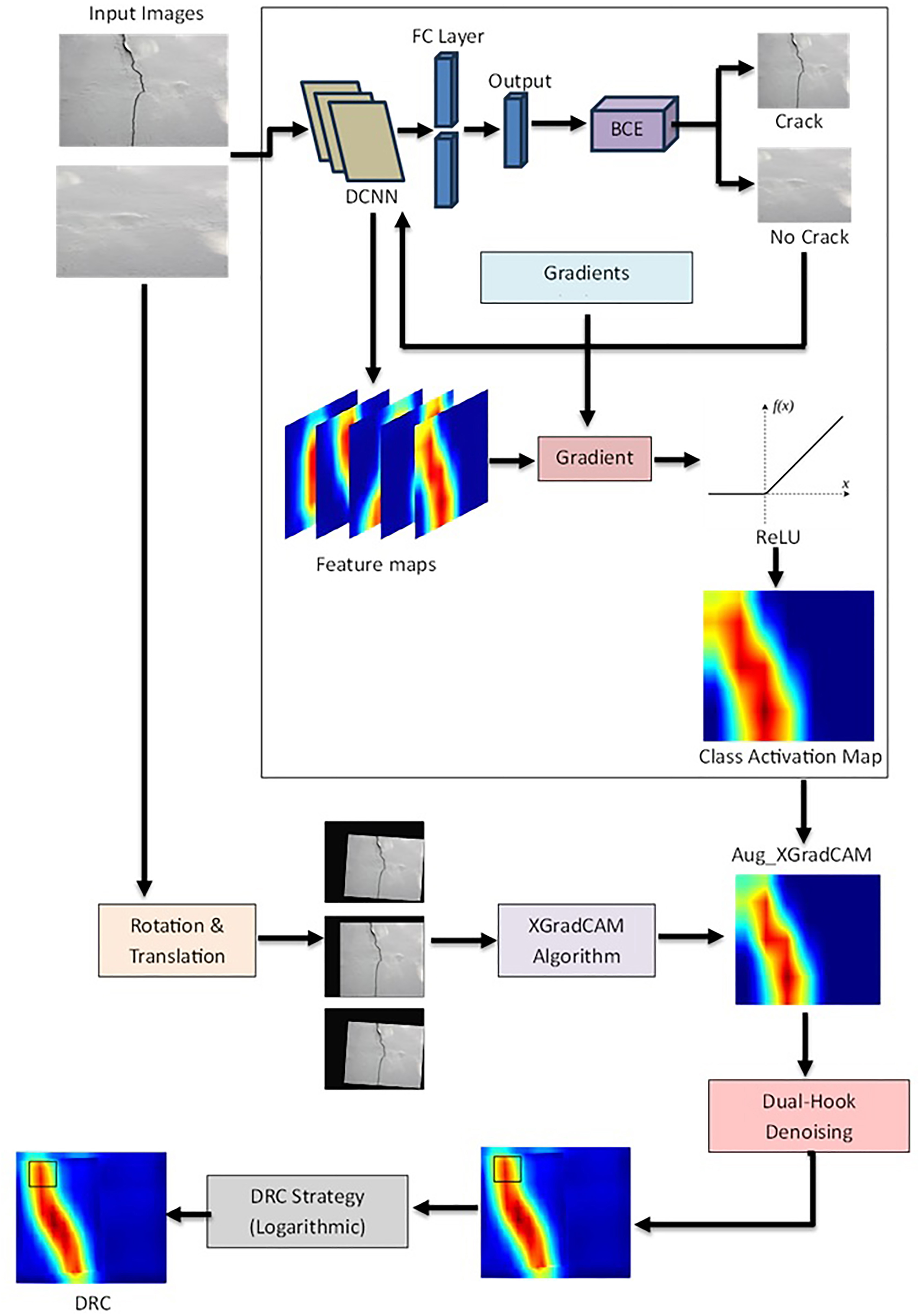
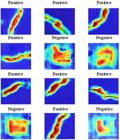
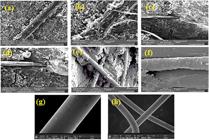
The growing demand for sustainable, durable, and crack-resistant construction materials has accelerated research into hybrid Fibre Reinforced Concrete (FRC) systems incorporating Polyvinyl Alcohol (PVA), polyethylene (PE), and steel fibres. Challenges persist in achieving early crack detection and designing optimal FRC mixtures with balanced mechanical and durability properties. This study introduces an Explainable AI-Driven Ant Lion Optimization (ALO) framework that integrates deep learning–based crack detection with intelligent FRC mix design optimization. In the first stage, a Deep Convolutional Neural Network (DCNN) combined with Augmented Gradient-weighted Class Activation Mapping (AugX-Grad-CAM) is employed for precise crack localization and interpretability, achieving an average detection accuracy of 92.4%, with a 28% improvement in detection reliability compared to existing CNN models. In the second stage, the ALO algorithm optimizes the proportions of PVA, PE, and steel fibres to enhance tensile strength (+22%), flexural toughness (+25%), and crack resistance (+27%) relative to standard FRC formulations. The optimized FRC microstructure, analyzed through Scanning Electron Microscopy (SEM), confirms improved fibre–matrix bonding and reduced microcrack propagation. The proposed framework establishes a closed-loop AI–materials integration, linking real-time crack diagnostics with adaptive material optimization. This synergy between explainable AI and nature-inspired optimization presents a scalable pathway toward intelligent, self-improving, and resilient concrete.
Keywords:
Fibre reinforced concrete; Explainable artificial intelligence; Ant lion optimization; Structural health monitoring; Crack resistance
 Thumbnail
 Thumbnail
 Thumbnail
 Thumbnail
 Thumbnail
 Thumbnail
 Thumbnail