 Mechanical performance optimization of concrete incorporating Crushed Brick Aggregates and manufactured sand using Response Surface Methodology
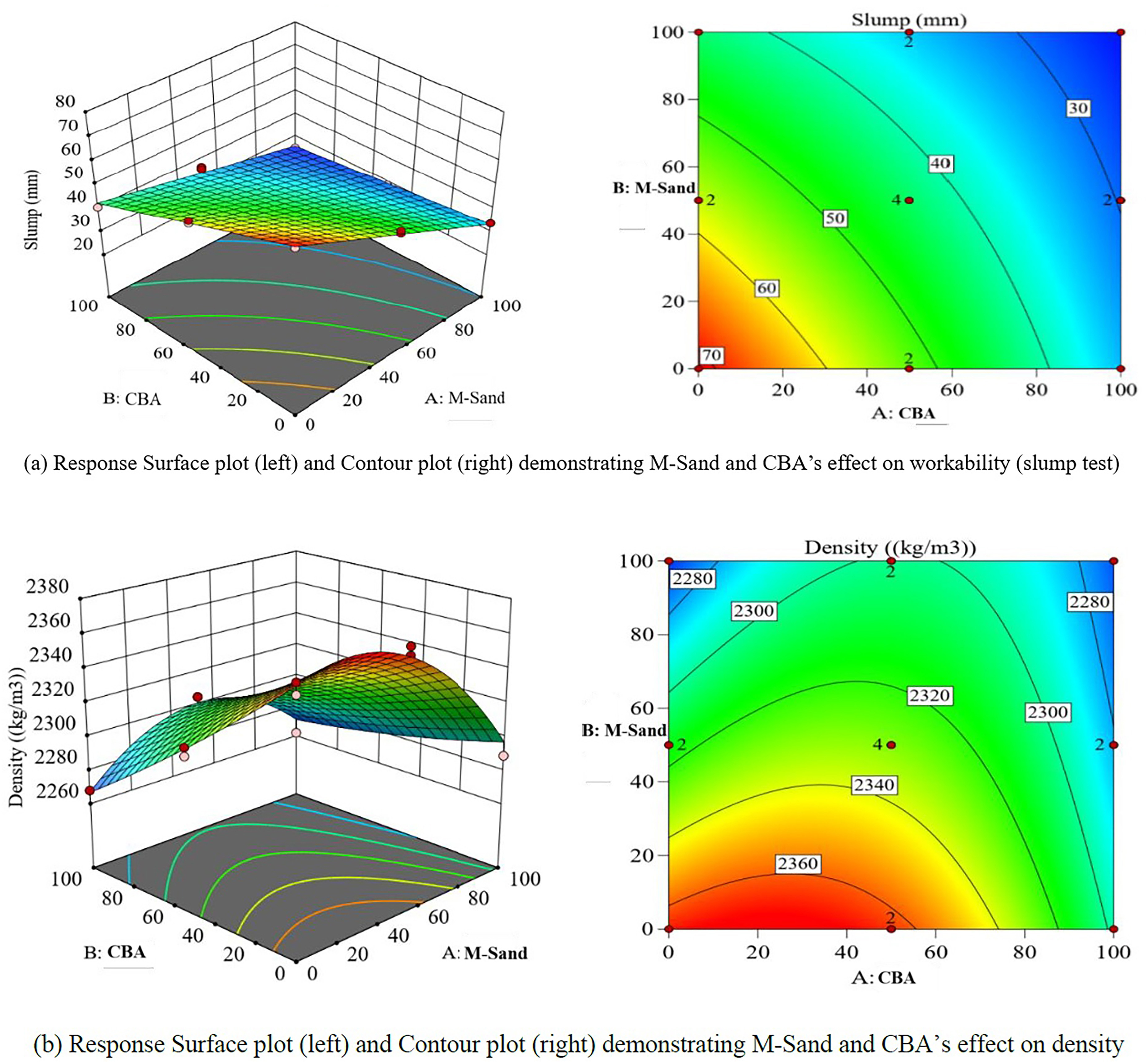
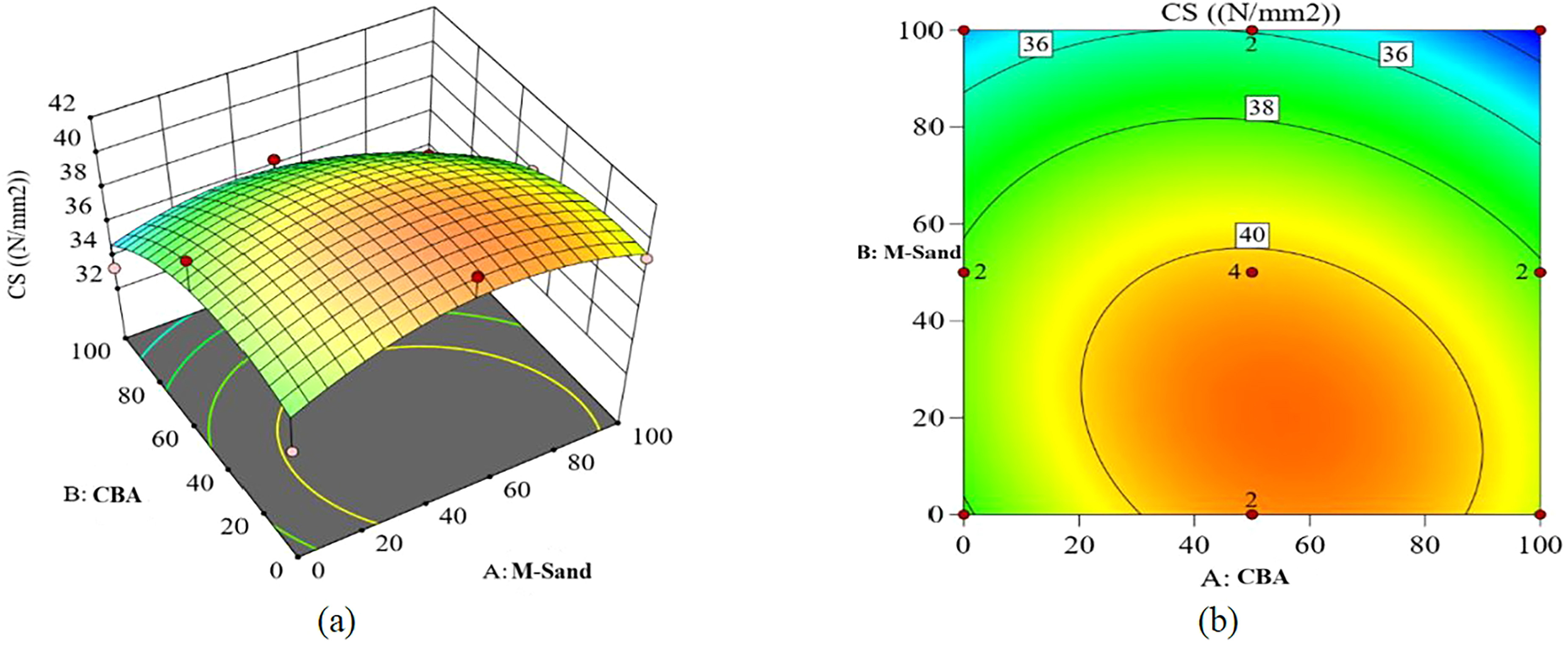
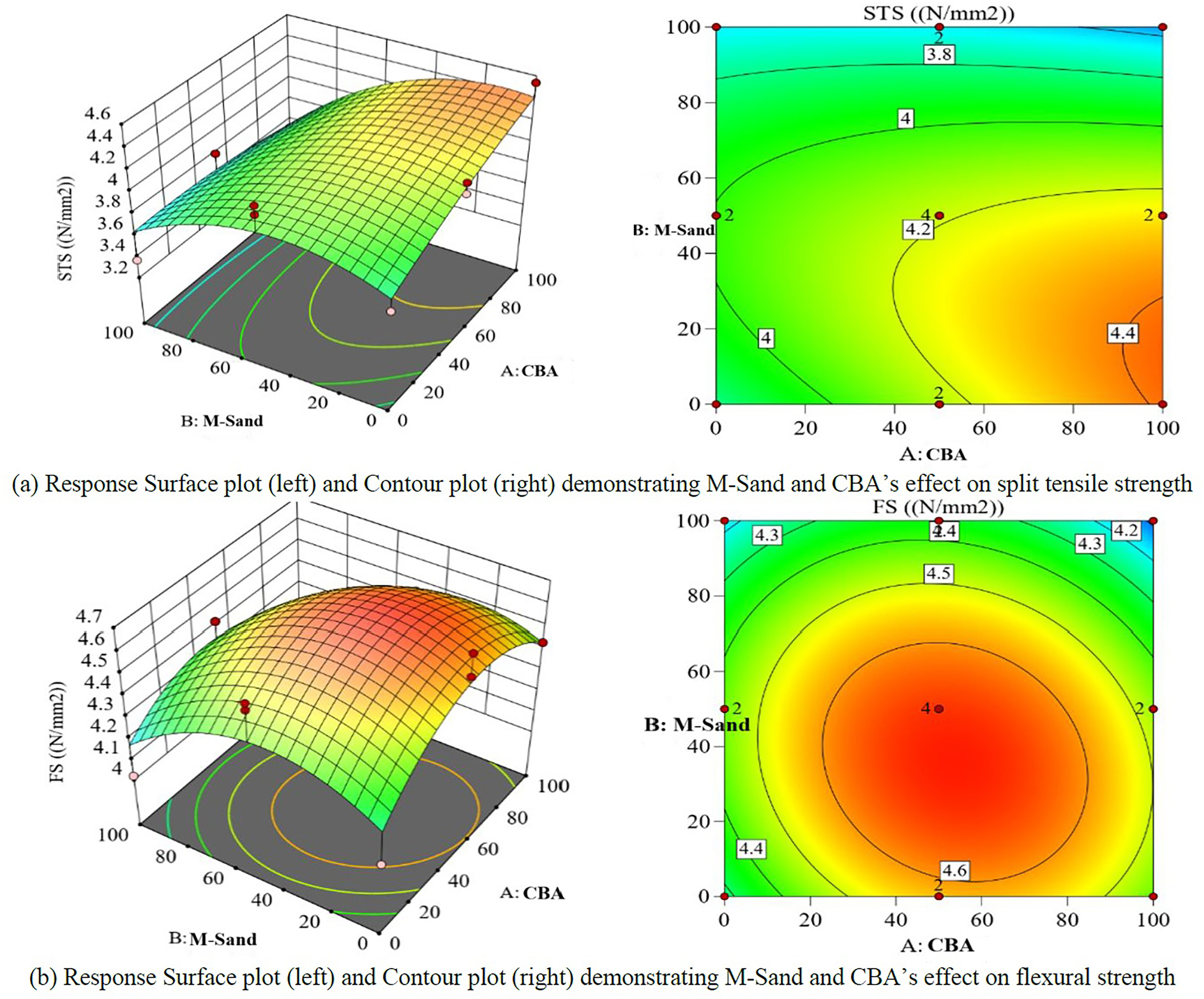
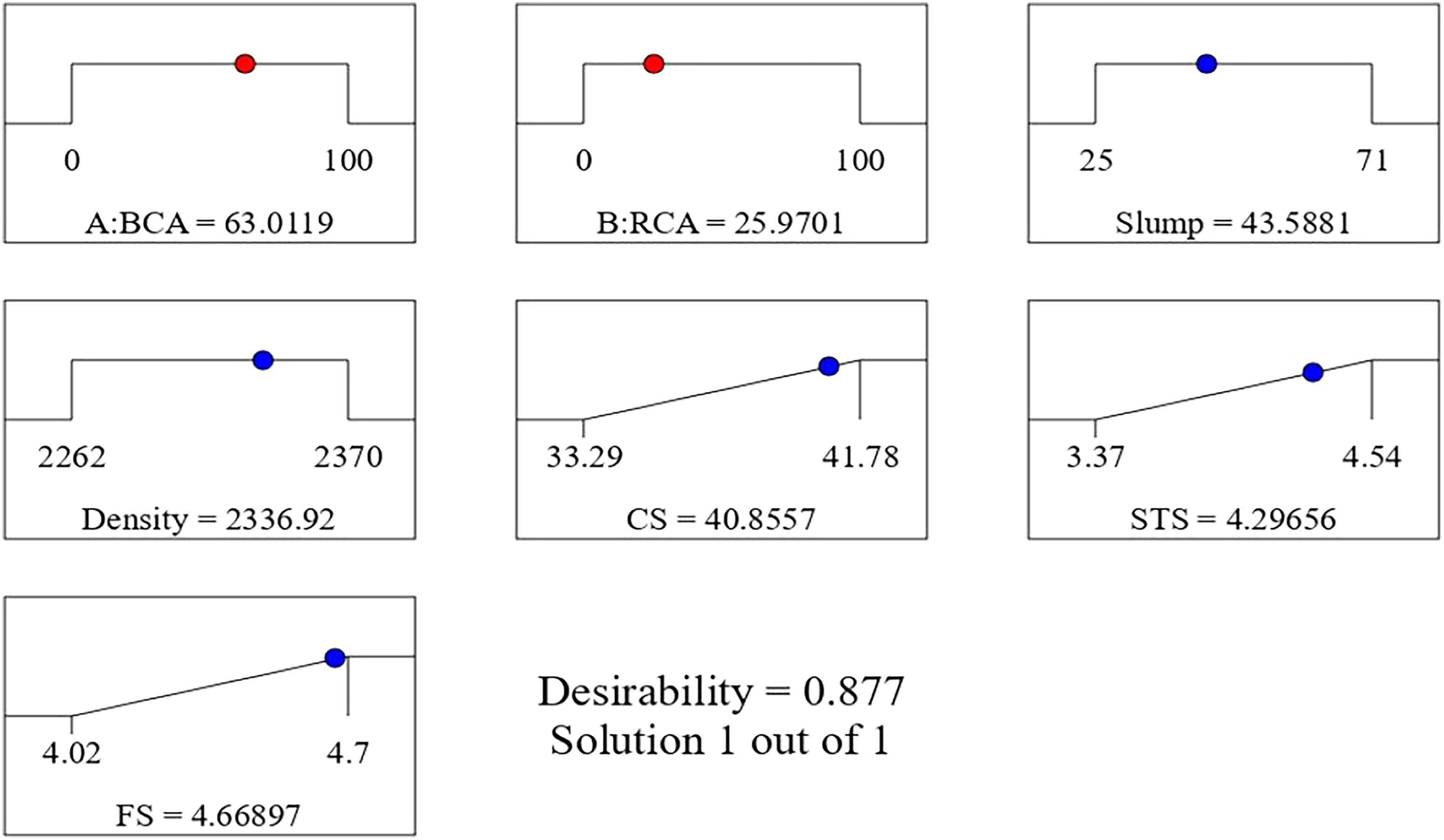
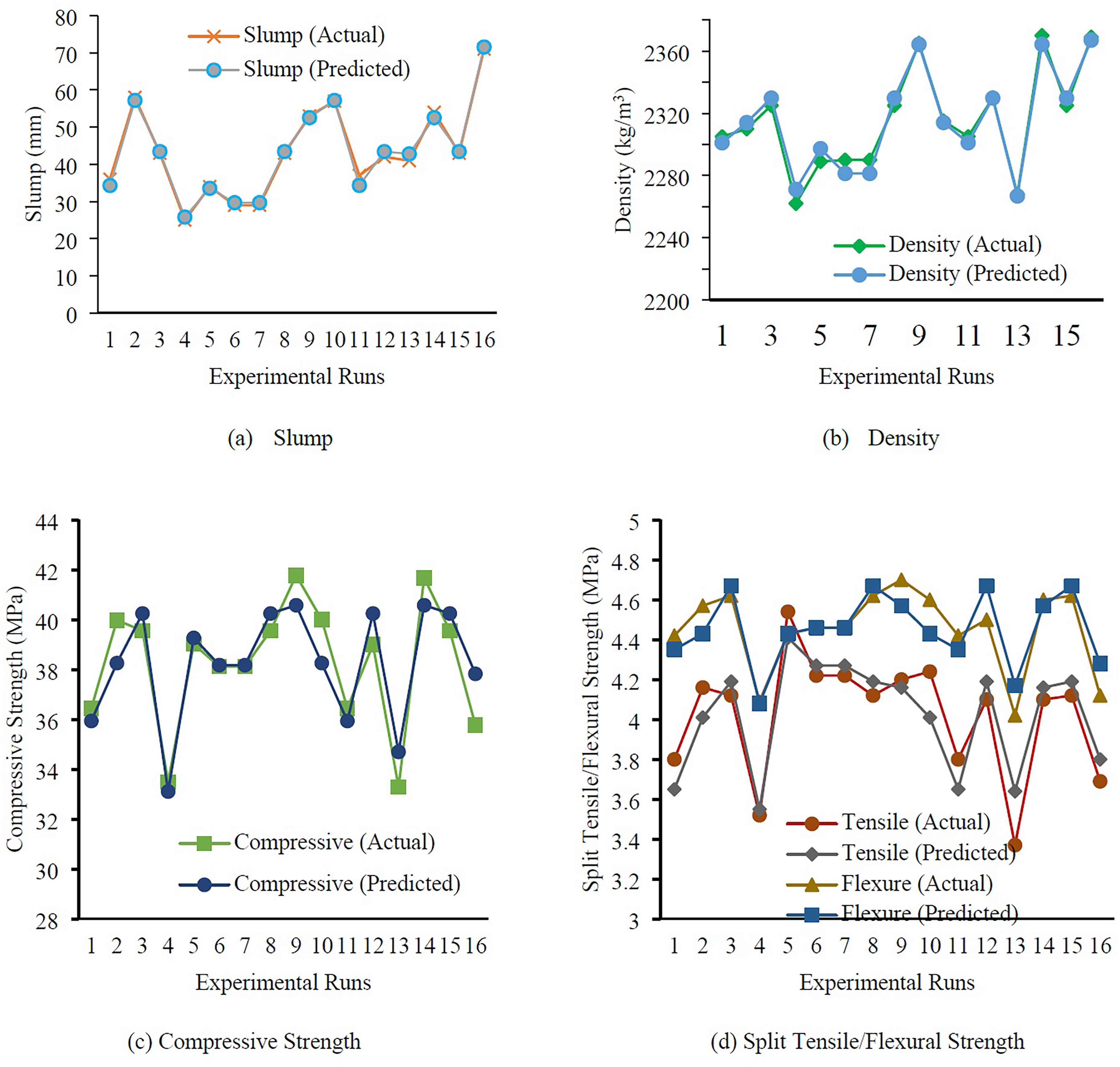
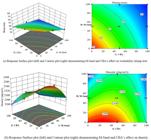
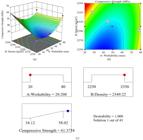
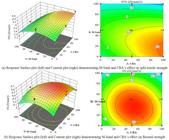
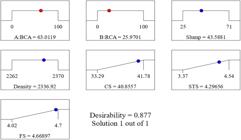
The transition toward sustainable construction necessitates the strategic reuse of demolition waste as a substitute for virgin aggregates. While environmental and economic benefits are clear, the challenge lies in the inferior mechanical properties typical of recycled materials compared to natural stone. This research addresses these limitations by exploring the synergy between Crushed Brick Aggregates (CBA) and Manufactured Sand (M-Sand). By optimizing these components, the study encourages denser matrix formation and improved interfacial bonding. The objective is to engineer a moderate-strength composite that balances environmental goals with structural requirements. Fresh and hardened state characterizations, specifically workability, density, and mechanical strengths, were conducted to assess the performance of the proposed concrete. The roles of CBA and M-Sand were scrutinized via experimental protocols and enhanced through statistical modelling. Mix optimization was achieved using RSM and CCD, with model reliability confirmed through ANOVA. The interaction of variables was graphically represented in 3D response surface plots, leading to the conclusion that a 40% CBA and 60% M-Sand configuration is optimal for cost-effectiveness and sustainability. Microstructural validation through thin-section analysis evidenced a robust aggregate–matrix bond, corroborating the measured mechanical improvements.
Keywords:
Manufactured Sand (M-Sand); Recycled construction waste; Response Surface Methodology; Sustainable development; Demolition waste.
 Thumbnail
 Thumbnail
 Thumbnail
 Thumbnail
 Thumbnail
 Thumbnail
 Thumbnail
 Thumbnail
 Thumbnail
 Thumbnail