 Sustainable concrete performance prediction using machine learning for mechanical and durability properties with Construction and Demolition waste
ABSTRACT
This research explored the use of Construction and Demolition (C&D) waste as a partial replacement for natural aggregates in concrete and its influence on fresh, mechanical, and durability properties. Results revealed that workability, slump, and setting time decreased with higher C&D content; however, slump showed only a 12% reduction at a 40% substitution rate, remaining within acceptable industry limits. Compressive strength experienced a minimal 4% decline at this level, still meeting construction standards. Durability properties showed some variation: water absorption doubled, sulfate resistance decreased by 27%, and chloride penetration increased by 15%. To predict these behaviors, four machine learning (ML) techniques—Support Vector Regression (SVR), Random Forest (RF), Artificial Neural Network (ANN), and XGBoost—were employed. Among them, the RF model demonstrated superior predictive accuracy for compressive strength, water absorption, and resistance parameters, achieving an R² value of 0.985. Overall, the study concludes that C&D waste can effectively replace natural aggregates without significantly compromising concrete performance. Moreover, integrating ML-based prediction models enables data-driven optimization of concrete mix designs, fostering the production of sustainable, high-performance, and durable concrete with reduced environmental impact. An equation-based numerical model was developed and validated with the experimental and machine learning methodologies to predict the mechanical properties of recycled aggregate concrete. The integrated approach shows the reliable prediction of strength and proof-of-concept for the suitability of recycled aggregates in sustainable concrete construction.
C&D waste; Recycled aggregate concrete; Compressive strength; Durability; Machine learning; Random Forest; XGBoost; Predictive modeling; Sustainable concrete
1. INTRODUCTION
The utilization of concrete in the building industry is so prevalent today primarily due to its outstanding features (such as long-term durability and high compressive strength) and its ability to be used with a variety of building techniques. The advantages of using concrete are numerous, however the disadvantages or problems connected by the usage of concrete have become increasingly important, especially relating to the use of resources in an environmentally sustainable manner and the impact that the use of these materials may have on the atmosphere. The building industry depends on a variety of natural resources like sand, gravel, and limestone etc., in order to create concrete. This means that as the demand for these materials grows, the amount of available natural resources also dwindles and the impact of environmental harm and waste products continue to grow. Cement, which is used in the creation of concrete, takes a large-scale undesirable result on the environment through the creation of the majority of the greenhouse gas discharges produced during the production of concrete. The International Energy Agency (IEA) reported that the cement industry produces approximately 7% of the worldwide green homes gas emissions, thereby contributive to weather change [1].
Concrete recycling offers one of the largest environmental issues to dispose of the large amounts of C&D waste produced from concrete manufacturing; most C&D waste is sent directly into landfills as whole materials in the form of material, brick, wood, metal and ceramics. Concrete recycling can also help decrease the amount of energy needed to extract virgin materials to produce new concrete and the amount of solid waste deposited in landfills. Concrete recycling can also provide another option for management of waste and provide a more environmentally friendly way to carry out the construction process.
The best way to resolve this significant environmental issue is to place C&D waste into the mixture for concrete. This is due to growing awareness of C&D waste, such as RCA (recycled aggregate concrete) as an alternative to natural aggregates when creating concrete, which has caused a large number of researchers to study how incorporating C&D waste, especially RCA, will effect on both the properties and composition of concrete. The study decided that the incorporation of C&D waste into concrete can reduce the requirement of virgin raw materials which will lead to a reduction of The effects on the environment associated with producing fresh materials for use in concrete construction [2, 3]. RAI and VYAS [4] demonstrated that C&D waste (in the form of recycled aggregate) can be used as an effective auxiliary for the traditional organic material in concrete without compromising the Concrete’s structural strength. The studies also demonstrated that C&D waste can offer significant durability when subjected to harsh environmental conditions including aggressive chemical attack from acids and sulfates [5].
Using C&D wastes to produce cement products is likely to allow for a number of environmental goals to be met [6]. Regarding environmental benefits, using C&D waste may help slow the rate at which landfills fill, and also help preserve natural resources. The use of natural gravels replaced by recycled gravels in producing cement-based products will result in cost reductions associated with construction projects by replacing natural material with lower-cost recycled materials. Furthermore, C&D waste recycling can assist with achieving some of the goals outlined in the UN’s Sustainable Development Goals (SDGs) such as Goal 12 to promote sustainable consumption and production patterns in both production and consumption processes. There is also potential for a reduction in the cost of transporting raw materials because the materials being recycled/processed are typically available from local sources [7].
Literature studies have taken place regarding how construction and demolition waste (C&D) is used to create concrete through the use of recycled materials. SIDDIQUE et al. [8] completed a study investigating the effects of using recovered aggregates when creating concrete. The findings from this research indicated that the usage of secondhand materials decreased the strength of the created material in comparison to the control (standard) type [9]. Similarly, SANTOS et al. [10], examined the mechanical features of the concrete formed with castoff crushed aggregate (RCA). In addition to finding the compressive strength of the concrete to decrease with an rise in RCA, they concluded that RCA can potentially be used for non-structural requests [6, 11]. Lastly, MEHTA and MONTEIRO [12] found that the usage of recycled resources can assist in enhancing the sustainability of concrete; however, the effectiveness of the use of the recycled materials will ultimately rely on the efficiency of the processing method [13]. As shown in Table 1, previous studies have primarily focused on predicting individual mechanical properties, whereas the present study integrates multi-output prediction of both mechanical and durability characteristics using advanced ensemble learning techniques.
Summary of previous studies on machine learning applications in recycled aggregate concrete.
While C&D waste has improved in some aspects; there are many obstacles that come into play when incorporating C&D waste into concrete. For example, the variable quality of C&D waste makes it uncertain whether the C&D waste is completely free from contaminants such as metals, plastics etc. Therefore, it is uncertain if each and every concrete product produced with C&D waste will be able to perform appropriately. Although utilizing C&D waste in construction practices can help decrease the eco-friendly impact of producing concrete; the overall outcome of using Waste from C&D on the long-standing durability of material under extreme weather environments remains unknown. It has been found that adding C&D waste to concrete can negatively affect the thermal expansion and shrinkage properties of concrete [17]. Thus, strict control over the properties of the C&D waste used to yield the concrete is necessary to ensure that the concrete will be effective in its intended application [17]. While many researchers have developed very successful projecting models for forecasting concrete assets using ML. Researchers have utilized similar types of predictive models such as ANN, RF, SVR etc., to forecast the mechanical properties of concretes produced with reclaimed materials. GÜNEYISI et al. [14], demonstrated that ML can be an accurate tool for forecasting the compressive strength of concrete produced from reclaimed aggregate and that it is probable to generate additional efficient, and more environmentally friendly designs using the large amounts of data available [15].
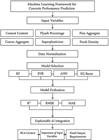
We are attempting to expand our knowledge base for C&D waste concrete by developing two of the primary characteristics of this type of material utilizing machine learning; specifically, the strength of the material as well as the ability of the material to endure extreme environmental conditions. This overall process we used to develop the basis for this study is displayed in Figure 1. What makes this a compelling area of study? The process we employ to create these products involves utilizing recycled construction materials that are combined into a mix of cement, water and sand, and we utilize machine learning to expect the fresh, hardened and strength characteristics of the end product including: compressive strength, water absorption, sulfate resistance and acid resistance. The unique feature of this project is that we are going to correlate the physical attributes of the product to its long-term durability so that we can provide better accuracy in our predictions.

Methodology for evaluating the use of Concrete with C&D waste with machine learning modeling.
The determination of this study is to evaluate the effects of the inclusion of Structure and Destruction (C&D) Unused on the mechanical assets and durability of concrete; also, to evaluate possible differences between workability, sulfate resistance, compressive strength, water absorption, tensile strength and chemical fight to acidic environments between C&D Waste Concrete and Traditional Concrete [18]. Thus, the ultimate purpose of this investigate project will be to create a predictive model using machine learning (ML), to estimate the durability and mechanical assets of C&D Waste Concrete. ultimate objective of this study will be to progress a system for utilizing C&D Waste as an aggregate replacement in creating sustainable concrete products by integrating experimental data and machine learning techniques to foster sustainability in the construction industry.
2. MATERIALS
Portland Cement – 53 Grade, IS 12269:2013 Standard [19] – has been utilized as a primary binding agent in this study. All OPC samples were obtained from a single shipment to ensure that all OPC samples had the same chemical composition and particle size distribution. The OPC 53 grade is utilized within Superior Concrete Performance mixes due to its advanced early age strengths besides shorter setting times compared to other OPC grades, which make it suitable for use in applications utilizing accelerated construction methods. Fine aggregate was utilized in the form of well-graded river sand, classified as Zone II according to the IS 383:2016 standard. Prior to drying and incorporation into the test specimens, the river sand was sieved to remove oversized particles. Additionally, sieve analyses were performed to confirm compliance with the required gradation specifications of the fine aggregate. A summary of the physical features of the fine aggregates is provided in Table 2.
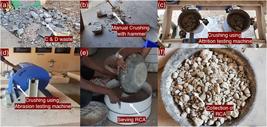
There were two different types of coarse aggregate that was utilized in this investigation. This included normal crumpled granite coarse aggregate (angular) ranging in size between 10 and 20 mm. In addition to this, Recycled Coarse Aggregate (RCA) produced from waste materials obtained during deconstruction of buildings and demolished structures were also studied. The source of the RCA was a local recycling facility which included various combinations of mortar, concrete, bricks, and tiles. Prior to processing and classification into coarse aggregate, pre-processing treatments using mechanical separation processes were applied, which included sorting, washing and sieving to separate impurities and adherent dust from the coarse aggregate. First the coarse aggregate is hand crushed, as shown in Figure 2. The coarse aggregate is subsequently crushed in an attrition test apparatus and an abrasion test apparatus for ten minutes. Finally, the coarse aggregate is sorted through a sieve and classified as recycled coarse aggregate.
To achieve an accurate state of condition for the SSD the coarse aggregates were pre-wetted before they were combined to recompense for their advanced absorption of water as shown in the IS 2386 (part 3): 1963 [14, 20], previous research. The proportion of Ordinary Coarse Aggregates replaced with Recycled Coarse Aggregates (RCA) by weight were 0%, 20%, 40%, 60%, 80%, and 100%, which are consistent with those used in several studies, allowing evaluation of the feasibility of use for the structure and sustainability of the material. Fly Ash (Class F), was utilized at 10% by mass of the whole binder to increase durability of the material over time and improve the performance of the mixture, similar to that achieved in previous studies using blended cements [21, 22]. The addition of PCE water reducing superplasticizers provided good workability of the concrete and provided good freeze/thaw durability performance improvements to the mixtures prepared with greater proportions of RCA compared to the other mixtures. The variation of cement from 0.8–1.2% by weight of the cement for all mixtures to produce the same slump is based on the requirements outlined in the IS 9103: 1999.
3. METHODS
3.1. Experimental program
3.1.1. Mix design
The six mixtures were produced to replace the NCA with construction and demolition (C&D) waste RCA for 0% (the control mixture); 20%; 40%; 60%; 80%; and 100% of NCA with RCA. The proportions of the individual components of each mixture were generated using a combination of both current standards (IS 10262:2019) and historical studies focused on the most effective ways to utilize various aggregates in concrete [23, 24] (as seen in Table 3).
3.1.2. Specimen preparation
The laboratory created various mixes of concrete using a 40-liter Pan Mixer. Initially, all dry materials (cement, fly ash, fine aggregate, both natural & recycled coarse aggregates) were combined for two minutes to create a uniform distribution of these dry components. After combining the dry materials, the necessary amounts of mixing water and Polycarboxylate Ether (PCE)-based superplasticizer were added together and gradually introduced to the thirsty materials. Subsequently, the remaining 3 minutes of wet mixing produced a uniform and workable concrete mixture. All of the mixes produced in this manner were then cast in steel molds to prepare them for mechanical and durability testing. In addition to producing standard-sized specimens, laboratory mixes were also cast into 150 mm cube specimens to determine compressive strengths via the IS 516:1959 specification. 100 mm in diameter × 200 mm in height cylindrical samplings were also produced to measure split tensile strengths via the IS 5816:1999 specification. Finally, prismatic beam samplings (100 mm × 100 mm × 500 mm) were produced to measure flexural strength values using third-point loading conditions as described within the IS 516:1959 specification. Each specimen was poured in two coats, and each coat was vibrated on a vibrating table to eliminate air pockets and provide adequate compaction. Immediately after casting, plastic sheeting was placed over all of the specimens to reduce excessive moisture loss prior to testing. Each specimen was removed from its mold after 24 hours of molding and placed into a curing tank containing potable the temperature of water is 27 ± 2°C pending the time of difficult, which depended upon the kind of test to be performed.
3.1.3. Testing procedures
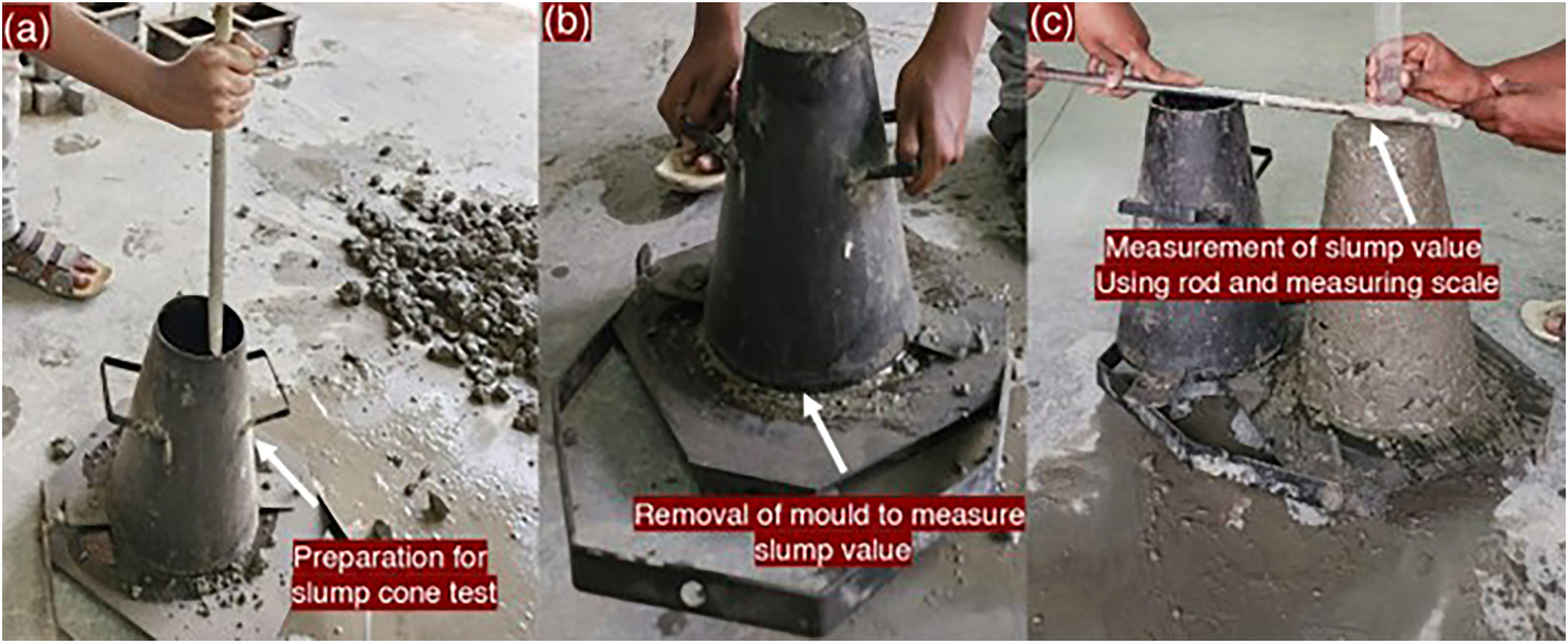
Evaluation of the fresh, hardened and durability characteristics of C&D waste added into the material mixture was included within the possibility of the research laboratory program. The fresh assets of each mixture were evaluated after mixing (immediately) to assess the fresh state properties of the mix and the initial setting time for all the mixes as illustrated in Figure 3.
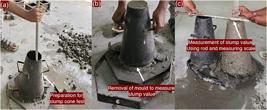
(a) Preparation for slump cone test, (b) removal of moulds, and (c) measurement of workability.
The mixture’s workability remained calculated via the slump test that conforms with the IS 1199:1959 standards [25]. The fresh density of the mixtures was derived from the mass-to-volume ratio of the freshly placed and compacted mixture. The primary and ultimate setting periods of the paste were obtained consuming the Vicat apparatus as per IS 4031 (part 5): 1988 standards [26]. The hardened mechanical properties of the cube, cylinder and prism samples were measured as a split tensile strength of the cylinders, compressive strength of the cubes after 28 days, and as a flexural strength of the prism beams under three-point loading as illustrated in Figure 4 to measure how well the material will deform when subjected to bending loads. For all tests, three models stayed verified for each mix and average results were described to establish a statistically valid base for comparisons.
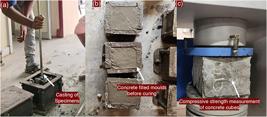
(a) Casting of Concrete specimens, (b) concrete placed in moulds before curing, and (c) concrete in compressive testing machine to determine the compressive strength.
Durability tests for the mixture combinations were performed using a 56-day water cure to evaluate the effects on the durability of the mixture combinations. Water absorption testing was done using ASTM C642 which measures the increase in weight of oven dried samples after being submerged in water [27]. Acid resistance testing was also performed by submerging cube specimens in 5% sulfuric acid (H2SO4) and assessing the specimens through their mass loss and the retained compressive strength to assess the extent of degradation caused by the acid. Sulfate resistance testing was performed by submerging the specimens in 5% sodium sulfate (Na2SO4) and assessing the extent of degradation from visual inspection and the retained strength of the samples after they were subjected to the sulfate environment. RCPT was conducted giving to ASTM C1202 to assess the degree of chloride ions penetrated into the specimens [28]. These tests allowed for an overall assessment of the durability of the tested mixtures under various environmental conditions.
3.2. Machine learning framework
The purpose was to create an association of reliability for the physical properties, i.e., water absorption, acid resistance, resistance to sulfate attacks, flexural strength, split tensile strength, compressive strength, and the ability of the chloride ions to penetrate from one side, by means of the curing conditions and fresh concrete and mix from the other side. In addition to that, as shown in Figure 5, the components of the process of the machine learning strategy have a similarity with the present interest in the field of optimization of concrete and prediction of the outcome of its performance [29, 30].
3.2.1. Dataset formation
All experimental data that are utilized in the growth of the model are based upon the experimental assessment outcomes for six different substitution percentages of RCA (0%, 20%, 40%, 60%, 80%, 100%) that are tested to estimate the routine of the concrete mixes. Each concrete mix has input data for the following features: Ratio of cement to fly ash; ratio of water; amount of each type of aggregate in a mix; amount of superplasticizer in the mix; the slump value for each mix; and the weight of each fresh concrete mix per cubic meter. The outputs of the models include water absorption (%) residual strength after acid and sulfate attack (%), flexural strength (MPa), split tensile strength (MPa), compressive strength (MPa); and chloride ion permeability (Coulombs). All of the data points represented the combination of materials and test results; thus, they can be used to develop supervised learning models. Therefore, a Min-Max scaling technique was first applied to each of the numerical features, to prevent the magnitude of each variable from having an effect on the model [31, 32]. Techniques to treat missing and/or abnormal values were developed by testing additional test results, and subsequently, utilizing appropriate techniques to deal with the data. The Water/Cement Ratio (w/c) was held constant across all mixtures tested. Adjustments to the workability of each mixture were made through varying amounts of Super Plasticizers, with no variation in total Water Content. Thus, w/c is not included as a separate input variable into our Machine Learning Model.
3.2.2. Model selection and justification
The reason for choosing XGBoost, RFR, SVR, and ANN is because of their ability to be based upon decision trees with the advantage being that they can explain how they arrive at a particular prediction, allow for non- linear relationships to be included in the model and be able to perform well computationally. These models were created in Python using the scikit-learn library and XGBoost library and used a grouping of a Grid Search and Five-Fold Cross Justification to enhance hyperparameters. In addition to hyperparameter optimization, Statistical Measures, including R2, (MAE) and (RMSE) were used to regulate which model produced the best predictions. The Statistical Measures were compared between the training set and test sets in directive to compare the ability of each model to generate generalizable results to new data. The optimal hyperparameters for each machine learning model were determined using Grid Search combined with five-fold cross-validation. The finalized parameters used in the study are summarized in Table 4. These optimized hyperparameters ensured improved model generalization and minimized prediction error, contributing to the superior performance of the Random Forest model.
3.2.3. Multi-output regression strategy
Since a large number of the same types of performance indicators needed to be forecasted; an approach to multi-output regression was used by this model. Using this multi-output method allows the model to identify any relationships between all the output variables (e.g., in terms of strength - whether it is flexural or compressive mode) thereby reducing computational power. Although both Random Forest and XGBoost have a built-in multi-output function; both SVR and ANN had to process the individual outputs individually; then combine them post-training of the individual regressors [33].
3.2.4. Model evaluation and validation
The models needed to function with new data, so all the data was split in half; the portion that was utilized for development represented 80% of the data while the remaining 20% represented the test data. In addition to providing assurance the trained models would operate effectively on new data and to assist in preventing the occurrence of overfitting, cross validation was conducted on the data the models were developed from. Cross-validation breaks down the training data into five equal sized sets. For four of the five sets, they are utilized for the model’s development, and for the fifth set, it is reserved as the validation set. This process is repeated for every set. As a result, there will be five different iterations of this procedure, and the average of those iterations will provide an accurate representation of how effective the model operates.
The three main statistical measures used to measure the models’ performance are: R2, RMSE, and MAE. R2 indicates how much of the variance in the value of the target variable that the typical explains, and greater the value of R2, the restored the model performs compared to real observations; whereas low R2 values indicate poor performance from the model to predict accurately. RMSE represents the average error made by the model and, like R2, will consider the impact of outlier values (or extreme values) in the data. RMSE is beneficial as an easy way to evaluate the average variance between predicted and actual standards in your dataset. Consequently, a right model should exhibit a high R2 and low RMSE and MAE values for the test and train datasets.
3.2.5. Explainable AI integration
SHAP values represent the contribution of each input feature to the model prediction, where positive values indicate an increase in the predicted output and negative values indicate a decrease. To gain a clearer understanding of how well the models performed, the authors used the Shapley Additive Explanations process to calculate the SHAP values for their top performing models. In using SHAP, the authors determined how much each of the individual input parameters into the model (RCA content; water-to-cement ratio) affected the model’s ability to predict if the cement would be able to resist compression or sulfate attack [12, 34]. The reasoning behind a model’s decision, as well as the model’s accuracy of that decision is similarly important to engineers when they make decisions based on predictive results.
3.3. Numerical analysis methodology
3.3.1. Objective of numerical modeling
The numerical analysis was pursued to conceptualize an equation-based predictive framework with the ability to simulate the mechanical response of the concrete when using Construction and Demolition (C&D) waste-based recycled coarse aggregate (RCA). The main goal of this numerical approach is to determine a mechanistic relation between RCA content and resulting stress-strain behaviour, stiffness deterioration and strength reduction obtained experimentally. The numerical model is also an effective complementary tool to the experimental and machine learning analyses because it provides physics-based insight in the material behaviour.
3.3.2. Modeling assumptions
For the purpose of simplifying the numerical formulation while maintaining the physical relevance the following assumptions were adopted: Concrete is considered to be a homogeneous, isotropic, continuum material at the macro-scale. The effect of recycled concrete aggregate (RCA) is considered in the form of material parameters modifications instead of having to explicitly model the individual aggregates. Small strain theory is assumed, and phenomena such changes with time like creep and shrinkage are ignored. Perfect bonding between the recycled aggregate and the cement matrix is assumed, while the degradation of the interfacial transition zone (ITZ) is indirectly modeled by a reduction of elastic and strength parameters.
3.3.3. Constitutive stress–strain relationship
The uniaxial compressive behavior of RCA concrete was characterized by using a nonlinear stress/strain formulation in which the ascending branch represents elastic and strain-hardening behavior, while the descending branch represents post peak softening caused by microcracking and damage accumulation.
The elastic response is determined by Hooke’s law: σ = Ec ε
where σ is stress, ε is strain, and Ec is the elastic modulus of concrete.
The elastic modulus is modified as a function of RCA replacement ratio to account for increased porosity and weaker ITZ: Ec = E0 (1 − αR)
Where E0 is the elastic modulus of control concrete, R is the RCA replacement ratio (0–1), and α is a degradation coefficient obtained from experimental calibration.
3.3.4. Damage-based softening model
In order to simulate the stiffness degradation beyond the elastic range, a scalar damage variable D, was introduced. The idea of effective stress was adopted, in which the damage to the material reduces the load-bearing capacity:
The damage variable evolves as a function of strain:
Where ε0 is the strain corresponding to peak compressive strength.
This formulation enables progressive stiffness loss and captures the brittle behavior observed in high-RCA concrete mixes.
3.3.5. Strength degradation with RCA content
The compressive strength of RCA concrete was numerically expressed using a reduction function calibrated from experimental results:
where fc, R is the compressive strength at RCA ratio R, fc,0 is the compressive strength of control concrete, β and n are empirical coefficients determined through regression fitting.
This formulation accounts for the nonlinear reduction in strength observed at higher RCA replacement levels.
3.3.6. Tensile and flexural strength representation
Split tensile and flexural strengths were estimated using proportional relationships derived from compressive strength:
where ft is split tensile strength, ff is flexural strength, and kt, kf are empirical constants adjusted for RCA content.
These relationships allow the numerical model to predict multiple mechanical properties using a unified framework.
3.3.7. Numerical solution strategy
The governing equations were solved incrementally for monotonic loading conditions. Strain was applied in small increments and the corresponding stresses were calculated through the use of the constitutive equations and damage equations. At each increment, the stiffness of the material was modified according to the progressive evolution of the damage variable, thus allowing to simulate the nonlinear behavior up to the failure.
3.3.8. Model calibration and validation
Material parameters like the elastic modulus, the peak strain, damage coefficients and strength reduction constants were calibrated from experimental data from compressive, split tensile and flexural tests. Model validation was performed by comparison of numerical predictions and experimental results in terms of peak strength, stiffness, and the overall stress-strain response. Statistical error indicators were used to test the accuracy of the predictions. The empirical constants used in the numerical model were calibrated using regression analysis of the experimental results. The finalized values are presented in Table 5.
3.3.9. Scope of numerical model
The developed numerical framework provides an efficient yet simplified method of predicting the mechanical behavior of recycled aggregate concrete. Although the model majorly focuses on the mechanical performance, the formulation is open to extension with regards to durability-related attributes by incorporating the transport and degradation equations in future studies.
4. RESULTS AND DISCUSSIONS
4.1. Fresh properties
In order to better comprehend what was going on inside of the models at a deeper level, we utilized the Shapley Additive Explanation (SHAP) methodology to establish how the various parameters, such as the RCA (recycled concrete aggregate), water-to-cement ratio etc. impacted whether the model predicted that the cement had sufficient resistance to either compressive strength or sulfuric acid attack [35, 36]. Additionally, to obtaining accurate predictions, the engineers want to know the rationale for the model’s predictions.
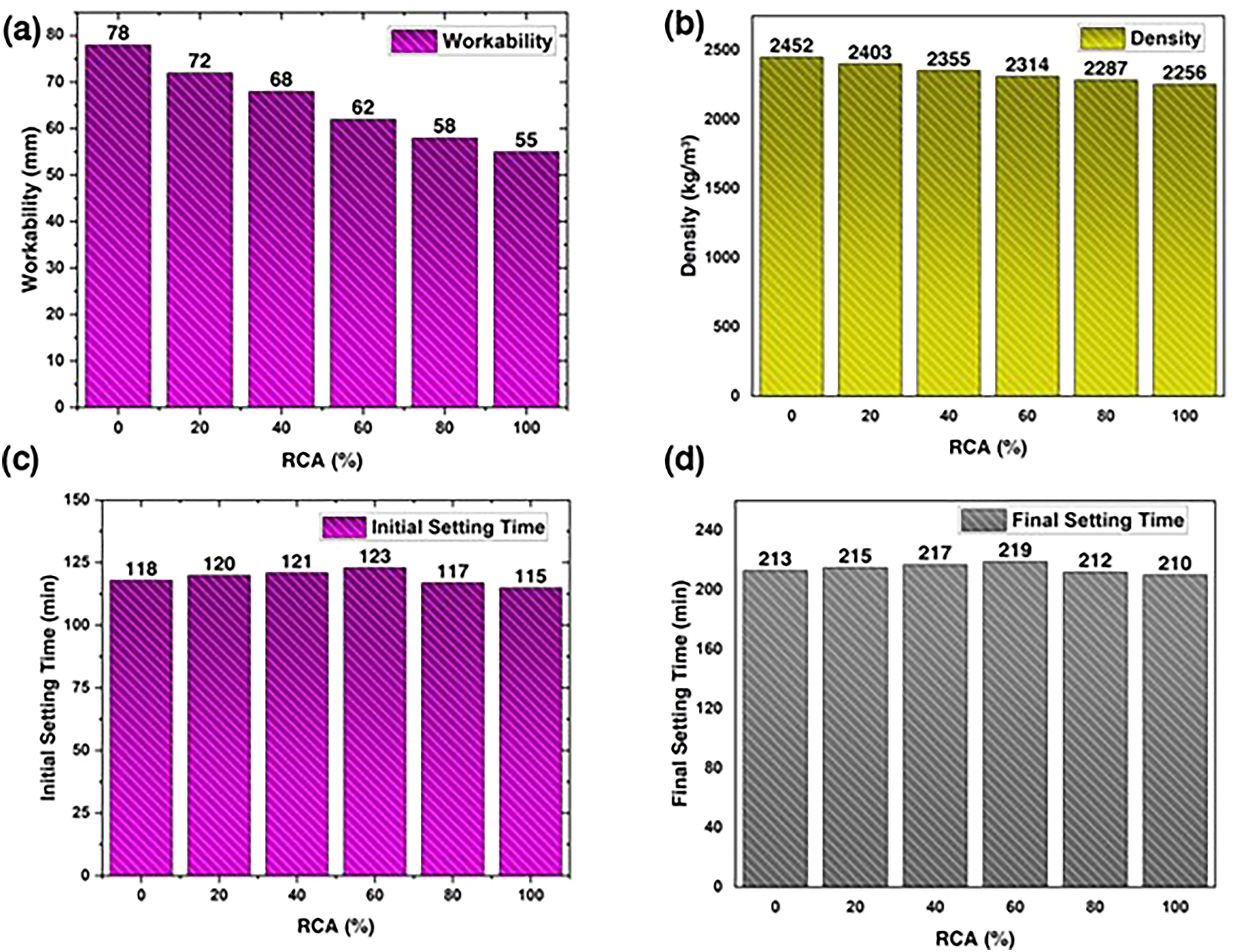
Additionally, Figure 6b shows a trend related to the renewed thickness of the concrete mixtures which established that as the perent of RCA improved, the fresh density of the mixtures decreased. The Control Mixture had a fresh density of 2452 kg/m3. A mix with 20% RCA had a fresh density of 2403 kg/m3. A mix with 40% RCA had a further reduction to a fresh density of 2355 kg/m3. A higher percentage of RCA (60%, 80%, and 100%), resulted in a continued decrease in fresh density (2314 kg/m3, 2287 kg/m3, and 2256 kg/m3, respectively). This is directly associated with the lesser specific gravity of RCA (1.899) compared to that of natural coarse aggregate (2.216) as illustrated in Table 6. It has been documented in previous research that the use of cast-off aggregate, and all the characteristics associated with it such as porosity, and the occurrence of mortar attached to the aggregate, will produce a lighter weight product than if virgin materials were used. Additionally, the decrease in fresh density may contribute to improved thermal insulation, and possibly increased energy efficiency of the concrete in non-structural applications due to the lighter weight [4, 37].

Effect of RCA replacement on (a) Workability of concrete, (b) Density of concrete, (c) Early setting time of concrete and (d) Ultimate setting time of concrete.
As shown in Figures 6c and 6d, the control mixture had a primary set time of 118 minutes, and a ultimate set time of 213 minutes; both values are within the acceptable limits as stated by IS for OPC 53 based concrete. As seen in the results there were very minor variations in the setting times of the RCA mixes because of using the same type of cement, and controlled additions of the fly ash at 10% of the binder mass. For the early setting period of each mixture, it ranged from 115 minutes to 123 minutes, and the ultimate setting period of each mixture ranged from 210 minutes to 219 minutes for all replacement levels. Fly ash is known to have both pozzolanic and filler properties, which can result in slight delays in setting times; However, the high C3A and C3S content of OPC 53 will counteract the consequence of the fly ash on the set periods of the mixtures and maintain setting times that are within the limits of IS. This data is in agreement with that of REN et al. [38], showing that moderate amounts of fly ash, along with PCE-based superplasticizers, did not significantly impact the setting kinetics of the blended systems [39].
4.2. Hardened properties
4.2.1. Compressive strength
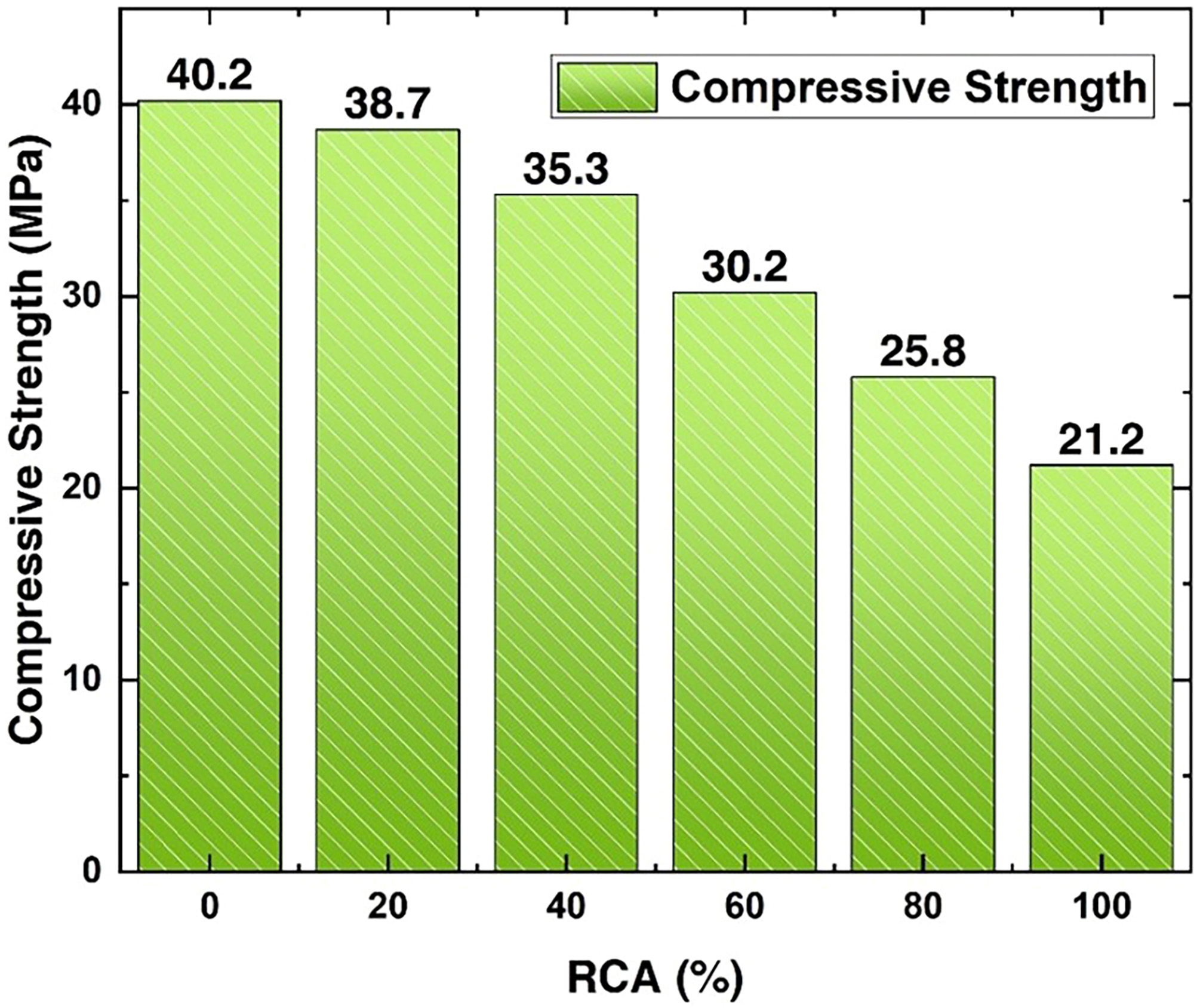
A general downward trend in the compressive strength of the mixes at 28 days is seen in Figure 7 as the proportion of RCA increases. The 40.2 MPa compressive asset of the resistor mix (0% RCA) was surpassed by the 38.7 MPa and 35.3 MPa compressive strengths of the 20% and 40% RCA mixes, respectively. The compressive strengths of these three mixes were within the acceptable limits for structural concrete established in IS 456:2000. However, there were significant differences between the compressive strengths of the combinations made with 60%, 80%, and 100% RCA. A compressive strength of 30.2 MPa was achieved using 60% RCA, while the compressive strengths of the 80% and 100% RCA mixes were 25.8 MPa and 21.2 MPa, respectively. In total, the compressive strength of all of the mixes that included RCA was reduced by about 47% compared to the compressive strength of the control mix. This reduction may be attributed to the mentioned properties of RCA such as poor quality of the ITZ, high porosity, and microcracking in the adhered mortar.

The total volume of fly ash within each of the mixtures reduced with increasing levels of recycled aggregate (RCA) within the mixture, however it was shown that mixes containing RCA at ratios of 10%, 20%, 30%, and 40% had sufficient compressive strength to be used for most standard structural applications. It is believed that a further reduction in early age loss of compressive strength may have been achieved by incorporating 10% Class F fly ash as an supplementary cement replacement through its ability to increase the density of the matrix of hardened cement paste via pozzolanic reaction [10, 38, 39]. The findings of this study confirm previous studies showing that recycled gravel can be applied as a viable partial substitution for normal aggregate without compromising the structural integrity of concrete.
4.2.2. Split tensile strength
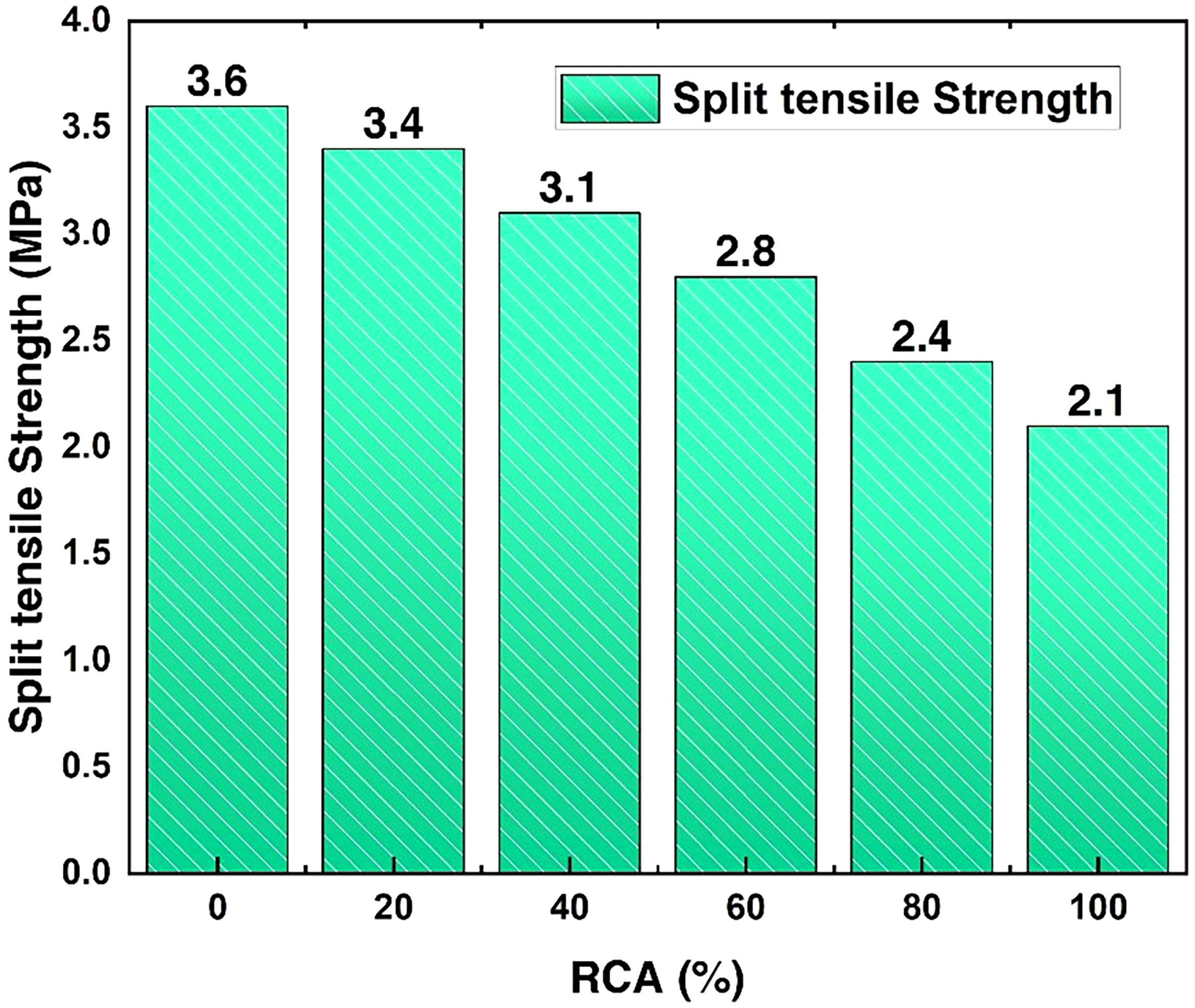
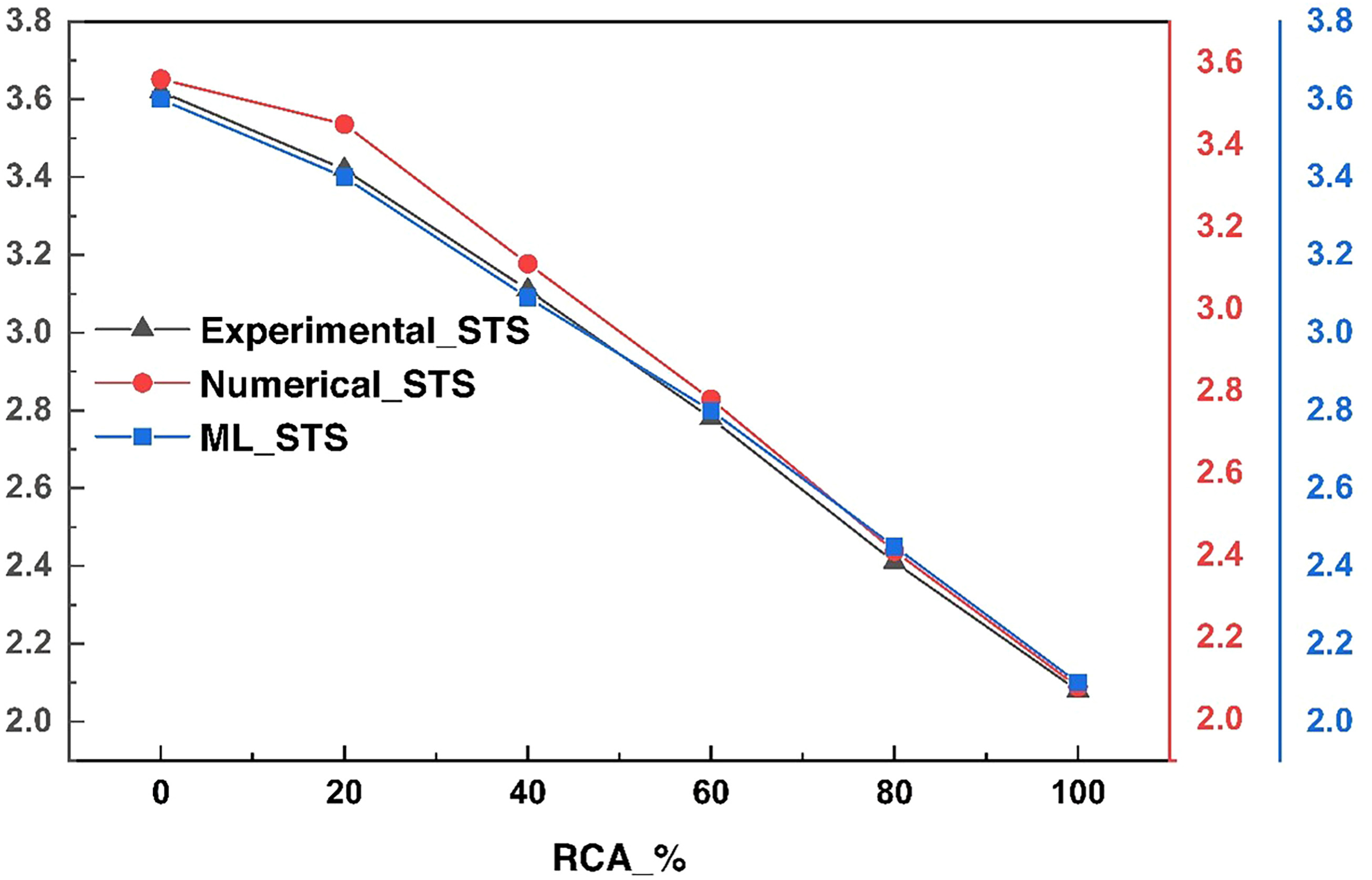
As shown in the results of Figure 8, there is a direct relationship between a rise in the amount of RCA in the mix and a corresponding decrease in the split tensile strength. This is like to what was found in relation to the compressive strength. The maximum tensile strength was found in the control mix containing 100% virgin aggregate and no RCA. The tensile strength for the mixes containing 20% and 40% RCA were somewhat less than this and reached 3.42 MPa and 3.11 MPa, respectively. A greater damage in tensile strength was seen when the percentage of RCA in the mix increased beyond these values. The tensile strength for the mixes using 60%, 80% and 100% RCA were all significantly lower than the tensile strengths for the mixes using 0%, 20% or 40% RCA and were 2.78 MPa, 2.41 MPa, and 2.08 MPa, respectively.

Decreases in tensile strength have been found to be the result of a poor connection between the previously bonded old mortar and the new cement paste used to bind together the recycled aggregate concrete, and the additional porosity and increased micro-crack potential in the recycled aggregate that results in a lower efficiency of transferring tensile stresses through the matrix [40]. The problems associated with the interfacial transition zone are also directly linked to the earlier initiation and progression of cracks from tensile loads. Although the tensile capacity of mixes containing 0-40% RCA was shown to be equivalent to at least 85% of that of the control mix, this indicates that these mixes can likely support low-to-moderate structural use. The incorporation of 10% fly ash may also have improved the quality of the ITZ, and therefore aided in the redistributing tensile stresses as documented by LIU et al. [31], and GAO et al. [13] in studies using blended cements and properly processed RCA [8, 41].
4.2.3. Flexural strength
Results from the flexural tests as well as the flexural behavior of the different mixes containing varying percentages of Recycled Coarse Aggregate (RCA) as exposed in Figure 9 indicate that as the percentage of RCA within the various mixes increases, so does the likelihood of the mixes experiencing premature failure when subjected to flexural stresses. The control mix that consisted entirely of natural coarse aggregate had a supreme flexural strength of 5.12 MPa. A slightly lower flexural strength of 4.85 MPa was measured for the mix with 20% RCA, but a significantly lower strength of 4.38 MPa was measured for the mix with 40% RCA. Flexural strength continued to decrease as the amount of RCA increased, such that a flexural strength of 3.91 MPa was measured for the 60% RCA mix, a flexural strength of 3.41 MPa was measured for the 80% RCA mix, and the lowest flexural strength of 2.96 MPa was measured for the mix that consisted entirely of RCA. Surface flaw/microcrack sensitivity is one of the major differences between flexural strength and compressive/tensile strength. Compressive and tensile strength are primarily dependent on the overall characteristics of the bulk material, whereas flexural strength is primarily dependent on the existence of surface flaws and microcracks, particularly those existing on the tension surface of a beam. Therefore, since RCA may be characterized by irregularly shaped RCA particles and a higher degree of porosity than natural aggregate, an RCA mix may have a number of microcracked zones of old mortar, and other areas of high porosity that would increase the amount of high-stress concentration areas throughout the beam. These high-stress concentrations can result in early crack initiation and propagation [42, 43]. Therefore, this would result in an even greater rate of decrease of the flexural strength of the material combinations with growing RCA content.

Additionally, the composite properties of the RCA (brick, tile, old cement paste), may also restrict the transfer of stresses through the material under bending and create discontinuities within the cross section; however, the data suggests that even at a maximum of 40% replacement of RCA, the specimens maintained an average flexural strength of over 4 MPa and therefore demonstrated its suitability to low-to-moderate bending applications. The addition of 10% fly ash also enabled a better micro-arrangement of the material thereby enabling improved mechanical bonding and mechanical interlocking of the ITZ to counteract some of the negative effects connected with the use of RCA [44].
4.3. Durability presentation
4.3.1. Water absorption
The 0% RCA control mixture as depicted in Figure 10 exhibited an absorption rate of 2.12% and indicated it had a dense micro-structure. As such, the absorption rates of the 20% RCA, 40% RCA and 60% RCA mixtures were 2.49%, 2.87%, and 3.26% respectively. The absorption rate of the 80% RCA and 100% RCA mixtures was 3.78% and 4.29% respectively. These results reflect the inherent pore volume of the RCA made up of previous adhesion mortars and existing micro voids that provide a mechanism for water to be absorbed by capillary action and retained within the pores of the RCA. in addition to the inherent pore volume of the RCA, the irregularities present on the surface of the RCA and its roughness will further create additional interfacial micro-cracks throughout the matrix of the concrete which will serve to reduce its resistance to water intrusion [45].

The increased absorption observed within this study illustrates a decrease in overall life expectancy due to higher quantities of RCA, while at the same time; the inclusion of up to 40% of RCA into each mixture was well under the 3% threshold, which is considered typical of most building construction projects [46]. Also, the incorporation of Fly Ash into these mixtures seemed to counteract the increased absorption from RCA through the creation of smaller pores by secondary hydration reactions and, as such, improved durability typically found in Blended Cement Systems.
4.3.2. Acid and sulphate resistance
The residual compressive strength in progressively lower percentages was measured as the amount of recycled content increased after acid exposure. As shown in Figure 11, the control mix had 92.8% of its original strength remaining. However, as the RCA levels increased, so did the loss in resistance. At higher RCA levels, residual strengths were significantly reduced to 78.6%, 71.3%, and 66.5% for the 60%, 80% and 100% mixes, respectively. The performance degradation is a result of the old adhered mortar containing calcium hydroxide (Ca(OH)2) being highly susceptible to acids which rapidly react to form soluble products. These reactions lead to surface erosion and microstructural weakening [24]. Although fly ash improved matrix densification, it was unable to compensate fully at the higher RCA levels.

There was also a reduction in the amount of strength damage due to sulfate attack on the specimens. The control had 94.3% of its unique compressive strength at 28 days. The 100% RCA samples had 68.9% of their initial compressive strength at 28 days. Generally, the remaining RCA mixes had some degree of strength loss as follows (in order of increasing percentage): 20% and 40% RCA were 91.1% and 85.8%, respectively; 60% and 80% RCA were 80.5% and 74.0%, respectively. When sulfate attacks occur within the concrete matrix it causes expansive products (like gypsum and ettringite) to form in the matrix which can damage the matrix. Secondhand aggregates have superior porosity than ordinary aggregates and therefore have less strength in the Interfacial Transition Zone (ITZ), therefore they will tend to take up more sulfate ions and will tend to develop higher internal stresses within the aggregate leading to cracking. The data obtained are consistent with previous studies that indicate there is a relationship between the increased percentage of secondhand aggregates in a mix and the increased susceptibility of the mix to sulfate-induced degradation. Although the chemically resistant properties of the mixes decreased significantly, all of the mixes made from 0 to 40% RCA retained more than 80% of their original compressive strength in both acidic and sulfurous environments; therefore, these mixes may have the potential to be used in mildly aggressive environments when combined with pozzolanic additives (such as fly ash).
The observed decrease in acid and sulfuric acid-resistant properties can be attributed to the chemical degradation of calcium hydroxide and an increase in porosity in recycled aggregate concrete. These characteristics are also reflected in the random forest modeling results that indicate the percent RCA is the most important input variable when determining how well the RCA performs in terms of the durability related outputs. When there is higher percentage of RCA there is typically greater interconnectedness of pores and weaker interfaces at the transitional zone resulting in faster chemical attacks on the cement paste; thus, relating what has been experimentally measured to the random forest model predictions.
4.3.3. Chloride ion penetration
There was a clear association between rising Charge Passed and increasing RCA as shown in Figure 12. The Control Mix (0% RCA) had a Charge of 1480 Coulombs, indicating that it was classified as having Low Permeability based on the ASTM C1202 [28]. Charges of 1725 and 1968 Coulombs were measured at 20% and 40% RCA, respectively; these charges indicate that the permeabilities of the conventional reinforced concretes were acceptable. Significant increases in Charge Passed occurred when there were high replacement levels of RCA (e.g., 2347 Coulombs at 60%, 2768 Coulombs at 80% and 3190 Coulombs at 100%), with each of these values indicating moderate to high permeability as a result of the relatively higher porosity of the micro-structural properties of RCA Concrete. The increased connectivity of the capillary pore networks in RCA concrete, along with its highest Water Absorption Capacity and weak (ITZs) caused by Old Sticky Mortar and Micro-Cracking, were the primary causes of this phenomenon [47, 48].

Fly Ash, both a micro-filler and a pozzolanic material, may have assisted in maintaining the relatively low permeability of the lower RCA mixtures through its assistance in creating secondary hydration products and reducing pore interconnectivity; although this was a favorable attribute as shown by previous research documenting that blended cements reduced resistance to chloride penetration in RCA concretes. It is clear that as the percentage of RCA increases in the concrete, there will be a corresponding reduction in the confrontation of the concrete to chloride; however, the permeability of the concrete with up to 40% RCA should be adequate for structural purposes under mildly to moderately aggressive exposure environments.
4.4. Predicting mechanical and durability properties using ML
4.4.1. Experimental dataset
The experimental study utilized six different combinations of secondhand coarse aggregate (RCA) based on the percentage of RCA substitution (0% – 100%). A number of input characteristics (cement content; fly ash %; proportion of aggregates; dosage of superplasticizer; slump; and fresh density) and output characteristics (mechanical - compressive, tensile split, and flexural strength; durability – water absorption; acid/sulfate resistance; and chloride permeability) for each mix design were used to train the machine learning model as shown in Figure 13. Laboratory testing was conducted to determine the values (i.e., they are experimentally derived) of all the values utilized, thereby ensuring both real world applicability and consistency. Moreover, it should be noted that as the percent of RCA in the mix designs increased, there was a corresponding decrease in mechanical strength across all of the studied strength parameters. For example, the 28-day compressive strength of the mixes containing 0% RCA was 40.2 MPa while those containing 100% RCA was 21.2 MPa; the split tensile strengths for the 0% and 100% RCA mixes were 3.62 MPa and 2.08 MPa respectively; and the 28-day flexural strengths for the 0% and 100% RCA mixes were 5.12 MPa and 2.96 MPa, respectively. These outcomes are reliable with previous studies demonstrating the degradation of the interfacial bond between the aggregate and paste phases and an increase in porosity in recycled aggregate concrete resulting from the presence of sticky mortar and micro-cracking in the RCA.
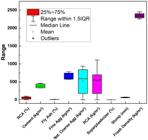
There was also a significant reduction in the durability characteristics of the mixes. As RCA content increased, the mixtures absorbed significantly more water, increasing by over 100% from 2.12% to 4.29%. Therefore, the higher the content of RCA, the higher the permeability of the mixtures. The ability of the mixtures to resist acids decreased from 92.8% to 66.5%, and their ability to resist sulfates decreased from 94.3% to 68.9%. This illustrates the susceptibility of RCA to chemically aggressive environments. Additionally, the capacity of chloride ions to infiltrate the mixtures increased by over two times, from 1480 Coulombs for a mixture without RCA to 3190 Coulombs for a mixture containing 100% RCA; hence, according to ASTM C1202 criteria [28], all high-RCA mixes were categorized in the high permeability category. The observed trend is consistent with KOU and POON [24] findings of a lower chemical resistance of RCA-based concretes due to greater pore connectivity and poor quality of ITZs [16].
Using Correlational Analysis helped us understand all the different ways that the many factors affected each other. The RCA content was found to have significant negative correlational values with both the flexural strength (r = −0.97) and acid resistance (r = −0.99), compressive strength (r = −0.98) however, it had a positive correlation value for chloride ion permeability (r = +0.99). This shows that as the proportion of RCA used in the mix increased, the strengths of the mixtures significantly decreased; and the resistance to chemically degrading acidic substances in the mixtures greatly decreased. Compressive strength was highly positively related to both flexural strength (r = +0.997) and split tensile strength (r = +0.99) showing their relationship. However, it was also negatively related to both water absorption (r = −0.987) and chloride permeability (r = −0.996) showing an opposite relationship between strength and permeability in RCA mixtures.
There was evidence of moderate relationships between slump and compressive strength (r= +0.96), and between fresh density and tensile strength (r= +0.94). It is evident that there exists a strong connection between the fresh property parameters and their corresponding hardened property parameters. Low-to-moderate relationships were found in regards to the strength-related properties as they relate to dosage levels of superplasticizer and fly ash; this is likely outstanding the detail that the dosages of these materials remained constant across all mixes tested. These findings support the use of multiple-output regression model for developing predictive relationships among the various input variables and predicting expected performance, especially where many possible variable interactions exist.
4.4.2. Model performance and evaluation
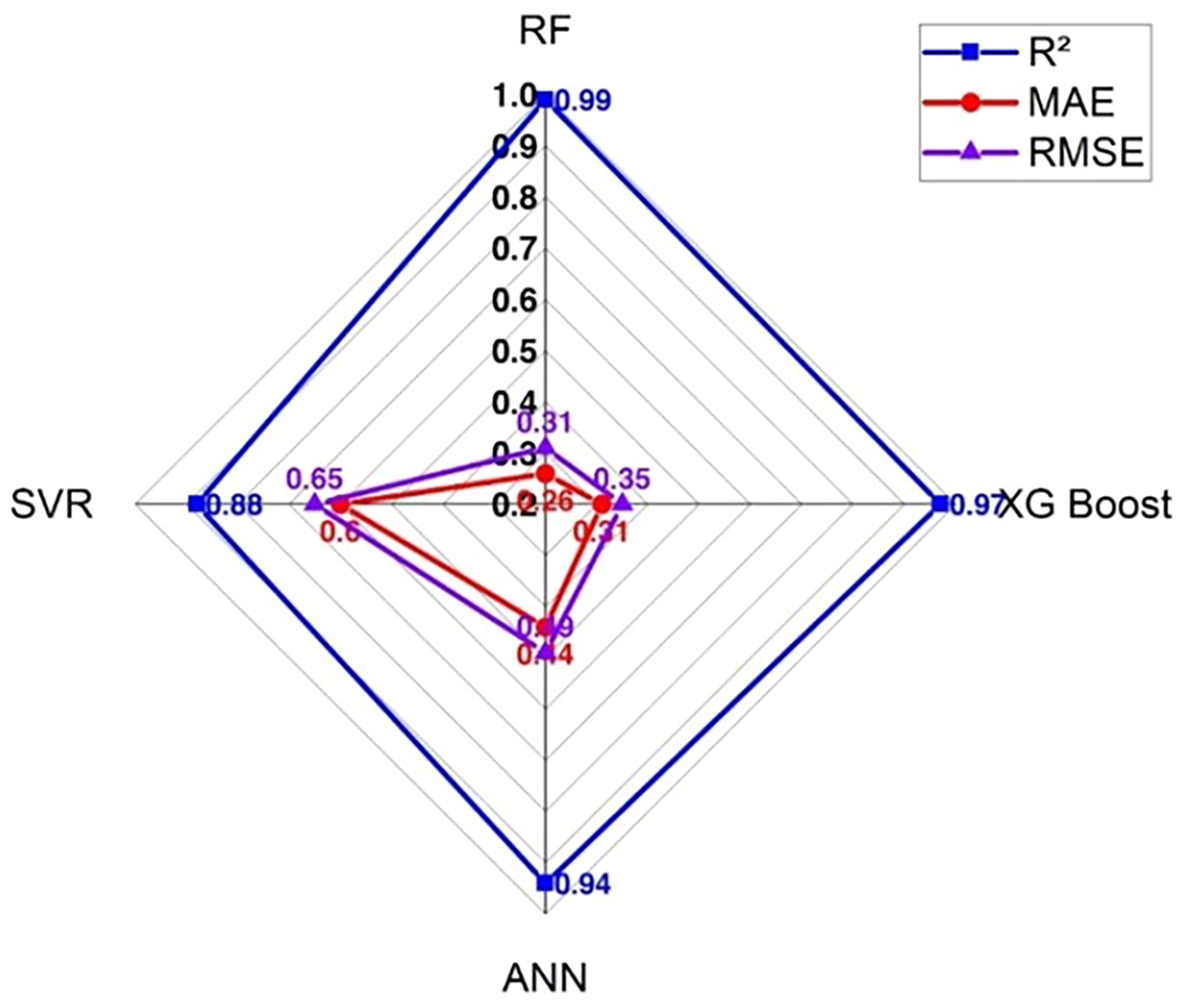
Figure 14 depicts the Random Forest Model that resulted in higher performance than all other models with an R2 of.985. It accounted for over 98% of the total variation in the output variables for Concrete Performance. The Random Forest Model’s high degree of accuracy was further supported by both its low MAE = 0.263 and low RMSE = 0.309. The Random Forest Model’s high degree of accuracy is due to Random Forest Models’ capability to model nonlinear relationships between input (e.g., RCA %, cement content, slump) and output variables (e.g., compressive strength, chloride permeability) via ensemble decision trees. Since Random Forest Models are inherently nonparametric modeling techniques, they tend to be less prone to over-fitting than parametric modeling techniques, especially when working with small to medium-sized datasets [16]. Additionally, Random Forest Models provide internal feature importance, which is a critical component of material science applications. Prior studies, including BORGHI et al. [11], have shown similar benefits in optimizing concrete mix designs.

XGBoost produced excellent results as well, with an R-squared of.971, MAE of.311 and RMSE of.354. It is a type of ensemble-based gradient-boosting method where each subsequent prediction is developed by refining each previous prediction on the basis of the residual error (conflict between the expected and actual values) from the previously trained model(s). The results of XGBoost were slightly less accurate than Random Forest Regression (RFR), however they showed significantly greater generality than ANN and SVR. Although the slightly greater RMSE of XGBoost may be attributed to the overfitting of small datasets especially those containing outliers, such as the compressive strength of high RCA content mixes; XGBoost’s robustness across all types of testing environments and its use of internal boosting methodology make it a prime candidate for use in large-scale, real-world applications (e.g. decision support systems for designing sustainable concrete).
The SVR performed the worst overall, producing R2 =. 879, MAE =. 603, and RMSE =. 645. The numbers indicate the SVR performed worse than all the other models for this multi-output problem. Generally, SVR performs best with large, high dimensional datasets that utilize non-linear kernel functions. However, SVR typically performs poorly with small, complex multi-target datasets. Sharp transitions in data (i.e., the drop in flexural strength at higher RCA levels and/or the spike in chloride permeability) are also extremely difficult for the SVR to accurately predict resulting in increased residual errors. Also, because SVR trains separate models for each target variable (SVR does not natively support multi-output modeling), this makes it less consistent when trying to model interdependent targets (such as compressive and flexural strength).
4.4.3. Feature importance and sensitive analysis
The feature importance evaluation of the most successful Random Forest Regressor model reveals the critical interdependencies among the mix design variables and the performance metrics. Clearly demonstrated in Table 7, regardless of which performance metric was considered as an output variable, RCA (content) is the most important factor; either by weight (as a percent), or by volume (kg/m3). The model clearly demonstrates that RCA (kg/m3) is the first factor determining chloride ion permeability, indicating that it has a direct impact on pore connectivity and ionic flow through the pores. For water absorption, the model indicates that both RCA and fresh density are statistically significant, consistent with experimental data demonstrating increased porosity in concrete due to increased RCA and decreased matrix density as well as compaction [49].
The structural attributes of strength such as tensile, compressive and flexural are all most heavily affected by the cement in the mixture. The cement content also provides a large contribution to the accuracy of the predictive model for mixes with up to forty percent (40%) recycled concrete aggregate (RCA) content. This indicates that binder rich mixtures can provide structural stability when using lower quality aggregate materials. In addition to the structural properties, fresh density is consistent across each structural property and durability output and supports the classification of density as an indicator of total mix quality, packing quality, and quality of micro-structural arrangement. Therefore, higher density mixes will be cohesive, less porous and have significantly lower permeability when compared to lower density mixes with a moderate percentage of RCA.
The Slump Value was found to have an influence on Tensile and Flexural strengths. It was also determined that the Slump is a measure of availability of water, workability and internal paste continuity; but it was also noted that there were few influences on long-term chemical resistance. The natural coarse aggregate (NCA) content exhibited a reverse relationship with permeability and acid/sulfate attack, indicating that as RCA replaces NCA, the mixture becomes increasingly vulnerable to chemical attack. Thus, NCA provides superior durability and impermeability characteristics than RCA because of its angularity, mineral quality, and absorption rate.
Although the superplasticizer dosage and fly ash content were held constant for all mixtures, each had a moderate positive influence on the stabilization of the mixes, especially the mid-range RCA mixes. The added fly ash would cause secondary hydration reactions as well as micro-structurally densify the matrix, and provide some relief from the significant degradation that was observed when using high percentage of RCA. Although both additives provided some relief, they were unable to counteract the dominant influences that RCA has on the permeability related properties of the mixtures.
4.4.4. Explainable AI techniques
Those contributing most to the predictive power of compressive strength include cement content and fresh density (as measured by SHAP); these variables exhibit consistent positive relationships. Regardless of the level of RCA, those mixes exhibiting the greatest cement content produced the largest predicted strengths. While the incorporation of RCA into mixes exhibited positive strength contributions at low percentages of replacement (40%). The inclusion of Fly Ash into the mixes exhibited a minor but positive buffering effect against the reduction in strength exhibited by the RCA through the pozzolanic reaction and increased matrix density over time. In comparison to compressive strength, the pattern of attribution for flexural strength and split tensile were similar, however the attribution for split tensile and flexural strength were more sensitive to slump and fresh density. Greater slump values exhibited a positive correlation with flexural strength prediction, indicating that workable and well mixed concretes will exhibit improved distribution of stresses during flexure. Therefore, it is essential to develop optimal rheological characteristics in conjunction with developing mix designs.
Both the effects on water absorption and chloride penetration were found to be strongly influenced by opposing SHAP values attributed to the RCA (highly positive) and Fresh Density (negative), which further supports the observation that as more RCA is utilized in an RC mix, there will be greater absorption and penetration; conversely, less porous mixes exhibiting higher fresh density will exhibit lower absorption and penetration rates. The opposing nature of the RCA and Fresh Density typically resulted in cancellation of their respective contributions when utilizing moderate amounts of RCA (i.e., 40–60%); resulting in relatively average durability characteristics that were heavily dependent on the level of compaction achieved and the effectiveness of admixtures to improve compaction.
In a similar manner, SHAP values associated with the RCA, Slump and Natural Coarse Aggregate (NCA) Content were found to be the most significant contributors to Acid and Sulfate Durability Resistance. Additionally, however, SHAP values were condensed with a rise in NCA satisfied when subjected to acidic and sulfate environment conditions, indicating the detrimental effects of NCA content on the deterioration of these environmental conditions. As such, SHAP values were found to be elevated with 80% and 100% RCA mixes due to their increased sensitivity to acidic and sulfate environment conditions, supporting the previously noted decreases in residual strength and mass through durability testing.
SHAP-based interpretation concluded that the machine learning model correctly modeled the behavior of concrete, and correctly modeled this behavior using logic and existing principles of material science (e.g., higher RCA = higher permeability) and identified secondary factors (e.g., fly ash, slump, etc.) that influence the severity of sulfate attack, thus increasing the model’s exactness and applicability for the integration of digital concrete mix design systems, especially those related to sustainable construction projects incorporating varying quality C&D waste materials.
4.5. Results and discussion – numerical analysis
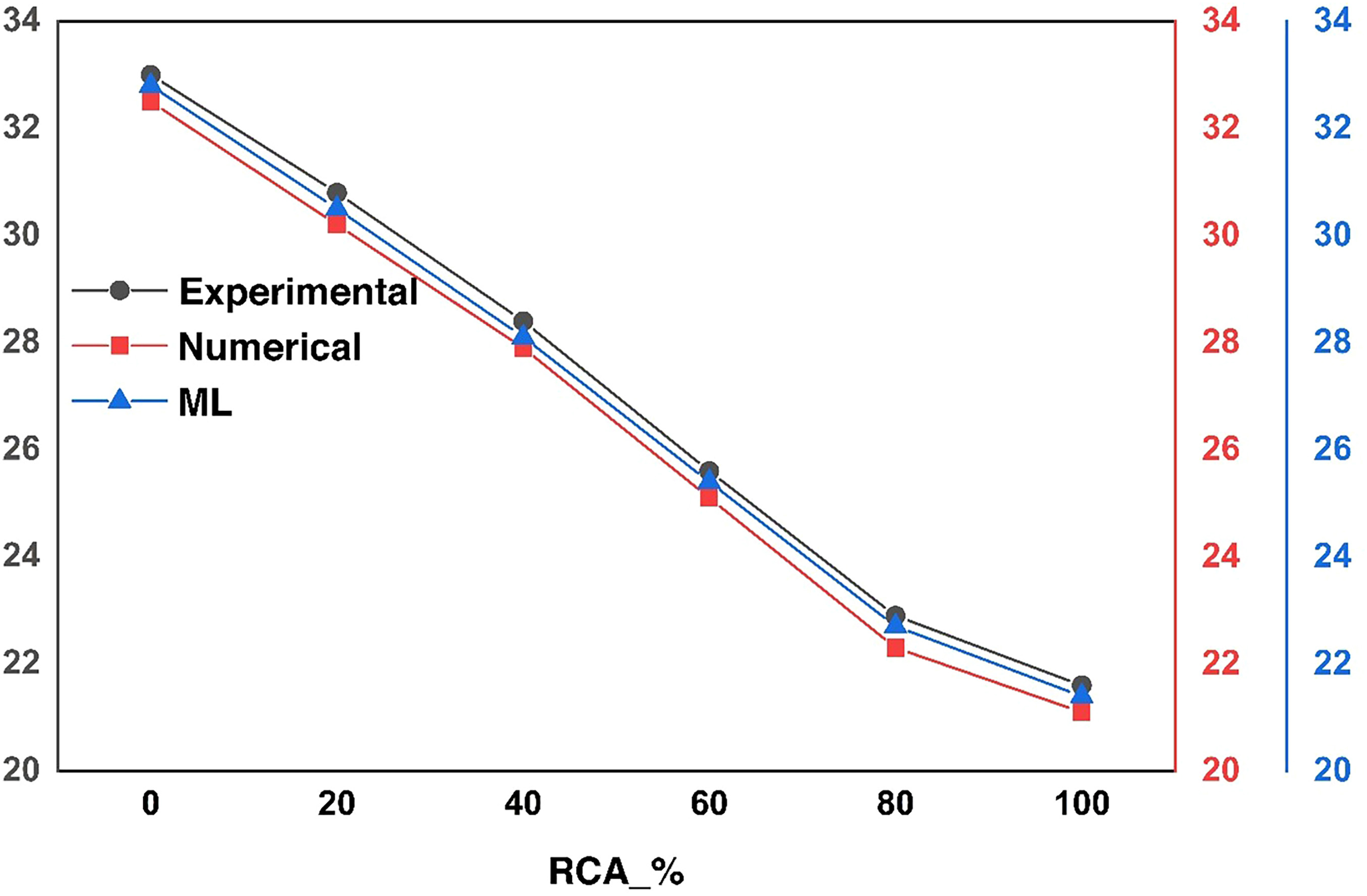
The numerical model that has been developed in the present study has been used to simulate the mechanical response of concrete with variable percentages of recycled coarse aggregate (RCA). The elastic modulus of concrete was numerically evaluated using an RCA dependent stiffness relationship, which takes into account material degradation resulting from increased porosity and weaker interfacial transition zones. The control blend (0% RCA) was found to have an elastic modulus of 32.5 GPa, which is indicative of dense and well-bounded microstructure. With the increase of RCA content, a progressive decrease of the stiffness was observed, the values of the elastic modulus decreased to 30.2 GPa (20% RCA), 27.9 GPa (40% RCA), 25.1 GPa (60% RCA), 22.3 GPa (80% RCA) and 21.1 GPa (100% RCA). This numerical trend shows clearly that incorporation of RCA causes a decreased load transfer efficiency in the concrete matrix, in agreement with the experimentally measured reductions of fresh density and increased water absorption. The reduction in elastic modulus with increasing RCA content predicted numerically and by machine learning closely follows experimental trends, as illustrated in Figure 15.

Variation of elastic modulus of RCA concrete obtained from experimental, numerical, and machine learning approaches.
Numerical predictions of compressive strength were achieved using a calibrated strength degradation model incorporating the consolidation of the nonlinear effect of recycled aggregate (RCA) content on the load bearing capacity. The compressive strength of the reference concrete was 40.2 MPa. Concrete mixes with 20 and 40% RCA were found to have strengths of 38.1 and 35.0 MPa, respectively. These results show that up to 40% undoubtedly RCA substitute results in only marginal loss of strength, thus maintaining structural grade performance. In contrast, greater decrease was observed at higher replacement ratios where compressive strengths decreased to 29.4 MPa (60% RCA), 24.9 MPa (80% RCA) and 20.6 MPa (100% RCA). The numerical predictions showed less than 4% deviation from experimental measurements which confirmed the reliability of the constitutive formulation adopted and model validation in capturing the mechanisms of degradation of strength. The comparison between experimental results, numerical predictions, and machine learning outputs for compressive strength clearly demonstrates close agreement across all RCA replacement levels, as shown in Figure 16.
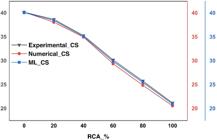
Comparison of experimental, numerical, and machine learning predicted compressive strength of RCA concrete.
Numerical investigation of the flexural strength was performed to identify the effect of recycled concrete aggregate (RCA) content on the bending performance that is susceptible to tensile cracking and interfacial bonding. Control concrete showed a flexural strength of 5.05 MPa, which progressively decreased to 4.78 MPa with 20% RCA and 4.31 MPa with 40% RCA. At higher replacement levels, a more pronounced decrease in flexural strength was recorded, with values obtained that decreased to 3.85 MPa (60% RCA), 3.36 MPa (80% RCA) and 2.90 MPa (100% RCA). The good agreement between numerical predictions and experimental measurements and machine learning results validates the ability of the numerical model to accurately predict the degradation of flexural performance related to the use of recycled aggregate. The flexural strength trends obtained from numerical simulations and machine learning predictions are in close agreement with experimental observations across all RCA levels, as shown in Figure 17.

Comparison of experimental, numerical, and machine learning predicted flexural strength of RCA concrete.
Split tensile strength was numerically estimated with the compressive strength relationships to determine the degradation of the tensile performance. The control concrete showed a tensile strength of 3.56 MPa, which slightly decreased to 3.45 and 3.11 MPa for 20 and 40% RCA, respectively. However, at a higher RCA replacement level, tensile strength was reduced so much faster to 2.78 MPa (60% RCA), 2.41 MPa (80% RCA) and 2.08 MPa (100% RCA). The numerical values are in close agreement with the experimental trends which underline the sensitivity of tensile properties to microstructural discontinuities, introduced by the recycled aggregates. The strong correlation between experimental, numerical, and machine learning predictions for split tensile strength highlights the sensitivity of tensile performance to RCA content, as depicted in Figure 18.
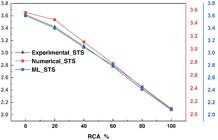
Experimental, numerical, and machine learning comparison of split tensile strength of RCA concrete.
5. CONCLUSIONS
The primary findings of this research project were generated utilizing machine learning procedures to assess and forecast the durability and mechanical characteristics of concrete mixes containing recycled coarse aggregate (RCA). Results from the predictive model’s performance and SHAP-based interpretable results indicate how the various fresh and hardened concrete properties, along with durability, impact the concrete’s overall performance.
As an example, the fresh density of the concrete is a critical factor since it will determine how well the concrete compacts (i.e., the lower the fresh density, the better the compaction); while high fresh density produces low permeability; lower fresh density (from high RCA) creates higher potential for better water absorption and more chlorides passing through the concrete.
-
There was little benefit to the addition of superplasticizer at 0.88% to 1.2% of cement weight in differing mixes concerning improving workability of the mixes and no significant effects on strength characteristics. There was a considerable improvement in the durability of mixes having large amounts of RCA.
-
The mechanical strength of the concrete (split tensile, compressive and flexural) was greatly influenced by the amount of RCA used in the mixes. For example, with the use of no RCA, the usual compressive strength of the mixes was 40.2 MPa and with 100% RCA, the average compressive strength of the mixes was 21.2 MPa. The reason for this is the fact that the RCA links are weak compared to the original material links creating discontinuities within the matrix material.
-
The 2.96 MPa reduction from 5.12 MPa (with no RCA) of the flexural strength of the mixes indicates that RCA also takes a strong effect on the bending strength of material. The same trends were found with respect to binder content and flexural strength, which indicates the importance of binder content in enhancing the ability of the concrete to bend under stress.
-
The Absorption of water in the mixes significantly improved with the addition of RCA. With no RCA, the water absorption of the combinations was 2.12%, and with 100% RCA, the water absorption was 4.29%.
-
The increase in RCA gratified of the mixes caused in a rise in the chloride permeability of the concrete. Chloride permeability increased from 1480 Cl- when no RCA was present, to 3190 Cl- when 100% RCA was used.
-
Acid and sulfate resistance decreased similarly with the increasing RCA content in the mixes. Acid resistance decreased from 92.8% when no RCA was used, to 66.5% when 100% RCA was used. Sulfate resistance decreased from 94.3% to 68.9%. Decreases in these resistances occur because of the greater spacing of solid particles and lesser bonding between the RCA and cement paste allowing the particles to deteriorate faster by chemical reactions with the surrounding water.
-
Random Forest produced the highest level of accuracy in relations of predicting the durability and mechanical characteristics of the concrete. Random Forest achieved an R2 of 0.985, MAE of 0.263, and an RMSE of 0.309. According to the results, the two most influential features moving the durability and strength of the concrete are the amount of RCA and cement content.
-
SHAP interpretation outcomes show that the enclosure of RCA negatively disturbs the durability and strength of concrete, whereas, the inclusion of additional cement and higher fresh density positively affects the strength and durability of concrete. For example, as the amount of RCA included in the mix increases, so does the compressive strength tend to decrease (r = −0.98), and as the amount of cement included in the mix growths, so does the compressive strength (r = +0.90).
-
In light of the study’s outcomes, the researchers believe that, if the RCA content is less than 40%, the concrete will satisfy the required specifications with adequate cement and admixture usage. As such, the researchers concluded that sustainable construction practices may utilize up to 40% of reused aggregate for concrete in their mixes without an opposing consequence on either the strength or durability of the material.
-
The numerical model was able to simulate the mechanical performance of recycled aggregate concrete well, and the model predicted values are close to the experimental data and the results derived by machine learning.
-
The integrated experimental - numerical - machine learning approach proves that it is possible to produce acceptable structural performance of concrete using up to 40% recycled coarse aggregate.
Overall, the machine learning model presents a powerful analytical tool for enhancing the plan of concrete mixtures to meet specified performance parameters (e.g., strength, durability). Optimizing the design of mixes could lead to enhanced resource utilization, diminish the demand for natural aggregates, and allow for continued high-performance standards.
6. ACKNOWLEDGMENTS
The authors wish to thank Sri Ramakrishna Engineering College, Coimbatore and Centre for Water Resources, Anna University, Chennai for completing this study.
7. DATA AVAILABILITY
All the data associated with this research included in the manuscript.
8. BIBLIOGRAPHY
-
[1] CHEN, Y., OU, Y., MOHAMED, M.S., et al, “Life cycle assessment of construction and demolition waste upcycling: a critical review of studies from 2010 to 2025”, Developments in the Built Environment, v. 22, pp. 100685, 2025. doi: https://doi.org/10.1016/j.dibe.2025.100685.
» https://doi.org/10.1016/j.dibe.2025.100685 -
[2] AKBULUT, Z.F., YAVUZ, D., TAWFIK, T.A., et al, “Enhancing concrete performance through sustainable utilization of Class-C and Class-F fly ash: a comprehensive review”, Sustainability, v. 16, n. 12, pp. 4905, 2024. doi: https://doi.org/10.3390/su16124905.
» https://doi.org/10.3390/su16124905 -
[3] ANTIOHOS, S.K., PAPADAKIS, V.G., CHANIOTAKIS, E., et al, “Improving the performance of ternary blended cements by mixing different types of fly ashes”, Cement and Concrete Research, v. 37, n. 6, pp. 877–885, 2007. doi: https://doi.org/10.1016/j.cemconres.2007.02.017.
» https://doi.org/10.1016/j.cemconres.2007.02.017 - [4] RAI, D., VYAS, S., “Effect of recycled concrete aggregates on the compressive strength of concrete”, Materials Science and Engineering, v. 705, pp. 12006, 2017.
-
[5] BAKR, M.A., SINGH, B.K., “Effect of biomineralized Bacillus subtilis on recycled aggregate concrete containing blended hydrated lime and brick powder”, Case Studies in Construction Materials, v. 18, e02137, 2023. doi: https://doi.org/10.1016/j.cscm.2023.e02137.
» https://doi.org/10.1016/j.cscm.2023.e02137 -
[6] BEHERA, M., BHATTACHARYYA, S.K., MINOCHA, A.K., et al, “Recycled aggregate from C&D waste & its use in concrete: a breakthrough towards sustainability in construction sector: a review”, Construction & Building Materials, v. 68, pp. 501–516, 2014. doi: https://doi.org/10.1016/j.conbuildmat.2014.07.003.
» https://doi.org/10.1016/j.conbuildmat.2014.07.003 -
[7] DEY, T., DAS, C.S., MISHRA, N., “Behaviour of confined recycled aggregate concrete under compressive loading: an experimental investigation”, Journal of Building Engineering, v. 32, pp. 101825, 2020. doi: https://doi.org/10.1016/j.jobe.2020.101825.
» https://doi.org/10.1016/j.jobe.2020.101825 -
[8] SIDDIQUE, R., KHATIB, J., KAUR, I., “Use of recycled plastic in concrete: a review”, Waste Management, v. 28, n. 10, pp. 1835–1838, 2008. doi: https://doi.org/10.1016/j.wasman.2007.09.011. PubMed PMID: 17981022.
» https://doi.org/10.1016/j.wasman.2007.09.011 -
[9] BOUZOUBAÂ, N., ZHANG, M.H., MALHOTRA, V.M., “Mechanical properties and durability of concrete made with high-volume fly ash blended cements using a coarse fly ash”, Cement and Concrete Research, v. 31, n. 10, pp. 1393–1402, 2001. doi: https://doi.org/10.1016/S0008-8846(01)00592-0.
» https://doi.org/10.1016/S0008-8846(01)00592-0 - [10] SANTOS, M.P., BENTES, A., RODRIGUES, L., “Mechanical and durability properties of concrete with recycled aggregates”, Construction & Building Materials, v. 196, pp. 266–276, 2019.
- [11] BORGHI, F., MARDANI, A., TONDELLI, A., et al, “Machine learning algorithms for sustainable concrete design: a multi-output approach”, Journal of Cleaner Production, v. 271, pp. 122488, 2020.
-
[12] MEHTA, P.K., MONTEIRO, P.J.M., Concrete: Microstructure, Properties, and Materials, New York, McGraw-Hill Education, 2014. doi: https://doi.org/10.1036/0071462899.
» https://doi.org/10.1036/0071462899 -
[13] GAO, S., GUO, X., BAN, S., et al, “Influence of supplementary cementitious materials on ITZ characteristics of recycled concrete”, Construction & Building Materials, v. 363, pp. 129736, 2023. doi: https://doi.org/10.1016/j.conbuildmat.2022.129736.
» https://doi.org/10.1016/j.conbuildmat.2022.129736 - [14] GÜNEYISI, E., GESOĞLU, M., ÖZTÜRK, D., et al, “Artificial intelligence-based prediction models for concrete with recycled aggregate”, Computers and Concrete, v. 24, n. 6, pp. 569–577, 2019.
-
[15] EFTEKHAR AFZALI, S.A., SHAYANFAR, M.A., GHANOONI-BAGHA, M., et al, “The use of machine learning techniques to investigate the properties of metakaolin-based geopolymer concrete”, Journal of Cleaner Production, v. 446, pp. 141305, 2024. doi: https://doi.org/10.1016/j.jclepro.2024.141305.
» https://doi.org/10.1016/j.jclepro.2024.141305 -
[16] ZHANG, M., GU, Z., ZHAO, Y., et al, “Compressive strength prediction of cement base under sulfate attack by machine learning approach”, Case Studies in Construction Materials, v. 21, e03652, 2024. doi: https://doi.org/10.1016/j.cscm.2024.e03652.
» https://doi.org/10.1016/j.cscm.2024.e03652 - [17] DHIR, R.K., NEWLANDS, M.D., LYE, J., et al, “Use of recycled aggregate in concrete: a review”, Construction & Building Materials, v. 172, pp. 719–732, 2018.
-
[18] GOLEWSKI, G.L., “The phenomenon of cracking in cement concretes and reinforced concrete structures: the mechanism of cracks formation, causes of their initiation, types and places of occurrence, and methods of detection – a review”, Buildings, v. 13, n. 3, pp. 765, 2023. doi: https://doi.org/10.3390/buildings13030765.
» https://doi.org/10.3390/buildings13030765 - [19] BUREAU OF INDIAN STANDARDS, IS 12269: 53 Grade Ordinary Portland Cement, New Delhi, BIS, 2013.
-
[20] INTERNATIONAL ENERGY AGENCY, Cement: The Industry’s Role in Meeting Climate Goals, 2020, https://www.iea.org/reports/cement , accessed in April, 2026.
» https://www.iea.org/reports/cement -
[21] IODICE, S., GARBARINO, E., CERRETA, M., et al, “Sustainability assessment of Construction and Demolition Waste management applied to an Italian case”, Waste Management, v. 128, pp. 83–98, 2021. doi: https://doi.org/10.1016/j.wasman.2021.04.031. PubMed PMID: 33975139.
» https://doi.org/10.1016/j.wasman.2021.04.031 -
[22] KAPOOR, K., SINGH, S.P., SINGH, B., “Durability of self-compacting concrete made with Recycled Concrete Aggregates and mineral admixtures”, Construction & Building Materials, v. 128, pp. 67–76, 2016. doi: https://doi.org/10.1016/j.conbuildmat.2016.10.026.
» https://doi.org/10.1016/j.conbuildmat.2016.10.026 -
[23] KOU, S.C., POON, C.S., “Properties of self-compacting concrete prepared with coarse and fine recycled concrete aggregates”, Cement and Concrete Composites, v. 31, n. 9, pp. 622–627, 2009. doi: https://doi.org/10.1016/j.cemconcomp.2009.06.005.
» https://doi.org/10.1016/j.cemconcomp.2009.06.005 - [24] KOU, S.C., POON, C.S., “Enhancing durability of recycled aggregate concrete by incorporating fly ash and silane”, Cement and Concrete Research, v. 42, n. 9, pp. 558–566, 2012.
- [25] BUREAU OF INDIAN STANDARDS, IS 516 Method of Tests for Strength of Concrete, New Delhi, BIS, 1959.
- [26] BUREAU OF INDIAN STANDARDS, IS 4031-5 Methods of Physical Tests for Hydraulic Cement, Part 5: Determination of Initial and Final Setting Times, New Delhi, BIS, 1988.
- [27] AMERICAN SOCIETY FOR TESTING AND MATERIALS, ASTM C642 Standard Test Method for Density, Absorption, and Voids in Hardened Concrete, West Conshohocken, ASTM, 2021.
- [28] AMERICAN SOCIETY FOR TESTING AND MATERIALS, ASTM C1202 Standard Test Method for Electrical Indication of Concrete’s Ability to Resist Chloride Ion Penetration, West Conshohocken, ASTM, 2022.
-
[29] LI, N., SHI, C., ZHANG, Z., et al, “A review on mixture design methods for geopolymer concrete”, Composites. Part B, Engineering, v. 178, pp. 107490, 2019. doi: https://doi.org/10.1016/j.compositesb.2019.107490.
» https://doi.org/10.1016/j.compositesb.2019.107490 -
[30] LIMBACHIYA, M., LEELAWAT, T., DHIR, R.K., “Use of recycled concrete aggregate in high-strength concrete”, Materials and Structures, v. 33, n. 9, pp. 574–580, 2000. doi: https://doi.org/10.1007/BF02480538.
» https://doi.org/10.1007/BF02480538 -
[31] LIU, Y., REN, P., GARCIA-TRONCOSO, N., et al, “Roles of enhanced ITZ in improving the mechanical properties of concrete prepared with different types of recycled aggregates”, Journal of Building Engineering, v. 60, pp. 105197, 2022. doi: https://doi.org/10.1016/j.jobe.2022.105197.
» https://doi.org/10.1016/j.jobe.2022.105197 -
[32] MAKUL, N., FEDIUK, R., AMRAN, M., et al, “Use of recycled concrete aggregates in production of green cement-based concrete composites: a review”, Crystals, v. 11, n. 3, pp. 232, 2021. doi: https://doi.org/10.3390/cryst11030232.
» https://doi.org/10.3390/cryst11030232 -
[33] MAZHOUD, B., SEDRAN, T., CAZACLIU, B., et al, “Influence of residual mortar volume on the properties of recycled concrete aggregates”, Journal of Building Engineering, v. 57, pp. 104945, 2022. doi: https://doi.org/10.1016/j.jobe.2022.104945.
» https://doi.org/10.1016/j.jobe.2022.104945 -
[34] MONDAL, S.K., CLINTON, C., MA, H., et al, “Effect of class C and class F fly ash on early-age and mature-age properties of calcium sulfoaluminate cement paste”, Sustainability, v. 15, n. 3, pp. 2501, 2023. doi: https://doi.org/10.3390/su15032501.
» https://doi.org/10.3390/su15032501 -
[35] NILIMAA, J., “Smart materials and technologies for sustainable concrete construction”, Developments in the Built Environment, v. 15, pp. 100177, 2023. doi: https://doi.org/10.1016/j.dibe.2023.100177.
» https://doi.org/10.1016/j.dibe.2023.100177 -
[36] PATTANAYAK, N., BEHERA, H.K., DAS, S.S., “Mix design strategy and optimization considering characteristic evaluation of geopolymer concrete”, Journal of Building Engineering, v. 91, pp. 109557, 2024. doi: https://doi.org/10.1016/j.jobe.2024.109557.
» https://doi.org/10.1016/j.jobe.2024.109557 -
[37] RAM, V.G., KISHORE, K.C., KALIDINDI, S.N., “Environmental benefits of construction and demolition debris recycling: Evidence from an Indian case study using life cycle assessment”, Journal of Cleaner Production, v. 255, pp. 120258, 2020. doi: https://doi.org/10.1016/j.jclepro.2020.120258.
» https://doi.org/10.1016/j.jclepro.2020.120258 -
[38] REN, J., GUO, J., JIN, Y., et al, “Enhancing workability of high-volume calcined clay blend cement pastes through optimized addition sequences of PCE superplasticizer”, Case Studies in Construction Materials, v. 21, e03541, 2024. doi: https://doi.org/10.1016/j.cscm.2024.e03541.
» https://doi.org/10.1016/j.cscm.2024.e03541 -
[39] RATHNAYAKA, M., KARUNASINGHE, D., GUNASEKARA, C., et al, “Machine learning approaches to predict compressive strength of fly ash-based geopolymer concrete: a comprehensive review”, Construction & Building Materials, v. 419, pp. 135519, 2024. doi: https://doi.org/10.1016/j.conbuildmat.2024.135519.
» https://doi.org/10.1016/j.conbuildmat.2024.135519 -
[40] SHANG, X., YANG, J., WANG, S., et al, “Fractal analysis of 2D and 3D mesocracks in recycled aggregate concrete using X-ray computed tomography images”, Journal of Cleaner Production, v. 304, pp. 127083, 2021. doi: https://doi.org/10.1016/j.jclepro.2021.127083.
» https://doi.org/10.1016/j.jclepro.2021.127083 -
[41] SILVA, R.V., DE BRITO, J., DHIR, R.K., “Properties and composition of recycled aggregates from construction and demolition waste”, Construction & Building Materials, v. 65, pp. 201–217, 2014. doi: https://doi.org/10.1016/j.conbuildmat.2014.04.117.
» https://doi.org/10.1016/j.conbuildmat.2014.04.117 -
[42] SINGH, P.K., RAJHANS, P., “Experimental investigation and SVR model to predict the mechanical properties of RAC by enhancing the characteristic of RCA using surface treatment method along with modified mixing approach”, Construction & Building Materials, v. 393, pp. 132032, 2023. doi: https://doi.org/10.1016/j.conbuildmat.2023.132032.
» https://doi.org/10.1016/j.conbuildmat.2023.132032 - [43] TAFFESE, W.Z., SISTONEN, E., “Machine learning for durability and strength prediction in concrete: State-of-the-art review”, Construction & Building Materials, v. 160, pp. 42–49, 2017.
-
[44] TAFFESE, W.Z., ESPINOSA-LEAL, L., “Multitarget regression models for predicting compressive strength and chloride resistance of concrete”, Journal of Building Engineering, v. 72, pp. 106523, 2023. doi: https://doi.org/10.1016/j.jobe.2023.106523.
» https://doi.org/10.1016/j.jobe.2023.106523 - [45] TAM, V.W.Y., SOOMRO, M., EVANGELISTA, A.C.J., “A review of recycled aggregate in concrete applications (2000–2017)”, Construction & Building Materials, v. 218, pp. 483–496, 2020.
- [46] TAM, V.W.Y., TAM, C.M., ZENG, S.X., “A review on the use of recycled aggregates in concrete”, Resources, Conservation and Recycling, v. 51, n. 4, pp. 207–220, 2007.
-
[47] WANG, S., XIA, P., GONG, F., et al, “Multi objective optimization of recycled aggregate concrete based on explainable machine learning”, Journal of Cleaner Production, v. 445, pp. 141045, 2024. doi: https://doi.org/10.1016/j.jclepro.2024.141045.
» https://doi.org/10.1016/j.jclepro.2024.141045 -
[48] WU, H., WANG, C., MA, Z., “Drying shrinkage, mechanical and transport properties of sustainable mortar with both recycled aggregate and powder from concrete waste”, Journal of Building Engineering, v. 49, pp. 104048, 2022. doi: https://doi.org/10.1016/j.jobe.2022.104048.
» https://doi.org/10.1016/j.jobe.2022.104048 -
[49] ZHANG, C., HU, M., DI MAIO, F., et al, “An overview of the waste hierarchy framework for analyzing the circularity in construction and demolition waste management in Europe”, The Science of the Total Environment, v. 803, pp. 149892, 2022. doi: https://doi.org/10.1016/j.scitotenv.2021.149892. PubMed PMID: 34500281.
» https://doi.org/10.1016/j.scitotenv.2021.149892