 Investigation on the mechanical properties of coated carbide ceramic inserts for EDM using Inconel 800
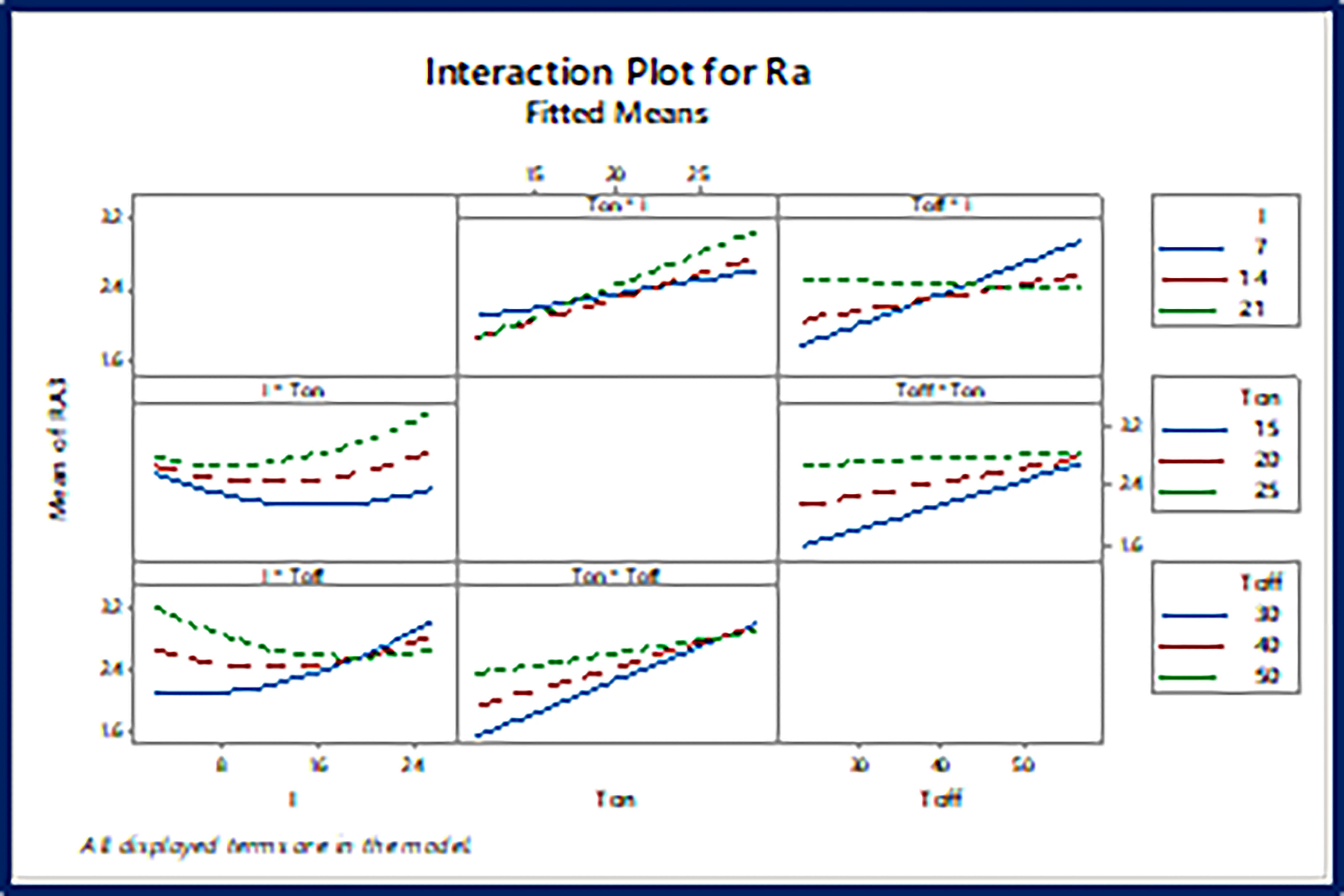
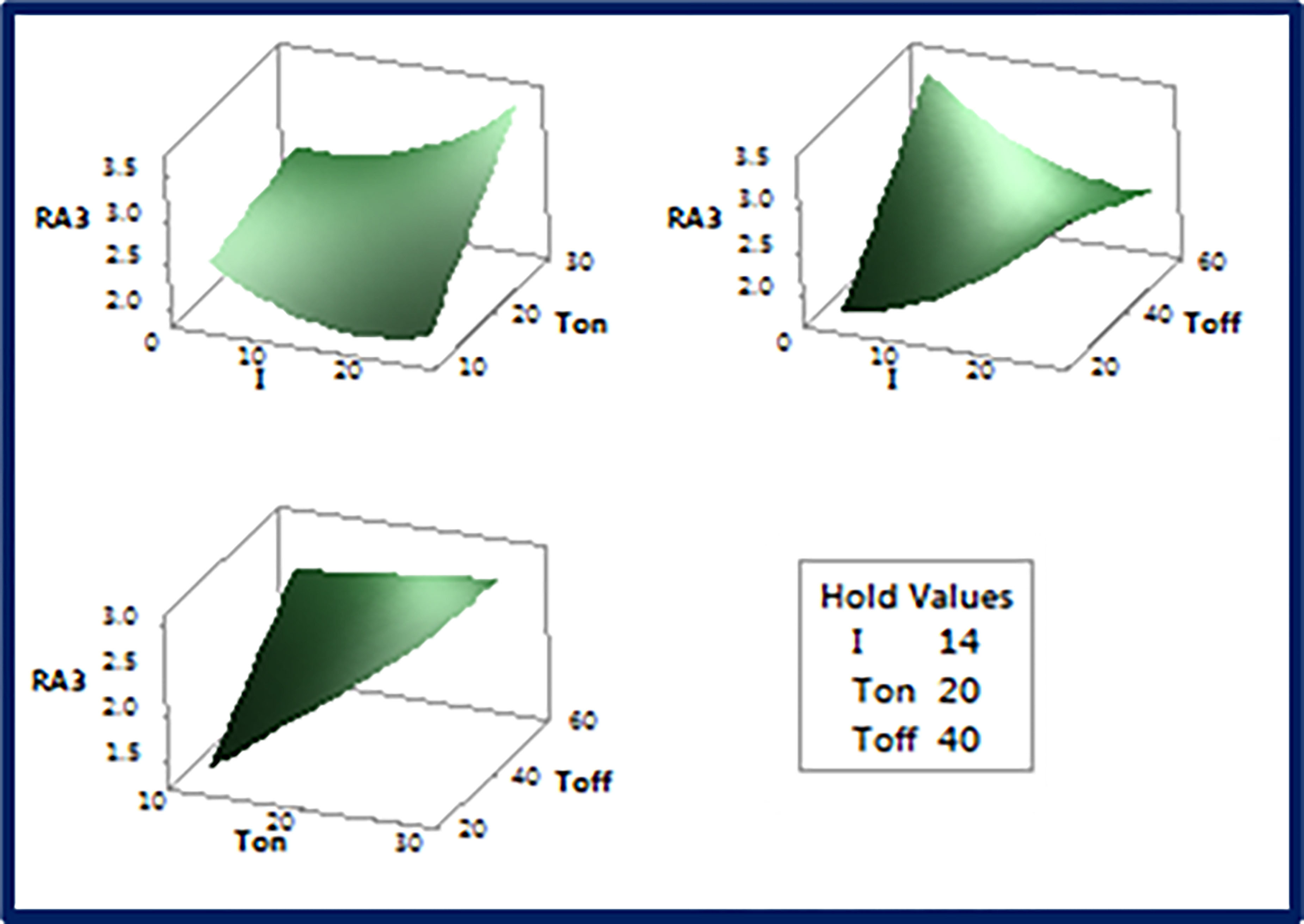
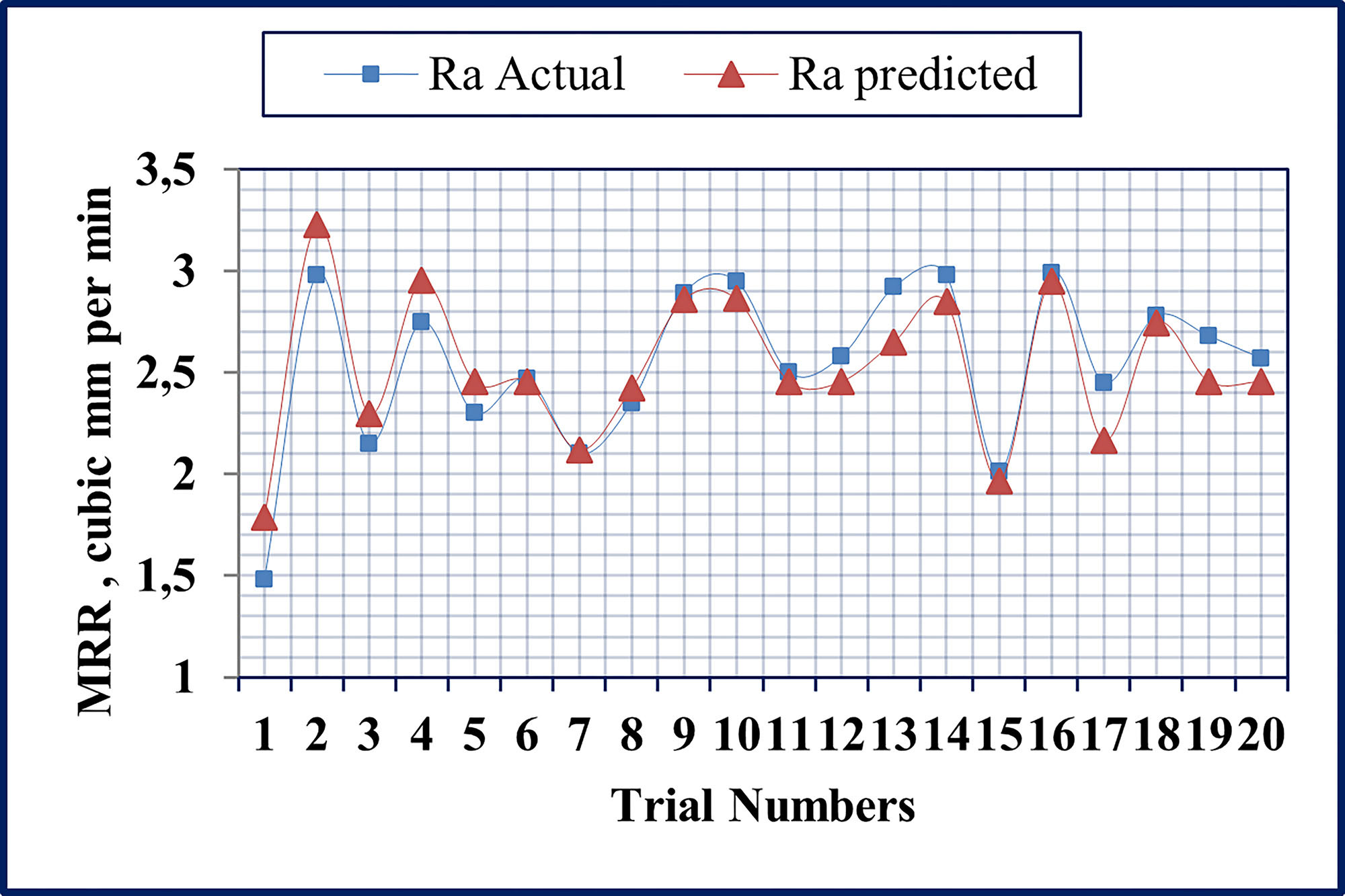
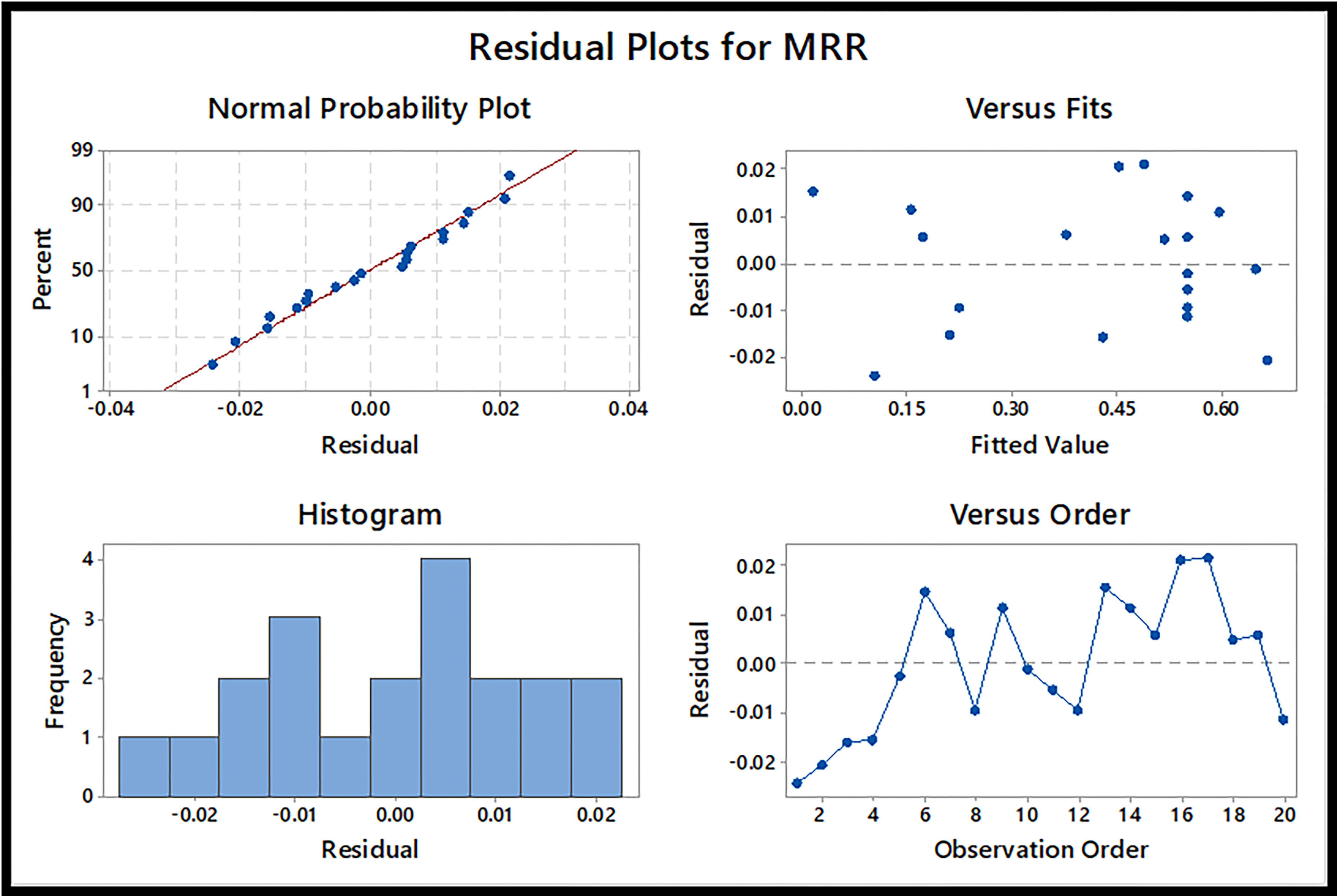
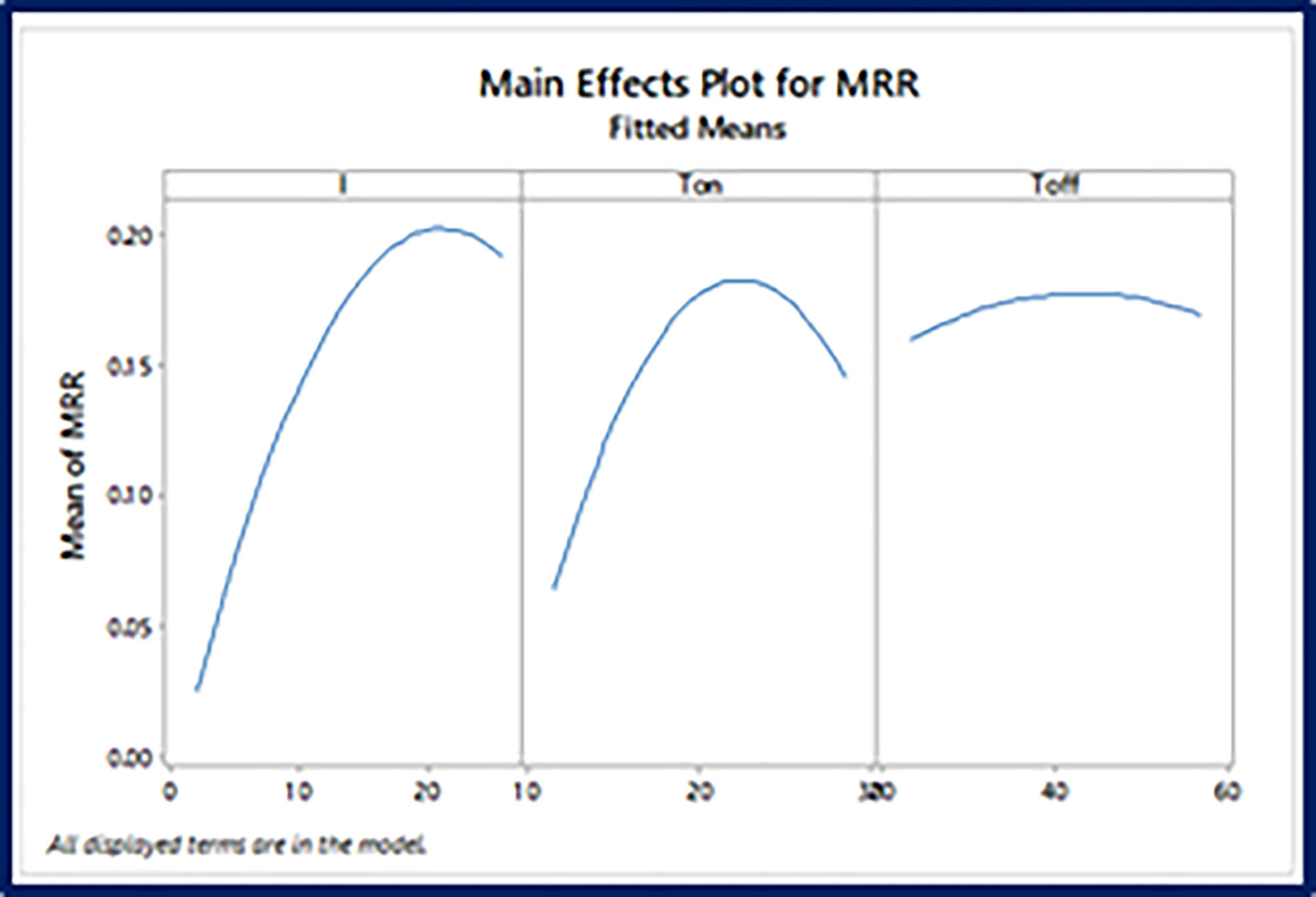
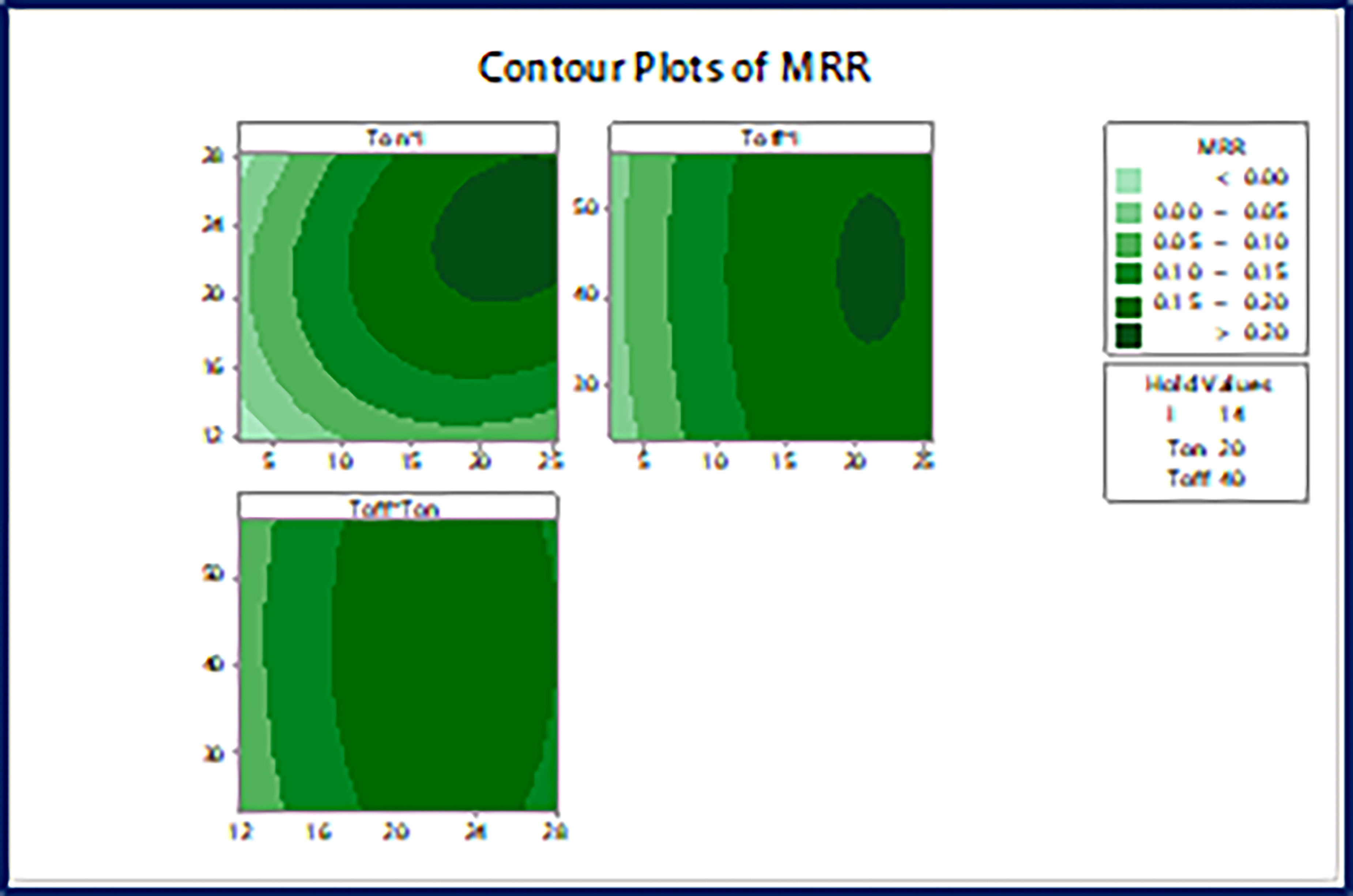
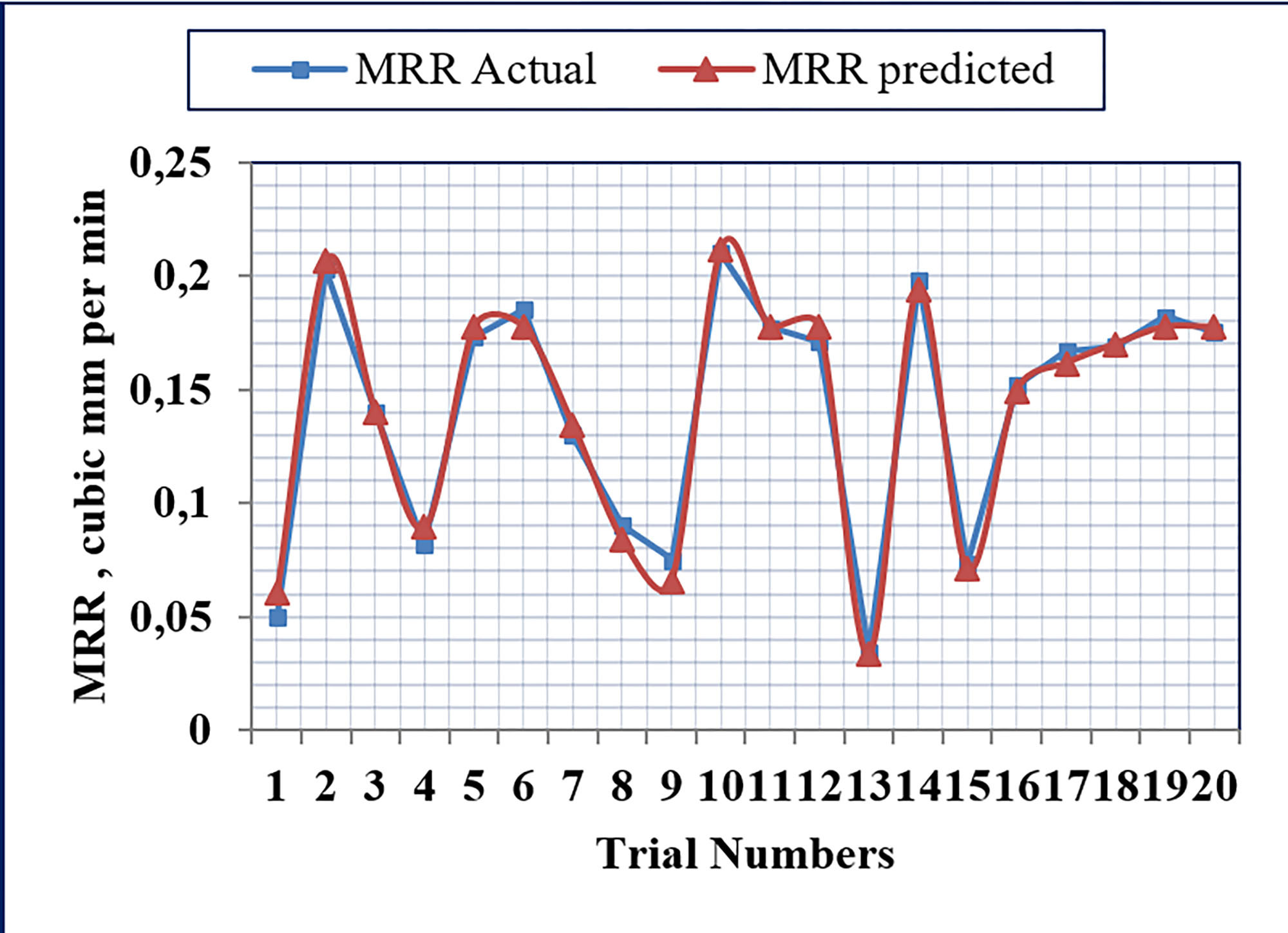
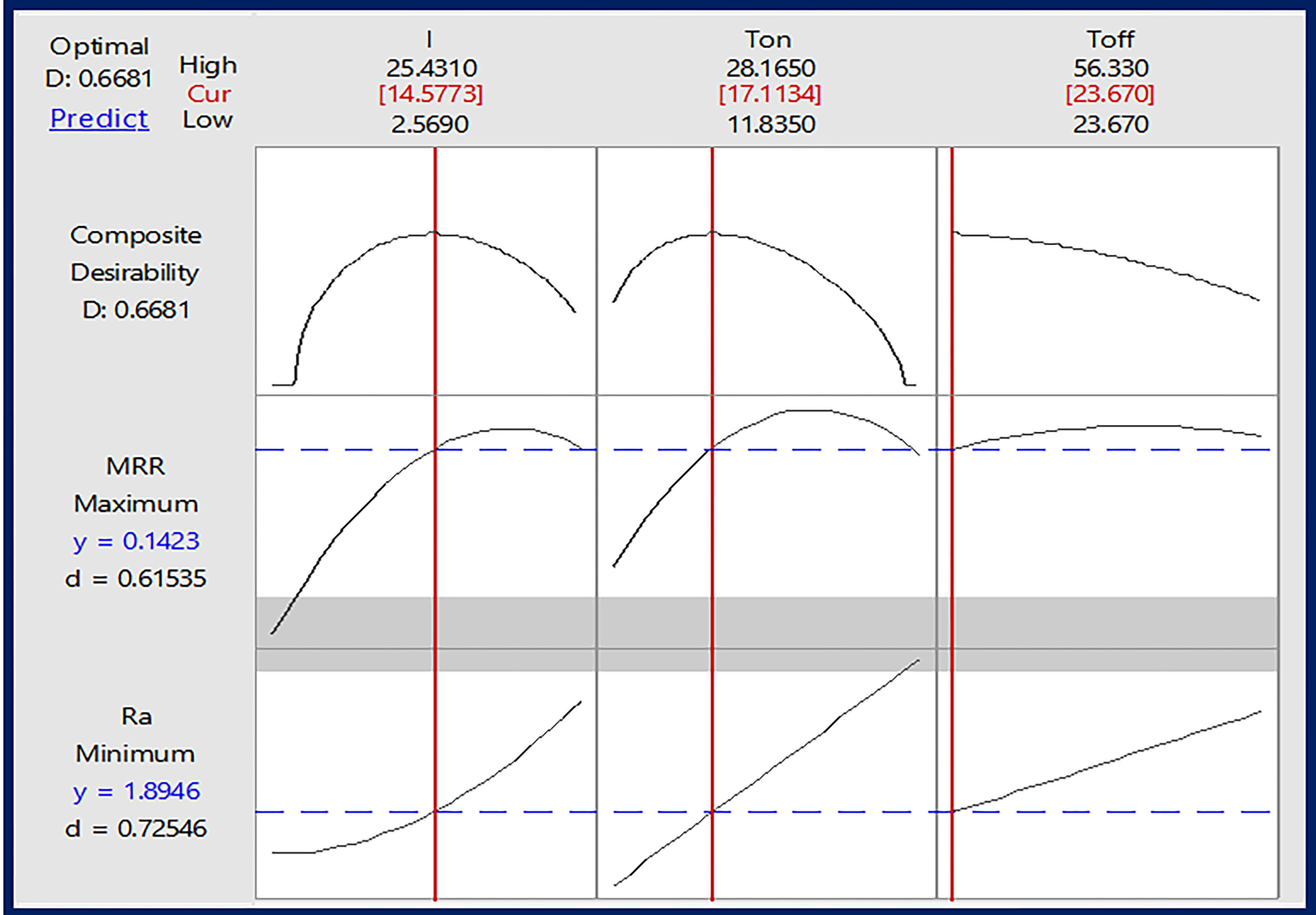
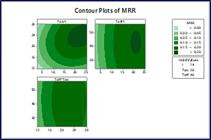
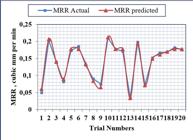
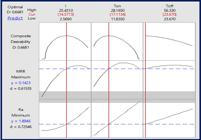
A mathematical model based on surface roughness and material rate reduction response variables was used to evaluate and predict die sinking electrical discharge machining (EDM) parameters like peak current and pulse active and inactive states. In this study, we examined our model’s ANOVA using p and f tests on Inconel 800 to enhance process characteristics based on their response to the surface method. The ANOVA results show that the maximum current value dominates MRR, followed by pulse active state and pulse inactive state. We use the Composite Desirability (CD) function to obtain the most favourable characteristics. During optimisation, the goal is to set upper and lower limits for MRR and surface roughness, respectively. The determination of the most favourable configuration for process variables is 15 kA, 17 μs, and 24 μs for maximum current, pulse active state, and pulse inactive state, respectively. At optimal parameters of highest MRR of 0.1423 mm3/min and lowest value for surface roughness is 1.8946 μm were predicted. Confirmation experiments show that the anticipated values are very closely matched with the findings from experiments with less than 5% error.
Keywords:
Die sinking EDM; Optimization; RSM; Central Composite Design; MRR; Ra
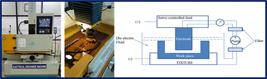 Thumbnail
 Thumbnail
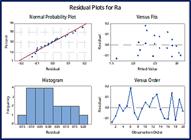 Thumbnail
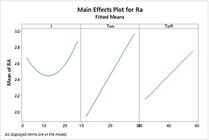 Thumbnail
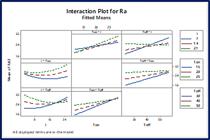 Thumbnail
 Thumbnail
 Thumbnail
 Thumbnail
 Thumbnail
 Thumbnail
 Thumbnail
 Thumbnail