 Tailoring mechanical properties of fiber metal laminates with BaSO4 nanoparticle-infused epoxy systems
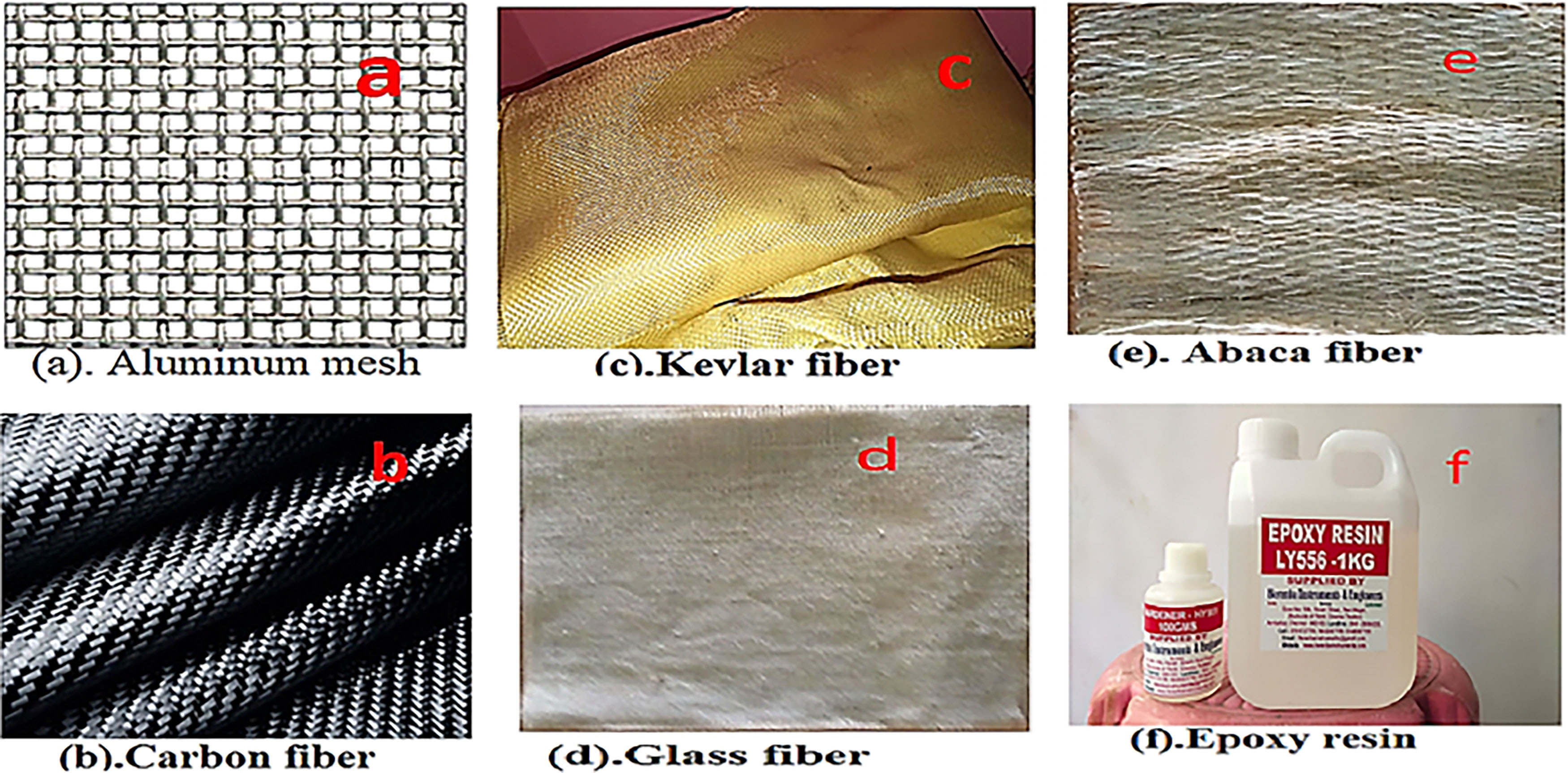
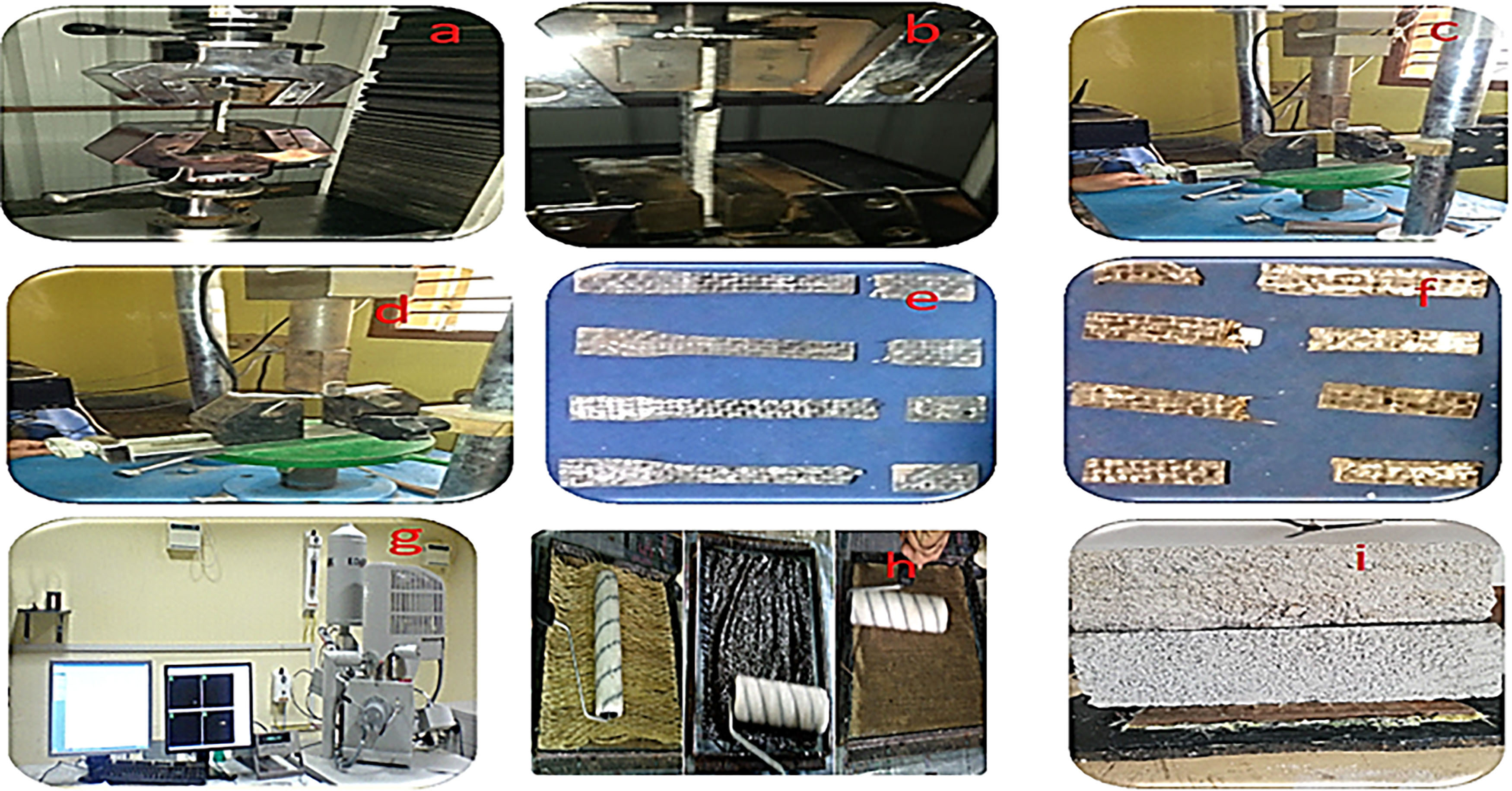
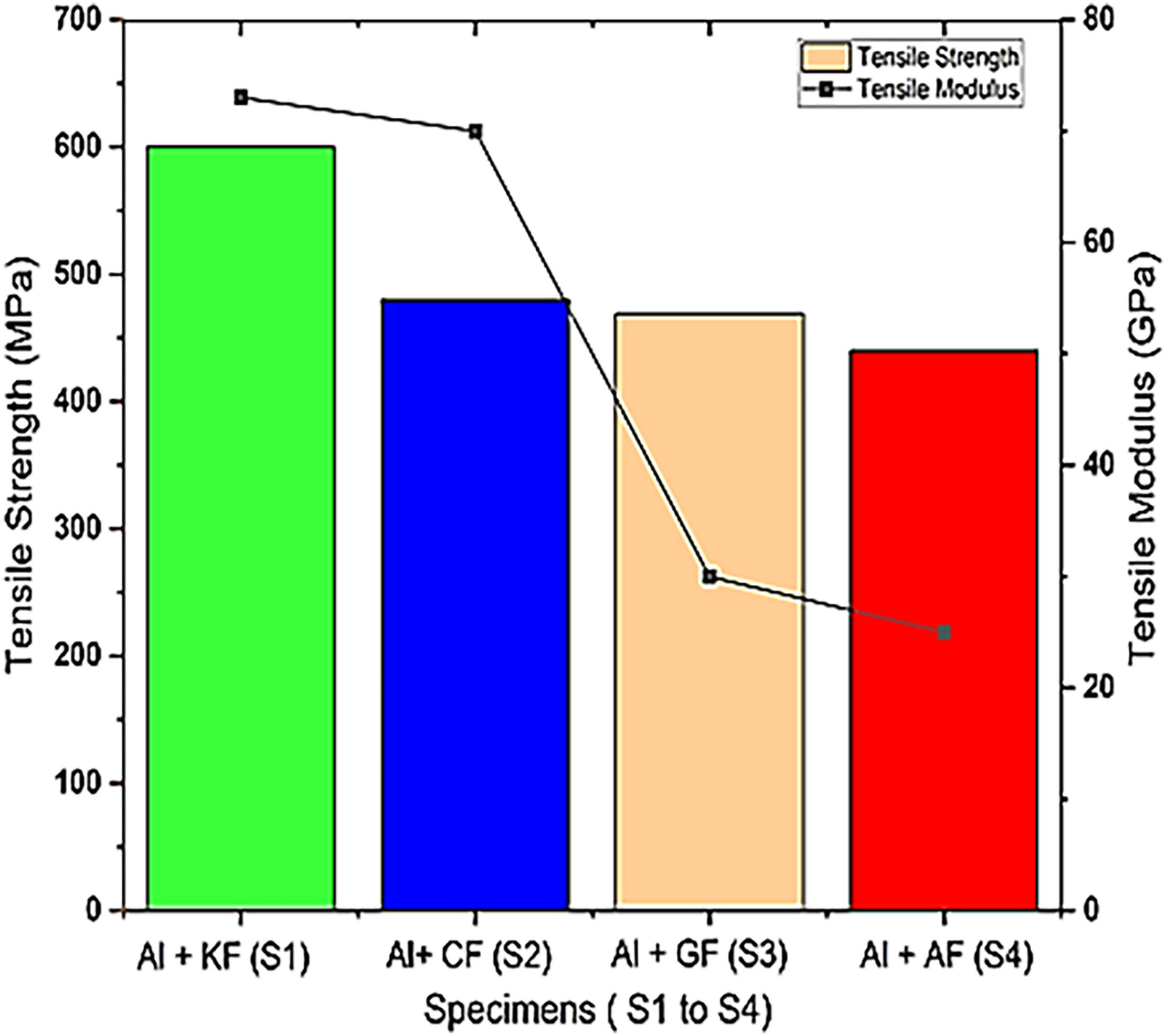
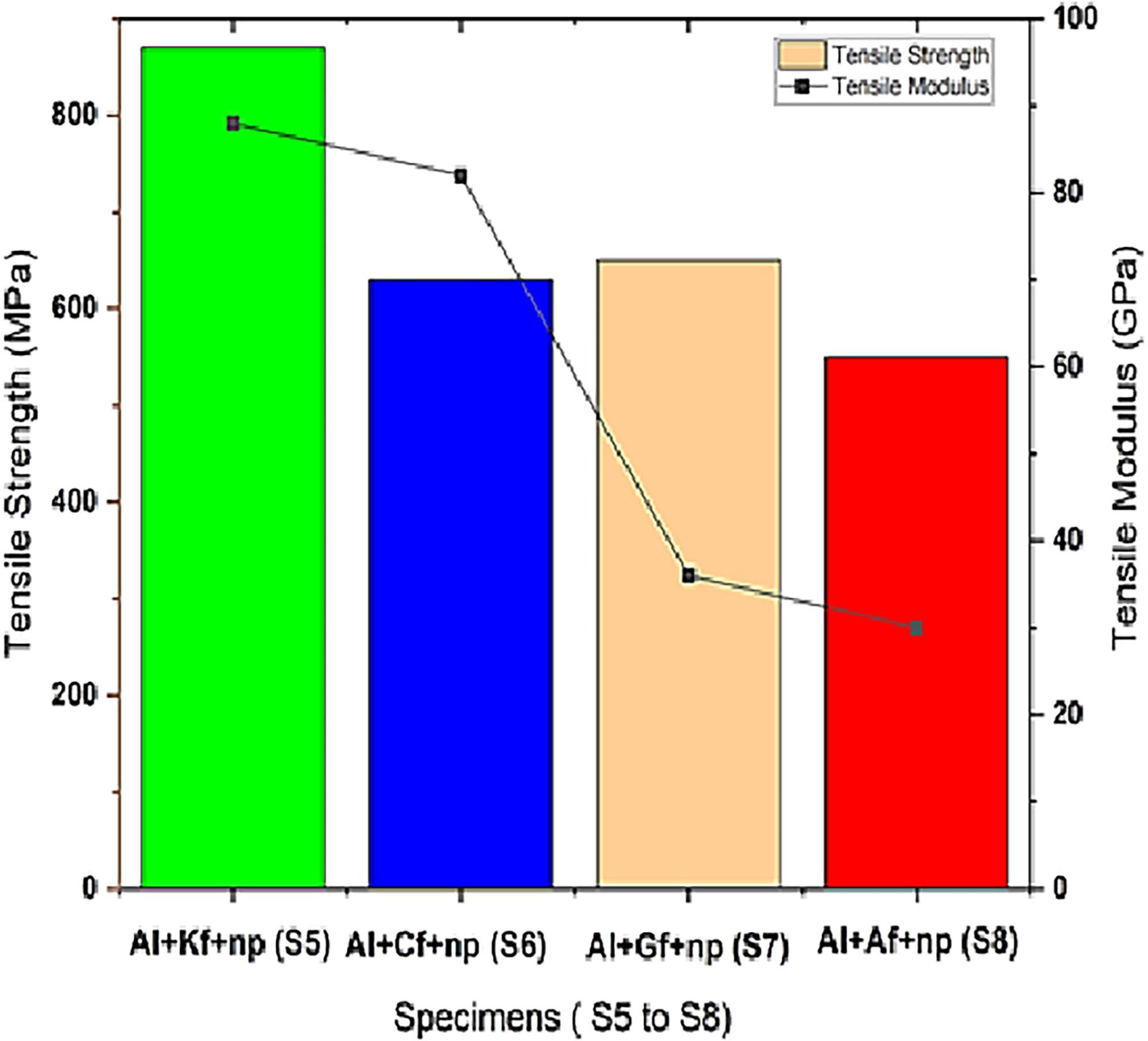
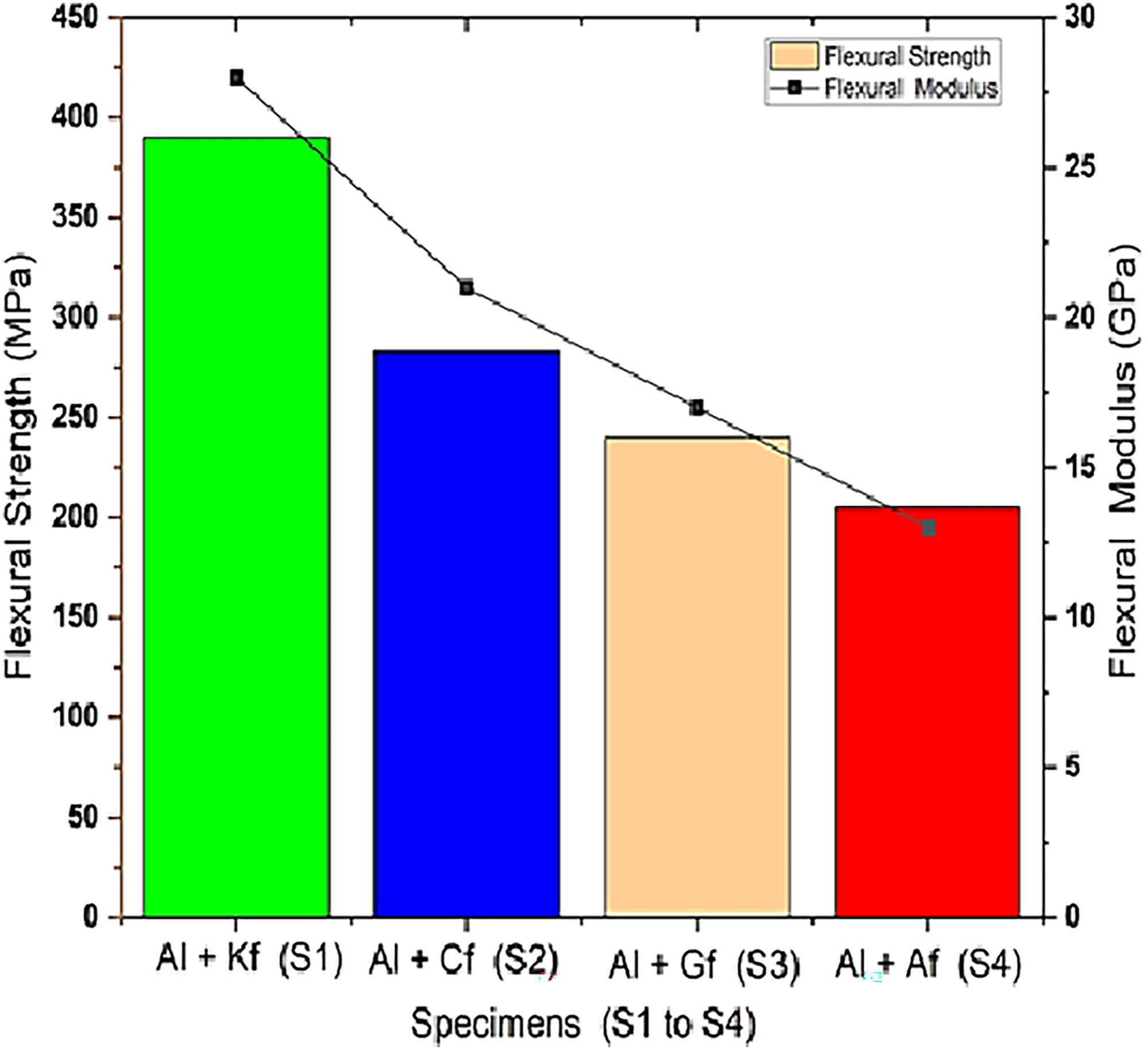
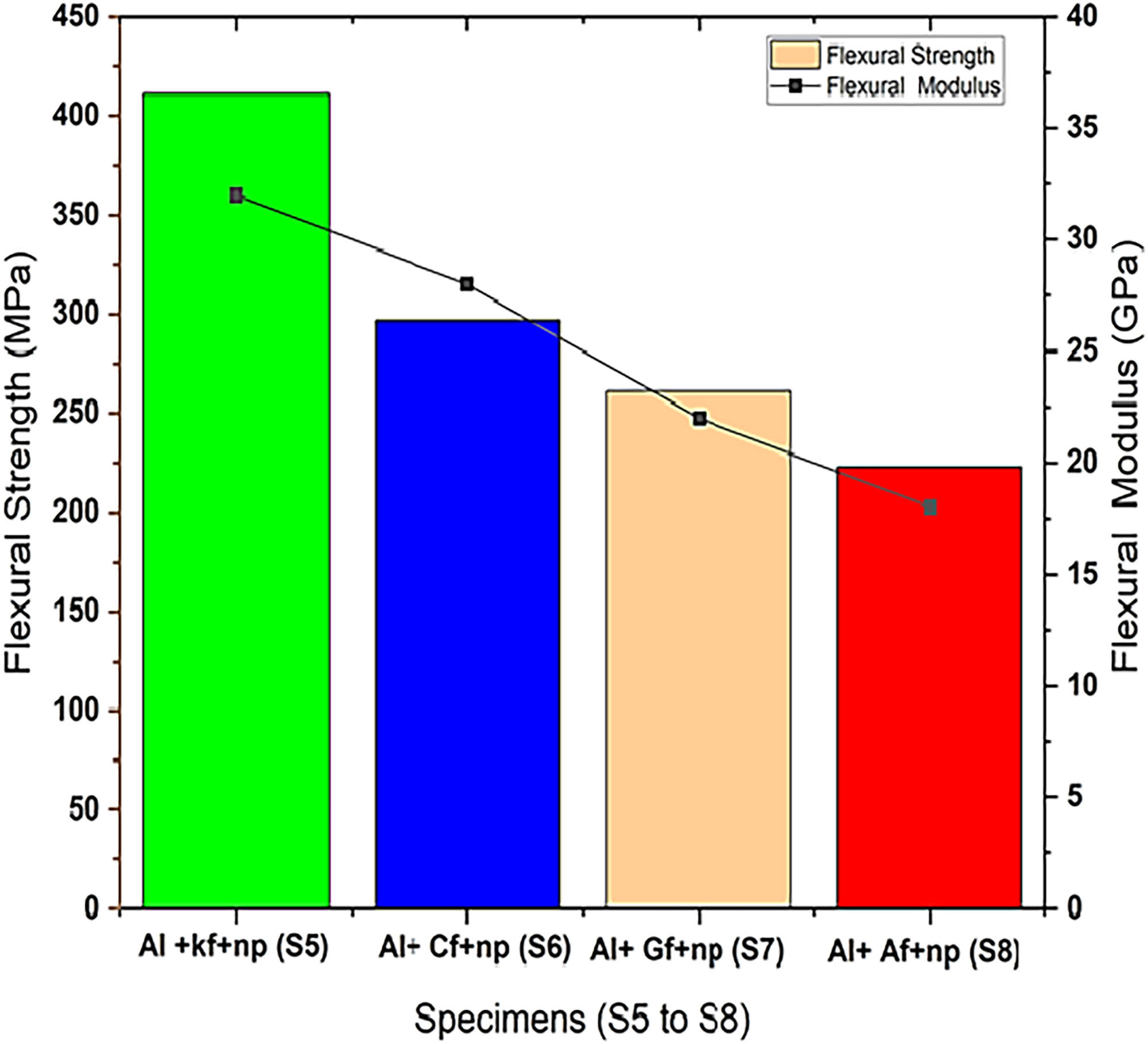
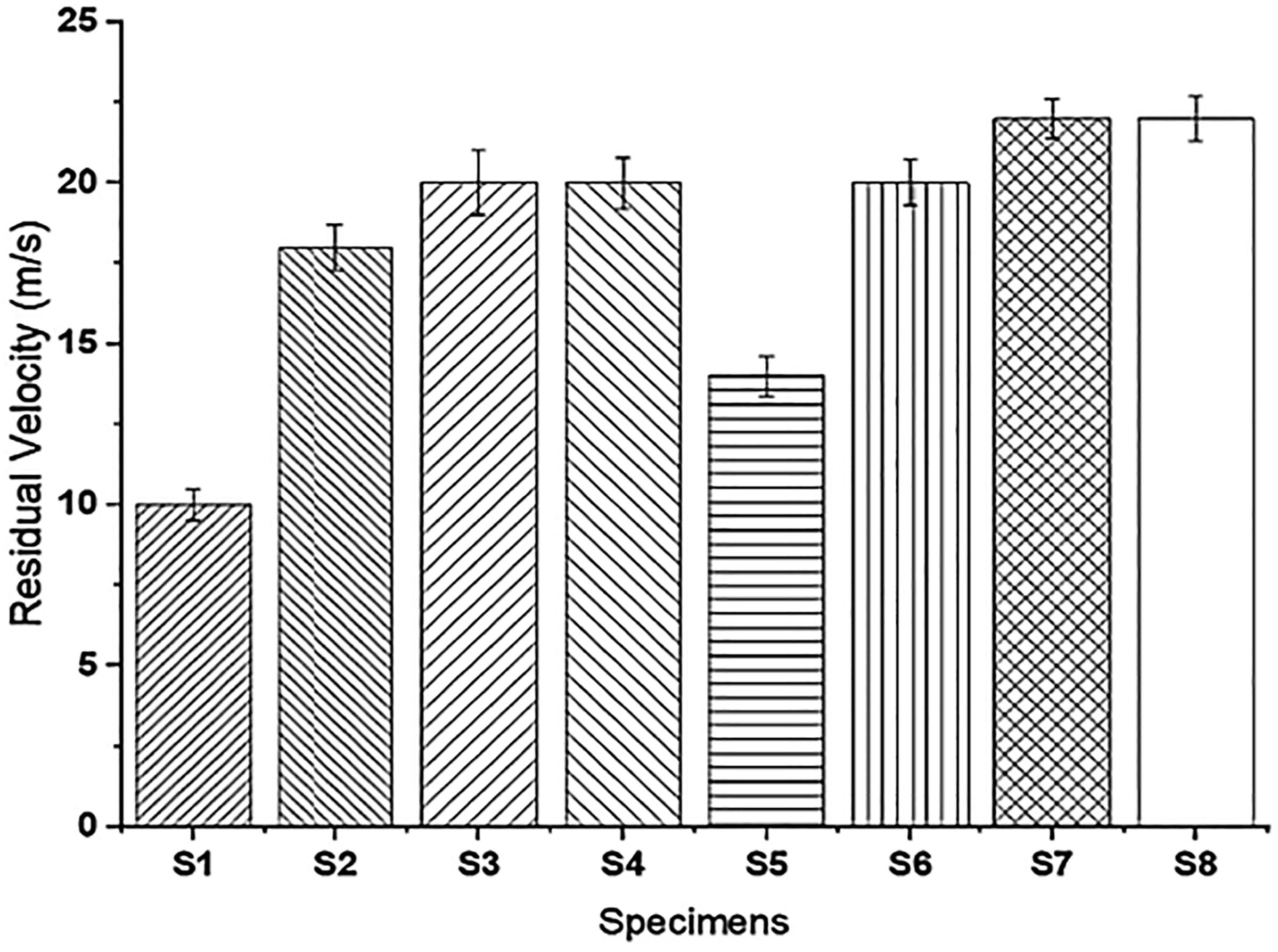
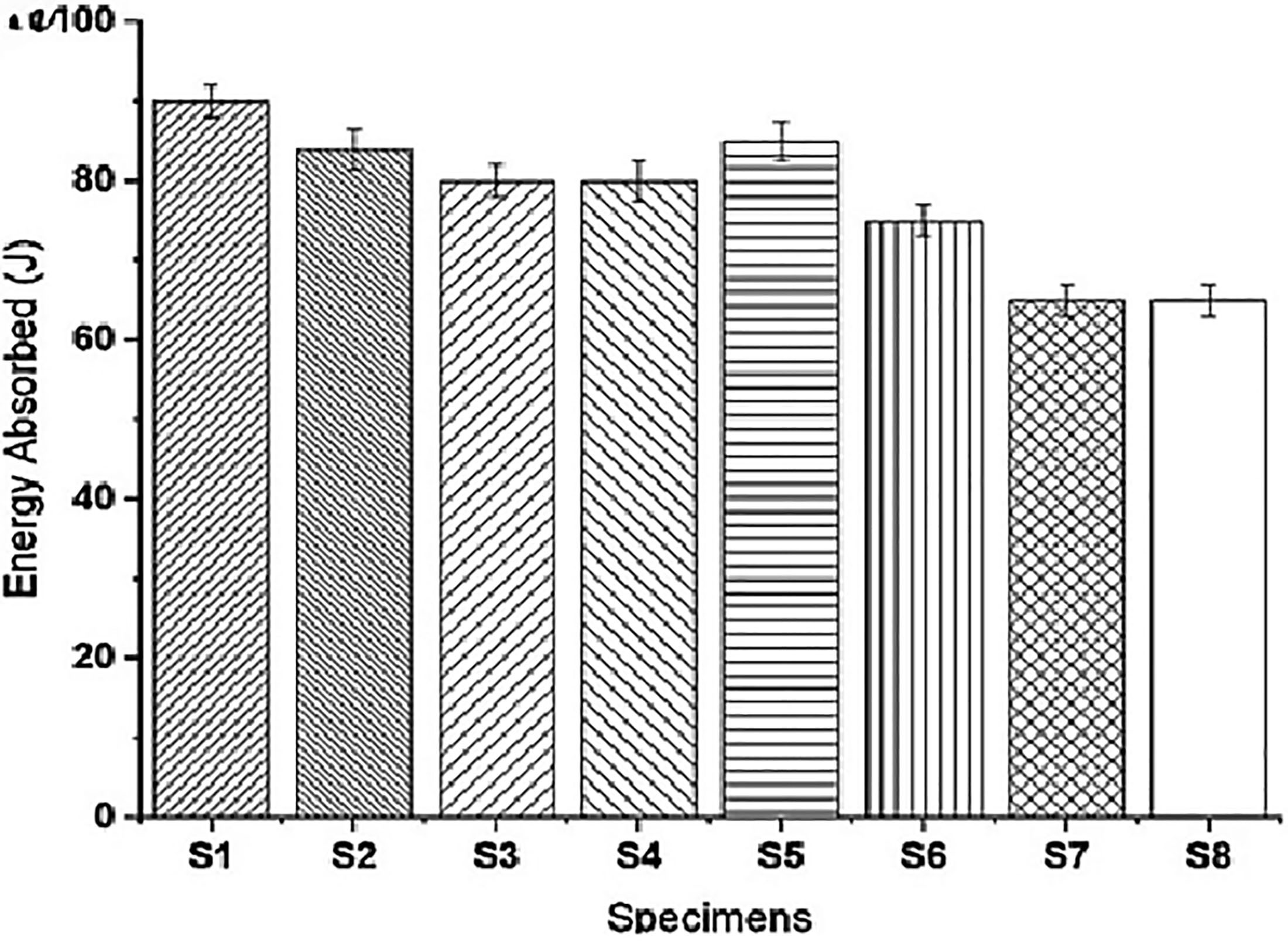
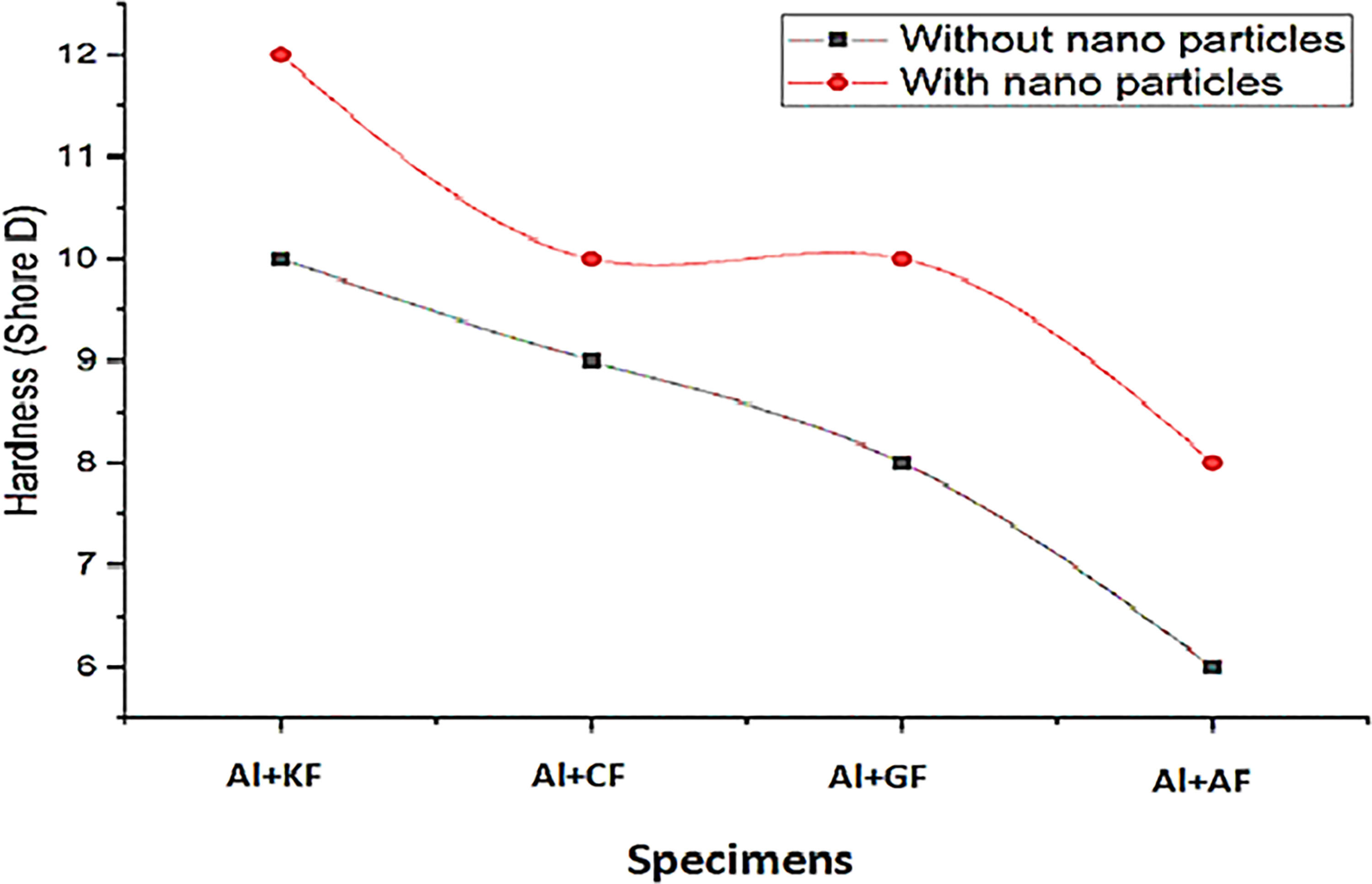
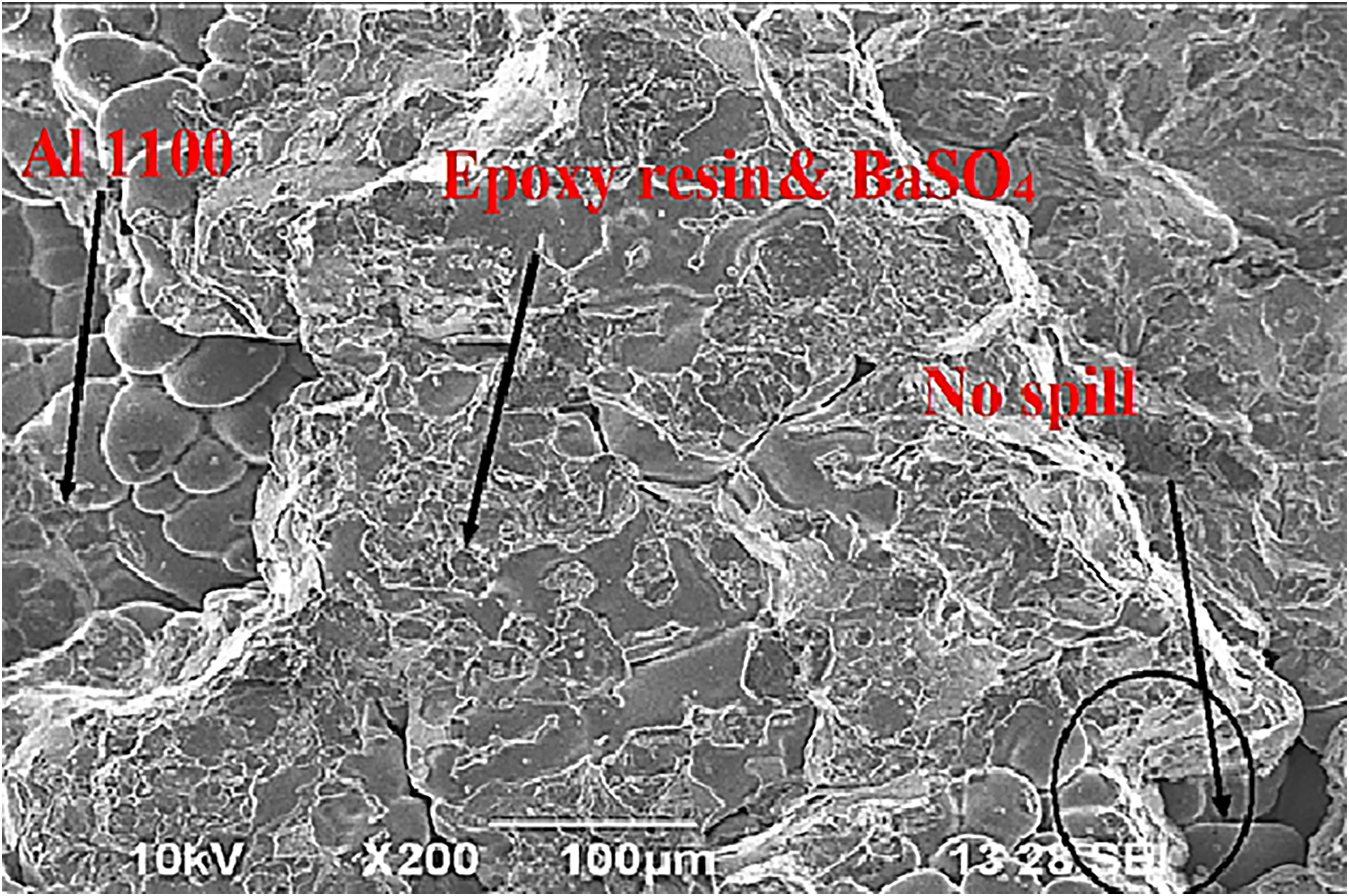
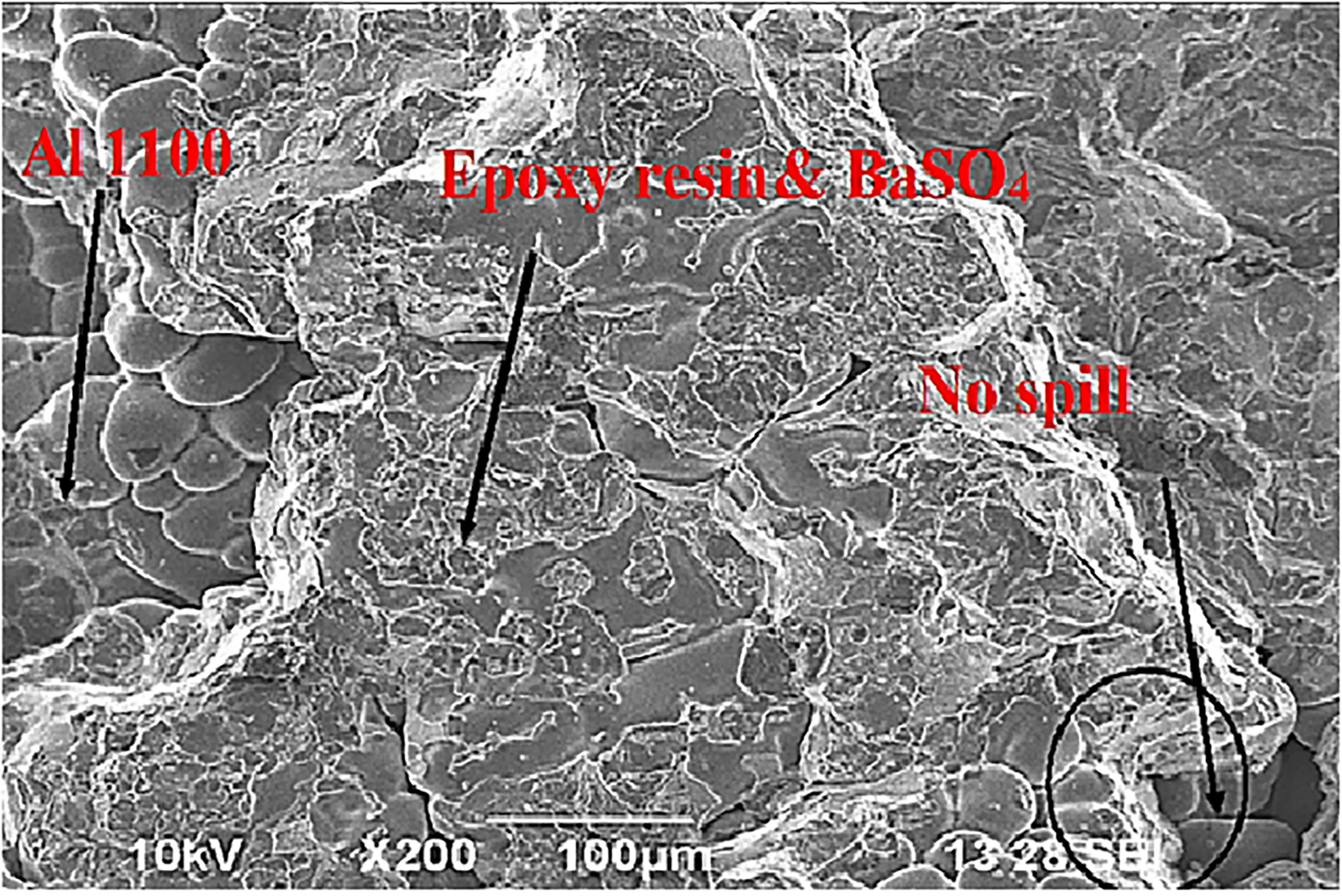
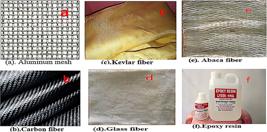
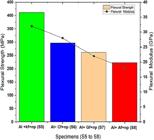
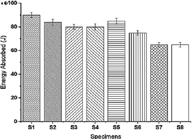
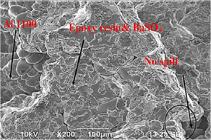
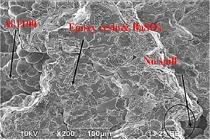
This research focuses on the fabrication and characterization of Fiber Metal Laminates reinforced with 5% BaSO4 nanoparticles for automotive applications. Eight distinct samples were produced using synthetic fibers (Kevlar, carbon, and glass fiber), natural abaca fiber, and an aluminum mesh (AL 1100) embedded in an epoxy resin matrix. Mechanical testing based on ASTM standards showed significant improvements in tensile, flexural, and impact strength. Kevlar fiber-reinforced Fiber metal laminates with BaSO4 nanoparticles exhibited the highest tensile strength at 18.27 kN, a 40% increase compared to non-reinforced fiber metal laminate. Flexural strength increased by 44% for Kevlar-reinforced fiber metal laminates, reaching 2.88 kN. Impact strength analysis revealed that nanoparticle-infused FMLs maintained superior energy absorption, with the Kevlar-reinforced Fiber metal laminates absorbing 90 J. Morphological analysis using Scanning Electron Microscopy confirmed enhanced microstructural integrity, with reduced void formation and better fiber-matrix adhesion in the nanoparticle-reinforced laminates. These results suggest that BaSO4 nanoparticles significantly improve the mechanical performance and structural integrity of fiber metal laminates, making them suitable for high-performance automotive components such as body panels and structural reinforcements.
Keywords:
Fiber Metal Laminates; BaSO4 nanoparticles; hand layup method; automotive applications; mechanical properties; microstructural characterization
 Thumbnail
 Thumbnail
 Thumbnail
 Thumbnail
 Thumbnail
 Thumbnail
 Thumbnail
 Thumbnail
 Thumbnail
 Thumbnail
 Thumbnail